
2027 How to Verify Accreditation for Environmental Science Degree Programs

Co-Founder and Chief Data Scientist
Many prospective students face uncertainty when selecting an environmental science degree program without verifying its accreditation. Attending a nonaccredited school can risk losing eligibility for federal financial aid and limit career opportunities, especially since 72% of employers prefer graduates from accredited programs. Accreditation ensures a curriculum meets industry standards and supports licensure requirements in some states.
This article examines key steps to confirm whether an environmental science program holds proper accreditation, helping students secure credible education and maximize their academic and professional outcomes.
Key Benefits of Accredited Environmental Science Degree Programs
- Accreditation ensures academic quality, verifying that environmental science programs meet rigorous educational standards essential for comprehensive knowledge and skill development.
- Only accredited programs qualify students for federal financial aid, making education more accessible for many pursuing environmental science careers.
- Employers and licensing boards often require degrees from accredited institutions, enhancing graduate employability and eligibility for professional certifications in environmental science fields.
What Does Accreditation Mean for Environmental Science Degree Programs?
Accreditation in higher education is a formal process that verifies an environmental science degree program meets established standards set by recognized bodies such as the Council for Higher Education Accreditation (CHEA) and the U.S. Department of Education. This evaluation ensures that curriculum, faculty qualifications, and educational resources conform to nationally accepted criteria.
Over 95% of students attend programs reviewed by these accrediting agencies, underscoring the importance of accreditation when evaluating environmental science degree programs. Students should understand that accreditation signals academic credibility and program integrity in this field.
The importance of accreditation in environmental science education lies in maintaining program quality and relevance. Accredited programs undergo continuous review and improvement to guarantee that students are taught by qualified instructors and receive current, applicable knowledge. This process creates a structured learning environment that supports academic progress and professional preparedness.
For those considering advanced studies, including situations where they might explore an EdD degree, recognizing accredited environmental science programs is a vital step in ensuring their educational investment holds value.
What Types of Accreditation Should a Environmental Science Degree Program Have?
Evaluating the types of accreditation held by an environmental science degree program is essential for gauging academic quality, transferability of credits, and career prospects. The distinctions among institutional, programmatic, and licensure-related accreditation provide key insights into a program's credibility.
Below are the main accreditation types to consider when choosing a degree program.
- Institutional Accreditation: This verifies that the entire college or university adheres to established quality standards. Regional accreditation is generally viewed as more prestigious for traditional colleges and supports federal financial aid eligibility and easier credit transfer. On the other hand, national accreditation is often linked to vocational or specialized institutions and may affect credit portability and employer recognition.
- Programmatic or Specialized Accreditation: Focused specifically on environmental science or closely related disciplines, this accreditation confirms that the program's curriculum, faculty, and resources meet industry-relevant standards. It enhances graduate readiness and employer recognition within the relevant fields.
- Regional Accreditation for Environmental Science Programs: Being regionally accredited is a mark of academic rigor and is preferred by many employers and graduate schools. This type of accreditation typically results in more seamless credit transfers and greater acceptance of the degree nationally.
- Accreditation Linked to Licensure or Professional Practice: For students aiming for certification or roles that require formal credentials, accreditation tied to professional licensure is vital. It ensures that the coursework and training meet regulatory standards necessary for practice in environmental science careers.
Prospective students should carefully verify accreditation status, as it affects federal aid and career options. Those researching programs may also explore accredited online counseling programs to understand how specialized accreditation impacts professional pathways.
How Can You Verify If a Environmental Science Degree Program Is Accredited?
Confirming whether an environmental science degree program is accredited is crucial for verifying educational quality, qualifying for federal financial aid, and ensuring eligibility for future employment or licensure. Proper accreditation also safeguards against enrolling in programs that may not meet recognized academic standards.
Here are effective ways to verify accreditation for an accredited environmental science degree program near me or elsewhere:
- U.S. Department of Education Database: Use the official federal database to search for the institution or program. This resource lists schools and programs with valid accreditation recognized by the government, helping you verify authenticity and understand the accrediting agencies involved.
- Council for Higher Education Accreditation (CHEA): Check CHEA's comprehensive directory of accredited programs and recognized accreditors. This step confirms the legitimacy and quality of the accrediting organization overseeing the environmental science program.
- Direct School Confirmation: Contact the admissions or registrar's office at the institution directly. Request official documents or statements that verify their accreditation status, including details about the accrediting body and the most recent review or renewal.
- Programmatic Accreditation: Investigate if the environmental science program has additional accreditation from professional or specialized organizations. This verification is important for certain career paths that require specialized credentials or licensure.
- Related Resources: For insights on affordable academic options, consider exploring the library degree rankings to understand how different fields approach accreditation and affordability.
What Red Flags Indicate a Environmental Science Program May Not Be Accredited?
Spotting warning signs of unaccredited environmental science programs is crucial to safeguard your academic reputation, qualify for federal aid, and ensure future career or licensure opportunities. Below are key indicators to help identify potential accreditation issues.
- Claim of Lifetime Accreditation: Genuine accreditation requires periodic review and renewal to maintain standards. Programs boasting permanent or "lifetime" accreditation without scheduled reassessments likely lack authentic oversight.
- Unrecognized Accrediting Bodies: Accreditation should come from agencies approved by the U.S. Department of Education or the Council for Higher Education Accreditation (CHEA). Programs accredited by unknown or unapproved organizations may not meet established quality benchmarks.
- Suspiciously Low Tuition: While affordability is important, fees significantly below comparable programs could indicate insufficient resources, inadequate faculty, or poor facilities, which compromise educational quality.
- Vague or Misleading Descriptions: Overgeneralized claims about program outcomes, unclear curriculum details, or exaggerated employment prospects can be signs that the program lacks transparency or rigor.
Careful verification of accreditation through official government or CHEA resources helps protect your educational investment and long-term professional goals.
Are Online Environmental Science Degree Programs Accredited?
Online environmental science degree programs can indeed be accredited, a distinction that confirms these programs meet comparable academic standards to traditional on-campus options. Accreditation plays a vital role in verifying program quality, affecting access to federal financial aid, the transferability of credits, and recognition by employers or licensing boards.
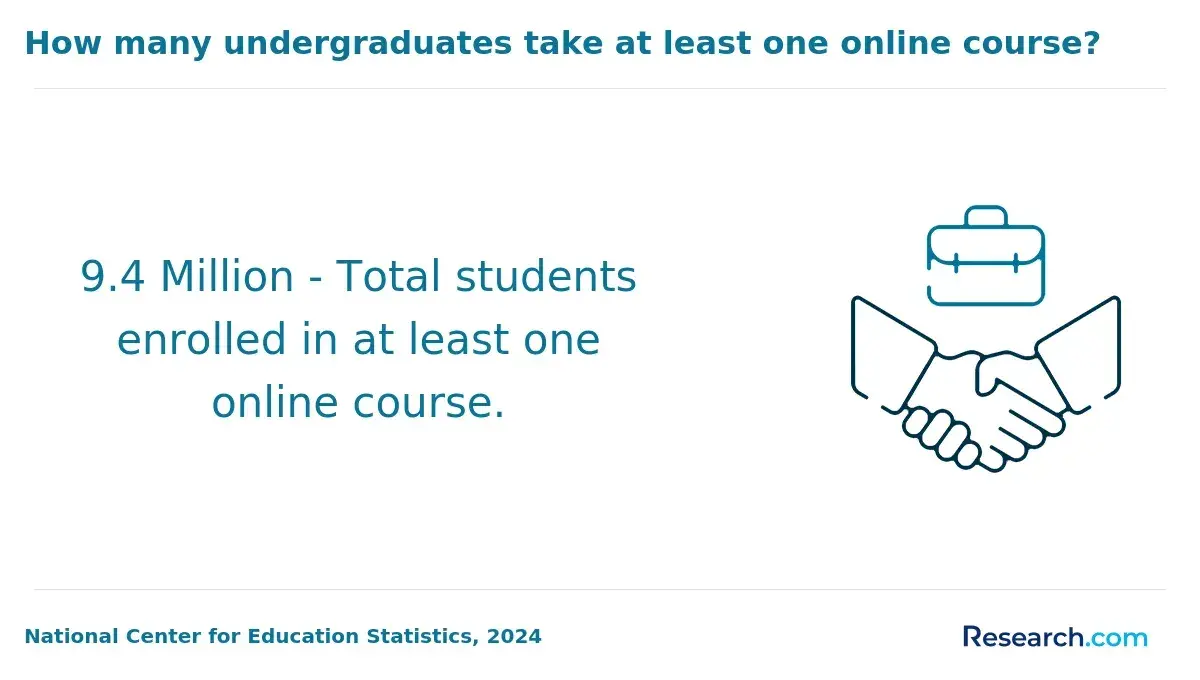
Recent data from the National Center for Education Statistics shows that over 30% of college students take at least some courses online, highlighting the growing legitimacy of online education pathways. Accreditation requirements for online environmental science degrees include rigorous evaluation of curriculum relevance, faculty qualifications, instructional methods, and student outcomes, ensuring that these virtual programs uphold the same academic integrity and institutional oversight as their in-person counterparts.
In speaking with a graduate of an online environmental science degree program, he shared that while juggling coursework with a full-time job was initially overwhelming, the program's structured support and accreditation reassured him of the education's value. "There were moments I doubted whether an online degree would hold the same weight," he admitted, "but knowing the program was accredited made the difference when applying for jobs."
He also mentioned the challenge of adapting to virtual labs and discussions but appreciated how the curriculum was designed to simulate real-world scientific inquiry despite the remote format. His experience reinforced that accredited online programs can deliver quality education while offering flexibility for nontraditional students.
Does Accreditation Affect Licensure Eligibility for Environmental Science Careers?
Choosing an accredited environmental science program is crucial for students aiming to pursue licensed or regulated careers in this field. Accreditation verifies that the education meets industry and governmental quality standards, which directly influences licensure opportunities. The following points highlight how accreditation affects licensure eligibility and related professional outcomes.
- Licensure Exam Eligibility: Most professional boards require candidates to graduate from accredited programs before taking licensure exams. Without accredited credentials, students may be barred from these necessary certification steps.
- Licensing Board Requirements: State and regional licensing bodies often mandate that applicants hold degrees from accredited institutions. This standard ensures that candidates possess a verified level of knowledge and training aligned with regulatory expectations.
- Recognition by Employers and Regulators: Employers and regulatory agencies usually prefer or require accredited qualifications, as they demonstrate verified academic rigor and practical preparation. Graduates from non-accredited programs may struggle to attain recognition in competitive job markets or regulatory roles.
- Limitations Without Accreditation: Students from non-accredited environmental science programs may face restricted access to financial aid options and encounter obstacles in career advancement. Their credentials might lack credibility, impacting both licensure and employment prospects.
Will Credits From an Accredited Environmental Science Program Transfer to Another School?
Transferring credits from an accredited environmental science program is crucial for students who may change schools, pursue graduate studies, or relocate, as it can save significant time and expense. Several important factors determine whether these credits will be accepted by another institution.
- Institutional Accreditation Type: Credits generally transfer more easily when both the original and receiving institutions possess recognized regional or national accreditation accepted by the U.S. Department of Education. Accreditation status affirms academic quality, influencing transfer decisions.
- Course Equivalency and Curriculum Alignment: Receiving schools assess whether previously completed courses align in content, rigor, and credit hours with their own environmental science curricula. Close alignment increases the likelihood of credit acceptance.
- Transfer Policies of the Receiving Institution: Each institution enforces its own rules regarding transfer credits, including which departments accept external courses and minimum grade requirements. Understanding these policies upfront mitigates surprises during the credit evaluation process.
- Limits on Transfer Credits: Many schools cap the number of allowable transfer credits, especially for upper-division or specialized environmental science courses, requiring students to complete a portion of their degree directly at the institution.
When I asked a graduate of an environmental science degree program about her experience with credit transfer, she recalled facing considerable uncertainty and paperwork during her transfer between states. "I wasn't sure which credits would count, so I had to advocate persistently and provide detailed course syllabi to the new school," she explained.
Despite these hurdles, she found that clear communication and early engagement with academic advisors made a major difference. "It was stressful at times, but ultimately, transferring most of my credits saved me from retaking several classes, allowing me to stay on track for graduation and pursue graduate studies without delay." Her account highlights the value of diligence and transparency when navigating credit transfers in environmental science education.
Does a Environmental Science Program Need Accreditation to Qualify for Financial Aid?
Accreditation plays a crucial role in determining whether students can access federal, state, and institutional financial aid when pursuing an environmental science program. According to the U.S. Department of Education, about 85% of students using federal aid attend accredited institutions. The following points highlight key financial aid considerations linked to accreditation.
- Federal Aid Eligibility: Enrollment in an accredited program is required for Title IV federal financial aid such as grants, loans, and work-study. Without accreditation, students cannot receive these essential funding sources, making education less affordable.
- State and Military Benefits: Many state scholarships, grants, and military tuition assistance programs mandate that the environmental science program hold proper accreditation. This ensures public and military funds support recognized academic standards and legitimate programs.
- Institutional Scholarships: Colleges and universities often reserve scholarships and grants for students in accredited programs. Accreditation provides assurance that students meet academic quality benchmarks, influencing the availability of institutional financial support.
- Cost and Completion Impact: Lack of accreditation can force students to rely heavily on out-of-pocket payments due to limited aid options, which may hinder their ability to complete the environmental science degree.
How Does Program Accreditation Influence Employability in Environmental Science Fields?
Accreditation significantly impacts career prospects and credibility in environmental science fields, making it a key consideration for students assessing potential degree programs. Nearly 85% of employers prefer candidates who graduated from accredited institutions, reflecting strong industry trust in these credentials. Below are key ways accreditation influences employability and job market positioning.
- Employer Recognition: Degrees from accredited programs ensure employers that graduates have met established educational standards, reducing doubts about the validity of qualifications and improving hiring potential.
- Professional Credibility: Graduates from accredited environmental science degree programs benefit from enhanced reputations, giving them greater confidence and standing during job applications and interviews.
- Certification Eligibility: Many advanced certifications and licensure opportunities in environmental science require degrees from accredited programs, making accreditation essential for career advancement in specialized areas.
- Job Market Competitiveness: Accredited programs often provide access to career support, networking, and trusted credentials that increase graduates' chances of employment in a competitive field.
For prospective students seeking the benefits of accredited environmental science degree programs for job placement, verifying accreditation status is crucial. This not only confirms academic quality but also ensures eligibility for financial aid and professional opportunities. Students exploring advanced degrees might also consider programs such as the cheapest online doctorate in educational leadership to optimize both affordability and accreditation integrity.
Do Graduates From Accredited Environmental Science Programs Earn Higher Salaries?
Accreditation significantly influences earnings potential for graduates from environmental science degree programs. On average, graduates from accredited programs earn about $55,000 annually, compared to $45,000 for those from non-accredited programs. This salary gap reflects several important career factors.
- Employer Preference: Many employers prioritize candidates with degrees from accredited environmental science degree programs salary comparison shows higher demand for such graduates since accreditation assures academic rigor and professional standards.
- Eligibility for Advancement: Degrees from accredited programs are often required for higher-level job positions, especially in government agencies and private firms, which usually offer greater financial rewards.
- Industry Recognition: Graduates from accredited programs gain better access to networking, internships, and specialized training. This industry recognition fosters enhanced career development opportunities and often translates into higher salaries.
- Long-Term Career Growth: An accredited degree strengthens credentials for professional certifications and licenses, which can lead to increased earnings over time and improved job stability.
Prospective students should ensure their environmental science program is accredited to maximize salary and career prospects. For those researching options, reviewing top online degrees can also provide insights into programs that offer both accreditation and marketable skills relevant to today's job market.
What Graduates Say About Their Accredited Environmental Science Degree
- Riley: "Learning about the importance of accreditation early in my environmental science degree journey truly shaped my academic choices. I made it a priority to check the university's credentials through official education boards and trusted online databases. Graduating from an accredited program opened doors to professional opportunities I hadn't imagined, giving me confidence that my expertise was well recognized. "
- Esther: "I took a very reflective approach when selecting my environmental science program, understanding that accreditation was a critical benchmark for quality and recognition. By carefully reviewing accreditation bodies' lists and consulting with industry mentors, I ensured my degree was legitimate and valued. This diligence has paid off, as employers have consistently acknowledged my degree's credentials in advancing my career. "
- Ben: "From a professional standpoint, recognizing the accreditation status of my environmental science degree was essential for meeting industry standards. My verification process included contacting the school's admissions office and cross-referencing accreditors' official websites. Completing an accredited program has been a cornerstone in establishing credibility and trustworthiness in my environmental consulting work. "
Other Things You Should Know About Environmental Science Degrees
In 2027, students can verify accreditation by checking the program's status on the official website of the accrediting body, such as the Accreditation Board for Engineering and Technology. Contacting the institution's registrar's office for documentation and cross-referencing with education department records can also confirm accreditation.
In 2027, students should verify accreditation by checking the accreditation status on the U.S. Department of Education or the Council for Higher Education Accreditation (CHEA) websites. Confirm the accrediting agency listed is recognized and up-to-date. Directly contacting the school's registrar can also clarify current accreditation status.
To verify accreditation, check the program’s status on the official website of the accrediting body, such as the Accreditation Board for Engineering and Technology (ABET). Additionally, the U.S. Department of Education's website has a database of accredited postsecondary institutions and programs.
Yes, programs can lose accreditation if they fail to meet required standards during review. Loss of accreditation impacts the program's reputation and may affect students' eligibility for financial aid, credit transfer, and job opportunities. Prospective students should confirm ongoing accreditation to avoid these risks.
References
- Find Accredited Programs https://accreditation.org/find-accredited-programs/university-search
- Transfer Credit https://earth.sas.upenn.edu/ees-courses/transfer-credit
- Environmental Science Degree Online https://www.snhu.edu/online-degrees/bachelors/bs-in-environmental-science
- Programs Not Eligible for Financial Aid | Cape Fear Community College https://cfcc.edu/financial-aid/programs-not-eligible-for-financial-aid/
- Qualification Accreditation Scheme https://www.eianz.org/resources/qualifications-accreditation-scheme
- Environmental Program Accreditation | ECO Canada https://eco.ca/educators/program-accreditation/
- New Certifications https://www.nrep.org/certifications
- Transfer Credit from Accredited Colleges and Universities https://www.esf.edu/registrar/transfer-credit.php
- ABET Accreditation | AEES https://www.ecoeng.org/abet
- Environmental studies: A career changing the world https://www.cmich.edu/blog/all-things-higher-ed/environmental-studies-a-career-changing-the-world


