
2027 Return on Investment (ROI) of an Environmental Science Degree Program

Co-Founder and Chief Data Scientist
Many prospective students hesitate to pursue an environmental science degree due to concerns about job availability and salary potential. Although environmental careers are growing, the perception of limited financial reward persists. However, employment in the environmental science field is projected to increase by 8% through 2031, faster than the average for all occupations. This growth indicates rising demand for skilled professionals addressing climate change, conservation, and sustainability challenges.
This article will analyze the return on investment of an environmental science degree, examining costs, career paths, and salary outcomes to help readers make informed decisions about their education and future.
Key Things to Know About Environmental Science Degree ROI
- Graduates with an environmental science degree see a median starting salary of approximately $50,000, increasing to over $80,000 with experience and advanced qualifications.
- Career advancement is common in sectors like government agencies and private consulting, offering roles in policy development, environmental management, and sustainability leadership.
- The versatility of this degree supports job stability, allowing professionals to work in diverse industries such as renewable energy, conservation, and environmental compliance.
How Is ROI Calculated for a Environmental Science Degree Program?
Return on investment (ROI) in higher education measures the financial benefits a student gains relative to the costs and time invested in completing a degree. This calculation helps prospective and current students compare the value of an environmental science degree against its expenses and duration.
Several key factors influence the return on investment calculation for environmental science degrees. These include:
- Tuition and fees: This covers the total cost of the program, including tuition, books, supplies, and mandatory expenses, representing the upfront financial investment required.
- Opportunity cost: The income foregone while pursuing the degree instead of working full-time is crucial, reflecting earnings lost during the study period.
- Time to completion: Program length affects both direct costs and opportunity costs, with shorter durations generally increasing ROI by enabling earlier entry into the workforce.
- Post-graduation salary outcomes: Expected starting salaries and growth in wages for environmental science graduates are major drivers of financial returns after degree completion.
- Career advancement potential: Long-term earning potential and upward mobility within environmental science careers expand lifetime earnings and improve ROI beyond initial salary figures.
Evaluating the cost versus earnings analysis of environmental science programs can guide students in making informed decisions, especially when balancing financial investment and career goals. For those considering other fields, exploring options like the best mba programs online may offer alternative ROI profiles.
How Much Does a Environmental Science Degree Program Cost?
Accurately gauging the full expense of an environmental science degree is vital to assess its true return on investment, especially as graduate tuition has risen by nearly 3% annually over the past ten years. With average debt for master's graduates surpassing $66,000, it's essential to look beyond just tuition when calculating costs.
Several factors contribute to the overall financial commitment of this degree program:
- Tuition and fees: These usually represent the largest expenditure, differing greatly depending on whether the institution is public or private and whether students qualify for in-state or out-of-state rates.
- Books and materials: Costs for textbooks, specialized software, and laboratory equipment can accumulate quickly, particularly for programs emphasizing practical field studies.
- Living and relocation expenses: Housing, transportation, and everyday expenses vary widely with geography and lifestyle choices, often imposing a significant burden on students away from home.
- Opportunity cost: The income foregone from leaving full-time work to study can be one of the most substantial hidden expenses, especially in multi-year programs.
- Indirect costs: These might include fees for travel to internships or fieldwork, health insurance premiums, and administrative charges that many students overlook but must budget for.
When I spoke with a graduate of an environmental science program about the actual costs he faced, he emphasized the unexpected financial strains outside tuition. "I underestimated how much relocating would cost," he said, recalling searching for affordable housing near campus while balancing part-time work. He also mentioned frequent field trips that required additional travel expenses and equipment purchases. Navigating these practical challenges added stress beyond academics, leaving him to reflect that financial preparation requires thorough research and realistic budgeting for the many facets of the program's cost.
What Financial Aid Is Available for Environmental Science Degree Programs?
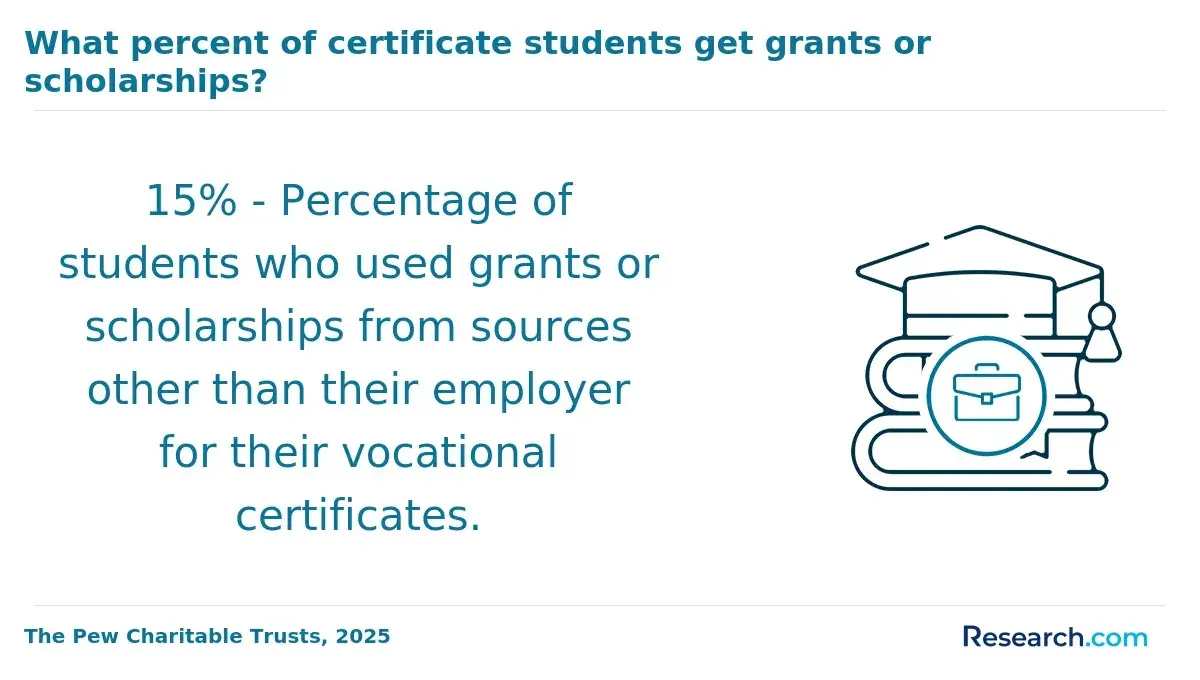
Financial aid helps reduce initial education expenses and lessens the likelihood of accumulating heavy debt, thereby enhancing the long-term return on investment for an environmental science degree. Recent data show that around 70% of graduate students in the U.S. receive some form of financial support, underscoring its significance in higher education financing.
Common forms of financial aid available for environmental science programs include:
- Scholarships: Awarded based on merit or financial need, scholarships lower tuition costs without the requirement for repayment, directly improving ROI by reducing total educational spending.
- Grants: These need-based funds also decrease reliance on loans, helping students avoid debt while covering portions of their tuition or fees.
- Fellowships: Often designated for graduate research or specialized training, fellowships provide stipends or cover tuition, allowing students to concentrate on academics without financial strain.
- Employer tuition assistance: Offered by some employers, this support can offset tuition expenses, making it easier for working professionals to earn their degree without sacrificing income.
- Federal student loans: Though they must be repaid, these loans typically have favorable interest rates and repayment terms to aid students in managing costs affordably during and after their studies.
Breakdown of All Fully Online Title IV Institutions

How Long Does It Take to Complete a Environmental Science Degree?
The time it takes to complete an environmental science degree directly affects its return on investment (ROI) because longer programs delay entry into the workforce and increase total educational expenses. Finishing sooner means earning a salary earlier and reducing cumulative costs, which can improve financial outcomes over time.
Several important factors shape how long it takes to earn this degree and influence its ROI:
- Enrollment status: Students attending full-time typically graduate faster, while part-time students balance school with other responsibilities, often lengthening the educational timeline and delaying income.
- Program format: Accelerated or online programs offer more flexibility and can shorten study duration, helping reduce both time and costs involved.
- Transfer credits: Applying previously earned credits can eliminate some coursework, enabling quicker completion and potentially lowering overall tuition expenses.
- Practical requirements: Internships or thesis projects may extend the time needed but can increase job prospects and future salary potential, affecting long-term ROI positively.
- Scheduling flexibility: Evening or weekend classes accommodate working students, but this balance often leads to prolonged degree completion.
When I spoke with a graduate of an environmental science degree, she reflected on her journey and noted how unexpected challenges shaped her timeline. Balancing a part-time job with studies, she found that managing coursework alongside work stretched her program beyond the typical four years. She said, "It wasn't easy juggling responsibilities, and some semesters were tougher than others, but staying committed helped me finish." She also emphasized how completing an internship not only delayed graduation slightly but enriched her understanding and connections in the field, which she believes boosted her early career opportunities. "Looking back, the extra time invested was worth it because I felt more prepared and confident entering the job market," she shared. This experience highlights the complex trade-offs between time, cost, and value when pursuing an environmental science degree.
Is ROI Higher for Online or On-Campus Environmental Science Programs?
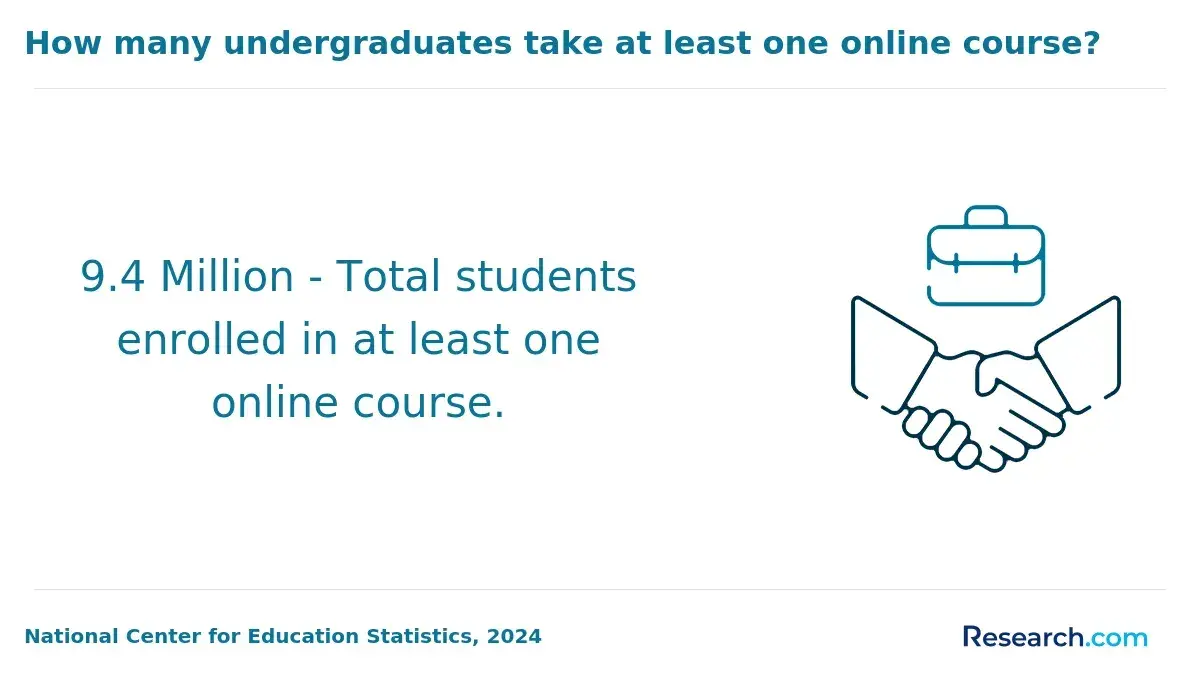
Delivery format can significantly influence the return on investment (ROI) of environmental science programs by affecting cost, flexibility, and career outcomes. Over 40% of higher education students now take at least one online course, illustrating the rising popularity and acceptance of online learning. Comparing online versus on-campus environmental science degree ROI involves evaluating factors like tuition, opportunity costs, and post-graduate prospects.
Key differences between the two formats include:
- Tuition and fees: Online programs generally have lower tuition and fees, reducing upfront expenses for students looking to minimize debt.
- Opportunity cost: Online courses offer greater flexibility, allowing students to work while studying and thus reduce lost income associated with full-time attendance.
- Networking and career services: On-campus programs often provide stronger face-to-face networking opportunities and more direct access to career support, which can be valuable in job placement and advancement.
- Employer perception: Traditional on-campus credentials may carry more weight with certain employers, influencing hiring and salary offers.
- Long-term earnings: Graduates from on-campus programs may achieve higher earnings over time, potentially reflecting the benefits of stronger professional connections and reputation.
Prospective students interested in online options can explore choices such as online degrees in counseling as examples of accessible and affordable pathways. Considering the environmental science program ROI comparison carefully helps individuals decide which format aligns best with their financial goals and career plans.
What Is the Average Salary After Earning a Environmental Science Degree?
Post-graduation salary is a key factor in determining the return on investment (ROI) of an environmental science degree, as it impacts how quickly graduates can offset education costs and establish financial security. Environmental science graduate earnings in the U.S. generally range from $45,000 to $85,000 annually, with entry-level roles starting near the mid-$40,000 mark and advanced positions reaching or exceeding $80,000.
Several important factors influence these average environmental science degree salary outcomes and the associated ROI:
- Industry: Salaries vary widely across sectors such as consulting, government, and private corporations, with private sector roles often offering higher compensation.
- Geographic location: Urban and coastal areas typically provide elevated salaries due to greater demand and cost of living.
- Prior experience: Internships, research projects, or relevant work enhance starting salaries by demonstrating practical skills.
- Specialization: Areas like environmental engineering or data analysis tend to command premium pay due to technical expertise.
- Career level: Moving from entry-level to senior or managerial positions significantly boosts earning potential over time.
Evaluating these factors can help prospective students understand the financial benefits and timeframe for achieving positive ROI with an environmental science degree. For those comparing options, exploring related fields such as a library science degree online might also offer insights into salary expectations and career paths.
Does a Environmental Science Degree Lead to Promotions?
Promotions significantly enhance the return on investment (ROI) of an environmental science degree by leading to salary increases, broader job responsibilities, and greater career mobility. These advancements not only improve financial outcomes but also open doors to leadership roles and strategic influence within organizations.
A current workforce trend reveals that many employers increasingly tie promotions to formal credential attainment, valuing degrees alongside hands-on experience for career advancement. This dynamic is especially relevant for those pursuing promotion and career advancement with an environmental science degree.
Key ways an environmental science degree may boost promotion prospects and ROI include:
- Credential Requirements: Many advanced roles require specific academic qualifications, making the degree essential to meet these criteria and qualify for higher-level positions.
- Leadership Preparation: The degree helps develop both leadership skills and specialized technical knowledge, equipping graduates to manage projects, lead teams, and implement environmental strategies.
- Tuition Reimbursement: Holding a degree often qualifies employees for tuition reimbursement programs offered by some employers, reducing the personal financial burden of education and improving ROI.
- Internal Promotion Policies: Degree holders frequently align better with company promotion policies that prioritize formal education, increasing competitiveness for advancement opportunities.
- Experience Synergy: Combining practical experience with academic credentials enhances professional credibility and value in promotion decisions, demonstrating both capability and commitment.
Education combined with experience lays a robust foundation for career growth; while experience confirms practical ability, the degree signals dedication and expertise, often a prerequisite for supervisory or strategic roles within environmental fields. Those interested in further credential advancement may explore programs such as a phd organizational leadership to augment their qualifications and leadership potential.
Which Industries Offer the Best ROI for Environmental Science Graduates?
The return on investment (ROI) for environmental science graduates varies significantly by industry due to differences in salary levels, career progression opportunities, and demand for specialized skills. These factors determine both initial compensation and long-term financial growth in the field.
Industries offering the strongest ROI for environmental science graduates include:
- Energy and Utilities: This sector provides competitive salaries and clear advancement paths as demand grows for clean energy solutions. Professionals skilled in environmental regulations and sustainable practices are highly valued, which supports salary growth and promotion potential.
- Environmental Consulting: Graduates benefit from diverse projects that build technical and advisory skills. As experience accumulates, compensation tends to escalate, making this sector attractive for those seeking top industries for environmental science graduates.
- Government and Public Policy: Though entry salaries might be moderate, these roles offer job stability and structured promotion frameworks. The work includes meaningful policy involvement, which can lead to steady career advancement over time.
- Waste Management and Remediation: With tightening environmental regulations, opportunities in this field are expanding. Practical problem-solving skills are rewarded with reliable career paths and ongoing wage growth, making it a strong choice among the highest paying environmental science careers.
- Research and Academia: Though longer career-building phases are common, roles in research provide intellectual fulfillment and potential tenure security, alongside opportunities for grant funding.
For those seeking to advance quickly, exploring options like 1 year master's programs online can accelerate career growth and improve earning potential in these competitive fields.
Does Accreditation Affect ROI for a Environmental Science Degree?
Accreditation in environmental science degree programs signifies formal approval by a recognized agency that the curriculum meets established educational standards. This validation assures that students acquire the skills and knowledge necessary to succeed professionally. Employers increasingly view graduates from accredited programs as more qualified, which enhances job prospects. Moreover, many certification and licensing authorities require applicants to hold degrees from accredited institutions to qualify, influencing graduates' career opportunities.
The long-term return on investment from an accredited environmental science degree is shaped by several advantages. Accreditation boosts employer confidence, often making graduates more competitive in the job market. It also opens access to federal financial assistance and scholarships, reducing overall educational costs. Additionally, credits earned through accredited programs are more easily transferable between schools, and accreditation ensures eligibility for various professional licenses, facilitating career advancement and mobility.
Is a Environmental Science Degree Worth It?
Evaluating the return on investment for an environmental science degree requires considering tuition expenses, program length, initial salaries, and opportunities for career growth. Typically completed in four years, costs can fluctuate widely based on whether the school is public or private and if the program is online or in-person. Entry-level salaries generally range between $45,000 and $70,000 annually, with employment for this field projected to grow 8% over the next decade, exceeding average job market growth. These factors combine to shape the financial viability and long-term benefits of the degree.
The value of an environmental science degree often depends on industry demand, the flexibility of program formats, availability of financial aid, and how well the degree aligns with one's career objectives. Rising needs for sustainability professionals and consultants enhance salary prospects, while advanced qualifications typically improve job mobility and earnings. Programs that offer online or part-time options can reduce upfront costs and allow students to work while studying. However, high debt levels and career paths in less competitive sectors might limit the degree's financial payoff.
What Graduates Say About The ROI of Their Environmental Science Degree
- Ryley: "Choosing to pursue an environmental science degree as a traditional student was a clear investment in my future. Although the average cost of attendance was around $30,000 per year, I knew that the long-term ROI-considering job growth and impactful work-would make it worthwhile. Today, working in conservation, I see firsthand how this degree has opened doors and allowed me to contribute meaningfully to environmental policy. "
- Eddie: "As an online student, I carefully weighed the financial commitment of an environmental science program, especially since the total cost often runs between $15,000 and $25,000. The flexibility to study while working was invaluable, and the degree has truly paid off by enhancing my professional skills and increasing my earning potential. Reflecting back, the decision felt both practical and empowering."
- Ben: "Pursuing my environmental science degree part-time was a strategic choice to balance costs, which averaged about $20,000 annually, against my career goals. It wasn't an easy path, but the credibility and knowledge I gained have significantly advanced my role in environmental consulting. From a professional standpoint, the degree's value far exceeds the financial investment."
Other Things You Should Know About Environmental Science Degrees
Advanced certifications can significantly improve the ROI of an environmental science degree by enhancing skills and boosting employability. Certifications in GIS, environmental law, or sustainability can lead to positions with higher salaries and greater responsibilities, thereby increasing the overall return on investment in 2027.
In 2027, the ROI of an environmental science degree can vary for non-traditional students due to factors like previous work experience and flexible scheduling. These students often have unique financial situations and career goals, potentially influencing their ROI compared to traditional students.
In 2027, several factors can affect the ROI of an environmental science degree, including the type of institution attended, location, specialization within the field, availability of scholarships, and the employment rate for graduates. Balancing tuition costs with potential salary outcomes is crucial for determining ROI.
References
- The ROI of Your Business Degree: Why Your Education Matters https://www.sbs.edu/blog/roi-of-your-business-degree-education-matters/
- WaterJobsIntel.com | Water Engineering and Treatment Careers https://jobs.watertechintel.com/blog/environmental-science-jobs-salary
- Best Courses and Degrees for a Career in Sustainability https://dcoil.org/blogs/best-courses-and-degrees-for-a-career-in-sustainability/
- Environmental Science https://sheffield.ac.uk/undergraduate/courses/2026/environmental-science-bsc
- The Impact of Environmental Certification on Internationalisation - A Study in the Portuguese Market https://www.sdewes.org/jsdewes/pid13.0546
- Top Jobs in Environmental Science | Build a Sustainable Career https://bootcampgis.com/jobs-in-environmental-science/
- Why measuring ROI of sustainability is essential - Simply Sustainable https://simplysustainable.com/insights/roi-of-sustainability
- What Is Environmental Science and Why Study Environmental Science? https://www.immerse.education/university-preparation/choosing-a-degree/what-is-environmental-science-overview/
- 2025 Most Affordable Online Environmental Science Degrees https://www.onlineu.com/most-affordable-colleges/environmental-science-degrees
- Funding Your Master’s Degree https://environment.yale.edu/admissions/masters/funding-your-degree


