2027 Entry-Level Jobs With an Environmental Science Degree

Co-Founder and Chief Data Scientist
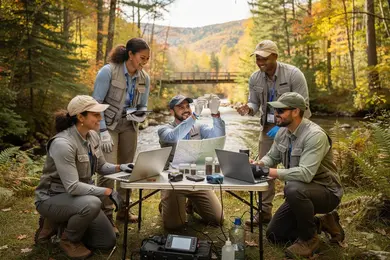
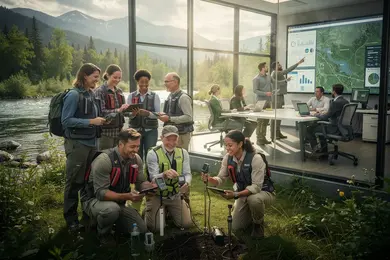
Entering the job market after earning an environmental science degree often reveals a mix of opportunities and challenges, especially for recent graduates seeking relevant entry-level careers. While many expect immediate roles in scientific research or policy, typical beginner roles often include environmental technician, field assistant, or data analyst positions within governmental agencies, nonprofits, and private industries.
According to the U.S. Bureau of Labor Statistics, employment in environmental science-related occupations is projected to grow 8% through 2032, faster than the average for all occupations. This article explores accessible entry-level jobs and offers insight on what graduates can realistically expect when starting their careers.
Key Benefits of Entry-Level Jobs With an Environmental Science Degree
- Entry-level jobs provide essential hands-on experience and develop industry-specific skills, preparing graduates for technical and analytical roles in environmental science fields.
- These positions offer clear pathways for career advancement, fostering long-term professional growth through skill-building and increased responsibilities.
- Early roles help graduates build professional networks and strengthen resumes, enhancing employability in a competitive environmental science job market.
What Entry-Level Jobs Can You Get With an Environmental Science Degree?
About 62% of graduates with an environmental science degree find employment in their field within six months, reflecting steady demand for new talent. These roles help develop core skills and lay a foundation for career advancement in environmental professions.
Common entry-level jobs offer a variety of pathways to gain practical experience and build expertise.
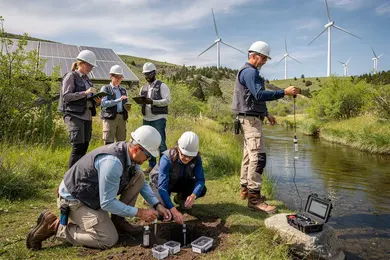
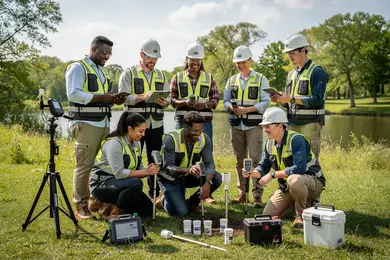
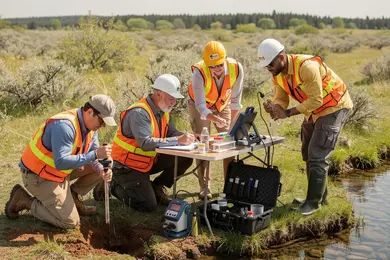
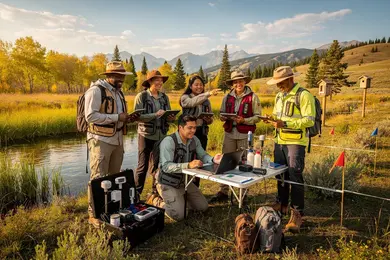
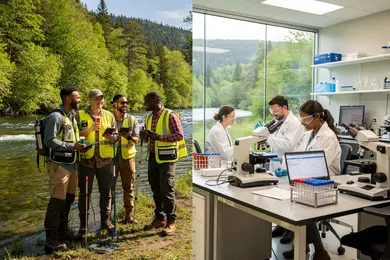
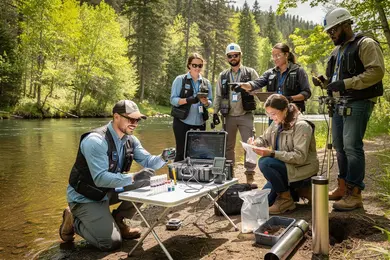
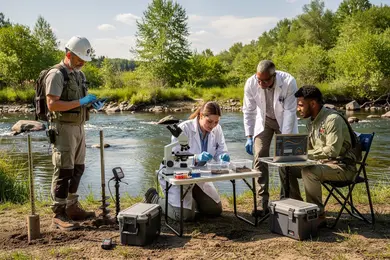
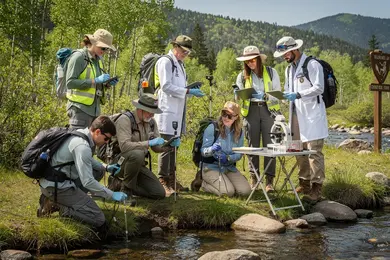
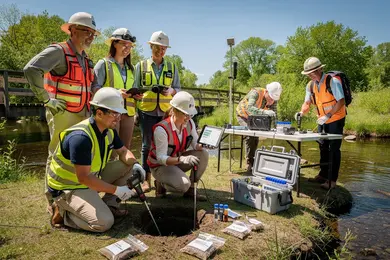
- Environmental Technician: These professionals collect and analyze samples of air, soil, and water to monitor pollution and ensure regulatory compliance. The role sharpens technical skills and provides hands-on experience in environmental monitoring, essential for advancing to scientific positions.
- Environmental Consultant: Consultants evaluate environmental impacts and advise organizations on sustainable practices and regulations. This job enhances communication and project management skills, preparing graduates for careers in consulting or environmental policy.
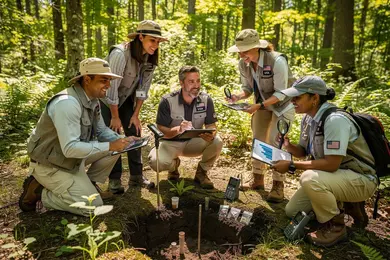
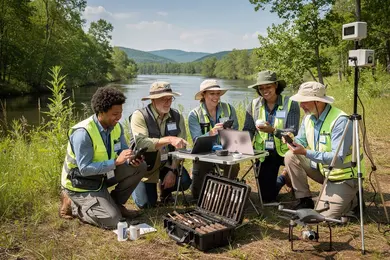
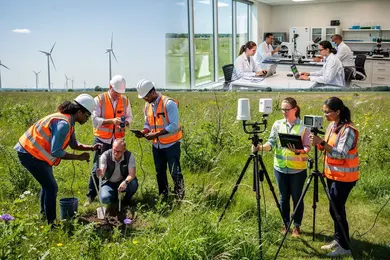
- Field Researcher: Entry-level field researchers support data collection and observation in natural ecosystems, strengthening analytical skills and ecological knowledge. This experience is vital for those pursuing scientific research or conservation work.
- Environmental Educator: Often based in schools, parks, or non-profits, these roles focus on developing programs that promote environmental awareness. They build outreach and teaching abilities useful for education or community engagement careers.
- Compliance Specialist: These professionals help ensure organizations meet environmental laws and standards through inspections and audits. The position develops expertise in regulations and compliance, useful for careers in environmental law or corporate sustainability.
For graduates seeking advancement, pursuing the easiest online masters can be an accessible way to deepen expertise and expand career opportunities in environmental science.
Which Industries Hire the Most Environmental Science Graduates?
Environmental science graduates find opportunities in a diverse range of sectors that value their expertise in ecology, policy, and chemistry. Approximately 30% of these graduates join government roles, highlighting the public sector's importance in environmental protection. Their skills also match the needs of consulting, energy, non-profit, and manufacturing industries.
Below are the main industries hiring the most environmental science graduates.
- Government Agencies: These employers operate at federal, state, and local levels, focusing on environmental regulation, resource management, and impact assessments. Graduates often work in compliance and policy enforcement roles, supporting environmental protection initiatives.
- Environmental Consulting: Consulting firms engage graduates as analysts or field technicians to evaluate environmental risks, ensure regulatory compliance, and assist businesses with sustainable practices. These firms bridge the gap between private clients and environmental standards.
- Energy Sector: Including renewable energy and fossil fuels, this sector hires graduates to manage emissions, monitor environmental safety, and develop sustainability strategies. Roles emphasize impact mitigation and regulatory adherence during energy production.
- Non-Profit Organizations: Focused on conservation and advocacy, non-profits employ graduates in research, program coordination, and public education. These positions help raise awareness and promote environmental stewardship.
- Manufacturing Industry: As sustainability gains priority, manufacturers rely on environmental specialists to handle waste management, pollution reduction, and compliance with environmental regulations, enhancing greener production processes.
A graduate with a degree in environmental science shared that navigating these industries was both challenging and rewarding. "Transitioning from academic theory to real-world application required adapting to different organizational goals," he noted.
Working in consulting, he recalled, "I had to quickly learn how to communicate complex environmental data to clients unfamiliar with the regulations." This experience underscored the variety of roles available and the adaptability required to succeed across sectors hiring environmental science graduates.
Which Entry-Level Environmental Science Jobs Pay the Highest Salaries?
Salaries for entry-level positions in environmental science vary depending on the specific job and its requirements. Roles involving technical skills, regulatory knowledge, or industry specialization often offer higher starting pay.
Below are some of the top-paying entry-level options in this field.
- Environmental Engineer: These professionals use engineering fundamentals to tackle environmental issues such as pollution mitigation and sustainable development. Their salaries typically range from $60,000 to $75,000, reflecting the advanced math and engineering background that many environmental science graduates may not possess.
- Environmental Consultant: Consultants advise organizations on regulatory compliance and environmental risk management. With starting pay between $55,000 and $70,000, their expertise in minimizing legal exposure and enhancing sustainability drives demand for their skills.
- Hydrologist: Specializing in water resource management, hydrologists assess water quality and movement to support environmental planning. Entry-level salaries usually fall between $50,000 and $65,000 due to the specialized scientific knowledge required.
- Environmental Health and Safety Specialist: These specialists focus on maintaining health and safety standards in workplaces and communities. Their pay ranges from $50,000 to $60,000, reflecting their combined role in risk evaluation and regulatory adherence.
- Urban and Regional Planner: With environmental science expertise, planners integrate ecological considerations into land use and development projects. Starting salaries often range from $50,000 to $60,000, underscoring their importance in guiding sustainable urban growth.
What Skills Do Employers Look for in Entry-Level Environmental Science Graduates?
Employers evaluating entry-level candidates for environmental science positions prioritize skills that extend beyond academic credentials. A 2022 survey by the National Association of Colleges and Employers (NACE) found that 68% of employers identified critical thinking and problem-solving as key skills often missing in new graduates.
The following skill sets highlight what employers expect.
- Data Analysis: Graduates must proficiently collect, interpret, and analyze environmental data to support projects and compliance efforts. This competency ensures meaningful insights for impact assessments and regulatory reporting.
- Technical Proficiency: Familiarity with tools like GIS, environmental monitoring equipment, and industry-specific software is essential. These skills enable effective participation in mapping, sampling, and data management tasks common in entry-level environmental science job requirements.
- Communication Skills: Clear writing and verbal communication are vital for preparing comprehensive reports and collaborating with multidisciplinary teams. Strong communication ensures that analytical findings translate into practical environmental solutions.
- Critical Thinking and Problem-Solving: Employers seek candidates who can evaluate complex environmental challenges and develop actionable strategies. This skill is crucial for adapting to evolving field conditions and successfully executing projects.
- Attention to Detail: Precision in data collection and strict adherence to regulatory standards guarantee the reliability and validity of environmental assessments.
Demonstrating these essential skills for environmental science graduates helps meet entry-level environmental science job requirements and increases employability. Those interested in advancing their environmental or related roles may also explore online counseling programs as complementary career pathways.
Do Employers Hire Environmental Science Graduates With No Internships?
Employers frequently prioritize candidates with internship experience when hiring entry-level environmental science graduates, as practical work exposure typically signals readiness and industry familiarity. Data from a 2022 National Association of Colleges and Employers (NACE) survey indicates that 65% of recent environmental science graduates obtained their first roles after completing internships, highlighting the advantage this experience provides.
However, this preference is not absolute, and hiring managers often consider a variety of factors when assessing applicants. The following discussion explores how candidates with and without internships are evaluated for entry-level positions within this field.
Graduates lacking internship experience can still succeed in securing jobs by emphasizing academic strengths, relevant coursework, and hands-on projects or volunteer activities related to environmental science. Employers value transferable skills such as data analysis, technical writing, and proficiency with environmental tools like GIS, which can demonstrate practical capability despite absence of formal internships.
Because employer priorities and role requirements differ widely, some positions may place less emphasis on prior work experience and more on adaptability, problem-solving, or communication skills. Ultimately, candidates without internships should strategically showcase these qualities to improve their competitiveness in the hiring process.
What Certifications Help Entry-Level Environmental Science Graduates Get Hired?
Certifications can enhance the credentials of environmental science graduates by showcasing specific expertise that builds on their academic background. Studies reveal that about 60% of employers prefer candidates with relevant certifications, emphasizing their value in early career hiring decisions.
Below are several certifications that effectively boost employability for those entering the environmental science field.
- Certified Environmental Professional (CEP): This certification covers environmental laws, assessment methods, and sustainability principles, reflecting both ethical responsibility and practical skills. It's highly regarded by employers for validating comprehensive knowledge, even for those just starting their careers.
- HAZWOPER Certification: Offered by OSHA, this credential certifies proficiency in safely managing hazardous waste and emergency operations. It provides a competitive edge in jobs related to environmental remediation and health and safety compliance.
- LEED Green Associate: Focused on sustainable design and green building practices, this certification demonstrates an understanding of environmentally responsible construction. It is valued across sectors committed to sustainability goals.
- GIS Professional (GISP): This certification confirms abilities in spatial analysis and geographic information systems, essential for environmental data interpretation and planning. Employers seek this skill set to support projects involving environmental monitoring.
- Stormwater Inspector Certification: Validates knowledge of stormwater management and regulatory compliance, benefiting graduates aiming for roles in water quality protection and municipal environmental programs.
When discussing what certifications supported her job search, a professional with an environmental science degree shared her experience. She noted that acquiring certifications felt like a challenging but rewarding process that required dedication beyond her degree coursework.
"Passing the HAZWOPER training gave me confidence and opened doors I wasn't expecting," she reflected. The hands-on nature of some credentials translated directly to interview conversations and practical tasks during her first job. Her story highlights how targeted certifications can translate academic knowledge into workplace readiness, easing the transition into professional roles.
How Can Students Prepare for Entry-Level Environmental Science Jobs While in College?
Early preparation significantly enhances employability for environmental science graduates by allowing them to gain relevant skills and demonstrate practical readiness. A survey by the National Association of Colleges and Employers found that 91% of employers prefer candidates with hands-on experience upon graduation.
Below are effective strategies students can use to build career readiness while still in college.
Practical Experience: Gaining hands-on exposure through part-time research projects or assisting faculty with ongoing environmental studies helps students apply classroom knowledge to real-world challenges, improving problem-solving and fieldwork skills.
Technical and Soft Skills: Developing proficiency in tools like Geographic Information Systems (GIS), data analysis software, and scientific writing strengthens technical abilities. Meanwhile, teamwork, communication, and critical thinking are essential soft skills valued by employers in this field.
Academic Projects: Participating in projects focused on sustainability, conservation, or pollution assessment allows students to tackle current environmental issues collaboratively, simulating professional environments and responsibilities.
Campus Resources: Utilizing career centers, workshops, and environmental organizations on campus expands professional networks, provides industry insights, and offers mentorship opportunities that support successful job placement.
By integrating these approaches, environmental science students can position themselves as competent and work-ready candidates well before graduation.
How Competitive Is the Entry-Level Job Market for Environmental Science Graduates?
The entry-level environmental science job market competitiveness is moderate, reflecting a balance between growing demand and limited positions. The U.S. Bureau of Labor Statistics projects an 8% employment growth in environmental science and related fields from 2022 to 2032, faster than the average for all occupations.
Despite this, the demand for entry-level environmental science positions remains constrained by requirements for practical experience. This creates a landscape where new graduates face significant challenges as they begin their careers.
Competition is influenced by several factors, including a high volume of applicants motivated by environmental concerns, which creates a large pool of qualified candidates. Employers typically expect hands-on experience through research or projects, increasing the pressure on recent graduates who might lack extensive fieldwork exposure.
Competitiveness also varies among specific roles; for instance, jobs in environmental consulting attract more candidates than specialized positions like wildlife biology. Geographic location further affects competition, with urban and environmentally progressive areas drawing more applicants.
Graduates can improve their prospects by tailoring applications to roles aligned with their skills and experiences. For those exploring related fields, programs such as construction management degrees online may offer alternative career pathways.
What Remote Entry-Level Jobs Can You Get With an Environmental Science Degree?
The rise of remote work has significantly expanded possibilities for entry-level professionals in environmental science. According to the U.S. Bureau of Labor Statistics, remote jobs have grown by about 30% among early-career roles in science and technical fields over the last five years.
This growth has created a variety of remote environmental science entry-level positions for recent graduates. Below are some common remote-friendly career paths.
- Environmental Data Analyst: This role involves gathering and interpreting environmental data using specialized software and databases. Remote analysts contribute to project decision-making while building technical and analytical skills without frequent fieldwork.
- Remote Environmental Research Assistant: Research assistants support teams by performing literature reviews, summarizing findings, and managing documentation. Working remotely hones research and communication skills vital for environmental science careers.
- Environmental Compliance Coordinator: Coordinators monitor compliance with environmental regulations, review reports, and liaise electronically with regulatory agencies. Remote entry-level positions in this role provide experience in policy adherence and stakeholder communication.
- Remote Sustainability Consultant: Consultants help organizations implement sustainable practices by collecting data and facilitating client communications online. This remote role exposes new graduates to applied environmental problem-solving.
- Environmental Education Specialist: Specialists create virtual outreach programs and educational content to engage communities remotely. This job enhances public communication and environmental education skills for beginners.
As work-from-home jobs for environmental science graduates continue to grow, leveraging remote roles like these can offer flexibility and valuable experience early in one's career. For graduates interested in expanding their options beyond environmental science, exploring programs such as the cheapest AACSB online MBA no GMAT can also provide diverse opportunities.
How Quickly Can Environmental Science Graduates Get Promoted?
Promotion timelines for environmental science graduates depend heavily on individual performance, accumulated experience, and the structure of the employing organization. Typically, entry level environmental science career advancement occurs within two to four years, with a 2022 survey revealing that about 45% of early-career professionals earn a promotion by their third year.
These advancements reflect a mixture of demonstrated skills and workplace impact, varying significantly across different employers.
Several factors shape how quickly environmental science graduates progress in their roles. The development of relevant skills and the capacity to manage increasing responsibilities are central to faster promotion. Consistent performance and problem-solving abilities also influence progression, as does the complexity of assigned projects.
Because organizational size and hierarchy differ widely, promotion speed may vary, making it essential for graduates to adapt within their specific work environments. Those interested in expanding options might consider additional education, such as a masters in library science online program, which can complement career growth in related fields.
What Graduates Say About Entry-Level Jobs With an Environmental Science Degree
- Louie: "Starting my career with an entry-level environmental science job was exciting but also quite challenging. I found that applying for roles with remote or hybrid options gave me flexibility while adjusting to professional life. Choosing a position that allowed hands-on fieldwork helped me connect theory with practice, and I can already see how this experience is laying a strong foundation for future career growth."
- Zamir: "When looking for my first role in environmental science, I was very intentional about the organization's mission and how it aligned with my values. I prioritized onsite jobs because I believe direct engagement is crucial in this field. Through this role, I have gained insights into the real-world impact of environmental policies, which motivates me to advance steadily in my career path."
- Matthew: "Entering the environmental science workforce, I realized the importance of clarity about job location and work environment, whether remote or onsite. I carefully considered opportunities that offered mentorship since early guidance is essential for my professional development. This entry-level position has already broadened my understanding of ecosystem management, reinforcing my desire to specialize in this area."
Other Things You Should Know About Environmental Science Degrees
Most entry-level jobs in environmental science are full-time, especially those with government agencies, consulting firms, or research institutions. However, part-time or seasonal positions may also be available, particularly in roles related to field sampling, environmental education, and conservation projects during specific field seasons.
Understanding key environmental regulations and compliance requirements is important for entry-level professionals, as many jobs involve ensuring that projects meet legal standards. While extensive expertise is not always required initially, a foundational knowledge of regulations such as the Clean Water Act or the National Environmental Policy Act can make candidates more competitive.
Entry-level environmental science jobs often expect basic proficiency with software used for data analysis, geographic information systems (GIS), and environmental modeling. Familiarity with tools like Excel, ArcGIS, and statistical software helps graduates perform daily tasks efficiently, though on-the-job training is common for more specialized technical skills.
References
- Remote Entry Level Environmental Jobs | Working Nomads https://www.workingnomads.com/remote-entry-level-environmental-jobs
- Certification Guide for Young Professionals - Board for Global EHS Credentialing https://gobgc.org/professional-environmental-certifications-professionals/
- Preparing High School and College Students for a Career in Environmental Science https://www.neefusa.org/story/environmental-education/preparing-high-school-and-college-students-career-environmental
- Greener Careers https://greenercareers.co.uk/blog/new-to-the-field-entry-level-environment-jobs-to-kickstart-your-career
- Environmental Certifications for entry-level and career changers https://www.theenvironmentalcareercoach.com/certification-links
- Essentials Skills to Succeed in an Environmental Career https://unity.edu/distance-education-blogs/essentials-skills-to-succeed-in-an-environmental-career/
- How to Find Entry Level Jobs with an Environmental Science Degree https://facs.com/blog/how-to-find-entry-level-jobs-with-an-environmental-science-degree/
- 20 Highest-Paying Environmental Science Jobs in 2025 https://internshala.com/blog/highest-paying-environmental-science-jobs/