
2027 Which Environmental Science Degree Careers Have the Lowest Unemployment Risk?

Co-Founder and Chief Data Scientist
Facing a saturated job market, many environmental science graduates struggle to find stable employment, especially in areas vulnerable to automation or economic shifts. Certain career specializations, such as environmental compliance and renewable energy consulting, demonstrate significantly lower unemployment risks, particularly when coupled with professional certification and licensure.
In coastal and urban geographic markets, unemployment rates for credentialed specialists remain below 3.5% across entry-level, mid-career, and senior stages, outperforming less specialized or uncertified peers.
This article analyzes how choosing the right specialization, industry, location, and credentialing can ensure enduring employment security for environmental science degree holders in a rapidly evolving labor market.
Key Things to Know About the Environmental Science Degree Careers With the Lowest Unemployment Risk
- Historical unemployment rates for environmental science degree holders show durable resilience. Licensure and professional certifications reduce long-term risk by over 15% compared to non-credentialed peers.
- Regional demand varies sharply. Areas with strong energy transition policies exhibit 20% higher growth prospects over ten years, mitigating automation vulnerability and recession impacts.
- Graduate education enhances adaptability. Advanced degrees correlate with 10% lower unemployment risk by boosting recession resilience and access to specialized roles less exposed to sectoral disruption.
What Makes Environmental Science Degree Jobs More or Less Resistant to Unemployment?
Unemployment risk in any academic discipline reflects the probability of involuntary job loss from various sources. These include structural unemployment caused by long-term industry shifts such as automation or declining demand; frictional unemployment, which covers the temporary gaps workers face when transitioning between jobs; and cyclical unemployment stemming from broader economic downturns.
Recognizing these differences clarifies why some environmental science roles show greater resilience than others. Factors influencing environmental science degree job security in the US include:
- Occupational Licensing Requirements: Positions requiring licensure, such as environmental engineers or certified hazardous materials specialists, often have lower unemployment due to professional barriers limiting labor supply and boosting job stability.
- Employer Concentration: Jobs distributed across many employers, like environmental consultants, tend to be less vulnerable than those dominated by a few large firms that face industry contractions.
- Sector Growth Rate: Employment in growing sectors such as renewable energy and environmental remediation exhibits lower unemployment risk compared to roles linked to declining industries like fossil fuel extraction.
- Role Replaceability: Jobs demanding specialized analytical skills, fieldwork, and complex problem-solving show reduced susceptibility to automation, thereby lowering structural unemployment risk.
The central insight guiding this exploration is clear: selecting an environmental science specialization informed by unemployment risk data, rather than solely by general interest or salary, dramatically improves long-term career stability.
Prospective students and professionals can also consider exploring easy online degrees that may complement career flexibility in the evolving labor market.
Which Environmental Science Career Paths Have the Lowest Historical Unemployment Rates?
Historical unemployment data over more than a decade highlights several environmental science career paths that consistently maintain below-average risk in the United States, offering prospects for stable employment across entry-level, mid-career, and senior stages.
These specializations have shown resilience during the 2008-2009 recession, the 2020 COVID-19 economic disruption, and the 2022-2024 labor market normalization period. Their durability stems from structural factors beyond favorable economic cycles, such as regulatory mandates and sectoral undersupply.
- Environmental Engineers: Sustained demand arises from continuous infrastructure needs and regulatory compliance obligations.
- Regulations on water quality, air pollution, and waste management create steady job requirements.
- Critical involvement in public health and safety projects protects roles during economic shocks.
- A chronic shortage of specialized engineering talent strengthens job security.
- Ecologists and Conservation Scientists: Growth driven by expanding federal and state environmental protection programs.
- Urbanization and natural resource conservation trends underpin hiring stability.
- Government funding varies but essential ecosystem management roles rarely lose demand.
- Stimulus funding often supports environmental restoration efforts during downturns.
- Environmental Health and Safety Specialists: Elevated importance of workplace safety across industries ensures resilience.
- OSHA and related regulatory requirements sustain ongoing demand.
- Essential-service status buffers roles from many economic disruptions.
- The COVID-19 pandemic intensified workplace health protocols, enhancing job tenure.
- Renewable Energy Analysts and Specialists: Long-term growth shaped by clean energy legislation and corporate sustainability commitments.
- Decarbonization demographic trends maintain robust project pipelines.
- Federal incentives provide steady demand even in recessions.
- A relatively limited pool of qualified experts increases employability.
- Water Resource Specialists: Population growth and climate change create durable demand.
- Essential-service classification combined with infrastructure investments sustain employment.
- Complex water management challenges require advanced expertise, resisting automation.
- Historical resilience through economic cycles reflects critical water supply roles.
These environmental science specializations with the most stable employment history align with essential societal needs and demographic trends, not just transient labor market conditions.
Prospective students and early-career professionals should incorporate this long-term unemployment risk data into broader risk assessments, including automation vulnerability and credentialing strategies, to optimize career trajectories. Many students explore accelerated degree programs to efficiently enter these lower-risk fields, maximizing early employment stability.
How Does the Environmental Science Job Market Compare to the National Unemployment Average?
The unemployment rate for environmental science degree holders tends to be significantly lower than the national average for college graduates.
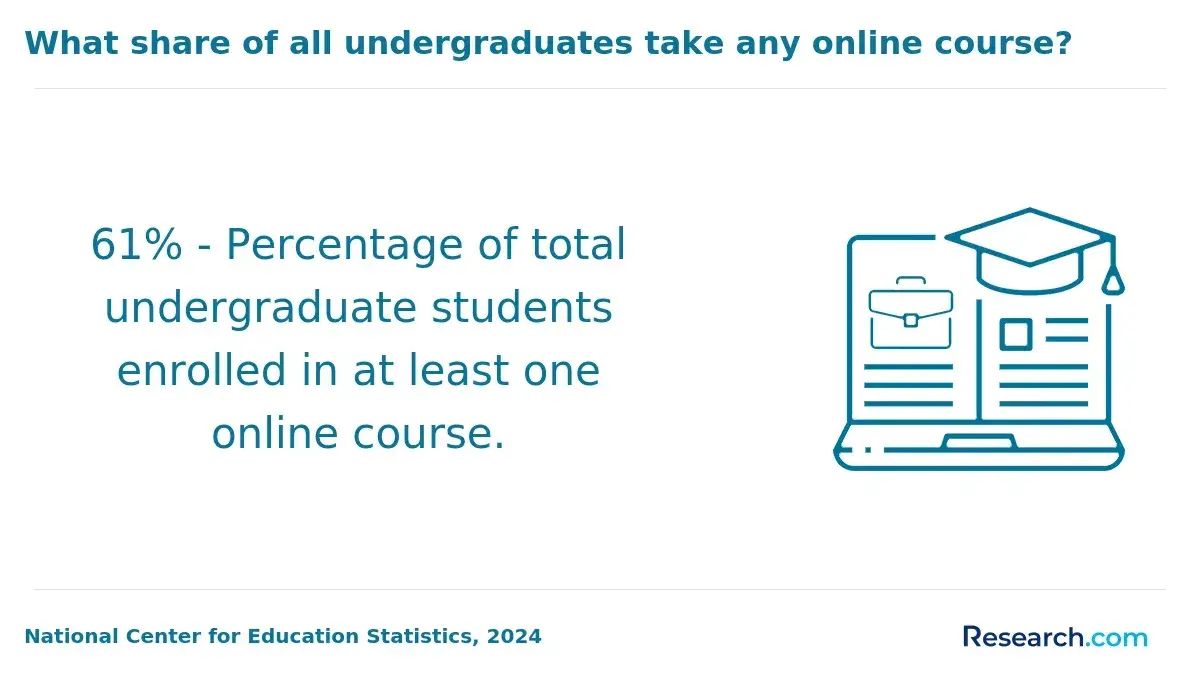
While the national rate for those with at least a bachelor's degree sits around 2.5%, environmental science professionals in focused career paths often face unemployment closer to 1.3%, indicating stronger employment stability overall.
- Practical Impact: This gap translates to quicker job placements and fewer interruptions in income, supporting smoother career momentum and less financial uncertainty during transitions.
- Underemployment: Beyond formal unemployment, many environmental science graduates accept roles below their qualification level. This underemployment risks slowing career growth and earning potential despite not registering in unemployment statistics.
- Data Interpretation: Environmental science roles often represent specialized niches with relatively small labor pools. As such, annual unemployment rates can fluctuate notably with minor labor market shifts. Evaluating multi-year trends offers a more accurate perspective on long-term risks than isolated yearly data.
- Labor Market Dynamics: Factors like economic cycles, industry health, and employer location heavily influence outcomes. Career paths with consistent demand, such as environmental consulting, sustainable resource management, or regulatory compliance, tend to provide steadier employment prospects.
- Credentialing Benefits: Professional licensing and certifications reduce unemployment risk by validating expertise and fostering access to superior job opportunities, while also mitigating threats from automation and market shifts.
Asked about how the environmental science job market compares to broader national trends, a professional who earned an environmental science degree shared their experience: "The job search was intense and took patience. Preparing resumes, networking, and juggling internships felt overwhelming at times. But once I specialized in regulatory compliance and earned key certifications, opportunities opened up much faster than I expected."
They added, "It wasn't instant, but the stability I now have was definitely better than many peers in other fields. The certifications gave me confidence to stand out in the market, and I saw how every small credential helped reduce my anxiety about job security."
What Environmental Science Specializations Are Most In-Demand Among Employers Right Now?
Employer demand for environmental science specializations varies significantly across subspecialties, shaped by regulatory changes, technological advances, and demographic pressures rather than a uniform job market.
Current data from real-time job postings and workforce analytics reveal strong openings in areas with high salaries and quick hiring times, highlighting several top in-demand environmental science career fields in the US.
- Environmental Compliance and Regulatory Specialists: Demand is propelled by shifting climate policies and environmental laws requiring experts to help organizations maintain legal compliance.
- Renewable Energy Analysts: The ongoing shift to clean energy solutions fuels hiring for those versed in solar, wind, and bioenergy systems to support sustainable infrastructure.
- Environmental Data Scientists: The expansion of environmental monitoring tech and big data analytics creates urgent need for professionals who can interpret complex datasets and develop actionable insights.
- Water Resources Specialists: Freshwater scarcity issues tied to population growth and climate change generate steady demand, especially in drought-prone or industrial areas.
- Ecological Restoration Professionals: Rehabilitation of damaged ecosystems drives need for specialists in habitat restoration and conservation science.
- Environmental Health and Safety (EHS) Managers: Industrial and manufacturing sectors increasingly require EHS managers to enforce workplace safety and mitigate environmental risks.
- Sustainability Consultants: Corporate ESG priorities create variable but broad opportunities to guide organizations on reducing environmental impacts.
Locating stable employment among these specializations requires cross-referencing job postings with salary surveys, professional association data, and conversations with hiring managers that reflect your geographic and sector-specific context. These measures help separate transient demand spikes from sustainable career options.
Prospective students should align their academic planning with these insights, focusing on relevant coursework, internships, and certifications tailored to their chosen specialization's demand trajectory. For those considering advanced education, exploring programs such as EdD degrees could further enhance career resilience.
Which Industries Employing Environmental Science Graduates Offer the Greatest Job Security?
Several industries employing environmental science graduates show notably stable and expanding employment trends, with low layoff rates and strong long-term demand forecasts.
These sectors benefit from structural safeguards like essential-service designations, regulatory requirements, or persistent skills shortages, ensuring environmental science professionals are central to their core operations rather than ancillary contributors.
- Government and Public Sector: Public agencies prioritize environmental compliance, policy development, and resource management, creating steady hiring needs.
- Core responsibilities: enforcing regulations, managing public lands, and conducting environmental research.
- Required competencies: knowledge of environmental law, data analysis, and effective public communication.
- Typical reporting: entry-level staff to senior policy advisors.
- Degree relevance: expertise in ecosystems, toxicology, and resource management.
- Utilities and Renewable Energy: The shift toward sustainable energy and critical infrastructure status maintain demand for environmental scientists focused on compliance and impact mitigation.
- Core responsibilities: environmental permitting, emissions tracking, and sustainability reporting.
- Required competencies: regulatory knowledge, GIS skills, and understanding energy systems.
- Typical reporting: integrated within operations and sustainability teams.
- Degree relevance: pollution control and renewable resource management coursework.
- Environmental Consulting Firms: Diverse client portfolios reduce concentration risk despite sensitivity to market cycles. Graduates support site assessments, remediation, and regulatory guidance.
- Core responsibilities: site evaluations, impact statements, and project management.
- Required competencies: technical writing, project oversight, deep regulatory knowledge.
- Typical reporting: client-centered teams led by senior consultants or engineers.
- Degree relevance: soil science, hydrology, and risk assessment expertise.
- Natural Resources and Conservation Organizations: Public funding and conservation priorities promote sustained growth in roles focused on habitat, biodiversity, and resource stewardship.
- Core responsibilities: field research, data collection, and program delivery.
- Required competencies: ecological surveying, statistics, stakeholder engagement.
- Typical reporting: teams managed by conservation leads or scientific directors.
- Degree relevance: ecology, wildlife biology, and environmental policy knowledge.
- Waste Management and Remediation Services: Regulatory compliance and ongoing environmental liability maintain continuous demand, with oversight roles resistant to automation.
- Core responsibilities: site inspections, hazardous waste handling, compliance reporting.
- Required competencies: environmental health and safety, chemical handling, remediation techniques.
- Typical reporting: environmental technicians to compliance and operations managers.
- Degree relevance: environmental chemistry, hazardous materials, regulatory frameworks.
Though these sectors offer robust employment security, relying solely on one carries inherent risks, like regulatory shifts, technological disruption, or geographic demand fluctuations can impact stability.
Developing cross-sector skills and certifications mitigates these risks by broadening opportunities. Identifying employers with consistent multi-year hiring and low turnover, supported by company reviews and workforce reports, further strengthens career resilience.
When asked about her experience, a professional who built her career post-environmental science degree reflected on the unpredictable nature of early employment. "Navigating the job market was challenging. The regulatory landscape would shift just as I gained expertise in a niche. I found that actively seeking opportunities across sectors and obtaining certifications really opened doors," she shared.
She emphasized the importance of mentors and continuous learning to adapt confidently, explaining that such strategies were pivotal in achieving both stability and satisfaction in her journey.
How Do Government and Public-Sector Environmental Science Roles Compare in Unemployment Risk?
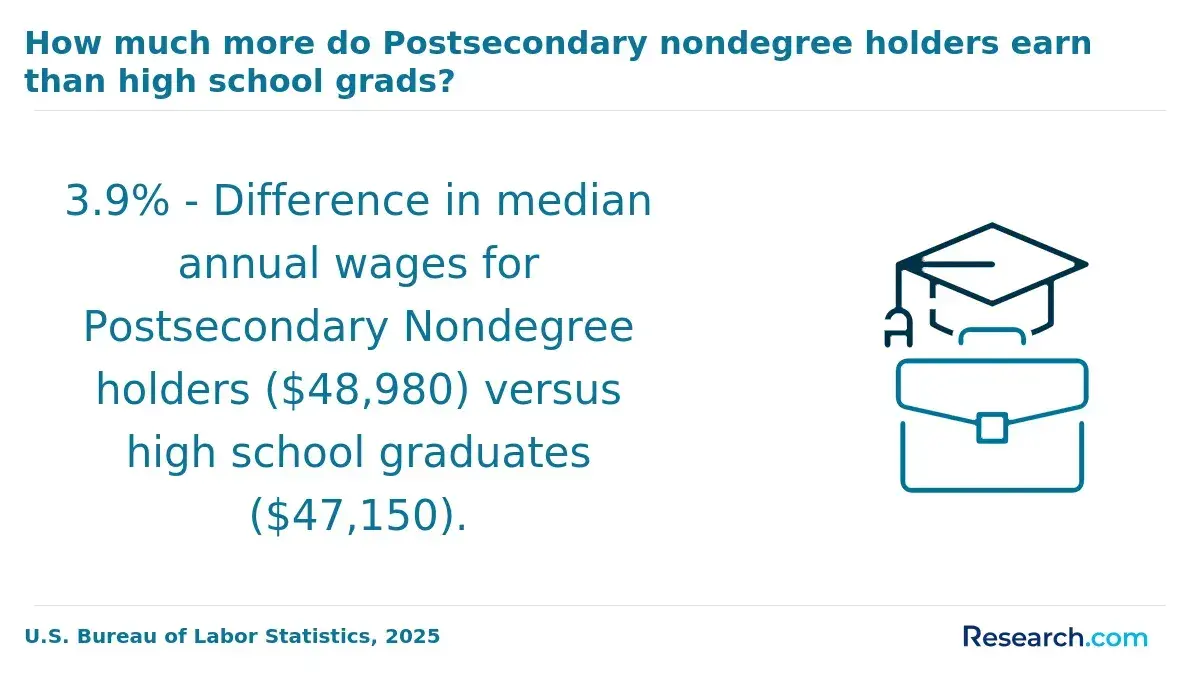
Data from the Bureau of Labor Statistics, the Office of Personnel Management, and the National Association of State Personnel Executives highlight significant differences in employment stability between environmental science degree holders in public-sector versus private-sector roles.
- Unemployment Rates: Public-sector environmental jobs experience lower unemployment, supported by stable appropriations and ongoing policy priorities that buffer them against market volatility.
- Layoff Frequency: Layoffs in federal, state, and local agencies are comparatively rare-civil service protections and budgetary safeguards reduce risks even during economic downturns.
- Career Tenure: Environmental professionals in government roles often enjoy extended career durations, aided by pension systems and job security measures that encourage long-term retention.
- Public-Sector Role Categories:
- Federal agencies such as the Environmental Protection Agency and Department of Energy provide positions sustained by dedicated funding for environmental oversight and research continuity.
- State and local governments employ environmental scientists for permitting, compliance, and resource management tasks, benefiting from relatively stable public budgets.
- Public universities and research institutions offer additional opportunities in academic and applied research, where institutional and grant support soften market impacts.
- Quasi-governmental entities like water districts and conservation commissions maintain some operational independence while still affording staff governance protections similar to public agencies.
- Trade-Offs:
- Government roles generally start with lower salaries compared to private alternatives due to budget limits and structured pay scales.
- Nevertheless, these positions include comprehensive benefits-defined-benefit pensions, substantial leave allowances, and eligibility for public service loan forgiveness-that enhance total compensation across a career.
Prospective environmental science professionals must weigh their tolerance for income variability against the value of steady employment and benefits. For risk-averse graduates, the employment security and long-term financial advantages of public-sector work often justify the pay trade-off, while others may prioritize higher earning potential in private-sector roles despite greater instability.
What Role Does Licensure or Certification Play in Protecting Environmental Science Degree Holders From Unemployment?
Licensure requirements create a significant structural barrier to entry in many environmental science career paths, such as environmental engineers and geologists, by legally restricting practice to credentialed professionals.
This limitation on labor supply acts as a buffer against unemployment risk-employers cannot substitute unlicensed candidates, even during downturns. Consequently, licensed practitioners benefit from a more stable demand despite economic recessions.
- Mandatory Licensure: Roles like environmental engineering typically require state-issued licenses (for example, Professional Engineer licenses), which ensure only qualified individuals may legally work in these careers, maintaining job security.
- Non-Mandatory Certifications: Credentials such as the Certified Environmental Scientist (CES) or Board Certified Environmental Professional (BCEP) are not legally required but often serve as essential differentiators that employers use to filter candidates in a competitive market.
- Economic Mechanism: Licensing controls the labor supply by restricting entry, creating a durable demand floor for credentialed practitioners that protects them from substitution effects arising during recessions.
- Credentialing Strategy: Environmental science students and early-career professionals should prioritize obtaining mandatory licensure for their chosen specialization, pursue well-recognized certifications that improve employability, and avoid less impactful credentials that consume resources without reducing unemployment risk meaningfully.
Research from the U.S. Bureau of Labor Statistics shows licensed environmental engineering occupations have historically maintained lower-than-average unemployment rates over the last decade, underscoring the protective value of licensure in this field. Integrating credentialing planning with academic and geographic market choices contributes to more resilient employment trajectories in environmental science professions.
How Does Geographic Location Affect Unemployment Risk for Environmental Science Degree Graduates?
Geographic location plays a critical role in regional labor markets influencing environmental science unemployment risk. Metropolitan areas such as Washington, D.C., San Francisco, and Seattle consistently report lower unemployment rates for environmental science graduates, benefiting from strong government employment centers and technology hubs with extensive funding for sustainability programs.
Similarly, Boston and New York City, regions dense with healthcare corridors and financial services clusters, show stable demand by integrating environmental science expertise into public health initiatives and corporate sustainability.
State-by-state environmental science graduate employment stability is less pronounced in rural areas and states with less diversified economies, where fewer employers and local economic downturns increase job search durations and unemployment risk.
Structural factors, like concentrated industries employing environmental science graduates, such as government agencies, environmental consulting firms, and technology companies, create more stable job markets and shield workers from regional recessions. Conversely, low employer density magnifies vulnerability to economic swings and labor market disruptions.
Remote work adds a distinct dimension to geographic unemployment risk. Fields within environmental science offer greater remote work flexibility, expanding the effective labor market beyond local constraints.
Graduates should carefully assess whether their specialization aligns with remote work options to reduce geographic limitations and manage employment risk. Over the past three years, remote environmental science job postings have increased by 15%, underscoring growing importance of geographic flexibility.
Conducting a geographic labor market analysis using BLS area-specific employment data, LinkedIn job posting geography filters, and regional wage benchmarks helps candidates decide whether to stay local, relocate strategically, or pursue remote-eligible roles.
Prospective students exploring accelerated MFT programs note a similar trend in workforce adaptability, which is valuable context for environmentally focused candidates considering long-term career resilience.
Which Environmental Science Careers Are Most Vulnerable to Automation and Technological Disruption?
Environmental science careers most vulnerable to automation typically involve routine data processing, pattern recognition, and standardized decision-making.
According to frameworks from McKinsey Global Institute, Oxford Martin School, and MIT Work of the Future, these roles face significant displacement risk as AI, machine learning, and robotic process automation grow more accurate and adaptable.
- Environmental Data Technicians: Tasks include repetitive data entry, monitoring sensor outputs, and preliminary quality checks-highly susceptible to efficient automation capable of processing vast datasets without fatigue or human error.
- Environmental Compliance Analysts: When focused on document review, standardized reporting, and checklist enforcement, many routine duties can be automated, though complex regulatory decisions still require human oversight.
- GIS Mapping Specialists: Automation increasingly supports or replaces manual efforts in routine map generation and updating, relying on repeatable pattern matching and algorithm-driven spatial analysis.
- Environmental Field Inspectors (Basic Monitoring): Systematic, repetitive inspection tasks-such as sampling or visual assessments following strict protocols-may be disrupted by drones, sensor networks, and autonomous data collection technologies.
Conversely, roles emphasizing non-routine problem-solving, ethical oversight, and interpersonal judgment show much lower near-term automation risk. Careers requiring creativity, high-complexity domain expertise, or nuanced stakeholder engagement often see automation as a tool enhancing human effectiveness rather than replacing humans.
This distinction is crucial for those evaluating environmental science specializations to understand how technological disruption impacts environmental science jobs in practical terms.
Students and early-career professionals should anticipate that those targeting high-risk pathways must proactively develop advanced analytical reasoning, technology management skills, and adaptive expertise, essential for mid-career transitions into roles managing automated systems instead of being displaced by them.
Geographic market selection and regulatory environments also influence automation timelines, emphasizing the need for strategic choices in credentialing and skill development. Automation susceptibility scores provide probabilistic risk estimates-not certainties. Employer investment decisions and local labor market dynamics heavily shape actual outcomes.
For those seeking further guidance, exploring top online engineering programs can bolster interdisciplinary skills; consider reviewing resources like the top online electrical engineering schools as part of a broader career resilience strategy.
How Does a Graduate Degree Reduce Unemployment Risk for Environmental Science Degree Holders?
Graduate degrees significantly lower unemployment risk for environmental science professionals by boosting specialization, credentials, and leadership potential.
Data from Georgetown University Center on Education and the Workforce and labor statistics reveal that individuals with advanced degrees experience unemployment rates 1.5 to 3 percentage points below those with only bachelor's degrees.
This gap widens during economic downturns and competitive job markets. They also enjoy a 20-40% salary increase in fields like environmental engineering, policy analysis, and sustainability management, supporting greater financial stability.
- Degree Types: Graduates from three main pathways see the strongest resilience against unemployment.
- Professional master's programs granting licensure in fields such as engineering, law, or clinical environmental health, which impose regulatory barriers that safeguard job security.
- Research-focused master's and doctoral degrees preparing candidates for specialized research and advanced practitioner roles marked by limited labor supply and steady funding.
- MBA programs unlocking leadership positions in environmental consulting, corporate sustainability, and government sectors where bachelor's degrees often limit advancement.
- Investment Considerations: The financial and time costs of graduate education require careful evaluation.
- Tuition commonly ranges from $20,000 to $60,000 for master's degrees, with doctoral programs typically exceeding this.
- Programs span 1 to 4 years, during which students forgo full-time earnings, representing opportunity costs.
- Break-even analyses indicate payback periods of 3 to 7 years depending on the field, institution, and local job market.
Professional certifications, strategic employer selection, relocation to strong environmental job markets, or honing niche specializations can offer similar protections against unemployment, often with lower time and financial commitments, making them worthy points of comparison when considering graduate school.
What Entry-Level Environmental Science Career Paths Offer the Fastest Route to Long-Term Job Stability?
Entry-level roles that serve as reliable foundations for long-term employment stability in environmental science typically exist within structured career progressions and industries emphasizing retention and credential development.
Choosing positions embedded in clear advancement lattices ensures early responsibilities connect directly to future leadership or specialist roles.
- Environmental Consultant: Often an entry point into firms with strong internal promotion systems, this role builds expertise in regulatory compliance, impact assessments, and remediation. Progression from junior analyst to project manager usually occurs within five years. Alumni data indicate retention rates surpassing 60% over a decade, highlighting skill deepening and network expansion.
- Environmental Technician: While sometimes seen as a final step, technicians focusing on data collection and analysis in sectors like water quality frequently advance when working in regions with strict regulatory frameworks and employers committed to staff development. Obtaining certifications such as Certified Environmental Technician (CET) significantly enhances upward mobility.
- Regulatory Affairs Associate: Employed mainly by government or compliance firms, these associates acquire valuable expertise in navigating environmental regulations, which is highly resistant to automation. Promotion to specialist or managerial positions generally occurs within 3 to 7 years, bolstering employment longevity.
- Natural Resource Specialist: Concentrating on sustainable land use, forestry, or wildlife conservation, these roles benefit from steady public funding and conservation priorities. Early career networking across disciplines strengthens resilience during downturns, with advancement to policy advisor or program manager roles typical after about seven years.
Securing long-term stability involves selecting employers with strong retention and supportive cultures, commonly found in government, established consulting firms, or nonprofit environmental organizations.
Pursuing specialized certifications and targeting regions with consistent regulatory activity further lowers unemployment risk. Milestones such as professional licensure, project leadership, and transition to autonomous or strategic roles signal durable career security across a 10- to 20-year trajectory.
What Graduates Say About the Environmental Science Degree Careers With the Lowest Unemployment Risk
- Louella: "Graduating with a degree in environmental science opened doors in the renewable energy sector for me, a field with remarkably low unemployment risk. I found that specializing in sustainability consulting early in my career helped me stand out and provided a solid foundation for mid-career advancement. Also, earning a professional certification in environmental management greatly enhanced my job stability and opportunities as I moved into senior roles."
- Zian: "Reflecting on my journey through environmental science, I realized that focusing on water resource management within the public sector was a strategic choice. Government roles in this area consistently show strong employment stability. Geographic flexibility played a big role too; relocating to regions investing heavily in infrastructure projects boosted my job security. For credentialing, obtaining a Certified Environmental Professional (CEP) credential was a game-changer at every stage, especially for leadership positions."
- Case: "My experience in environmental science has been shaped by targeting the conservation biology specialization, which remains resilient across economic shifts. Working in the nonprofit and advocacy industries, where mission-driven organizations value expertise, added a meaningful dimension to my career path. Pursuing continuous education and professional development credentials not only reduced my unemployment risk but also kept me competitive as I progressed from entry-level to senior practitioner roles."
Other Things You Should Know About Environmental Science Degrees
The 10-year employment outlook for environmental science careers with the lowest unemployment risk generally projects steady growth, particularly in roles related to environmental engineering, sustainability consulting, and conservation science. Demand is expected to rise due to increasing regulatory focus on environmental protection, climate change mitigation, and renewable energy development. Fields requiring specialized technical skills and credentials tend to show more robust job stability over this period.
Mid-career professionals with expertise in environmental compliance, ecological restoration, and environmental data analysis are often the most in-demand. These tracks combine technical proficiency with practical industry knowledge, making those specialists valuable to public agencies, private consulting firms, and nonprofits. Careers integrating Geographic Information Systems (GIS) expertise and environmental risk assessment also tend to lead to stronger employment security mid-career.
Economic recessions historically cause temporary increases in unemployment rates across most environmental science fields, particularly in government-funded or research-based roles. However, industries tied to regulatory compliance, pollution control, and resource management tend to be more resilient due to ongoing legal requirements and environmental mandates. Recession resilience often correlates with jobs requiring advanced credentials or critical technical skills, which remain essential regardless of economic cycles.
References
- 25 college majors with lowest unemployment rates https://www.cbsnews.com/news/25-college-majors-with-lowest-unemployment-rates/
- Data on geography at university | RGS https://www.rgs.org/research/higher-education-resources/data-on-geography-at-university
- Greener Careers https://greenercareers.co.uk/blog/new-to-the-field-entry-level-environment-jobs-to-kickstart-your-career
- Infographic: Which Fields of Study Are (Not) Leading to Jobs? https://www.statista.com/chart/35108/unemployment-by-field-of-study/
- The 65 Jobs With the Lowest Risk of Automation by Artificial Intelligence and Robots - USCI https://www.uscareerinstitute.edu/blog/65-jobs-with-the-lowest-risk-of-automation-by-ai-and-robots
- US scientists keep jobs - Nature https://www.nature.com/articles/nj7333-297b


