2027 Forensic Psychology Degree Master's Programs with GRE Waivers: Who Qualifies & How to Apply

Co-Founder and Chief Data Scientist
Many prospective students face barriers applying to forensic psychology master's programs due to GRE testing requirements. Nearly 40% of applicants struggle with GRE scores that do not reflect their potential, limiting access to competitive programs. Meanwhile, forensic psychology is projected to grow 14% through 2030, increasing demand for qualified graduates. This article addresses these challenges by outlining who qualifies for GRE waivers and the varied policies across institutions. It guides applicants through eligibility criteria, application steps, and strategic preparation without GRE scores. Readers will gain a clear roadmap to select suitable programs, confirm their waiver status, and craft strong admissions packages.
Key Things to Know About Qualifying for Forensic Psychology Degree Master's Programs with GRE Waivers
- Applicants often qualify for GRE waivers based on academic achievements such as a minimum GPA threshold, relevant graduate coursework, or holding an advanced degree in a related field.
- Application procedures for GRE waivers typically require submitting a formal request with supporting documents like transcripts, resumes, or letters explaining professional experience or academic preparedness.
- Institutional policies vary but commonly consider professional experience, demographic factors, or enrollment in accelerated or competency-based programs when granting GRE exemptions.
What Are GRE Waivers, and Why Do Forensic Psychology Master's Programs Offer Them?
Availability of GRE waivers matters greatly to applicants seeking admission to forensic psychology master's programs, as it can significantly impact accessibility and admission strategies. This section addresses why these waivers have become more common and what key factors contribute to this shift. Nearly 60% of psychology programs now make the GRE optional or offer waivers. Several important points explain this trend:
- Forensic Psychology GRE Historical Role: Traditionally, the GRE served as a standardized measure assessing verbal reasoning, quantitative ability, and analytical writing to provide a uniform admissions benchmark across diverse applicants.
- COVID-19 Policy Shifts: Pandemic-related testing center closures and health concerns forced universities to reconsider rigid GRE requirements, resulting in temporary and then often permanent waiver policies.
- Equity Concerns in Forensic Psychology Admissions: Growing recognition that standardized testing disproportionately affects underrepresented groups-including racial minorities, first-generation students, and international applicants-has driven changes toward more inclusive criteria.
- Validity Research Impact: Studies by organizations like the Educational Testing Service reveal GRE scores correlate more with socioeconomic status than graduate success, causing many forensic psychology programs to emphasize holistic applicant evaluation.
These evolving admissions policies reflect a broader acceptance of holistic review processes, helping prospective students navigate eligibility and application strategies. For those exploring this field, reviewing a best degree list can help identify programs aligning with their academic and professional goals, particularly regarding GRE waiver benefits and eligibility criteria in forensic psychology master's programs.
What Is the Minimum GPA Requirement for Forensic Psychology Master's Programs with GRE Waivers?
Knowing how undergraduate GPA functions as a substitute for GRE scores helps applicants navigate forensic psychology master's programs with GRE waivers more strategically. With forensic psychology being one of the fastest-growing specialties in psychology, enrollment continues to rise steadily, increasing competition. Below are key factors impacting GPA considerations for admissions:
- Typical GPA Thresholds: Most programs require a minimum GPA between 3.0 and 3.5 on a 4.0 scale when waiving the GRE. This range reflects the average GPA needed for forensic psychology graduate programs waiving GRE, serving as a basic benchmark for academic readiness.
- Institutional Selectivity: Highly selective forensic psychology programs may set higher GPA bars or require supplementary credentials, while less competitive programs might offer more flexible GPA standards.
- Concentration Variations: Specific forensic psychology concentrations sometimes influence GPA requirements, with specialized tracks potentially demanding stronger academic records.
- Related Degrees and Experience: Applicants holding degrees in related fields or possessing relevant professional experience may receive leeway on GPA thresholds, acknowledging diverse preparedness.
- International GPA Evaluation: Transcripts from institutions outside the U.S. or using non-4.0 grading scales typically require official credential evaluations to ensure accurate conversions, as miscalculations can affect eligibility decisions.
Applicants should always verify individual program requirements by consulting official admissions information rather than relying on generalized averages. For those seeking to extend their education, exploring the cheapest online phd programs in usa can provide cost-effective doctoral options beyond master's studies.
Which Types of Forensic Psychology Master's Programs Most Commonly Grant GRE Waivers?
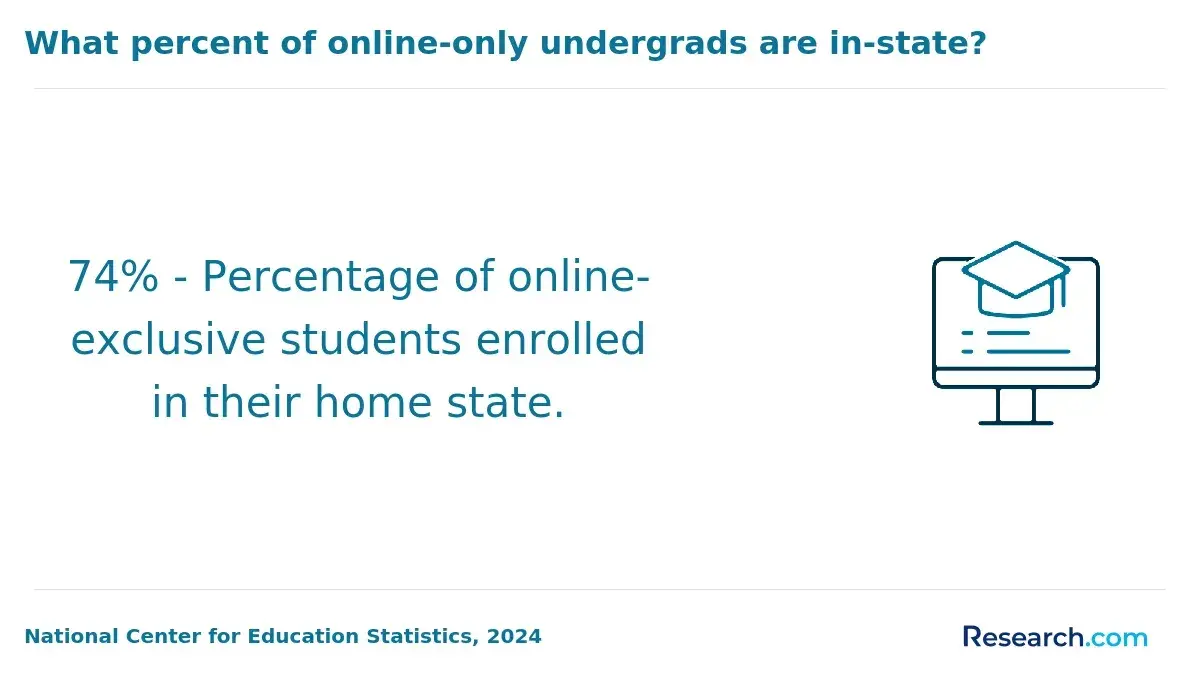
For prospective students aiming to leverage GRE waivers in forensic psychology master's programs, understanding program formats and waiver policies is essential to streamline applications and avoid unnecessary testing. Online forensic psychology degrees now attract over 40% of nontraditional applicants, increasing demand for flexible testing requirements. Below are key points to consider when exploring GRE waiver eligibility:
- Program Format and Focus: Professional and online programs typically emphasize applied, practical skills and workforce readiness. This focus often correlates with a higher likelihood of offering permanent GRE waivers to accommodate diverse student populations.
- Thesis-Based and Hybrid Programs: These tend to prioritize research and academic rigor, maintaining GRE requirements more frequently. However, some temporarily suspended GRE mandates during the pandemic, though these waivers may have expired or shifted to conditional statuses.
- Policy Verification: GRE waiver policies vary widely and evolve regularly. Confirm eligibility directly with admissions offices or official program websites, as these are the most reliable resources.
- Holistic Admissions: An increasing number of programs adopt holistic review strategies, valuing professional experience, undergraduate GPA, and personal statements, which can offset the absence of GRE scores.
A graduate of a forensic psychology master's program recalled that applying with a GRE waiver felt freeing yet anxious. "I was relieved not to hassle with the GRE, especially balancing work and family," they shared. Their program, mainly online with a professional orientation, prioritized relevant experience over test scores, but admissions still demanded a strong personal statement and prior academic rigor. "It wasn't a free pass," they noted, "but the waiver made the process accessible and encouraged me to showcase my actual skills and background." This experience highlights how some programs balance accessibility with selectivity when granting GRE waivers.
How Does Professional Work Experience Factor Into Forensic Psychology GRE Waiver Eligibility?
Prospective forensic psychology master's candidates should carefully evaluate how their professional work experience impacts forensic psychology GRE waiver eligibility. Many programs allow applicants to substitute GRE test scores with documented relevant career background, typically requiring a minimum of two to five years of full-time employment in related fields. Below are key factors applicants must consider when preparing their waiver requests:
- Relevant Experience Definition: This usually involves direct work with forensic populations, applying psychological principles in legal contexts, conducting research in criminal behavior, or holding internships and leadership roles that extend beyond basic expectations.
- Experience Verification: Programs expect detailed résumés, employer letters specifying job responsibilities and duration, and sometimes professional profiles such as LinkedIn for additional confirmation. Providing clear evidence that connects professional duties with forensic psychology competencies is essential.
- Application Detailing: Applicants should highlight specific skills like risk assessment, forensic report writing, and collaboration with legal professionals. Demonstrating measurable achievements and any supervisory roles strengthens the waiver case.
- Support for Career Changers and Recent Graduates: Those with limited work histories can emphasize comprehensive internships, relevant volunteer roles, certifications, related coursework, and transferable skills to build a strong waiver justification despite shorter professional backgrounds.
Understanding the role of relevant career background in securing GRE test exemptions helps applicants identify the right programs and prepare competitive applications. For further insights on educational pathways aligned with career goals, researching the best degrees in the world can be valuable.
What Academic Credentials Beyond GPA Qualify Applicants for Forensic Psychology GRE Waivers?
When exploring eligibility for GRE waivers in forensic psychology master's programs, it's important to consider a range of academic achievements beyond GPA. Many programs value demonstrated success in advanced studies or related accomplishments as reliable indicators of readiness for graduate-level work without standardized testing.
Below is a checklist of common academic credentials programs accept in lieu of GRE scores:
- Completed Graduate Degrees: Holding a master's or doctoral degree in psychology or a related field shows proven capability with graduate coursework, often making GRE requirements unnecessary.
- Honors Designations and Awards: Graduating summa cum laude or receiving departmental academic awards indicates exceptional performance and dedication, supporting a waiver application.
- Relevant Professional Certifications: Credentials in areas like mental health counseling or forensic sciences provide evidence of specialized knowledge applicable to forensic psychology studies.
- Published Research: Peer-reviewed articles or conference presentations in forensic psychology or closely related subjects demonstrate scholarly initiative and expertise beyond undergraduate education.
- Undergraduate Major Alignment: Having a bachelor's degree in forensic psychology or a closely related discipline generally strengthens a waiver request, though it is not always mandatory; overall academic rigor and relevance are prioritized.
A graduate I spoke with recounted how having a master's degree in clinical psychology eliminated the stress of submitting GRE scores. They noted, "Because I had already completed graduate coursework and published a paper, the waiver was straightforward. It felt like the program trusted my prior academic experience rather than a single exam." This background made applying smoother and allowed them to focus on preparing a strong personal statement and relevant work experience. The reassurance of not needing the GRE relieved a significant burden during the application process.
How Do Online Forensic Psychology Master's Programs Handle GRE Waiver Policies Differently From On-Campus Programs?
Both online and on-campus forensic psychology master's programs must comply with regional and programmatic accreditation standards, which influence the flexibility they have in establishing GRE waiver policies. Accreditation bodies recognized by the Council for Higher Education Accreditation (CHEA) allow programs to adopt waiver criteria that maintain academic rigor while expanding access.
A GRE waiver does not equate to a lower-quality education; prospective students should instead evaluate faculty qualifications, student outcomes, and professional recognition to gauge program strength. Recent data show that over 60% of psychology master's programs offered GRE waivers as of 2023, reflecting a trend toward accessibility. Below are key factors applicants should consider when comparing waiver policies.
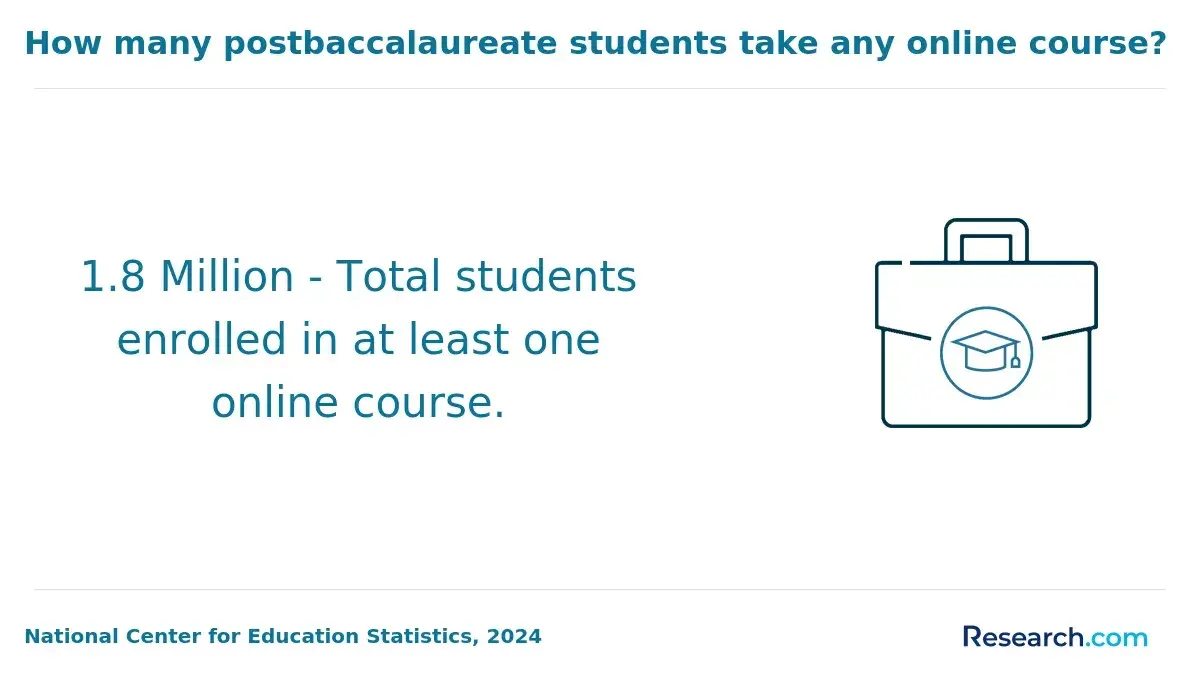
- Structural Flexibility: Online programs often provide GRE waivers to accommodate working adults and diverse populations by considering professional experience or prior academic achievements, reflecting market demand for accessible education.
- Accreditation Standards: Both delivery modes follow strict accreditation criteria, but regional and programmatic bodies permit test-optional admissions as long as learning outcomes and curriculum rigor remain intact.
- Faculty Credentials: Programs with faculty holding doctoral degrees and active research portfolios signal robust academic environments, which help offset the absence of GRE scores.
- Student Success Metrics: Graduation rates, retention statistics, and licensure or certification exam pass rates serve as critical indicators of a program's effectiveness and support systems.
- Employer Recognition: Partnerships and endorsements from forensic psychology employers enhance real-world relevance and career readiness, providing a practical benchmark for quality.
What Does the GRE Waiver Application Process Look Like for Forensic Psychology Programs?
For candidates applying to forensic psychology master's programs, navigating the GRE waiver submission process is essential due to varied institutional policies. Nearly 35% of graduate applicants in psychology-related fields now apply without GRE scores, underscoring the growing acceptance of waivers. The following main models outline typical waiver procedures and offer practical steps to maximize chances of approval.
- Automatic Waivers: Some programs waive GRE requirements for all applicants, eliminating the need to submit scores or requests. Applicants should verify the program's official policy to confirm that no action is needed.
- Criteria-Based Waivers: Other schools grant waivers automatically when applicants meet specific eligibility criteria such as a minimum GPA, relevant work experience in forensic psychology, or prior graduate-level coursework. These programs generally do not require a separate waiver petition.
- Formal Waiver Petition: Many forensic psychology graduate schools require a written petition submitted with or before the application. This petition should include a well-crafted addendum detailing why the GRE should be waived, emphasizing academic strengths, research experience, and relevant forensic psychology skills.
- Supporting Documentation: A competitive waiver request typically incorporates a personal statement or addendum, a résumé outlining forensic experience or research, letters of recommendation endorsing the applicant's qualifications, and academic transcripts demonstrating strong quantitative and analytical capabilities.
- Timing and Submission: Applicants are advised to contact the admissions office 4 to 6 weeks before deadlines to clarify waiver policies, confirm documentation requirements, and understand submission methods. Early inquiry helps avoid last-minute issues during the forensic psychology graduate school application process.
Prospective students looking for specialized programs can also explore online mft programs accredited, which sometimes align with forensic psychology interests or offer complementary skills.
How Should Applicants Write a GRE Waiver Request Letter for Forensic Psychology Master's Programs?
A well-written GRE waiver request letter is essential for applicants seeking admission to forensic psychology master's programs that offer test score exemptions. Since up to 40% of these programs grant waivers to qualified candidates, a focused, evidence-based letter can enhance admission prospects. Below are key points to consider when crafting a persuasive letter tailored to forensic psychology programs.
- Clear Opening Statement: Begin by explicitly naming the forensic psychology program and stating your request for a GRE waiver. This establishes the letter's purpose and ensures your intent is immediately understood.
- Systematic Credential Alignment: In the body, connect your academic achievements, professional experience, or specific circumstances with the program's published waiver criteria. Highlight measurable accomplishments such as a high GPA, relevant work in mental health or legal fields, or prior advanced degrees to strengthen your case.
- Concise and Focused Tone: Keep the letter under one page and avoid vague claims about passion or potential without supporting evidence. Maintain a formal style that emphasizes objective qualifications and readiness for graduate-level coursework.
- Reaffirm Readiness: Conclude by confidently affirming your preparedness to successfully undertake forensic psychology graduate studies, demonstrating both competence and commitment.
- Avoid Common Mistakes: Do not write overly long or unfocused letters; referencing the specific program's waiver policies is crucial. Avoid subjective statements that lack concrete support, such as excessive enthusiasm unlinked to qualifications.
Applicants often overlook the importance of aligning their GRE waiver appeal precisely with the program's criteria, which diminishes effectiveness. Writing tailored letters for forensic psychology graduate schools that comply with these guidelines improves the likelihood of approval.
For those exploring accelerated completion of an online forensic psychology master's degree, understanding institutional policies, credit requirements, and admission needs is vital. This understanding complements application strategies, particularly when considering transfer credits and enrollment intensity. Resources illustrating affordable and flexible options for related fields are available; for example, prospective students might find valuable information on online data science programs.
Which Specific Forensic Psychology Master's Programs Are Known for GRE-Optional or GRE-Free Policies?
For prospective students, knowing which forensic psychology master's programs waive the GRE can significantly ease the application process. These waivers often reflect a program's commitment to equitable admissions and focus on a candidate's overall potential rather than standardized test scores. Below is a summary of common institution types and program structures where GRE waivers are frequently available.
- Public Research Universities with Equity-Focused Admissions: Many state-funded research universities have shifted to GRE-optional policies, particularly within graduate programs like forensic psychology. These schools prioritize a comprehensive review of applicants by valuing undergraduate performance, recommendations, and relevant experience over test results.
- HBCU Graduate Programs: Graduate programs at Historically Black Colleges and Universities often offer GRE waivers to increase access for underrepresented groups in forensic psychology. Their admissions approach highlights academic promise and community involvement instead of relying heavily on standardized testing.
- Professional and Practicum-Oriented Tracks: Programs emphasizing hands-on training and fieldwork sometimes waive GRE requirements to attract applicants with substantial professional background or practical experience. These tracks focus on skill application, benefitting working professionals and experienced candidates.
- Institutions with Institution-Wide Test-Optional Policies: Some universities have adopted broad test-optional frameworks for all graduate programs, a trend accelerated by recent global disruptions. Applicants at these institutions can often choose whether to include GRE scores in their applications.
- Utilizing Graduate School Search Tools: Prospective applicants should use reliable databases and filtering systems, such as those managed by the Council of Graduate Schools, to identify forensic psychology programs that either waive or do not require the GRE. It remains essential to confirm current policy details directly via official program websites or admissions offices.
How Do Letters of Recommendation Compensate for the Absence of GRE Scores in Forensic Psychology Applications?
Letters of recommendation become especially important in forensic psychology master's applications that waive GRE scores, as they serve as key endorsements of an applicant's academic and professional potential. Understanding how to approach these letters can strengthen an application where standardized test results are absent.
- Recommender's Expertise and Relationship: Letters should come from individuals familiar with the applicant's forensic psychology skills, such as faculty or supervisors, whose credibility supports the letter's weight.
- Discipline-Specific Skills Highlighted: Strong letters emphasize critical thinking, ethical judgment, and research abilities, reflecting the intellectual demands of forensic psychology.
- Number and Type of Letters: Typically, applicants submit two to three letters mixing academic references-ideal for recent graduates-with professional recommenders, beneficial for those with work experience.
- Informing Recommenders About GRE Waivers: Applicants should clearly explain the waiver context, prompting recommenders to address qualities usually measured by GRE scores, like analytical reasoning and perseverance.
- Strategic Selection and Preparation: Choosing recommenders with relevant expertise and briefing them on the program's expectations ensures letters credibly offset the absence of GRE results.
What Is the Step-by-Step Application Checklist for Forensic Psychology Master's Programs with GRE Waivers?
Start by identifying master's programs in Forensic Psychology that explicitly provide GRE waivers and carefully review their eligibility requirements, which often vary according to academic history, professional experience, or demographic criteria. Early procurement of official transcripts is crucial, as they verify your educational background and mitigate the absence of GRE scores.
Secure compelling letters of recommendation from academic or professional contacts familiar with your qualifications relevant to forensic psychology. Craft a detailed statement of purpose that clearly articulates your motivation and capabilities while addressing the lack of GRE submission. Include a formal waiver request or complete requisite forms, supplying solid proof to support your eligibility based on each program's guidelines.
Ensure all application materials are submitted well before deadlines, confirming every document is included and correctly formatted to avoid disqualification. After applying, maintain thorough and documented contact with admissions offices to verify receipt and resolve any outstanding issues. Once accepted, promptly complete enrollment requirements, staying aware that waiver policies may change, making consistent, direct communication essential throughout the admissions process.
These steps collectively build a competitive application, compensating effectively for the omission of GRE scores while aligning with institutional policies and expectations.
Understanding the full process and adhering to these focused actions can significantly improve your chances of success with GRE-waived applications to Forensic Psychology programs.
Actionable Step-by-Step Checklist for GRE-Waived Forensic Psychology Applications
Gaining clarity on the sequential tasks and their importance helps applicants navigate program requirements efficiently and strengthens submissions where GRE scores are waived.
- Research Programs and Verify Waiver Eligibility: Identify and assess Forensic Psychology master's programs that offer GRE waivers, ensuring your academic or professional profile satisfies their specific waiver criteria to avoid wasted effort.
- Request Official Transcripts Early: Obtain transcripts promptly as they demonstrate your academic foundation, which is crucial when GRE scores are excluded from consideration.
- Gather Strong Letters of Recommendation: Secure endorsements from individuals knowledgeable about your forensic psychology aptitude to reinforce your suitability despite the GRE absence.
- Prepare a Strategic Statement of Purpose: Articulate your motivation, relevant experience, and address how you meet program standards without GRE scores to present a compelling case.
- Submit Formal Waiver Requests: Complete all waiver-related paperwork with clear evidence aligning with program policies to legitimize your exemption.
- Ensure Complete and Timely Submission: Review all materials meticulously and submit them before deadlines to prevent disqualification due to missing or improper documents.
- Maintain Documented Communication: Follow up consistently with admissions offices to confirm receipt and clarify any requirements, safeguarding the integrity of your application.
- Complete Post-Acceptance Steps Promptly: Upon admission, adhere to enrollment protocols promptly, while monitoring any updates to waiver policies through direct communication to avoid surprises.
Policies and procedures can evolve, so the most vital practice throughout this process is maintaining direct, documented communication with each Forensic Psychology program's admissions office to ensure your application remains on course.
What Graduates Say About Getting Accepted in Forensic Psychology Degree Master's Programs with GRE Waivers
- Camila: "Writing the GRE waiver letter was surprisingly straightforward once I focused on highlighting my academic achievements and relevant experience. It gave me confidence as I navigated the application process for the forensic psychology master's program. I found that being diligent and clear about my qualifications made all the difference in securing the waiver and moving forward smoothly."
- Alexis: "Qualifying for the forensic psychology master's program with a GRE waiver taught me the importance of understanding each step thoroughly. I made sure to communicate closely with admissions and carefully reviewed every requirement. This methodical approach not only helped me gain admission but also prepared me mentally for the program's demands."
- Eli: "Relying on official academic catalogs and accrediting agencies was invaluable in comprehending the forensic psychology master's degree requirements. Consulting federal education resources allowed me to set realistic expectations and tailor my study plan effectively. This professional, research-based preparation made me feel well-equipped to pursue my graduate studies confidently."
Other Things You Should Know About Forensic Psychology Degrees
Opting for a program mainly due to a GRE waiver can lead applicants to overlook important factors like accreditation, faculty expertise, and curriculum quality. Some programs waive the GRE but lack rigorous academic standards or strong connections to forensic psychology practice and research. This may affect graduate outcomes such as licensure eligibility or job prospects. Candidates should verify program reputation and post-graduation success before applying.
For international students pursuing a forensic psychology master's in 2027, GRE waivers may require demonstrating strong academic performance from accredited institutions. It's crucial to verify English proficiency requirements and ensure credential evaluations align with program criteria, as standards can vary widely across universities.
The statement of purpose becomes especially important when the GRE is waived, serving as a primary tool to demonstrate motivation, relevant experience, and understanding of forensic psychology. Admissions committees look for clear articulation of career goals and how the program fits the applicant's objectives. A well-crafted statement can compensate for the absence of GRE scores by highlighting personal strengths and preparedness.
References
- Best Master's Degrees In Forensic Psychology | GradSchoolHub https://www.gradschoolhub.com/best/masters-degrees-in-forensic-psychology/
- Best Online Forensic Psychology Degrees For 2025 https://www.psychology.org/rankings/best-forensic-psychology-programs/
- Online Master's Degrees in Forensic Psychology - No GRE Required https://www.forensicscolleges.com/blog/resources/no-gre-online-masters-in-forensic-psychology
- Online Master’s in Psychology Programs No GRE Required (GRE Waiver) https://www.onlineeducation.com/psychology/faqs/masters-in-psychology-programs-gre-requirements
- Online Master's in Forensic Psychology: Compare Top Schools https://www.publicservicedegrees.org/online-degrees/psychology-programs/forensic-psychology/masters/
- GRE Waiver for the top universities - MBA Crystal Ball https://www.mbacrystalball.com/blog/2018/08/27/gre-waiver/
- Why We’re Offering a Master’s Degree in Forensic Psychology https://learn.neumann.edu/neuperspectives/expert-highlight-why-were-offering-a-masters-degree-in-forensic-psychology
- Important Tips for GRE Waiver Letter Writing https://waiverletter.net/important-tips-for-gre-waiver-letter-writing/
- Forensic Studies MS https://www.fgcu.edu/cas/departments/js/fsms/
- Clinical Forensic Psychology MA https://www.fdu.edu/program/ma-forensic-psychology/