
2027 Forensic Psychology Degrees Explained: Are They Classified as Professional Degrees?

Co-Founder and Chief Data Scientist
Many prospective students mistakenly believe a forensic psychology degree automatically qualifies as a professional degree essential for licensure or career advancement. However, only about 22% of advanced degrees in psychology lead directly to professional licensure, according to the Bureau of Labor Statistics. This misconception can lead to inefficient educational investments and unmet career expectations.
Understanding the distinction between academic and professional degrees is critical for aligning educational choices with career goals. This article clarifies whether forensic psychology degrees classify as professional degrees and offers practical insights into program accreditation, costs, and employment outcomes to guide informed decision-making.
Key Benefits of Professional Forensic Psychology Degrees
- Professional forensic psychology degrees enhance career advancement, often qualifying graduates for leadership roles in criminal justice, mental health institutions, and legal consultancy sectors.
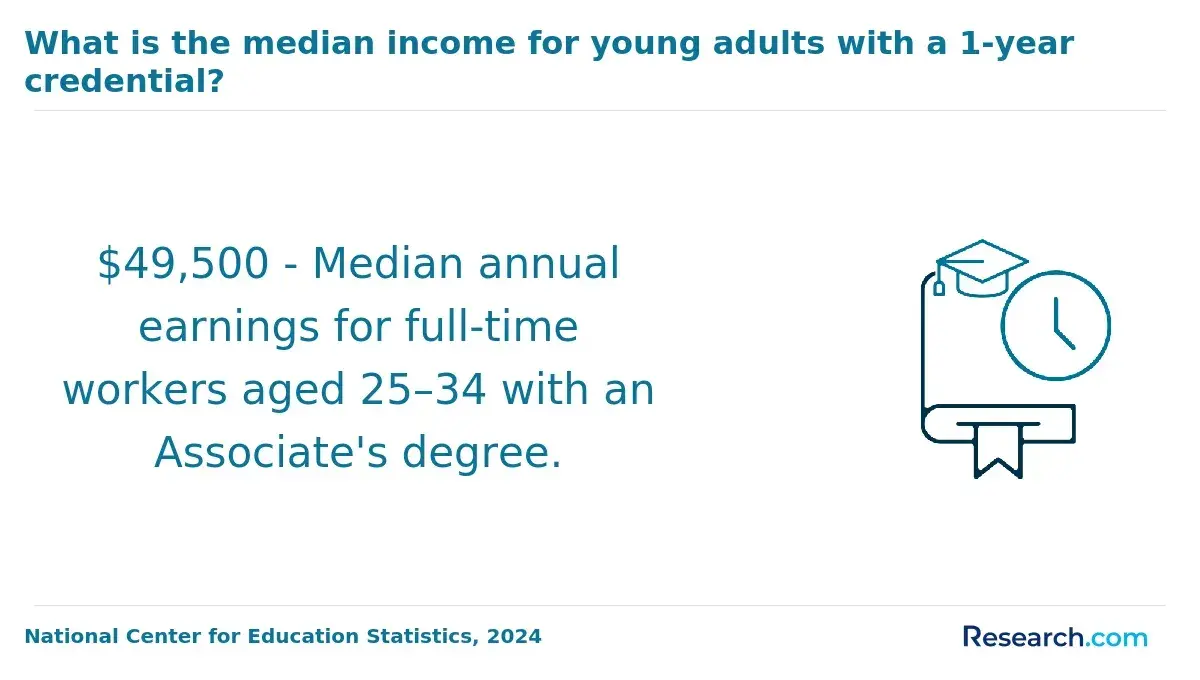
- Graduates can expect higher earning potential, with advanced degrees correlating to a 15-20% salary increase compared to bachelor-level credentials in related fields.
- These degrees typically grant eligibility for regulated roles, including licensed psychological practice, ensuring long-term job security in a growing forensic workforce.
What Is Considered a Professional Forensic Psychology Degree?
Students evaluating career-focused and licensure-oriented education pathways must clearly understand what qualifies as a professional forensic psychology degree. This understanding ensures they select programs aligned with licensure requirements and practical training needed for success in forensic settings. Employment for psychologists in forensic and correctional roles is projected to increase by 12% over the next decade, reflecting strong demand for qualified professionals.
Common misconceptions about professional forensic psychology degrees can mislead prospective students. Below, we clarify these through a myth-versus-fact structure.
Degree classification
- Myth: Any degree in forensic psychology is classified as a professional degree.
- Fact: A professional forensic psychology degree refers specifically to programs designed to meet licensure requirements and provide applied training essential for clinical practice or legal careers.
Theory focus
- Myth: Professional forensic psychology degrees are only about theory and research.
- Fact: These degrees prioritize applied knowledge and hands-on training tailored for legal settings, including forensic evaluations and courtroom expertise.
Students should look for programs that include supervised clinical components and meet state licensing boards' educational standards. This alignment supports eligibility for credentials like licensed forensic psychologists or related certifications, which influence career advancement and earning potential. For additional perspective on specialized graduate education, consider programs such as the slp online masters program.
Who Should Pursue a Professional Forensic Psychology Degree?
Identifying the right candidates for professional forensic psychology degrees is essential for students seeking career-focused, practice-oriented education in this specialized field. Programs emphasize applied skills and clinical practice, which align closely with licensure requirements and career advancement opportunities. Enrollment in forensic psychology programs has grown by over 20% in recent years, reflecting a rising demand for qualified professionals prepared for applied roles.
Below are common myths and facts to help clarify who should pursue a professional forensic psychology degree.
Licensure Path
- Myth: Professional forensic psychology degrees are necessary for everyone interested in criminal justice careers.
- Fact: These degrees best suit early-career professionals aiming for licensure as psychologists or therapists, especially those needing clinical training for regulated roles.
Research Roles
- Myth: Those targeting research-only positions should pursue a professional forensic psychology degree.
- Fact: Students focused on research or academic careers might find traditional academic degrees more suitable than practice-focused programs.
Specialized Careers
- Myth: Specialized forensic roles don't require formal professional forensic psychology degrees.
- Fact: Individuals seeking positions in forensic clinical settings benefit from degrees emphasizing applied skills and state licensure alignment.
Career Changers
- Myth: Career changers cannot benefit from professional forensic psychology degrees.
- Fact: Those changing careers towards forensic psychology find focused, practice-oriented training valuable for transitioning effectively.
Students considering careers requiring professional forensic psychology degree options should also evaluate program costs and formats carefully. For example, those looking for flexible options might compare costs to a cheapest online engineering degree or similar affordable programs to gauge educational investment.
What Are the Most Common Professional Forensic Psychology Degree Programs?
Knowing the different professional forensic psychology programs enables students to select the option that best aligns with their career objectives and educational needs. With a projected job growth of approximately 8% in related psychological fields through 2031, demand for trained professionals continues to increase.
Below are key degree programs commonly pursued in forensic psychology:
- Master's Degrees with Forensic Concentrations: These programs typically focus on foundational psychological principles blended with legal system knowledge, preparing students for roles requiring mental health assessments within justice settings.
- PsyD in Forensic Psychology: Centered on clinical application, this degree trains students in offender evaluation and expert testimony, emphasizing skills necessary for licensure and hands-on involvement in forensic cases.
- PhD Programs with Forensic Specializations: Emphasizing research and advanced theory, these doctoral degrees provide in-depth study of forensic assessment and contribute to academic and professional developments in the field.
Are Professional Forensic Psychology Degree Programs Accredited?
Accreditation is a crucial concern for students evaluating professional forensic psychology degree programs because it directly influences eligibility for licensure, financial aid access, and employer recognition. Over 60% of students pursue forensic psychology-related degrees at institutions with recognized regional accreditation, signaling the importance of accredited programs in career advancement.
Below are common myths and facts about accreditation for forensic psychology degrees to clarify these concerns.
Accreditation Bodies
- Myth: All forensic psychology degree programs are accredited by a national forensic-specific body.
- Fact: There is no single accrediting organization specifically for forensic psychology programs; accreditation usually comes from regional institutional accreditors recognized by the U.S. Department of Education.
Programmatic Accreditation
- Myth: Forensic psychology degrees always have programmatic accreditation specialized for the field.
- Fact: Unlike APA-accredited clinical psychology programs, forensic psychology concentrations often rely solely on the institution's overall accreditation because program-specific accreditation is rare.
Licensure Impact
- Myth: Accreditation has little effect on state licensure or professional recognition.
- Fact: Accreditation significantly affects acceptance by state licensure boards and eligibility for clinical practice and certification, making it essential for professional forensic psychology program accreditation standards.
Prospective students should research institutional accreditation carefully and consider its effect on their licensure goals, career prospects, and financial aid opportunities. Many turn to online courses for psychology degree as a flexible, affordable route while ensuring programs meet recognized accreditation standards.
What Are the Admission Requirements for a Professional Forensic Psychology Degree?
Knowing the admission criteria for professional forensic psychology programs is essential for applicants to assess their fit and chances in a competitive field. Recent data show some programs admit fewer than 30% of applicants, underscoring the importance of meeting key requirements.
The following points outline typical prerequisites candidates must satisfy:
- Undergraduate Degree: A bachelor's degree in psychology or a related discipline lays the groundwork necessary for advanced forensic psychology study by ensuring familiarity with core concepts.
- Grade Point Average: Applicants generally need a minimum GPA around 3.0, reflecting sustained academic achievement and readiness for graduate-level challenges.
- Letters of Recommendation: Usually two or three references from academic or professional contacts provide insight into the applicant's skills, character, and suitability for rigorous forensic psychology work.
- Personal Statement: A well-crafted essay articulates the candidate's motivation for pursuing forensic psychology and outlines career aspirations, helping admissions understand their commitment.
- Relevant Experience: Practical exposure through internships, research, or work in psychology or criminal justice demonstrates applied knowledge and dedication to the field.
- Standardized Tests: Some programs request GRE scores, but many are shifting toward holistic review processes that may waive this requirement.
One graduate I spoke with described the admissions journey as "intense but enlightening." He recounted spending weeks refining his personal statement to clearly convey his passion and goals, while securing strong letters that truly reflected his capabilities. He emphasized that gathering relevant work experience before applying gave him confidence and a competitive edge. "It wasn't just about meeting checkboxes," he said, "but proving I was ready both intellectually and personally for the demands of the profession."
What Courses and Practical Training Are Required in a Professional Forensic Psychology Degree?
Prospective students evaluating professional forensic psychology programs should carefully consider both the curriculum and practical training components as these are critical for meeting licensure requirements and enhancing career prospects. A thorough understanding helps ensure that the program aligns with one's professional goals and prepares for the demands of the field.
The following outlines common courses and training essential in professional forensic psychology degree programs.
- Psychological Assessment and Evaluation: These courses focus on developing skills in administering and interpreting psychological tests tailored to forensic settings. Students learn to assess mental health, cognitive abilities, and risk factors, which are critical for court-related evaluations and criminal profiling.
- Criminal Behavior and Psychopathology: Coursework covers the study of criminal acts from psychological perspectives, alongside training in identifying and understanding mental disorders frequently encountered in legal contexts. This knowledge aids in forming defendant profiles and understanding motivations behind criminal acts.
- Legal and Ethical Issues: Students explore the complex legal standards and ethical dilemmas at the intersection of psychology and the justice system. Emphasis is placed on confidentiality, informed consent, and professional responsibilities, which are vital for credible expert testimony and consulting roles.
- Research Methods: Training includes designing and conducting empirical studies relevant to forensic psychology. Competency in research supports evidence-based practice and the critical analysis necessary for producing reliable reports and expert opinions.
- Practical Training and Internship Components: Practical training for forensic psychology degree programs often mandates supervised internships or practicum placements in environments such as courts, law enforcement agencies, or correctional facilities. This hands-on experience develops essential competencies in psychological evaluation, report writing, and courtroom testimony, directly impacting job readiness and licensure eligibility.
Because forensic psychology is a specialized domain, programs with comprehensive practicum requirements tend to better prepare students for certification and real-world challenges. Prospective students should also investigate program accreditation and ensure practical training aligns with recognized industry standards. For those considering how educational choices impact earning potential, exploring what degrees make the most money may provide valuable perspective on the financial benefits of advanced forensic psychology training.
How Much Do Professional Forensic Psychology Degrees Cost?
Understanding the cost of professional forensic psychology degrees is essential for prospective students evaluating their educational investment and planning their career trajectories. On average, total tuition for a master's or doctoral forensic psychology degree in the U.S. ranges between $20,000 and $60,000, reflecting significant variation based on program type and institution.
Costs extend beyond tuition and fees, which are key components of forensic psychology degree tuition and fees. Below are the primary factors affecting the overall expenses associated with these degrees:
- Tuition per Credit Hour: Tuition rates vary widely depending on whether the institution is public or private, with private schools typically charging higher fees. Program length and credit hour requirements also heavily influence total tuition costs.
- Specialized Course Fees: Forensic psychology programs often require niche classes led by expert faculty, which can incur additional fees due to specialized resources and materials.
- Practicum and Internship Expenses: Many programs mandate supervised hands-on experience, which may involve costs such as travel, liability insurance, or supervision fees, adding to the overall financial commitment.
- Additional Learning Materials: Textbooks, software licenses, and other educational resources contribute further costs that students must plan for alongside tuition.
- Certification and Exam Fees: Fees related to licensure exams or professional certification can add 10-20% more to the total cost of forensic psychology degrees, making them important to consider when budgeting.
Prospective students should also explore accredited programs carefully and consider financial planning tools for higher education, especially when comparing costs to potential career income.
For students interested in alternative pathways and affordability, online degrees that pay well might offer insights into flexible options that align with professional goals.
Do Professional Forensic Psychology Degrees Qualify for Financial Aid?
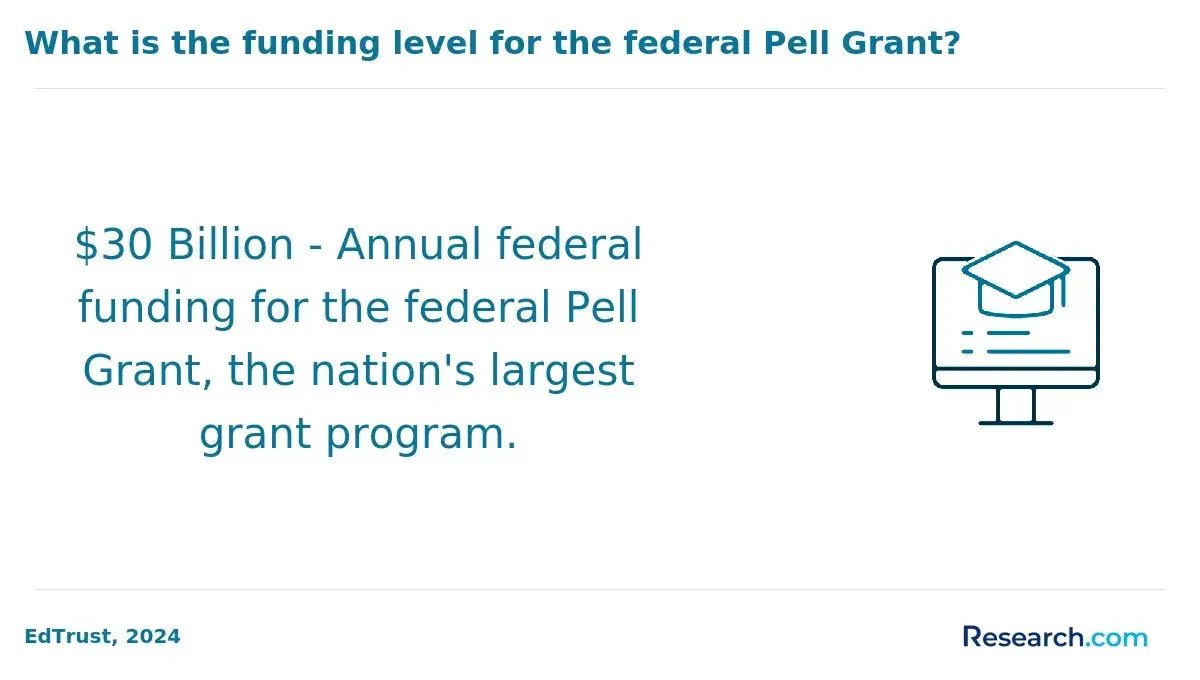
Financial aid eligibility is often a major concern for students exploring professional forensic psychology programs due to the specialized nature and potential costs. Approximately 70% of graduate students in psychology-related fields use some form of financial assistance to help manage expenses.
Below are common myths and facts about financial aid for forensic psychology students.
Federal Aid
- Myth: Forensic psychology degrees don't qualify for federal financial aid because they're specialized or nontraditional.
- Fact: Accredited forensic psychology programs typically qualify for federal aid like Direct Unsubsidized Loans and Grad PLUS Loans if the school participates in Title IV. Eligibility depends on accreditation and enrollment status, not just program focus.
Scholarships & Employer
- Myth: Scholarships and employer reimbursement aren't available for forensic psychology students due to the field's niche status.
- Fact: Many scholarships target psychology and criminal justice disciplines. Employers in public service and government often provide tuition assistance or loan forgiveness for advanced forensic psychology studies.
When I spoke with a graduate of a professional forensic psychology degree about financial aid, she shared how pivotal aid was during her studies. She described navigating financial aid applications as initially overwhelming but emphasized that persistence paid off, connecting her with scholarships and federal loans that made the program affordable. She noted, "It wasn't simple, but knowing that accredited programs qualify for aid helped me stay motivated." Her experience shows that while the process may require effort, financial support opportunities for forensic psychology students are both real and accessible.
Are Professional Forensic Psychology Degrees Required for Certain Careers?
Students exploring professional forensic psychology programs must know how degree requirements vary by career path, affecting licensure and job prospects. The U.S. Bureau of Labor Statistics projects a 6% employment growth for psychologists from 2021 to 2031, with forensic specialization rising due to increased demand in legal and criminal justice fields.
Below are common misconceptions contrasted with facts regarding degree requirements in forensic psychology careers.
Degree Necessity
- Myth: All forensic psychology careers require a professional forensic psychology degree.
- Fact: Many roles accept related degrees such as psychology or criminal justice; only some positions, especially those needing licensure, demand a professional forensic psychology degree.
Licensure Requirements
- Myth: Graduating from any psychology doctorate qualifies for psychologist licensure.
- Fact: Licensure mandates completing an APA-accredited doctoral program with forensic training, passing state exams, and meeting supervised experience criteria.
Specialized Roles
- Myth: Forensic expert witness positions are open to all with psychology degrees.
- Fact: Expert witness roles typically require doctoral credentials plus focused forensic training beyond general psychology degrees.
Entry-Level Positions
- Myth: Only doctoral degrees allow employment in forensic psychology.
- Fact: Technician or assistant roles may accept bachelor's or master's degrees in psychology or criminal justice without a professional forensic psychology designation.
Do Professional Forensic Psychology Degrees Lead to Higher Salaries?
Students considering advanced education in forensic psychology must carefully assess the financial benefits against the significant costs and time involved. Clear information on how professional forensic psychology degrees affect salary expectations can guide smarter educational investments.
Below are common misconceptions and realities about the financial impact of these degrees.
Salary Guarantee
- Myth: Earning a professional forensic psychology degree automatically results in a much higher salary than traditional psychology degrees.
- Fact: While these degrees may enhance earning potential, salary depends greatly on licensure, experience, specialization, and job role rather than degree type alone.
Access to Roles
- Myth: Professional forensic psychology degrees provide immediate entry to the highest-paying positions.
- Fact: Such degrees can improve qualification for specialized roles, but career growth relies heavily on work experience and skills in addition to education.
Long-Term Earnings
- Myth: Degree type solely determines long-term financial success in forensic psychology.
- Fact: Ongoing professional development, networking, and career strategy play larger roles in salary growth than the degree alone.
Program Value
- Professional degrees often fulfill accreditation requirements necessary for licensure exams.
- These programs typically include practical training, boosting job readiness.
- Experience and specialization significantly impact earning potential beyond degree titles.
- Investing in a professional degree can open doors but does not guarantee top salaries without additional factors.
What Graduates Say About Their Professional Forensic Psychology Degree
- Lennon: "The flexibility of the professional forensic psychology degree program allowed me to balance work and studies seamlessly. Choosing this path was one of my best decisions, considering the affordable average cost of attendance compared to traditional programs. Since graduating, I have noticed a significant positive impact on my career, enabling me to take on more specialized roles in criminal profiling with confidence. - "
- Forest: "Reflecting on my journey, enrolling in a professional forensic psychology program was a strategic move that paid off in numerous ways. The program's adaptable schedule made it possible to continue my job while advancing my education, and the reasonable tuition fees were an added bonus. This degree opened doors for me to work in various forensic settings, enriching my professional growth tremendously. "
- Leo: "Pursuing a professional forensic psychology degree was a critical step toward advancing my expertise within forensic assessment. The balance between coursework flexibility and a practical curriculum suited my busy lifestyle perfectly. The investment, which was moderate in cost, has translated into meaningful career advancements and professional credibility in the forensic psychology field. "
Other Things You Should Know About Forensic Psychology Degrees
Yes, to provide comprehensive training, professional forensic psychology programs in 2027 often include hands-on experience, such as internships or practicums. This practical component is crucial for developing the skills needed to apply psychological principles within the legal system effectively.
In 2027, forensic psychology degrees are increasingly recognized as professional degrees. Educational programs often blend academic knowledge with practical applications, preparing graduates for roles in legal consultation, criminal investigation, and mental health services connected to the justice system. By emphasizing experiential learning, these programs aim to enhance professional readiness.
In 2027, forensic psychology degrees typically require additional certification for practice. Graduates often pursue licensure as a psychologist, which generally involves passing the Examination for Professional Practice in Psychology (EPPP) and fulfilling state-specific requirements to practice legally and independently.
References
- 5 Truths and Myths About Forensic Psychology } All Psychology Schools https://www.allpsychologyschools.com/blog/forensic-psychology-myths/
- How Much Do Forensic Psychologists Make? | 2025 Salary https://www.allcriminaljusticeschools.com/forensic-psychology/salary/
- Best Online Forensic Psychology Degrees For 2025 https://www.psychology.org/rankings/best-forensic-psychology-programs/
- Unraveling the Mysteries of Crime and Human Behavior: The Benefits of Pursuing a Degree in Forensic Psychology - laramieuniversity.com https://laramieuniversity.com/unraveling-the-mysteries-of-crime-and-human-behavior-the-benefits-of-pursuing-a-degree-in-forensic-psychology/
- 25 Most Affordable Forensic Psychology Programs | UniversityHQ https://universityhq.org/best-colleges/rankings/most-affordable-forensic-psychology-schools/
- Forensic Psychology Degrees: What It Really Means (and What It Doesn't) https://www.counselingpsychology.org/forensic-psychology-degrees-what-it-really-means-and-what-it-doesnt/
- Revised Qualification in Forensic Psychology 2021 | BPS https://www.bps.org.uk/revised-qualification-forensic-psychology
- Criminology vs Forensic Psychology – Key Differences & Myths https://concisemedico.co.uk/blogs/difference-between-criminology-and-forensic-psychology/
- Forensic Psychology Master’s Programs Online: Compare Schools https://www.onlinemastersdegrees.org/best-programs/psychology/forensic-psychology/
- ED Releases Myth vs. Fact on Professional Degrees to Address Widespread Misconceptions | College Aid Services https://www.collegeaidservices.net/2025/11/25/ed-releases-myth-vs-fact-on-professional-degrees-to-address-widespread-misconceptions/


