
2027 Part-Time vs. Full-Time Forensic Psychology Degree Programs

Co-Founder and Chief Data Scientist
Students often face challenges deciding between part-time and full-time forensic psychology degree programs, especially when balancing work, finances, and academic goals.
Recent enrollment data shows that 40% of forensic psychology students opt for flexible learning options, highlighting a growing need for programs that accommodate diverse schedules and career demands.
This article clarifies the key differences in workload, duration, and outcomes between part-time and full-time forensic psychology studies, helping readers select the path that best aligns with their personal and professional priorities.
Key Benefits of Part-Time vs. Full-Time Forensic Psychology Degree Programs
- Part-time programs enable working professionals to gain forensic psychology credentials without sacrificing income, often enhancing career mobility while maintaining financial stability.
- Flexible scheduling in part-time study supports better work-life balance, reducing burnout risk and allowing consistent academic progress over a longer period.
- Extended course duration in part-time formats facilitates deeper comprehension and skill acquisition, benefiting complex forensic psychology concepts vital for professional competence.
How Are Part-Time Forensic Psychology Programs Structured Compared to Full-Time Programs?
Choosing between part-time and full-time forensic psychology programs involves understanding how each format structures coursework and scheduling, as these greatly influence the pace of learning and the overall academic experience.
Differences in program structure affect how students manage their time and balance responsibilities outside of school.
Part-Time Program
- Course Load: Typically one to two classes per semester, reducing weekly study hours.
- Weekly Time Commitment: Approximately 10-15 hours per week, allowing students to balance work or family.
- Scheduling Flexibility: Evening or weekend classes are common to accommodate working students.
- Online Access: Many programs offer asynchronous online modules, enabling students to access materials anytime.
Full-Time Program
- Course Load: Usually three to five courses each term, with a more intensive curriculum.
- Weekly Time Commitment: Requires 30-40 hours per week, including coursework and research.
- Scheduling Structure: Predominantly weekday classes with a fixed timetable.
- Interaction Opportunities: Greater access to faculty and peer collaboration compared to part-time formats.
Understanding the part-time versus full-time forensic psychology program structure helps students align their educational choices with personal circumstances and career goals.
For those seeking flexibility without sacrificing quality, many accredited part-time forensic psychology degree formats incorporate technology to facilitate remote learning.
Prospective students interested in balancing their studies with employment might also explore related options such as best paying 6 month online certifications for additional career enhancement.
How Long Does It Take to Earn a Part-Time vs Full-Time Forensic Psychology Degree?
Understanding the duration of part-time forensic psychology degree programs versus full-time options is essential for planning academic and career timelines effectively. Completion times vary depending on study format, course load, and program flexibility.
- Full-Time Length: Typically, a full-time forensic psychology program length is about two years, with students taking 9 to 12 credits per semester to accelerate completion.
- Part-Time Duration: The duration of part-time forensic psychology degree studies usually extends to three or four years, as students may enroll in 6 credits or fewer per semester while balancing other commitments.
- Accelerated Options: Some schools offer accelerated paths allowing full-time students to finish in 12 to 18 months, shortening the usual timeline significantly.
- Transfer Credits: Acceptance of transfer credits can reduce the overall study time by one or more semesters, depending on the institution's policies.
These factors, including individual pacing and program structure, shape how long completing a forensic psychology degree takes.
Prospective students considering either format should research specific programs, especially if interested in the easiest phd to get, which might offer more flexible duration options.
Are Admission Requirements Different for Part-Time vs Full-Time Forensic Psychology Programs?
Are admission requirements different for part-time vs. full-time forensic psychology programs? Generally, the core admission criteria overlap significantly, but subtle differences reflect the format and student profile each program targets.
- GPA Expectations: Both part-time and full-time forensic psychology program entry criteria usually demand a minimum GPA of around 3.0 on a 4.0 scale. Full-time programs, facing larger applicant pools, may expect a slightly higher GPA for competitive admissions.
- Prerequisite Coursework: Foundational courses, such as abnormal psychology and research methods, are required across formats. Part-time programs often provide more leniency for prerequisites completed some time ago or outside a traditional schedule.
- Professional Experience: Part-time students typically bring relevant work experience in criminal justice or mental health, which may be weighted heavily during admissions. Conversely, full-time programs prioritize academic records rather than professional history.
- Standardized Tests: GRE requirements are generally declining, but when mandated, expectations remain similar for both formats. Certain part-time programs may waive these scores for applicants with substantial experience.
- Supporting Documents: Letters of recommendation and personal statements are essential in both cases. Full-time applicants focus on demonstrating academic potential, while part-time candidates highlight professional maturity and time management.
Prospective students weighing admission requirements for part-time forensic psychology degrees against full-time forensic psychology program entry criteria should consider their current work commitments and academic background. For those seeking flexibility combined with professional experience, part-time paths may offer a suitable route.
Those aiming to expedite their career advancement might explore accelerated masters degrees, which sometimes blend full-time rigor with shorter completion timelines.
How Do Tuition Fees Differ for Part-Time vs Full-Time Forensic Psychology Programs?
Costs for part-time and full-time forensic psychology programs vary mainly because of how students enroll and progress. Full-time students typically face higher yearly fees since they take more credits per semester.
Meanwhile, part-time students are charged per credit hour, which can make each semester less expensive but might increase the total cost due to a longer study period.
- Per-Credit Tuition Rates: Part-time students usually pay between $500 and $1,200 per credit, while full-time tuition is often calculated as a flat annual rate ranging from $15,000 to $25,000.
- Overall Program Cost: Full-time enrollment leads to faster completion and upfront expenses, whereas part-time students spread out tuition costs over more semesters, potentially paying more over time.
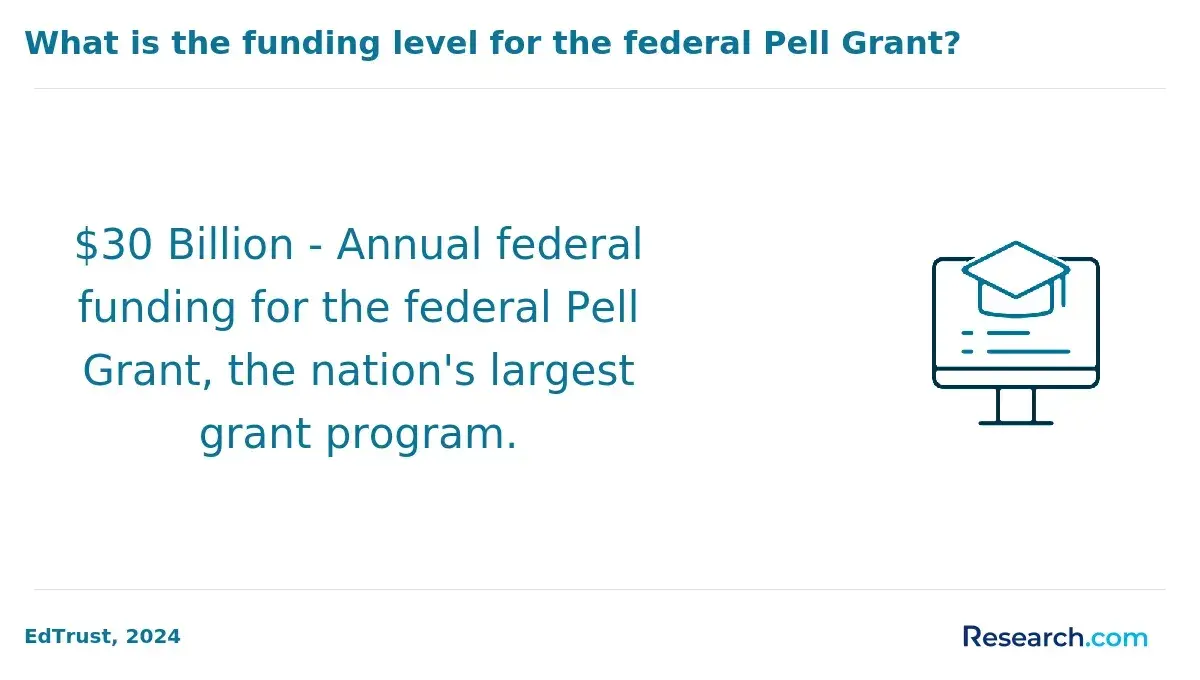
- Financial Aid Options: Full-time students commonly qualify for more scholarships and federal aid, while part-time learners often have fewer opportunities for such support.
- Additional Fees: Both formats face extra charges for services like technology and library access, which add to the total cost regardless of enrollment status.
- Enrollment Intensity Impact: The faster pace for full-time students means less time paying fees overall, but higher immediate costs; part-time enrollment eases short-term finances but extends the payment period.
A graduate from a part-time forensic psychology program shared her insights after completing the degree. She noted the balance between work and study was challenging but manageable, appreciating that spreading out expenses helped her avoid debt spikes.
"While the monthly cost was lighter, I realized the cumulative expenses grew as semesters added up," she reflected. Navigating limited financial aid required careful budgeting, yet the flexibility allowed her to gain practical experience simultaneously.
Ultimately, she valued the longer but adaptable path, which felt more sustainable given her personal circumstances and career goals.
Which Forensic Psychology Degree Program Format Offers More Online or Hybrid Course Options?
Part-time forensic psychology degree programs generally provide greater access to online and hybrid course options than full-time formats. These offerings cater especially to working adults by prioritizing flexible schedules and remote learning opportunities.
Below is a summary comparing how part-time and full-time programs typically manage online, hybrid, and campus-based components.
- Program Flexibility: Part-time formats often rely on asynchronous online lectures and weekend sessions, enabling students to fit coursework around jobs and personal duties.
- Campus Engagement: Full-time students experience more in-person activities, such as labs and internships, encouraging immersive learning on campus.
- Hybrid Growth: Hybrid models are increasingly available to both formats, reflecting changes in educational methods accelerated by recent global events.
- Student Profiles: Part-time enrollees tend to be older, requiring program designs that accommodate professional and family commitments, whereas full-time learners often prefer traditional campus experiences.
Can Forensic Psychology Students Switch Between Part-Time and Full-Time Enrollment?
Many forensic psychology programs permit students to switch between part-time and full-time enrollment, but this depends on institutional policies and approval processes.
Generally, students must be in good academic standing and work closely with academic advisors to evaluate how the change might affect their course load and degree plan.
Factors such as tuition differences, time to graduation, and personal circumstances should be considered before making the switch. Institutions often outline specific deadlines and paperwork required for changing enrollment status. These measures help ensure students maintain satisfactory progress while adapting their schedules.
Common hurdles include financial aid considerations, as grants and loans often vary depending on enrollment status. Availability of required courses might restrict switching options, since certain classes could be offered only during specific terms or require a full-time commitment.
Advisor or program coordinator approval is usually mandatory to confirm the transition fits academic goals and timelines. Students must carefully weigh these elements to avoid delaying completion or incurring unexpected costs.
I recently spoke with a graduate who transitioned from part-time to full-time within their forensic psychology program. Initially, balancing work and study was overwhelming, but switching to full-time allowed more focused progress.
The process involved multiple meetings with advisors to adjust schedules and secure financial aid changes, which was sometimes stressful.
However, the graduate describes the decision as rewarding, enabling immersion in coursework and faster completion. "Making the switch required courage and planning," he reflected, "but it ultimately aligned better with my career ambitions."
How Do Online, Hybrid, and Campus Forensic Psychology Program Delivery Formats Affect Part-time vs. full-time learning?
Delivery format significantly influences the learning experience in forensic psychology, affecting flexibility levels for part-time and full-time students.
Understanding how online, hybrid, and campus options shape scheduling, workload, accessibility, and support helps students choose the best fit for their needs.
- Scheduling Flexibility: Online forensic psychology programs offer the greatest flexibility, ideal for part-time students balancing work or family. Full-time learners benefit from asynchronous classes, while hybrid programs combine scheduled in-person sessions with online coursework for moderate flexibility.
- Workload Management: Full-time students face more intense coursework, especially in traditional campus settings requiring physical attendance. Part-time students often take fewer courses per semester, easing workload and promoting better pacing in online and hybrid formats.
- Accessibility and Resources: Online programs increase accessibility for remote or mobility-restricted students, attracting more part-time learners. Campus environments provide richer in-person faculty interaction and peer networking, generally benefiting full-time learners.
- Learning Pace and Retention: Part-time online students typically progress at a slower, steady pace that aids deeper retention of forensic psychology's complex topics. Full-time campus study offers faster immersion, which can challenge comprehension without careful management.
- Student Support Services: Full-time campus students enjoy immediate access to counseling, tutoring, and career services, while part-time and online learners rely increasingly on expanding digital platforms, potentially facing delays.
For those comparing part-time vs full-time forensic psychology program formats, considering these distinctions in online hybrid campus forensic psychology learning options is crucial.
Students seeking options without enrollment fees may explore accredited online colleges offering free enrollment applications to ease their admission process.
Do Employers Prefer Full-Time Forensic Psychology Degrees Over Part-Time Degrees?
Employers do not universally prefer full-time forensic psychology degrees over part-time degrees, but several factors shape their preferences. The perceived rigor of the program plays a significant role, with full-time degrees often seen as requiring more concentrated academic effort.
However, part-time programs are increasingly recognized for maintaining equivalent standards, particularly when validated by accreditation. Time management skills demonstrated by part-time students who balance work and study are highly valued, as is relevant professional experience.
These elements influence employer preferences for full-time forensic psychology degrees and impact hiring decisions in various settings. Industry-specific trends further affect the value of part-time versus full-time forensic psychology degree paths.
For example, government agencies and law enforcement tend to favor candidates with full-time degrees for roles requiring swift progression, while mental health clinics may appreciate the ongoing professional development that part-time students gain.
Recent trends show a growing acceptance of part-time study, especially when supplemented by internships or work experience demonstrating career readiness. For students exploring options, considering trade programs that pay well alongside their academic goals can also be helpful in planning a practical career trajectory.
Is a Part-Time or Full-Time Forensic Psychology Degree More Worth It for ROI?
Return on investment (ROI) plays a pivotal role when deciding between part-time and full-time forensic psychology degree programs. It measures how education costs balance against future earnings and career growth.
Full-time programs often require higher upfront tuition and reduced work hours, increasing short-term financial strain, but usually finish within 1 to 2 years, allowing quicker access to better-paying jobs.
Part-time programs let students maintain income during study and typically have lower semester costs. However, they extend completion time to 3 or more years, delaying career advancement and potentially increasing total expenses due to longer enrollment periods.
- Total Program Cost: Full-time enrollments generally accumulate higher tuition in a shorter time, while part-time can lead to more fees over a longer duration.
- Opportunity Cost: Full-time students often forgo steady income during study, whereas part-timers can work concurrently, reducing immediate financial pressure.
- Salary Potential: Graduating full-time usually leads to earlier salary increases, with studies showing up to a 25% boost sooner than part-time graduates.
- Career Advancement: Faster degree completion via full-time study enables quicker access to advanced roles and promotions.
- Long-Term Benefits: Although part-time suits those needing steady paychecks, full-time programs tend to offer stronger financial growth over a lifetime.
How Do You Decide Between a Part-Time and Full-Time Forensic Psychology Degree Program?
Choosing the appropriate format for a forensic psychology degree is vital to balancing academic ambitions, career plans, and personal responsibilities. Selecting between part-time and full-time study affects your timeline, finances, and learning experience.
- Time Availability: Full-time programs demand 12-15 credit hours each semester and typically finish in 2-3 years. Part-time options spread coursework over 4-6 years, suitable for those managing work or family.
- Financial Resources: Full-time study may require larger upfront tuition but enables quicker workforce entry, potentially boosting long-term earnings. Part-time study allows earning while learning, easing financial pressure.
- Career Goals: Choose full-time if rapid advancement or graduate school is a priority. Part-time works better for gradual progress or shifting career paths.
- Learning Style and Flexibility: Part-time courses often offer evening or online classes ideal for self-motivated learners needing adaptable schedules. Full-time suits those preferring immersive and structured settings.
- Program Duration: Full-time programs typically conclude faster, while part-time provides a longer period to assimilate material without overload.
What Graduates Say About Their Part-Time vs. Full-Time Forensic Psychology Degree
- Emily: "Studying forensic psychology part-time allowed me to balance work and education without overwhelming my schedule. Despite the average cost being around $20,000, I found the investment worthwhile as it directly advanced my career in criminal justice. The practical approach and flexibility truly enhanced my learning experience. "
- Thomasin: "The full-time forensic psychology program was intense but deeply rewarding, pushing me to develop both critical thinking and research skills swiftly. While the tuition fees were significant, roughly $25,000, the knowledge I gained opened doors to specialized roles in mental health law. Looking back, the cost was a valuable gateway to my current professional path. "
- Callum: "Choosing a part-time path for my forensic psychology degree was a strategic decision to maintain financial stability while studying. Considering the program's typical cost near $20,000, the manageable pace minimized stress and maximized comprehension. This degree has profoundly shaped my approach to forensic assessments in my workplace. "
Other Things You Should Know About Forensic Psychology Degrees
Part-time Forensic Psychology degree programs in 2027 typically offer flexible scheduling options to accommodate working students. These programs often provide evening or online classes, allowing students to balance their work commitments while pursuing their academic goals.
In 2027, part-time Forensic Psychology programs typically offer a more flexible schedule, extending the duration of study but maintaining similar coursework to full-time programs. Full-time programs often progress faster, requiring a more significant time commitment each week, which suits those who can dedicate more consistent hours to studying.
Yes, you can work while pursuing a part-time Forensic Psychology degree. Part-time programs offer flexible schedules, allowing students to balance professional commitments with their academic pursuits. This setup is ideal for those needing to maintain employment while advancing their education in 2027.
References
- M.A. Forensic Psychology: Online and In-Person | The Chicago School https://www.thechicagoschool.edu/programs/psychology/forensic-psychology/ma/
- Forensic Psychologist: Salary, Requirements & Career Guide https://careersinpsychology.org/becoming-a-forensic-psychologist/
- Best Online Forensic Psychology Degrees For 2025 https://www.psychology.org/rankings/best-forensic-psychology-programs/
- Forensic Psychology Degree Online https://www.snhu.edu/online-degrees/bachelors/ba-in-psychology/forensic-psychology
- Forensic Psychology MSc https://www.tees.ac.uk/postgraduate_courses/psychology/msc_forensic_psychology.cfm
- Compare Online Forensic Psychology Degree Programs https://www.counselingpsychology.org/psychology/degrees/forensic-psychology/
- Online vs Hybrid vs Campus Learning in Healthcare: Which Is Right for You? https://www.edumed.org/articles/online-vs-hybrid-vs-campus/


