
2027 Is a 2-Year Forensic Psychology Degree Worth It: Accelerated Bachelor's ROI & Time Trade-Offs

Co-Founder and Chief Data Scientist
Choosing to pursue a 2-year accelerated bachelor's degree in forensic psychology presents a critical dilemma: is the shortened timeline worth the potential sacrifices in career prospects and earnings? Recent data shows that forensic psychology roles are expected to grow by only 8% over the next decade, compared to 13% for psychology overall, highlighting the need for strategic education decisions.
This article analyzes the return on investment by comparing accelerated program costs, time savings, and labor market outcomes. It aims to equip prospective students with clear insights into whether the expedited path aligns with their financial goals and professional aspirations.
Key Benefits of a 2-Year Forensic Psychology Degree
- Accelerated forensic psychology degrees can reduce educational costs by nearly 40%, improving return on investment through shorter time to workforce entry.
- The fast-tracked program allows students to gain practical skills quickly, enhancing employment opportunities in forensic, criminal, and legal settings.
- Graduates often experience faster career progression, with median salaries in forensic psychology roles rising up to 15% within five years post-degree.
How do 2-year forensic psychology programs work?
A two-year forensic psychology degree offers an accelerated path designed to fast-track students through foundational and specialized coursework often completed in four years. Understanding the structure of these programs is crucial for prospective students to ensure the intense pace and demands align with their educational and career goals.
Here's how 2-year forensic psychology degree structure typically functions.
- Accelerated Pacing: These programs condense the traditional timeline by employing year-round enrollment, allowing students to take courses during summer, winter, and standard semesters to maximize credit accumulation.
- Condensed Course Terms: Courses usually run six to eight weeks instead of the usual 15, requiring students to maintain a focused and rigorous study schedule throughout each term.
- Credit Load Expectations: Students often take heavier credit loads of 12 to 18 credits per term, compared to 12 to 15 credits in traditional programs, demanding disciplined time management.
- Instructional Formats: A combination of asynchronous online lectures, live virtual seminars, and occasional in-person sessions offer flexibility while preserving academic rigor.
- Assessment Methods: Frequent evaluations through quizzes, short-term projects, and practical assignments reinforce forensic psychology theories and applied skills relevant to criminal justice and behavioral analysis.
- Curriculum Progression: Students advance sequentially through foundational courses, specialized forensic psychology topics, and research-focused classes to build a comprehensive understanding within a compressed timeframe.
Prospective students focused on accelerating their degree path should consider these structural elements alongside admission requirements to ensure they are prepared for the commitment. Those interested in related fields might also explore online RN to BSN programs without clinical requirements as additional accelerated educational options.
The demanding nature of 2-year forensic psychology program admissions means applicants must be ready for a fast-paced environment that rewards dedication and effective study habits, making it a strategic choice for those seeking quicker entry into forensic psychology careers.
What are the admission requirements for a 2-year forensic psychology degree?
Knowing the admission requirements is essential for students considering an accelerated bachelor's in forensic psychology, as it helps set realistic expectations and plan for a successful application process. Meeting these criteria ensures readiness for the academic challenges of a condensed program. Below is a breakdown of typical eligibility criteria for accelerated forensic psychology programs.
- Prior Education: Most programs require a high school diploma or equivalent, laying the foundation for advanced study. Many prefer candidates with some college credits, which can shorten the time to degree completion.
- GPA Expectations: Applicants usually need a minimum GPA between 2.5 and 3.0 to demonstrate academic preparedness and commitment to the field.
- Standardized Tests: While some traditional programs may require SAT or ACT scores, many accelerated degrees waive these tests to accommodate nontraditional students or those with prior college experience.
- Prerequisite Courses: Foundational courses like introductory psychology, biology, and occasionally criminal justice or statistics are often expected to ensure students have baseline knowledge essential for forensic psychology.
- Work Experience: Though not always mandatory, relevant volunteer work or internships in mental health, law enforcement, or social services strengthen applications by showing practical engagement with forensic concepts.
Those researching options should also consider programs recognizing prior college credit, which is common for accelerated tracks and can save one to two years compared to traditional four-year paths. Graduates tend to benefit from earlier workforce entry and have increased earning potential, aligning with steady job growth in forensic-related careers.
For similar accelerated healthcare-related programs, exploring accredited medical billing and coding schools online is advisable to understand the landscape of fast-track educational options.
What does a typical week look like in a 2-year forensic psychology program?
Knowing what a typical week entails helps prospective students gauge whether the intensity and pace of a 2-year forensic psychology program align with their personal and professional goals. The accelerated format demands steady dedication and adaptability to manage coursework efficiently. Below is an outline of the common elements that shape the weekly experience in such a program.
- Class Sessions and Lectures: Students attend multiple classes each week, often ranging from one to two hours. These lectures focus on foundational subjects like criminal psychology, assessment methods, and relevant legal frameworks.
- Assignments and Assessments: Coursework consistently includes essays, quizzes, and case analyses, designed to deepen understanding and sharpen analytical abilities.
- Group Collaborations: Many projects require teamwork, fostering skills in communication and collective problem-solving through presentations or simulated forensic scenarios.
- Independent Study: Outside of scheduled sessions, significant time is devoted to reading, research, and exam preparation, demanding strong self-discipline and organization.
- Instructor Support: Faculty accessibility via office hours or online forums offers a vital channel for clarifying complex topics and receiving guidance on assignments.
- Time Management: Balancing the accelerated workload calls for effective scheduling to keep pace with rapid content delivery and deadlines.
When asking a professional who completed a 2-year forensic psychology bachelor's about his weekly routine, he recalled feeling initially overwhelmed by how quickly material accumulated but found that establishing a strict weekly calendar was crucial. "Some weeks felt like running a marathon, with back-to-back deadlines and little downtime, but breaking tasks into daily goals helped me stay on track."
He also highlighted the value of peer discussions for grasping complex theories. "It wasn't just about studying alone; interacting with classmates often made challenging concepts click." Despite the pressure, he described a strong sense of accomplishment as the fast pace pushed him to develop resilience and sharpen practical skills needed for forensic settings.
Are 2-year forensic psychology programs available online?
Choosing an accelerated forensic psychology program often hinges on delivery format because it directly impacts flexibility, accessibility, and how students manage their time. Online options, especially for two-year degrees, can accommodate working adults and those balancing multiple responsibilities. The following points explore essential aspects of these online forensic psychology programs.
- Formats: Programs are generally offered as fully online or hybrid models. Fully online options provide greater location independence, while hybrid formats may require occasional campus visits, balancing flexibility with hands-on experiences.
- Learning Styles: Asynchronous classes let students review lectures and materials on their own schedules, ideal for busy learners. Some programs also include synchronous sessions, such as live discussions or virtual office hours, to encourage interaction and immediate feedback.
- Technology Needs: Reliable internet access, a webcam-equipped computer, and updated software are necessary to participate fully. These tools support the use of multimedia content, collaborative platforms, and interactive assignments that keep students engaged within the two-year time frame.
- Support Services: Academic advising, tutoring, career counseling, and tech assistance are typically available remotely. These resources help students remain focused and effectively navigate the accelerated curriculum.
- Pacing and Engagement: Online delivery can cut degree time nearly in half compared to traditional options, but it demands strong self-discipline. Multimedia use and active forums aim to sustain student involvement despite the condensed schedule.
How much does a 2-year forensic psychology degree cost?
Evaluating the total cost of a 2-year forensic psychology degree is essential for assessing its return on investment, especially when considering an accelerated program. These programs offer the benefit of finishing faster than traditional degrees, but variations in tuition and fees can impact overall expenses. Understanding these components clarifies what students might expect financially and helps align educational choices with career goals.
- Tuition Structure: Accelerated forensic psychology programs may charge per credit hour or a flat rate per term. This difference affects how much students pay each semester, with some institutions requiring higher upfront payments but fewer overall terms.
- Mandatory Fees: In addition to tuition, students often face mandatory fees that cover administration, technology, and student services. These fees are usually consistent per term, so fewer terms can reduce the cumulative cost.
- Textbooks and Learning Materials: Specialized textbooks and resources for forensic psychology can increase expenses. Some courses require access to lab equipment or software, essential for practical training but impacting the budget.
- Technology and Lab Costs: Practical elements in forensic psychology studies often necessitate technology access or lab participation fees. These costs vary by program but are a key consideration in total cost planning.
- Accelerated Program Pacing: By completing the degree in about half the time of a traditional program, students can potentially save on living expenses and tuition. However, paying similar fees over fewer terms can raise the per-term financial load, balancing out some savings.
Students interested in comparing costs across disciplines might also explore options like an online healthcare administration degree to evaluate different accelerated pathways. Incorporating tuition and financial aid for accelerated forensic psychology programs into this analysis can support more informed decisions about educational investments.
Can you get financial aid for 2-year forensic psychology programs?
Financing an accelerated 2-year forensic psychology degree is a crucial factor for many students considering this fast-paced option. Understanding what types of financial aid are accessible can help manage costs effectively and avoid surprises during the condensed study period. Here's a breakdown of the most relevant financial aid opportunities and how the accelerated format might impact them.
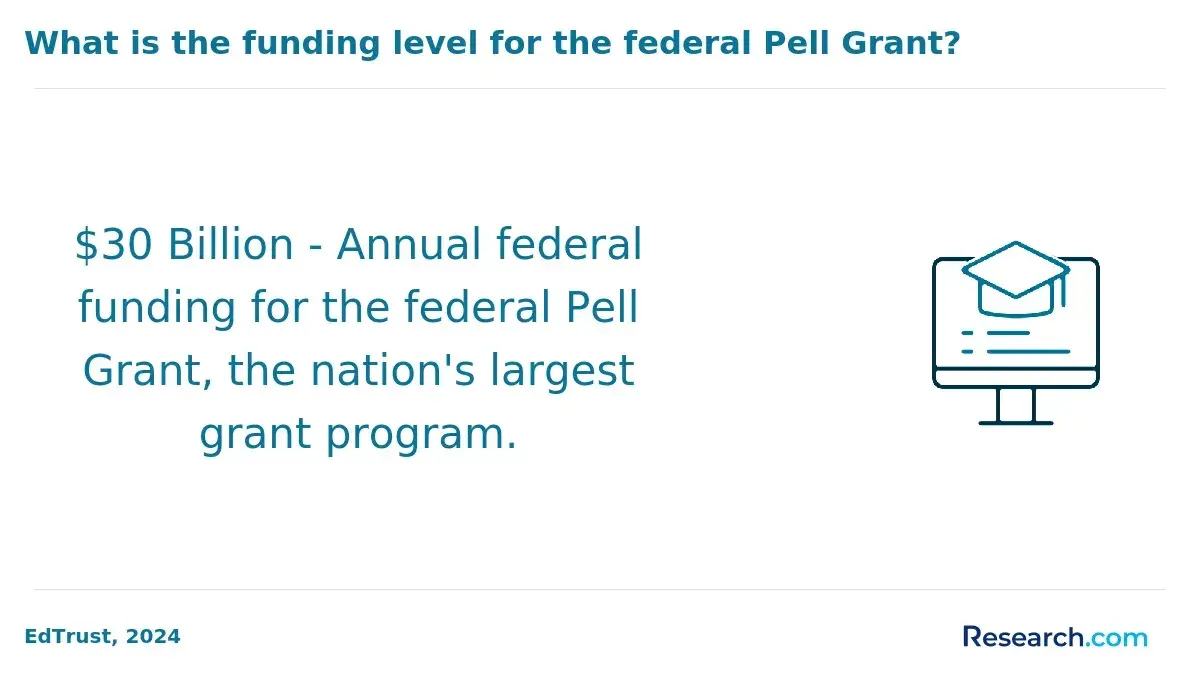
- Federal Student Aid Eligibility: Most 2-year forensic psychology programs offered by accredited institutions qualify for federal aid through FAFSA, including Pell Grants and Direct Loans. However, because coursework is completed more quickly, students might notice differences in fund disbursement schedules compared to traditional programs.
- Scholarships and Grants: Targeted scholarships specifically for forensic psychology are rare, but students can still access general academic and need-based awards. These scholarships can help offset costs but usually require timely applications aligned with accelerated program timelines.
- Employer Tuition Assistance: Working professionals in related fields, such as criminal justice or social services, often benefit from employer-supported tuition programs. These are particularly helpful for accelerated degrees as they support rapid skill advancement without extended time away from work.
- Flexible Payment Plans: Some schools provide installment options designed to accommodate the shorter duration of accelerated programs. These plans ease the burden of large lump-sum payments and improve cash flow management for students.
- Accelerated Pace Considerations: The shorter length of these programs can save students 1 to 2 years of overall expenses, but it also means students must be proactive in coordinating financial aid disbursements to ensure funds are available when needed.
When I spoke with a professional who completed an accelerated bachelor's degree in forensic psychology, she emphasized how vital early planning was to her financial aid success. "At first, I was anxious about whether the typical financial aid processes would fit such an intense schedule," she said.
She navigated FAFSA and scholarship deadlines carefully, ensuring applications aligned with the payment cycles of her program. Employer tuition assistance also played a role, helping reduce out-of-pocket expenses. Reflecting on the experience, she noted, "Managing the timing of funds took some effort, but it was worth it to complete my degree in just two years and start my career sooner." Her story illustrates that, while accelerated forensic psychology programs require greater financial coordination, securing aid is indeed possible and can make accelerated study accessible.
What jobs can you get with a 2-year forensic psychology degree?
Evaluating career outcomes is vital when considering an accelerated forensic psychology bachelor's degree, as it impacts both educational investment and long-term job prospects. Knowing the types of roles available and the readiness these programs provide helps students make informed decisions about their future.
Below is an overview of the jobs available with a 2-year forensic psychology degree and how these programs support early-career success.
- Research Assistants: Graduates often begin as research assistants, supporting investigations and data collection related to criminal behavior and psychological patterns. This role builds foundational skills in data analysis and report preparation, aligning with career options after accelerated forensic psychology bachelor's degrees.
- Case Managers: Working in social services or correctional facilities, case managers coordinate rehabilitation plans for offenders. This position requires applying psychological principles alongside legal frameworks to support client progress and compliance.
- Probation Officers: Forensic psychology graduates may serve as probation officers, monitoring individuals on probation while assisting with behavior modification efforts. This role integrates legal oversight with psychological support mechanisms.
- Behavioral Health Technicians: These professionals support mental health teams by assisting with patient care, data recording, and therapeutic activities within correctional or clinical settings. The accelerated format promotes practical skills crucial for this role.
- Industry Opportunities: Common employers include law enforcement agencies, correctional institutions, social services, and private security firms that value applied forensic psychology knowledge for early-career staff.
- Advancement Paths: While a 2-year degree may not qualify graduates for licensed clinical roles, it establishes a practical foundation for certification and graduate study, enhancing long-term career growth prospects.
The abbreviated completion time of accelerated forensic psychology programs is a key benefit, reducing traditional four-year degrees by up to half. This expedites workforce entry and emphasizes skills that employers seek, such as ethical considerations and professional report writing. For prospective students comparing options, reviewing the cheapest ADN online programs can also provide insight into accelerated tracks in related fields.
How do salaries compare for a 2-year forensic psychology degree vs. traditional bachelor's degrees?
Salary outcomes are a crucial factor when evaluating the return on investment (ROI) of accelerated versus traditional degree paths in forensic psychology. Understanding how earnings compare helps prospective students balance time, cost, and career goals effectively.
Below is a detailed comparison of salary expectations between 2-year forensic psychology degree salary comparison and traditional bachelor's degrees.
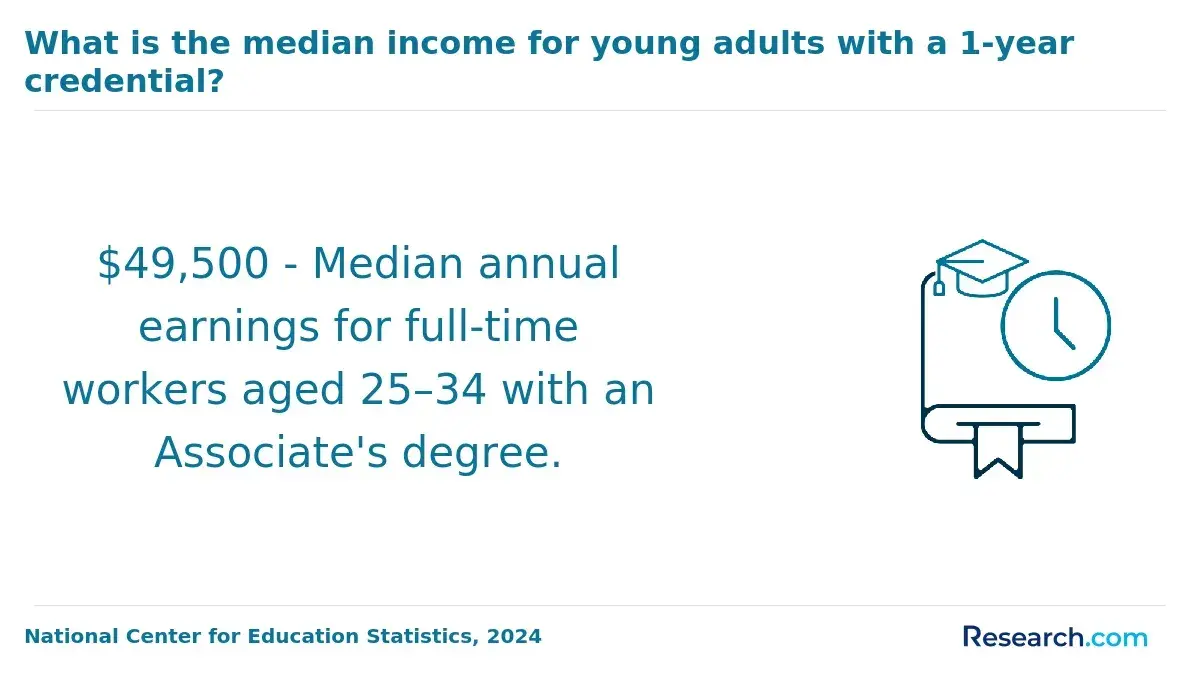
- Early-Career Earnings: Graduates from accelerated 2-year forensic psychology programs may experience slightly lower starting salaries, often in the range of $50,000 to $58,000, compared to traditional psychology bachelor's degree holders who typically start around $60,000 to $65,000. This reflects the condensed curriculum and potentially fewer internship opportunities in accelerated programs.
- Long-Term Earning Potential: Traditional bachelor's degree graduates often see higher salary growth over time due to a more extensive academic foundation that supports career advancement. Median salaries for psychology-related roles can rise above $70,000 annually after several years of experience, whereas accelerated degree holders might experience more modest raises.
- Employer Perception and Career Progression: Employers generally value a comprehensive educational background, which can influence promotion prospects and salary increases. While both groups may require graduate study for advanced roles, those with traditional bachelor's degrees often benefit from stronger initial recognition in forensic psychology career paths.
- Faster Workforce Entry Impact: Entering the workforce up to two years earlier allows accelerated degree holders to gain practical experience and income sooner, which can offset early salary differences. Over a lifetime, this may result in comparable or even superior total earnings despite initial disparities.
Students considering accelerated programs might also explore options like the cheapest DNP programs to optimize educational costs and career timelines. Factoring in these elements alongside salary prospects is essential for a well-rounded decision on pursuing a forensic psychology bachelor's degree versus an accelerated alternative.
Which factors most affect ROI for accelerated forensic psychology degrees?
For students weighing accelerated forensic psychology degree programs, return on investment (ROI) is a vital measure. A strong ROI ensures that the time and money devoted to education translate into meaningful career and financial benefits. Several key elements influence this balance and guide students in making informed decisions.
- Time-to-Completion: Accelerated programs shorten degree length, often from four years to two, enabling quicker entry into the workforce. This reduces time spent out of the job market, increasing potential earnings over the long term.
- Tuition and Total Cost: While per-semester tuition may rise due to condensed schedules or heavier course loads, the overall program expense tends to be lower because fewer semesters are needed. Students should assess the full cost rather than just individual credit prices, factoring in any savings from online or hybrid delivery options.
- Opportunity Cost Savings: Finishing the degree sooner allows graduates to start earning earlier, helping to offset upfront educational expenses. With forensic psychology roles often offering starting salaries between $50,000 and $60,000, earlier workforce entry can compound lifetime earnings significantly.
- Employment Outcomes and Industry Demand: The field is expected to grow steadily, with an 8% increase projected over the next decade, reflecting stable job opportunities. Strong employment prospects make accelerated degrees more financially practical.
- Salary Growth Potential: Early workforce entry combined with a growing industry can lead to quicker salary advancements over time. A shorter study period helps graduates gain experience sooner, which supports career progression.
- Transferability of Skills: Skills acquired-such as psychological assessment, criminal behavior analysis, and research methods-apply to various human services and psychology roles. This versatility enhances career options and financial resilience beyond traditional forensic psychology jobs.
How do you decide if a 2-year forensic psychology degree is right for you?
Choosing a 2-year forensic psychology degree involves reflecting on your learning preferences and ability to handle an accelerated curriculum. These programs condense traditional coursework, requiring strong focus and discipline. Consider your schedule flexibility and how quickly you aim to start your career, as an intensive pace might not suit everyone.
Assess your academic readiness to manage a demanding workload alongside other responsibilities. Your urgency to enter the workforce should align with the program's fast-tracked timeline to avoid unnecessary stress.
Financially, weigh the reduced tuition and living expenses against potential differences in starting salaries compared to longer programs. While the shorter duration can lower costs, some forensic psychology roles may demand advanced degrees or certifications, influencing your career growth and earning potential.
Research average salary ranges based on education levels and industry expectations to understand the return on investment. Keep in mind your future goals, as flexibility in further education or specialization might be necessary for certain positions. Balancing upfront savings with long-term career prospects is essential when deciding.
What Graduates Say About Their 2-Year Forensic Psychology Degree
- Howard: "Choosing the 2-year accelerated forensic psychology program was a game changer for me, especially given the average cost of attendance that made it financially feasible. The intense schedule demanded a lot of discipline, but I embraced it fully, balancing work and study with a clear goal in mind. This degree fast-tracked my career in criminal profiling, providing me with both the knowledge and credibility to excel. "
- Janice: "I opted for the 2-year forensic psychology degree because I wanted to make a career switch without spending excessive time or money, considering the affordable tuition compared to traditional programs. Managing the rigorous coursework while working part-time was tough, but the flexibility and support helped me stay on track. This program profoundly shaped my analytical skills, allowing me to contribute effectively in a mental health forensic setting."
- Erica: "The accelerated 2-year path in forensic psychology appealed to me due to its focused curriculum and the potential for quicker entry into the workforce. Although the fast pace required meticulous time management, I found the immersive experience highly rewarding. Professionally, this degree opened doors to consulting roles and has been invaluable in advancing my expertise within legal psychology."
Other Things You Should Know About Forensic Psychology Degrees
In 2027, many institutions may allow credit transfers from a 2-year forensic psychology program to a 4-year degree. It's crucial to check each institution's transfer policies to ensure compatibility with their curriculum.
Yes, many employers recognize an accelerated forensic psychology bachelor's degree, especially if the program is accredited. However, it's essential to research employers' preferences and any specific qualifications they may require in the forensic psychology field.
References
- Can You Get a Bachelor's Degree in 2 Years or Less? https://www.coursera.org/articles/can-you-get-a-bachelors-degree-in-2-years
- How to Become a Forensic Psychologist (in 2 Years) https://learn.neumann.edu/neuperspectives/how-to-become-a-forensic-psychologist-in-2-years
- Forensic Science and Investigation Scholarships - Awards & Eligibility https://www.forensicscolleges.com/blog/resources/forensics-scholarships
- Part-Time Psychology Degree Options: Work While You Study https://careersinpsychology.org/part-time-psychology-degree/
- Forensic Psychologist Salary 2025: Complete State Guide https://psydprograms.org/how-much-do-forensic-psychologists-make/
- Some of the Best Forensic Psychology Master's Programs of 2025 - Psych Degree Starter https://psychdegreestarter.com/degrees/masters/best-forensic-psychology-masters-programs/
- Return on Investment for a College Degree in Criminal Justice ROI or a College Degree in Criminal Justice https://www.criminaljusticeprograms.com/articles/return-on-investment-for-a-college-degree-in-criminal-justice/
- Psychology with Criminology - Two-year Accelerated Degree BSc (Hons) https://universitycompare.com/universities/farnborough-college-of-technology/undergraduate/psychology-with-criminology-two-year-accelerated-degree-bsc-hons-550669-2026


