
2027 How Long Does It Take to Earn an Online Creative Writing Degree?

Co-Founder and Chief Data Scientist
Online education offers unparalleled convenience and flexibility, making it an ideal option for aspiring writers balancing work and life commitments. According to the National Center for Education Statistics, enrollment in distance education courses has grown consistently, reflecting rising demand for accessible degree programs. Understanding how long does it take to earn an online creative writing degree is essential for planning academic and career goals effectively.
This article examines the average program duration, key factors influencing completion time such as course load and program type, and guidance on selecting a program length that suits individual schedules and aspirations. The goal is to enable informed and confident decisions about pursuing an online creative writing degree.
Key Benefits of Online Creative Writing Degree
- Most online creative writing degrees can be completed in 2 to 4 years, depending on whether the student is enrolled full-time or part-time, offering flexibility for working adults.
- Self-paced programs allow students to accelerate their studies, with some finishing in as little as 18 months by taking extra courses each term.
- Evenings and weekend classes are common, making it easier to balance coursework with professional and personal commitments while progressing steadily toward degree completion.
What is the Average Completion Time for Online Creative Writing Programs?
Online creative writing programs typically take between six months and four years to complete, depending on the degree level and the student's enrollment status. To provide a clearer understanding of how long it takes to earn an online creative writing degree, here is a breakdown of average completion times by degree type and format.
- Online Bachelor's Degree: Most online creative writing bachelor's programs require about four years of full-time study. These programs often offer flexible scheduling for part-time students, which can extend the timeline beyond four years, while accelerated options remain less common in the U.S.
- Accelerated Online Bachelor's Degree: Accelerated programs allow students to finish in as little as two years full-time or three years part-time. These degrees typically compress coursework into three study blocks annually, including summer sessions, enabling faster completion of degree requirements.
- Online Master's Degree: Master's programs in creative writing usually take between one and two years for full-time students. The flexible online format helps working professionals balance studies with other commitments. Part-time students may take up to three years to complete the degree depending on the program's design.
- Certificate Programs in Creative Writing (Online): Certificate programs are shorter options designed for skill development and can often be completed within six months to one year. These programs are ideal for professionals or students who want targeted training without the investment of a full degree.
The average time to complete an online creative writing degree may vary based on individual pacing and program structure, but these timeframes reflect typical expectations for U.S.-based programs. For those interested in shorter program options related to creative fields, exploring the top 6 month associate online programs can offer valuable alternatives.
What Factors Can Affect How Long It Takes to Earn an Online Creative Writing Degree?
The time required to earn an online creative writing degree can vary significantly based on multiple personal and program-related factors that influence student progress. Understanding these elements is crucial for managing expectations about the degree timeline and making informed educational choices. Below are some of the primary factors that affect how long it takes to complete an online creative writing degree:
- Program structure and duration: Some programs are designed to be completed in as little as one year, while others, especially those with part-time or flexible formats, may extend to two or three years or more. Programs with flexible pacing allow students to move at their own speed but may lead to longer completion times if students need to balance other commitments.
- Student time management skills: Successfully managing study schedules and prioritizing assignments in an online environment is essential. Students with strong organizational skills typically finish their degree requirements more efficiently, while those who struggle may find the process taking longer than expected.
- Work, family, and personal commitments: Many online creative writing students juggle jobs or family obligations, which often leads them to enroll part-time. This naturally extends the timeline needed to complete the degree, reflecting the realities of a working student's pace.
- Technological skills and access: Comfort and familiarity with online learning platforms influence how smoothly students can complete coursework. Those adept at navigating digital tools usually encounter fewer delays, while students needing extra time to adapt may experience slower progress.
- Previous academic credits or experience: Some institutions allow transfer of prior credits or professional experience which can shorten program length. However, this is less common in creative writing programs and policies vary widely.
- Availability of support and resources: Access to faculty guidance, peer feedback, and technical assistance helps maintain motivation and persistence. Robust support structures often correlate with on-time completion and higher overall success rates among online students.
Prospective students weighing how long an online creative writing degree might take should also consider options among easy master's degrees that pay well if balancing workload and time is a priority.
What Are the Different Types of Online Creative Writing Programs Available?
Online creative writing programs come in various types and specializations, each designed to support different learning goals and career paths. To help prospective students understand their options, here is an overview of the major forms these programs take and who they best serve.
These choices include comprehensive degrees, focused concentrations, certificates, and specialized tracks:
- Bachelor's in creative writing: These full degree programs combine writing craft and literary analysis, covering genres such as fiction, poetry, and creative nonfiction. Often structured around workshops, they typically take around four years full-time and suit students aiming for foundational skills or graduate study preparation.
- Concentration or course block in creative writing: Available as part of broader degrees, these concentrations let students focus on creative writing within a liberal arts or applied arts curriculum. Designed for flexibility, they often include workshops and accelerated terms, making them ideal for both beginners and those refining their writing skills.
- Certificates and microcredentials: Short-form programs targeting specific genres or writing skills, such as screenwriting or business writing. Fully online and designed for quick completion, these options are great for professionals seeking rapid skill development without committing to a full degree.
- Professional and business writing tracks: Programs blending creative writing with business or technical communication courses. These tracks prepare students for careers requiring strong storytelling and practical writing skills across industries.
- Honors and advanced options: For students pursuing academic distinction, some schools offer honors degrees or advanced coursework including research projects or theses. These options are well suited to those preparing for graduate-level work or scholarly writing careers.
How Many Credit Hours Are Required for an Online Creative Writing Degree?
Completing an online creative writing degree requires a specific number of credit hours that vary depending on the degree level and program structure. Below is a breakdown of the typical credit hour requirements across different academic levels to help you better understand what to expect when pursuing an online creative writing program.
Here are the average credit hour requirements for online creative writing programs by degree level:
- Associate Degree: Most online associate degrees require 60-65 credit hours. These programs generally take about two years of full-time study to complete, but part-time students or those transferring credits may take up to three years, depending on their pace and institutional policies.
- Bachelor's Degree: A fully online bachelor's degree usually demands around 120 credit hours. Full-time students typically finish in four years, though part-time students or those transferring prior credits might finish faster or slower. Some programs also offer degree-completion tracks that reduce total credits based on transferred coursework.
- Master's Degree (MA/MFA): Online master's programs typically require 30 to 48 credit hours, varying by whether it's a Master of Arts or Master of Fine Arts. Program structure and full-time or part-time status can influence completion time, with some degrees taking as little as 18 months and others extending to two years or more, especially if a thesis is involved.
- Doctoral Degree (PhD or DFA): Fully online doctoral programs are uncommon but generally require 60-90 credit hours beyond the bachelor's degree. Completion often takes four to six years and may include additional obligations such as residencies, teaching, or research components.
A graduate of an online creative writing degree I spoke with shared that managing the credit hour requirements was both challenging and rewarding. Balancing a full-time job and family while meeting weekly writing assignments and credit hour demands required strategic planning and discipline.
They found that pacing themselves according to the credit load each semester helped prevent burnout, and their passion for storytelling was a constant motivator. The flexibility of the online format allowed them to engage deeply with the coursework despite time constraints, and completing each credit hour felt like an important step toward achieving their long-term creative goals.
What Courses Are Included in a Standard Online Creative Writing Curriculum?
A standard online creative writing curriculum typically includes a variety of courses that build foundational skills, explore different genres, and prepare students for careers or further study in writing and publishing. Below is a selection of core and specialized courses commonly found in these programs, highlighting key learning areas and their practical applications.
Examples of courses often offered include:
- Introduction to Creative Writing: This foundational course covers the basics of fiction, poetry, and creative nonfiction, focusing on narrative structure, voice, character development, and imagery to establish essential creative tools.
- Fiction Writing: Concentrating on storytelling craft, students learn plot construction, character arcs, dialogue, and point of view, producing original stories to prepare for roles in fiction writing or editing.
- Poetry Writing: Students explore poetic forms and techniques while composing and revising poems, developing a unique voice suited for publishing or literary analysis.
- Creative Nonfiction: This course emphasizes blending factual reporting with narrative, teaching skills valuable for careers in journalism, publishing, or content creation.
- Screenwriting: Instruction covers writing for film, television, or digital media, including script formatting and visual storytelling, equipping students for entry-level entertainment industry roles.
- Editing and Publishing: Focusing on the editorial process and publishing industry insights, students gain practical skills for careers in editing, literary agencies, or publishing houses.
- Literary Analysis: Students critically examine texts for structure, theme, and technique, fostering skills applicable to education, academic writing, or literary criticism.
- Advanced Workshops: Specialized, genre-focused workshops provide intensive writing practice, peer critique, and portfolio development, often culminating in a capstone project or thesis.
- Special Topics or Electives: These courses allow students to explore areas like writing for children, digital storytelling, or interdisciplinary arts, providing opportunities to tailor studies to specific interests or career goals.
How Often Do Online Creative Writing Programs Start During the Year?
Online creative writing programs frequently offer multiple start dates throughout the year, providing students with significant flexibility to begin their studies at times that best suit their personal and professional lives. This flexibility is especially valuable for working adults, parents, and anyone balancing education with other commitments. Here are the most common enrollment schedules available for online creative writing programs:
- Traditional Academic Calendar: Many universities follow a standard academic year with major start dates in the fall (August/September) and spring (January) semesters, sometimes including a summer intake. This schedule benefits students who prefer a structured timetable and want to sync their studies with typical school breaks.
- Rolling Admissions: Some programs accept applications and enroll students continuously throughout the year. This allows students to apply at any time and start classes as soon as the next session begins, making it ideal for highly motivated individuals ready to begin immediately.
- Monthly or Quarterly Starts: Certain institutions offer new start dates every month or quarterly, enabling students to join nearly any time during the year. This option suits those with unpredictable schedules or students seeking the fastest route to enrollment.
- Self-Paced or Flexible Scheduling: Some programs allow students to start coursework at various points and progress at their own pace, often completing modules within a year. This model is perfect for independent learners or those balancing multiple responsibilities.
How Much Faster Can You Complete an Accelerated Online Creative Writing Degree?
Accelerated online creative writing programs significantly reduce the time required to earn a degree compared to traditional formats by structuring coursework and schedules to maximize efficiency. These programs use several key strategies to help motivated students graduate faster. Below are the most common ways these features speed up degree completion:
- Shorter Course Terms: Courses are condensed into five to eight-week blocks instead of typical 15-week semesters. This allows students to take more courses throughout the calendar year and accumulate credits at a faster rate, often completing a bachelor's degree in two to three years instead of four.
- Year-Round Enrollment: Continuous course availability, including summer and winter terms, ensures students don't lose momentum during traditional academic breaks. This helps to prevent delays and accelerates the overall timeline for graduation.
- Transfer Credits: Many programs accept extensive transfer credits-sometimes up to 90-for prior college coursework. This reduces the number of required classes and can shorten degree completion to as little as one year of full-time study for eligible students.
- Competency-Based Learning: This approach lets students move forward as soon as they prove mastery of material, rather than waiting for a term to end. It supports personalized pacing and benefits learners who already have strong skills or experience in creative writing.
A graduate of an accelerated online creative writing degree shared their experience, describing the intense focus and self-discipline needed to keep pace with the condensed courses. Balancing work, family, and school required meticulous scheduling, but the flexibility of asynchronous assignments meant they could write during quiet early mornings or late evenings. The sense of tackling several writing projects alongside deadlines in rapid succession was both challenging and exhilarating, providing a real boost in time management skills. Celebrating the ability to finish the degree in under three years, they reflected on the rewarding journey of continuous engagement and growth that accelerated formats uniquely offer.
Does Finishing an Online Creative Writing Degree Faster Save You Money?
Completing an online creative writing degree in less time can significantly reduce the overall cost of your education by lowering tuition and other related expenses. Understanding the financial benefits of an accelerated online creative writing degree cost can help students make informed decisions about their academic paths and budgeting. Below are the primary ways that save money by graduating early online creative writing can impact your finances:
- Lower Tuition Costs: Many programs charge tuition per credit hour, which varies widely between institutions. By completing the necessary credits faster through heavier course loads or year-round sessions, students pay for fewer semesters, directly cutting down tuition and associated fees.
- Reduced Living Expenses: Even though online learners avoid on-campus housing costs, living expenses like rent, utilities, and internet can accumulate over time. Finishing your degree in a shorter period means spending less on these monthly costs, translating into meaningful savings across your education timeline.
- Earlier Entry Into the Workforce: Accelerated graduation lets students start working sooner, enabling them to earn income and build career experience earlier. For example, online creative writing graduates can access competitive salaries-such as the median starting salary of $53,896 reported by graduates from Old Dominion University-which makes earlier workforce entry financially advantageous; for students pondering career ROI, exploring what bachelor's degree makes the most money can offer valuable insights.
- Less Time Off Work: Many online creative writing students juggle jobs with studies. Graduating faster reduces the number of years they might need to cut back on work hours or pass up promotions, limiting lost earnings and enhancing long-term financial stability.
How Soon Can Graduates Start Working After Earning Their Online Creative Writing Degree?
Graduates can often start working within a few months after earning their online creative writing degree, especially in fields where demand for strong writing and communication skills remains steady. The time frame between finishing the degree and finding employment varies based on the job outlook for online creative writing degree graduates, their chosen career path, and relevant prior experience.
Entry-level creative writing jobs after graduation, such as content writer, copywriter, social media coordinator, or editorial assistant, are generally accessible without requiring additional licensure or training. However, some roles in academia or publishing may require a longer search due to competition and specific qualifications. Having published work, internships, or freelance experience can significantly speed up the hiring process.
Many online creative writing programs offer flexible schedules that allow students to gain work experience, network, or complete internships while studying. This flexibility helps students build a professional portfolio and establish connections in industries like digital media, marketing, or publishing before graduation.
These practical experiences improve the job outlook for online creative writing degree graduates by making them more competitive when applying for jobs. Combining solid writing skills with networking and adaptability can shorten the gap between graduation and employment. For those interested in affordable options to pursue such degrees, exploring cheap online colleges is a useful starting point.
How Much Do Online Creative Writing Graduates Earn on Average?
The average salary for online Creative Writing degree graduates typically ranges from about $41,000 to over $72,000 annually, depending on factors such as career path, experience, and industry. Below is a breakdown of expected earnings by common roles and career levels for creative writing graduates, illustrating how salary can vary widely within the field.
Understanding the creative writing degree salary in the United States requires looking at these distinct categories:
- Entry-Level Roles: Graduates often start as content writers, marketing coordinators, or journalists, earning between $41,000 and $50,000 per year; these positions emphasize writing skills and communication, with advancement tied to portfolio growth and experience.
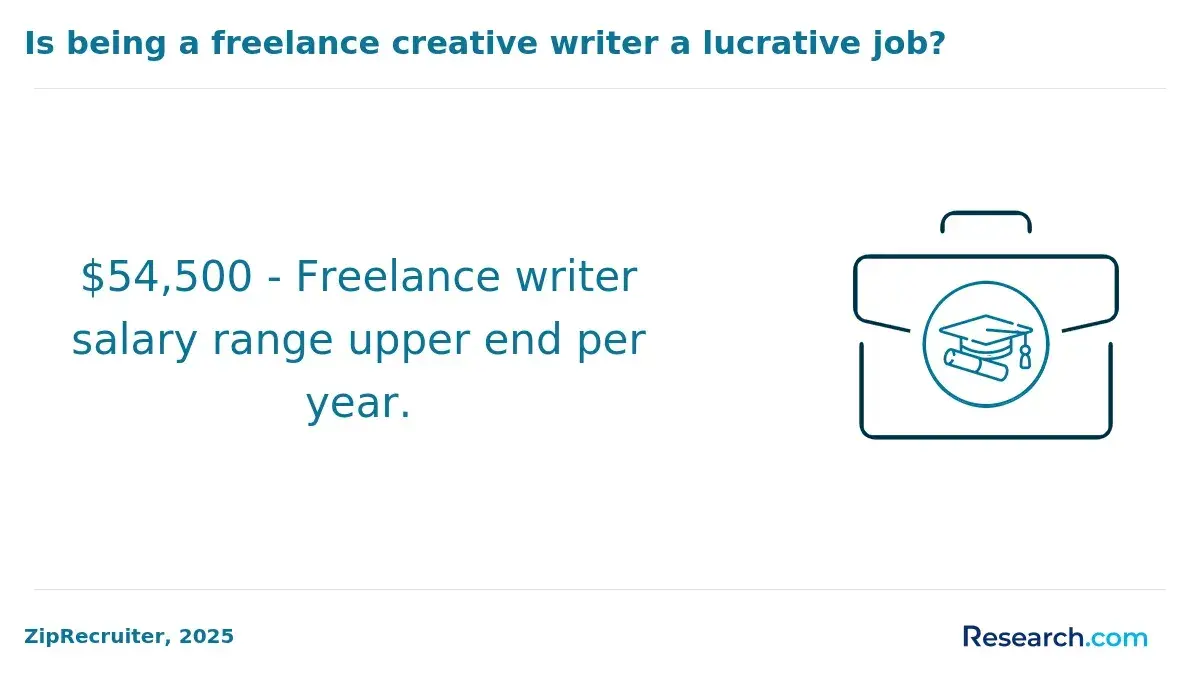
- Mid-Career Professionals: With several years in the field, writers and authors see median wages around $72,270 annually, according to recent BLS data; roles may include more complex writing assignments or editorial responsibilities.
- Specialized Positions: Jobs such as copywriter, creative strategist, or technical writer can command salaries from $73,000 up to $114,000, especially in high-demand sectors like technology and finance; pay depends heavily on specialization and networking.
- Leadership and Academic Roles: Postsecondary instructors or leaders in writing fields may earn median salaries near $69,000, with top earners exceeding $141,000; these roles often require advanced degrees and significant publication or teaching experience.
- Industry Variations: Overall median salary estimates are around $62,185 per year, but actual earnings vary based on employer, region, and sector; for example, Old Dominion University reports median graduate earnings close to $54,000 within four years post-graduation.
For students considering expanding their credentials, exploring dual major programs can offer additional career advantages and potentially influence future earnings.
Here's What Graduates of Online Creative Writing Programs Have to Say About Their Degree
- Monica: "Completing my online creative writing degree was a transformative experience that balanced flexibility with rigorous coursework. I was able to manage my full-time job while engaging deeply with literature and writing workshops that honed my craft. The supportive online community connected me with writers from diverse backgrounds, enriching my voice and perspective. This program opened doors to freelance writing opportunities I hadn't imagined before, providing both financial stability and creative fulfillment."
- Jay: "Finishing an online creative writing degree gave me the confidence and skills to pivot my career towards education. The program's focus on narrative development and critical feedback helped me grow as both a writer and an educator. What resonated most was how the courses encouraged me to use storytelling as a tool for social change, inspiring me to develop workshops for young people in underserved communities. The challenges of balancing online studies with personal commitments strengthened my discipline and time management."
- Addie: "As a professional seeking career advancement, the online creative writing degree provided me with a structured path to enhance my writing portfolio and explore new genres. The career services and alumni network were invaluable in connecting me with industry professionals and potential employers. I appreciated the program's emphasis on professional development, including craft seminars and publication opportunities, which gave me a competitive edge in the literary market. Pursuing this degree reinvigorated my passion for storytelling and expanded my creative and professional horizons."
Other Things You Should Know About Online Creative Writing Degree Programs
In 2027, students should verify a program’s accreditation, faculty qualifications, and graduate success stories. Checking for accreditation from a reputable body ensures that the program meets educational standards. Reading alumni testimonials and outcomes can also offer insights into the program's effectiveness.
Many online programs offer workshops and opportunities to receive feedback from instructors and peers. While a degree can enhance writing skills and portfolio quality, publication success ultimately depends on individual effort, marketability, and persistence within the writing community.
Accredited online creative writing degrees are generally respected by employers and literary professionals, especially when earned from established institutions. The reputation of the school and the writer's portfolio usually weigh more significantly than the delivery method.
References
- Careers | Online MFA in Creative Writing | Eastern Oregon University https://online.eou.edu/programs/mfa-master-fine-arts-creative-writing/careers/
- Creative Writing (B.A.) Degree | Asbury University https://www.asbury.edu/undergraduate/academics/program/creative-writing/
- Learn How To Earn A Master's In Creative Writing Online https://www.learnhowtobecome.org/best-online-masters-in-creative-writing-degree-programs/
- Creative Writing (B.A.) – Oregon State Online https://ecampus.oregonstate.edu/online-degrees/undergraduate/creative-writing/
- University of Glasgow - Postgraduate study - Taught degree programmes A‑Z https://www.gla.ac.uk/postgraduate/taught/creativewritingdistancelearning/
- Creative Writing BFA https://www.fullsail.edu/degrees/creative-writing-bachelor-degree-program
- The Top 8 Benefits of Attending a Writing Bootcamp - PocketMFA https://pocketmfa.com/blog-the-benefits-of-attending-a-writing-bootcamp/
- What Can You Do With a Creative Writing Degree? https://studyonline.ecu.edu.au/blog/what-can-you-do-creative-writing-degree


