
2027 Different Types of Social Psychology Degrees and Their Salaries

Co-Founder and Chief Data Scientist
The demand for skilled professionals in social psychology is rising steadily as organizations increasingly seek to understand human behavior in social contexts. According to recent labor market data, employment opportunities in this field are projected to grow notably faster than the average for all occupations over the next decade. Selecting the right educational path plays a crucial role in positioning graduates for success in this evolving landscape. This article provides a comprehensive overview of the various types of social psychology degrees and offers insight into the earning potential associated with each, empowering prospective students and graduates to make informed decisions about their academic and career trajectories.
Key Points About Different Types of Social Psychology Degrees and Their Salaries
- Obtaining a bachelor's degree in social psychology typically opens entry-level roles in research assistance and human resources, with average starting salaries around $45,000 annually, though it may require additional experience or certifications to advance.
- Master's degrees in social psychology significantly enhance career prospects in applied research, counseling, and organizational roles, with median salaries ranging between $60,000 and $75,000 depending on industry and location.
- Doctoral degrees, such as PhDs in social psychology, often lead to higher-paying positions in academia, clinical research, or consultancy, where salaries can exceed $90,000 per year and offer greater long-term growth and leadership opportunities.
What Are the Different Types of Social Psychology Degrees Available?
Understanding the different social psychology degree types and levels is crucial for students before selecting a program because each option caters to various educational backgrounds and career goals. Choosing the right degree helps align your academic experience with your professional aspirations and expected salary ranges.
Below are the main types of social psychology degrees and what distinguishes each one:
- Associate Degree in Social Psychology: Provides an introduction to basic psychological principles and social behavior. Coursework generally covers foundational topics and prepares students for further study or entry-level support roles.
- Bachelor's Degree in Social Psychology: Focuses on foundational theories of social behavior, group dynamics, and individual motivations. Typical courses include social cognition, group theory, attitude formation, and social development, giving a broad overview of societal interactions.
- Master's in Social Psychology: Offers advanced study of general and specialized social psychology topics. Coursework often includes research methods, group behavior analysis, advanced statistics, and supervised practicums or experiences.
- Graduate Certificate in Social Psychology: Designed for those deepening their expertise after a master's degree in a related field. Certificate programs focus on specialized social psychology subjects, providing targeted knowledge without the breadth of a full degree program, which can be useful for career enhancement through options like the best 6-month certificate programs that pay well.
- Doctorate (PhD or PsyD) in Social Psychology: The most advanced degree emphasizing research for PhD students or clinical practice for PsyD students. Coursework includes advanced techniques in statistics, psychopathology, cognitive assessment, and significant research or clinical practicum components.
In terms of salaries, graduates with a bachelor's degree in social psychology earn an average starting salary of around $37,800, while those with advanced degrees often pursue higher-paying specialized positions.
What Specializations Are Available in Social Psychology Degrees?
Specialization plays a vital role when choosing a social psychology degree because it allows students to focus their studies on specific areas that align with their career goals and interests. By selecting a specialization, students gain targeted knowledge and skills that prepare them for distinct professional roles within social psychology.
Here are some common specializations in Social Psychology, each offering unique insights, skill development, and career paths:
- Health Social Psychology: Concentrates on the psychological and behavioral factors influencing physical health and illness. Students learn about stress, behavior change, and health promotion, preparing them for careers in healthcare, public health policy, and wellness programs.
- Cultural and Multicultural Social Psychology: Explores how culture, race, ethnicity, and identity shape attitudes and behaviors. This specialization builds cultural competence and qualitative research skills, leading to roles in multicultural counseling, diversity training, and community advocacy.
- Political Social Psychology: Focuses on the psychological mechanisms behind political beliefs, voting behavior, and public opinion. Students develop skills in survey design and mass behavior analysis, paving the way to careers in political consulting, policy analysis, and public affairs.
- Organizational and Consumer Social Psychology: Examines social influences on organizational behavior, decision-making, and consumer choices. Training includes behavioral decision theory and marketing models, which enable graduates to work in human resources, marketing research, and management consulting.
- Social Psychology of Self and Identity: Investigates identity development, self-concept, and group dynamics. Students gain expertise in behavioral statistics and identity assessment, suitable for careers in social research, education, and counseling.
Students interested in advancing their education might also explore easy doctoral programs that provide further specialization opportunities and enhance earning potential in this diverse field.
How Long Does It Take to Complete Each Type of Social Psychology Degree?
Understanding how long it takes to complete various social psychology degree programs is essential for students planning their education and career paths. Knowing the typical durations helps with setting realistic expectations and managing time and financial resources effectively.
Below is an overview of the main social psychology degree types and their typical completion times.
- Associate Degree in Social Psychology: This degree generally takes about two years of full-time study to complete. Some students may shorten this period by transferring credits from high school or other postsecondary education, while part-time enrollment can extend the timeline. Online programs are often available, offering flexibility that can accelerate or decelerate completion depending on the student's schedule.
- Bachelor's Degree in Social Psychology: Typically requiring four years of full-time study, the bachelor's degree forms a foundation for advanced education or entry-level careers. Accelerated programs may reduce this duration to three years, particularly if students take extra courses or summer classes. Transfer credits from community colleges can also shorten the timeline, and many schools provide online options to accommodate various learning needs.
- Master's Degree in Social Psychology: Master's programs usually take 1.5 to 2 years to complete after earning a bachelor's degree. Part-time study options are common, which may extend the duration, while accelerated or online tracks can speed up the process. The specific length depends on the program structure, thesis requirements, and clinical practicum if applicable.
- Doctoral Degree (PhD) in Social Psychology: Doctorate programs are the most time-intensive, typically lasting 4 to 6 years beyond the master's level. Completion time varies based on research progress, dissertation approval, and internship placements. Some programs offer part-time or cohort models to provide flexibility, but the rigorous nature of this degree means accelerated paths are rare.
Breakdown of All 2-Year Online Title IV Institutions

Are There Accelerated Social Psychology Degree Programs?
Accelerated social psychology degree programs are designed to shorten the time it takes to earn a degree by integrating graduate-level coursework with undergraduate studies and utilizing intensive course formats. Typically, these programs offer combined bachelor's and master's pathways that can be completed in about five years, rather than the traditional six or more. Students often take graduate courses during their final undergraduate year, with credits counting toward both degrees simultaneously.
Additionally, some accelerated bachelor's degrees, especially those offered online or as degree-completion programs, may be finished in as little as two years when students transfer prior credits or successfully test out of certain requirements.
Common formats for these fast-track programs include condensed courses, which are shorter but require rapid mastery of material; year-round terms that add summer and winter sessions to the regular academic calendar; and credit for prior learning such as transfer credits, placement exams, or recognition of relevant work experience. Moreover, "4+1" and "3+2" combined degree structures allow students to begin graduate work early, further accelerating their path to advanced credentials.
While accelerated social psychology programs can save time and reduce tuition costs, they demand a significantly heavier workload and a faster pace than traditional tracks. This intensity can be especially challenging for students who juggle work, family, or other responsibilities. Admissions tend to be competitive, often requiring a strong GPA, prerequisite courses like introductory and experimental social psychology, and sometimes faculty recommendations or documented research experience.
Prospective students should carefully evaluate their readiness for such programs, including their ability to manage stress and time effectively, and verify specific eligibility criteria at their chosen institutions. These programs reward self-motivation and dedication, but students should be aware of the commitment involved before enrolling.
Are Online Social Psychology Degrees as Credible as Traditional Ones?
Online social psychology degree programs offered by regionally accredited universities maintain academic standards nearly identical to traditional, campus-based programs. Core elements such as curriculum rigor, research methods, and capstone or practicum requirements are typically matched across both formats to ensure students gain equivalent knowledge and skills. For instance, Arizona State University's online MS in psychology mirrors its on-campus counterpart in content and assessment, including demanding coursework in statistics, research writing, and advanced social psychology.
Accreditation remains the most critical factor, as degrees from regionally accredited schools-or those accredited by the American Psychological Association (APA) at the doctoral level-are universally accepted for further study, licensure, and employment. Additionally, legitimate online programs adhere to standard completion timelines: about four years for a bachelor's and two years for a master's, just like traditional degrees.
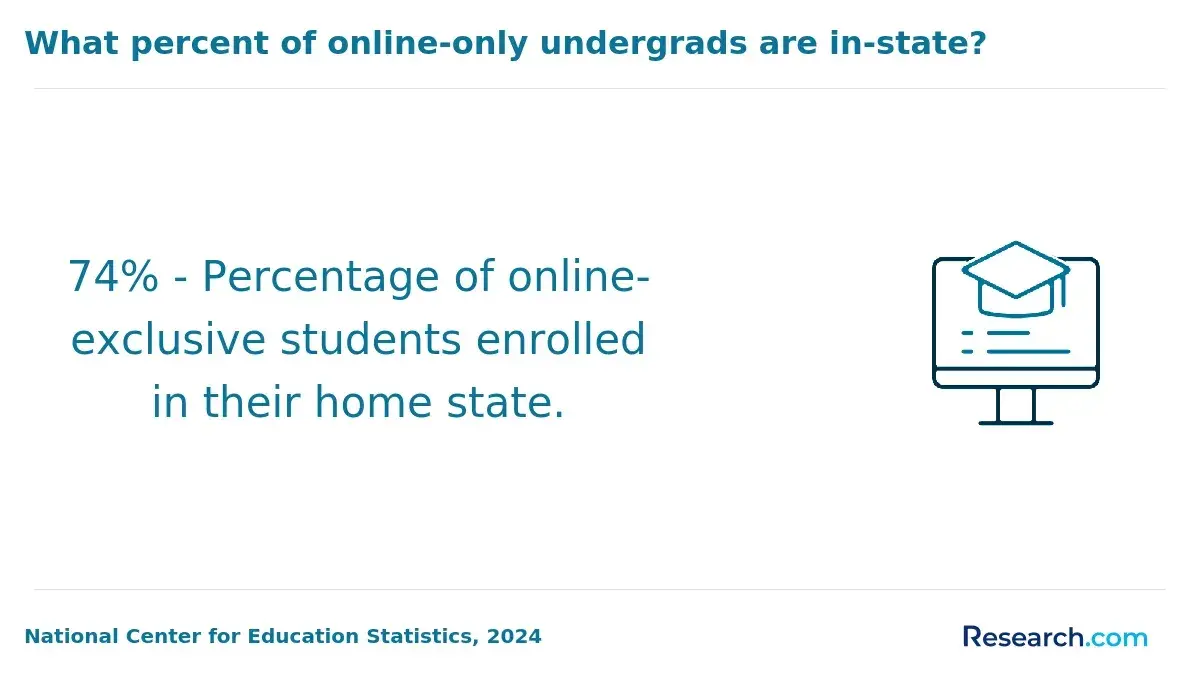
Employer acceptance of online social psychology degrees has risen sharply in recent years. A University of Illinois Chicago study found that 61% of HR professionals view online education as equal or superior to traditional learning, and 71% have hired candidates with online degrees within the past year. While some bias may still exist, especially for roles requiring in-person practicums, most employers prioritize the school's accreditation and reputation over whether the degree was earned online or on campus.
Ultimately, credibility in social psychology degrees depends far more on the institution's standing and accreditation status than on the format of coursework completion.
How Much Does Each Type of Social Psychology Degree Typically Cost?
Understanding the differences in tuition costs across social psychology degree levels is essential for effective budgeting and long-term financial planning. Since tuition varies greatly by degree type, institution, and format, it is important to have a clear picture of typical expenses before committing.
Below is an outline of the typical tuition ranges for each type of Social Psychology degree, along with factors influencing their overall cost.
- Associate Degree in Social Psychology: Tuition at public community colleges averages about $120 per credit hour, resulting in a total cost typically between $7,000 and $10,000 for the two-year program. These colleges tend to be the most affordable option, and students frequently use federal Pell Grants or state-based aid to reduce expenses.
- Bachelor's Degree in Social Psychology: In-state tuition at public universities averages around $10,262 per year, while private institutions can cost about $30,752 annually. Online bachelor's programs often offer lower tuition, averaging about $11,998 per year, compared to on-campus costs of approximately $17,797. Many undergraduates benefit from federal loans, grants, and scholarships that bring the net cost down to roughly $7,500-$8,500 annually.
- Master's in Social Psychology: Graduate tuition varies widely, typically ranging between $995 and $2,030 per credit hour. This means total program costs can range from $24,000 to over $60,000 depending on the university's public or private status and delivery method. Financial aid options such as federal student loans, assistantships, and university scholarships help many students manage these costs.
- Doctorate in Social Psychology (PhD or PsyD): Doctoral tuition can vary from $1,099 to over $2,000 per credit hour, and total costs often exceed $78,000 at private institutions. Public schools may offer lower rates, with some in-state programs charging as little as $13,680 annually. Many doctoral candidates receive stipends, fellowships, or teaching assistantships, significantly offsetting tuition expenses.
What Jobs Can You Get with Each Type of Social Psychology Degree?
The level of a social psychology degree significantly influences the career opportunities available and the complexity of roles graduates can undertake. As degree levels increase, graduates gain access to more specialized and higher-paying positions, reflecting their advanced knowledge and skills.
Below is an overview of common jobs associated with each social psychology degree type.
- Associate degree in social psychology: Graduates usually obtain entry-level support roles such as social and human service assistants. These professionals help in developing care plans, assisting social workers or psychologists, and supporting clients in community organizations, social service agencies, or care facilities. Salaries tend to be modest, typically between $35,000 and $40,000 annually.
- Bachelor's degree in social psychology: With a bachelor's, career options expand to roles like human resources specialist, case manager, research assistant, or probation officer. These positions involve tasks including recruiting employees, managing client cases, conducting research, or aiding rehabilitation programs in settings like businesses, schools, correctional facilities, and healthcare organizations. Starting salaries usually range from $45,000 to $55,000.
- Master's degree in social psychology: This degree opens doors to advanced roles such as market research analyst, training and development specialist, and business consultant. Market research analysts use social psychology to understand consumer behavior, with median salaries around $74,680. Others design training programs or advise organizations on strategy, often working in corporate or educational settings. Graduates may also hold managerial social service roles with higher pay than bachelor's degree holders.
- Doctoral degree (PhD) in social psychology: PhD holders can work as college professors, lead researchers, or industrial-organizational psychologists. Professors balance teaching and research at universities and may secure scientific study grants, with salaries typically from $70,000 to over $100,000. Industrial-organizational psychologists apply social psychology to improve workplace productivity and employee satisfaction, often earning six-figure incomes in corporate environments.
For those interested in building foundational skills quickly, pursuing an affordable online associates degree in social psychology can be a practical starting point toward a career in this field.
How Do Salaries Differ by Social Psychology Degree Type?
Degree level often influences earning potential significantly for those pursuing careers in social psychology. Understanding how salaries differ by degree type can help students make informed educational and career decisions.
The following list outlines typical salary ranges for each degree type and highlights factors influencing pay.
- Associate Degree in social psychology: Most entry-level jobs with an associate degree involve support roles, like research assistants or administrative positions within social services. Starting salaries generally range from $30,000 to $40,000 per year, with limited long-term growth unless further education is pursued.
- Bachelor's Degree in social psychology: Graduates holding a bachelor's degree often work as case workers, community outreach coordinators, or research assistants. Starting pay averages between $35,000 and $45,000, though metropolitan areas or well-funded nonprofits may offer higher wages. Advancement usually requires graduate study for significant salary increases.
- Master's Degree in social psychology: A master's degree qualifies individuals for more specialized roles such as program evaluator, policy analyst, or organizational consultant. Entry-level salaries typically fall between $45,000 and $65,000, depending on industry and location. Those in private sectors often earn more than those in academia or public service.
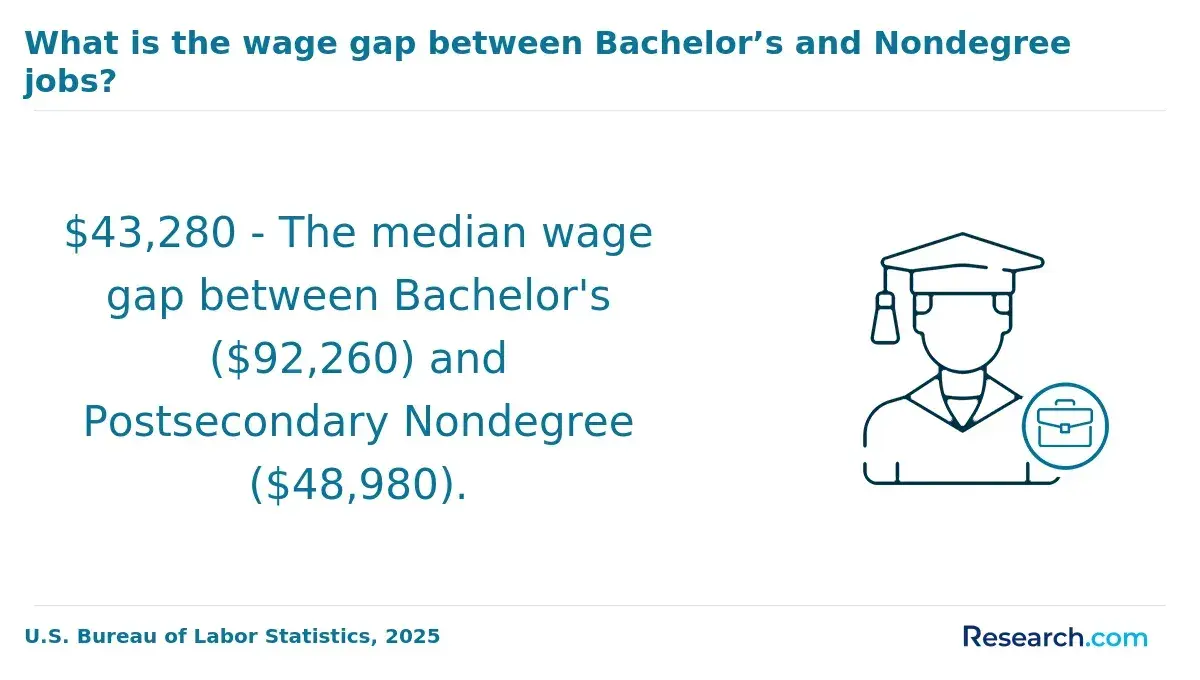
- Doctoral Degree (PhD or PsyD) in social psychology: Doctoral degrees are essential for university faculty, independent researchers, and top-tier consulting roles. Median annual pay ranges from $94,000 to $117,750, with the highest earners making over $157,000. Compensation varies widely by specialization and sector, with government and private industry positions often paying premium salaries. Prospective students interested in accelerating their doctorate might explore one year online PhD programs to enter the workforce sooner.
Is There High Demand for Social Psychology Degree Holders in the Job Market?
There is steady demand for social psychology degree holders in the U.S. job market, shaped by several key factors. Emerging technologies, particularly artificial intelligence and data analytics, have increased the need for professionals skilled in interpreting human behavior within digital and organizational environments. This integration of behavioral insights with technology is highly sought after in sectors like tech, digital marketing, and organizational consulting.
Workforce needs also influence demand, with entry-level positions such as caseworkers, behavioral health technicians, and market research analysts accessible to bachelor's degree holders. Regional differences are notable, as urban and coastal areas, along with states heavily investing in healthcare and education, demonstrate greater demand for behavioral science experts.
For those exploring their options, examining trade school careers may provide useful perspectives on alternative paths and job prospects in related fields.
Organizations today face complex social challenges including diversity, equity, and inclusion, which further raises the importance of social psychology expertise for designing effective research, policies, and interventions. Job growth for psychologists is projected between 6-7% from 2024 to 2034, exceeding the national average, reflecting a positive outlook for degree holders.
Advanced roles typically require a Ph.D. and offer competitive salaries, with an average income nearing $117,750 annually as of 2025. Overall, social psychology graduates benefit from versatile career opportunities and solid job growth, especially if they develop interdisciplinary skills and adapt to regional workforce trends.
What Factors Should You Consider When Picking a Type of Social Psychology Degree?
Choosing the right degree level in social psychology is a critical decision that aligns your education with your career goals and personal circumstances. Making an informed choice ensures you invest your time and resources wisely while positioning yourself for future success.
To guide this decision, consider the following key factors:
- Career Goals: The degree you pursue should match your intended career path. Entry-level roles may only require an associate or bachelor's degree, while advanced clinical, research, or academic positions typically demand a master's or doctoral degree. Understanding your desired job will help you target the appropriate level of education.
- Time Commitment: Programs vary from two years for an associate degree to five or more years for a doctorate. Reflect on how much time you can dedicate to your studies before entering or returning to the workforce to avoid burnout or undue delay.
- Salary Potential: Higher degrees often lead to increased earning potential and access to specialized roles. Master's and doctoral graduates generally earn more and qualify for higher-paying jobs compared to those with just a bachelor's degree.
- Licensure and Specialization Requirements: Many advanced careers in social psychology require specific credentials or licenses, which are only obtainable through graduate studies and supervised experience. Verify that your chosen program meets your state's licensure criteria.
- Program Flexibility: If balancing work or personal obligations, consider programs offering part-time, hybrid, or online formats. Flexibility can make a significant difference in successfully completing your degree.
- Accreditation and Reputation: Select programs accredited by recognized organizations to ensure quality education and professional credibility. Accreditation impacts credit transferability and employer recognition.
What Social Psychology Graduates Say About Their Degree and Salary
- Beckett: "Completing my master's degree in social psychology was a transformative experience that opened doors I never anticipated. The program's strong emphasis on research methodology equipped me with invaluable skills, allowing me to secure a position as a behavioral analyst in a leading nonprofit focused on community health. This career path not only offers stability but also lets me apply social psychological principles daily to create meaningful change. I'm particularly proud of the ways I can help design interventions that improve mental wellness in underserved populations, which deeply resonates with my passion for social equity."
- Elodie: "Reflecting on my doctorate in social psychology, I appreciate how it challenged me both intellectually and personally. The rigorous coursework and diverse cohort broadened my perspectives, while my dissertation on group dynamics led to opportunities to consult for educational institutions. This program's focus on theory and application prepared me for a fulfilling academic career, and I found profound satisfaction in mentoring students who aspire to become social scientists themselves. The journey fostered resilience and sharpened my ability to think critically about social behavior in complex settings."
- Tavian: "Earning my bachelor's degree in social psychology gave me a unique lens through which to view the world and powered my entry into the corporate sector. The interdisciplinary curriculum helped me develop strong communication and analytical skills, which employers value highly. Early in my career, I noticed colleagues benefiting from my insights into teamwork and motivation, making me a natural fit for human resources. This degree has empowered me not only professionally but also in contributing to a positive workplace culture that supports diversity and employee well-being."
Other Things You Should Know About Social Psychology Degree Programs & Salaries
In 2027, gaining experience typically leads to increased salaries for social psychology professionals. Entry-level positions may start around $50,000 annually, while experienced practitioners can earn upwards of $90,000, depending on their specialization and the sector they work in, such as academia, private industry, or nonprofit organizations.
In 2027, individuals with social psychology degrees typically work in roles such as research analysts, human resources specialists, market researchers, and academic lecturers. These positions leverage skills in understanding human behavior and social dynamics, key areas of expertise for those trained in social psychology.
References
- Psychology: Applied Social Psychology MA https://gpem.luc.edu/portal/abm
- 6 Things to Consider While Choosing a Psychology Degree https://jgu.edu.in/blog/2021/05/11/6-things-to-consider-while-choosing-a-psychology-degree/
- Online vs Traditional Degrees: Similarities and Differences https://www.aiu.edu/blog/online-vs-traditional-degrees/
- How Long Does it Take to Get a Psychology Degree? https://www.ndnu.edu/how-long-does-it-take-to-get-a-psychology-degree/
- Fastest Growing Careers In Psychology | Psychology.org https://www.psychology.org/resources/fastest-growing-careers-in-psychology/
- Why Get a Psychology Degree Online? | University of Bridgeport https://www.bridgeport.edu/news/reasons-to-get-your-psychology-degree-online/
- Accelerated Psychology Degree | 4+1 Psychology Program https://www.adelphi.edu/program/undergraduate/accelerated-psychology/
- Results for Undergraduate Social psychology Courses https://www.thecompleteuniversityguide.co.uk/courses/search/undergraduate/social-psychology
- The 23 Highest Paying Jobs with a Psychology Master's Degree - Psych Degree Starter https://psychdegreestarter.com/resources/highest-paying-jobs-with-psychology-masters/
- How Long Is a Psychology Degree | The University of Olivet https://www.uolivet.edu/how-long-does-it-take-to-get-a-psychology-degree/


