2027 Forensic Science Internship Requirements: Hours, Placements, and Supervision

Co-Founder and Chief Data Scientist
What do internship requirements in forensic science typically involve, especially regarding the expected hours, placements, and supervision? Many students face uncertainty in balancing academic workload with practical training demands. According to the Bureau of Labor Statistics, employment of forensic science technicians is projected to grow 14% fromthrough 2032, highlighting the increasing importance of hands-on experience.
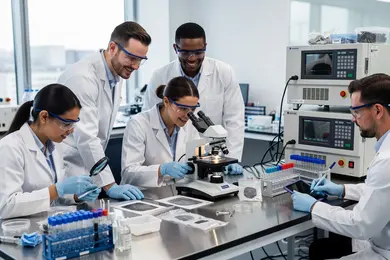
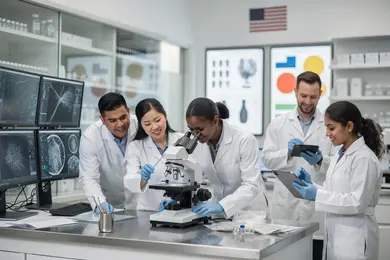
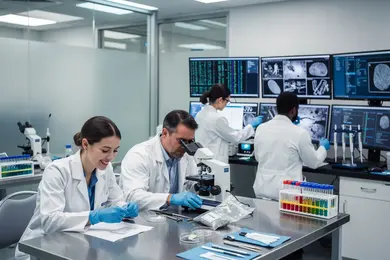
Forensic science internships usually take place in crime laboratories, medical examiner offices, or law enforcement agencies under professional supervision. This article examines the typical hourly commitments, placement procedures, and supervisory roles to help students meet program expectations effectively.
Key Things to Know About Forensic Science Internship Requirements
- Internship hour requirements typically range from 120 to 200 hours, influencing students' academic schedules and necessitating careful time management alongside coursework.
- Placement depends on site availability and program partnerships, often requiring early application to secure roles in labs, law enforcement agencies, or private firms.
- Supervision standards mandate experienced mentors who evaluate performance regularly, ensuring practical skills development and fulfilling accreditation criteria within forensic science programs.
Do All Forensic Science Degrees Require an Internship?
Internships play a vital role in many forensic science degree programs by offering students practical experience that complements classroom learning. Studies show that approximately 65% of accredited forensic science programs require or offer internships to enhance student readiness for the workforce.
Several key factors influence whether an internship is a mandatory component of these programs.
- Program Type: Bachelor's and master's degrees have varying expectations; some undergraduate forensic science degree internships and certification criteria include mandatory internships, whereas other programs treat them as optional opportunities.
- Accreditation Expectations: Accreditation agencies like the Forensic Science Education Programs Accreditation Commission (FEPAC) often set standards that encourage or require internships or equivalent experiential components to ensure quality education.
- Specialization Tracks: Specific fields such as forensic biology, crime scene investigation, or digital forensics may have tailored internship requirements aligned with industry norms and certification needs.
- Alternative Experiential Options: In cases where traditional internships are unavailable or impractical, some programs provide laboratory practicums, fieldwork, or capstone projects that simulate hands-on experience for students.
Students should closely examine their chosen program's curriculum and accreditation details to determine the exact nature of internship requirements. For those seeking additional structured training options, a 4-week online course for medical coding and billing cost can illustrate the range of flexible educational paths available within allied fields.
What Requirements Must Be Met Before Starting a Forensic Science Internship?
Forensic science internship programs establish prerequisites to ensure students are sufficiently prepared for hands-on experiences and to maintain high professional standards. Research shows that over 70% of these internships require students to complete at least two years of related coursework before applying.
Below are some common eligibility criteria students must satisfy prior to starting such internships.
- Minimum GPA: A cumulative grade point average of around 3.0 is typically required to demonstrate academic competence and readiness for the internship's demands.
- Completed Coursework: Students must have finished core forensic science courses such as forensic chemistry, crime scene investigation, or forensic biology to ensure they possess foundational theoretical and technical knowledge.
- Application Approval: Formal consent from an academic advisor or internship coordinator is often required to verify that the student's academic progress aligns with internship goals and program policies.
- Background Checks: Because these internships involve sensitive and legal-related information, passing thorough background screenings-including criminal, financial, or employment histories-is essential to maintain agency security.
- Supporting Documents: Submission of a completed application, resume, and letters of recommendation is usually necessary to assess a student's suitability and professionalism prior to placement.
Meeting these prerequisites helps students enter forensic science internships well-prepared for practical experience and professional growth within the field.
How Many Internship Hours Are Required for Forensic Science Degrees?
Internship hours in forensic science degree programs typically range from 120 to 240 hours, providing students with essential practical experience to complement theoretical learning. Many institutions align these hours with academic credits, where one credit often equals about 40 internship hours.
Several factors contribute to how programs set these requirements, which can vary widely among schools.
- Academic Credit Conversion: Programs generally translate internship hours into credit units, with common ratios like 40 hours per credit. This system means a three-credit internship usually demands around 120 hours of hands-on work in forensic settings.
- Program Level: Bachelor's and master's degree programs may differ in their internship demands. Graduate-level programs often require more extensive hours reflecting advanced training and responsibilities.
- Accreditation Standards: Institutions accredited by bodies such as the Forensic Science Education Programs Accreditation Commission (FEPAC) adhere to specific minimum hour requirements to maintain quality and consistency across programs.
- Enrollment Status: Full-time and part-time students might face different timelines for completing their internship hours, with part-time students possibly spreading hours over multiple semesters.
A forensic science degree graduate shared that completing internship hours was both challenging and rewarding. He described the balancing act of managing coursework alongside gaining field experience, often stretching the practical hours over several months.
"It wasn't just about clocking in hours," he remarked, "but truly applying what I learned in class to real cases, which sometimes felt overwhelming but ultimately invaluable for my confidence and skills." This firsthand perspective highlights that internship hour requirements are more than a numeric target-they are a crucial step in professional development.
Where Do Forensic Science Students Complete Internships?
Internship placement environments provide critical hands-on experience, allowing forensic science students to apply classroom theories in practical settings. Over 40% of forensic science internship placement locations extend beyond traditional crime labs, showcasing a variety of sectors where students can grow professionally.
Below are some common venues where students find forensic science student internship opportunities.
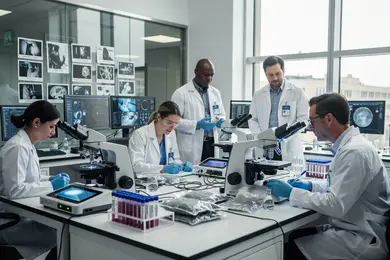
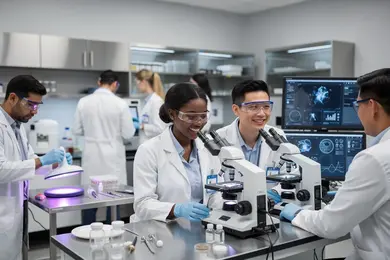
- Government Agencies: Many internships occur within crime laboratories, medical examiner's offices, and law enforcement departments, giving students direct exposure to authentic casework and forensic protocols under expert supervision.
- Corporate Organizations: Companies specializing in forensic consulting, digital forensics, and private investigations offer internships that emphasize applied forensic techniques, including cybersecurity and legal consulting components.
- Nonprofit Groups: Forensic advocacy organizations and related nonprofits provide opportunities focused on policy development, public education, and supporting forensic science standards and ethics.
- Research Institutions: Academic labs and independent research centers allow students to participate in advancing forensic methodologies, contributing to scientific innovation and evidence-based practices.
Those seeking forensic science student internship opportunities should explore a wide range of sectors to align their experience with their professional goals. For students interested in specialized pathways, considering options such as a cheap DNP program can also complement forensic expertise with advanced healthcare knowledge.
How Are Internship Placements Assigned in Forensic Science Programs?
Placement systems in forensic science programs are carefully designed to align students with suitable internship opportunities, ensuring both educational value and professional growth. Efficient matching is crucial because internships often provide hands-on experience that cannot be obtained solely through classroom learning. Surveys show that nearly 70% of forensic science internship placements involve some form of coordinated matching process between the student and the institution.
The following outlines common methods used to assign these placements.
- Faculty-Guided Matching: Academic advisors and internship coordinators evaluate student preferences alongside academic performance and skills. They recommend placements that match the student's background with agency needs, often leveraging faculty expertise regarding partner organizations.
- Student-Driven Applications: Students research and apply directly to internship sites they are interested in. Programs then review applications and confirm placements based on mutual interest and site capacity, encouraging proactive engagement in the selection process.
- Centralized Placement Systems: Some programs operate a centralized matching platform to streamline assignments. These systems gather student rankings and agency availability, using algorithms or committees to allocate internships fairly and transparently.
- Partnership-Based Assignments: Established agreements between institutions and forensic laboratories or agencies sometimes dictate placement offers. These prearranged partnerships simplify coordination and ensure a steady flow of interns to longstanding collaborators.
A forensic science degree student shared her experience of navigating placement assignments. She described the initial uncertainty of which sites would accept her, followed by guidance from her advisor that helped refine her choices. "It was a relief when the coordinator matched me with an agency aligned with my interest in DNA analysis," she recalled.
Despite the stress of waiting for placement confirmation, she appreciated the structured process that balanced her goals with available opportunities, emphasizing how personalized support made her feel more confident entering the internship.
Are Virtual or Remote Internships Available?
Remote and virtual internships have become increasingly prevalent in forensic science education, reflecting a broader shift toward flexible learning models. Currently, nearly 60% of internship programs nationwide offer some form of virtual or hybrid opportunities, a trend accelerated by the COVID-19 pandemic. These formats aim to meet diverse student needs while preserving critical hands-on experiences. This growing adoption has transformed how forensic science internships are structured and delivered.
In remote forensic science internships, students typically engage with supervisors and teams through digital tools like video conferencing, cloud-based platforms, and specialized forensic software. This setup allows for tasks such as case analysis, literature review, and report development while offering scheduling flexibility that accommodates academic commitments.
Access to a wider variety of employers, especially those located far from students' homes, expands opportunities and promotes inclusivity. However, the extent of virtual availability depends on the specific program and employer requirements, with many offering hybrid models that blend on-site and online participation.
Are Part-Time Internships Allowed for Working Students?
With nearly 70% of college students in the U.S. balancing part-time jobs, flexible internship options are crucial for those pursuing forensic science degrees. Part-time internships allow students to gain valuable practical experience while maintaining their employment and academic responsibilities.
The following points highlight key features of these arrangements in forensic science programs.
- Scheduling Flexibility: Internship hours are often offered during evenings, weekends, or spread across the week, enabling students to integrate work commitments alongside their practical training.
- Employer Accommodations: Internship sites typically coordinate with schools and students to modify shifts and required hours, ensuring workloads remain manageable for working students.
- Academic Workload Balance: Most part-time forensic science internships limit weekly hours to around 10 to 20, helping students maintain focus on their coursework without overextension.
- Program-Specific Restrictions: Some degree programs enforce minimum or maximum weekly hour requirements, which can affect the feasibility of very limited part-time schedules.
These flexible part-time internships play a vital role in supporting students pursuing forensic science by providing essential on-the-job experience while respecting their broader commitments. Early consultation with academic advisors and internship coordinators can help identify placements best suited to individual schedules.
What Supervision Is Required During a Forensic Science Internship?
Supervision plays a vital role in forensic science internships, ensuring that students receive both academic support and practical training. A recent survey by the National Forensic Science Technology Center found that over 85% of interns viewed effective mentorship as essential to their professional growth and confidence.
The structured supervision framework promotes accountability and skill development throughout the internship experience.
- Faculty Oversight: Faculty advisors conduct regular check-ins and consultations to support students' academic progress. They address questions involving forensic science internship supervision guidelines, ethical considerations, and theoretical principles that underpin hands-on activities.
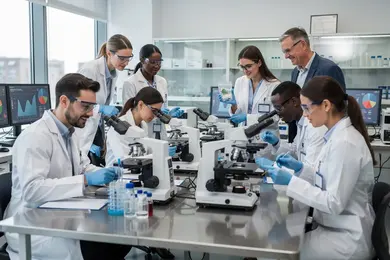
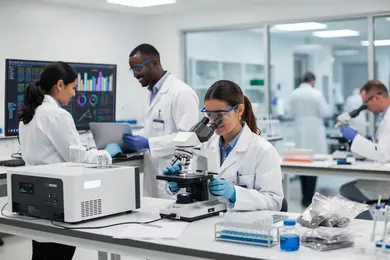
- Workplace Mentors: Experienced mentors at the internship site provide practical instruction, demonstrating laboratory techniques and ensuring adherence to strict forensic investigation protocols. Their professional expertise helps interns apply classroom knowledge effectively.
- Performance Feedback: Continuous evaluation focuses on technical skills, attention to detail, and safety compliance. Feedback sessions allow interns to recognize strengths and areas for improvement, fostering professional growth.
- Progress Monitoring: Formal meetings and informal coaching keep communication clear regarding expectations and accomplishments. This ongoing supervision helps maintain standards crucial to forensic work.
Forensic science internship supervision guidelines also emphasize the importance of balancing academic guidance with practical mentorship to cultivate responsible, competent professionals. Students seeking flexible educational options may explore self-paced college courses to complement their internship experience and deepen their forensic science knowledge.
How Are Forensic Science Internships Evaluated?
Evaluating forensic science internships is essential to measure student readiness for professional roles. Studies show that 85% of employers regard internship evaluations as a strong predictor of job performance, underscoring their significance in forensic education. Various methods are used to ensure a comprehensive assessment of student capabilities and learning outcomes.
- Supervisor Reviews: Field professionals conduct detailed assessments focusing on interns' technical skills, adherence to protocols, and professional behavior. These reviews often include structured rating systems and written feedback to provide clear performance insights.
- Reflective Assignments: Interns submit critical reflections on their experiences, demonstrating their ability to analyze practical challenges and personal growth. This method helps faculty understand the student's depth of learning.
- Performance Benchmarks: Programs establish concrete standards related to evidence handling accuracy, report writing quality, and problem-solving skills. Meeting these benchmarks ensures interns are prepared for real-world forensic tasks.
- Faculty Assessments: Academic staff evaluate the internship by reviewing supervisor feedback and reflective assignments, offering an educational perspective on student progress aligned with program goals.
- Supervision and Assessment During Forensic Science Internships: Continuous oversight allows for timely evaluations and guidance, ensuring adherence to professional and academic standards throughout the internship period.
Understanding the evaluation criteria is vital for students considering forensic science internships. For those interested in related fields such as pharmacy, programs are also emphasizing experiential learning; resources like pharmacist school online illustrate the growing trend toward integrating practical assessments across disciplines.
What Challenges Do Forensic Science Students Face During Internships?
Internships in forensic science offer crucial hands-on experience but also pose demanding challenges. In fact, a recent survey found that 67% of forensic science interns report high stress from juggling multiple responsibilities. Below are some common challenges students face during these internships.
- Balancing Commitments: Managing academic coursework alongside required internship hours often overwhelms students. They must navigate tight schedules that can lead to burnout when trying to satisfy both educational and practical training demands.
- Adapting to Professional Norms: Transitioning from classroom settings to real-world labs involves quickly mastering communication protocols, ethics, and standard operating procedures. This adjustment to workplace culture frequently triggers anxiety and a steep learning curve, reflecting common challenges in forensic science internships.
- Transportation and Costs: Many internship sites are located far from campus or in expensive urban areas, creating financial and logistical obstacles. Travel expenses or temporary relocation can strain limited student budgets and complicate attendance.
- Handling Responsibility: Forensic science student internship supervision difficulties often arise as students face pressure to accurately manage sensitive evidence and operate technical instruments. These tasks require precision and accountability, adding extra stress compared to academic exercises.
While these challenges are significant, internships play a vital role in bridging theory and practice. Students can explore options such as a 1-year post master's FNP online program to enhance their qualifications alongside practical experience.
What Graduates Say About Forensic Science Internship Requirements
- Tristan: "Completing my forensic science internship was a truly eye-opening experience, especially given the extensive hours I put into hands-on placements at local crime labs. The supervised environment allowed me to gain confidence and real-world skills under the guidance of seasoned experts. I can confidently say this internship played a pivotal role in shaping my career path and making me job-ready."
- Jesiah: "Reflecting on my time as a forensic science intern, I appreciated how structured and well-supervised the process was, ensuring we learned ethical and procedural rigor. The variety of placements exposed me to different specialties, which was invaluable for understanding the field as a whole. This experience deepened my passion and clarified my career goals in forensic science."
- Christopher: "My forensic science internship was a professional milestone; accumulating required hours in diverse settings helped me develop a solid foundation in evidence analysis. The mentorship from experienced professionals during these supervised internships was instrumental in honing my practical skills. Ultimately, this practical experience greatly boosted my confidence and employability within the forensic science sector."
Other Things You Should Know About Forensic Science Degrees
Some forensic science programs allow students to earn academic credit for extracurricular activities such as volunteering in crime labs or participating in forensic-related research projects. Policies vary by institution, and students should consult their academic advisors to ensure these activities align with internship credit requirements.
Many forensic science internships require students to pass background checks before placement, especially when working in government or law enforcement laboratories. These checks help ensure security and maintain the integrity of sensitive casework handled during the internship.
Yes, confidentiality agreements are standard in forensic science internships due to the sensitive nature of the work. Interns must agree not to disclose any case details or proprietary information encountered during their placement, safeguarding the privacy of investigations and legal proceedings.
References
- Why Forensic Internships Matters https://www.academia.edu/145826963/Why_Forensic_Internships_Matters
- Internship Guide: Forensic Science - How to Land Your First Forensic Science Internship https://www.sira.now/internship-guide/forensic-science
- Online Internship | Forensic Science Internships https://www.sifs.in/online-forensic-internship
- 12 Forensic Science Internships for College Students — Ladder Internships https://www.ladderinternships.com/ladder-internships-blog/forensic-science-internships-for-college-students
- Internships – Clue4evidence https://clue4evidence.com/internships/
- The Do This, Get That Guide On Forensic Science Internships https://bloom-law.be/en/blog/the-do-this-get-that-guide-on-forensic-science-internships/
- Internships https://www.forensicpanel.com/contact_us/Internships.html
- Guide to Forensic Science Internships | Higherin https://higherin.com/career-guides/science-research/forensic-science-internships
- Forensic Science Internships | ATF https://www.atf.gov/careers/forensic-science-internships
- Forensic Grad Student's Unique Internship with Police Department https://www.forensicmag.com/566567-Forensic-Grad-Student-s-Unique-Internship-with-Police-Department/