
2027 Fully Online vs Hybrid Theology Degree Master's Programs: Which Is Better?

Co-Founder and Chief Data Scientist
Many prospective students face a dilemma when choosing between fully online and hybrid theology master's programs. For working adults balancing jobs and family commitments, deciding which format offers the most flexible yet rigorous education becomes crucial. According to recent data, enrollment in online graduate theology programs increased by 35% from 2018 to 2023, reflecting a growing demand for remote learning options. However, concerns about community engagement and hands-on experiences often push some toward hybrid models. This article explores the key differences between fully online and hybrid theology master's programs, helping readers determine which format aligns best with their academic and career objectives.
Key Things to Know About Fully Online vs Hybrid Theology Degree Master's Programs
- Fully online theology master's programs offer maximum learning flexibility, enabling access from any location without fixed schedules, ideal for working professionals balancing diverse commitments.
- Hybrid programs require regular in-person sessions, fostering direct engagement and community interaction, beneficial for students seeking hands-on experience and networking opportunities.
- Students with unpredictable or intensive work schedules often prefer fully online formats, while those seeking structured learning and face-to-face instruction might opt for hybrid theology degrees.
How Do Hybrid and Online Theology Master's Programs Differ?
Fully online and hybrid theology master's programs differ primarily in how instruction, participation, and learning experiences are structured. Recent data shows about 40% of graduate theology programs now offer hybrid formats, reflecting growing demand for flexible learning options. Below are five key distinctions that highlight these structural and experiential differences.
- Learning Format: Fully online programs deliver all coursework digitally, enabling students to study from anywhere with internet access. Hybrid formats blend online learning with scheduled in-person sessions, creating a mixed mode of engagement.
- Residency Expectations: Hybrid programs require physical attendance at campus or designated sites for some classes or intensives, while fully online options have no residency requirements, offering greater flexibility for students.
- Scheduling Structure: Online programs usually offer asynchronous courses, allowing students to complete work at their own pace. In contrast, hybrid programs mix asynchronous online components with fixed-schedule synchronous sessions in person.
- Participation Methods: Fully online students engage through discussion forums, video calls, and other digital tools. Hybrid students participate both virtually and face-to-face, fostering a unique community dynamic and more direct interpersonal interaction.
- Campus Engagement: Hybrid students gain access to on-campus resources, faculty, and networking during in-person sessions. Fully online students might miss these benefits or access them remotely, which can affect their overall experience.
For prospective students evaluating how fully online theology master's programs compare to hybrid formats, considering these factors can clarify which structure fits best. Those interested in accredited options may also explore specialized opportunities such as bcba accredited programs online, which reflect similar trends in program delivery flexibility.
Which Theology Master's Program Format Is More Flexible?
Flexibility is a primary consideration for students comparing fully online and hybrid theology master's programs. According to the National Center for Education Statistics, over 40% of graduate students in the U.S. take at least one online course, highlighting a rising demand for adaptable learning formats. Several key factors influence this flexibility, especially for those balancing work, personal responsibilities, and graduate study.
- Class Schedule: Fully online programs usually offer asynchronous classes, allowing students to study at any time. In contrast, hybrid theology graduate program scheduling options often include fixed on-campus sessions, which can limit availability outside preset times.
- Location Requirements: Online students can attend courses from any location, providing maximum geographic freedom. Hybrid students, however, must periodically visit campus, which may necessitate travel and time off work.
- Course Pacing: Many fully online programs allow self-paced learning, accommodating varying speeds and busy schedules. Hybrid programs typically follow structured timelines with less flexibility to adjust coursework deadlines.
- Attendance Expectations: Attendance in online formats is generally more lenient, with fewer mandatory live sessions. Hybrid formats require physical presence during scheduled classes, reducing flexibility for those with complex commitments.
- Travel Commitments: Fully online theology master's degree flexibility eliminates the need for travel, easing the burden on students with family or job responsibilities. Hybrid programs demand commuting or occasional stays on campus, which can complicate balancing other obligations.
For students seeking the easiest online master's degree options, fully online programs often provide the greatest adaptability in managing multiple commitments while pursuing a graduate degree.
Which Theology Master's Program Format Is Cheaper?
Cost plays a significant role for students deciding between fully online and hybrid theology master's programs. Typically, online programs offer about 20% lower graduate tuition than their hybrid or traditional counterparts. Several specific financial factors contribute to these differences, as outlined below.
- Tuition Structure: Online programs usually charge a consistent per-credit rate without extra fees, whereas hybrid formats may add costs for on-campus components and in-person attendance.
- Campus Fees: Hybrid students often face additional charges for technology use, facility maintenance, and campus activities, which fully online learners typically avoid.
- Travel Expenses: Those in hybrid programs need to budget for commuting or occasional overnight stays near campus, driving up their overall educational expenses.
- Housing Costs: Students attending in-person sessions may have increased housing fees if they live far from campus or require temporary accommodations during class days.
- Technology Fees: Some online programs include charges for digital platforms and learning tools, yet these costs generally remain lower compared to travel or housing expenses incurred by hybrid students.
A graduate who pursued an online theology master's degree shared insights on the financial aspects of his journey. He mentioned that although juggling work and study was a challenge, "saving money on commuting and housing made a big difference." He described the flexibility of attending classes from home as "a relief during busy weeks," allowing him to focus on course work without added stress from travel logistics. This student reflected, "While I missed some face-to-face interaction, the cost savings helped me stay committed without overwhelming my budget."
Does Financial Aid Differ for Online vs Hybrid Theology Master's Degrees?
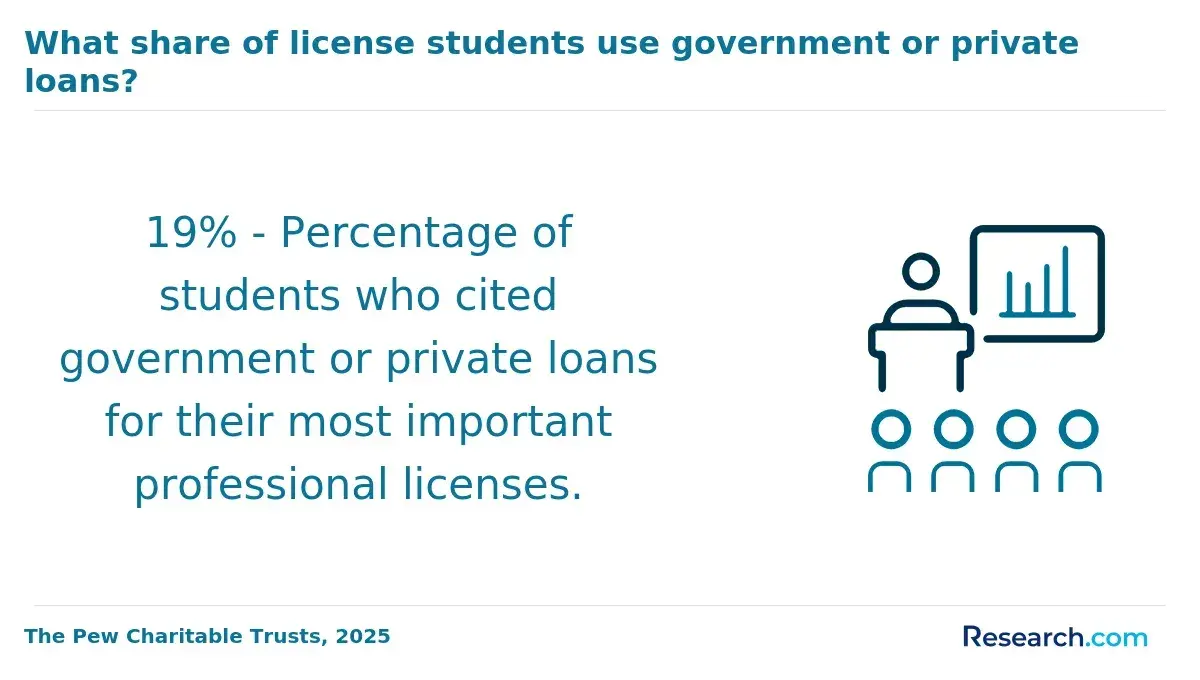
Financial aid accessibility remains a crucial factor for those weighing fully online versus hybrid theology master's programs. A recent survey reveals that 70% of institutions see little difference in federal aid distribution between these formats. Several financial aid features may influence funding availability depending on the program style.
- Eligibility Criteria: Both formats require enrollment in accredited schools, but certain scholarships or state grants may mandate on-campus presence, potentially disadvantaging students in predominantly online hybrid theology master's financial aid options.
- Types of Aid Offered: Federal and state aid generally apply equally; however, institutional funding can vary with some awards reserved for on-campus or hybrid students, impacting the mix of financial support available.
- Institutional Scholarships: Universities may provide targeted scholarships to hybrid learners to encourage campus participation, whereas others might focus scholarships on fully online students, affecting tuition assistance opportunities.
- Federal or State Funding: Federal loans cover both online and hybrid learners, but state grants occasionally require residency or mandatory in-person attendance, which may influence eligibility based on program design.
- Employer Tuition Assistance: Many employers back degree programs regardless of format, though hybrid options might better suit employees needing flexible yet interactive schedules, making hybrid theology master's degree tuition assistance appealing.
For those exploring pathways with flexible learning, it can be useful to compare financial aid policies carefully across program types. Resources about related graduate options like executive mba programs also provide insights on financing graduate education.
Are Admission Requirements Different for Hybrid vs Online Theology Master's Programs?
Admission standards are an important factor when comparing hybrid and fully online theology master's programs. These criteria can shape a student's approach to applying. Below are five key aspects to keep in mind when evaluating differences between the two formats:
- Academic Prerequisites: Both types generally require a bachelor's degree, often related to theology or religious studies, but hybrid programs might favor applicants who have some prior in-person experience due to the face-to-face course components.
- Professional Experience: Hybrid programs may place greater importance on ministry or church involvement since students will participate in on-site settings, while online programs frequently offer more flexibility with this requirement.
- Letters of Recommendation: These documents are typically necessary for both formats to evaluate character and academic promise, although hybrid admissions might stress personal connections more strongly because of the community aspect.
- Standardized Tests: GRE or similar standardized exam mandates vary widely but tend to be waived for both online and hybrid theology graduate programs at many institutions.
- Application Deadlines: Fixed schedules for hybrid programs often lead to stricter deadlines, whereas online programs commonly provide rolling admissions to accommodate diverse schedules.
When I spoke with a professional planning to enroll in a hybrid theology master's program, she described the process as both exciting and challenging. She mentioned feeling the pressure of meeting strict deadlines combined with the need to gather strong letters from mentors she knew personally. "The hybrid format seemed to ask more from me in terms of community involvement, but it also felt more enriching," she shared. Navigating these requirements helped her reflect on her goals and prepared her better for the commitment ahead.
Is the Curriculum the Same in Online and Hybrid Theology Master's Programs?
Recognizing how fully online and hybrid theology master's programs align and differ in their curricula is vital for students selecting the best format for their studies. Research indicates that about 75% of accredited theology graduate programs maintain consistent core content regardless of delivery style. Below are five main points illustrating where the curricula converge and diverge between these two formats.
- Core Course Content: Foundational subjects like biblical studies, church history, and systematic theology are usually identical in both online and hybrid programs, ensuring a common academic foundation.
- Elective Offerings: Hybrid programs tend to offer a broader range of in-person electives and specialized seminars, while fully online programs typically feature fewer but more flexible electives adapted for remote learners.
- Project-Based Learning: Hybrid formats often emphasize collaborative, face-to-face group projects, contrasting with fully online programs which focus more on individual assignments and use virtual platforms for teamwork.
- Capstone or Thesis Requirements: Expectations for research and synthesis are generally the same, though hybrid students can sometimes access in-person advisement, providing additional direct support.
- Experiential or Applied Components: Hybrid programs commonly integrate local ministry placements or onsite practicums, whereas these hands-on experiences are less frequent or differently structured in fully online curricula.
How Are Exams Conducted in Fully Online vs Hybrid Theology Master's Programs?
Exam formats play a significant role for prospective students in fully online theology master's programs, with over 70% of online graduate students experiencing some form of remote proctoring during their exams. These formats impact how students prepare and how academic integrity is maintained. Below are five key differences between fully online and hybrid theology exam practices:
- Online Proctoring: Fully online programs typically use live or AI-based online proctoring systems that monitor students remotely to maintain exam integrity. In contrast, hybrid programs often require in-person exams held on campus or at designated testing centers.
- In-Person Exams: Hybrid formats predominantly schedule exams face-to-face in a controlled environment, ensuring direct supervision and adherence to campus protocols. Fully online students, however, rarely take exams onsite.
- Timed Assessments: Exams in both delivery modes often have time limits, but fully online exams integrate strict timing with proctoring software to deter cheating, whereas hybrid exams rely more on the supervised environment to enforce timing.
- Open-Book vs Closed-Book: Open-book formats are common in fully online courses to accommodate remote test-taking conditions. Hybrid programs may mix open- and closed-book exams, often reserving closed-book exams for on-campus sessions.
- Integrity Measures: Both formats emphasize academic honesty; fully online exams utilize technology like browser lockdowns and identity verification, while hybrid exams emphasize human supervision as the primary integrity safeguard.
These distinctions reflect how exam delivery adapts to different learning environments and influence the student experience in theology master's studies.
Which Theology Master's Program Format Offers Better Networking Opportunities?
Networking opportunities are a crucial factor for students deciding between a fully online theology master's program and a hybrid format. A 2023 survey by the Council of Graduate Schools found that 65% of students rated in-person interactions as more valuable for networking than virtual-only formats. Below are five key aspects that highlight how each format impacts these professional connections.
- Peer Interaction: Hybrid programs facilitate dynamic face-to-face exchanges, fostering spontaneous conversations and deeper relationships. Fully online theology master's program networking benefits tend to rely on digital platforms like discussion boards, which can feel less personal and limit informal bonding.
- Faculty Engagement: Professors in hybrid settings are more physically accessible during on-campus meetings, enhancing mentorship opportunities. Online students may have fewer casual contacts but can still benefit from scheduled virtual office hours.
- Alumni Access: Hybrid programs usually host in-person alumni events, allowing direct networking with graduates. Fully online formats often provide broader virtual alumni networks, though connections may be less intimate.
- Industry Events: Hybrid students can attend conferences and workshops on campus, gaining access to ministry leaders and guest speakers. Online students often rely on virtual alternatives, which might restrict the depth of networking experiences.
- Collaborative Projects: In-person teamwork in hybrid programs promotes stronger bonding and ongoing professional relationships. While online collaborations are workable, they generally require more intentional coordination to achieve similar rapport.
For prospective students weighing their options, considering these networking differences can help align their choice with career aspirations. Those seeking a affordable graduate school option may find fully online programs more flexible, though hybrid formats often provide richer networking experiences overall.
Are Job Placement Rates Different for Hybrid vs Online Theology Programs?
Employment outcomes are a major factor for prospective students deciding between hybrid and fully online theology master's programs. A 2022 study found that graduates of hybrid theology programs had a 15% higher job placement rate within six months compared to those in fully online formats. Several key factors help explain these differences in employment prospects.
These influences include:
- Industry Connections: Hybrid programs often foster stronger relationships with local religious organizations and employers. These connections provide students with enhanced job leads and networking opportunities that online students may miss.
- Internship or Practicum Access: Hybrid formats typically allow easier access to in-person practica. These experiences provide valuable hands-on skills directly linked to employability in ministry and faith-based roles.
- Alumni Networks: Regional alumni communities tend to be more active in hybrid programs, offering mentorship, job referrals, and professional support to recent graduates entering the workforce.
- Career Services Support: On-campus career counseling in hybrid settings can offer personalized guidance tailored to theology students' goals, improving job search strategies and employer engagement.
- Regional Employment Opportunities: Hybrid students often benefit from closer ties to local job markets, which vary widely in demand for theology graduates. Geographic factors may influence ease of employment after graduation.
When assessing these differences, students interested in a fully online theology degree job placement rates should weigh these elements alongside flexibility needs. For those exploring broader educational options, programs like the construction management accelerated degree highlight the growing demand for specialized, flexible graduate degrees suited to various career paths.
Does Program Format Affect Salary After Earning a Theology Master's?
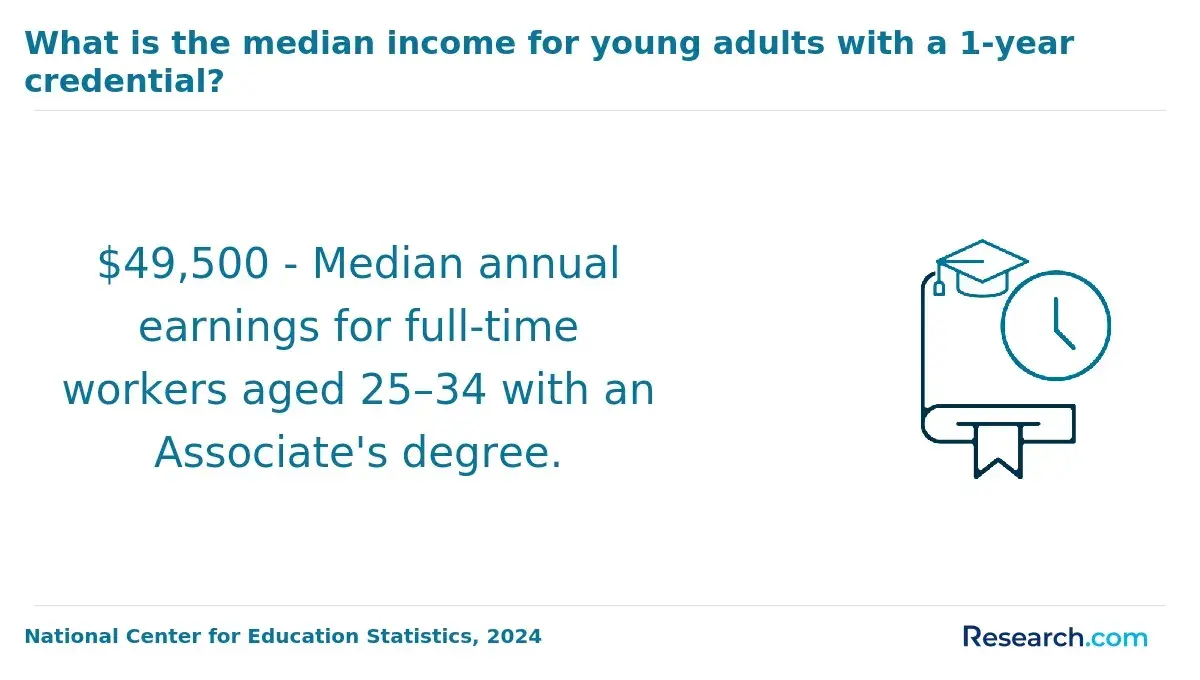
Salary potential plays a significant role for students deciding between fully online and hybrid theology master's programs. Data shows graduates of hybrid programs tend to earn starting salaries near $52,000 annually, while those from fully online programs average about $47,000. Several factors beyond learning format contribute to these differences.
Key elements influencing salary disparities include:
- Networking Opportunities: Hybrid formats facilitate more in-person interactions, helping students build professional relationships that can lead to enhanced job prospects and salary offers.
- Industry Connections: Programs with physical components often maintain stronger ties to faith-based organizations and community leaders, which can increase employment opportunities for graduates.
- Program Prestige: Hybrid degrees are frequently offered by long-established institutions with well-known alumni networks, lending greater credibility and potentially higher earning ability.
- Experiential Learning: Incorporation of practical internships or fieldwork in hybrid programs provides valuable hands-on experience that employers recognize and reward.
- Geographic Flexibility: Fully online options allow access to a broader range of regional job markets, though salaries can vary widely depending on location and demand.
What Graduates Say About Fully Online vs Hybrid Theology Degree Master's Programs
- Shane: "Choosing a fully online theology master's program was essential for me because of my demanding work schedule. The flexibility allowed me to study at my own pace without compromising my job performance. Additionally, the cost savings compared to traditional programs made it easier to invest in my education, and I've already seen a positive impact on my role as a youth ministry coordinator."
- Monna: "Reflecting on my hybrid theology degree, the blend of online and occasional on-campus classes provided the perfect balance between academic rigor and personal interaction. The hybrid format felt more affordable than many in-person programs, especially when considering the reduced commuting expenses. Professionally, earning this degree has enriched my preaching and counseling skills, which my congregation greatly appreciates."
- Samuel: "As someone who wanted to advance my career in religious education, the online theology master's program was a strategic choice. It was more economical than hybrid options and enabled me to continue working full-time while studying. This degree has equipped me with broader theological perspectives that have directly improved my effectiveness in curriculum development and teaching."
Other Things You Should Know About Theology Degrees
In 2027, fully online theology programs typically offer virtual academic advising, online libraries, and digital career counseling. Hybrid programs might add in-person networking events and on-campus resources. Both strive to support students through digital platforms, but hybrid options often provide an extra layer of personal interaction.
Hybrid theology master's programs can be suitable for working professionals since they combine online coursework with scheduled in-person sessions, often on weekends or evenings. This format offers some flexibility but requires commitment to on-campus attendance, which may challenge those with very rigid work schedules.
In 2027, online theology programs emphasize digital tools for spiritual growth, utilizing virtual retreats and webinars. Hybrid programs offer a blend of online resources and in-person gatherings, providing communal worship and hands-on experiences that deepen spiritual formation, balancing flexibility with direct community involvement.
References
- Online-Hybrid Degree Plan - Divinity School | Campbell University https://divinity.campbell.edu/academics/degree-programs/master-of-arts-in-christian-ministry/hybrid-cohort-degree-plan/
- Online Seminary Certificate Programs vs. Degrees: What to Know - Calvin Theological Seminary https://calvinseminary.edu/resources/online-seminary-certificate-programs-vs-degrees-what-to-know/
- Online and Hybrid https://www.iliff.edu/onlinehybrid/
- Online Theology Master's & Distance Learning https://www.domuni.eu/en/learning/master-in-theology-and-religious-studies/
- Online vs In-Person Seminary: Which Is Right for You? - United Theological Seminary https://united.edu/online-vs-in-person-seminary-which-is-right-for-you/
- 4 Factors in Choosing Between Online and Traditional Degrees | ProFellow https://www.profellow.com/tips/4-factors-in-choosing-between-online-and-traditional-degrees/
- FAQs for Hybrid Master's Degree Programs https://www.garrett.edu/academics/degrees-and-programs/faqs-for-hybrid-masters-degree-programs/
- Which Graduate School Format Is Right for You? https://www.collegexpress.com/articles-and-advice/grad-school/articles/choosing-graduate-program/campus-online-or-hybrid-which-grad-school-format-is-right-for-you/
- Our Affordability - Holy Apostles College & Seminary https://holyapostles.edu/about-us-old/our-affordability/
- Hybrid MDiv is Newest Expansion to Candler's Online Offerings https://candler.emory.edu/hybrid-mdiv-is-newest-expansion-to-candlers-online-offerings/


