2027 General Studies Internship Requirements: Hours, Placements, and Supervision

Co-Founder and Chief Data Scientist
Many students entering general studies degree programs find themselves navigating unclear expectations surrounding internships. Balancing academic commitments with hands-on experience often raises questions about how many hours are required, where placements occur, and the nature of supervision. Recent data shows that 68% of general studies graduates report internships as crucial for job readiness, highlighting their importance in professional preparation.
Understanding the framework of internship hours, placement procedures, and supervisory roles is essential for success. This article clarifies these key aspects, helping prospective and current students set informed goals and meet the requirements of their general studies internships.
Key Things to Know About General Studies Internship Requirements
- Internship hours typically range from 100 to 200, requiring flexible scheduling that can extend academic timelines and necessitate proactive time management.
- Placement varies by site availability and discipline alignment, with 65% of General Studies students securing internships within local organizations.
- Supervision mandates regular mentor meetings and performance evaluations, directly influencing skill development and ensuring academic credit eligibility.
Do All General Studies Degrees Require an Internship?
Internships are often integrated into general studies curricula to help students gain practical experience and apply academic theory in real-world settings. Approximately 67% of college students nationwide participate in at least one internship during their undergraduate years, highlighting a widespread emphasis on experiential learning. However, internship requirements for general studies degree programs can vary significantly depending on several factors.
- Program Type: Some general studies degree programs prioritize broad interdisciplinary education and do not require internships, while others focused on career readiness may mandate practical work experiences to prepare students for specific professional paths.
- Accreditation Standards: Certain accrediting bodies require experiential components such as internships to ensure graduates meet industry or academic benchmarks, influencing whether these internships are compulsory within a program.
- Specialization Tracks: Within general studies, some specialization options emphasize professional skills development and thus include mandatory internships, whereas more flexible tracks may leave internships optional or offer alternatives.
- Alternative Experiential Learning: Programs sometimes offer substitutes like capstone projects, service learning, or practicums that can fulfill experiential requirements in place of traditional internships, providing varied pathways to meet graduation criteria.
In navigating internship requirements, students should carefully consult their program guidelines to determine if an internship is necessary to graduate or if other experiential options exist. For those interested in further academic advancement, exploring specialized options such as online EdD programs can also provide insights into structured experiential learning within graduate studies.
What Requirements Must Be Met Before Starting a General Studies Internship?
Internship programs establish prerequisites to ensure students are well-prepared for professional environments and to maintain the quality of the internship experience. According to a 2022 report from the National Association of Colleges and Employers, 78% of internship candidates had to meet specific academic requirements to qualify. The following list outlines common eligibility criteria students must satisfy before starting a general studies internship.
- Minimum GPA: Most programs require a cumulative GPA between 2.5 and 3.0 on a 4.0 scale. This benchmark demonstrates a student's academic competence and readiness to engage in practical work.
- Completed Coursework: Students typically must finish core or prerequisite courses related to their general studies curriculum. This ensures they have the necessary foundational knowledge before applying classroom theory in real-world settings.
- Application Approval: An application process often includes submitting a resume, personal statement, or faculty recommendations. Approval by an advisor or program coordinator confirms that eligibility criteria and prerequisites have been met.
- Background Checks: For internships involving vulnerable populations or sensitive information, students may be required to pass background clearance. This protects all parties and complies with institutional and legal standards.
How Many Internship Hours Are Required for General Studies Degrees?
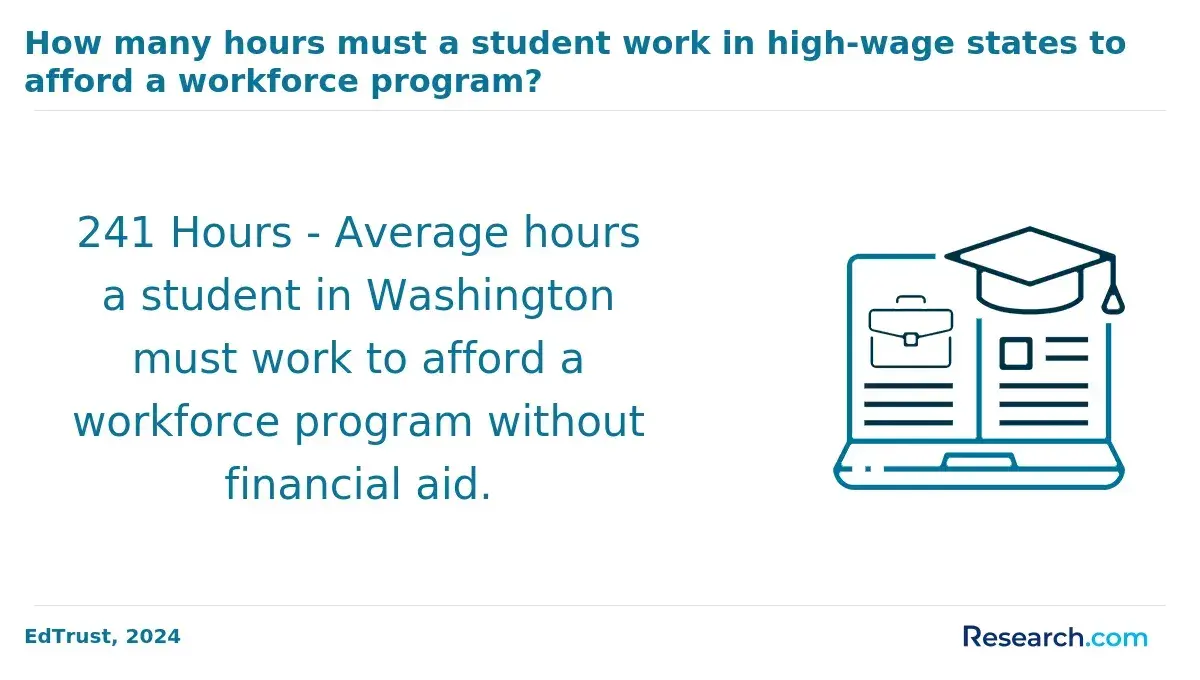
Internship hours in general studies degree programs are designed to provide practical experience that complements academic learning. Most undergraduate programs require between 100 and 200 hours, typically converting to three to six academic credits based on the institution's credit-hour system. Several factors affect how these hours are calculated and required.
- Credit Hour Conversion: Institutions often assign 30 to 50 internship hours per credit, directly influencing the total required hours to satisfy degree requirements and earn academic credit.
- Program Focus: Different tracks within general studies may demand varying hours. Programs with professional or career-oriented goals tend to require more hours, while liberal arts or transfer-focused programs may set lower thresholds.
- Accreditation Standards: Accrediting bodies may impose minimum experiential learning hours to ensure consistent quality and recognition, shaping the number of hours students must complete.
- Enrollment Status: Full-time versus part-time enrollment can impact hour expectations, with some colleges adjusting required internship hours relative to the student's course load and timeline for degree completion.
Reflecting on these requirements, a general studies degree graduate shared that completing the internship hours often felt like balancing a full-time job alongside coursework. He recalled the initial uncertainty in finding placement opportunities and the pressure to meet deadlines while gaining meaningful experience. "It wasn't just about logging hours," he said, "but making sure the work connected to what I was learning." This combination of challenge and learning helped him appreciate the value of the hours beyond a numeric requirement.
Where Do General Studies Students Complete Internships?
Internship settings play a crucial role in shaping the experiential learning outcomes of general studies students by exposing them to diverse professional environments. Nearly half of internships for these students take place in corporate or nonprofit sectors, reflecting the versatile skills they bring to various industries. The following highlights common general studies internship placement locations across multiple sectors.
- Corporate Organizations: These internships offer students hands-on experience in business operations, marketing, human resources, and communications across diverse industries, helping develop adaptable workplace skills.
- Government Agencies: Federal, state, and local government placements introduce students to public administration, policy development, and community engagement, providing insight into the public sector's workings.
- Nonprofit Organizations: Interns often engage in advocacy, social services, and program coordination, which cultivates skills in community support and organizational management within mission-driven settings.
- Research Institutions: For students interested in analytical and project-based work, research facilities and academic environments offer opportunities to develop critical thinking and problem-solving abilities.
Understanding typical internship sites for general studies students enables better alignment of personal interests with professional trajectories. Those exploring further educational pathways may benefit from an affordable library science degree online that complements their interdisciplinary background.
How Are Internship Placements Assigned in General Studies Programs?
Internship placement systems in general studies programs are carefully designed to align students with opportunities that complement their academic interests and career objectives. These structured processes help ensure meaningful experiences through thoughtful collaboration among all parties involved. Data from the National Association of Colleges and Employers indicates that over half of students find placements through coordinated efforts between their institutions and local partners. The following outlines typical approaches used in assigning internships.
- Advisor Collaboration: Academic advisors often play a pivotal role, guiding students by reviewing their goals and suggesting relevant internships. This personalized support helps tailor placements to each student's unique path.
- Student-Driven Selection: Some programs encourage students to independently seek out and propose internships, subject to approval. This approach fosters initiative and allows students to pursue opportunities that best match their aspirations.
- Centralized Matching Platforms: Several institutions utilize dedicated systems that automate matching based on student profiles and employer requirements. These platforms streamline the process, increasing efficiency while maintaining alignment with program criteria.
- Partnership Networks: Established relationships between schools and approved employers create a pipeline of vetted internship options. This method provides consistency and reliability for placement assignments.
A general studies degree student shared her experience with placement, highlighting the mix of anticipation and uncertainty she faced. "At first, it felt overwhelming to navigate the options and requirements," she explained. "But working closely with my advisor made a big difference-they helped me identify internships that really fit my skill set and goals." She also valued the opportunity to suggest organizations she was passionate about, which added a personal touch to the process. Overall, she described the assignment experience as both a learning curve and a chance to tailor her professional journey.
Are Virtual or Remote Internships Available?
Remote and virtual internships have significantly increased in popularity, reflecting the broader rise of flexible work arrangements seen nationwide. A 2023 survey from the National Association of Colleges and Employers found that nearly 60% of internships now incorporate virtual or hybrid models, a major jump from 25% before the pandemic. This growth opens new doors for students by reducing barriers related to location and transportation. Such shifts are reshaping how general studies programs structure experiential learning opportunities.
Typically, virtual internships require students to complete tasks online using video calls, project management apps, and cloud platforms that support ongoing communication with supervisors. This digital format offers considerable adaptability, allowing students to balance internships with other commitments more easily and access employers beyond their local area.
Still, the availability of remote placements often depends on a program's specific design and network, with some favoring traditional onsite internships and others adopting hybrid approaches to blend remote work with occasional in-person meetings.
Are Part-Time Internships Allowed for Working Students?
Many students enrolled in general studies programs balance jobs alongside their academic commitments, making part-time internships a practical option. Approximately 70% of U.S. college students work part-time or full-time while attending school, highlighting the importance of flexible internship opportunities. Below are key aspects of how part-time internships accommodate working students in general studies programs.
- Scheduling Flexibility: Part-time internships typically offer evening, weekend, or customized shifts, allowing students to fit work experience around their job hours. This flexibility helps maintain both steady employment and meaningful internship involvement.
- Employer Accommodations: Many employers provide options such as remote work or adjustable deadlines tailored to the unique needs of working students, supporting their dual roles effectively.
- Academic Workload Balance: With fewer weekly hours required, part-time internships help students avoid academic overload and ensure sufficient time for coursework and study obligations.
- Program Restrictions: Some general studies programs set minimum hours or specific timeframes for internships to align with academic calendars. These guidelines allow manageable participation without sacrificing educational goals.
These flexible arrangements enable students to gain practical experience without compromising their academic progress, reflecting evolving higher education internship standards.
What Supervision Is Required During a General Studies Internship?
Supervision during general studies internships is essential for maximizing student learning and ensuring professional accountability. Research shows that 85% of interns find regular supervisor feedback greatly improves their experience and skill development. This structured oversight connects academic knowledge with practical skills. Key elements of effective internship supervision include:
- Faculty Oversight: Internship coordinators or academic advisors play a critical role by setting clear learning objectives and maintaining communication with workplace mentors. Their guidance aligns internship activities with curriculum goals and addresses any academic concerns, fulfilling essential supervision requirements for general studies internship programs.
- Workplace Mentors: Day-to-day supervision by experienced professionals provides students with direct support and constructive feedback on tasks and workplace behavior. These mentors help interns adapt to the work environment while fostering important skills relevant to their career goals.
- Performance Feedback: Regular evaluations from both faculty and workplace supervisors give students insight into their strengths and areas for growth. This ongoing feedback loop is a fundamental part of effective internship supervision guidelines in general studies, enhancing learning outcomes and professional readiness.
- Progress Monitoring: Documentation of completed assignments, scheduled meetings, and written reports helps track student development throughout the internship. Such monitoring supports reflection on competencies gained and ensures accountability in the learning process.
For students considering additional education paths, opportunities such as an online construction project management degree offer a blend of academic and practical experiences akin to general studies internship supervision models.
How Are General Studies Internships Evaluated?
Internship evaluation is a critical component of General Studies programs, helping to measure how effectively students apply classroom knowledge in practical settings. A 2022 survey by the National Association of Colleges and Employers found that 85% of employers weigh internship performance heavily in hiring decisions, emphasizing the value of proper assessment. These evaluations use multiple criteria to capture a comprehensive view of student progress and outcomes.
- Supervisor Reviews: Internship supervisors provide detailed feedback on students' job skills, professionalism, and their overall contributions to workplace projects, offering an external perspective on performance.
- Reflective Assignments: Students complete journals or essays that document their personal experiences, challenges faced, and lessons learned, which facilitates self-assessment and deeper learning during the internship.
- Performance Benchmarks: Programs set specific goals or competencies to be demonstrated throughout the internship, ensuring students meet established academic and professional standards aligned with General Studies curriculum.
- Faculty Assessments: Academic advisors or internship coordinators integrate supervisor feedback and reflective submissions to assign final evaluations and grades, maintaining academic rigor.
By combining these various methods, programs maintain robust criteria for assessing general studies internship performance, blending workplace feedback with academic oversight to support student development. For students seeking comprehensive educational paths, particular attention to internship quality can be as pivotal as course study, especially when paired with specialized fields such as an accelerated finance degree.
What Challenges Do General Studies Students Face During Internships?
Internships offer valuable hands-on experience but can also be stressful, with over 60% of students reporting difficulty balancing workload and academic demands. General studies students often face particular hurdles during their internships that can impact their success and learning outcomes. Below are some frequent challenges encountered.
- Balancing Schedules: Managing internship hours alongside coursework requires careful planning. Many students struggle to fulfill general studies internship time management challenges, often needing to juggle overlapping deadlines that affect both school and work commitments.
- Meeting Workplace Expectations: Adapting to professional environments can be daunting for first-time interns. Understanding norms, maintaining punctuality, and demonstrating accountability are common hurdles students must overcome to meet employer standards.
- Transportation and Financial Issues: Limited access to reliable transportation or funds can restrict placement options. These obstacles sometimes prevent students from reaching internships that align closely with their academic and career goals.
- Managing Professional Responsibilities: Interns may face pressure handling real-world tasks independently. Developing confidence in time-sensitive projects and delivering quality work often presents a steep learning curve.
- Supervision and Feedback: Receiving consistent, constructive guidance is critical but not always guaranteed. Common placement and supervision issues in general studies internships can hinder student development and performance.
Students looking to complement their general studies degree with relevant experience might explore options related to what can you do with an environmental science major, reflecting the importance of aligning internships with career trajectories.
What Graduates Say About General Studies Internship Requirements
- Lawrence: "My general studies degree internship required a total of 150 hours, which I completed across various placements including nonprofit organizations and corporate offices. The structured supervision I received really helped me develop professional skills and gave me confidence in real-world settings. Looking back, those internship experiences were pivotal in shaping my career path and opening doors I never anticipated."
- Yitzchok: "Reflecting on my time in the general studies program, I appreciate how the supervised internships were designed to balance practical work with meaningful guidance. I was placed in both academic and community service environments, which provided diverse exposure and honed my adaptability. These internships not only fulfilled academic requirements but truly enriched my professional outlook and skill set."
- Cameron: "The internship component of my general studies degree was intensive but invaluable, requiring more than 120 hours in child development centers and educational nonprofits. Having a dedicated supervisor ensured I could troubleshoot challenges and learn best practices on the job. This immersion was a critical factor in securing my first professional role and laid a strong foundation for my future growth."
Other Things You Should Know About General Studies Degrees
Students usually need to submit a combination of timesheets, supervisor evaluations, and reflective reports or portfolios detailing their work experience. These documentation pieces serve as proof of completed hours and demonstrate the learning objectives achieved during the internship.
Generally, internships must be with organizations that provide relevant work experience connected to the student's academic and career interests in the general studies field. However, some programs may restrict internships in unpaid positions or in organizations that do not comply with labor laws or ethical standards.
Many programs allow extensions for students wishing to gain more experience or fulfill additional credit requirements. Extensions typically require approval from both the supervisor and the academic advisor to ensure continued relevance and appropriate educational value.
References
- Internship and research programs | USAC https://usac.edu/study-abroad-programs/internships-and-research/virtual-internships
- Search Internship Opportunities https://www.ciee.org/go-abroad/college-study-abroad/internships/search-internship-opportunities
- What internships can a General Studies Major do? https://talk.collegeconfidential.com/t/what-internships-can-a-general-studies-major-do/2808088
- Internships https://www.marshallcenter.org/en/academics/internships
- The Challenges and Measures for Internship among Fourth-Year Students in the Department of Lifelong Learning and Community Education at the University of Namibia https://www.scirp.org/journal/paperinformation
- A General Studies Degree Is a Launchpad for Career Changers https://www.tuw.edu/gen-ed/general-studies-degree-benefits/
- General Studies (BGS) https://www.etamu.edu/programs/general-studies-bgs/
- Remote / Online / Virtual Internships abroad https://www.world-unite.de/en/program-focus/remote-online-virtual-internships-abroad
- Work and Internships | study.gov.pl https://study.gov.pl/work-and-internships
- Problems during the Internship https://sisu.ut.ee/skytteinternship/problems-during-traineeship/