2027 Entry-Level Jobs With a General Studies Degree

Co-Founder and Chief Data Scientist
What entry-level jobs are available with a general studies degree? Many recent graduates face uncertainty about how this broad academic background translates into career opportunities. According to recent data, employment rates for general studies graduates entering the workforce within six months stood at approximately 62%, reflecting challenges in matching skills to specific roles. However, numerous beginner roles in administration, customer service, and sales welcome candidates with strong foundational skills.
Understanding these job prospects allows graduates to navigate the competitive job market more effectively. This article explores practical entry-level careers for general studies degree holders and offers guidance to launch successful early careers.
Key Benefits of Entry-Level Jobs With a General Studies Degree
- Entry-level jobs provide practical experience, enabling graduates to apply diverse knowledge from a general studies degree in real-world industry settings and develop targeted skills.
- Such positions often serve as stepping stones for career advancement, offering pathways to specialized roles and long-term professional growth.
- Early employment helps graduates build valuable professional networks and enhance their resumes, increasing competitiveness in the job market.
What entry-level jobs can you get with a general studies degree?
More than 60% of graduates secure their first job within three months, highlighting the availability of entry-level roles for recent degree holders. For those holding a general studies degree, several career paths offer foundational experience that can lead to diverse professional opportunities.
The following entry-level jobs showcase how broad skills can translate into meaningful work.
- Administrative Assistant: Managing schedules, correspondence, and file organization, this role helps graduates develop key communication and organizational skills that benefit various career trajectories.
- Customer Service Representative: Handling inquiries and resolving complaints sharpens interpersonal and problem-solving abilities, which are essential for client relations and sales-focused positions.
- Marketing Assistant: Supporting campaigns and managing social media provides general studies graduates with creative and strategic experience, useful in marketing and communications fields.
- Human Resources Assistant: Maintaining records and assisting recruitment familiarizes graduates with workplace dynamics and personnel processes, preparing them for HR-related careers.
- Research Assistant: Engaging in data collection and analysis strengthens analytical thinking and attention to detail, skills that support roles in research, policy, and administration.
Each of these roles builds transferable skills that help general studies graduates gain valuable experience. Those looking to advance may also consider further specialized education such as PhD programs online to expand their career horizons.
Which industries hire the most general studies graduates?
Graduates with a general studies degree find opportunities across diverse industries due to their adaptable skill set and broad academic background. Approximately 22% of these graduates enter business and management-related fields shortly after earning their degrees, reflecting the widespread demand for versatile professionals.
Below are some of the top industries that frequently hire general studies degree holders.
- Education: This sector often employs graduates in roles such as teaching assistants, administrative support staff, and educational program coordinators. Their broad knowledge allows them to assist with varied curriculum needs and interact with diverse student groups.
- Business and Administration: Many general studies graduates fill positions in office management, human resources assistance, customer service, and entry-level project coordination. Employers value their wide-ranging skills and flexibility in supporting operational functions.
- Nonprofit Organizations: Graduates contribute to program support, community outreach, and fundraising coordination. Their multidisciplinary understanding equips them to handle complex social issues and support various organizational goals.
- Government: Administrative positions, public relations, and human services roles often recruit general studies graduates. Their broad academic foundation aids effective communication and engagement with multiple stakeholders in public sector environments.
When speaking with a general studies degree graduate about which industries have offered the most opportunities, he shared that navigating the job market initially felt overwhelming due to the degree's broad nature. "I wasn't sure where to focus," he explained, "but once I targeted sectors like nonprofit organizations and government agencies, things became clearer."
He described the application process as challenging but rewarding, emphasizing how his flexibility and wide skill set eventually made him a valuable candidate. The graduate noted feeling encouraged by employers valuing adaptability over specialized credentials, highlighting the degree's potential to open doors across multiple career paths.
Which entry-level general studies jobs pay the highest salaries?
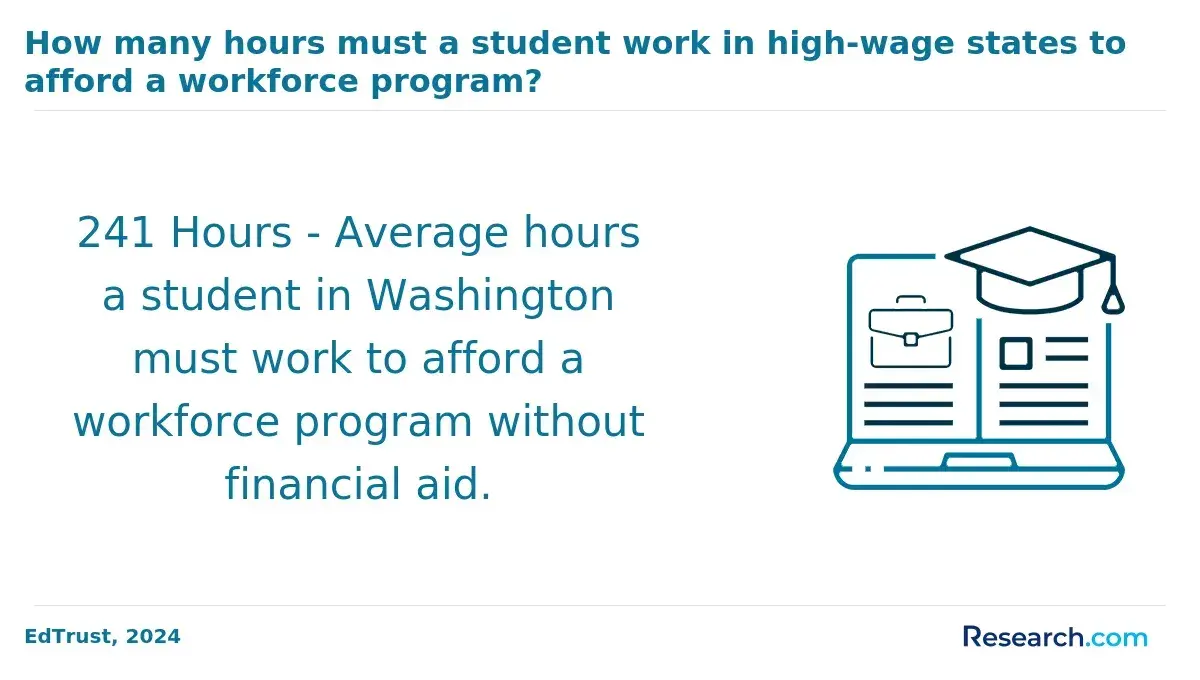
Salary ranges for entry-level jobs in general studies vary significantly depending on the role's responsibilities and impact within a company. Positions that contribute directly to operations, sales, or strategy tend to offer higher starting wages.
Below are some top-paying career options for recent graduates in this field.
- Management Trainee: Earning roughly $40,000 to $55,000 annually, management trainees rotate through different departments to gain broad business experience. Their compensation reflects the investment companies make in developing future leaders capable of handling diverse organizational challenges.
- Marketing Coordinator: Starting salaries for marketing coordinators usually range from $38,000 to $52,000. These roles involve campaign planning, market analysis, and communication efforts, where creativity and data-driven decisions help drive business growth.
- Human Resources Assistant: With entry pay around $35,000 to $48,000, HR assistants support recruitment, manage employee records, and administer benefits. This position is essential for maintaining workplace stability and employee satisfaction, which justifies its competitive salary.
- Sales Representative: Sales representatives typically earn between $30,000 and $50,000, often supplemented by commissions. Their job centers on securing client accounts and nurturing relationships, directly affecting company revenue and warranting higher pay.
- Administrative Analyst: Beginning salaries for administrative analysts fall between $40,000 and $53,000. They analyze business processes and help improve operational efficiency, which accounts for their relatively elevated compensation among entry-level roles.
What skills do employers look for in entry-level general studies graduates?
Employers hiring entry-level general studies graduates look beyond academic credentials to assess practical skills that drive workplace success. According to a 2023 report by the National Association of Colleges and Employers, 73% of employers prioritize communication abilities when screening recent graduates.
The following key qualifications for general studies degree holders in entry-level jobs reflect the qualities valued most.
- Communication: Effective verbal and written communication is crucial for explaining ideas clearly and collaborating with team members. This skill enables graduates to engage clients and supervisors confidently in various professional interactions.
- Critical Thinking: Employers seek graduates who can independently analyze situations, identify challenges, and propose practical solutions. This ability reduces the need for constant oversight in problem-solving tasks.
- Teamwork: The capacity to work harmoniously within diverse groups supports project success and workplace adaptability. Graduates must navigate different personalities and roles to contribute productively.
- Time Management: Prioritizing assignments and meeting deadlines demonstrate reliability. Efficient time management helps maintain workflow and organizational productivity.
- Technological Proficiency: Basic skills in commonly used software and digital tools are expected. Being tech-savvy enhances performance and allows faster adaptation to workplace systems.
These entry-level skills employers seek for general studies graduates are often evaluated through interviews and situational assessments rather than grades alone. Students interested in exploring higher earning potential should also consider consulting resources on high paying degrees.
Do employers hire general studies graduates with no internships?
Employers frequently prioritize internship experience when reviewing candidates with a general studies degree, as it signals practical skills and workplace readiness. A 2022 survey from the National Association of Colleges and Employers revealed that about 70% of employers favor applicants who have completed internships.
While this highlights the importance of internships, it does not entirely exclude those without such experience from consideration. The role and employer's expectations often shape how much weight is given to hands-on experience versus other qualifications.
Graduates lacking internship backgrounds can still secure entry-level roles by emphasizing strong academic records, relevant transferable skills, and meaningful project involvement. Hiring managers typically evaluate candidates holistically, factoring in communication skills, leadership in extracurricular activities, and accomplishments in coursework or capstone projects.
Since different employers prioritize varied attributes depending on the position, candidates without internships should clearly articulate how their capabilities meet the job's demands to address any perceived experience gaps.
What certifications help entry-level general studies graduates get hired?
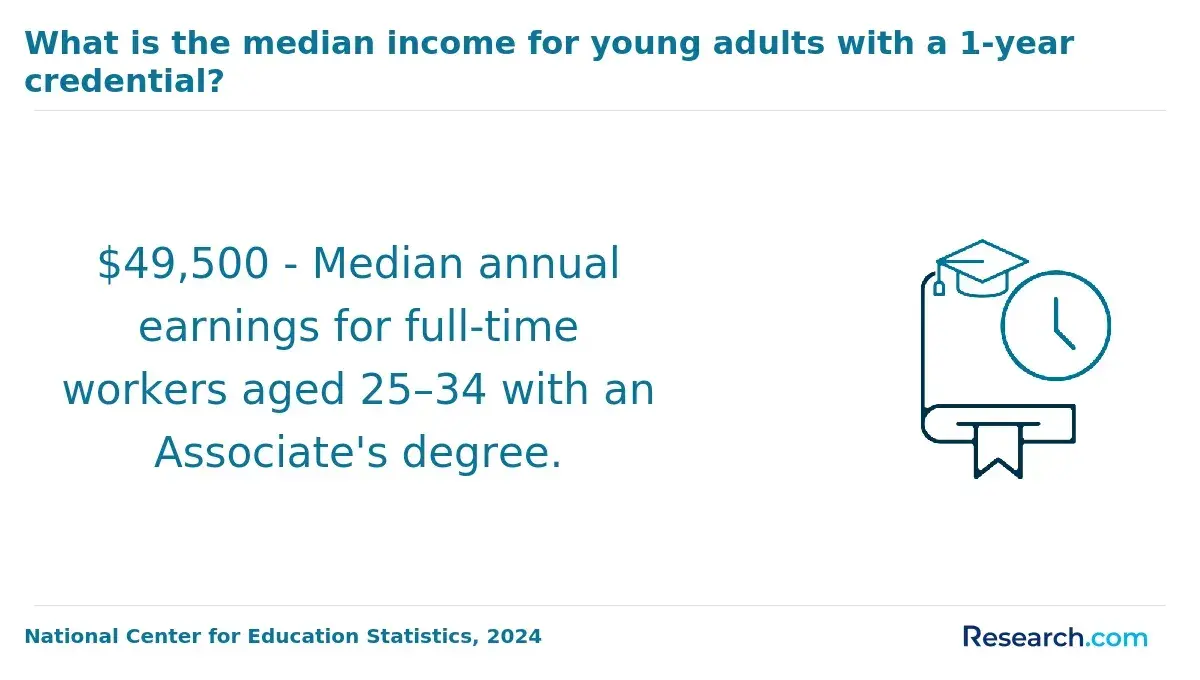
Certifications can enhance the value of a general studies degree by demonstrating concrete skills that employers seek in entry-level candidates. According to a 2023 survey by the National Association of Colleges and Employers, 65% of employers favor applicants with relevant certifications, underscoring their importance in hiring decisions.
Below are key certifications that can boost the employability of graduates with this broad academic background.
- Certified Administrative Professional (CAP): This certification confirms proficiency in office management, communication, and organizational capabilities. Employers often prefer applicants with CAP for entry-level administrative positions, as it signals readiness to handle essential workplace responsibilities efficiently.
- Project Management Associate (CAPM): With this credential, graduates demonstrate foundational project management skills. CAPM strengthens applications for roles involving task coordination and timeline management, indicating potential for leadership in team environments.
- Google Data Analytics Professional Certificate: This certificate equips graduates with hands-on experience in data gathering, analysis, and reporting. It appeals to employers looking for candidates who can contribute to data-driven decisions, even at the entry level.
- Customer Service Professional Certificate: Highlighting skills in client interaction and problem solving, this certification is valuable for roles that require strong interpersonal abilities and customer-focused communication.
- Microsoft Office Specialist (MOS): This credential verifies technical skills in widely used Microsoft Office programs. MOS remains a standard requirement for many positions, offering graduates a competitive edge by confirming their technical competence.
A professional with a general studies degree shared her experience pursuing certifications after graduation. Initially overwhelmed by the broad nature of her degree, she found specific certifications instrumental in clarifying her career path. "Having no specialized major made it challenging to pinpoint my strengths," she explained. Earning the CAP and MOS certifications gave her tangible proof of skills she could present confidently during interviews.
She highlighted how the process required dedication and extra study but ultimately made her feel more prepared and competitive. "These credentials became my way to translate a general education into marketable expertise," she reflected, emphasizing the boost in confidence and employer interest she gained through certification efforts.
How can students prepare for entry-level general studies jobs while in college?
Early career preparation significantly boosts employability for students pursuing a general studies degree, with research showing that 87% of employers favor graduates who demonstrate practical skills and readiness for work. Building relevant experience and skills during college better positions students for smooth transitions into entry-level roles.
Below are effective strategies to help students prepare before graduation.
- Gain Practical Experience: Part-time jobs, volunteer roles, and campus leadership provide hands-on opportunities to apply classroom knowledge. These experiences enhance time management and interpersonal skills valued by employers.
- Develop Soft and Technical Skills: Cultivating communication, teamwork, and problem-solving complements the technical skills in areas such as data analysis or digital literacy. These combined skills increase a candidate's competitiveness in entry-level general studies positions.
- Engage in Academic Projects: Participating in research and discipline-related projects sharpens critical thinking and writing abilities. These skills make candidates more attractive to employers seeking adaptable and insightful graduates.
- Utilize Campus Resources: Career services, workshops, and networking events offer essential support and connections that can guide students' job searches effectively.
How competitive is the entry-level job market for general studies graduates?
The entry-level job market for general studies graduates is moderately competitive, with about 60% securing employment within six months of graduation. This rate reflects a reasonable demand but also highlights the challenges these graduates face as they enter a diverse job landscape.
Employment trends for recent general studies degree holders show that the flexibility of the degree attracts a wide range of employers, but it can also increase competition for many roles. Understanding these dynamics is important for graduates as they navigate job opportunities.
Competition is intensified by the high volume of applicants, as general studies degrees provide broad skills rather than specialized training. Employers often receive many applications from candidates with more focused qualifications, making it harder for general studies graduates to stand out.
Recruiters typically value soft skills like communication and adaptability, which general studies programs emphasize, but some positions demand technical expertise or experience not always covered by the degree.
Additionally, competitiveness varies by role and industry; entry-level administrative positions tend to see less competition, while areas such as marketing may attract more applicants with specialized degrees. Graduates can improve their prospects by tailoring applications to better align with employer expectations and by exploring resources like the cheapest online EdD to further their qualifications.
What remote entry-level jobs can you get with a general studies degree?
The rise of remote work has expanded entry-level opportunities for professionals with a general studies degree. According to a 2023 Pew Research Center report, about 59% of U.S. workers who can work remotely are doing so at least part-time, highlighting a growing trend beneficial to those seeking flexible roles. For recent graduates, several remote-friendly jobs align well with the broad skills gained in general studies programs.
Here are some common remote entry-level jobs available to general studies graduates:
- Remote Customer Service Representative: Typically handling customer inquiries across phone, chat, or email, this role focuses on resolving issues and providing product information. It builds essential communication and problem-solving skills useful across many career paths.
- Virtual Administrative Assistant: Supporting business operations remotely, these assistants manage scheduling, data entry, and correspondence. The position strengthens organizational and multitasking abilities while offering insight into office workflows.
- Content Moderator: Reviewing user-generated content for compliance and appropriateness, content moderators contribute to safe online communities. This role improves critical thinking and keen attention to detail.
- Social Media Assistant: Assisting with post scheduling, follower engagement, and basic analytics, this remote job provides hands-on experience in digital marketing and communication strategies.
- Data Entry Specialist: Focused on accurate information input and database management, this role sharpens technical skills and concentration essential for various administrative careers.
These work from home careers with a general studies degree not only offer flexibility but also help graduates build foundational skills applicable to a variety of industries. For those seeking to enhance their education credentials remotely, programs like an accelerated business degree online can further expand career options.
How quickly can general studies graduates get promoted?
Promotion timelines for general studies graduates vary widely, largely influenced by individual performance, relevant experience, and the structure of the employing organization. Entry-level professionals can generally expect their first promotion within two to four years, with studies showing about 35% achieve advancement within three years.
The pace of career growth reflects how well graduates develop their skills and adapt to increasing job responsibilities. Factors such as organizational size and clarity of career pathways also impact how quickly a promotion is earned, illustrating the complexity of the career growth timeline for general studies degree holders.
Advancement speed often hinges on how deeply graduates acquire job-specific skills and their ability to manage more complex roles. Consistent workplace performance, effective communication, and leadership potential help position employees for earlier promotions.
Because general studies graduates enter various industries and roles, promotion patterns can differ significantly between employers. For those looking to explore diverse opportunities, it can be helpful to compare pathways available at different institutions, such as environmental engineering schools online, which may offer distinct timelines and career ladders.
What Graduates Say About Entry-Level Jobs With a General Studies Degree
- Lawrence: "Starting my job search after graduating with a general studies degree felt overwhelming, but I quickly learned the importance of being open to onsite, remote, or hybrid roles. I focused on positions that allowed growth opportunities and team collaboration, which really shaped my early career development. Choosing roles that aligned with my values and offered mentorship made a significant impact on my confidence and skills. "
- Yitzchok: "Reflecting on my path post-graduation, I realized that finding an entry-level job in general studies isn't just about the role but the company culture and future prospects. I deliberately applied to remote positions to maintain flexibility while building experience. This degree taught me adaptability and problem-solving, which have been crucial in advancing my career even at the start. "
- Cameron: "Landing an entry-level role with my general studies background was a strategic choice, focusing on jobs that offered hybrid options and progressive challenges. I found that considering work-life balance alongside the nature of the assignments was key in my decision-making. These early roles laid a strong foundation for career advancement by exposing me to diverse industries and practical skills development. "
Other Things You Should Know About General Studies Degrees
In 2027, a general studies degree can open doors to diverse entry-level jobs across industries such as marketing, human resources, sales, and administrative roles. Its broad curriculum provides skills in communication, critical thinking, and problem-solving, making graduates versatile and adaptable to various sectors.
Networking is especially important for general studies graduates due to the degree's broad focus. Building professional relationships can help uncover hidden job opportunities and provide referrals in diverse industries. Engaging in internships, campus events, and professional associations can enhance job prospects by connecting graduates with potential employers.
Entry-level jobs available to general studies graduates come in both full-time and part-time formats. Many organizations offer full-time positions, especially in administrative, sales, and support functions. Part-time opportunities are also common and can serve as a pathway to securing full-time employment while gaining relevant experience.
One common challenge is the perception of lacking specialized skills, making it essential for graduates to emphasize transferable skills in their applications. Additionally, competition from candidates with more focused degrees can be strong, so tailoring resumes and cover letters to highlight relevant experience and adaptability is crucial. Continuous skill development after graduation can also help overcome these challenges.
References
- CourseCareers https://coursecareers.com/blog-posts/best-certifications-start-a-career
- What Can You Do With a General Studies Degree? https://www.calcoast.edu/news/what-can-you-do-with-a-general-studies-degree
- Verifying that you are not a robot... https://www.developingastudent.com/best-entry-level-graduate-jobs/
- Top Skills Employers Look for in Fresh Graduates in 2026 | Career Guide https://www.demont.ac.ae/blogs/top-skills-employers-look-for-in-fresh-graduates-in-2026/
- 30 Entry-Level High Paying Jobs Without Experience & Degree in the UK https://studyhub.org.uk/30-entry-level-high-paying-jobs-without-experience-degree-in-the-uk/
- What employers look for in graduates (and how to stand out) https://www.kbs.edu.au/blog/career/what-employers-look-graduates-and-how-stand-out
- The Highest Paying Entry Level Jobs In Top Industries https://joinhandshake.com/blog/students/the-highest-paying-entry-level-jobs-in-top-industries/
- What Skills Do Employers Want from Graduates? 20 Key Skills — HE Professional https://heprofessional.co.uk/edition/what-skills-do-employers-want-from-graduates-release
- New College Grads Face One of the Toughest Job Markets in Years https://www.entrepreneur.com/business-news/new-college-graduates-face-toughest-entry-level-job-market-in-years
- 7 in-demand certifications in 2025 | edX https://www.edx.org/resources/in-demand-professional-certifications