
2027 GPA, Test Scores, and Experience Needed for General Studies Degree Programs

Co-Founder and Chief Data Scientist
Many prospective students worry whether their GPA or test scores will meet the admission standards for general studies degree programs, especially those returning to education after years in the workforce. Recent data shows that 45% of general studies programs have adopted test-optional policies nationwide, reflecting a shift in evaluation criteria. This trend addresses concerns of those anxious about standardized tests and highlights the growing importance of relevant work experience.
This article will detail the typical GPA thresholds, standardized test expectations, and experience considerations across programs, helping readers better navigate admission requirements and improve their chances of acceptance.
Key Things to Know About GPA, Test Scores, and Experience Needed for General Studies Degree Programs
- Most general studies programs accept GPAs as low as 2.0, emphasizing a holistic review rather than strict academic thresholds.
- Test scores may be optional; many schools adopt test-optional policies, focusing more on overall application strength than standardized exam results.
- Professional or academic experience is valued, especially for adult learners, with some programs awarding credit for relevant prior learning or work.
What Are the Admission Requirements for General Studies Degree Programs?
Knowing the overall admissions expectations is crucial for applicants preparing to apply for general studies degree programs. Graduate admissions increasingly adopt holistic review processes, which evaluate an applicant's full profile, blending academic records with personal qualities and potential contributions to the program. This flexibility is particularly advantageous for diverse candidates exploring requirements for enrolling in general studies programs.
Several common elements usually shape the admissions process for general studies degrees:
- Application materials: Prospective students must submit transcripts, letters of recommendation, and personal statements that reflect their goals and suitability for the interdisciplinary nature of the program.
- Prerequisite coursework: Completion of foundational courses demonstrating readiness for broad academic work is often required, with some programs allowing customization based on individual academic backgrounds.
- Deadlines and submission: Applicants need to carefully follow deadlines and guidelines to ensure their applications are reviewed in a timely manner and properly considered during enrollment planning.
- Eligibility criteria: Programs typically set general admission standards based on prior education or diploma equivalency, which may vary according to the degree level sought.
- Evaluation timelines: Clear communication on when decisions will be made helps applicants plan next steps effectively.
Those interested in related fields, such as mba programs, may find similarities in admissions approaches worth reviewing as part of their research.
- General Studies degree admission criteria
- requirements for enrolling in General Studies programs
What GPA Do You Need for a General Studies Degree Program?
Minimum GPA requirements for general studies degree programs typically range from about 2.0 to 3.0 on a 4.0 scale, serving as a baseline to ensure applicants have demonstrated satisfactory academic performance. However, meeting these minimums does not guarantee admission, as most competitive candidates often present GPAs above these standards. GPA expectations can vary depending on the institution's selectivity, the program's specialization, and whether the delivery format is online or on-campus. Prospective students comparing general studies degree GPA standards should also consider how these factors influence admissions decisions and program accessibility.
Admissions committees evaluate GPA within a holistic review process, considering patterns such as upward grade trends, the rigor of completed coursework, and the relevance of academic background to the chosen field of study. This allows for a broader assessment of an applicant's academic potential beyond a single GPA number. Those interested in finding affordable options may explore programs for the cheapest online counseling degree, which sometimes offer flexible GPA and admissions criteria suited to working professionals.
Do General Studies Degree Programs Require the GRE or GMAT?
Standardized tests like the GRE (Graduate Record Examination) and GMAT (Graduate Management Admission Test) are commonly used in graduate admissions to provide a consistent measure of applicants' skills in critical thinking, analytical writing, quantitative reasoning, and verbal ability. These scores help admissions committees fairly compare candidates from various academic and professional backgrounds.
The following points highlight how GRE and GMAT requirements typically apply in general studies degree programs:
- Test-optional policies: Many general studies programs offer test-optional admissions, allowing applicants to submit GRE or GMAT scores if they believe it strengthens their application. This flexible approach recognizes diverse applicant strengths.
- Program specialization: Requirements often depend on the program focus, with research-oriented tracks favoring the GRE and management or business-related areas more likely to request the GMAT.
- Applicant experience: Relevant professional experience or significant achievements can sometimes substitute for standardized test scores, acknowledging real-world skills over exam performance.
- Institutional flexibility: Admissions committees usually consider these scores as one part of a holistic review including undergraduate GPA, personal statements, letters of recommendation, and portfolios.
Prospective students evaluating GRE and GMAT requirements for general studies degrees should also explore alternatives such as the executive mba programs, which may feature different standardized test policies. For more details on affordable options, see executive mba.
Breakdown of Private Fully Online Nonprofit Schools

Do General Studies Programs Require Relevant Professional Experience?
General studies programs typically do not mandate relevant professional experience for admission. Instead, they often prioritize academic indicators like GPA and standardized test scores, though about 25% of programs may integrate work experience as part of a holistic review to help non-traditional students or waive other requirements.
Here are some important considerations regarding professional experience in general studies admissions:
- Work Experience Flexibility: While usually optional, having professional experience can enhance an application by demonstrating skills such as time management and problem-solving, particularly for adult learners or those returning to education.
- Recent Graduates: Applicants straight out of high school are often evaluated mainly on academic performance, with little or no emphasis on work history.
- Alternative Readiness Indicators: Some programs accept portfolios, interviews, or other demonstrations of capability as substitutes for experience or test scores.
- Program Variability: Admission criteria differ by program focus and format; online general studies programs often offer greater flexibility regarding experience requirements.
- Credit and Acceleration: Work experience may carry more weight for students seeking credit for prior learning or faster degree completion options.
Are Admission Requirements Different for Online General Studies Programs?
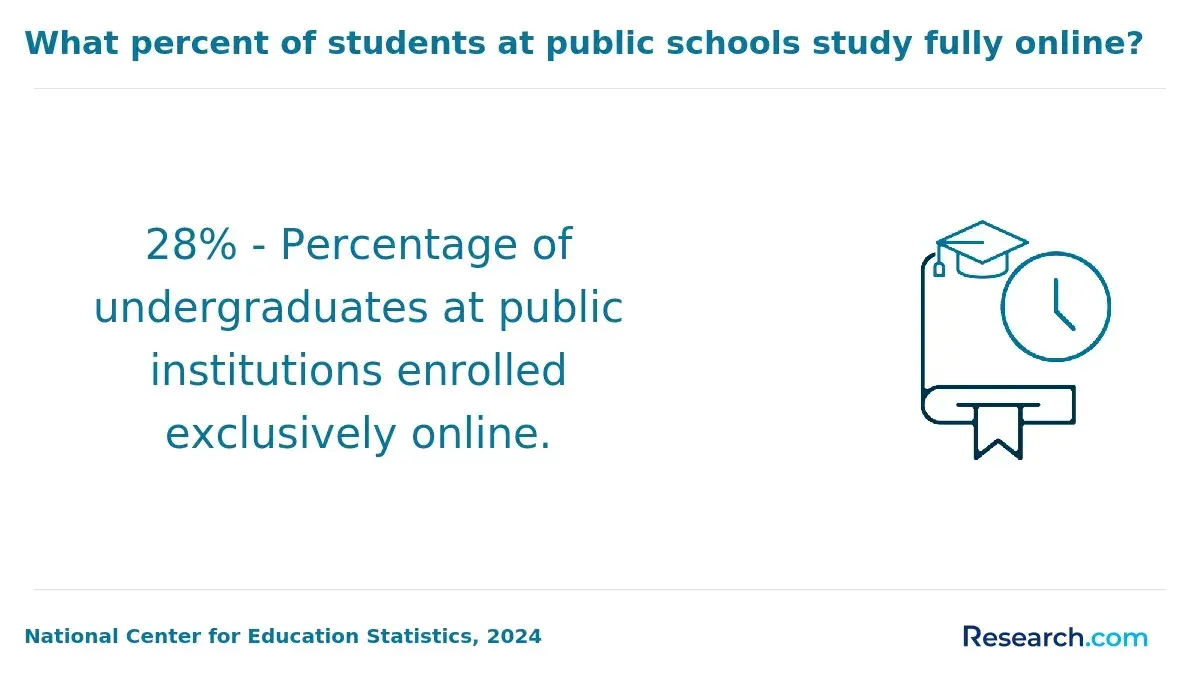
Admission criteria for online general studies programs share many similarities with on-campus degrees, yet they also adapt to accommodate the needs of nontraditional students. Online enrollment has surged by more than 30% recently, largely driven by professionals seeking flexible education pathways. This shift has prompted changes in how institutions weigh key admission factors.
Below are several distinctions commonly seen in admissions for online general studies programs:
- GPA Requirements: Many online programs maintain GPA standards close to those of their on-campus counterparts but may allow slightly lower minimums, acknowledging varied academic backgrounds among adult learners.
- Standardized Testing: Tests such as the SAT or ACT are often optional or waived entirely for online applicants, especially at the undergraduate level, reflecting an emphasis on accessibility.
- Professional Experience: Work history, certifications, and life experience carry more weight in online program admissions, sometimes substituting for test scores or other traditional criteria.
- Application Focus: Admissions materials tend to prioritize personal statements or essays that highlight the applicant's self-motivation and readiness to manage independent learning.
- Flexibility: Online programs typically offer more lenient deadlines and multiple start dates to better support working adults balancing education with other responsibilities.
Requirements can differ widely depending on the institution, degree level, and specific concentration within general studies.
I spoke with a graduate of an online general studies degree who described the admissions process as "less about rigid test scores and more about proving I could handle self-paced study while juggling my job and family." He recalled feeling reassured when his professional background was seen as a strength rather than a hurdle. "It wasn't just paperwork; the essays let me explain why I was committed, which made a big difference," he said, underscoring how admissions focus on motivation and experience helps many students succeed in these flexible programs.
Are English Proficiency Tests Required for General Studies Admissions?
About 70% of general studies degree programs require proof of English proficiency, typically through standardized tests like TOEFL or IELTS. However, a growing number of institutions now accept alternative evidence of language ability, offering more flexibility for applicants. Below are key aspects of how English proficiency is evaluated for admission.
- Proficiency Tests: Most programs request scores from recognized exams such as TOEFL or IELTS to verify applicants can manage academic coursework in English. These scores provide a standardized measure of language skills across diverse applicants.
- Testing Waivers: Some schools exempt students from testing if they have completed prior education in English-speaking environments. This acknowledgment reduces redundancy for applicants with proven backgrounds.
- Score Requirements: Minimum accepted scores often fall between 80 and 100 on TOEFL or 6.5 to 7.0 on IELTS, though requirements vary by institution. These thresholds ensure readiness for college-level studies.
- Alternative Proof: Certain programs accept completion of English composition classes or relevant professional experiences as substitutes. These alternatives recognize language competence demonstrated outside formal testing.
- Online vs. On-Campus: English proficiency expectations may differ between online and traditional campus programs, with some online options implementing more lenient criteria. This flexibility aims to accommodate diverse student populations and learning environments.
How Much Do General Studies Degree Program Admission Requirements Cost?
Admissions expenses for general studies degree programs can accumulate quickly, including application fees, testing costs, and document processing. Recent data from the National Association for College Admission Counseling shows that graduate application fees typically fall between $40 and $55, but additional expenses make the total cost notably higher. Below are some common costs applicants should anticipate.
- Application fees: Usually range from $30 to $70 per institution, covering the cost to process your submission. While often required, some schools offer waivers for students demonstrating financial need.
- Standardized test fees: These can vary between $50 and $200 depending on the exam type, such as SAT, ACT, or graduate tests. Some programs have a test-optional policy, reducing or eliminating this expense for certain applicants.
- Official transcript fees: Typically $5 to $15 per sending institution, these cover verified academic records required by admissions offices. This cost is normally mandatory and unavoidable.
- Credential evaluations: Costing between $100 and $200, these are necessary if you're submitting international transcripts. The requirement depends on whether your prior education was outside the U.S.
- English proficiency exams: Non-native English speakers might pay $150 to $250 to demonstrate language skills. This fee applies only if required by the program.
A graduate of a general studies degree shared her experience: "Managing the different fees was more stressful than I expected. I had to budget carefully, especially for credential evaluations since my transcripts came from another country. The process felt overwhelming at times, with multiple forms and deadlines. However, each step brought me closer to enrolling, and overcoming those financial and administrative hurdles gave me a strong sense of accomplishment. Reflecting on it now, I appreciate how knowing the potential costs upfront would have helped me plan better and reduce anxiety." Her insight highlights the practical challenges behind the fees and the rewarding feeling of persistence.
Do Schools Provide Academic Support for Students Admitted With Lower Metrics?
Many institutions admit students into general studies degree programs with diverse academic profiles, including those with lower GPAs, test scores, or limited formal experience. This inclusive approach acknowledges varied learning paths and aims to offer opportunities to students who may benefit from additional support to succeed academically. Schools provide targeted academic support to promote retention and help students navigate initial challenges. Below are common examples of these support services.
- Tutoring: Personalized or group tutoring sessions reinforce subject comprehension and academic skills, helping students keep pace with coursework despite earlier academic hurdles.
- Bridge or foundational courses: These courses build essential skills in math, reading, or writing, offering a preparatory foundation before advancing to more rigorous studies.
- Academic advising: Advisors guide students in course selection, degree planning, and connecting with campus resources, ensuring a clear academic path.
- Skills workshops: Focused on study techniques, time management, and test-taking strategies, these workshops support students adjusting to college-level expectations.
- Early intervention and probation policies: Systems identify at-risk students quickly, providing targeted support or probationary measures to encourage academic improvement and persistence.
These resources for students admitted with lower test scores or GPA help bridge gaps in academic preparation and foster confidence. By offering a range of supports, schools improve the likelihood that such students remain engaged and complete their degrees. Prospective students seeking affordable pathways may also want to explore most affordable online colleges as part of their academic planning.
What Questions Should You Ask Admissions Counselors Before Applying?
Speaking with admissions counselors before applying to general studies degree programs helps clarify expectations, tailor applications, and avoid costly surprises. Nearly 40% of prospective students report uncertainty about admission requirements, which can delay enrollment or lead to mistakes in meeting criteria.
Asking the right questions can make the application process smoother. Consider these essential inquiries before applying:
- How flexible are admission criteria? Understanding minimum GPA requirements for general studies degree programs and standardized test score expectations for admission is crucial. Some programs may allow relevant work experience to compensate for lower academic marks, affecting your competitiveness.
- Are there prerequisite coursework requirements? Knowing if specific classes must be completed before or after enrollment impacts your preparation timeline and application strategy.
- What formats and schedules are available? Many programs offer online, hybrid, or part-time options designed to accommodate working students, so it is important to find a format that fits your lifestyle.
- What financial aid and hidden costs exist? Inquire about available financial aid, scholarships, and additional fees such as technology or materials charges to avoid unexpected expenses.
- What academic supports and career services are offered? Support services and career outcome assistance can be vital for success during and after your studies, helping you transition into the workforce effectively.
For students balancing education with work, exploring certificate programs online can also complement a general studies degree and enhance career opportunities.
Are General Studies Programs With Higher Admissions Standards Associated With Better Salaries?
Many applicants believe that general studies programs with more stringent admissions criteria result in higher salaries because selectivity is often linked to prestige and perceived quality. However, a 2023 workforce report highlighted that graduates from less selective programs who gained relevant work experience frequently earned more than those from more selective schools without equivalent professional exposure. For those prioritizing both career growth and accessibility, identifying the easiest online degrees that pay well can be a strategic way to enter the job market quickly without sacrificing earning potential.
Several important factors influence the connection between admissions standards and salary potential:
- Institutional reputation: Employers may prefer candidates from well-known programs with tougher admissions, which can enhance salary prospects.
- Curriculum relevance: The depth and applicability of the coursework often affect skills development more significantly than how selective admissions are.
- Student networks: Strong peer and alumni connections in selective programs can provide access to higher-paying job opportunities.
- Employer preferences: Practical experience is frequently prioritized over admissions criteria during hiring decisions, impacting earnings.
- Admissions limits: Relying solely on admissions rigor overlooks personal motivation, internships, and local job market variations that heavily influence salary outcomes.
What Graduates Say About Their GPA, Test Scores, and Experience Needed for General Studies Degree
- Augustus: "Getting admitted to my general studies degree was surprisingly straightforward. I met the basic GPA and test score requirements without much stress, and the experience prerequisites aligned well with my background. Considering the entire cost from admissions through completion-around $20,000-I found it affordable, and now, as a project coordinator, this degree has opened doors I hadn't expected. "
- Antonio: "Reflecting on my journey, the general studies program was a perfect fit since the GPA and experience demands were reasonable and matched my academic profile. The overall investment, including tuition and fees, was manageable, approximately $18,000, which made committing to the program easier. It genuinely enhanced my career prospects in education administration, providing me essential skills and confidence. "
- Julian: "Professionally, I approached the general studies degree with clear goals, carefully aligning my test scores and relevant experience to meet admission standards. The cost, about $22,000 from start to finish, was a significant but valuable investment. Completing this program substantially elevated my profile, allowing me to secure a leadership role in nonprofit management. "
Other Things You Should Know About General Studies Degrees
While work experience isn't typically required for general studies programs, it can enhance your application by showcasing skills like leadership, problem-solving, and communication. This experience can distinguish you from other applicants with similar academic credentials, potentially increasing your admission chances.
In 2027, general studies programs may have minimum GPA or test score requirements, but meeting these thresholds does not guarantee admission. Schools often consider a holistic view, evaluating additional factors like personal statements, letters of recommendation, and extracurricular activities.
In 2027, standardized test scores are often considered as supplementary factors in general studies admissions. While they can enhance an application, they are typically not as weighted as GPA. Some programs may waive test requirements or adopt test-optional policies, emphasizing a holistic review approach.
References
- Online Bachelor's Degree: General Studies https://www.umgc.edu/online-degrees/bachelors/general-studies
- General Studies https://catalog.udayton.edu/undergraduate/collegeofartsandsciences/programsofstudy/generalstudies/
- General Studies - Aurora College https://www.auroracollege.nt.ca/program/general-studies/
- Questions to Ask an Admission Counselor | Undergraduate Admission https://www.gonzaga.edu/news-events/stories/2023/8/28/questions-to-ask-an-admission-counselor
- General Studies Degree Online https://www.snhu.edu/online-degrees/bachelors/ba-in-general-studies
- 40 Questions to Ask Your Admissions Counselor - College Guide - Biola University https://www.biola.edu/college-guide/40-questions-to-ask-your-admissions-counselor
- Finding the right English proficiency test for you | British Council Poland https://www.britishcouncil.pl/en/blog/english-proficiency-test
- Bachelor of General Studies degree https://www.ufv.ca/calendar/Winter-Summer-2016/ProgramsF-L/GEN_BGS.htm
- GMAT or GRE for MBA Admissions: What You Need to Know https://www.stacyblackman.com/blog/gmat-vs-gre-for-mba/
- What Can You Do With A General Studies Degree? https://thebestschools.org/degrees/general-studies/


