
2027 Part-Time vs. Full-Time General Studies Degree Programs

Co-Founder and Chief Data Scientist
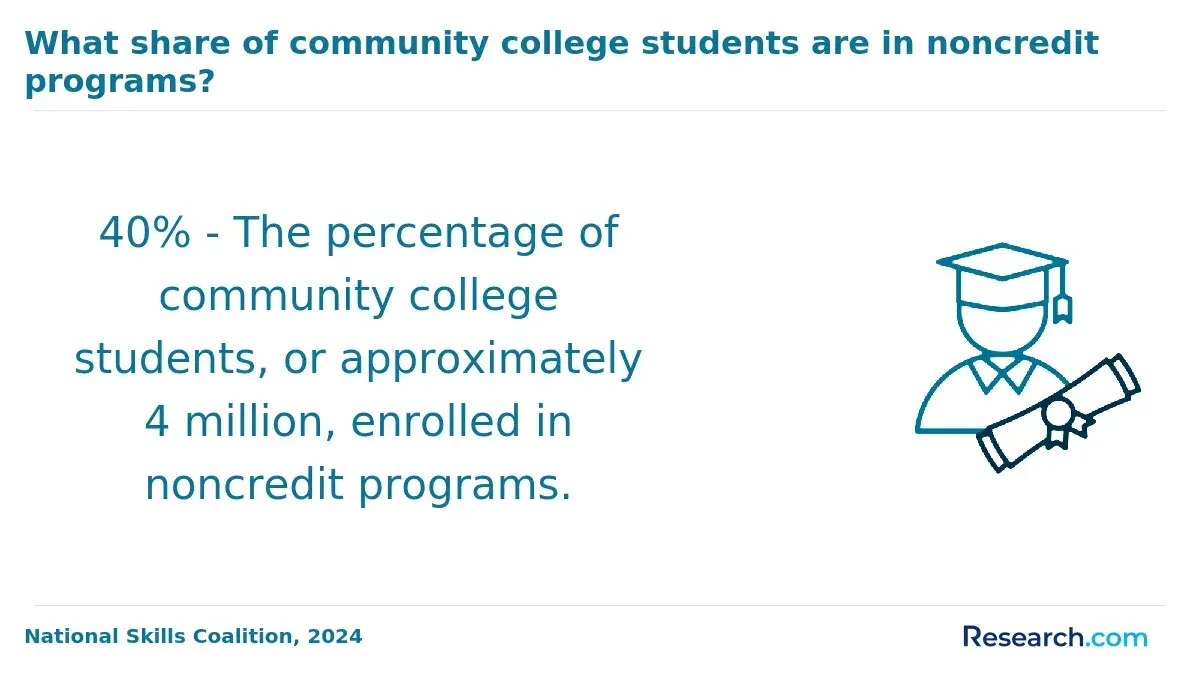
Many students face a tough choice between part-time and full-time general studies degree programs while balancing work commitments and financial responsibilities. Approximately 40% of general studies students opt for part-time enrollment, attracted by the flexibility it offers to manage both career and coursework without overwhelming their schedules.
This article will clarify key differences between part-time and full-time study formats, helping prospective students weigh factors like workload, pacing, and academic goals to select the option that best suits their unique circumstances and ambitions.
Key Benefits of Part-Time vs. Full-Time General Studies Degree Programs
- Part-time programs enable working students to balance employment and studies, increasing retention by allowing steady academic progress without sacrificing income.
- Flexible scheduling in part-time study supports career development by applying coursework in real-time professional environments, enhancing practical skills.
- Spreading tuition payments over longer periods reduces immediate financial burden, aiding budgeting and lowering dependence on student loans compared to full-time enrollment.
How Are Part-Time General Studies Programs Structured Compared to Full-Time Programs?
Choosing between part-time and full-time general studies programs requires understanding their structural differences, as these impact both the pacing of learning and the overall academic experience. Scheduling flexibility and course load influence how students balance education with other life commitments.
Part-Time Program
- Course Load: Typically 6 to 9 credit hours per semester, allowing a lighter academic load.
- Weekly Commitment: Reduced study hours contribute to better balance with work or family obligations.
- Scheduling Flexibility: Evening, weekend, and online classes are often available to accommodate varied schedules.
- Format Accessibility: Many part-time students benefit from online or hybrid course formats, enhancing convenience and access.
Full-Time Program
- Course Load: Generally requires 12 to 15 credit hours per semester, demanding more intensive study.
- Weekly Commitment: Students spend approximately 36 to 45 hours weekly on classes and study time.
- Scheduling Structure: Full-time learners typically attend daytime classes with a more rigid and structured schedule.
- Academic Pace: The full-time format supports consistent and immersive engagement ideal for accelerated learning.
When examining part-time vs full-time general studies program structure, it's important to consider how each format serves different student needs and lifestyles. Those exploring what are good college majors may find that program format affects their ability to focus and progress effectively.
How Long Does It Take to Earn a Part-Time vs Full-Time General Studies Degree?
Knowing the expected time to complete a part-time versus a full-time general studies degree helps students plan academic and career pathways more effectively. The duration varies widely depending on course load, program structure, and individual circumstances.
Typically, a full-time student completes a general studies bachelor's degree in about four years by taking 12 to 15 credit hours per semester. This aligns with the duration of full-time general studies programs as reported by educational statistics. In contrast, the time to complete part-time general studies degree programs often ranges from six to eight years, reflecting fewer credits per term and additional commitments like work or family.
Several factors influence these timelines:
- Credit Load: Full-timers take more credits per term, enabling faster progression; part-timers juggle fewer credits alongside other responsibilities.
- Program Structure: Flexible scheduling and course availability can accelerate or delay graduation.
- Transfer Credits: Accepting prior coursework can shorten completion time significantly.
- Accelerated Options: Intensive or competency-based programs offer faster paths for motivated learners.
For students weighing their options, exploring the easiest bachelor's degrees in general studies can provide insights into manageable programs and potential pathways to graduation.
Are Admission Requirements Different for Part-Time vs Full-Time General Studies Programs?
Admission requirements generally differ between part-time and full-time general studies degree programs, reflecting each format's focus and student needs. Understanding these distinctions can help prospective students decide which entry path aligns best with their academic history and professional background.
- GPA Expectations: Full-time general studies programs typically demand a minimum GPA of around 2.5 to 3.0 on a 4.0 scale, emphasizing recent academic performance. Part-time programs often allow more flexibility, sometimes accepting applicants with lower GPAs by considering their work experience or life responsibilities.
- Prerequisite Coursework: Most full-time candidates must complete a set of prerequisite courses before enrollment, usually at the high school or college level. In contrast, part-time applicants might be permitted to fulfill some prerequisites concurrently, aided by the program's adaptable scheduling.
- Professional Experience: Part-time general studies admissions frequently value relevant work or life experience as partial substitutes for formal academic requirements. Full-time programs tend to prioritize academic records, with professional experience seen as supplementary.
- Standardized Tests: Both part-time and full-time programs increasingly waive standardized test requirements, such as the SAT or ACT, reflecting broader trends aimed at reducing barriers for adult and non-traditional learners.
- Supporting Documents: Letters of recommendation, personal statements, and resumes may be necessary for both formats. Part-time applicants often emphasize professional achievements and goals to demonstrate readiness and motivation.
Students comparing full-time vs part-time general studies program entry criteria will also want to explore financial considerations and program affordability. For further insights on advanced degrees including the cheapest doctoral programs, prospective students can find valuable resources to assist with their educational planning.
How Do Tuition Fees Differ for Part-Time vs Full-Time General Studies Programs?
Tuition fees vary significantly between part-time and full-time general studies programs, mainly due to differences in billing methods and enrollment intensity. Full-time students often pay a fixed tuition rate per term covering a range of credits, whereas part-time students typically pay per credit, which can lead to different cost dynamics. These distinctions can impact budgeting decisions for prospective students.
- Per-credit tuition rates: Part-time students frequently encounter higher per-credit charges compared to full-time students, whose tuition is spread over a set number of credits. This means part-time enrollment may cost more on a per-credit basis despite lower overall course loads.
- Overall program cost: Full-time study offers predictable semester fees that remain consistent regardless of exact credit hours, while part-time students' total tuition fluctuates directly with the number of courses taken, sometimes resulting in higher cumulative spending.
- Financial aid implications: Full-time enrollment often qualifies students for broader aid options, including grants and scholarships tied to full-time status. Part-time students may face limited access to such funding, affecting affordability.
- Additional fees: Some charges, like technology or lab fees, are flat for full-time students but calculated per credit for part-time students, increasing costs proportionally with fewer credits.
- Enrollment intensity: Full-time students generally complete their degrees faster, possibly reducing total expenses over time, while part-timers benefit from flexibility but might incur higher long-term costs due to slower progression.
When I spoke with a graduate of a part-time general studies program, she described managing tuition as a "careful balancing act." She shared how paying per credit meant recalculating her budget each term based on courses she could juggle alongside work. "Although the flexibility was invaluable," she reflected, "the fluctuating costs made it challenging to plan ahead, and I often worried about unexpected fees." Despite these hurdles, she appreciated that part-time study allowed her to continue working and eventually finish her degree without the pressure of full-time costs. Her experience highlights how the fee structures impact not only finances but also emotional and practical decision-making throughout the educational journey.
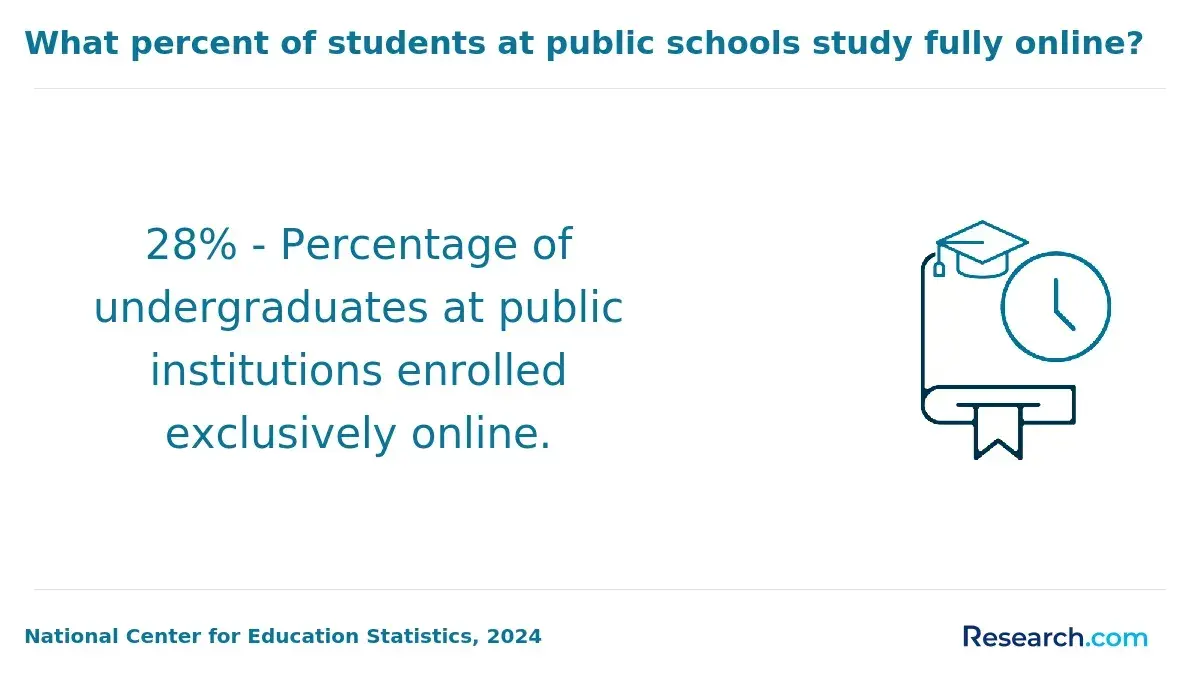
Which General Studies Degree Program Format Offers More Online or Hybrid Course Options?
Part-time general studies degree programs provide significantly more online and hybrid course options than full-time programs. This is primarily due to the diverse needs of part-time students, often adults balancing work or family, which drives universities to offer flexible scheduling. Below is a summary of how each program format approaches course delivery based on student and institutional factors.
- Part-time flexibility: These programs prioritize asynchronous online classes and hybrid formats, allowing students to manage their studies alongside other commitments. Institutions often reserve evening or weekend hybrid courses specifically for part-time learners.
- Full-time structure: Full-time tracks tend to focus on traditional, in-person classes that provide immersive, campus-based experiences aimed at younger, more traditional students.
- Demographic influences: The makeup of the student body heavily influences course designs, with part-time students typically being working adults, while full-time students are more often recent high school graduates seeking on-campus engagement.
- Institutional strategy: Universities align course offerings with student needs and preferences, resulting in policies that favor online and hybrid course availability for part-time enrollment and more face-to-face options for full-time enrollment.
Can General Studies Students Switch Between Part-Time and Full-Time Enrollment?
Most colleges and universities allow students in general studies degree programs to switch between part-time and full-time enrollment. Policies usually require students to submit a formal request via the registrar or academic advising office to update their status. Before making the change, students need to consider academic standing, since probation may limit eligibility.
Switching enrollment status can affect financial aid, as many programs mandate at least half-time enrollment. Course availability can also influence when and how students switch, given that some classes fill quickly or only run during specific semesters.
Students often must gain approval from academic advisors to assess how enrollment changes impact their degree progress and graduation timeline. Part-time study may increase the time needed to graduate, while full-time enrollment demands a larger weekly commitment but can expedite completion.
Financial aid eligibility is a frequent limitation, as dropping below half-time enrollment could reduce or eliminate aid. Academic performance is another factor, since poor standing might restrict options. Overall, students should carefully weigh these requirements to make informed decisions.
A graduate I spoke with shared his experience switching from part-time to full-time general studies enrollment. He recalled feeling uncertain navigating the formal approval process but appreciated the personalized academic advising support. "Balancing work and classes part-time was manageable, but I wanted to finish sooner," he explained. Transitioning to full-time meant adjusting his schedule significantly, which was challenging yet rewarding. He found that moving to full-time allowed him to concentrate better and complete his degree faster, despite the initial stress. "It wasn't easy, but the switch was the right choice for my goals," he reflected.
How Do Online, Hybrid, and Campus General Studies Program Delivery Formats Affect Part-time vs. full-time learning?
Delivery format significantly influences the learning experience for part-time and full-time students, with varying levels of scheduling flexibility and engagement. Differences in online, hybrid, and campus-based general studies program flexibility affect how each group manages their coursework and academic demands.
- Scheduling Flexibility: Online formats offer unmatched flexibility, ideal for part-time students balancing work and study by accessing coursework anytime and anywhere. Full-time learners benefit less from this but can progress faster due to consistent access. Hybrid and campus options present more fixed schedules, which support structured learning for full-time enrollees but may challenge part-time students.
- Workload Management: Part-time students often take fewer credits per term, and online programs allow spreading assignments to fit personal schedules. Full-time students in hybrid or campus programs face higher workloads, but benefit from immediate faculty and peer interactions to assist with managing academic demands.
- Accessibility and Resources: Online study increases accessibility for part-time learners who are geographically or time constrained, often complemented by digital libraries and virtual tutoring. On-campus full-time students usually have easier access to on-site labs and face-to-face advising, resources sometimes less accessible to part-time peers.
- Learning Pace and Engagement: Campus and hybrid students studying full-time experience faster pacing and more immersive environments, which enhance motivation and engagement. Part-time online learners progress at their own pace but may encounter challenges maintaining motivation without regular in-person interaction.
- Student Support Services: Part-time online learners often benefit from virtual advising and counseling, though retention rates tend to be higher among full-time on-campus students who have continuous on-site support. Hybrid formats seek to balance these elements by combining remote access with face-to-face assistance.
Choosing between part-time vs full-time general studies online learning or hybrid and campus general studies program flexibility depends on personal circumstances and goals. For those researching options, exploring top universities offering varied delivery formats can provide insight into which model best supports their academic success.
Do Employers Prefer Full-Time General Studies Degrees Over Part-Time Degrees?
Employer preference for full-time general studies degrees often leans toward the perceived rigor and intensity of these programs. Full-time study typically requires managing a concentrated course load and completing the degree in a shorter period, which some employers interpret as a sign of strong dedication and the ability to handle academic pressure. This perception can be especially influential in industries that value traditional educational paths and academic rigor.
Part-time versus full-time degree value to employers varies as many recognize that part-time students balance work and study, demonstrating essential time management skills and real-world experience simultaneously. These qualities can be equally compelling, particularly for roles requiring practical knowledge alongside academic credentials.
Industry-specific preferences further shape how employers view full-time versus part-time general studies degrees. Sectors like finance and technology often prioritize full-time education due to its traditional academic grounding and faster completion times. In contrast, fields such as healthcare, social services, and education tend to value the professional experience part-time students accumulate while studying.
Additionally, recent trends show employers increasingly focus on job-related competencies, internships, and work history rather than solely on degree format. For those considering flexible learning options, exploring the best vocational colleges online can provide pathways that align both academic goals and career demands.
Is a Part-Time or Full-Time General Studies Degree More Worth It for ROI?
Return on investment (ROI) is essential when deciding between part-time and full-time general studies programs, as it reflects the balance between education costs and potential financial gains. Tuition for part-time programs is usually paid over a longer period, easing immediate expenses but possibly raising overall loan interest. Conversely, full-time studies demand a larger upfront tuition payment and may require pausing full-time work, creating opportunity costs from lost wages.
Completing a full-time general studies degree tends to be quicker-typically within two to four years-allowing graduates to enter the workforce sooner with improved salary prospects. Data from the National Center for Education Statistics shows full-time students often have higher graduation rates and faster job placement. Meanwhile, part-time students maintain income while studying but might face slower career growth and delayed financial returns. Ultimately, full-time programs usually yield higher ROI by shortening degree timelines and boosting early earnings, while part-time options offer flexibility at the cost of extended study duration.
- Cost Structure: Part-time programs spread tuition over a longer timeline, reducing immediate financial pressure but increasing total interest payments; full-time requires higher upfront fees but completes sooner.
- Opportunity Cost: Full-time students often forgo full-time income during study, while part-time students can continue working, minimizing lost wages.
- Salary Potential: Graduates of full-time programs typically access higher-paying jobs earlier, accelerating income growth compared to part-time peers.
- Career Advancement: Full-time study is linked to faster career progression and job market entry; part-time students may experience slower professional advancement.
- Long-Term Financial Benefits: The quicker completion of full-time programs often leads to greater lifetime earnings despite higher initial costs, while part-time study balances flexibility with prolonged expenses.
How Do You Decide Between a Part-Time and Full-Time General Studies Degree Program?
Selecting the appropriate format for your general studies degree is essential to balance academic ambitions, career plans, and personal life effectively. The choice between part-time and full-time programs impacts your schedule, finances, and learning experience.
- Time availability: Full-time study demands a 35-40 hour weekly commitment with 12-15 credit hours per semester, while part-time students typically enroll in 6-9 credits, allowing time for work or family obligations.
- Financial resources: Full-time enrollment may reduce earning potential due to time constraints, whereas part-time study supports continued income but often extends the path to graduation.
- Career goals: Full-time programs suit those aiming for rapid entry or advancement in a new field, while part-time is ideal for learners balancing career growth with current job responsibilities.
- Learning style: Some students excel in intensive, immersive environments, contrasting with others who benefit from a slower, flexible pace.
- Program duration: Part-time studies lengthen the timeline but provide better accommodation for adult learners, whereas full-time programs offer quicker completion at the expense of adaptability.
- Flexibility: Part-time formats tend to offer more adaptable schedules to fit life's demands, unlike the more rigid structure of full-time study.
What Graduates Say About Their Part-Time vs. Full-Time General Studies Degree
- August: "Pursuing my full-time general studies degree was an intense yet rewarding experience. Balancing coursework with hands-on projects deepened my understanding across multiple disciplines, which has significantly enhanced my career versatility. Despite the average cost of attendance being a concern, the investment truly paid off as it opened doors to new job opportunities."
- Tanya: "As a part-time student, I appreciated the flexibility my general studies degree offered while managing family and work commitments. The cost was manageable compared to full-time programs, making it a practical choice without compromising my learning goals. This degree has allowed me to confidently shift careers and explore new professional paths, which has been incredibly fulfilling."
- Lia: "Enrolling in a full-time general studies program was a transformative decision. The structured environment and comprehensive curriculum pushed me to develop critical thinking skills that I apply daily in my job. Although the tuition fees were higher than I anticipated, the personal growth and career advancement I achieved made the expense worthwhile."
Other Things You Should Know About General Studies Degrees
Yes, part-time students typically have access to the same academic resources as full-time students, including advising, tutoring, and library services. However, the availability of some support services may vary depending on the institution's scheduling and resource allocation. Part-time students should proactively communicate their needs to ensure they receive adequate support throughout their studies.
In 2027, full-time general studies students typically have broader access to scholarships and grants, while part-time students may be eligible for some federal aid programs like the Pell Grant. Financial aid for part-time students often requires meeting certain enrollment criteria and may be limited compared to full-time options.
References
- Full-Time Student Hours vs. Part-Time: What's the Difference? https://www.citizensbank.com/student/articles/full-time-student-hours.aspx
- Diploma in General Studies https://www.usc.edu.au/study/courses-and-programs/bachelor-degrees-undergraduate-programs/diploma-in-general-studies
- Should we teach in hybrid mode or fully online? A theory and empirical investigation on the service–profit chain in MBAs https://www.rennes-sb.com/faculty-research-news/teach-hybrid-mode-fully-online-theory-empirical-investigation-service-profit-chain-mbas/
- General Studies https://online.missouri.edu/degrees-programs/mu/arts-and-sciences/general-studies/bgs
- A Guide to Online Degrees https://www.coursera.org/articles/online-degrees
- General Studies May Be the Path to a Degree https://www.mcneese.edu/news/general-studies-may-be-the-path-to-a-degree/
- Part Time vs Full Time Study: Choose What Fits Your Boots https://www.uniccm.com/blog/part-time-vs-full-time-study-choose-what-fits-your-boots
- Full-Time vs. Part-Time Online College Degrees: Pros and Cons https://global.nmsu.edu/blog/general/ft-vs-pt-online-college/
- Full-Time vs. Part-Time Student: What Are the Differences? - Bay Atlantic University - Washington, D.C. https://bau.edu/blog/full-time-vs-part-time-student/
- Bachelor of General Studies | Part-time Degree | SUSS https://www.suss.edu.sg/programmes/detail/bachelor-of-general-studies


