
2027 General Studies Degree Programs for Career Changers

Co-Founder and Chief Data Scientist
Many working adults face difficulties when attempting to pivot into new careers due to lack of flexibility in traditional degree programs. Approximately 44% of adult learners enroll in general studies degree programs to gain broad, interdisciplinary knowledge that suits diverse job markets. These programs accommodate busy schedules and prior learning, allowing career changers to upskill efficiently.
General studies degrees provide foundational skills useful across multiple industries, reducing the time and cost of re-education. This article explores how general studies degree programs support professionals transitioning careers by highlighting program structures, benefits, and outcomes that help learners confidently enter new fields.
Key Things to Know About General Studies Degree Programs for Career Changers
- General studies degree programs often offer flexible scheduling and online or hybrid formats, enabling working adults to balance education with job and family responsibilities.
- Many programs emphasize employer-relevant skills, increasing graduates' marketability in fields valuing versatile, interdisciplinary knowledge.
- Accelerated pacing and dedicated support services help career changers complete degrees efficiently while accessing academic advising, tutoring, and career counseling tailored to adult learners.
What General Studies Programs Accept Career Changers?
Certain general studies programs are especially well-suited for working adults and professionals seeking to transition into new careers due to their flexible enrollment options and accommodating prerequisites. Nearly 40% of graduate students enrolling in the U.S. are age 30 or older, highlighting a growing trend of adult learners pursuing new career paths through graduate education.
- Liberal Arts General Studies: This program offers a broad curriculum that develops critical thinking and communication skills valuable across multiple industries. Its flexible prerequisites make it accessible to career changers with diverse backgrounds.
- Interdisciplinary Studies: Allowing customization across various fields, this program helps professionals align coursework with prior experience while gaining new skills essential for their targeted careers.
- Professional Studies: Focused on practical, career-oriented knowledge, it often combines liberal arts with business or technology subjects. Designed with fewer strict prerequisites, it supports immediate application in the workplace.
- Adult Education General Studies: Tailored for non-traditional students, this program emphasizes flexible learning and acknowledges prior learning or work experience, facilitating a smooth return to academics.
Many of these programs support general studies degree programs with no prerequisites for working professionals, offering a gateway to new opportunities. For those interested in combining specialized certifications with flexible study, exploring options like bcba online programs can complement a general studies degree during a career change.
What General Studies Specializations Are Best for Career Changers?
Selecting the right general studies specialization is essential for career changers, as it builds versatile skills that help navigate transitions more smoothly. Jobs in business and health care are expected to grow by 8% from 2022 to 2032, highlighting areas with strong hiring trends. Here are four top general studies program tracks for professional transitions:
- Business Administration: Develops skills in management, marketing, and finance that apply broadly across sectors, making it easier for career changers to move between industries with confidence.
- Health Sciences: Provides foundational healthcare knowledge for those entering or advancing in a rapidly growing sector, making this specialization accessible and practical for adult learners.
- Information Technology: Focuses on computer systems and software skills crucial in today's tech-driven environment, offering newcomers a strong pathway into a high-demand field.
- Communication Studies: Builds interpersonal and writing skills valuable across multiple roles in corporate, media, and public sectors, enhancing employability and adaptability.
These specializations promote transferable skills and career mobility while offering accessible options for adult learners seeking stable employment in evolving industries. Professionals aiming to explore additional affordable educational paths might consider looking into online engineering degrees as complementary options to strengthen their marketability.
What Are the Admission Requirements for Career Changers Applying to a General Studies Program?
Admission requirements often present unique challenges for career changers pursuing a general studies degree, as their varied educational and professional experiences require more flexible evaluation. Nearly 38% of undergraduate students are nontraditional learners, highlighting the need for admission criteria designed to accommodate diverse backgrounds and real-world skills. Below are common prerequisites tailored to nontraditional students applying to general studies programs.
- Educational Credentials: Applicants must provide proof of a high school diploma or equivalent, such as a GED, to establish foundational academic readiness for college-level work.
- Transcripts: Official transcripts from any previous college coursework are typically required, allowing institutions to assess transferable credits and academic history.
- Recommendations: Letters of recommendation, preferably highlighting professional or academic achievements, help admission committees gauge candidate potential beyond standard metrics.
- Application Essay: A personal statement or essay outlining career goals and reasons for pursuing the degree provides insight into motivation and commitment, which is crucial for applicants shifting careers.
- Test Scores: Standardized test requirements are often waived or optional, reflecting recognition of diverse qualifications and practical experience.
Programs increasingly embrace the value of transferable skills gained from employment, military experience, or volunteer work. Alternative admission methods such as portfolio reviews or interviews offer pathways for candidates lacking traditional qualifications, supporting timely and effective career transitions. For adult learners exploring graduate options, exploring the best online masters in psychology programs can also provide flexible and affordable pathways.
What Is the Coursework for a General Studies Degree for Career Changers?
For career changers, knowing the structure of coursework in a general studies degree is vital to ensure studies align with new professional objectives while fitting a busy lifestyle. This balance of breadth and focus supports learners in customizing their education effectively. The main elements of the curriculum include the following:
- Core Foundations: Courses emphasize critical areas such as communication, critical thinking, and quantitative analysis, laying a versatile groundwork across multiple fields.
- Elective Choices: A wide range of subjects allows students to sample various disciplines, fostering informed decisions about potential career pathways.
- Targeted Concentrations: Options to specialize in areas like business, health sciences, or technology enable practical alignment with specific industry demands.
- Interdisciplinary Projects: Capstone courses and group assignments integrate different disciplines, encouraging problem-solving that mirrors real-world work challenges.
When discussing this with a professional who completed an online general studies degree to prepare for a career change, he shared the complexities involved. Balancing coursework with existing job duties often felt overwhelming, yet the flexibility of the program proved essential. He recalled, "Having control over what electives to take helped me stay motivated because I chose subjects that directly connected with my career goals." He also highlighted how interdisciplinary assignments pushed him to think beyond individual subjects, stating, "It was challenging but rewarding to see how different knowledge areas combine in practical scenarios." This approach helped him build confidence in transitioning fields without returning to a lengthy, rigid degree program.
What General Studies Program Formats Are Available for Career Changers?
Choosing the right program format is vital for career changers managing work and personal commitments. Nearly 40% of U.S. undergraduate students are adult learners, many seeking flexible learning options that fit their busy lives. Below are some common formats designed to meet these needs.
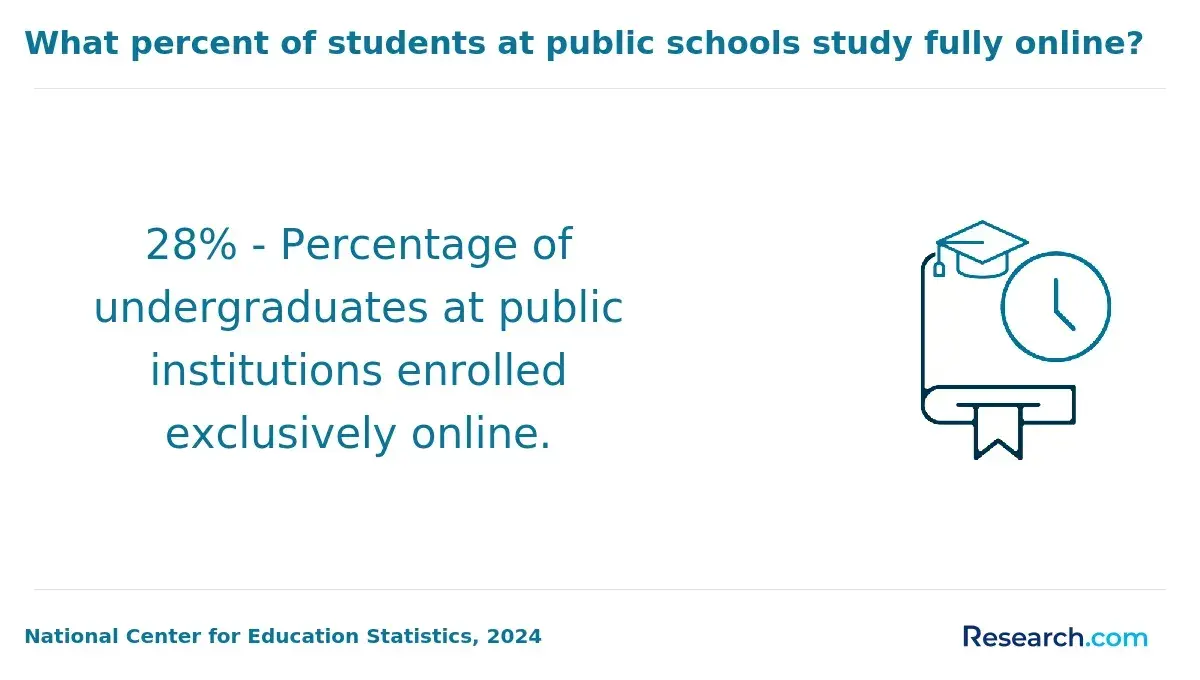
- Fully Online Programs: These programs offer complete flexibility, allowing students to attend classes from any location at any time. They are particularly well-suited for those who need to work around unpredictable schedules or remote commitments.
- Hybrid Programs: Combining online learning with periodic in-person sessions, hybrid formats balance convenience with direct interaction. This approach benefits learners who prefer some face-to-face engagement but still require flexibility.
- Evening and Weekend Classes: Designed for professionals working typical daytime hours, these classes provide access to traditional campus experiences outside of standard business times. This format helps maintain a steady routine while pursuing new qualifications.
- Self-Paced Programs: Allowing students to move through coursework at their own speed, these programs accommodate individual timelines. They support learners who may need to accelerate or extend their studies based on personal and career demands.
What Skills Do Career Changers Gain in a General Studies Program?
Skill development is critical for adult learners changing careers, as workforce demands shift rapidly; a World Economic Forum report highlights that more than 50% of employees will need substantial reskilling by 2025. General studies programs emphasize equipping students with essential abilities to navigate diverse professional environments. Below are five vital skills these programs help build.
- Critical Thinking: This skill sharpens analytical capacity, enabling career changers to assess complex challenges and make sound decisions when entering unfamiliar industries.
- Communication: General studies strengthen both verbal and written expression, which are crucial for fostering collaboration and professional networking across varied sectors.
- Time Management: Students learn to prioritize tasks efficiently and organize their workload, an advantage in dynamic, fast-paced work settings.
- Research Proficiency: The ability to source, analyze, and apply information prepares graduates to adapt rapidly to new technologies and evolving practices.
- Interpersonal Skills: Cultivating emotional intelligence and teamwork supports building positive relationships that ease transitions into new career paths.
One career changer who completed a general studies degree shared that overcoming initial uncertainty was one of her toughest obstacles. She recalled how developing research skills gave her confidence to explore unfamiliar topics deeply and make informed choices about her career direction. The focus on communication improved her ability to express ideas clearly in interviews and workplace settings, which she found empowering. Reflecting on her journey, she emphasized the importance of flexibility cultivated through the program and how it helped her stay open to opportunities she hadn't previously considered. She explained, "It wasn't just the knowledge I gained but learning how to learn that made all the difference."
How Much Does a General Studies Degree Cost for Career Changers?
For career changers balancing existing financial obligations, grasping the total cost of a general studies degree is critical. Graduate education expenses in the U.S. have surged by 31% over the last decade, making it essential to budget carefully to avoid unexpected debt. Here are the primary cost components to consider when evaluating affordable general studies degree programs for working professionals:
- Tuition and Fees: Tuition can range from approximately $3,000 to over $10,000 annually at public institutions, with private colleges often charging more. Working professionals should explore flexible payment options such as installment plans or employer tuition reimbursement programs to reduce out-of-pocket expenses.
- Textbooks and Supplies: Course materials can add significant costs yearly. Many students save by purchasing used textbooks or accessing digital versions when available.
- Technology Expenses: Online or hybrid programs may require reliable hardware and software. Budgeting for these technology needs upfront can prevent delays or additional costs during the program.
- Credit for Prior Learning: Accelerated or competency-based programs often grant credit for existing knowledge and experience, which can shorten time to degree completion and lower overall costs.
- Additional Costs: Transportation, childcare, and other living expenses should also be factored into the total cost to ensure an accurate financial plan.
Prospective students can find options suited to their needs by researching the most affordable online colleges that offer flexible and cost-effective pathways. Choosing a general studies degree tailored for career changers not only supports a smoother career transition but allows budgeting aligned with professional and family commitments.
How Does a General Studies Curriculum Support Career Transitions?
Curriculum design plays a crucial role for career changers, as it must provide both flexibility and relevance to help adult learners transition smoothly into new professions. A well-structured general studies curriculum focuses on equipping students with diverse skills and practical experiences to align with evolving career goals. The following points highlight how this curriculum facilitates career transitions effectively.
- Transferable Skills Development: Emphasizes critical thinking, communication, and problem-solving abilities, which are essential across various industries, making it easier for career changers to adapt.
- Applied Learning Opportunities: Integrates real-world experiences that connect theory to practice, helping students gain hands-on knowledge applicable to new job roles.
- Flexible Scheduling: Offers adaptable pacing options and formats aimed at working professionals and adult learners balancing studies with other commitments.
- Project-Based Coursework: Encourages engagement with real-world problems, cultivating practical skills and confidence in unfamiliar professional environments.
- Customized Curriculum Paths: Allows learners to tailor courses to fit their individual career change objectives, ensuring education aligns with personal interests and aspirations.
Incorporating these elements, the general studies curriculum stands out as a valuable option for those seeking career changers general studies degree benefits, especially in supporting seamless transitions. It is notably advantageous for those exploring the easiest bachelor degree to get online, thanks to its flexibility and broad applicability. Overall, understanding how general studies curriculum facilitates career transitions can empower prospective adult learners to confidently pursue new professional pathways.
What Careers Can Career Changers Pursue With a General Studies?
For those transitioning careers, knowing how a general studies degree translates to real-world opportunities is crucial. The U.S. Bureau of Labor Statistics forecasts an 8% growth in roles requiring adaptable skills from 2022 to 2032, highlighting a promising outlook for flexible degree holders. Below are some common career options that align well with the broad competencies gained through such a degree.
- Human Resources Specialist: This position involves managing recruitment, employee relations, and training programs. Skills in communication and interpersonal relationships developed through general studies prepare graduates to effectively support workforce needs and organizational culture.
- Project Coordinator: Overseeing schedules, coordinating teams, and ensuring deadlines are met are key responsibilities. General studies graduates bring strong organizational skills and an ability to multitask, making this role suitable for career changers adapting to various industries.
- Marketing Associate: Responsibilities here include content creation and market analysis. The critical thinking and creativity honed in general studies degrees equip graduates to contribute to marketing strategies and campaigns at entry levels.
- Administrative Manager: Managing office functions and staff support demands problem-solving and planning capabilities. The versatile skills acquired through general studies studies enable graduates to handle diverse administrative challenges.
- Community Outreach Coordinator: This role focuses on building relationships with community groups and planning events. Graduates' strengths in communication and networking complement the demands of engaging stakeholders and fostering collaborative initiatives.
What Is the Average Salary After Earning a General Studies Degree as a Career Changer?
When switching careers, anticipating salary outcomes is essential for evaluating the financial feasibility of pursuing a general studies degree. Research from Strada Education Network reveals that reskilled workers, including those with general studies degrees, typically see an average pay increase of around 8% within five years post-graduation. Below are common salary trends linked to this degree for career changers.
- Entry-Level Roles: Starting salaries for administrative and support positions usually range from $35,000 to $45,000 annually, allowing newcomers to gain foundational experience while adjusting to a new career path.
- Mid-Career Earnings: Professionals with several years of experience can expect salaries between $50,000 and $65,000, though these figures vary based on industry demands and additional education.
- Specialized Positions: Jobs involving management or project coordination often pay between $60,000 and $80,000, reflecting the increased responsibility and skill requirements.
- Industry Impact: Fields like healthcare administration and human resources tend to offer higher salaries due to their growing need for qualified personnel.
- Geographic Differences: Compensation typically adjusts upward in regions with elevated living costs, emphasizing the influence of local economic conditions on salary levels.
What Graduates Say About Their General Studies Degrees for Career Changers
- Augustus: "Choosing to change careers felt daunting, but enrolling in a General Studies degree program was the perfect solution for me. With an average cost of around $15,000, it was a manageable investment compared to more specialized degrees. Completing the program gave me a versatile foundation and boosted my confidence significantly in making a successful career pivot."
- Antonio: "I took a moment to reflect on my career path before deciding to pursue a General Studies degree. While the cost was a consideration—the program averaged about $15,000 in tuition and fees—it was a worthwhile expense that opened many doors. The broad knowledge I gained made the transition smoother and more adaptable in today's job market."
- Julian: "Professionally, I needed a degree that acknowledged my diverse interests and career ambitions, which is why I chose General Studies. The cost, typically around $15,000, was reasonable and definitely paid off by expanding my skills efficiently. Finishing the program accelerated my career change and provided new opportunities I hadn't anticipated."
Other Things You Should Know About General Studies Degrees
In 2027, transferring credits to a General Studies degree for career changers usually requires transcripts from previous institutions. Institutions often evaluate credits on a case-by-case basis, ensuring they meet program criteria. Commonly accepted credits are those from accredited institutions with a grade of C or better.
Yes, many programs enforce minimum GPA standards to remain in good academic standing. Additionally, residency requirements often dictate that a certain number of credits must be completed directly through the awarding institution. These rules ensure the degree reflects the institution's academic standards and are standard across many career-focused higher education programs.
Yes, credit transfers are typically applicable towards a General Studies Degree for career changers. This flexibility allows individuals to leverage previous academic work, reducing the time and cost needed to complete their degree. However, each institution has specific policies regarding which credits are eligible for transfer.
References
- General Studies Degree Online https://www.snhu.edu/online-degrees/bachelors/ba-in-general-studies
- Vocational Training for Career Changers: How to Start Fresh - LARE Institute https://lareinstitute.com/vocational-training-for-career-changers-how-to-start-fresh/
- General Studies Degree Information | Goodwin University https://www.goodwin.edu/enews/general-studies-degree/
- Best Career Change Programs for UK Professionals | Career Analysts https://careeranalysts.co.uk/career/best-career-change-programs-for-uk-professionals/
- 10 Exciting Careers You Can Pursue with a General Studies Degree https://louisiana.edu/online/blog/10-exciting-careers-you-can-pursue-general-studies-degree
- General Studies (Education) – Career 360: Virtual Career Center SNHU https://career360.snhu.edu/channels/general-studies-education/
- Top 10 Highest Paying Jobs With General Studies Degree 2025 | Nexford University https://www.nexford.edu/insights/highest-paying-jobs-with-general-studies-degree
- What Is a General Studies Degree? https://www.columbiasouthern.edu/blog/blog-articles/2022/february/general-studies-degree/
- The Best Online Degrees for Career Change After 30 | National University https://www.nu.edu/blog/best-online-degrees-for-career-change/
- 11 High-Paying Jobs You Can Get With Your General Studies Degree In 2025 - Lightforth Blog https://blog.lightforth.org/11-high-paying-jobs-you-can-get-with-your-general-studies-degree-in-2025/


