
2027 Do Employers Pay for General Studies Degrees: Tuition Reimbursement and Sponsorship Options

Co-Founder and Chief Data Scientist
Many working adults considering a general studies degree face significant financial barriers. In 2023, the average tuition for such programs ranged from $15, 000 to $35, 000 annually, contributing to growing student debt, which now totals over $1. 7 trillion nationwide. With rising costs, prospective students often question if employers will help cover expenses through tuition reimbursement or sponsorship. This article examines how companies support employees pursuing general studies degrees, outlines common reimbursement policies, and explores eligibility criteria. It offers practical guidance for navigating employer-sponsored education benefits and reducing out-of-pocket costs for continuing education.
Key Benefits of Employers Paying for General Studies Degrees
- Employers offering tuition reimbursement for general studies degrees help reduce average student debt, which currently exceeds $30,000 nationwide.
- Sponsorship options often cover essential fees, enabling employees to pursue flexible learning without financial strain or career disruption.
- Investments in employee education through general studies improve workforce skills, retention rates, and job satisfaction, benefiting both employers and employees long-term.
Do Employers Pay for General Studies Degrees?
Many U.S. employers offer some form of tuition reimbursement or education sponsorship, with about 54% providing assistance to employees seeking further education. However, payment specifically for general studies degrees tends to be less common than for more specialized fields like nursing or technology. Companies often prioritize funding for degrees that clearly align with job roles and business goals. Still, some employers recognize that a general studies degree develops versatile skills such as critical thinking and communication, which can benefit various positions and enhance workforce adaptability.
Employees exploring employer tuition reimbursement for general studies degrees should consider how their role may fit into these priorities.
Employer payment trends vary widely by industry, role relevance, and workforce needs. Healthcare, technology, and finance sectors typically have structured tuition benefits, whereas other industries may offer limited or no support. Company sponsorship programs for general studies degrees are more likely if the degree supports skill gaps or helps employees transition to multifaceted roles. Prospective students can also explore related options, such as an online MBA, to find alternative employer-sponsored education paths.
Understanding these factors can guide individuals in making informed decisions about pursuing a general studies degree with potential employer financial support.
What Types of Tuition Assistance Do Employers Offer for General Studies Degrees?
Employer-provided tuition assistance plays a vital role in helping professionals pursuing a general studies degree reduce financial risk and out-of-pocket expenses. These benefits make it more affordable to balance work and education while advancing skills that apply across various career paths. For those evaluating employer tuition assistance programs for general studies, understanding the types of support available is essential to maximize value.
Common tuition reimbursement options for general studies degrees include:
- Tuition reimbursement: This option involves employers refunding a portion or the entire tuition cost after employees successfully complete their courses. It encourages program completion while lessening immediate financial burden.
- Direct tuition payment: Some employers take on the responsibility of paying tuition fees upfront directly to the institution. This method eliminates upfront costs for the student and streamlines the payment process.
- Scholarships or grants: Employers may offer merit-based or need-based scholarships targeted to employee education. These funds help reduce the overall tuition expense without requiring repayment.
Coverage limits for these benefits can vary widely, often ranging from a few thousand dollars to full tuition coverage annually. These employer tuition assistance programs are especially helpful for general studies students because they support multidisciplinary learning that aligns with diverse professional objectives.
For individuals interested in fields such as engineering or other areas, educational pathways like an engineering degree online can complement their studies and career advancement options.
Who Is Eligible for Employer Tuition Reimbursement for General Studies Degrees?
Employer tuition reimbursement for general studies degrees can significantly reduce education costs, but eligibility requirements play a key role in shaping how and when employees can benefit. Knowing these requirements is essential for planning educational timelines and selecting programs that align with career goals, thereby improving the overall return on investment.
The criteria also impact who qualifies for employer-sponsored general studies degrees, influencing available options and support. Common eligibility factors include:
- Employment status: Typically, employees must be full-time or meet set minimum working hours to be eligible for tuition reimbursement, ensuring commitment to the organization.
- Tenure requirements: Many employers require a minimum length of service, such as six months to a year, before benefits become available, discouraging short-term use of educational funds.
- Job relevance: The general studies degree often needs to relate directly to the employee's current role or future career path within the company, emphasizing the degree's practical value.
- Academic performance: Maintaining a minimum GPA or grade level is commonly mandated to continue receiving tuition support, promoting sustained academic effort.
- Approval process: Pre-approval by supervisors or HR departments is usually necessary to confirm the chosen general studies program meets organizational standards.
- Ongoing employment: Employees are generally expected to stay with the company during their studies and sometimes for a period after graduation to retain reimbursement eligibility.
For those exploring advanced education options, combining employer support with specialized studies like a PhD in organizational leadership online can further enhance career prospects. Prospective students should consider their employer's eligibility requirements for employer tuition reimbursement general studies opportunities carefully to optimize benefits and align education with career advancement.
Understanding who qualifies for employer-sponsored general studies degrees is foundational for making informed decisions about pursuing higher education through workplace assistance.
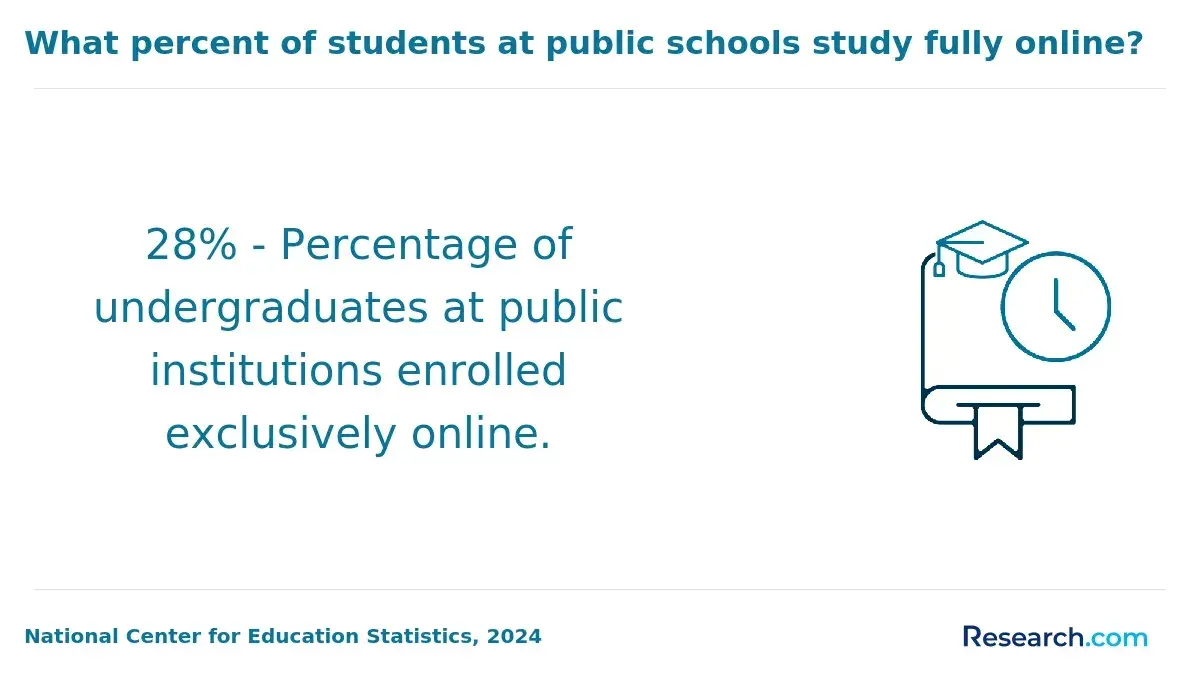
Breakdown of Public Fully Online Title IV Institutions

How Do Employer Tuition Reimbursement Programs Work for General Studies Degrees?
For employed students pursuing a general studies degree, knowing how employer tuition reimbursement works can significantly impact financial planning and academic decisions. These programs offer a means to offset education costs but involve specific procedures and requirements that must be understood clearly.
Here is a concise guide to how these plans typically operate.
- Approval Process: Before enrolling, employees usually need to get their course plans approved by their company's human resources or education benefits team to ensure alignment with employer policies.
- Payment and Reimbursement Timing: Tuition must be paid upfront by the student, with reimbursement provided only after successful completion of courses, often requiring a minimum grade such as a "C".
- Documentation Requirements: Employees must submit payment receipts and official transcripts as proof to claim reimbursement, making record-keeping crucial throughout the process.
- Reimbursement Limits: These programs often cap the amount reimbursed annually or over the employee's tenure, and may exclude certain expenses like books or lab fees.
- Academic Performance Expectations: Continued eligibility depends on maintaining satisfactory academic progress, with some employers also mandating a period of continued employment following reimbursement.
Are Online General Studies Degrees Eligible for Company Sponsorship?
Many employers have become more receptive to funding online general studies degrees through tuition reimbursement programs, reflecting a broader acceptance of online education. According to recent data, about 73% of hiring managers now consider online degrees comparable to traditional ones, although this perspective varies by industry and organization. This growing confidence stems from recognition of online programs' ability to enhance employees' skill sets and adapt to evolving workforce needs, making sponsorship a viable option in many cases.
When deciding whether to sponsor an online general studies degree, employers generally weigh factors such as institutional accreditation, the program's relevance to the employee's current or desired role, and the academic rigor of the coursework. Programs that align closely with business priorities and demonstrate clear potential to improve job performance often receive more favorable consideration. Employers also value flexibility in scheduling and the candidate's dedication to completing the degree.
How Much Tuition Reimbursement Can You Get for General Studies Degrees?
Employer tuition reimbursement limits play a critical role in assessing the affordability and return on investment of a general studies degree. These caps determine how much financial support an employee can realistically expect, affecting the portion of education costs they must cover personally. According to a 2022 report by the Society for Human Resource Management, 59% of employers provide some form of tuition assistance, reflecting its growing importance in workforce development.
Typically, annual tuition reimbursement ranges from $5,000 to $10,000, with many employers imposing lifetime maximums between $25,000 and $50,000. These amounts often fluctuate based on company size, industry, and how pertinent the degree is to an employee's current role, with larger firms and sectors like technology or healthcare tending to offer higher limits. Additionally, federal tax regulations allow up to $5,250 per year in employer educational assistance to be tax-exempt, influencing how organizations structure their benefit programs without providing specific legal guidance.
Are There Penalties for Leaving an Employer-Sponsored General Studies Program Early?
Knowing the possible consequences of leaving an employer-sponsored general studies degree program early is crucial for employees considering this educational path. Nearly one-third of participants in such programs end up having to repay tuition if they exit prematurely, making it essential to be aware of the terms involved.
The following outlines typical penalty scenarios linked to early program withdrawal.
- Tuition Repayment Requirements: Many companies mandate that employees reimburse tuition already paid on their behalf if they don't complete the degree or leave the job within a designated timeframe.
- Prorated Repayments: Repayment amounts often depend on how far the employee progressed in the program, with partial refunds calculated proportionally to courses or credits completed.
- Early Termination Clauses: Employment contracts frequently include minimum work periods employees must fulfill post-completion; leaving before these intervals can result in financial penalties or owed tuition.
- Loss of Future Benefits: Leaving the company early or dropping out may disqualify employees from receiving further educational support, affecting their long-term learning opportunities.
Can Employer-Paid General Studies Degrees Improve Long-Term Earning Potential?
Evaluating the impact of employer-paid education on long-term earnings is crucial for working professionals considering a general studies degree. Employer-sponsored programs can reduce financial barriers and accelerate career advancement. Research from the U.S. Bureau of Labor Statistics indicates that bachelor's degree holders earn about 67% more over a lifetime than those with only a high school diploma, highlighting the financial benefits of degree completion.
Key benefits of employer tuition reimbursement for general studies degrees include:
- Increased promotion opportunities: Holding a general studies degree broadens eligibility for higher-level positions, as employers often require or prefer candidates with postsecondary credentials.
- Faster career progression: Employees with employer-paid degrees typically move more rapidly through company ranks, benefiting from skills development that enhances job performance and leadership potential.
- Access to higher-paying roles: Degree attainment opens doors to roles that come with better compensation, reflecting higher responsibilities and specialized knowledge gained.
- Enhanced skills and qualifications: General studies programs develop a diverse skill set, increasing adaptability and readiness for various career paths, which employers value in workforce development.
- Strong return on investment: Employer-paid education significantly lowers out-of-pocket costs, allowing workers to gain valuable qualifications without incurring debt that could delay earnings growth.
For those looking beyond a general studies degree, exploring professional advancement through online masters degrees can further complement career growth. Considering the impact of employer-paid degrees on long-term earnings should be a foundational element in planning an effective education and career strategy.
How Do You Ask Your Employer to Pay for a General Studies Degree?
Proactive communication and careful preparation are essential when seeking employer sponsorship for general studies. Many employers provide tuition reimbursement, but knowing how to navigate these programs can greatly increase your chances of approval. In fact, a 2023 report found that about 54% of U.S. employers offer some form of tuition assistance, highlighting the value of a well-presented request.
- Research Company Tuition Policies: Begin by reviewing your employer's tuition reimbursement policies to understand eligibility, coverage limits, and approved programs. This insight allows you to align your request appropriately and shows you have done your homework.
- Prepare a Business Case: Connect your general studies degree to your current job responsibilities or future career goals. Emphasizing how the degree's knowledge will improve your performance or benefit your team increases the likelihood of support.
- Schedule a Formal Meeting: Arrange a dedicated time with your supervisor or HR representative. Present your request clearly, outlining your academic plan, timeline, and how you will manage your workload alongside your studies.
- Demonstrate Program Relevance: Highlight how gaining a general studies degree contributes to your professional growth and aligns with organizational goals. Showing this link reinforces the investment's value to your employer.
- Follow Up with Documentation: After your meeting, provide any necessary paperwork such as tuition policies, program syllabi, or agreed terms. Keeping communication transparent ensures all parties are aligned and sets expectations.
For those looking for flexible educational options, exploring online colleges may offer convenient pathways to earning a general studies degree while balancing work. Understanding how to get employer sponsorship for general studies can significantly reduce your financial burden and enhance your return on investment.
What To Do If Your Employer Doesn't Pay for a General Studies Degree?
With rising tuition costs at public four-year colleges increasing by over 25% in the last decade, students pursuing a general studies degree without employer sponsorship face significant financial challenges. Exploring alternative funding sources is essential to avoid overwhelming debt and to maintain educational progress.
The following strategies can help identify viable funding paths and manage expenses effectively.
- Federal and state financial aid: Completing the FAFSA is a crucial step to access federal grants, loans, and work-study programs based on financial need. Many states also offer grants and scholarships targeted to residents, which can provide additional support.
- Scholarships and grants: These awards do not require repayment and can come from nonprofits, community organizations, or foundations. Applying for multiple scholarships related to your background or academic goals can significantly reduce overall costs.
- Personal savings and student loans: Using savings can minimize borrowing, but if loans are necessary, understand their terms carefully since repayment and interest accrue over time. Borrow responsibly to avoid unnecessary financial strain after graduation.
- Income-share agreements (ISAs): This alternative funding model allows you to pay back a percentage of your future income rather than tuition upfront. ISAs can ease immediate financial burden but require thorough review of contract terms before committing.
- Part-time and online study options: Enrolling part-time or choosing online general studies programs can provide greater flexibility to balance work and education. These options often help spread out costs and reduce expenses compared to traditional full-time, campus-based attendance.
What Graduates Say About Employers Paying for Their General Studies Degrees
- Varo: "Enrolling in the general studies degree program was a smart investment given its average cost, which I was able to manage comfortably thanks to my employer's tuition assistance. This support not only eased the financial burden but also motivated me to excel academically. Today, the diverse knowledge I gained has significantly opened doors in my career path, enhancing both my confidence and professional opportunities. "
- Brennor: "Reflecting on my journey, the general studies degree was more affordable than many expect, especially with the help of my company's sponsorship. Without their contribution, covering tuition would have been a real challenge. This degree has become a valuable asset, allowing me to take on new responsibilities and grow within my field at a much faster pace."
- Laren: "The cost of the general studies program was manageable due to generous employer-sponsored tuition coverage, which removed the financial stress I initially worried about. I approached the program with a professional mindset, appreciating how my employer's investment translated into real career advancement. Having this degree backed by employer support has distinguished me in competitive job markets and increased my leadership potential."
Other Things You Should Know About General Studies Degrees
Many employers who offer tuition reimbursement for general studies degrees set conditions regarding work status. Usually, employees must maintain regular full-time or part-time hours and remain in good standing employment throughout the education period. Some programs may also stipulate that employees continue in designated job roles related to their studies.
In 2027, many employers may cover books and supplies as part of tuition reimbursement; however, it varies by employer. Some companies may offer full coverage, while others may only cover tuition. Always check your employer's policy details for specifics regarding these additional educational costs.
Employers typically require that tuition reimbursement for general studies degrees be used for accredited and recognized institutions. Non-accredited schools or programs may not qualify for reimbursement benefits. Before enrolling, employees should verify that their educational provider meets their employer's eligibility criteria to avoid unexpected expenses.
References
- Jobs to Pay for College: 2026 Guide https://www.coursera.org/articles/best-jobs-pay-college
- Alma Career – A better world of work for everyone https://www.almacareer.com/blog/how-does-a-university-degree-influence-pay
- Employer tuition benefits + University of Phoenix Tuition Benefits https://www.phoenix.edu/tuition-financial-aid/employer-tuition-benefits.html
- How to Get Your Employer to Pay for College With Tuition Assistance Programs https://www.umassglobal.edu/blog-news/get-your-employer-pay-college-tuition-assistance-programs
- Online General Studies Degrees - General Studies Schools and Universities https://classesandcareers.com/online-programs/general_studies
- General Studies - Simmons College of Kentucky https://simmonscollegeky.edu/general-studies/
- Can my employer sponsor me If I haven't finished my bachelors degree but I’m working on it? - Legal Answers https://www.avvo.com/legal-answers/can-my-employer-sponsor-me-if-i-haven-t-finished-m-4565749.html
- Navigating work and study with a Student visa https://www.ukcisa.org.uk/news/navigating-work-and-study-with-a-student-visa/
- Employee Tuition Reimbursement: What Is It and How Does It Work? https://bootcamp.emory.edu/blog/employee-tuition-reimbursement
- Tuition Reimbursement Programs [A Guide for HR and Employers] https://compt.io/blog/employee-tuition-reimbursement/


