
2027 What Do You Learn in a General Studies Degree: Curriculum, Skills & Core Competencies

Co-Founder and Chief Data Scientist
Many students struggle to understand what a general studies degree offers, leading to uncertainty about its value in the job market. According to the National Center for Education Statistics, over 15% of U. S. undergraduates are enrolled in interdisciplinary or general education programs, reflecting growing interest but limited clarity.
This degree provides a broad curriculum encompassing humanities, sciences, and social sciences, focusing on critical thinking, communication, and problem-solving skills. This article explains the core competencies, essential skills, and typical coursework of a general studies degree, helping prospective students and early-career professionals evaluate its relevance and align their academic choices with career goals.
Key Benefits of a General Studies Degree
- General studies curriculum offers interdisciplinary exposure, enhancing critical thinking through courses in humanities, social sciences, and natural sciences.
- Students develop strong communication, research, and analytical skills applicable across various career fields.
- Core competencies include adaptability and problem-solving, with 78% of graduates reporting improved workforce readiness.
What Is a General Studies Degree?
A general studies degree offers an interdisciplinary undergraduate education that provides students with a broad foundation rather than focusing on specialized training in one area. It typically suits individuals seeking academic breadth or those unsure about their specific career directions.
Within higher education, this degree often accommodates learners returning to school, balancing work with study, or integrating diverse interests. Data from the National Center for Education Statistics shows increasing enrollment in interdisciplinary programs, reflecting growing demand for versatile skills in today's workforce.
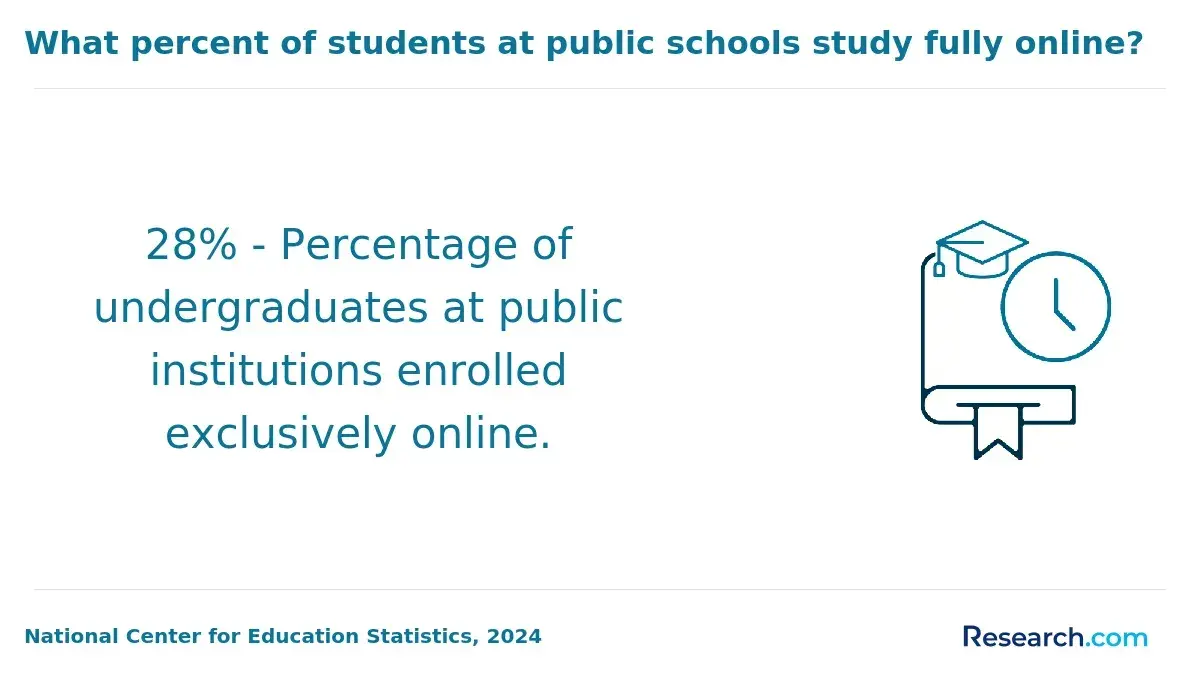
This degree's purpose is to cultivate critical thinking, communication, and analytical abilities that apply across multiple professional settings. The general studies degree overview highlights its flexibility through various formats, including traditional on-campus, accelerated tracks, and fully online programs designed to support non-traditional students. Such adaptability aligns with ongoing workforce trends emphasizing lifelong learning and the need for a diverse skill set that can adjust to changing career landscapes.
Students pursuing this degree gain a customizable educational experience that prepares them to navigate complex, multidisciplinary environments. For those interested in advancing beyond undergraduate studies, related options such as MSW programs also provide flexible pathways. Overall, a general studies degree meets the needs of learners requiring academic breadth and adaptability, equipping graduates to succeed in dynamic employment markets.
What Core Courses Are Included in a General Studies Degree?
Evaluating the typical curriculum in general studies programs requires a clear understanding of the core coursework, as these foundational classes equip students with versatile skills applicable across many fields. Knowing which core courses are included helps prospective students gauge how well a program prepares them for both advanced education and entry-level employment. Below is a breakdown of the common core courses in a general studies degree curriculum.
- English Composition: This course focuses on developing critical reading and writing skills essential for clear communication. Mastery of these skills supports success in nearly every academic discipline and professional environment.
- Mathematics: Often including college algebra or statistics, math courses build quantitative reasoning and problem-solving abilities. These are crucial for interpreting data and making informed decisions in various industries.
- Natural Sciences: Classes such as biology or environmental science introduce scientific methods and foundational knowledge of the natural world, fostering analytical thinking and evidence-based reasoning.
- Social Sciences: Subjects like psychology, sociology, or economics provide insights into societal structures and human behavior. This aligns with workforce demands for interpersonal skills and cultural awareness, preparing students for diverse career paths.
- Humanities: Courses covering philosophy, history, or ethics enhance critical thinking and ethical reasoning. These competencies are valued by employers and essential for interdisciplinary understanding.
Incorporating the general studies degree core courses into your academic planning ensures a comprehensive educational experience. For those interested in exploring specialized fields quickly, programs like a fast track social work degree online offer an accelerated path to professional credentials.
What Specializations Are Available in a General Studies Degree?
Specializations within a general studies degree enable students to customize their education to align with distinct career paths and personal interests. This flexibility prepares graduates for a variety of fields by focusing on relevant skills and knowledge. The U.S. Bureau of Labor Statistics projects an 8% growth rate through 2030 for occupations needing broad, interdisciplinary expertise, underscoring the value of versatile competencies in today's workforce. Below are some of the prevalent specializations available.
- Liberal Arts: Concentrates on critical thinking, effective communication, and cultural literacy. Graduates can pursue careers in education, writing, or public relations, where adaptability and a wide-ranging knowledge base are essential.
- Business: Emphasizes management, finance, and organizational skills. This track supports career opportunities in administration, marketing, and entrepreneurship by building practical decision-making and leadership abilities.
- Health Sciences: Focuses on health promotion, wellness, and foundational healthcare concepts. It prepares students for roles in community health, health education, and healthcare administration by equipping them with essential knowledge in wellness strategies and health systems.
- Social Sciences: Explores human behavior, societal dynamics, and public policy. This specialization is suited for careers in social services, human resources, and government, providing insights into effective community and organizational support.
How Long Does It Take to Complete a General Studies Degree?
Deciding on the length of a general studies degree is crucial for evaluating the necessary time commitment, financial investment, and alignment with career plans. Different program formats affect how quickly students can complete their studies, which makes understanding these timelines essential. Below is a comparison of common general studies degree pathways to help clarify what students might expect.
- Traditional Full-Time: Typically completed in around four years, this format involves a standard course load of about 15 credit hours per semester. It suits students who can dedicate full attention to their studies and aim for a steady progression toward graduation.
- Part-Time: Spanning six to eight years, part-time programs offer flexibility by limiting course loads to six to nine credit hours each semester. This option is ideal for those balancing work, family, or other life responsibilities while pursuing their degree.
- Accelerated: Designed for highly motivated learners, accelerated degrees can finish within two to three years. They often include intense schedules, summer classes, or credit for prior experience, catering to those seeking rapid career advancement or resuming education quickly.
- Online: Offering timelines from two up to eight years depending on pacing, online programs provide accessibility and convenience. They require strong time management skills and are well suited for students needing adaptable schedules.
When asking a professional who earned their general studies degree through a hybrid program about their experience, he reflected on both challenges and rewards. Managing coursework alongside a demanding job tested his organizational skills, yet the ability to combine online and on-campus classes gave him essential flexibility.
He recalled, "Balancing deadlines felt overwhelming at times, but having that mix allowed me to stay engaged without sacrificing work or family." This blend of formats, he noted, lent itself well to those who thrive with varied learning environments and need to juggle multiple priorities.
What Technical Skills Do Students Gain in a General Studies Program?
Technical skill development is a fundamental outcome of general studies degrees, equipping graduates to meet the demands of diverse professional environments. Employers increasingly prioritize data literacy, with studies showing that 82% consider it an essential competence. These programs provide a solid foundation in versatile skills that enhance adaptability and efficiency in the workplace. Below is an overview of the key technical abilities honed through general studies curricula.
- Data Analysis Tools: Students become proficient in software like Excel and SPSS, enabling them to organize, interpret, and present data accurately for informed decision-making.
- Digital Literacy: This includes mastering various software applications, conducting effective online research, and acquiring basic coding knowledge critical for navigating modern technology-driven tasks.
- Project Management: Instruction covers methodologies such as time management and resource planning. Practical use of tools like Microsoft Project and Trello fosters efficient task coordination and workflow optimization.
- Critical Thinking and Research Methods: Emphasis on both qualitative and quantitative research techniques sharpens analytical skills, allowing students to evaluate information thoroughly and solve complex problems.
What Soft Skills do General Studies Students Develop?
Soft skills are vital complements to the technical knowledge gained in a general studies program, enabling students to navigate diverse professional environments with confidence. These interpersonal and cognitive abilities enhance one's capacity to adapt, collaborate, and lead, making graduates more versatile and career-ready. Below is a breakdown of the essential soft skills nurtured through this field of study.
- Communication: Developed through frequent writing tasks, presentations, and group interactions, this skill helps students convey their ideas clearly and build strong connections in varied workplace settings.
- Teamwork: Collaborative projects with peers from multiple disciplines foster cooperation, conflict resolution, and shared responsibility-traits employers highly prize across industries.
- Problem-solving: Engaging with complex case studies encourages analytical thinking and creativity, equipping students to devise effective, real-world solutions sought by employers.
- Critical thinking: Exposure to diverse subject matter enhances evaluation and reasoning abilities, allowing graduates to interpret information thoroughly and make sound decisions under pressure.
- Adaptability: Navigating varied coursework and demands builds resilience and flexibility, preparing students to embrace change and thrive in evolving career landscapes.
In a conversation with a professional who completed a general studies degree, she reflected on how the program honed her soft skills in unexpected ways. She recalled feeling overwhelmed early on with the breadth of topics but realized that shifting between disciplines sharpened her ability to quickly grasp new concepts and adjust her mindset. This adaptability proved invaluable during team projects where diverse perspectives initially led to tension. Over time, she learned to listen actively and mediate conflicts, turning group challenges into productive outcomes.
She described how the emphasis on communication refined her confidence in public speaking and writing, skills that directly boosted her ability to negotiate with clients and lead meetings in her current role. Her problem-solving capabilities grew through analyzing case studies that mirrored real workplace scenarios, encouraging her to think creatively and persistently. Overall, she believes the general studies degree laid a foundation not only for professional success but for continual personal growth, equipping her with a versatile toolkit that extends well beyond technical knowledge.
Do General Studies Programs Include Internships or Co-ops?
About 60% of general studies programs across the United States incorporate internships or cooperative education (co-op) opportunities within their curriculum. These hands-on learning experiences are usually offered as electives rather than mandatory courses, although some programs require them.
When included, internships and co-ops generally span a semester and can be completed on a part-time or full-time basis, allowing students to balance work experience alongside their academic responsibilities. Many institutions also award academic credit for these practical experiences, emphasizing their role in complementing classroom learning.
Such experiential components enable students to apply broad interdisciplinary knowledge in professional environments, aiding in the development of both technical skills and soft skills like communication, teamwork, and problem-solving.
These opportunities are valuable for establishing industry connections, which can be instrumental when entering competitive job markets that demand versatile capabilities. Although not universally mandatory, general studies programs encourage engagement in internships or co-ops to deepen career insight and improve employability. Employers often seek candidates who have demonstrated practical application of their education through relevant work experience, making these programs a significant asset.
Are Certifications Included in a General Studies Curriculum?
Professional certifications can significantly boost career readiness by demonstrating concrete skills beyond academic knowledge. They often complement a degree by validating specialized expertise valued by employers. This dynamic is important when considering certifications included in general studies programs, which have a distinct educational focus compared to more vocational degrees.
General studies degree programs typically do not integrate formal certifications as part of their core curriculum. These programs emphasize broad competencies like critical thinking and communication over specific industry credentials. However, some programs may offer optional certificate courses or electives aligned with industry standards, such as project management or computer literacy, to provide additional value.
More commonly, students pursue certifications independently to tailor their qualifications to specific career paths. Research shows that about 29% of undergraduate students benefit from certifications in job placement, making it a strategic supplement to the flexible skillset gained in general studies. For students exploring related areas, options like the cheapest MLIS degree online demonstrate how specialized credentials can coexist alongside broad academic foundations.
What Types of Jobs Do General Studies Graduates Get?
Exploring common career paths for general studies graduates is essential for students considering this versatile degree, as it provides insight into practical job opportunities and helps align educational goals with career aspirations. The degree's broad interdisciplinary curriculum equips graduates with critical thinking and communication skills highly valued in many sectors. Employment in business and administrative support occupations, a typical pathway for general studies degree holders, is projected to grow by 6% from 2022 to 2032, indicating consistent demand across industries.
- Administrative Coordinator: These professionals manage daily office operations, coordinate schedules, and facilitate communication between departments. Graduates often find roles in corporate, nonprofit, and public sector organizations, benefiting from their broad organizational skills.
- Project Assistant: Supporting project managers by tracking progress, preparing reports, and managing logistics, project assistants work in diverse fields such as healthcare administration and education. The degree's emphasis on problem-solving supports effective management of project tasks.
- Marketing Associate: General studies graduates in this role contribute to campaign development, market research, and client outreach. Their ability to synthesize information from multiple disciplines makes them adaptable in fast-changing retail and corporate marketing environments.
- Sales Representative: Engaging directly with customers and clients, sales representatives leverage strong communication and interpersonal skills. Industries like retail and corporate services offer opportunities that align with the adaptable skills gained through a general studies degree.
The average salaries for general studies degree holders vary depending on industry and job role, with many positions offering competitive compensation due to the broad skill set they bring. The degree's focus on analytical, research, and interpersonal skills enhances employability and supports career growth or further education. For prospective students curious about where a general studies degree may lead financially and professionally, reviewing the best bachelor degrees can provide valuable context and comparatives.
How Much Do General Studies Degree Graduates Earn on Average?
Evaluating the typical earnings for general studies graduates is key to understanding the return on investment of this flexible degree. On average, general studies degree average salary figures show that early-career graduates earn between $35,000 and $45,000 annually. These starting salaries reflect the entry-level nature of many roles that graduates pursue, often in administrative, sales, or customer service positions. A closer look at salary ranges reveals how earnings evolve with experience and other factors.
- Early-career salaries: Graduates entering the workforce typically find salaries in the $35,000 to $45,000 range. These roles usually involve foundational responsibilities in office support or client interaction, which provide essential workplace skills and experience.
- Mid-career potential: After gaining several years of experience, individuals with a general studies degree can see their income rise significantly, often between $50,000 and $65,000 annually. This increase is supported by taking on management duties or acquiring additional certifications that enhance their professional value.
- Factors affecting earnings: Salary differences often depend on industry sector, with business, education, and healthcare generally offering higher pay compared to retail or hospitality. Geographic location also plays a role, as urban centers typically provide better compensation due to higher living costs. Additional qualifications or specialized skills can further boost earning potential.
Those interested in maximizing their earning power while still pursuing a broad educational background might explore the easiest associate degree to get as a potential next step. Pursuing such options alongside a general studies degree can enhance job prospects and income opportunities in competitive markets.
What Graduates Say About Their General Studies Degree
- Julian: "From a professional standpoint, the general studies degree provided essential competencies such as analytical reasoning and effective communication, which are critical in any field. The curriculum's breadth gave me a unique edge by encouraging a holistic approach to problem-solving. With the average cost of attendance being reasonable, this degree was a strategic choice that positively impacted my career trajectory. "
- Antonio: "Reflecting on my time in the general studies degree, I appreciate how the program's core curriculum fostered adaptability and interdisciplinary thinking. The skills I gained, particularly in research and problem-solving, have allowed me to transition smoothly across different roles in my professional journey. The blend of coursework and real-world application made this degree a worthwhile investment. "
- Augustus: "The general studies degree program gave me a well-rounded foundation through its diverse core curriculum, covering everything from humanities to sciences. The critical thinking and communication skills I developed have been invaluable in navigating complex workplace challenges. Considering the average cost of attendance was quite manageable, I feel this degree truly empowered my career growth with both knowledge and practicality. "
Other Things You Should Know About General Studies Degrees
In 2027, a general studies curriculum typically includes a mix of humanities, social sciences, natural sciences, and mathematics courses. It may also feature electives in communication, critical thinking, and technology to develop a well-rounded skill set that is applicable across various industries.
In 2027, the core competencies of a general studies degree typically include critical thinking, communication, problem-solving, and adaptability. This degree fosters a broad understanding of various disciplines, enabling students to integrate knowledge across fields and navigate complex, real-world issues effectively.
A general studies degree typically requires around 120 credit hours to complete in 2027. This includes a mix of core competencies, electives, and major-specific courses, allowing students to gain a broad and flexible education that fits individual interests.
References
- What Can You Do with a General Studies Degree? | Goodwin University https://www.goodwin.edu/enews/what-can-you-do-with-a-general-studies-degree/
- What Is A General Studies Degree | National University https://www.nu.edu/blog/what-is-a-general-studies-degree/
- A General Studies Degree Is a Launchpad for Career Changers https://www.tuw.edu/gen-ed/general-studies-degree-benefits/
- What Can You Do With a General Studies Degree? https://www.calcoast.edu/news/what-can-you-do-with-a-general-studies-degree
- Online Certificate in General Studies | AcademicEarth.org https://academicearth.org/certificate-in-general-studies/
- Top 10 Highest Paying Jobs With General Studies Degree 2025 | Nexford University https://www.nexford.edu/insights/highest-paying-jobs-with-general-studies-degree
- Academics https://www.lsue.edu/academics/general-studies-cert.php
- Soft Skills Development in Competency-Based Education https://newlane.edu/soft-skills-competency-based-education/
- What is a General Studies Degree? https://www.snhu.edu/about-us/newsroom/education/what-is-a-general-studies-degree
- The HCSS Internship Programme - HCSS https://hcss.nl/internships/


