
2027 Health Sciences Degree Careers That Do Not Require Graduate School

Co-Founder and Chief Data Scientist
A recent health sciences graduate faces a job market where some positions welcome candidates with a bachelor's degree alone, while others demand graduate education or additional certifications. Approximately 40% of health sciences graduates enter roles that require only a bachelor's degree, reflecting a shift toward valuing practical experience and technical skills. Understanding which careers offer direct entry without advanced degrees can guide graduates effectively. This article explores career paths in health sciences that do not require graduate school yet provide strong opportunities for long-term growth and employability.
Key Things to Know About the Health Sciences Careers That Do Not Require Graduate School
- Bachelor's degrees in health sciences often allow direct workforce entry, with many employers seeking candidates ready for on-the-job training without requiring graduate education.
- Employer expectations prioritize practical skills and relevant internships, shaping access to entry-level roles more than advanced degrees or purely academic achievements.
- Certifications, hands-on experience, and demonstrated competencies typically outweigh graduate credentials, enabling sustainable career growth soon after graduation.
What Career Paths Can You Pursue with a Health Sciences Degree Without Graduate School?
Approximately 60% of health sciences bachelor's degree holders find employment directly after graduation, entering a broad range of industries that value their foundational knowledge. While opportunities vary by role and sector demand, many positions remain accessible without the need for further graduate education. This trend highlights the degree's utility in providing diverse career pathways straight out of college.
Below are some common career options available to those with a health sciences degree without graduate school.
- Healthcare Administrator: These entry-level administrative roles in healthcare facilities rely on organizational skills and an understanding of healthcare systems, which are typically covered in a health sciences bachelor's program. They offer a straightforward path for graduates to begin working in hospital or clinic management environments.
- Public Health Technician: Supporting community health efforts through data collection and public outreach is well-suited for bachelor's degree holders. This role leverages broad training in health promotion and disease prevention common in health sciences curricula.
- Health Educator: Graduates can lead wellness programs and educate populations on healthy living without needing advanced degrees. The role draws directly on the foundational knowledge acquired during undergraduate studies in health sciences.
- Clinical Research Coordinator: Coordinating clinical trial operations requires knowledge of medical protocols and research processes provided by a health sciences education. These positions often accept bachelor's degree holders, focusing on research logistics rather than requiring advanced academic qualifications.
- Medical Sales Representative: A strong grasp of healthcare products and services enables graduates to pursue roles in pharmaceutical or medical device sales. This field values the health sciences background for understanding product applications in medical settings.
For those interested in advancing their education without on-site clinical requirements, programs like RN to BSN online no clinicals accredited offer flexible pathways that complement a bachelor's degree in health sciences for career growth.
What Are the Highest-Paying Jobs for Health Sciences Degree Graduates Without a Graduate Degree?
Graduates with a health sciences degree can access several well-paying careers without pursuing graduate school. Employers often value candidates with bachelor's degrees for roles that require broad knowledge and strong organizational skills. According to the U.S. Bureau of Labor Statistics, many health-related positions available at the undergraduate level offer median salaries between $60,000 and $90,000 annually.
Below are some key high-paying roles that leverage the expertise of health sciences graduates:
- Healthcare Administrator: This role involves managing healthcare facilities, coordinating staff, and overseeing budgets. The position is well-compensated due to its critical responsibility for efficient operations and regulatory compliance in a growing healthcare environment.
- Clinical Research Coordinator: Coordinators manage clinical trials and research studies, ensuring patient safety and adherence to regulatory standards. Their organizational skills and regulatory knowledge contribute to attractive salaries.
- Healthcare Compliance Officer: These professionals enforce laws and standards to protect patient data and prevent legal issues. Their role's high responsibility and legal importance drive competitive pay.
- Health Informatics Specialist: Specialists manage healthcare data and technologies, improving patient outcomes through information systems. Their combination of tech and health knowledge results in strong earning potential.
- Public Health Analyst: Analysts evaluate community health needs and develop programs, impacting population health. Their role's emphasis on strategic planning and community impact supports favorable compensation.
What Skills Do You Gain from a Health Sciences Degree That Employers Value?
A degree in health sciences provides students with a versatile skill set that is highly attractive to employers, especially for positions that do not require graduate-level education. More than 85% of employers reported in a 2023 survey by the National Association of Colleges and Employers (NACE) that they prioritize transferable skills when hiring recent graduates, demonstrating the importance of these competencies in the workforce.
The following are essential skills cultivated through health sciences programs:
- Effective Communication: Students learn to present complex health topics clearly to varied audiences, facilitating teamwork and patient interactions. This ability enhances collaboration in healthcare and administrative environments.
- Critical Thinking: The curriculum trains students to assess scientific information and health issues thoughtfully, preparing them to develop sound solutions and make informed decisions on the job.
- Data Interpretation: Graduates gain proficiency in analyzing research and data, supporting evidence-based practices that improve organizational outcomes.
- Team Collaboration: Group projects and interdisciplinary work foster skills in working cohesively with others, which is vital in many workplace settings.
- Time Management: Balancing academic and clinical responsibilities equips students to prioritize tasks efficiently, an essential practice for managing professional demands.
A health sciences graduate shared how these skills proved invaluable in their first role: "Navigating fast-paced environments, I relied heavily on effective communication and problem-solving to address unexpected challenges. It took adapting, but applying these competencies taught in school gave me confidence and helped me contribute quickly."
What Entry-Level Jobs Can Health Sciences Graduates Get with No Experience?
Many graduates with a health sciences bachelor's degree enter the workforce directly after completing their studies, even without prior professional experience. Employers in this field often offer entry-level roles that focus on foundational skills developed during undergraduate education, facilitating easy access for recent graduates. Research shows that about 65% of health sciences bachelor's degree holders begin their careers immediately after graduation, highlighting strong early-career hiring pathways in health sciences.
Common entry-level positions for new graduates include:
- Healthcare Administration: These roles support the day-to-day operations of health facilities and typically require strong organizational and communication skills learned during undergraduate programs. Employers often expect no previous work history, emphasizing instead academic preparation and adaptability.
- Health Educator Roles: Focused on community health promotion and education, these positions value graduates' academic knowledge and offer structured programs to develop outreach and communication skills without prior job experience.
- Medical Technician Support: Positions such as phlebotomy assistants or lab aides provide hands-on technical experience with onboarding designed for recent graduates, making them highly accessible for those new to the health sciences field.
- Public Health Assistant: These roles involve supporting data collection and program implementation for public health initiatives and prioritize recent graduates' analytical abilities and academic background over practical experience.
For students considering additional qualifications, exploring options like the cheapest RN to BSN online Texas programs can offer further career advancement while remaining flexible with early career demands.
What Certifications and Short Courses Can Boost Health Sciences Careers Without Graduate School?
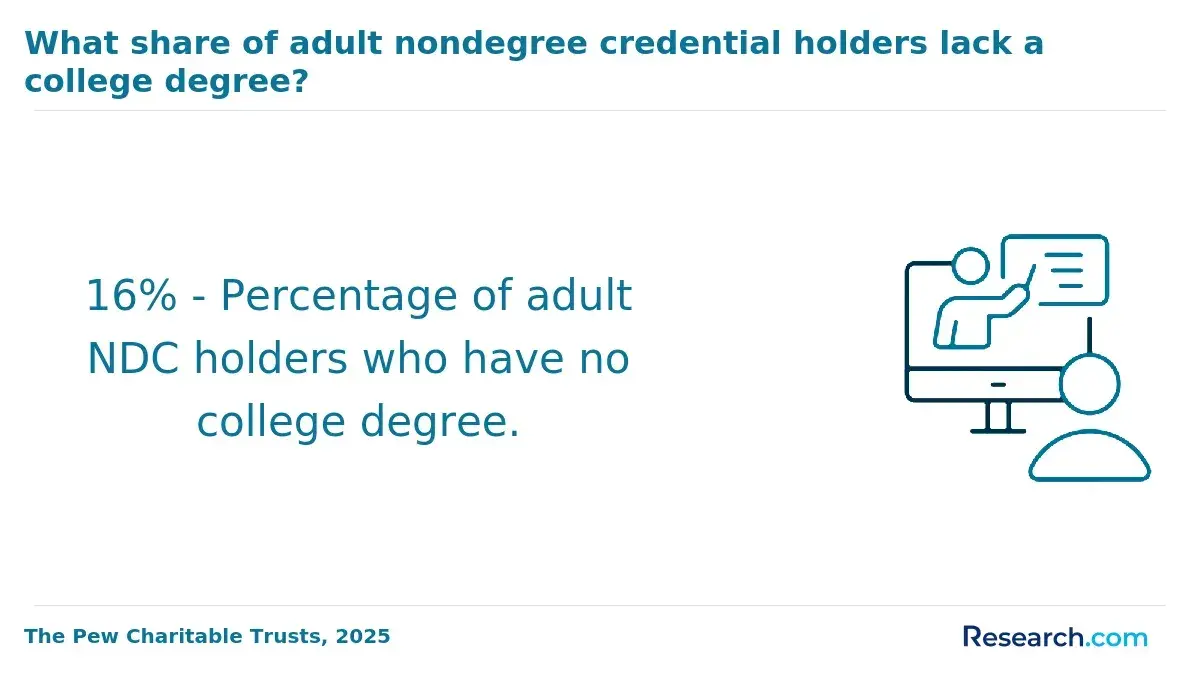
Certifications and short courses offer a practical way for health sciences graduates to enhance employability without pursuing graduate degrees. These focused credentials equip individuals with specialized skills that boost job readiness and support career progression. Notably, over 60% of employers in health-related sectors favor candidates who hold certifications or skill-based training, highlighting the value of these qualifications.
Several key certifications and courses can significantly improve career prospects for health sciences graduates:
- Certified Nursing Assistant (CNA): This certification enables graduates to assist nursing staff with essential patient care tasks, opening numerous entry-level opportunities in healthcare environments.
- Medical Billing and Coding Certification: Concentrating on healthcare administration, this credential prepares candidates to accurately manage billing procedures and insurance claims, an indispensable role in medical facilities.
- Phlebotomy Technician Certification: Training in blood collection techniques equips graduates for high-demand positions in laboratories and blood centers, enhancing practical skillsets sought by employers.
- CPR and First Aid Certification: Although fundamental, these certifications are often mandatory and valued for roles involving emergency response or patient interaction, underscoring their broad applicability.
- Certified Health Education Specialist (CHES): This credential is tailored for those aiming to promote public health through education and community outreach, expanding professional opportunities in wellness initiatives.
A professional with a Health Sciences degree shared how earning a Medical Billing and Coding certification transformed their career path. They described starting the course while working full time, initially struggling to grasp complex coding systems but gradually gaining confidence through hands-on practice and mentorship. This credential not only enhanced their technical abilities but also opened doors to administrative roles they had not accessed before, proving the tangible benefits of obtaining targeted certifications without the need for graduate school.
Which Industries Hire Health Sciences Graduates Without Graduate Degrees?
Opportunities for health sciences graduates without advanced degrees vary widely across industries. Some sectors consistently hire bachelor's-level professionals due to ongoing workforce needs and operational demands. Approximately 45% of health sciences bachelor's degree holders work in industries that favor entry-level roles and broad skill sets.
Several fields are notably receptive to these graduates, as outlined below:
- Healthcare Administration: This field requires staff to manage hospital operations, patient services, and health information systems. Its broad and dynamic nature creates steady demand for graduates with a bachelor's degree to support administrative functions.
- Public Health and Community Services: Organizations in this sector emphasize health education, outreach, and prevention programs. They often seek bachelor's-level employees for their generalist understanding and ability to engage with diverse populations.
- Pharmaceutical and Medical Device Companies: These companies recruit graduates for roles in regulatory compliance, quality control, and marketing. Positions here focus on product knowledge and operational support, making them accessible without graduate credentials.
- Health Insurance and Managed Care: This industry relies on health sciences graduates for claims processing, case management, and healthcare data analysis. The blend of healthcare knowledge and organizational skills fits the needs of bachelor's degree holders.
- Fitness and Wellness Industry: Growth in health promotion and preventative care fuels demand for wellness coordinators and health coaches. The sector's broad focus offers entry points for bachelor's-level applicants without requiring advanced degrees.
What Freelance, Remote, and Non-Traditional Careers Are Available for Health Sciences Graduates?
Non-traditional career structures expand access for health sciences degree holders by reducing reliance on formal workplace pathways and offering greater flexibility. Digital and independent work models have reshaped career entry, enabling graduates to contribute meaningfully without graduate school credentials. Approximately 59% of health-related bachelor's degree holders engage in some form of location-independent work, highlighting the rising adoption of remote and freelance roles.
The following broad types of freelance, remote, and non-traditional careers demonstrate how these alternatives offer flexible entry points for health sciences graduates:
- Distributed Work Systems: Organizations without centralized offices use cloud-based tools, allowing graduates to work remotely in roles like clinical trial data entry, virtual patient outreach, or creating health education content, minimizing geographic constraints.
- Digital-First Labor Markets: Online freelancing platforms enable health sciences professionals to provide telehealth support, medical coding, or health informatics consulting on a project basis, fostering flexible client engagement without traditional contracts.
- Project-Based Independent Work: Tasks such as literature reviews, health policy analysis, and grant writing are commonly outsourced to freelancers, allowing graduates to select projects that align with their skills and schedules while bypassing location barriers.
- Consulting and Advisory Roles: Remote consulting offers contract opportunities in public health campaigns, wellness initiatives, or regulatory compliance, leveraging digital communication to serve diverse clients without requiring physical travel.
- Content Development and Health Communication: Freelance creation of educational materials, social media management for health organizations, or patient resource development uses graduates' knowledge and communication skills in fully online, location-independent formats.
How Can You Build a Career Without Graduate School Using a Health Sciences Degree?
Graduates with a health sciences degree can start building a career by entering the workforce directly after completing their bachelor's degree. Many find entry-level health sciences jobs without advanced degrees, allowing them to gain practical experience early on. About 65% to 70% of these graduates secure employment within a year, stepping into roles such as health educators or care coordinators. This early career momentum is shaped by access to these roles and exposure to workplace environments, which provide a foundation for professional growth.
Long-term career development often depends on progression within organizations, where responsibilities expand and roles evolve over time. Professionals grow by gaining experience, managing programs, and taking on supervisory tasks without necessarily pursuing formal education. This pathway varies across fields but is prominent in sectors like health administration and clinical research. For those interested in related opportunities, exploring the best medical billing and coding schools can also enhance career prospects.
What Are the Pros and Cons of Skipping Graduate School for Health Sciences Careers?
Deciding to skip graduate school is a common path for many health sciences majors, especially those eager to enter the workforce quickly. This choice can enable earlier job access but may influence long-term career growth depending on the specific direction one takes. According to workforce data, approximately 45% of health sciences professionals work successfully without graduate degrees, though those with advanced education often see higher lifetime earnings.
Consider the following key pros and cons of skipping graduate school in health sciences careers.
- Early Workforce Entry: Graduates can start gaining professional experience and income sooner, which may offset the opportunity costs of additional schooling and accelerate practical skill development.
- Lower Educational Costs: Avoiding graduate school reduces debt and financial burden, enabling some to pursue alternative career-enhancing certifications or specialized training.
- Career Progression Limits: Certain advanced roles, especially in research or leadership within large institutions, often require a master's degree, potentially restricting upward mobility.
- Flexibility in Career Exploration: Entering the workforce early allows for better understanding of personal interests and strengths, helping some to navigate toward specialized positions without immediately committing to graduate education.
Many organizations in health sciences remain selective; for example, large institutional employers, government health agencies, and research organizations typically favor candidates with graduate degrees due to role complexity and regulatory requirements. Understanding these nuances helps those exploring health sciences careers without graduate school to align their paths wisely.
For some pursuing a practical route, programs facilitating career transitions such as CMA to LPN pathways offer efficient advancement without graduate-level commitments.
What Are the Real-World Career Outcomes and Job Market Trends for Health Sciences Graduates?
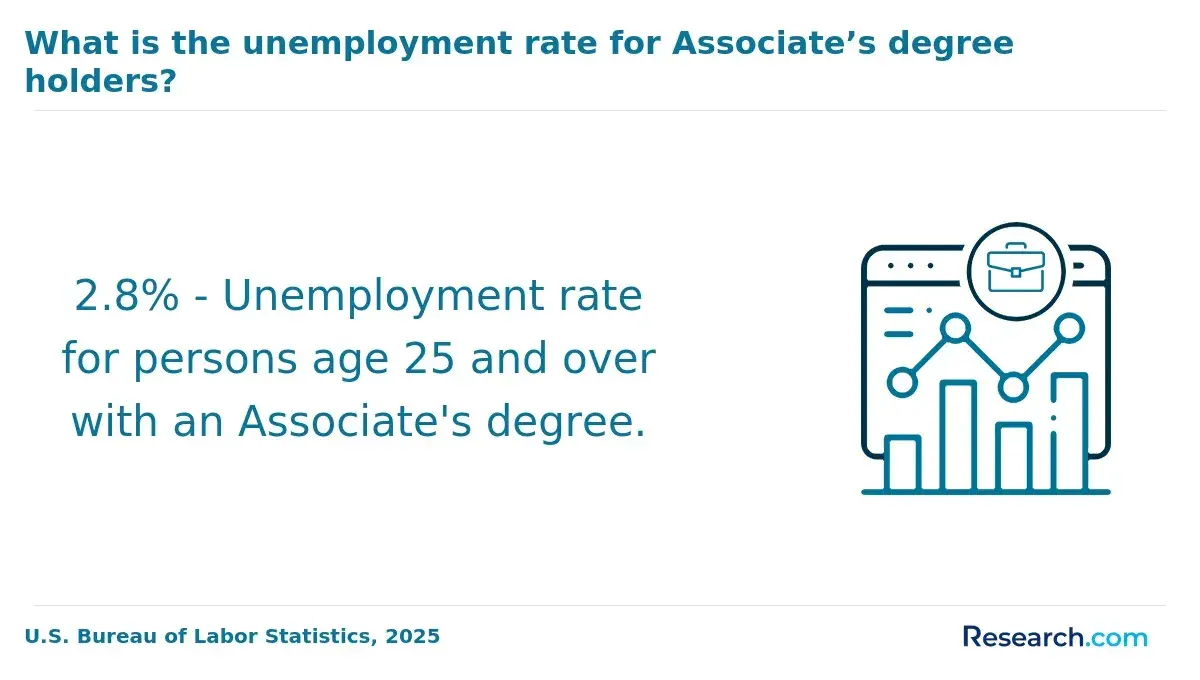
Graduates with a health sciences bachelor degree often experience varied employment outcomes depending on labor market trends and workforce demand. Many find positions quickly in roles that do not require graduate school, with median salaries typically ranging from $40,000 to $70,000. Employment rates reflect steady participation in sectors like public health, hospitals, and administration, where technical skills and adaptability improve job placement prospects. The health sciences bachelor degree job market trends show that accessible careers can provide solid entry points despite some positions being highly competitive.
Career outcomes for bachelor level health sciences employment outcomes differ widely, influenced by market conditions and role specifics rather than a singular path. Opportunities span healthcare management, wellness coordination, and research institutions, though salary and accessibility vary by sector. Some roles demanding specialized skills or fewer openings may not always yield higher pay, highlighting the complexity of this field. For those interested in advancing their qualifications without graduate school, programs such as the fastest online master's in healthcare administration offer strategic options.
What Graduates Say About Health Sciences Careers Even Without Pursuing Graduate School
- Andrea: "Graduating with a health sciences degree gave me the practical skills and confidence to step directly into the workforce. I found that employers valued my broad understanding of healthcare systems and my ability to quickly adapt to different roles. Reflecting on my journey, I appreciate how the degree prepared me for real-world challenges without the need for graduate school."
- Seth: "My health sciences degree was instrumental in securing a position in a community health organization right after graduation. I often tell others that the hands-on experience and interdisciplinary knowledge I gained allowed me to contribute effectively from day one. Entering the workforce without pursuing further studies made me feel both empowered and ready to grow professionally."
- Leonardo: "Choosing health sciences was a strategic decision that opened doors to early career opportunities in public health administration. While some of my peers pursued graduate degrees, I valued launching my career sooner and gaining on-the-job experience. The degree gave me a solid foundation and helped me develop critical thinking skills that employers highly regard."
Other Things You Should Know About Health Sciences Degrees
In 2027, entry-level health science careers without a graduate degree include roles like health educator, medical sales representative, radiologic technologist, and clinical laboratory technician. These positions typically require a bachelor's degree in health sciences and offer opportunities to work directly within healthcare settings.
Continuing education through workshops, certifications, or online courses helps professionals stay current with the latest healthcare technologies and practices. This ongoing learning can enhance skills, improve job performance, and increase opportunities for advancement in health sciences fields that do not mandate a graduate degree.
Yes, many leadership positions in health sciences can be achieved through experience, proven skills, and sometimes professional certifications. Management roles in clinical settings, health administration, or community health organizations often value practical experience and strong interpersonal skills over formal graduate education.
Networking is crucial for discovering job opportunities, gaining industry insights, and connecting with mentors. Health sciences professionals can benefit from joining professional associations, attending conferences, and participating in community events to build relationships that can support career growth outside of graduate school pathways.
References
- The Life Sciences Job Market in 2025: Trends, Opportunities, and Career Paths | IntuitionLabs https://intuitionlabs.ai/articles/life-sciences-job-market-2025
- What does a nursing assistant do? https://apexlearning.org.uk/highest-paying-jobs-in-health-and-social-care-without-a-degree/
- Top Healthcare Careers for 2025 | Prolink https://prolinkworks.com/perspectives/top-healthcare-careers-for-2025
- Remote Healthcare Jobs | Working Nomads https://www.workingnomads.com/remote-healthcare-jobs
- What Can You Do with a Health Sciences Degree? https://www.ycp.edu/news/what-can-you-do-with-a-health-sciences-degree
- Highest Paid Public Health Careers https://www.publichealthdegrees.org/careers/highest-paid-public-health-jobs/
- Why trust GlobalHealth Education? https://globalhealtheducation.com/au/resources/is-a-masters-worth-it
- Medical Career Academy – 4 In-Demand Healthcare Professions Not Needing College Degree https://medicalcareernwi.com/medical-career-academy-4-in-demand-healthcare-professions-not-needing-college-degree/
- 19 Medical Jobs That Don't Require a College Degree https://www.stepful.com/post/healthcare-jobs-that-dont-require-a-college-degree
- Examples of Jobs You Can Pursue With a Degree in Health Science https://www.snhu.edu/about-us/newsroom/health/jobs-with-a-degree-in-health-science


