2027 Highest-Paying Jobs with a Kinesiology Master's Degree

Co-Founder and Chief Data Scientist
Many professionals with a master's in kinesiology face uncertainty about how to translate their specialized knowledge into high-paying career paths. Despite strong expertise in human movement and physical health, selecting a role that offers substantial financial reward can be challenging.
According to the U.S. Bureau of Labor Statistics, employment in exercise physiology and related fields is projected to grow 10% through 2032, faster than the average for all occupations. This article explores the highest-paying jobs accessible with a kinesiology master's degree, providing insights to help readers align their skills with lucrative opportunities.
Key Benefits of the Highest-Paying Jobs with a Kinesiology Master's Degree
- Graduates from top-paying kinesiology master's programs often secure roles with starting salaries 20% higher than average, boosting immediate earning potential.
- Advanced credentials in kinesiology accelerate promotion to leadership positions, where executive-level compensation exceeds $120,000 annually.
- Strong demand for kinesiology experts in healthcare and sports sciences offers sustained financial stability amid evolving job markets.
What are the highest-paying jobs with a kinesiology master's degree?
Earning a master's degree in kinesiology significantly broadens access to senior-level and high-paying roles, with professionals holding advanced degrees in health sciences often earning 10-20% more than those with only a bachelor's degree. This advanced education delivers expertise in human movement, exercise physiology, and rehabilitation, which paves the way for strategic and leadership positions.
Below are the top earning kinesiology jobs in the United States for master's degree graduates.
- Exercise Physiologist: These specialists develop customized fitness and rehabilitation programs, frequently operating within clinical or research environments. Their deep understanding of physiology enhances recovery and performance, justifying their strong earning potential.
- Sports Scientist: Focused on optimizing athletic performance, sports scientists analyze biomechanical data and physiological metrics for teams and organizations. Their technical expertise and data-driven strategies command competitive salaries.
- Rehabilitation Director: Leading rehabilitation departments in healthcare facilities, they manage teams and oversee patient recovery programs. The leadership and accountability involved contribute to their higher salary levels.
- Ergonomist: These consultants improve workplace efficiency and reduce injury risks by designing safer work environments. Their strategic input directly influences corporate productivity and compensation.
- Clinical Research Coordinator: Responsible for organizing and managing clinical trials related to movement disorders, they ensure regulatory compliance and data integrity. The role's scientific complexity and oversight responsibilities result in attractive pay.
Mid-career professionals exploring further education can also consider complementary paths such as an RN to BSN with no clinicals program, which may broaden healthcare career opportunities.
Which industries offer the highest salaries for kinesiology master's graduates?
Salary potential for kinesiology master's graduates often varies significantly by industry, driven by factors such as market demand, revenue scale, and operational complexity. According to the Bureau of Labor Statistics, industries investing heavily in health and wellness or requiring advanced expertise tend to offer salaries that exceed the national average. The following industries are recognized as some of the highest-paying sectors for kinesiology master's degree holders.
- Healthcare: This sector offers attractive salaries due to its critical role in rehabilitation and patient care, requiring specialized knowledge and advanced skills. The industry's complexity and essential nature ensure sustained demand and premium compensation.
- Sports Performance and Management: Fueled by rapid growth in the commercial sports industry, this field emphasizes athlete performance optimization. The need for evidence-based training programs and competitive advantage drives higher wages.
- Corporate Wellness: As businesses increasingly focus on reducing healthcare costs and boosting employee productivity, funding for corporate wellness programs has expanded. This supports lucrative roles for kinesiology graduates skilled in workplace health initiatives.
- Research and Development: Roles in R&D command premium pay due to their focus on innovation and evidence-based practices. These positions require expertise in applying kinesiology to develop new techniques and technologies.
- Biotechnology: Integrating kinesiology knowledge into medical technology development, this industry offers high salaries tied to technical demands and profitability. Graduates benefit from engaging in cutting-edge healthcare solutions.
Mid-career professionals seeking to enhance their credentials may consider related fields such as health care administration. For more information on how to advance in this area, explore programs like the health care administration degree. This can complement kinesiology expertise and open doors to broader leadership roles.
What is the starting salary with a kinesiology master's degree?
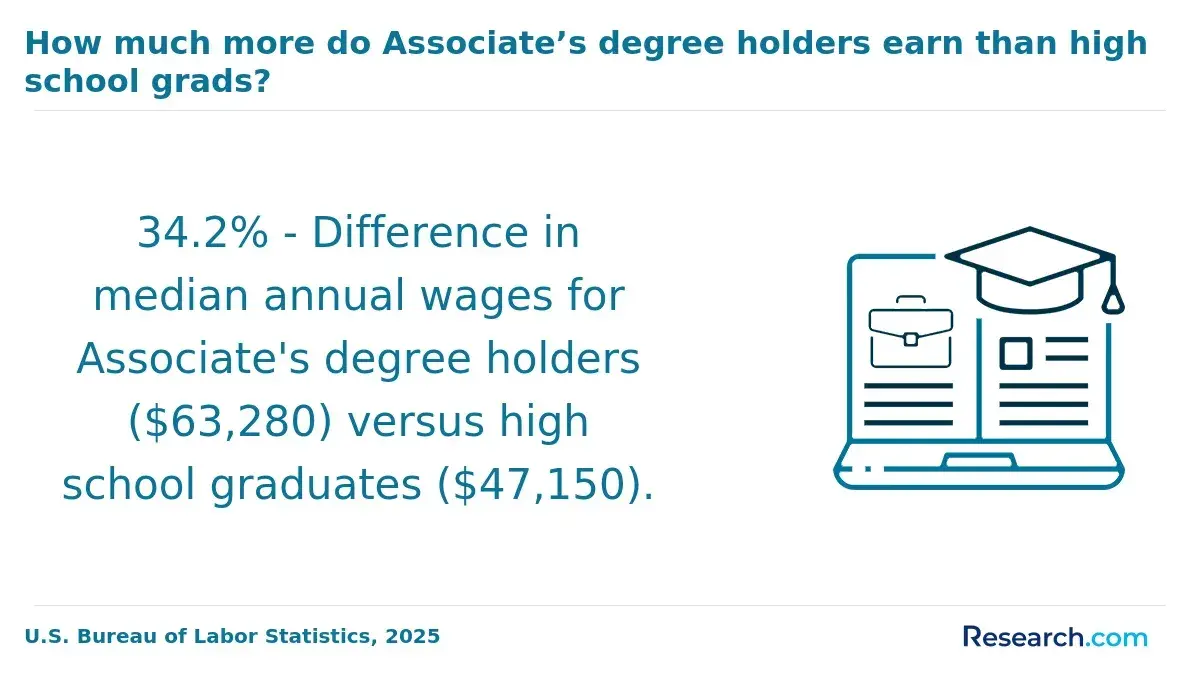
Starting salaries for graduates with a master's degree in kinesiology vary widely depending on the specific role, prior experience, and current market demand. Entry-level positions often offer around $48,000 annually, though this figure can fluctuate. Several important factors influence the starting salary for kinesiology master's graduates, including:
- Role and Industry: Jobs in clinical rehabilitation or scientific research usually provide higher entry pay compared to general fitness or wellness positions. Early-career professionals aiming for higher salaries should focus on sectors with greater funding and specialized demands.
- Experience and Internships: Having practical experience through internships or assistantships is highly valued by employers and can boost initial compensation. Graduates should pursue hands-on opportunities during their studies to enhance their competitiveness.
- Certifications and Specializations: Obtaining specialized certifications such as exercise physiology or strength conditioning can raise starting salaries by making candidates more attractive in niche fields. Prioritizing these credentials often leads to better job offers.
- Networking and Connections: Building strong professional relationships opens doors to higher-paying roles that may not be advertised widely. Developing a robust network helps graduates leverage hidden opportunities in the job market.
- Market Conditions: Economic trends and employer demand at the time of graduation directly affect negotiating power and salary outcomes. Staying informed about the industry's current state enables candidates to time their job search more advantageously.
Graduates interested in understanding how to manage their financial investment in education may also explore options like the RN to BSN online cost, which provides perspective on cost-effective pathways in allied health fields.
Which states pay the highest salaries for kinesiology master's degree holders?
Compensation for kinesiology master's degree holders differs widely across states due to variations in cost of living, specific demand for advanced skill sets, and the concentration of healthcare and sports-related industries. Data indicates that salary averages can fluctuate by as much as 20% between the highest and lowest paying states.
These economic and sectoral factors play a critical role in shaping earnings, leading to noticeable disparities depending on geographic location. Below are five states that offer some of the most attractive salary packages for kinesiology master's graduates.
- California: High living expenses combined with a dense network of healthcare providers and sports science organizations boost salary levels. The strong presence of innovation hubs also increases demand for specialized kinesiology expertise.
- New York: The competitive landscape of urban healthcare systems and a large population drive prominent wage premiums. Employers often seek masters-level professionals to address complex physical rehabilitation needs.
- Massachusetts: Renowned academic institutions and leading medical facilities create an environment rich in opportunities and higher pay. The state's focus on research and wellness adds value to advanced kinesiology qualifications.
- Washington: Economic growth paired with an expanding health and wellness sector fuels rising compensation. Regional emphasis on preventative care and fitness programs sustains demand for expert practitioners.
- Texas: Rapidly developing healthcare infrastructure and an emphasis on regionally adjusted wages contribute to increasing salaries. This state balances competitive pay with a relatively moderate cost of living.
In conversations with a kinesiology master's graduate, the nuances behind choosing a job location became clear. He explained that while salary was a major consideration, navigating the different state credentialing requirements and healthcare systems added complexity. "I had to weigh the higher pay against relocation challenges and certification processes unique to each state," he shared.
His experience underscored that beyond numbers, factors like licensing hurdles and local industry dynamics heavily influence career decisions for kinesiology professionals seeking advanced roles.
Which kinesiology master's specializations lead to the highest salaries?
Specializing within a kinesiology master's program can significantly boost earning potential, with professionals in niche areas earning up to 20% more than those with a general degree. This premium reflects employer demand for advanced expertise that enhances health outcomes and physical performance. Below are some of the most lucrative kinesiology specializations.
- Exercise Physiology: This specialization focuses on creating tailored programs that support chronic disease management and elite athletic conditioning. Experts in this area find opportunities in both clinical environments and high-performance sports, driving up salary prospects.
- Sports Biomechanics: Specialists analyze movement patterns using cutting-edge technology to optimize athletic performance and reduce injury risk. Their skills are highly sought after by professional sports teams and research institutions, resulting in higher compensation.
- Occupational Ergonomics: These professionals improve workplace safety and efficiency by designing ergonomic solutions, which large companies value for reducing injury-related costs. This expertise commands substantial salaries due to its direct impact on productivity and employee well-being.
- Applied Physiology: Focused on understanding physiological processes, this field supports rehabilitation and performance enhancement programs. Healthcare and specialized clinics often pay premium wages for applied physiology experts who boost patient outcomes.
- Rehabilitation Sciences: Concentrating on restoring physical function, this specialization is integral to medical and therapeutic settings. Demand for skilled rehabilitative care ensures competitive salaries for those trained in this area.

What skills can increase the salary of a kinesiology master's degree graduate?
Obtaining a master's degree in kinesiology can boost earning potential, but the degree alone doesn't guarantee top salaries. Employers increasingly seek candidates with advanced technical expertise and leadership qualities, valuing professionals who can enhance organizational outcomes.
According to recent labor data, kinesiology graduates with strong analytical and managerial skills can earn approximately 15% more than those without these abilities. The following skills are particularly influential in determining higher compensation.
- Data Analysis and Research Methods: Mastery of data interpretation and research design enables graduates to support evidence-based decision-making and contribute to cutting-edge clinical or academic projects, roles that typically offer superior pay.
- Clinical and Diagnostic Expertise: Specialized knowledge in assessing and treating physical conditions equips professionals for patient-centered roles or rehabilitation management, often tied to premium salary brackets due to direct impact on care quality.
- Leadership and Team Management: The ability to lead teams and oversee programs opens pathways to supervisory positions, where accountability and strategic planning command higher wages.
- Technology Proficiency: Familiarity with innovative tools such as motion capture or fitness software enhances operational efficiency and supports adoption of advanced techniques, traits highly regarded in well-funded organizations.
- Effective Communication and Education: Skilled communicators excel at patient education, interdisciplinary collaboration, and health promotion, fostering environments that justify greater compensation through improved outcomes and engagement.
One working professional enrolled in a kinesiology master's degree program shared how navigating both job responsibilities and academic work highlighted the importance of these skills. She remarked that balancing clinical duties with learning data analysis techniques was challenging but rewarding, noting, "Gaining confidence in research methods transformed how I approach problems at work and made me a stronger candidate for leadership roles." Her experience underscores how developing diverse competencies can lead not only to higher salaries but also to more fulfilling career opportunities.
Is there a salary difference between online and on-campus kinesiology master's graduates?
Prospective master's students often wonder if choosing an online versus an on-campus kinesiology program impacts their salary prospects after graduation. Data from the National Association of Colleges and Employers (NACE) shows that 78% of employers regard online degrees as equally credible as traditional on-campus degrees, reflecting a growing acceptance of remote education. This evolving perspective influences how graduates' compensation compares across different program formats.
Research indicates there is no consistent, measurable salary difference between online and on-campus kinesiology master's graduates. Instead, salary outcomes are shaped by several factors including employer perception of the institution's reputation, the networking opportunities more commonly available on-campus, and relevant work experience or internships. Geographic location and local labor market conditions also play a significant role in determining compensation levels.
Hiring trends have increasingly embraced the legitimacy of remote and online credentials, especially in healthcare and fitness sectors. However, graduates from on-campus programs might benefit from hands-on experience and stronger professional networks built through face-to-face interactions, which can influence job placement and salary negotiation. Ultimately, the value of a kinesiology degree depends more on an individual's skills, connections, and practical experiences than on whether the program was delivered online or in person.
Are kinesiology master's graduates more competitive for executive positions?
Many professionals pursue a kinesiology master's degree to strengthen their qualifications for senior leadership roles, especially within health and wellness organizations. This advanced education enhances their executive career competitiveness by equipping them with both specialized knowledge and leadership skills. Several key factors contribute to why kinesiology master's graduates are more competitive for executive positions:
- Leadership Preparation: Programs emphasize managing teams and projects, fostering strong leadership abilities that prepare graduates to guide complex organizations effectively.
- Decision-Making Authority: Graduates gain skills to analyze intricate health data and organizational challenges, increasing confidence and competence in making strategic decisions.
- Organizational Impact: Expertise in optimizing human performance and wellness enables kinesiology professionals to drive company success and enhance employee productivity, which is highly valued in executive roles.
- Professional Credibility: Holding a master's degree signals advanced expertise and commitment, boosting their reputation and appeal to executive recruiters focused on senior-level job prospects for kinesiology graduates.
- Networking Opportunities: Connections with industry leaders through academic and professional networks open doors to higher-level positions and collaborations, further supporting career advancement.
For mid-career professionals seeking to maximize their return on investment, understanding these factors is essential. While kinesiology master's graduates build leadership readiness and strategic capability, exploring complementary advanced degrees such as an online nursing doctorate may also offer expanded avenues for executive career competitiveness in healthcare-related fields.
What is the ROI of a kinesiology master's degree?
Return on investment (ROI) is a key consideration for prospective kinesiology master's students evaluating tuition costs against long-term career benefits. Data from the U.S. Bureau of Labor Statistics shows individuals with a master's degree earn approximately 18% more in median weekly earnings than those with only a bachelor's degree, highlighting the potential financial advantage of advanced study. Several important factors affect the return on investment of a kinesiology master's degree.
- Tuition Costs: Higher tuition requires significant upfront investment. It is crucial to weigh these costs against expected salary increases to determine true financial benefit over time.
- Salary Growth: Master's degree holders often achieve faster income growth throughout their careers, which amplifies their long-term earnings compared to bachelor's graduates.
- Opportunity Cost: Time spent in graduate school could otherwise be used earning a salary. Balancing the potential immediate income loss against future gains refines the realistic ROI.
- Career Mobility: Obtaining an advanced degree can unlock specialized roles and leadership positions, fostering upward career mobility and higher remuneration in the field.
- Networking Value: Graduate programs provide access to professional networks, boosting job stability and growth through valuable connections and collaborations.
Tracking the return on investment for kinesiology master's degree in the US helps mid-career professionals identify highest paying kinesiology master's degree jobs and make informed decisions. Those exploring options may also benefit from reviewing online self paced colleges that offer flexible pathways to earning advanced credentials.
What is the job outlook for kinesiology master's degree holders?
Prospective kinesiology master's students benefit from examining long-term career stability and growth prospects before committing to advanced study. According to the U.S. Bureau of Labor Statistics, employment in exercise physiology and related fields is anticipated to increase by approximately 11% between 2022 and 2032, outpacing the average growth rate across all occupations. Several critical factors contribute to this positive industry outlook.
- Long-Term Demand Trends: The aging U.S. population alongside heightened focus on managing chronic illnesses supports consistent expansion in roles centered on physical rehabilitation and wellness promotion.
- Evolving Skill Needs: Mastery of new, evidence-based techniques and methodologies remains essential for kinesiology graduates aiming to sustain competitive advantage and achieve career advancement.
- Technological Change: The rise of wearable health devices and sophisticated data analytics is creating niche opportunities for professionals equipped to integrate technology with kinesiology expertise.
- Leadership Pipelines: Holding an advanced degree frequently opens doors to supervisory, educational, and program management roles, diversifying career trajectory options beyond direct clinical settings.
- Economic Resilience: The health and wellness industry tends to maintain demand levels even during economic downturns, offering greater job security relative to other sectors.
What Graduates Say About the Highest-Paying Jobs with a Kinesiology Master's Degree
- Kelly: "Choosing to pursue a kinesiology master's degree was a game-changer for me, especially given the strong demand for professionals in sports science and rehabilitation. Despite the initial investment, the cost was reasonable compared to other health-related programs, and it definitely paid off. Within two years of graduating, the financial impact was clear as I secured a well-paying role at a leading sports medicine facility."
- Dorianne: "Reflecting on my decision to study kinesiology at the master's level, I appreciate how the degree opened doors to diverse career paths, from ergonomics to exercise physiology. Although the tuition wasn't cheap, I viewed it as an essential investment in my future. Today, the salary boost I enjoy substantially offsets the cost, providing financial stability I hadn't anticipated before starting the program."
- Karine: "Professionally, my kinesiology master's degree has equipped me with advanced skills that distinguish me in competitive job markets like occupational therapy and wellness consulting. The cost of the program was a concern at first, but the return on investment has been remarkable, leading to positions with some of the highest salaries in the industry. This degree truly transformed my career trajectory and earning potential."
Other Things You Should Know About Kinesiology Degrees
Yes, a master's degree in kinesiology can prepare graduates for leadership positions in healthcare, sports organizations, and wellness programs. These roles often require advanced knowledge in biomechanics, exercise physiology, and program management. Graduates with this degree can become directors of rehabilitation centers, fitness program managers, or clinical supervisors, leveraging both expertise and leadership skills.
In 2027, some of the highest-paying jobs for those with a Kinesiology Master's Degree include exercise physiologist roles in hospitals, sports management positions, and university-level teaching jobs. Salary varies by role, location, and experience, but they typically offer competitive compensation and opportunities for career advancement.
Many clinical roles for kinesiology master's graduates, such as physical therapists and occupational therapists, may require certification and licenses. It's essential for graduates to check specific state regulations and job requirements to ensure they meet the qualifications for their desired profession.
References
- What can you do with a master's in exercise physiology? https://www.cmich.edu/blog/all-things-higher-ed/what-can-you-do-with-a-master-s-in-exercise-physiology
- Master’s in Applied Exercise Science| Cost, Salary & ROI in 2025 https://exsci.cuchicago.edu/ms-applied-exercise-science-cost-roi/
- 5 Jobs You Can Get With a Degree in Kinesiology https://online.avila.edu/degrees/healthcare/masters-kinesiology/jobs-with-degree-in-kinesiology/
- Is a Kinesiology Degree Right for You? | Corban University https://www.corban.edu/is-a-kinesiology-degree-right-for-you/
- What Can I Do in My Career With a Master’s in Kinesiology? https://www.pointloma.edu/resources/health-sciences/what-can-i-do-my-career-masters-kinesiology
- Master's in Kinesiology Online Guide - Sports Degrees Online https://sportsdegreesonline.org/online/online-masters-in-kinesiology/
- Kinesiology Online Master's: See & Compare Top Programs https://www.edumed.org/online-schools/kinesiology-degrees/masters/
- What is the Career Outlook in Kinesiology? https://www.sports-management-degrees.com/faq/what-is-the-career-outlook-in-kinesiology/