
2027 How Long Does It Take to Earn an Online Technical Communication Degree?

Co-Founder and Chief Data Scientist
Online education offers unmatched flexibility for working adults and career changers seeking specialized skills. According to the U.S. Bureau of Labor Statistics, employment in technical communication roles is projected to grow 12% through 2032, showcasing strong demand for qualified professionals. Understanding how long does it take to earn an online technical communication degree is crucial for planning academic and career goals. This article examines the average completion time for these degrees, explores factors influencing program length, and advises on selecting the right program duration based on individual schedules. It aims to empower readers with expert insights to make informed, confident decisions about their education.
Key Benefits of Online Technical Communication Degree
- Online technical communication degrees typically take between 2 to 4 years to complete, depending on whether students enroll full-time or part-time, allowing flexibility for working professionals.
- The self-paced nature of many programs lets students accelerate their studies or spread courses over a longer period, accommodating varied schedules and personal commitments.
- Some accelerated online programs offer degree completion in as little as 18 months by focusing on core courses and practical skills, appealing to those eager to enter the workforce sooner.
What is the Average Completion Time for Online Technical Communication Programs?
Online technical communication programs typically take between one and four years to complete, depending on the degree level and study pace. Below is a breakdown of average completion times by degree level for those seeking a clear picture of how long does it take to finish online technical communication program options.
- Certificate Programs: Most certificate programs focus on quick completion, with students typically finishing in under a year. These programs are ideal for professionals looking for targeted skill development without committing to a lengthy course of study.
- Associate Degrees: Although less common, associate degrees in technical communication usually take about two years of full-time online study. These programs provide foundational skills suitable for entry-level roles or can serve as a stepping stone toward earning a bachelor's degree.
- Bachelor's Degrees: The traditional timeline for an online bachelor's in technical communication is around four years. However, accelerated programs or degree-completion tracks can reduce this to two or three years, especially for students with previous credits. More motivated learners might consider taking heavier course loads and summer terms, which aligns with some options like a fast online degree for working adults.
- Master's Degrees: Online master's programs typically take two to three years for part-time students, but some full-time options can be completed in as little as 12 months. These programs often offer flexible pacing and asynchronous courses that accommodate working professionals balancing career demands.
- PhD Programs: Doctoral degrees in technical communication offered online are rare but available at select institutions. Coursework may be completed in two to three years, with additional time needed for dissertation research and completion.
What Factors Can Affect How Long It Takes to Earn an Online Technical Communication Degree?
Several factors play a significant role in determining how long it takes to earn an online technical communication degree, with both program design and individual circumstances influencing the timeline. Understanding these can help students better plan their education paths. The following key factors affecting online technical communication degree duration highlight various elements that can either shorten or extend the time needed to graduate.
- Enrollment status (full-time vs. part-time): Students enrolled full-time, often taking three or more courses per term, can complete their degree much faster, sometimes within 12 to 16 months for a master's program. In contrast, part-time online technical communication program students, who take one or two courses per term, generally require two to three years or more to finish.
- Program credit requirements: The total number of credits or courses required impacts program length directly. Bachelor's degrees typically require about 120 credits, often equating to four years of study, while master's degrees demand roughly 30-45 credits, translating to 12 months to three years depending on course load and scheduling.
- Capstone or thesis requirements: Programs with a thesis option tend to extend duration due to the research and writing involved. Those offering projects, portfolios, or exams instead may allow for quicker completion.
- Course scheduling and availability: Institutions offering year-round courses, including summer sessions, enable continuous progress and faster graduation. Others with traditional academic calendars may limit the number of courses taken annually.
- Transfer credits and prior learning: Students bringing in relevant transfer credits or demonstrating prior learning can reduce coursework and shorten study time.
- Personal and professional obligations: Balancing work, family, and other commitments can restrict course loads each term, often extending completion time.
For those aiming to find the easiest masters degree Canada to expedite their studies, considering these factors can provide valuable insight into what to expect from different programs.
What Are the Different Types of Online Technical Communication Programs Available?
Prospective students exploring online technical communication programs have a variety of degree types and specializations available to match their career goals and educational needs. Below is a summary of the main options offered through online formats, highlighting their focus areas and ideal candidates.
These program types cater to different experience levels and professional ambitions, providing flexibility and targeted skill development.
- Bachelor of Science (B.S.) in technical communication: This undergraduate degree focuses on practical, technical skills like digital writing, information design, and usability. It prepares students for roles such as technical writers or information designers and may include specialized tracks in user experience or social media management.
- Bachelor of Arts (B.A.) in technical and professional writing: Combining technical communication with liberal arts, this degree emphasizes writing, research, and communication theory. It suits students interested in a blend of creative and technical fields or those considering graduate study.
- Master of Science (M.S.) in technical communication: Designed for professionals advancing into leadership, instructional, or editorial positions, this graduate program covers technical editing, usability, and research methods. It typically spans 30 to 33 credit hours and offers thesis and non-thesis options.
- Master of Arts (M.A.) in professional and technical communication: This program highlights strategic content development and practical communication skills for technical and scientific settings. Some offerings include internships or capstone projects for real-world experience.
- Graduate certificates and specializations: These targeted, shorter programs focus on specific skills like technical editing or digital publishing. They are ideal for professionals seeking quick upskilling or a career pivot without pursuing a full degree.
How Many Credit Hours Are Required for an Online Technical Communication Degree?
Online technical communication degree programs require varying credit hours based on the degree level, reflecting standard national guidelines for undergraduate and graduate studies in the United States. The amount of time needed to complete each program depends on whether students study full-time, part-time, or transfer credits. Below is a breakdown of typical credit hour requirements according to the degree type.
- Certificate programs: These usually require about 15 credit hours and can often be completed in less than one year with part-time study. Designed for professionals seeking targeted skills, certificates provide a fast path without the commitment of a full degree.
- Associate degree: Though less commonly offered fully online in technical communication, associate programs generally require around 60 credit hours. Full-time students typically finish in two years, but prior coursework and transfer credits can shorten this timeframe.
- Bachelor's degree: The most common online bachelor's in technical communication requires 120 credit hours, aligning with national undergraduate standards. Full-time students expect to graduate in four years, while part-time enrollment or transfer credits might adjust the timeline slightly.
- Master's degree: Master's programs usually range from 33 to 36 credit hours. Many full-time students complete the degree in about two years, but part-time learners or those working alongside their studies may take up to three years due to program flexibility and elective options.
- Doctoral degree: Rarely offered fully online, doctoral programs typically require at least 60 post-master's credit hours, including research and dissertation work. Completion time varies greatly depending on enrollment status and research demands.
One graduate I spoke to recalled the balancing act between work, family, and completing required credit hours as intensely challenging but ultimately rewarding. They described late nights juggling assignments with deadlines and the emotional boost of mastering complex writing and communication projects. This personal journey underscored how important structured program pacing and supportive advisors were in meeting credit hour requirements while maintaining life responsibilities.
What Courses Are Included in a Standard Online Technical Communication Curriculum?
Online technical communication programs typically offer a blend of foundational theory and practical skills to equip students with the ability to design, write, and manage complex information across various industries. Below are examples of core and specialized courses commonly found in these programs, each providing targeted expertise for career advancement or further study:
- Introduction to technical communication: This course explores the history, purpose, and fundamental concepts of technical communication, emphasizing ethical practices and the evolving nature of the field. It prepares students to bridge gaps between technical experts and end users effectively.
- Technical writing: Focused on crafting clear and concise manuals, reports, and instructions, this course develops essential writing skills for roles in technical documentation, editing, and content creation.
- Information design: Students learn how to organize and present information visually and textually across various media, an essential skill for user experience designers and content strategists.
- Digital writing and web authoring: Covering digital content tools and strategies, this course emphasizes web accessibility and usability, preparing students for careers in web content development and digital marketing.
- Usability and user experience (UX): This subject introduces usability testing, human factors, and user-centered design, enabling students to evaluate and create intuitive, accessible products relevant to UX research and design careers.
- Technical editing: Students practice editing technical documents for clarity and accuracy, gaining skills needed for editorial roles in publishing, corporate communications, and software documentation.
- Content strategy: This course teaches how to plan, develop, and manage content aligned with organizational goals, preparing students for content management roles in various sectors.
- Research methods in technical communication: Learners develop skills in qualitative and quantitative research techniques, useful for data-driven communication roles and graduate studies.
- Specialized topics (e.g., science and medical writing, international communication): Some programs offer industry-specific courses to prepare students for specialized or global technical communication careers.
- Internship or capstone project: Many curricula include practicums or capstone projects that enable students to apply theory to real-world tasks, building professional portfolios crucial for employment.
How Often Do Online Technical Communication Programs Start During the Year?
Online technical communication programs typically offer multiple start dates throughout the year, giving students significant flexibility to begin their studies when it best fits their schedules. This flexible enrollment approach supports accelerated degree completion and accommodates diverse learners, including working professionals and recent graduates. Below is a summary of the most common start schedules for these programs:
- Traditional academic calendar: Many universities follow a semester system with start dates in the fall, spring, and summer. This option suits students who prefer a predictable annual schedule and want to align their studies with standard academic timelines.
- Multiple term starts (quarterly or bi-monthly): Some institutions offer more frequent terms, such as six 8-week sessions or five 10-week sessions annually. This model benefits students eager to accelerate their education or balance coursework with other responsibilities by allowing them to start nearly any time of year.
- Rolling admissions: Programs with this option review applications continuously, allowing students to apply anytime and start in the next available term. It is ideal for those needing maximum flexibility due to work or personal commitments.
- Fixed monthly or specific cohort start dates: Certain schools provide multiple start dates each year, sometimes as many as eight for 8-week courses. This cohort-based approach suits students who want to join classes without waiting for traditional semester cycles.
How Much Faster Can You Complete an Accelerated Online Technical Communication Degree?
Accelerated online technical communication programs significantly shorten the time it takes to earn a degree by providing flexible, intensive learning formats that move faster than traditional four-year paths. These programs use several strategies to help students graduate earlier. Below are common features that contribute to this faster completion time:
- Shorter Course Terms: Accelerated programs often offer classes in condensed 5- to 10-week sessions instead of standard 16-week semesters. This allows students to complete more courses in less time and build momentum toward graduation.
- Year-Round Enrollment: With continuous start dates and summer sessions, students can enroll in courses throughout the year without long breaks. This consistent progression shortens the total time needed to complete required credits.
- Transfer Credits: Many universities accept a large number of previously earned credits-sometimes up to 90-helping students reduce the amount of new coursework needed and accelerating degree completion.
- Competency-Based Learning: Some programs use competency models where students advance by proving mastery rather than spending fixed time in classes. This enables faster progress for experienced learners or professionals.
- Heavy Course Loads: Students in accelerated programs often take 15 to 18 credits per term instead of a typical 12, allowing them to accumulate required credits more quickly and graduate sooner.
One graduate of an online accelerated technical communication degree shared their experience, describing it as both demanding and rewarding. They mentioned the challenge of balancing an intense course schedule with full-time work but emphasized that the flexible online format helped manage these demands.
The constant pace pushed them to develop strong time-management skills, while the focused curriculum kept them engaged and motivated. Reflecting on the journey, they expressed pride in completing their degree faster than expected and appreciated how this efficiency opened doors for new career opportunities sooner than traditional programs would have allowed.
Does Finishing an Online Technical Communication Degree Faster Save You Money?
Completing an online technical communication program faster can significantly reduce your overall education costs, making it a practical option for many students. Accelerated completion offers multiple avenues for the cost savings of accelerated online technical communication degree, benefiting both full-time and part-time learners alike. Below are the primary ways that finishing early can help reduce your financial burden while advancing your career.
- Lower Tuition Costs: Many programs charge tuition per credit, often between $300 and $500 for undergraduate technical communication degrees. Finishing sooner by taking accelerated courses or heavier loads decreases the total number of semesters, which directly lowers tuition fees and mandatory costs.
- Reduced Living Expenses: The less time spent enrolled, the shorter the period you need to budget for expenses like housing and utilities. This is important even for online students who live remotely, as it can help avoid extended financial strain from reduced work hours or relocation expenses.
- Earlier Entry Into the Workforce: Graduating sooner means you can start earning a salary earlier. Since many students consider what bachelor's degrees make the most money, technical communication offers competitive entry-level wages, and starting a career earlier can add thousands to lifetime earnings.
- Less Time Off Work: For working professionals, faster completion means less unpaid leave or fewer reduced work hours, helping to preserve income during studies. This balance is crucial for maintaining financial stability while earning your degree.
- Fewer Incidental Costs: Accelerated programs reduce the likelihood of incurring additional expenses such as updated textbooks, new technology purchases, or recurring student fees that come with longer enrollment. This further improves how finishing technical communication degree early reduces tuition and associated costs.
How Soon Can Graduates Start Working After Earning Their Online Technical Communication Degree?
Graduates with an online technical communication degree can often start working soon after completing their studies, as many entry-level positions require only a bachelor's degree paired with short-term on-the-job training.
The typical time to get a technical communication job after graduation varies but is generally a matter of a few months, influenced by factors such as the specific industry-like software, engineering, or media-the current demand for technical communicators, and the individual's prior work experience or internships.
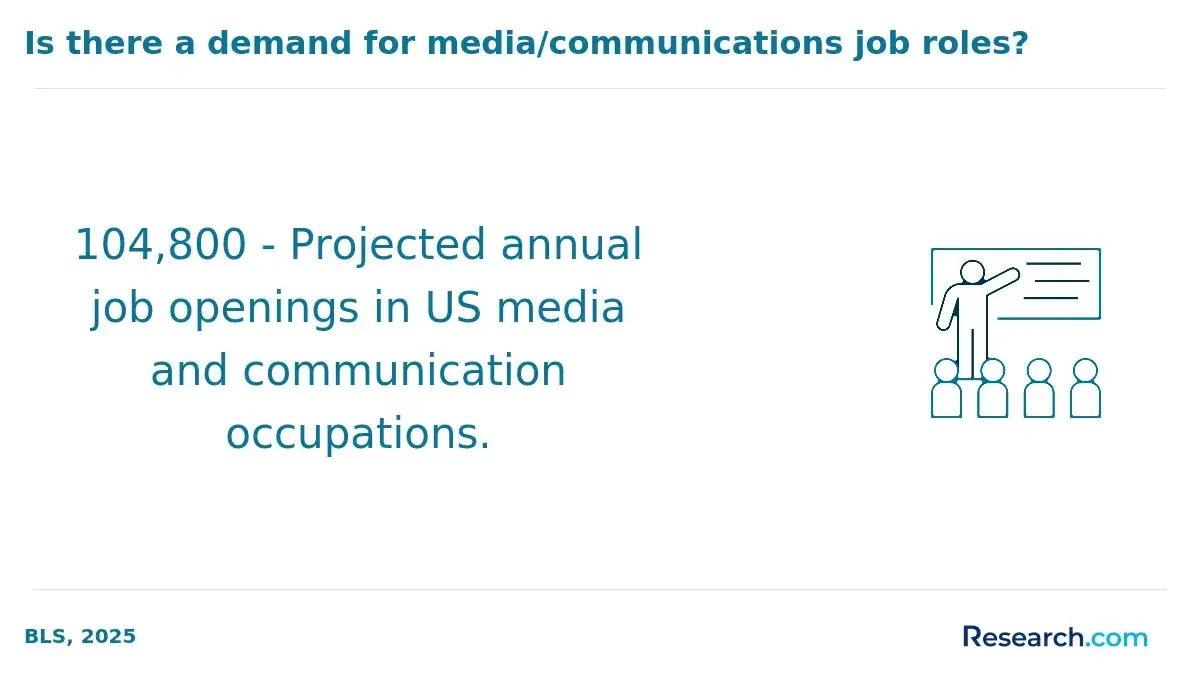
The Bureau of Labor Statistics notes a steady demand with approximately 4,100 to 4,500 job openings projected annually, which supports timely job placement. Those with a strong professional network or relevant practical experience usually transition into paid roles more quickly, reflecting the importance of early career connections in reducing the technical communication degree job placement timeline.
Many online technical communication programs integrate experiential learning opportunities, which help students gain work experience, build networks, and complete valuable internships while still studying.
These internships often cover areas such as software documentation, business writing, editing, or medical communication, giving students hands-on skills that employers seek. Joining professional organizations, contributing to online journals, or participating in global education programs further enhances workplace readiness.
By leveraging these experiences before graduation, students can create portfolios and resume highlights that make the transition into the workforce smoother and faster. For those interested in affordable options, exploring an online degree low cost may provide both educational value and practical career benefits.
How Much Do Online Technical Communication Graduates Earn on Average?
Online technical communication graduates in the United States typically earn between $62,000 and $133,000 annually, depending on their career stage, industry, and level of experience. Below is a breakdown of average earnings by common career paths and advancement levels for those in this field, offering insight into potential salary progression.
Here are key examples illustrating the average salary for technical communication graduates in the United States:
- Entry-level roles: Technical writers starting their careers can expect median annual wages ranging from $62,000 to $75,000, influenced by factors like location and industry sector. Most of these positions require a bachelor's degree and provide room for career growth with experience.
- Technical writers and editors: The technical writer median annual wage US was around $91,670 in 2024, while technical editors earned slightly less at approximately $91,149. Specializations such as software, engineering, or medical communication often push salaries higher, with top performers exceeding $130,000 in senior roles.
- Mid-career professionals: With several years of experience or a master's degree, communicators can transition into specialist or lead roles, earning between $76,000 and $108,000. Advancement depends on expertise and leadership skills developed over time.
- Leadership roles: Managers and directors in communications typically command salaries from $102,000 to $133,000 annually. These positions often require substantial experience and potentially graduate education, with pay varying by company size and industry.
- Industry variations: Salaries differ across sectors, with technology, pharmaceuticals, and engineering offering higher wages relative to publishing or education. Industry demand and complexity contribute significantly to these differences, making it important for graduates to consider where they want to work.
Accelerating degree completion can help enter the workforce sooner and potentially increase lifetime earnings, especially in some of the highest paying trade school careers like technical communication. For those weighing financial outcomes, understanding these salary ranges helps align educational goals with career and economic expectations.
Here's What Graduates of Online Technical Communication Programs Have to Say About Their Degree
- Carrie: "Completing my online technical communication degree opened doors I never imagined possible. The flexibility of the program allowed me to work full-time while learning crucial skills in documentation and multimedia content creation. This balance gave me confidence and practical experience, which led to a job offer even before I graduated. I'm now thriving in a dynamic tech company and truly value how the program prepared me for real-world challenges."
- Mina: "The online format of my technical communication degree challenged me to develop discipline and self-motivation, qualities that deeply influenced my personal and professional growth. I especially appreciated the collaborative projects, which fostered a strong sense of community despite the physical distance. These experiences have made me passionate about mentoring others and improving workplace communication to promote a more inclusive environment. Pursuing this degree online was truly transformative."
- Camila: "As someone looking to advance my career in technical writing, the specialized courses in my online technical communication program were invaluable. I gained expertise in user experience writing and content strategy, which directly contributed to my promotion within six months of graduating. The online program's industry-aligned curriculum helped me stay competitive and inspired me to keep growing as a professional. This degree was a key turning point in my career trajectory."
Other Things You Should Know About Online Technical Communication Degree Programs
In 2027, earning an online Technical Communication degree typically takes around 3 to 4 years for a bachelor's program. However, program lengths may vary based on part-time or full-time enrollment options and transferable credits from prior education or experience.
Key skills include strong written communication, attention to detail, and proficiency with digital tools such as Adobe FrameMaker, Markdown, or XML editors. Time management and self-discipline are critical due to the independent nature of online study. Analytical thinking and the ability to simplify complex information for various audiences are also essential.
Yes, prior experience in writing, editing, or technology-related fields can enhance understanding and performance in coursework. It allows students to connect theoretical concepts to practical applications and often contributes positively to portfolio development. Employers tend to value candidates with both education and professional experience.
In 2027, online Technical Communication degrees are widely recognized by employers, provided they are earned from accredited institutions. Employers value the technical and communication skills students gain, which are essential in various industries. Accreditation ensures a quality education that meets industry standards.
References
- All Online Master's in Technical Communication Programs (2025 Update) https://www.mastersincommunications.com/faqs/online-masters-in-technical-communication
- Find a Transfer Program | KCTCS https://kctcs.edu/education-training/transfer/transfer-guides/programs/index.aspx
- Technical Communication - Seneca Polytechnic, Toronto, Canada https://www.senecapolytechnic.ca/programs/fulltime/TEC.html
- Technical Communication – Online Education | Missouri S&T https://distance.mst.edu/distance-programs/distance-graduate-degrees/technical-communication/
- Can You Transfer Online College Credits? | National University https://www.nu.edu/blog/can-you-transfer-online-college-credits/
- Advantages of Earning an Online Degree in Communication https://onlinemasters.jou.ufl.edu/online-degree-in-communication-advantages/
- Become a Technical Writer https://www.technical-communication.org/technical-writing/outline-of-technical-communication/paths-to-the-profession
- Page not found | Metro State University https://www.metrostate.edu/academics/programs/technical-communication-and-professional-writing


