
2027 Reading & Literacy Degree vs. Certificate: Which Should You Choose?

Co-Founder and Chief Data Scientist
Students and professionals today face crucial decisions when choosing between a degree or a certificate in reading & literacy. Both paths enhance careers by deepening knowledge and skills, but they differ in commitment, duration, and depth of study. Degrees often offer broader education, while certificates provide focused training for specific roles within literacy fields.
Research shows that over 70% of literacy educators hold a bachelor's degree, highlighting its importance in many positions. Certificates, however, are valued for quick credentialing and skill upgrades. This article compares the key distinctions to help you decide which aligns better with your professional goals and lifestyle demands.
Key Points About Reading & Literacy Degree vs. Certificate Programs
- A reading & literacy degree often requires two to four years, offering comprehensive pedagogy and research skills, which can lead to advanced career roles and higher salary potential.
- Certificate programs typically take less time, focusing on practical methods and specific literacy interventions, making them ideal for quick skill enhancement or career shifts.
- Degree holders generally access broader professional networks and licensing opportunities, while certificates provide targeted expertise suited to current educators or specialists.
What Are the Differences Between Reading & Literacy Degree and Certificate Programs?
Both reading & literacy degrees and certificate programs can open valuable career paths, but they differ significantly in commitment, depth, and outcomes. Understanding these differences helps students choose an educational path that best fits their professional goals and time constraints.
Here are some key distinctions between reading & literacy degrees and certificate programs:
- Depth of Learning: Degree programs provide comprehensive knowledge including theory, research, and practical skills, suited for those seeking a strong foundation in literacy education. Certificates focus on specific skills or techniques, ideal for professionals needing targeted knowledge quickly.
- Time Investment: Degrees generally require a longer time commitment, often several years, which benefits those aiming for extensive preparation. Certificates are shorter, allowing learners to upskill efficiently, perfect for those balancing work and study.
- Career Advancement: Degrees may offer broader opportunities for advancement or leadership roles within education. Certificates can enhance existing credentials or serve as a stepping stone for those wanting to specialize without pursuing a full degree.
- Cost Considerations: Because degrees usually span multiple semesters, they tend to involve greater expenses. Certificates often cost less, presenting a more affordable option for skill enhancement.
- Curriculum Structure: Degree curricula are more structured with general education requirements and electives, appealing to students who desire a well-rounded experience. Certificates are more focused and streamlined, suitable for those seeking immediate practical application.
How Long Does It Take to Complete a Reading & Literacy Degree vs. a Certificate Program?
Completion time is a critical consideration for students deciding between a reading and literacy degree versus a certificate program. Understanding the typical duration and factors influencing program length helps prospective learners choose the best path for their career goals and schedules.
- Typical Duration: Reading and literacy degree program length usually spans about two years for full-time students due to higher credit requirements and practicum involvement. In contrast, reading and literacy certificate duration tends to be shorter, often between one year to fifteen months, focusing on fewer credits and practical skills.
- Flexibility: Degree programs commonly demand around 30-36 credits with practicum or internship hours, influencing the timeline. Certificates often require 20-31 credits and offer flexible pacing to accommodate working professionals, allowing completion in as little as one year.
- Factors Affecting Timeline: Enrollment status (full-time vs. part-time), curriculum structure, practicum hour requirements, and transfer credits from previous graduate work or professional experience all impact both degree and certificate timelines. Prior experience may reduce certificate duration substantially.
Students interested in accelerating their credentialing might explore 6 month online certificate programs high paying jobs, which highlight some certificate options that balance speed and market value. Choosing between these educational pathways ultimately depends on your time availability, desired specialization depth, and career aspirations.
Can You Complete a Reading & Literacy Degree or Certificate Entirely Online?
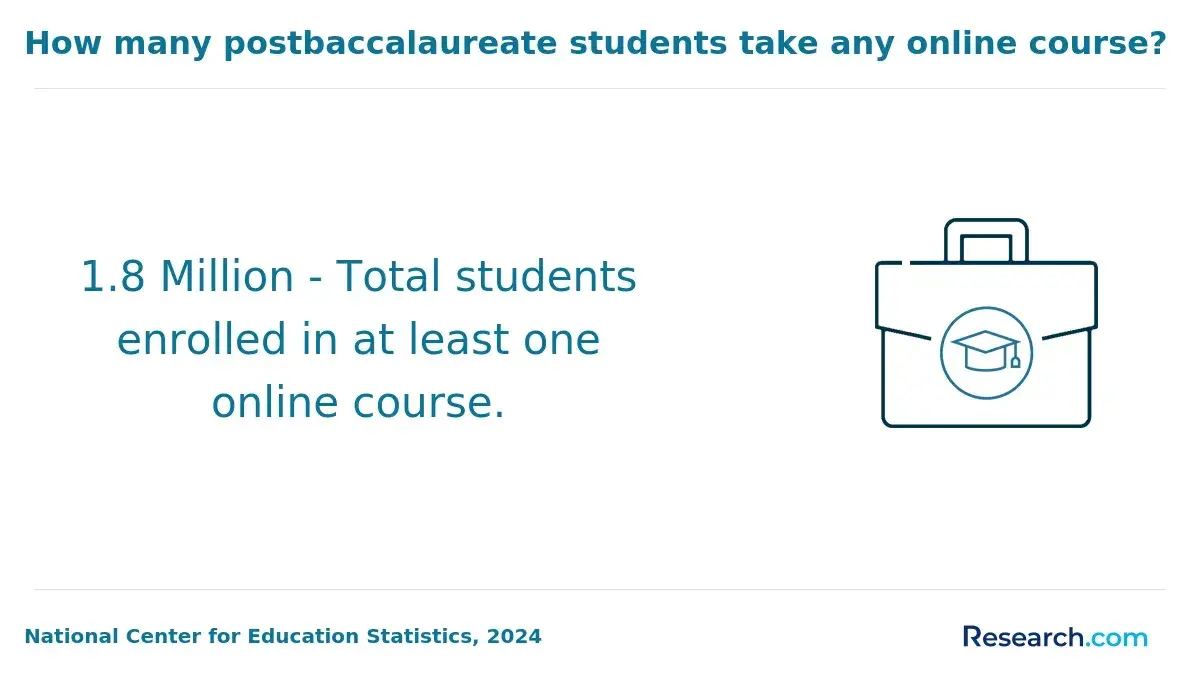
The rapid growth of online education has made it possible to pursue many programs remotely, including education-focused credentials. Numerous universities-such as University of Virginia, University of Tennessee, Charlotte, and Touro College-now offer fully online reading and literacy certificate options designed primarily for licensed teachers and graduate students.
These certificate programs usually feature asynchronous coursework for flexible learning schedules, sometimes enhanced by synchronous seminars or online practicums. In contrast, fully online reading and literacy degree programs, like master's degrees, are increasingly accessible but may still have hybrid requirements such as fieldwork, practicums, or in-person assessments depending on state licensure policies and university rules.
When selecting an online program, it is important to consider whether it includes hands-on training, internships, or practicum components that are often required to meet state licensure standards. These experiences might be completed locally or remotely with approval.
If rapid upskilling through easy certificate programs that pay well is your goal, a fully online certificate could be sufficient. However, for advanced roles or licensure, choosing a program with hybrid or practical elements is advisable. Always confirm that your chosen option aligns with your career objectives and state licensing requirements.
What Are the Admission Requirements for a Reading & Literacy Degree vs. a Certificate Program?
Admission requirements play a crucial role in determining eligibility for a reading and literacy degree or certificate program. They help set expectations for prior education and experience, guiding prospective students toward the path that best fits their qualifications and career goals. Below is a side-by-side comparison of the typical admission requirements for each program type to clarify these distinctions.
Admission Requirements for Reading & Literacy Degree Programs
- Educational background: A bachelor's degree from an accredited institution is required for admission to most master's in reading and literacy degree programs.
- Minimum GPA: Many programs expect a cumulative undergraduate GPA of at least 3.0 on a 4.0 scale; some schools may allow provisional admission with lower GPA if additional experience or materials are provided.
- Teaching credential: Some degree programs require a valid teaching credential, though this varies by state and institution.
- Transcripts: Submission of official transcripts from all postsecondary institutions attended is standard.
- Letters of recommendation: Typically, two or three letters addressing academic and professional readiness are required.
- Statement of purpose: A personal statement or essay detailing motivation and preparedness for graduate study is often requested.
- English language proficiency: International applicants are generally required to demonstrate proficiency, often through TOEFL scores.
Admission Requirements for Reading & Literacy Certificate Programs
- Teaching credential: Most certificate programs, such as the Reading and Literacy Added Authorization (RLAA), require a valid teaching credential before applying.
- Professional experience: A minimum of three years of full-time classroom teaching experience is often required, especially in California and several other states.
- Educational background: A bachelor's degree from an accredited institution is typically required; however, the focus is more on teaching experience than GPA.
- English learner authorization: Some certificate programs mandate proof of English Learner Authorization prior to program completion.
- Basic skills requirement: Evidence of fulfilling basic skills standards, such as CBEST scores or equivalent, may be necessary.
- English language proficiency: International applicants must meet English proficiency requirements, such as minimum TOEFL scores.
The distinction between reading and literacy degree admission requirements and certificate program requirements for literacy education is important for applicants to consider. Degree programs tend to emphasize academic achievement and comprehensive educational backgrounds, whereas certificate programs focus more heavily on teaching credentials and practical classroom experience. For those exploring advanced academic paths, examining options like PhD programs without dissertation may also be of interest.
How Many Credits Do You Need to Complete a Reading & Literacy Degree vs. a Certificate?
Knowing how many credits are required for reading & literacy programs helps students realistically plan their study timelines and balance other commitments. Understanding the difference in credit demands between degree and certificate paths clarifies what to expect in terms of workload and duration.
Below is a clear comparison of typical credit requirements for these options:
- Master's degree: Generally requires 30 to 43 credit hours, with most programs falling between 30 and 36 credits. This reflects a comprehensive study approach, often including in-depth coursework and practicum experiences.
- Certificate program: Typically involves around 15 credits, often structured as five 3-credit courses. These programs focus on specialized training for licensed teachers seeking additional literacy endorsement without a full degree commitment.
When asked about his experience completing a reading & literacy certificate, a student shared that the streamlined credit load made balancing professional and personal life manageable. He appreciated the program's targeted focus, saying, "I wanted something that would deepen my literacy skills quickly without stepping away from my teaching job for too long." The certificate allowed him to gain specialized knowledge efficiently, though he noted the pace could be intense due to the condensed schedule. Overall, he described the journey as rewarding, highlighting that understanding credit expectations clearly helped him make an informed decision that suited his career goals.
What Is the Average Tuition for a Reading & Literacy Degree vs. a Certificate?
Tuition costs are a crucial factor in deciding between pursuing a degree or a certificate in reading & literacy, especially for students balancing career goals with financial realities. Understanding average tuition ranges helps clarify the true investment required for each path. Below is a comparison of these costs for reading & literacy degree programs versus certificate programs.
Average Tuition for Reading & Literacy Degree Programs
- Tuition Range: The average cost of a reading and literacy master's degree typically falls between $7,000 and $35,000 total tuition. This wide range depends on whether the institution is public or private and the student's residency status.
- Public vs. Private Schools: Public universities generally offer lower in-state tuition rates, while private institutions tend to charge higher, uniform rates regardless of residency.
- Online vs. On-Campus: Online master's programs average about $7,912 per year in tuition, compared to around $12,600 per year for on-campus options.
- Program Length and Credit Requirements: Most master's programs require 30-36 credits, usually completed in 2-3 years, with per-credit rates ranging from $470 to $1,014.
- Additional Costs: Students should budget for books, fees, and living expenses, which can exceed $20,000 annually at some private universities.
Average Tuition for Reading & Literacy Certificate Programs
- Tuition Range: Reading specialist certificate tuition in Pennsylvania and other states generally ranges from $5,000 to $12,000 total tuition, reflecting shorter program durations and fewer credits.
- Credit Requirements: Certificate programs often require 12-18 credits, with tuition per credit varying by institution; for example, a 12-credit certificate could cost around $8,640.
- Institution Type: Public universities and community colleges typically offer lower tuition rates than private institutions for certificates.
- Online vs. On-Campus: Many certificate programs are available online, which helps reduce indirect costs such as housing and transportation.
- Financial Aid: Certificate students may have limited access to federal financial aid, affecting the net costs compared to degree students.
Students considering advanced studies may also explore accelerated paths like a 2 year PhD program to balance time and cost effectively.
Can You Transfer Certificate Credits Toward a Reading & Literacy Degree Later On?
Yes, transferring certificate credits toward a reading & literacy degree is often possible but depends on several important factors. Institutional policies determine whether credits from certificate programs can apply to graduate degrees; some schools have clear pathways while others do not accept such transfers. Accreditation is also crucial-credits earned from regionally accredited institutions have a higher chance of transferability. Additionally, the relevance of completed coursework to the degree's curriculum plays a significant role in acceptance decisions.
Other factors to consider include limits on how many credits can transfer, minimum grade thresholds (usually a B or higher), and the necessity of verifying credit transfer policies before starting a certificate program. Since transfer rules vary widely, it's advisable for students to consult academic advisors and thoroughly review their target institution's guidelines. Confirming these details early can help maximize the value of certificate coursework in advancing educational goals.
A student who completed a reading & literacy certificate shared her experience navigating this process. She described feeling uncertain initially about which credits would count toward her degree but found that thorough communication with advisors was key. "I learned that not all my courses transferred, but several did meet the requirements perfectly," she recalled. The process involved gathering documentation and sometimes waiting for official evaluations, which tested her patience but ultimately paid off. Reflecting on her journey, she said, "Knowing in advance what would transfer made me feel more confident about my investment and motivated me to continue toward my degree."
Are Certificate Programs Accredited the Same Way as Reading & Literacy Degrees?
Certificate programs in reading & literacy are not accredited in the same manner as degree programs, though both undergo evaluation to meet quality standards. Degree programs, like master's degrees, typically receive accreditation from national organizations such as the Council for the Accreditation of Educator Preparation (CAEP), which ensures that curriculum, faculty, and assessments satisfy state and employer requirements.
In contrast, certificate programs may be accredited by specialized bodies such as the International Dyslexia Association (IDA) or the Center for Effective Reading Instruction (CERI), and may focus on alignment with specific standards, such as the Knowledge and Practice Standards for Teachers of Reading (KPS). Degree programs often require institutional and programmatic accreditation for federal aid and certification purposes, whereas certificates might carry recognition from niche organizations but not the broad acceptance that degrees have. Some institutions offer both but students must confirm accreditation status for each credential separately.
Accreditation is crucial because it guarantees that a program meets established academic and professional standards, supporting quality assurance. It also affects career prospects, since many employers and states require credentials from accredited programs for specialist roles in reading & literacy.
Additionally, credits from accredited programs are more easily transferable between institutions. When choosing a program, students should verify accreditation by CAEP for degrees or IDA/CERI for literacy certificates, ensure the institution is recognized by the U.S. Department of Education, and confirm alignment with professional standards, including mandatory practicum experience. Always confirm a program's accreditation with recognized accrediting bodies before enrolling to ensure your credential will be valued.
What Jobs Can You Get with a Reading & Literacy Degree vs. a Certificate?
Both reading & literacy degrees and certificates open doors to careers in education, but they usually lead to different levels of positions and responsibilities. Degrees often qualify graduates for leadership or specialized roles, while certificates prepare educators for more focused instructional support. Below is a comparison of potential job options for each credential.
Jobs you can get with a reading & literacy degree
- Literacy specialist: Oversees literacy programs, develops instructional strategies, and supports teacher training within schools or districts.
- Reading specialist: Provides targeted reading interventions and assessments to improve student literacy outcomes in educational settings.
- Literacy coach: Coaches educators on effective literacy instruction techniques and curriculum integration to enhance classroom teaching.
- Reading curriculum developer: Designs and evaluates reading materials and curricula to meet diverse learner needs across grade levels.
- School administrator: Manages school literacy initiatives and policies, often involving program coordination and staff supervision.
- Consultant in literacy education: Advises schools and organizations on best practices in literacy instruction and program implementation.
Jobs you can get with a reading & literacy certificate
- Reading teacher: Delivers direct reading instruction to students, often within general or special education classrooms.
- Reading tutor: Provides individualized or small-group support focused on improving specific literacy skills.
- Literacy interventionist: Implements targeted interventions to help struggling readers achieve grade-level proficiency.
- Resource center instructor: Facilitates literacy activities and learning support within school resource or literacy centers.
What Is the Average Starting Salary for a Certificate vs. Reading & Literacy Degree Graduates?
Salary potential often varies significantly between graduates holding a reading & literacy certificate and those with a degree in the same field. Understanding these differences can help prospective students choose the pathway that best matches their career goals and financial expectations.
Below is a side-by-side comparison of the average starting salaries and related factors for certificate versus degree holders in reading & literacy.
- Typical Salary Range: Certificate holders typically start at about $38,000 to $45,000 per year in entry-level positions such as reading teacher or interventionist. Degree holders, especially those with a master's, command higher starting salaries of $45,000 to $60,000 per year.
- Career Opportunities: Degrees qualify individuals for advanced roles like reading specialist, literacy coach, or curriculum coordinator, with salaries averaging around $55,248 to $59,786 annually. This contrasts with generally lower-paying, limited roles available to certificate holders.
- Influencing Factors: Experience plays a major role; early-career educators earn less, but veteran teachers or specialists can earn up to 50% more than entry-level peers. Industry choice matters as public schools offer stable but moderate pay, while private or consulting roles may provide higher salaries.
- Geographic Variation: Location significantly impacts pay. States like New York and California show the highest salaries, often exceeding $70,000 starting pay. This is also illustrated by the reading specialist salary Oregon data, revealing regional disparities.
- Long-Term Outlook: A reading & literacy degree generally leads to broader career paths and higher earning potential over time compared to a certificate alone, demonstrating greater investment returns.
- Additional Resources: For those exploring options, some certifications online that pay well include reading & literacy certificates that offer quicker entry into the workforce, though with more limited earning capacity.
Here's What Graduates of Reading & Literacy Programs Say About Their Degree or Certificate
- Armando: "Choosing the reading & literacy certificate program was the perfect fit for me because it was much quicker and more affordable than a full degree. The focused learning experience allowed me to immediately apply what I learned to my tutoring job, boosting both my confidence and effectiveness. While a degree might offer more depth, the certificate gave me exactly what I needed without breaking the bank."
- Damien: "Enrolling in the reading & literacy degree program was a transformative journey. The in-depth coursework and extended timeline challenged me to develop a comprehensive understanding, which really prepared me for a lifelong career in education. Though the cost was higher compared to a certificate, I viewed it as an investment in my professional growth and long-term opportunities. Reflecting back, the degree's thorough learning pace was key to my development."
- Aiden: "I completed both the reading & literacy certificate and degree programs, which gave me unique insights into the benefits of each path. The certificate was a fast and cost-effective way to start working quickly, but the degree provided a richer, more structured education that really deepened my knowledge and expanded my career options. Balancing the cost and time was challenging, but combining both allowed me to advance steadily and confidently in the field."
Other Things You Should Know About Reading & Literacy Degrees
In 2027, a reading & literacy degree typically offers more in-depth practical classroom experiences, including student-teaching opportunities, compared to a certificate. Degree programs often include longer practicum periods, providing comprehensive, hands-on experiences that prepare candidates for the classroom environment more thoroughly than most certificate programs.
In many cases, credits earned from a reading & literacy certificate program can be applied toward a related degree, especially if the certificate is offered by the same institution. This can make certificate programs a stepping stone for students who later choose to pursue a full degree. It is important to verify transfer policies with the specific school to ensure credits are accepted.
For career changers in 2027, a reading & literacy degree offers comprehensive training and broader career options, while a certificate provides faster entry into the field. The choice depends on the individual's available time, financial resources, and career aspirations.
References
- Teaching Reading and Literacy PK-12, Advanced Certificate https://www.stjohns.edu/academics/programs/teaching-reading-and-literacy-pk-12-advanced-certificate
- What Can I Do With a Teaching Degree (Besides Teach)? https://www.alleducationschools.com/blog/what-can-i-do-with-a-teaching-degree-besides-teach/
- Tuition and Fees - Graduate Certificate in Educational Studies - Structured Literacy and Reading Science https://www.ualberta.ca/en/education/professional-learning/graduate-certificate-in-educational-studies/structured-literacy-reading-science/tuition-and-fees.html
- Degree Requirements https://education.illinoisstate.edu/academics/teaching-and-learning/ms-reading-literacy/requirements/
- Reading Education Endorsement and Certificate https://coe.uga.edu/academics/non-degree/reading-education-endorsement-certificate/
- The Essential Guide to Earning a Literacy Degree https://blog.cuw.edu/essential-guide-earning-literacy-degree-2163-1/
- Difference between Certificates, Diplomas & Degrees - M.I. | Monarch https://www.monarch.edu.au/blog/the-difference-between-certificates-diplomas-and-degrees
- Reading Specialist Certificate https://online.wpunj.edu/degrees/education/reading-specialist-certificate/
- MS in Literacy Education (Non Teacher Certification) https://www.warner.rochester.edu/degree/coursework/ms-literacy-education-non-teacher-certification
- Literacy Reading Specialist | College of Education https://www.tamuv.edu/education/graduate/curriculum-and-instruction/literacy-reading-specialist/


