2027 Online Early Childhood Education Degree Programs Costs: Tuition & Fees

Co-Founder and Chief Data Scientist
The cost of pursuing an online Early Childhood Education degree can vary widely, significantly impacting students' financial planning. Tuition and fees, along with technology and material expenses, often form the largest portion of total costs. These financial factors require careful consideration for those aiming to balance education with other monetary commitments.
Early Childhood Education programs typically range in price, with variations reflecting institution type and program length. This article will explore average tuition rates, detailed cost components, how these compare to other fields, and the financial aid options available to help manage expenses effectively.
Key Points About Online Early Childhood Education Degree Costs
- Tuition for online Early Childhood Education degrees typically ranges from $8,000 to $25,000 per year, varying by institution type and program length.
- Costs depend on factors like credit hours, residency status, and available financial aid or scholarships targeted at education students.
- Investing in these programs offers value through specialized training, credential advancement, and improved career prospects in a growing job market.
What Is the Average Cost of an Online Early Childhood Education Degree?
The average tuition for online Early Childhood Education degrees in the US typically falls between $8,000 and $11,000 per year for bachelor's programs at public institutions. These costs represent annual rates rather than total program expenses, making it easier for students to estimate yearly budgets.
Costs vary significantly depending on the degree level and type of school. Associate-level courses at community colleges or public universities can cost as little as $120 per credit hour, translating to roughly $3,000 to $4,000 annually for more affordable options.
In contrast, private colleges often charge more than $1,200 per credit hour, potentially pushing total bachelor's degree expenses beyond $40,000 over four years. Bachelor's degrees at public four-year institutions generally range from $8,000 to $13,000 each year.
When compared to other online education degrees, the tuition for Early Childhood Education programs is quite comparable. The median annual cost for online education degrees hovers just under $10,000, which is about $2,000 less than similar on-campus programs. This shows that choosing online learning can provide a more affordable path to earning a teaching credential in this field.
What Is Typically Included in the Tuition for an Online Early Childhood Education Degree?
Tuition for online Early Childhood Education degrees generally includes access to core academic courses and participation in virtual classrooms. Most programs provide digital platforms that host lectures, assignments, and faculty interactions.
A substantial part of tuition fees supports the technology needed to maintain secure online portals and student services. Additionally, many institutions offer access to e-libraries and academic resources within the cost.
- Course content and virtual classes: Full access to required lessons and interactive online sessions.
- Digital learning platform access: Use of software systems for managing coursework and communication.
- Academic guidance and support services: Tutoring, advising, and other forms of student assistance.
- Online library and research database access: Resources to support research and study materials.
- Some digital instructional materials: Electronic textbooks, lesson plans, and interactive tools, although availability varies by school.
Normally, tuition does not cover physical textbooks, expenses related to fieldwork such as travel for in-person practicum, licensing or exam fees, or costs for graduation and transcripts. Prospective students should review individual program details carefully to understand which expenses are included and which require additional payment.
What Factors Influence the Cost of Pursuing an Online Early Childhood Education Degree?
The cost of pursuing an online Early Childhood Education degree varies widely depending on several key factors. Understanding these variables is essential for students to set realistic budgets and choose programs that align with their financial situation. These factors affecting online early childhood education degree cost influence both the overall investment and potential savings.
- Institution Type and Prestige: Public universities generally offer lower tuition rates compared to private institutions. The reputation and accreditation of the school can also affect prices, though online programs often provide more affordable options than on-campus counterparts.
- Residency Status: In-state students typically pay significantly less at public universities than out-of-state students, making residency a major consideration when evaluating tuition differences for online early childhood education programs.
- Program Structure and Duration: The length of study influences costs; full-time students may finish in four years, whereas part-time enrollment can extend to 6-8 years. Credit hour requirements vary, with master's programs often needing 32 to 34 credits. Online formats usually cost about $2,000 less annually than traditional in-person options.
- Additional Expenses: Besides tuition, students should budget for books, technology fees, and mandatory charges, which contribute to total costs typically ranging from $15,000 to $50,000. Financial aid such as the TEACH Grant can reduce out-of-pocket expenses.
- Financial Aid and Grants: Availability of scholarships and grants can substantially offset costs, making it important to explore all funding options when examining factors affecting online early childhood education degree cost.
For those balancing work and study, exploring fastest degree college options for working adults can also impact the overall financial and time commitment.
Are Online Early Childhood Education Programs Cheaper Than Traditional Programs?
Online Early Childhood Education degree programs offer a more affordable alternative to traditional on-campus options. For the 2025 academic year, the median tuition for an online bachelor's in Early Childhood Education is about $10,059 per year, compared to $13,234 per year for on-campus programs. Over four years, this amounts to a nearly $13,000 difference.
The cost of online early childhood education tuition tends to be lower because online students avoid many expenses common to on-campus learning. Housing, meal plans, and campus fees, which can add $10,000-$20,000 annually for residential students, are not costs for remote learners. Additionally, online programs usually provide digital course materials, which reduces textbook expenses significantly.
While some online programs include technology fees, these charges are generally less than the fees associated with attending on campus. Despite the cost differences, the Early Childhood Education curriculum and licensure requirements remain largely the same regardless of delivery method. For prospective students researching affordable options, it may be helpful to consider which is the easiest masters degree as part of their decision process.
Are There In-state and Out-of-state Tuition for Online Early Childhood Education Programs?
Residency status often influences tuition costs at public universities, but this impact differs widely for online Early Childhood Education degrees. Some schools charge different rates based on whether a student is in-state or out-of-state, while others apply uniform pricing regardless of location.
Several public universities have moved toward flat-rate tuition models for their online programs. Institutions such as the University of North Dakota and University of Wisconsin-River Falls charge the same per-credit fee to all students, simplifying the process and removing location-based pricing disparities. However, many universities still use traditional tuition structures that distinguish between in-state and out-of-state learners, even for online coursework.
Additionally, some states participate in regional tuition compacts that lower costs for neighboring state residents pursuing online Early Childhood Education degrees. These agreements are geographically limited but can offer reduced rates to out-of-state students. Prospective students should always verify tuition policies with each institution, as flat-rate pricing can make attending distant programs more affordable compared to typical in-state tuition.
Which Schools Offer the Most Affordable Early Childhood Education Degree Programs?
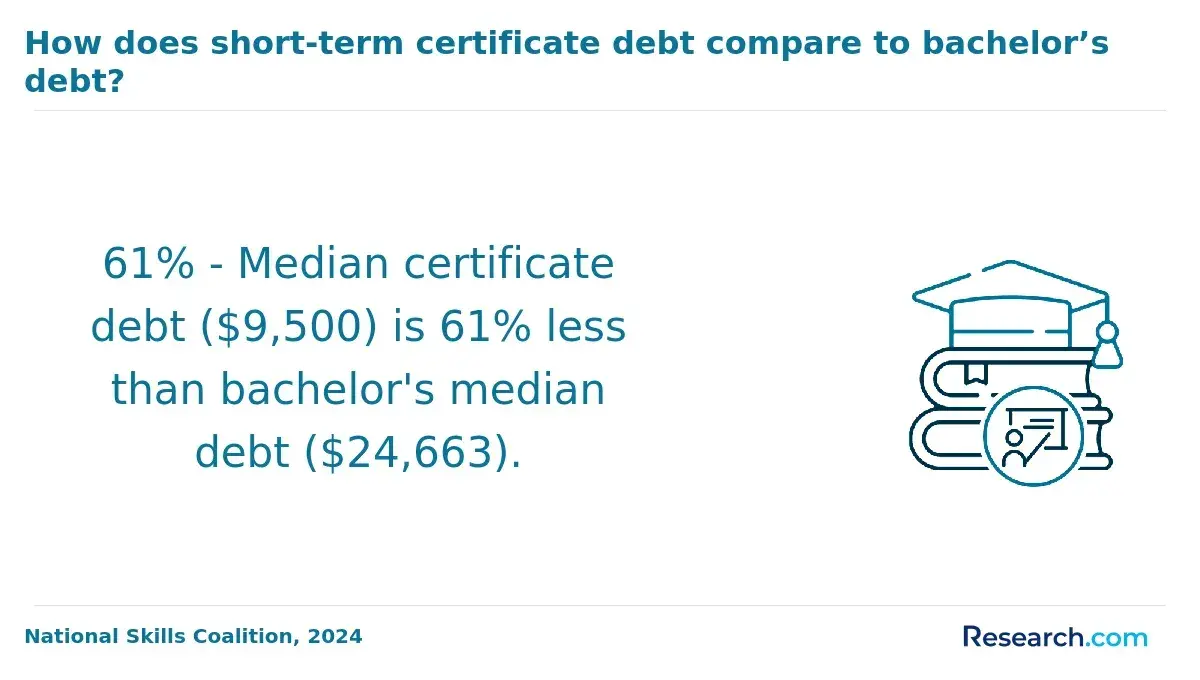
Several institutions in the US provide some of the most affordable online early childhood education degree programs, making it easier for students to earn their degrees without accumulating excessive debt. These programs are especially suited for working adults seeking flexible schedules and quality curricula aligned with national standards. If you are exploring the cheapest online early childhood education degrees in the US, there are notable options worth considering.
Here are three examples of affordable programs that combine cost-effectiveness with comprehensive coursework:
- Southern Oregon University offers an online Bachelor's in Early Childhood Development at just $212 per credit, one of the lowest rates available for this degree level.
- Eastern Oregon University provides an online Bachelor's in Early Childhood Education at $232 per credit, focusing on flexible learning tailored to early childhood teaching and development.
- Fort Hays State University delivers an online Bachelor of Science in Education: Early Childhood Unified for $237.72 per credit, preparing students for licensure and teaching both regular and special needs children.
For graduate-level options, the University of West Alabama charges $429 per credit for its online M.Ed. in Early Childhood Education, offering flat-rate tuition, scholarships, and flexible pacing to enhance accessibility. Additionally, the University of Massachusetts-Amherst's Bachelor of Arts in Early Care and Education stands out with a rate of $390 per credit and a part-time format suited for new and experienced educators.
If you are interested in accelerated learning paths, explore fast paced master's degree programs that could complement these affordable early childhood education options.
Which Schools Offer the Most Expensive Early Childhood Education Degree Programs?
Online early childhood education degrees vary widely in cost, with some programs standing out for their notably high tuition. Understanding the most expensive online early childhood education degree programs can help prospective students evaluate the value and investment involved in their education choices.
Below are three examples of some of the highest tuition early childhood education online colleges, showcasing where costs are at the top end of the spectrum.
- Nova Southeastern University: This institution offers a Bachelor of Science in Child Development with tuition around $142,900 for the full program. The high cost reflects the university's private research-driven status, advanced curriculum, and access to specialized faculty and extensive student support.
- University of Massachusetts Amherst: Their online Bachelor's in Early Childhood Education is priced at approximately $79,107 for the entire degree, placing it significantly below Nova Southeastern but still among the more expensive options.
- Walden University: Known for flexible online education, Walden charges a premium for its Early Childhood Education degree, balancing cost with comprehensive career resources for students pursuing leadership roles in education.
The high tuition rates in these programs often correspond to greater prestige and access to resources that may support students toward leadership careers within early childhood education. Students searching for more affordable options might also consider inexpensive online schools that accept financial aid, as detailed inexpensive online schools that accept financial aid.
How Long Does It Take to See a Return on an Online Early Childhood Education Degree?
Investing in an online Early Childhood Education degree can be financially rewarding, but the time it takes to recover these costs varies widely. Understanding typical salary ranges and expenses helps students evaluate the potential return on investment (ROI) of their degree.
Graduates with this degree often see ROI within a few years, especially if they secure full-time employment. Starting salaries for recent education grads averaged around $43,570 in 2023. Preschool teachers earned a median pay near $37,120, while kindergarten and elementary teachers made closer to $62,310 as of May 2024.
Considering that the average net cost of an online bachelor's degree in this field was approximately $5,334, many graduates can balance their educational spending within two years if working full time in relevant roles.
However, the specific payback period depends on job type, location, and how much student debt was accumulated. Additional factors affecting ROI include career growth opportunities, extra certifications, and whether the graduate pursues further education, which can delay earnings but often increases long-term income. Job demand for early childhood educators remains steady, though part-time roles or higher living costs may extend the time to break even financially.
Are Online Early Childhood Education Students Eligible for Financial Aid?
Students pursuing online Early Childhood Education degrees are generally eligible for a range of financial assistance, similar to what is offered to on-campus students. Accredited programs typically allow access to federal financial aid for online early childhood education programs by filing the Free Application for Federal Student Aid (FAFSA).
Moreover, many state and national scholarships exist, complementing federal aid and addressing different needs. Early childhood education scholarships and grants for online students are among the most common resources people explore when seeking affordable education options.
- Federal Pell Grants: These grants are awarded based on financial need and provide undergraduate students with funds that do not require repayment. The maximum award varies yearly, significantly lowering educational expenses for eligible students.
- TEACH Grants: Offered to education majors, this grant provides up to $4,000 annually to students who pledge to teach in high-need fields at low-income schools post-graduation, encouraging service in underserved communities.
- State Grants: Some states have targeted grants such as the Illinois Monetary Award Program (MAP), which supports residents pursuing degrees in early childhood education, helping to offset tuition costs effectively.
Additional funding could come from scholarships at both national and state levels, including programs like the Early Childhood Access Consortium for Equity (ECACE) Scholarship. Employer tuition assistance is another potential aid source, particularly for those already working in the education field. Maintaining enrollment in accredited programs and meeting GPA or work requirements often determine eligibility and the amount of aid awarded.
Students aiming to find programs that combine affordability with career potential may also explore certificates that pay well as an alternative or supplement to traditional degrees.
Are Online Early Childhood Education Programs Expected to Increase in the Coming Years?
Pursuing an online degree in Early Childhood Education offers flexibility but requires careful consideration of tuition costs. Understanding pricing trends is essential for prospective students planning their budgets.
Tuition fees for online programs in this field can vary widely based on the institution's type and location. Public universities often provide more affordable options, especially for in-state students, while private colleges tend to charge higher rates. Generally, tuition costs have steadily increased over recent years, influenced by inflation and rising demand for convenient, remote learning.
Looking ahead, experts anticipate that online Early Childhood Education tuition will continue to climb moderately. However, many schools are expanding financial aid opportunities to help offset these expenses. Potential students should research specific program costs and explore scholarships or grants designed for education majors to make their online studies more affordable.
What Students Say About The Cost of Pursuing Online Early Childhood Education Programs
- Nathanael: "Pursuing my Early Childhood Education degree online was a game changer for my career. The program cost was affordable compared to traditional colleges, averaging around $12,000, which made the investment worthwhile for the job opportunities I've gained. I'm truly enthusiastic about how this degree has expanded my professional horizons. "
- Russell: "Reflecting on my decision to study Early Childhood Education online, I appreciate the balance of cost and flexibility. With tuition around $10,000 to $15,000, the financial commitment was manageable, and I feel confident the return on investment will pay off as I advance into leadership roles within the education sector. It's reassuring to know my education is setting a solid foundation. "
- Jose: "The cost of pursuing an online Early Childhood Education degree was a key factor in my choice, coming in at roughly $13,000 on average. Professionally, this degree opened doors to new career paths, and personally, it gave me the skills to make a meaningful impact on children's lives. I've found the investment to be prudent and rewarding. "
Other Things You Should Know About Early Childhood Education Degree Program Costs
In 2027, the average cost of tuition for online Early Childhood Education degree programs can range from $10,000 to $25,000 annually. These prices vary based on institution reputation, geographic location, and program length. Additional costs may be incurred for materials and technology fees specific to online learning.
Besides tuition, students can expect fees for technology, course materials, and administration. In 2027, these fees vary by institution but can range from $100 to $500 per semester, impacting the overall cost of an online Early Childhood Education degree program.
References
- Early Childhood Education (A.S.) https://cps.unh.edu/online/program/as/early-childhood-education
- Early Childhood Education Degree Cost https://und.edu/programs/early-childhood-education-bsed/cost.html
- Early Childhood Education in a Mobile Society Tuition and fees https://online.missouri.edu/degrees-programs/mu/education/early-childhood-education-mobile-society/bs/financial
- How to Decide Between an Online and Onsite Degree https://www.indwes.edu/articles/2022/07/how-to-decide-between-an-online-and-onsite-degree.html
- Three factors influencing the cost of creating online courses » ReadyTech https://readytech.io/news-and-views/blog/business-and-finance/three-factors-influencing-the-cost-of-creating-online-courses
- Will the Increased Investment in Early Childhood Education and Care in Canada Pay off? It Depends! | Canadian Public Policy https://utppublishing.com/doi/full/10.3138/cpp.2023-061
- Guide: Choosing between online or in-person classes for your Early Childhood Education - Capital College https://www.capitalcollege.ca/guide-choosing-between-online-or-in-person-classes-for-your-early-childhood-education/
- Early Childhood Education Online Completion, B.S. https://vermontstate.edu/academic-programs/early-childhood-education-online-completion-bs/