
2027 Are Online Management Information Systems Degrees Respected by Employers?

Co-Founder and Chief Data Scientist
The popularity of online management information systems degrees has surged as more students seek flexible learning options. Recent studies show that approximately 75% of employers recognize online degrees as equivalent to traditional ones when earned from accredited institutions. This article aims to clarify current employer perspectives on online management information systems qualifications. It explores the factors that impact their acceptance in the job market, including program reputation and skills relevance. Understanding these dynamics can help prospective students make informed decisions about pursuing online degrees and their potential career implications in a competitive workforce.
Key Benefits of Online Management Information Systems Degrees Respected by Employers
- Employers increasingly recognize online management information systems degrees as credible, with a 2023 survey showing 78% of hiring managers view these programs as equivalent to traditional degrees.
- Graduates gain critical technical and analytical skills like data management and cybersecurity, which are in high demand and linked to a 15% faster career advancement compared to peers without such degrees.
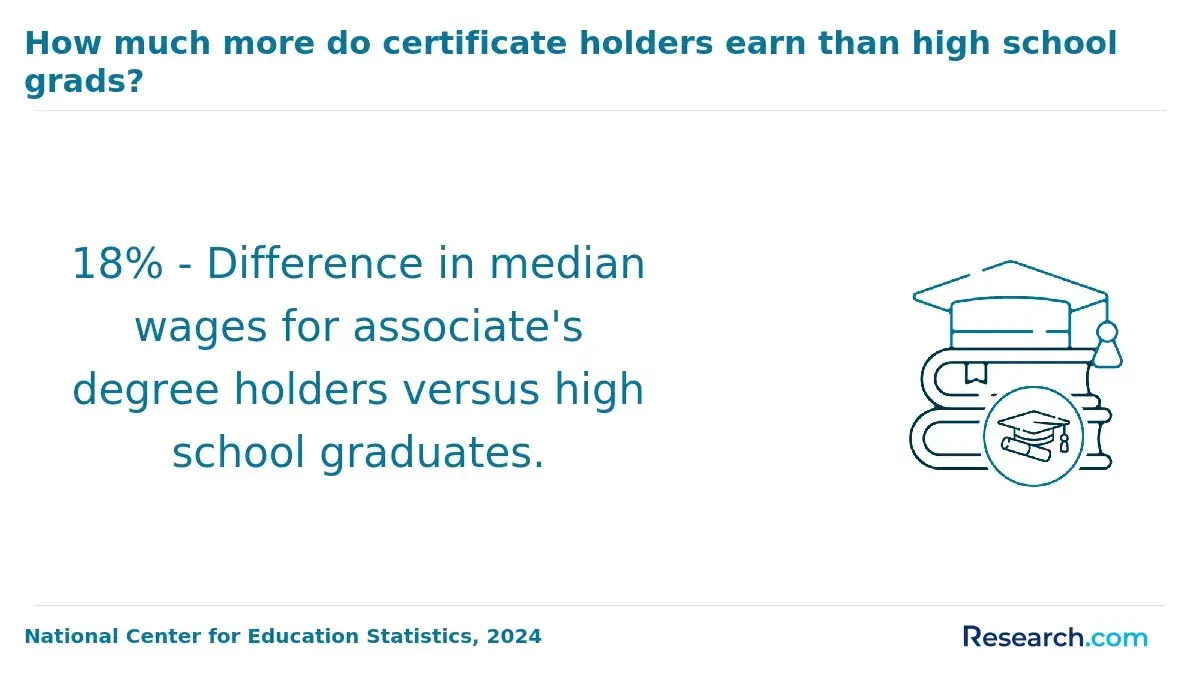
- Online MIS degrees often lead to improved career outcomes, including a median salary increase of 18% within three years after graduation, reflecting strong employer confidence in these qualifications.
Which Accrediting Bodies Make an Online Management Information Systems Degree Legitimate?
Accreditation is essential for ensuring that online management information systems degrees maintain high quality and earn recognition from employers. It serves as an external validation that programs meet established standards in curriculum design, faculty expertise, and learning outcomes. Without proper accreditation, even well-structured degrees may struggle to gain credibility, affect credit transferability, or qualify students for career advancement.
The following highlights the main types of accreditation that confirm the legitimacy and value of online management information systems programs:
- Regional Accreditation: This is the most widely recognized form of institutional accreditation in the United States. Agencies like the New England Commission of Higher Education (NECHE) evaluate entire universities to ensure overall academic quality. Graduates from regionally accredited schools benefit from easier credit transfers, eligibility for federal financial aid, and stronger employer recognition as these institutions meet strict educational standards.
- AACSB and ACBSP Accreditation for MIS Degrees: These programmatic accreditations are specific to business and management fields, including management information systems. AACSB (Association to Advance Collegiate Schools of Business) is highly regarded for its rigorous standards emphasizing faculty qualifications and curriculum excellence. ACBSP (Accreditation Council for Business Schools and Programs) also certifies quality but focuses more on teaching and student outcomes. Employers often prefer graduates from AACSB or ACBSP accredited MIS programs because it signals specialized training and preparedness for competitive roles.
- STEM Designation: Certain online management information systems degrees hold STEM (Science, Technology, Engineering, and Mathematics) designation, indicating a strong focus on technology skills. This distinction not only enhances the program's credibility in tech-driven markets but can also improve career prospects and work visa opportunities for international students.
For prospective students seeking the fastest online bachelor's degree for working adults, understanding these accreditation types helps ensure their investment is recognized by employers and educational institutions alike.
Does University Reputation Affect Employer Views of Online Management Information Systems Degrees?
University reputation plays a significant role in shaping employer perception of online Management Information Systems degrees, often serving as a primary indicator of program quality and graduate preparedness. Employers tend to associate a program's institutional prestige with factors such as rigorous academics, experienced faculty, and strong student support systems, all of which contribute to greater confidence in the value of the degree.
The employer perception of top ranked management information systems programs is influenced by several key elements. For instance, programs recognized by reputable ranking sources, like the University of Alabama at Birmingham's Collat School of Business, often enjoy enhanced trust due to demonstrated excellence in faculty credentials and technology infrastructure. Additionally, alumni success is a critical factor; graduates who secure competitive roles or advance rapidly signal to hiring managers that the program offers relevant career preparation.
Accreditation status further bolsters credibility. Employers often prefer candidates from programs accredited by organizations such as the Association to Advance Collegiate Schools of Business, as accreditation assures curriculum quality and ongoing evaluation. Partnerships with industry leaders and practical learning opportunities also increase employer trust by ensuring graduates possess current skills valued in the workplace.
However, while university reputation can improve employer views, skills and hands-on experience remain vital. Employers focus increasingly on demonstrated capabilities in database management, analytics, and cybersecurity, alongside professional ethics and development. Career outcomes reflect this balance since graduates of reputable programs tend to report competitive salaries and advancement, but individual merit continues to be a deciding factor.
Students considering an online Management Information Systems degree should also explore easiest online degree programs to find pathways that match their career goals and learning preferences.
Do Employers Treat Online and On-campus Management Information Systems Degrees Equally?
Employer perceptions of online management information systems degrees have shifted significantly in recent years, with many now considering them as credible as traditional on-campus degrees. This change has largely been influenced by improvements in online learning technologies and an increase in reputable universities offering accredited online programs.
Studies show nearly half of employers agree that online and traditional degrees hold equal value, especially in technology-driven fields like management information systems. The rise of remote work and the impact of the COVID-19 pandemic have further accelerated this acceptance, highlighting the growing importance of digital skills and independent learning that align naturally with online education.
When evaluating candidates, hiring managers typically look beyond whether a degree was earned online or on-campus. Key factors such as accreditation, the reputation of the awarding institution, and relevant practical experience tend to carry more weight than the program's delivery mode. Research indicates no strong preference for face-to-face degrees over online or hybrid options among IT employers, with 92 percent viewing online degrees from established brick-and-mortar universities favorably compared to only 42 percent for fully online-only institutions.
Graduates who emphasize the quality and credibility of their program, alongside showcasing applicable skills and professional achievements, are more likely to have their online management information systems degree regarded as equally valuable in the job market.
Do Employers Trust Online Management Information Systems Degrees from AI-powered Virtual Classrooms?
AI technologies such as adaptive learning systems, virtual simulations, and AI tutors have significantly enhanced the quality and credibility of online education, particularly for management information systems degrees. These tools allow for personalized learning experiences where students can engage interactively with material tailored to their needs.
For example, virtual simulations replicate real-world business scenarios, enabling learners to practice skills in project management, network security, and analytics in a risk-free environment. AI tutors provide timely, customized feedback that helps reinforce understanding and accelerates learning. Together, these innovations create an immersive educational setting that rivals traditional classrooms, offering a robust, hands-on approach to mastering complex MIS concepts.
These technological advancements positively influence employer perception of online management information systems degrees. While some skepticism remains regarding the legitimacy of online credentials, many employers increasingly recognize the quality and flexibility these programs offer. Studies show that online MIS graduates are well-prepared for roles like computer systems analysts and information systems managers, with competitive median salaries reflecting their skill levels.
The projected growth in IT-related occupations further bolsters their career prospects. Schools report high employment or continuing education rates among online graduates, which helps build employer confidence. Although prejudice against online degrees has not entirely disappeared, the integration of AI-powered learning tools and the demonstrable success of graduates contribute to a more favorable view in professional hiring decisions.
What Skills Do employers Value from Online Management Information Systems Graduates?
Online management information systems graduates gain a unique blend of technical and interpersonal skills that make them highly competitive in today's dynamic job market. Their education equips them with strong professional capabilities and essential soft skills that enable effective collaboration and leadership in diverse business environments.
Below are some of the top skills employers seek from graduates of online management information systems programs, which demonstrate the technical and leadership skills valued by employers in management information systems graduates.
- Technical proficiency: These programs develop expertise in database management, systems analysis, cybersecurity, and cloud computing, preparing graduates to design, implement, and troubleshoot complex IT systems. As digital transformation accelerates, employers highly value candidates who can maintain secure, efficient, and scalable technology infrastructures.
- Analytical skills: Graduates learn to break down complex business problems and extract actionable insights from raw data, enhancing business analytics and information security skills for management information systems careers. This ability helps organizations make informed decisions and stay ahead in competitive markets.
- Communication and teamwork: Online learning environments foster collaboration across different time zones and cultures, strengthening graduates' capacity to convey technical concepts clearly to non-technical stakeholders. These communication and teamwork skills are crucial for success in cross-functional teams.
- Project management and leadership: Through project-based learning and strategic planning courses, students gain hands-on experience managing IT initiatives and leading teams. This skill set aligns technology projects with broader business goals, meeting the growing demand for leadership in managerial positions.
- Systems thinking: Understanding how various IT components interact within a business context allows graduates to anticipate challenges and develop integrated solutions. This holistic approach is highly prized in today's interconnected digital workplaces.
According to recent industry insights, professionals with this combination of technical and leadership capabilities qualify for roles such as IT manager, business intelligence analyst, and cybersecurity specialist. For those exploring potential career paths, it is helpful to see which masters degree makes the most money to better understand the value of advanced education in this field.
Do Professional Certifications Help Validate Online Management Information Systems Degrees?
Earning professional certifications can greatly enhance the credibility of an online management information systems degree by providing concrete evidence of industry-specific skills and knowledge. These certifications serve as independent validations that help employers recognize a candidate's technical and managerial competencies.
Several key certifications are especially valuable in strengthening the perceived worth of an online management information systems degree among employers, as they highlight specialized skills and professionalism in the field.
- CompTIA Certifications: Widely respected in IT, credentials like CompTIA A+, Network+, and Security+ prove foundational technical expertise and security skills. Employers familiar with CompTIA regard these certifications as benchmarks confirming essential knowledge in management information systems.
- Project Management Professional (PMP) and CAPM: These certifications demonstrate an ability to effectively manage technology projects, a core aspect of MIS roles requiring planning, execution, and leadership. PMP and CAPM credentials reassure employers that candidates can handle complex, cross-functional initiatives.
- Certified Information Systems Security Professional (CISSP): For those concentrating on cybersecurity within MIS, CISSP signals advanced understanding of risk management and security principles, boosting employer confidence in a graduate's capacity to protect information assets.
- Database and Cloud Certifications: Specialized certifications such as Oracle Database Administrator and various cloud credentials (AWS, Microsoft Azure, Google Cloud) validate expertise in managing data infrastructure critical to businesses. These qualifications underscore a candidate's ability to secure and optimize enterprise systems.
- Business Intelligence and Analytics Certificates: Short-term certificates in these areas reflect practical skills in analyzing and transforming data into actionable insights, increasingly vital for MIS professionals focused on supporting business decisions.
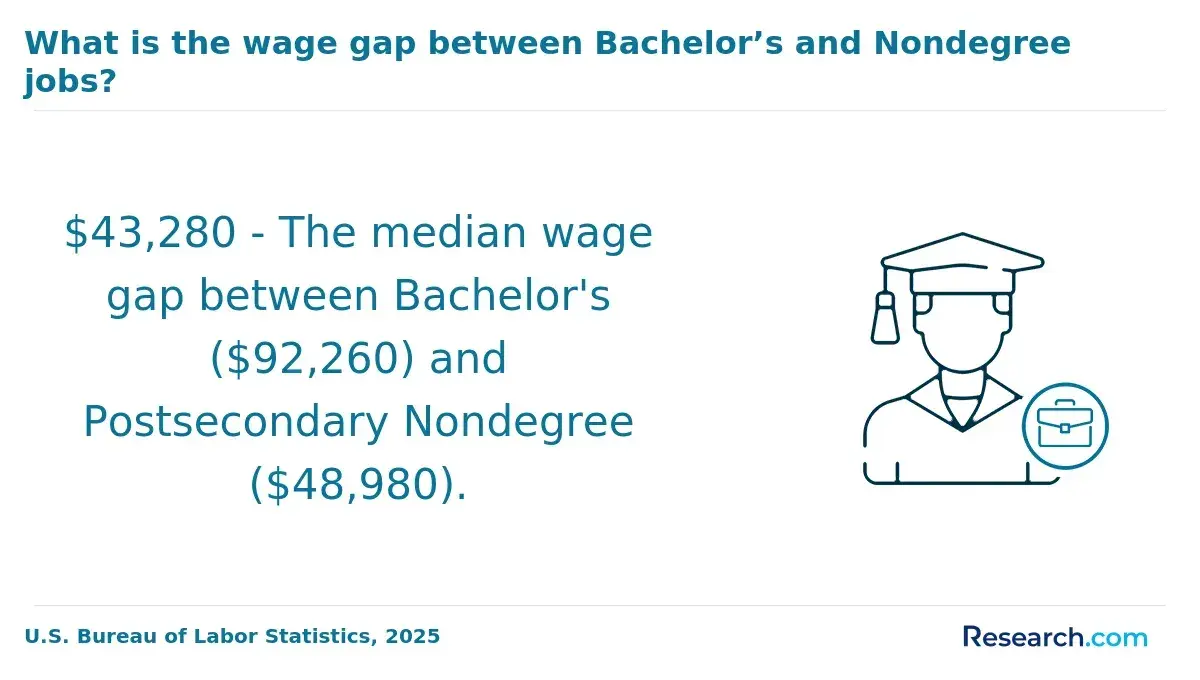
- Employer Recognition and Career Impact: Many employers prefer or require certifications alongside degrees, viewing them as current, measurable evidence of skills. According to internal data from some online IT management programs, certified graduates often see significant salary boosts, indicating strong career benefits.
Do Online Management Information Systems Graduates Earn the Same Salaries as On-campus Graduates?
Research shows there is generally no significant salary difference between online and on-campus Management Information Systems graduates, assuming degrees are granted by regionally accredited, reputable institutions. National and industry-wide trends indicate that Management Information Systems salaries by location in the US do not vary substantially based on whether the degree was earned online or through traditional schooling.
Several key factors influence salary outcomes for graduates from both online and traditional programs, affecting how well online degrees hold up in salary comparison online vs traditional Management Information Systems degree evaluations:
- Accreditation and Institutional Reputation: Degrees from regionally accredited schools and well-known universities command more respect and higher salaries, regardless of delivery method. Employers prioritize program quality over whether the degree was earned online.
- Relevant Work Experience: Candidates with prior internships or IT/business roles often receive better pay. Online programs attract many working professionals who leverage their experience to negotiate higher salaries on par with or above traditional graduates.
- Employer Perceptions of Online Education: The stigma toward online degrees has diminished significantly, especially following increased remote learning adoption. Employers today emphasize skills and credentials rather than delivery format.
- Geographic Location and Industry Demand: Salary levels depend heavily on the region and sector, such as finance or healthcare, which frequently offer higher compensation regardless of whether the degree was earned online or on-campus.
- Level of Degree Attained: Holding a master's in Management Information Systems or a related field typically results in higher salaries for both online and traditional graduates.
Those considering an online degree may want to research top ranked online universities to ensure they choose a program that maximizes their salary potential.
How Do Online Management Information Systems Degrees Impact Career Growth and Promotions?
Earning an online management information systems degree can significantly influence long-term career advancement and promotion opportunities across multiple industries such as finance, healthcare, government, and technology. This degree equips professionals with a unique blend of technical expertise and leadership skills that meet the evolving demands of today's digital economy.
The following points highlight the main ways online management information systems degrees support professional growth and upward mobility:
- Expanded Career Paths: Graduates gain qualifications for diverse roles like IT manager, business intelligence analyst, systems analyst, and cybersecurity specialist, enabling them to pursue higher-level positions as they build experience.
- Technical and Leadership Skill Development: Online MIS programs combine hands-on coursework in database management, analytics, cybersecurity, and cloud computing with training in communication, leadership, and strategic planning, preparing graduates to lead teams and align technology initiatives with business goals.
- Increased Earning Potential: Advanced MIS credentials are strongly correlated with higher salaries, reflecting the high demand and strategic importance of roles in IT management, business intelligence, and cybersecurity.
- Job Security and Industry Versatility: MIS professionals benefit from robust job security and the flexibility to transition across industries as they adapt to emerging technologies and business challenges.
- Flexibility for Working Professionals: The online format allows students to enhance their skills without disrupting their careers, enabling immediate application of new knowledge on the job and demonstrating value that accelerates promotions.
What Companies Actively Hire Graduates from Online Management Information Systems Programs?
Employers across a broad range of industries are increasingly open to hiring candidates with online management information systems degrees, recognizing the technical expertise and analytical mindset these graduates bring. As businesses rely more heavily on data and digital infrastructure, positions requiring management information systems knowledge continue to grow.
Below are examples of the top companies hiring online MIS graduates and the industry sectors where employers hiring management information systems degree holders actively recruit talent.
- Technology and Software Firms: These companies highly value graduates for their skills in database management, systems administration, and software development. Roles often include programmer, systems analyst, and app developer, leveraging hands-on training with tools like Python and SAP gained through online programs.
- Healthcare Organizations: With the rise of health IT and data analytics, healthcare providers seek graduates to fill positions such as data analyst and help desk specialist. Their ability to manage sensitive patient information and improve efficiency makes online MIS degree holders ideal for these roles.
- Financial Services and Banking: Banks and financial institutions rely on these graduates for information security, compliance, and business intelligence roles. Skills in data protection and business process management are critical for supporting decision-making and regulatory needs.
- Government Agencies: Increasing digital transformation initiatives have led government entities to recruit management information systems professionals for cybersecurity, IT auditing, and systems administration. Graduates contribute to enhancing secure and efficient public services.
- Consulting and Business Services: Consulting firms employ graduates to provide expertise in business analytics, process improvement, and IT project management. These roles often focus on helping clients implement new technologies and streamline operations.
For those looking to pursue such careers, considering programs listed among the top online colleges with national accredited status can be a valuable step toward meeting employer expectations and gaining relevant skills.
What Future Trends Will Shape Online Management Information Systems Degrees' Credibility?
Technology advancements, evolving accreditation standards, and shifting employer attitudes continue to influence how online management information systems degrees are valued in the job market. Together, these factors are reshaping perceptions and creating new pathways to demonstrate the credibility and rigor of online credentials.
Below are key trends expected to strengthen the legitimacy and employer recognition of online management information systems programs.
- Institutional Brand Recognition and Hybrid Delivery Models: Employers increasingly prefer online degrees from well-established brick-and-mortar institutions, with 92% favoring these credentials compared to only 42% for exclusively online universities. As traditional universities expand their online offerings, this trend will boost the credibility of digital programs by showcasing consistent investment in course quality regardless of the delivery method.
- Employer-Driven Skill Validation: Hiring practices are moving toward skills-based evaluation rather than relying solely on degree prestige. Online management information systems programs that align curricula with real-world industry needs-especially in high-demand areas like information security-will gain greater employer trust, highlighting graduates' practical competencies and workforce readiness.
- Enhanced Regional Accreditation Standards: Emphasis on regional accreditation as the preferred quality benchmark continues to ensure that online degrees meet rigorous educational standards. This oversight protects credential value and strengthens employer confidence across diverse institutions offering management information systems programs.
Here's What Graduates of Respected Online Management Information Systems Programs Have to Say About Their Degree
- Fallon: "Completing my online management information systems degree was a transformative experience that opened doors I never thought possible. Within months of graduating, I secured a role as a systems analyst at a Fortune 500 company, which allowed me to apply what I learned in real-world scenarios immediately. The flexibility of the program let me balance work, family, and study while gaining skills that are highly valued in the tech industry. This degree truly accelerated my career growth and helped me establish a stable and rewarding professional path."
- Renaya: "Finishing my management information systems degree online gave me a profound sense of accomplishment and confidence in my technical abilities. I transitioned from a mid-level IT technician to a project manager position thanks to the leadership and data management skills I developed. What surprised me most was how the program emphasized teamwork and ethical technology use, which enriched my personal development and commitment to community service. I'm now passionate about mentoring young women entering tech fields, using my story to inspire them."
- Kenji: "The online format of my management information systems degree perfectly suited my needs as a working single parent. It provided unique networking opportunities with classmates and professors worldwide, which expanded my professional contacts far beyond what I expected. This degree has been a catalyst for multiple promotions within my company, positioning me as a trusted consultant for digital transformation projects. The combination of technical expertise and strategic thinking I gained has empowered me to become a leader and change agent in my organization."
Other Things You Should Know About Respectable Online Management Information Systems Degree Programs
Employers increasingly treat online management information systems degrees as equivalent to on-campus degrees when they come from accredited universities. The quality and rigor of the program play a significant role in this perception. Demonstrating relevant skills and experience is also important in solidifying this equivalence.
In 2027, online Management Information Systems (MIS) degrees gain respect from employers due to accreditation, curriculum relevance, and hands-on experience. Programs aligned with industry needs and taught by experienced faculty contribute to the perceived value and acceptance of these degrees across various sectors.
In 2027, the respectability of online Management Information Systems degrees among employers is influenced by accreditation, curriculum quality, institution reputation, and the presence of industry partnerships. Employers also consider graduates' ability to demonstrate practical skills and relevant experience gained during their studies.
References
- Online Bachelor's Degree: Management Information Systems https://www.umgc.edu/online-degrees/bachelors/management-information-systems
- Bachelor of Science in Management Information Systems (MIS) Online https://online.maryville.edu/online-bachelors-degrees/management-information-systems/
- Best Management Information Systems Courses & Certificates [2025] | Coursera Learn Online https://www.coursera.org/courses
- Best Certifications for Information Systems Managers in 2025 (Ranked) https://www.tealhq.com/certifications/information-systems-manager
- Career Advancement Through Online Business Learning https://online.northeastern.edu/resources/online-business-learning-for-career-advancement/
- How Employers View Online Degrees and Distance Learning Programs https://londongatecollege.com/how-employers-view-online-degrees-and-distance-learning-programs/
- Are Online IT Degrees Worth It? | University of Phoenix https://www.phoenix.edu/articles/it/are-online-it-degrees-worth-it.html
- The Future of Management Information Systems: Trends Shaping the Business Landscape https://medium.com/@kakumanusriram05/the-future-of-management-information-systems-trends-shaping-the-business-landscape-dfa465415e77
- 5 Essential IT Skills Employers Want to See in Candidates https://www.umassglobal.edu/blog-news/5-essential-skills-employers-want-see-candidates
- 4 reasons why business skills can help you as an information systems professional https://businessdegrees.uab.edu/blog/4-reasons-why-business-skills-can-help-you-as-an-information-systems-professional/


