
2027 Healthcare Administration Degree vs. Certificate: Which Should You Choose?

Co-Founder and Chief Data Scientist
Choosing between a healthcare administration degree and a certificate is really a choice between speed, depth, cost, and the type of job you want next. A certificate can help you build focused administrative skills quickly, while a degree usually provides broader preparation for management, leadership, and long-term advancement in healthcare organizations.
This decision matters because healthcare employers need people who understand operations, compliance, patient services, finance, staffing, and data-driven decision-making. Healthcare administration roles are expected to grow by 18% over the next decade, according to the U.S. Bureau of Labor Statistics, but not every credential leads to the same level of responsibility or salary potential.
This guide compares healthcare administration degrees and certificates by completion time, online availability, admissions, credits, tuition, transfer options, accreditation, career paths, and starting salaries. Use it to identify which credential fits your current education, budget, work schedule, and career target.
Key Points About Healthcare Administration Degree vs. Certificate Programs
- Degree programs typically offer broader leadership training and higher salary potential, with median wages up to 20% greater than certificate holders in healthcare administration roles.
- Certificates emphasize practical skills and faster completion, ideal for professionals seeking targeted knowledge or career shifts without lengthy commitments.
- Degrees often require 2-4 years, supporting advanced career growth, while certificates focus on specific competencies for immediate application in healthcare settings.
What Are the Differences Between Healthcare Administration Degree and Certificate Programs?
The main difference is scope. A healthcare administration degree is a broader academic credential designed to prepare students for supervisory, managerial, and leadership roles. A certificate is a shorter, more targeted credential that helps students build job-ready skills or add healthcare administration knowledge to prior experience.
Neither option is automatically better. The better choice depends on whether you need a fast credential for entry-level administrative work, a career change, a promotion, or a foundation for long-term advancement.
| Factor | Healthcare Administration Degree | Healthcare Administration Certificate |
| Best fit | Students seeking broader career mobility, management preparation, or graduate study | Students or working adults who need focused skills quickly |
| Depth of study | Covers healthcare systems, finance, law, ethics, leadership, quality improvement, and operations | Focuses on selected topics such as medical office administration, billing, compliance, or healthcare management basics |
| Typical outcome | Stronger preparation for administrative, supervisory, and leadership-track roles | Faster preparation for support, coordinator, clerical, or specialized administrative roles |
| Time commitment | Usually months to several years, depending on degree level and enrollment status | Usually shorter, often designed for completion alongside work |
| Cost profile | Higher total cost because of more credits and longer enrollment | Lower total cost, though financial aid may be more limited |
A degree is usually the stronger option if your goal is to become a healthcare administrator, health services manager, practice manager, or department leader. It gives employers more evidence that you have studied the business, regulatory, and operational side of healthcare in depth.
A certificate can be the better option if you already work in healthcare and need a targeted credential, want to test the field before committing to a full degree, or need to qualify for administrative support roles faster. It can also be useful for professionals in adjacent fields, such as human resources, business, public health, or medical billing, who want healthcare-specific knowledge.
- Choose a degree if: you want broader advancement, higher long-term earning potential, or access to roles that list a degree as preferred or required.
- Choose a certificate if: you need a shorter program, lower upfront tuition, or a focused credential for entry-level work or upskilling.
- Consider both over time if: you want to start with a certificate, gain experience, and later apply credits or experience toward a degree where transfer policies allow it.
How Long Does It Take to Complete a Healthcare Administration Degree vs. a Certificate Program?
A healthcare administration certificate is usually the faster route. Certificate programs often take 4 weeks to 12 months, while degree timelines depend on the level of study. Associate degrees take a minimum of 2 years, bachelor's degrees require 3-4 years, and master's degrees typically take 2 years post-bachelor's.
The right timeline depends on how quickly you need the credential, how many courses you can take at once, and whether you already have transferable credits or healthcare experience.
| Credential | Typical Completion Time | What the Timeline Usually Means |
| Certificate | 4 weeks to 12 months | Fastest path for focused skills, career entry, or professional development |
| Associate degree | A minimum of 2 years | Introductory college credential that may support entry-level roles or transfer to a bachelor's program |
| Bachelor's degree | 3-4 years | Common undergraduate path for broader administrative and management preparation |
| Master's degree | Typically 2 years post-bachelor's | Advanced option for leadership, management, or career progression after undergraduate study |
Program format can significantly affect completion time. Full-time students generally finish faster than part-time students, but part-time study may be more realistic for working adults. Online and accelerated formats can shorten the calendar timeline, though they may require heavier weekly workloads.
Transfer credits can also change the timeline. Students who have completed general education courses, business courses, or previous healthcare coursework may be able to reduce the number of credits needed for a degree. Certificate students should ask whether courses are credit-bearing and whether they can later apply to a related degree.
Individuals interested in graduate-level options may explore one-year online master's programs to understand how some advanced degrees are structured on a shorter schedule. Before enrolling, confirm whether an accelerated format affects internship expectations, course load, tuition billing, or eligibility for employer tuition assistance.
Can You Complete a Healthcare Administration Degree or Certificate Entirely Online?
Yes, many healthcare administration degrees and certificates can be completed entirely online. This is especially common because healthcare administration coursework often focuses on management, policy, finance, operations, communication, informatics, and compliance rather than direct clinical practice.
Students can find fully online healthcare administration degree programs from accredited institutions such as Southern New Hampshire University, Western Governors University, Capella University, and Oklahoma State University. Online certificate options are also widely available for working professionals who want to build skills without commuting or pausing employment.
That said, “online” does not always mean “no in-person requirements.” Some programs may include internships, practicums, capstone projects with employer partners, supervised field experiences, or licensure-related components. These requirements vary by school, state, degree level, and specialization.
- Fully online programs are usually best for students who need maximum flexibility and can complete coursework independently.
- Hybrid programs may be useful when students want online classes plus local field experience, campus networking, or in-person support.
- Internship-based programs can strengthen a resume but may require additional scheduling around work and family obligations.
Students comparing program difficulty and structure may find resources such as guides to easier bachelor's degree programs useful for understanding workload differences, although healthcare administration programs should still be evaluated by accreditation, curriculum quality, and career alignment.
Before choosing an online healthcare administration program, ask the school these questions: Are all courses asynchronous? Are live sessions required? Are exams proctored? Is there a practicum or internship? Can fieldwork be completed near your home? Are online students eligible for the same advising, career services, and financial aid as campus students?
What Are the Admission Requirements for a Healthcare Administration Degree vs. a Certificate Program?
Healthcare administration degree programs usually have more selective admission requirements than certificate programs. Degree admissions often evaluate academic readiness, professional goals, prior coursework, and sometimes healthcare experience. Certificate programs are usually more accessible and may allow students to begin sooner.
The exact requirements vary by school and credential level. A bachelor's program, for example, will not have the same requirements as a master's program. Similarly, an entry-level certificate may only require proof of prior education, while an advanced graduate certificate may expect a bachelor's degree or work experience.
Admission Requirements for Healthcare Administration Degree Programs
- Educational background: Applicants generally need a bachelor's degree from an accredited institution for graduate-level study. Many master's programs require a minimum undergraduate GPA between 2.7 and 3.0, with some competitive programs expecting a higher GPA.
- Professional experience: Programs often require or prefer professional or internship experience in healthcare or related fields, commonly recommending one to two years of post-undergraduate work.
- Personal statement or essays: Applicants are usually asked to explain career goals, motivation for pursuing the degree, and relevant experience.
- Resume or CV: A current resume helps admissions teams evaluate healthcare, business, leadership, or administrative experience.
- Letters of recommendation: Most programs request at least two letters from academic or professional sources.
- Transcripts: Official academic transcripts from all post-secondary institutions attended are typically required.
- Interview: Some schools use interviews to assess communication skills, motivation, and fit.
- Standardized tests: GRE or GMAT scores are optional in many programs but may strengthen the application where accepted.
- English proficiency: Non-native speakers must usually provide proof of English proficiency through tests like TOEFL, IELTS, or Duolingo.
Admission Requirements for Healthcare Administration Certificate Programs
- Educational background: Certificate programs typically require a high school diploma or GED; some expect college coursework, and a few require a bachelor's degree.
- Professional experience: Healthcare experience is sometimes preferred but less often required. Entry-level certificates may target newcomers, while advanced certificates may expect prior work experience.
- Application form: A short application, sometimes with a nominal fee, is common.
- Resume: Some programs request a resume to confirm work history or professional goals, though it may not be mandatory.
- Personal statement: Rarely required, but some competitive or advanced certificate programs ask for a short statement of interest.
- Transcripts: Programs may request proof of the highest education level completed, but requirements vary.
- Letters of recommendation: These are seldom required for certificate admission.
- English proficiency: International students may need to prove English proficiency, though standards tend to be less stringent than for degree programs.
If you want the fastest start, a certificate may have fewer barriers. If you want a degree, prepare early by collecting transcripts, updating your resume, identifying recommenders, and writing a clear statement that connects your background to healthcare administration goals.
For students considering accelerated associate degree options as part of a longer education plan, it is important to compare admission requirements with future transfer goals before enrolling.
How Many Credits Do You Need to Complete a Healthcare Administration Degree vs. a Certificate?
Healthcare administration degrees require more credits than certificates because they include broader general education, business, leadership, and healthcare-specific coursework. Certificates use a smaller credit load to focus on a narrower set of practical or specialized skills.
| Credential | Typical Credit Requirement | How to Interpret It |
| Bachelor's degree | About 120 to 121 semester credit hours, or the equivalent quarter units | Broadest undergraduate option, usually including general education, major courses, and electives |
| Associate degree | 30 to 45 credit hours | Shorter college credential focused on foundational knowledge and skills |
| Certificate | 12 to 21 credit hours | Focused credential for targeted skill development or faster workforce entry |
Credit requirements affect cost, workload, and time to completion. A certificate with 12 to 21 credit hours may be easier to fit around full-time work, but it will not provide the same academic breadth as a bachelor's degree requiring about 120 to 121 semester credit hours. An associate degree can be a middle-ground option if you want a college credential but are not ready for a full bachelor's program.
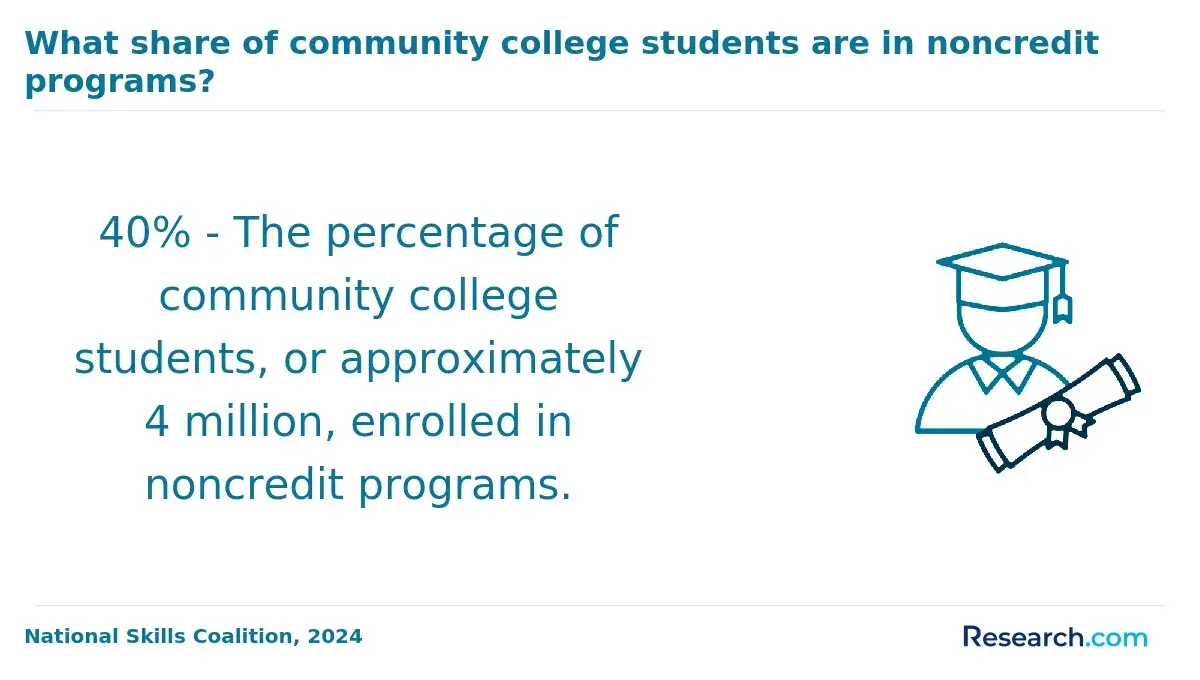
Credit type matters as much as credit quantity. Before enrolling, ask whether the credits are undergraduate or graduate level, whether they are regionally or institutionally accredited, and whether they can transfer into a future healthcare administration degree. Noncredit certificates may still build skills, but they generally do not shorten a later degree.
One student who chose a healthcare administration certificate described the concise credit load as a major advantage. Balancing work and study was still demanding, but the shorter curriculum made the goal feel manageable. The trade-off was pace: with fewer courses, each assignment carried more weight, and there was less time to absorb new terminology, regulations, and administrative concepts.
The practical lesson is to look beyond the total number of credits. Review the course sequence, weekly workload, grading expectations, and whether classes are offered every term. A short program can still be intensive, while a longer degree may offer more time to build confidence and apply concepts gradually.
What Is the Average Tuition for a Healthcare Administration Degree vs. a Certificate?
Healthcare administration certificates usually cost less in total because they require fewer credits and take less time. Degrees cost more overall, but they may provide broader career access, stronger advancement potential, and better eligibility for financial aid depending on the school and program.
When comparing costs, do not look at tuition alone. Calculate total program price, fees, books, technology costs, commuting or residency expenses, lost work time, and whether the credential qualifies for federal financial aid, scholarships, employer reimbursement, or payment plans.
Average Tuition for Healthcare Administration Degree Programs
- Associate degree range: Tuition generally ranges from approximately $8,254 to $33,735, depending on the institution, with many schools charging between $19,800 and $27,280.
- Bachelor's degree range: Undergraduate tuition and fees average around $9,791 annually for in-state students and $25,636 for out-of-state students, reflecting significant geographic and residency differences.
- Master's degree range: Tuition varies widely, from about $14,340 total for in-state programs to over $63,000 in some regions; per-credit costs can range from $239 to $1,321, influenced by school type and delivery format.
- Influencing factors: Public versus private institutions, online versus on-campus delivery, and geographic location all affect costs. Online programs may reduce some expenses, while private and out-of-state options tend to be more expensive.
- Program length: Degree programs typically last two to four years, which usually results in higher total tuition than certificate programs.
Average Tuition for Healthcare Administration Certificate Programs
- Certificate program range: Tuition usually falls between $1,000 and $7,000 total, making certificate programs a lower-cost alternative to degrees.
- Program length: Most certificates can be completed in a few months up to one year, limiting total tuition expenses compared with multi-year degree programs.
- Influencing factors: Costs depend on whether the certificate is offered by a community college, university, or online provider; university-affiliated certificates typically cost more than those from community colleges.
- Additional fees: Some programs add registration, materials, or technology fees, though these are generally modest compared with degree-related costs.
- Financial aid availability: Certificates are less likely to qualify for federal financial aid, which can increase out-of-pocket costs despite lower tuition.
If cost is the deciding factor, compare the total price against your career goal. A certificate may be the most efficient choice for a near-term administrative role, while a degree may be more appropriate if you are aiming for management or long-term advancement. Students focused on lowering degree costs can also compare options for an affordable healthcare administration degree online before committing to a program.
Students considering advanced study should also evaluate accelerated options carefully. A shorter program may reduce time away from work, but it can also create a heavier academic load. Resources on options such as a short online doctoral program can help students understand how accelerated graduate pathways differ from traditional timelines.
Can You Transfer Certificate Credits Toward a Healthcare Administration Degree Later On?
Yes, certificate credits can sometimes transfer toward a healthcare administration degree, but transfer is never guaranteed. Approval depends on the school, accreditation status, course level, grades earned, how closely the courses match the degree curriculum, and whether the credits are still considered current.
Credits usually transfer more smoothly when the certificate and degree are offered by the same institution or by affiliated accredited institutions. Some universities accept certificate credits directly into a related degree plan, while others cap the number of credits that can be transferred or require students to complete a minimum number of credits at the degree-granting institution.
Grade requirements also matter. Many schools only accept credits with a minimum grade of C, and some graduate programs may require a B for graduate-level transfer credit. Time limits are another common issue; some institutions limit transfer eligibility for older credits, often around 7 to 10 years.
Before starting a certificate with the hope of later earning a degree, ask the receiving school for written transfer guidance. Request answers to these questions:
- Are the certificate courses credit-bearing?
- Are the credits undergraduate or graduate level?
- Will the credits apply to major requirements, electives, or only general credits?
- What minimum grades are required for transfer?
- Is there a maximum number of certificate credits that can transfer?
- Do credits expire after a certain number of years?
- Will you need course descriptions, syllabi, or faculty credentials for evaluation?
One student who completed a healthcare administration certificate and later pursued a degree described the process as useful but not automatic. She was relieved that some credits counted toward her bachelor's program, but she had to provide transcripts and course descriptions, and some classes did not transfer because they did not match the degree requirements closely enough.
The safest strategy is to plan backward. Identify the degree you may want later, then choose a certificate that is offered by the same school or clearly maps to that degree's curriculum. This protects your time, tuition, and momentum.
Are Certificate Programs Accredited the Same Way as Healthcare Administration Degrees?
Not always. Healthcare administration degrees and certificates can both be offered by accredited institutions, but they are not always accredited in the same way. Degree programs, especially master's-level healthcare management programs, are more likely to seek specialized programmatic accreditation. Certificates may have institutional accreditation only, or they may be connected to a larger accredited degree program.
Healthcare administration degree programs, particularly at the master's level, are typically accredited by specialized organizations like the Commission on Accreditation of Healthcare Management Education (CAHME), which evaluates academic quality, professional relevance, curriculum, faculty, and outcomes. Certificate programs may not have separate programmatic accreditation, even when the school itself is accredited.
Institutional accreditation means the college or university has been reviewed as a whole. Programmatic accreditation means a specific program has been reviewed by an accreditor focused on that field. Both matter, but they serve different purposes.
| Accreditation Type | What It Means | Why It Matters |
| Institutional accreditation | The school as a whole meets recognized academic standards | Important for credit transfer, financial aid eligibility, and employer confidence |
| Programmatic accreditation | A specific healthcare administration or healthcare management program meets field-specific standards | Can strengthen credibility for leadership-track roles and graduate study |
| Industry-specific accreditation | A specialized credential meets standards in a particular healthcare area | May matter for specialized roles, such as long-term care administration |
A few specialized certificate programs, such as those in long-term care administration, have industry-specific accreditation like that from the National Association of Long Term Care Administrators Boards (NAB). Other certificates may align with degree requirements and allow credit transfer into CAHME-accredited master's programs, but that does not mean the certificate itself has the same accreditation.
Before enrolling, verify accreditation directly through the accreditor or the school's official accreditation page. Do not rely only on marketing language. Look for clear statements about institutional accreditation, CAHME accreditation where relevant, NAB recognition where applicable, and whether the certificate is credit-bearing.
What Jobs Can You Get with a Healthcare Administration Degree vs. a Certificate?
A healthcare administration degree generally supports broader and higher-responsibility roles, while a certificate is more commonly aligned with entry-level, support, coordinator, or specialized administrative positions. Experience still matters: a certificate holder with substantial healthcare experience may qualify for roles that a new degree graduate cannot yet access, and a degree graduate may still need to start in a coordinator or assistant role to build practical experience.
Jobs You Can Get with a Healthcare Administration Degree
- Healthcare administrator: Oversees daily operations of healthcare facilities, supports compliance, manages resources, and coordinates service delivery.
- Medical office manager: Manages staff, scheduling, patient flow, vendor relationships, and administrative functions within clinics or medical offices.
- Hospital administrative coordinator: Coordinates projects, reporting, documentation, and communication across hospital departments.
- Health services manager: Leads teams, manages budgets and resources, and works to improve patient care quality and organizational performance.
- Practice manager: Handles the business operations of medical practices, including staffing, budgeting, billing coordination, and workflow improvement.
- Patient services manager: Focuses on patient access, service quality, communication, and the performance of patient-facing administrative teams.
Jobs You Can Get with a Healthcare Administration Certificate
- Medical administrative assistant: Supports providers and office staff by managing scheduling, communications, forms, and patient records.
- Patient coordinator: Helps patients navigate appointments, referrals, documentation, and communication with medical staff.
- Medical records clerk: Maintains and organizes patient health records while supporting accuracy, privacy, and confidentiality.
- Billing and coding specialist: Processes billing information and insurance claims using standardized coding systems.
- Office support specialist: Provides administrative support in healthcare settings to keep office operations organized and efficient.
- Front desk supervisor: Oversees reception duties, patient check-in procedures, and front desk staff in a healthcare office.
When reviewing job postings, pay attention to required versus preferred qualifications. Some employers may list a bachelor's degree as preferred for coordinator roles and required for management roles. Others may accept a certificate plus relevant experience for administrative support positions. If your target job consistently requires a degree, a certificate alone may not be enough.
What Is the Average Starting Salary for a Certificate vs. Healthcare Administration Degree Graduates?
Starting salaries are usually higher for healthcare administration degree graduates than for certificate holders, mainly because degrees tend to qualify graduates for roles with broader responsibilities. Certificates can still offer a faster route into the field, but entry-level pay is often lower.
- Typical salary range for certificate holders: The average starting salary for healthcare administration certificate holders in the U.S. generally falls between $40,000 and $55,000 per year. Common entry-level roles include medical records specialist, patient services representative, and medical secretary, often with salaries on the lower end of the range.
- Typical salary range for degree graduates: The average starting salary for those with a bachelor's degree in healthcare administration is higher, typically ranging from $55,000 to $70,000 annually. Degree holders often access higher-level jobs such as clinical manager or healthcare administrator, with median salaries rising above $90,000 as experience grows.
- Influencing factors: Experience, industry, and location all affect salary offers. Prior healthcare or administrative experience can raise starting pay. Hospitals and large healthcare systems tend to pay more than smaller clinics, and urban states like California or New York usually offer higher salaries to match living costs.
- Career outlook: Degree graduates generally have greater upward mobility and long-term earnings potential, while certificate holders benefit from faster entry into the field but usually at lower starting salaries.
Salary should be evaluated alongside total cost and time to completion. A certificate may produce income sooner because it can be completed faster. A degree may take longer and cost more, but it can support higher-level roles and stronger long-term advancement.
Students exploring practical, skills-focused education may also compare options through resources on the best online schools for trade skills, especially if they are considering certificate-based routes into healthcare administration support roles.
The most useful comparison is not just certificate salary versus degree salary. It is the full return on investment: tuition paid, time spent studying, income gained or delayed, employer tuition support, transfer potential, and whether the credential matches the jobs you actually want.
Here's What Graduates of Healthcare Administration Programs Say About Their Degree or Certificate
- Benny: "Choosing the healthcare administration certificate program was the right move for me because I needed a faster, more focused learning experience. The pace was intense but manageable, and it helped me build critical skills without the long-term commitment or higher cost of a degree program. I would recommend considering a certificate if you want to strengthen your career options quickly while keeping costs around a few thousand dollars."
- Greyson: "The healthcare administration degree gave me a much broader understanding of the field. It took longer and cost more, often tens of thousands of dollars, but the wider career options and personal growth made the investment worthwhile for my goals. My advice is to weigh the degree's depth and potential earning power against the shorter and cheaper certificate route."
- Cooper: "After completing both a certificate and a degree, I see clear value in each. The certificate gave me immediate credentials and practical skills, while the degree expanded my knowledge and opened doors to leadership roles. Cost and time commitment matter, but the best choice starts with your career goal. Decide where you want to work and what level of responsibility you want, then choose the credential that supports that path."
Other Things You Should Know About Healthcare Administration Degrees
In 2027, a healthcare administration degree typically offers higher earning potential compared to a certificate. Degrees often lead to supervisory roles and more advanced positions, which generally come with higher salaries, while certificates may qualify individuals for entry-level positions that pay less.
In 2027, consider job market demands, career goals, time commitment, and cost. Degrees often offer broader opportunities and higher salaries, while certificates can provide quicker entry into the field. Analyze personal goals and industry needs to choose the right path.
References
- What Is the Salary for a Healthcare Manager? | Saint Mary’s University of Minnesota https://www.smumn.edu/blog/how-much-can-you-earn-in-a-healthcare-management-career/
- Earning Continuing Education Credits with a Healthcare Administration Certificate | Lindenwood https://online.lindenwood.edu/blog/earning-continuing-education-credits-with-a-healthcare-administration-certificate/
- 2025 Health/Health Care Administration/Management Tuition https://www.collegetuitioncompare.com/majors/51.0701/health-health-care-administration-management/
- Choosing a Business Graduate Certificate vs. a Degree | University of Wisconsin MBA Consortium - Online MBA Program https://www.wisconsinonlinemba.org/our-program/news/choosing-business-graduate-certificate-vs-degree/
- Health Care Administration Certificate https://hsim.ecu.edu/graduate/health-care-administration-certificate/
- Healthcare Administration - Graduate Certificate https://www.sacredheart.edu/majors--programs/healthcare-administration---graduate-certificate/
- What Is Accreditation Vs Licensure In Health Care? - SCI https://scitexas.edu/blog/what-is-accreditation-vs-licensure/
- Health Care Administration Page https://www.calcoast.edu/health-care/
- Certificates vs. Diplomas vs. Degrees in Healthcare: An Online Guide for Students https://www.edumed.org/articles/certificate-vs-diploma-vs-degree/
- Certificate Programs: Programs, Costs, Duration & Are They Worth It? - University of the Potomac https://potomac.edu/certificates-programs-costs-duration-are-they-worth-it/


