2027 Highest-Paying Jobs with a Materials Science & Engineering Master's Degree

Co-Founder and Chief Data Scientist
Professionals with a master's degree in Materials Science & Engineering often face a critical challenge: choosing career paths that both leverage their advanced skills and offer substantial financial rewards. With the global demand for innovation in sectors like aerospace, electronics, and renewable energy rising, the ability to identify high-paying roles becomes essential. Recent labor market data reveals that the median salary for materials scientists and engineers with graduate degrees exceeds $95,000 annually, reflecting strong industry valuation of specialized expertise. This article explores the top-paying positions available to master's graduates and provides insights to guide informed career decisions.
Key Benefits of the Highest-Paying Jobs with a Materials Science & Engineering Master's Degree
- Graduates with a master's in materials science & engineering often command starting salaries 20% higher than bachelor's holders, maximizing immediate earning potential in competitive industries like aerospace and semiconductors.
- Advanced specialization accelerates progression to executive roles, with median salaries exceeding $150,000 as leadership positions demand deep technical expertise combined with management skills.
- Strong industry demand for materials science & engineering expertise ensures long-term financial stability, as emerging fields like nanotechnology and sustainable materials drive continuous innovation and job growth.
What Are the Highest-Paying Jobs With a Materials Science & Engineering Master's Degree?
Earning a master's degree in Materials Science & Engineering significantly broadens access to senior and high-paying roles, with advanced degrees boosting median wages by up to 20% compared to bachelor's holders in engineering fields. This advanced education develops critical technical expertise and leadership skills essential for innovation-driven projects and management positions. Below are five of the highest-paying jobs typically pursued by Materials Science & Engineering master's graduates.
- Materials Engineer Manager: Oversees teams focused on developing new materials and processes, aligning research efforts with business objectives. This role requires strong leadership and strategic planning, commanding high remuneration due to its influence on product development and operational efficiency.
- Senior Research Scientist: Leads advanced experimental research to create innovative materials with specialized properties. Their deep technical knowledge drives scientific progress and meets complex client needs, justifying a premium salary.
- Failure Analysis Engineer: Examines material failures in products or structures to enhance safety and performance. This position demands precise analytical skills, directly impacting product reliability and adding substantial value for employers.
- Product Development Engineer: Designs and optimizes materials tailored for new applications, balancing cost, performance, and manufacturability. Their work plays a strategic role in revenue generation through innovative product offerings.
- Metallurgical Engineer: Specializes in metal extraction and processing, improving production techniques and ensuring quality control. The technical complexity and direct effect on manufacturing result in high earning potential.
For mid-career professionals seeking top career opportunities for Materials Science & Engineering master's graduates, recognizing these lucrative roles is essential to maximizing return on investment. Exploring online programs that pay well can also offer flexible paths to gaining these advanced qualifications.
Which Industries Offer the Highest Salaries for Materials Science & Engineering Master's Graduates?
Salary potential for materials science & engineering master's graduates varies widely across industries, reflecting differences in market demand, revenue scale, and the complexity of their technological challenges. Data shows that professionals in high-tech sectors can earn up to 30% more than the national average for the field. This variation makes it crucial to understand which industries offer the highest financial rewards. Several key industries stand out for offering above-average compensation:
- Semiconductor Manufacturing: Innovation in microelectronics and advanced materials drives this industry's need for specialized skills. The constant push for smaller, faster, and more efficient components results in significant research and development investment, supporting premium salaries.
- Aerospace and Defense: This sector demands lightweight, high-strength materials to enhance safety and performance. The technical challenges and stringent regulatory requirements fuel a competitive market for skilled materials science & engineering professionals.
- Energy: Focused heavily on renewable energy and battery technology, this industry rewards expertise in materials durability and efficiency. The shift toward sustainable energy sources is expanding opportunities and increasing compensation for advanced materials development.
- Pharmaceuticals and Biotechnology: Materials specialists play a critical role in developing cutting-edge drug delivery systems and medical devices. The high innovation barrier and regulatory complexity contribute to generous compensation packages.
- Automotive: The rise of electric vehicles emphasizes materials innovation to reduce weight and improve battery life. This evolving sector invests heavily in R&D, creating strong demand for skilled graduates.
When considering return on investment for graduate studies in this field, it is also worth exploring what certifications can I get online to complement your master's degree and further enhance earning potential within these top-paying industries for materials science & engineering master's degree holders.
What Is the Starting Salary with a Materials Science & Engineering Master's Degree?
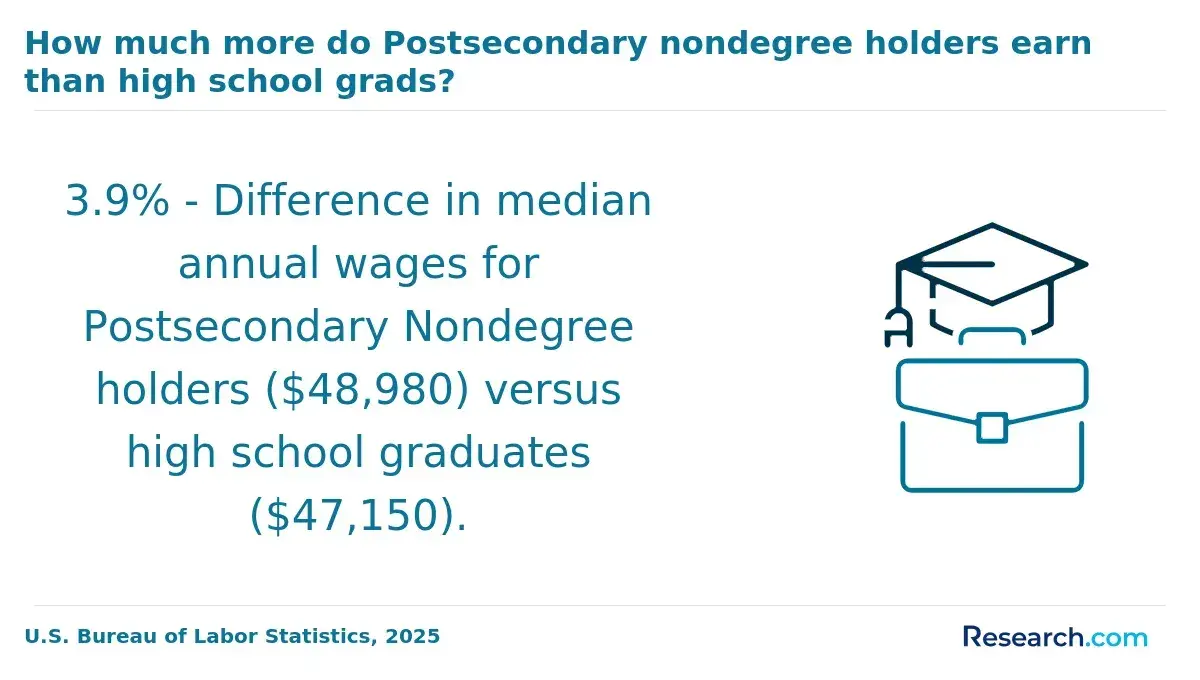
Starting salaries for materials science & engineering master's graduates in the USA often range widely, influenced by factors such as job role, prior experience, and industry demand. The average entry-level salary typically hovers around $72,000, though this can vary based on specialization and market conditions. Several key elements directly affect these initial compensation packages:
- Role and Sector: The specific position-whether in research, manufacturing, or quality assurance-determines the starting salary. Employers expect relevant technical skills and assign salaries reflecting the complexity and responsibility of the role.
- Previous Experience: Candidates with internships or co-op experience relevant to materials science & engineering often command higher offers. Practical work demonstrates applied skills that many employers value when setting entry-level pay.
- Technical Specialization: Expertise in cutting-edge fields like nanomaterials or biomaterials can increase starting salaries by aligning careers with current industry innovations. Graduates who focus on emerging sectors are better positioned for competitive compensation.
- Soft Skills and Certifications: Effective communication, leadership potential, and certifications such as Six Sigma enhance a resume. These qualities add value beyond technical knowledge, helping early-career professionals negotiate stronger starting salaries.
Master's graduates looking to maximize their starting salary should build a strong portfolio of projects and pursue relevant internships. Continuous skill development remains essential in the evolving job market for materials science & engineering.
For insight into broader trends affecting salary prospects, exploring the best majors in college can be beneficial.
Which States Pay the Highest Salaries for Materials Science & Engineering Master's Degree Holders?
Compensation for materials science & engineering master's degree holders differs notably across states, influenced by factors like local living costs, the concentration of relevant industries, and the demand for specialized expertise. Recent data indicates that state-level salary variations can exceed 20% for professionals with advanced degrees in this discipline. The following states stand out for providing higher pay due to favorable employment landscapes and economic conditions.
- California: With Silicon Valley as a global tech hub and a strong aerospace sector, California offers an especially competitive job market. Employers often provide premium wages to attract top talent in materials science & engineering.
- Washington: This state benefits from a significant presence of technology firms and advanced manufacturing, driving strong demand and well-compensated roles for those with specialized materials knowledge.
- Massachusetts: A cluster of renowned research institutions and biotech companies creates a supportive environment for higher salaries in this field, fueled by innovation and continuous development.
- Texas: Texas combines an expanding industrial sector with a relatively lower cost of living, enabling companies to offer attractive pay while maintaining competitive labor costs. This balance supports solid earning potential for graduates.
- Michigan: Known for its automotive and manufacturing industries, Michigan maintains consistent demand for advanced materials experts, translating to steady salary opportunities in the state.
Reflecting on the question of which states provide the highest salaries, a graduate of a materials science & engineering master's program shared that navigating job offers from multiple regions was both exciting and challenging. The graduate noted, "Deciding between different states wasn't just about the salary figures-it was about weighing the lifestyle, career growth, and local industry health." He remarked how understanding subtle regional differences in workplace culture and networking opportunities was crucial. "Some places demanded quick adaptation to new technologies, while others valued deep specialization," he explained, emphasizing that the choice went beyond numbers to personal and professional fit.
Which Materials Science & Engineering Master's Specializations Lead to the Highest Salaries?
Master's degree specializations in materials science & engineering are closely linked to earning potential, with niche expertise attracting salary premiums of 15-25% over general practitioners. Companies highly value professionals who develop advanced materials essential for cutting-edge technologies. The following areas represent some of the most financially rewarding specializations in this field:
- Nanomaterials: Specialists in nanomaterials earn top wages due to their ability to engineer materials at the atomic or molecular scale. Their work drives innovations across electronics, biomedicine, and environmental technologies, making their skills highly sought after.
- Biomaterials: Experts in biomaterials focus on the design and development of materials used in medical implants and drug delivery systems. The healthcare sector's rapid expansion fuels strong demand and higher compensation for these professionals.
- Semiconductor Materials: This specialization involves creating materials that improve microchip functionality and electronic device performance. As the electronics industry continuously pursues enhanced speed and efficiency, semiconductor engineers command premium salaries.
- Energy Materials: Professionals working with energy materials contribute to advancements in batteries, fuel cells, and solar technology. Their role is crucial to advancing sustainable energy solutions, leading to competitive pay in this area.
- Metallurgical Engineering: Metallurgical engineers develop metal alloys with superior properties crucial for aerospace, automotive, and infrastructure applications. The emphasis on material performance and reliability in these sectors ensures strong earning opportunities.
What Skills Can Increase the Salary of a Materials Science & Engineering Master's Degree Graduate?
Completing a materials science & engineering master's degree can boost earning potential, but compensation often hinges on developing certain specialized skills. Industry research shows that engineers with expertise in cutting-edge technologies can earn wage premiums up to 15% above their counterparts. The following skills are particularly impactful in enhancing salary prospects for graduates.
- Advanced Materials Characterization: Mastery of tools like electron microscopy and spectroscopy enables precise material analysis, supporting innovation and quality control. This skill is crucial for roles requiring detailed research and product reliability, attracting premium pay.
- Computational Modeling and Simulation: Proficiency with software to predict material behavior under various conditions helps streamline product design and reduce costs. Employers reward this ability as it shortens development times and improves outcomes.
- Project Management: Leading multidisciplinary teams and coordinating projects ensures on-time delivery and aligns technical work with business goals. Graduates who demonstrate leadership in this area are often tapped for higher-level positions with better compensation.
- Data Analysis and Machine Learning: The capability to analyze extensive datasets and apply machine learning accelerates materials discovery and optimizes manufacturing processes. This expertise gives companies a competitive edge, making it highly valued in compensation packages.
- Regulatory Knowledge and Compliance: Understanding and navigating industry standards and regulations safeguards product safety and environmental compliance. This competence is essential for senior roles in manufacturing and product development, commanding higher salaries.
When I spoke with a working professional currently enrolled in a materials science & engineering master's program, she reflected on the value of combining technical and leadership growth. "Balancing coursework with real-world challenges is intense," she shared. "Learning to communicate complex technical results clearly to non-experts has been a game changer-it's opened doors to project leadership opportunities I hadn't anticipated. Each challenge has pushed me to develop skills beyond the lab, which I believe will significantly boost my career trajectory and salary potential." Her experience underscores how expanded skill sets translate into greater responsibility and compensation.
Is There a Salary Difference Between Online and On-Campus Materials Science & Engineering Master's Graduates?
Prospective master's students often wonder if completing a materials science & engineering degree online versus on-campus influences their salary outcomes. According to a 2022 survey by the National Association of Colleges and Employers, 83% of employers hold neutral or positive views toward candidates with accredited online degrees, signaling increasing acceptance. This development invites a closer look at how education format impacts earnings.
Research shows that whether a materials science & engineering master's degree is earned online or on-person does not inherently determine salary differences. Instead, factors such as the reputation of the awarding institution, relevant industry experience, and the quality of professional networking opportunities tend to have a stronger correlation with post-graduation income. Geographic location and the specific industry sector where graduates find employment also play crucial roles in compensation levels.
While some employers may historically have favored on-campus graduates for perceived rigor or stronger networking advantages, this gap is steadily closing as remote learning technologies improve. Current hiring trends increasingly prioritize demonstrated skills, certifications, and applied project experience over delivery format. Consequently, graduates of materials science & engineering programs-whether online or on-campus-can generally expect comparable salary prospects when other important factors align.
Are Materials Science & Engineering Master's Graduates More Competitive for Executive Positions?
Many professionals pursue a materials science and engineering master's degree to strengthen their qualifications for senior leadership roles where decision-making authority and strategic influence are essential. This graduate training is designed to develop skills that enhance competitiveness for executive positions. Several critical factors contribute to this advantage:
- Advanced Leadership Training: Graduate programs often incorporate management and organizational behavior studies, equipping graduates to lead multidisciplinary teams with confidence and effectiveness in dynamic environments.
- Strategic Problem-Solving: The rigorous analytical approach sharpens the ability to address complex business challenges, supporting executives in long-term planning and optimal resource allocation to achieve organizational goals.
- Cross-Functional Exposure: Collaboration across departments is a common feature of materials science and engineering master's curricula, fostering skills in integrating diverse perspectives to drive comprehensive company initiatives.
- Professional Credibility: Holding a master's degree establishes respect among peers and stakeholders, positioning graduates as authoritative leaders in technological and strategic decision-making arenas.
- Broader Organizational Insight: Graduate studies blend technical mastery with managerial concepts, developing a holistic understanding of business processes that enables better alignment with corporate strategy and priorities.
These elements significantly boost promotion potential by preparing materials science and engineering master's graduates to meet the expectations of senior leadership. They are viewed as having the strategic vision and leadership skills required to influence company direction and innovation. Mid-career professionals aiming to advance would do well to consider how such specialized graduate education can elevate their executive competitiveness. For those exploring related fields, options such as an easiest MSW online program might provide alternative routes to strengthening management skills tailored to different industry demands.
What Is the ROI of a Materials Science & Engineering Master's Degree?
Return on investment (ROI) is a key consideration for prospective Materials Science & Engineering master's students assessing tuition costs against long-term career benefits. Research shows that master's degree holders in this field can earn approximately 20% higher median salaries compared to those with only a bachelor's degree, highlighting the financial advantage of advanced education. Several factors influence the ROI of a Materials Science & Engineering graduate degree.
- Tuition Costs: The upfront expense of graduate programs varies widely and directly impacts how soon a student can recover their investment through increased earnings. Lower tuition often means a shorter break-even point.
- Salary Growth: Advanced degrees accelerate career salary trajectories, enabling graduates to benefit from steeper wage increases and higher lifetime income compared to bachelor's degree holders.
- Opportunity Cost: Time spent in graduate school represents lost wages and work experience that must be weighed when evaluating the overall financial return from earning the degree.
- Career Mobility: A master's degree often unlocks specialized roles and leadership opportunities unavailable to bachelor-only graduates, enhancing job stability and promotion potential.
- Networking Value: Graduate programs foster valuable connections with industry professionals and academics, which can translate into improved job prospects and career growth. For those balancing work and study, options like accounting classes online illustrate how flexible education can optimize ROI.
What Is the Job Outlook for Materials Science & Engineering Master's Degree Holders?
Prospective master's students in materials science & engineering must consider job outlook to evaluate career longevity and growth opportunities. The U.S. Bureau of Labor Statistics projects about 5% employment growth in related engineering fields over the next ten years, signaling steady demand. Several critical factors shape this trajectory:
- Long-Term Demand Trends: Advances in manufacturing and technology constantly increase the need for materials specialists, particularly in sectors such as aerospace, electronics, and renewable energy, where innovation drives materials development.
- Evolving Skill Needs: Graduates must continuously update their expertise in emerging materials like nanomaterials and biomaterials to maintain relevance and competitiveness in a rapidly shifting technological landscape.
- Technological Change: Ongoing innovation in the design and processing of materials offers opportunities for experts proficient in cutting-edge techniques to contribute significantly to product development and improvement.
- Leadership Pipelines: Master's degree holders are often preferred for mid-to-senior level positions, as companies seek engineers who can lead projects and teams, thereby enhancing career advancement potential.
- Economic Resilience: Positions in materials science & engineering tend to be more stable compared to other sectors, due to their foundational role across diverse high-tech industries that can cushion economic downturns.
What Graduates Say About the Highest-Paying Jobs with a Materials Science & Engineering Master's Degree
- Orlando: "Choosing a master's in materials science & engineering was one of the best decisions I made for my career. Despite the initial cost being quite high, the advanced skills and knowledge I gained opened doors to high-paying roles in aerospace and electronics industries. Looking back, the return on investment was well worth the effort and expense."
- Zion: "Reflecting on my experience, the financial impact of earning a materials science & engineering master's degree has been transformative. The program was demanding but affordable compared to other STEM fields, and it significantly enhanced my earning potential in the battery technology sector. I'm grateful for the balance between cost and career advancement this degree offered."
- Wyatt: "From a professional standpoint, the master's degree in materials science & engineering gave me specialized expertise that employers highly value, especially in sustainable materials development. While the cost was a consideration, the salary increase and opportunities for leadership roles have justified every dollar spent. It was a strategic investment in a rapidly evolving field."
Other Things You Should Know About Materials Science & Engineering Degrees
Industry experience significantly enhances job candidates' competitiveness for top-paying positions in materials science & engineering. Employers often prefer candidates with hands-on experience in relevant sectors such as aerospace, automotive, or electronics. Practical experience not only demonstrates applied skills but also familiarity with industry-specific challenges, which can lead to higher starting salaries and quicker advancement.
In 2027, high-paying roles for Materials Science & Engineering Master's graduates include positions like materials engineer, product development scientist, and metallurgical engineer. They primarily serve industries such as aerospace, semiconductors, and pharmaceuticals, where advanced materials innovation drives competitive compensation packages.
Yes, relocating to regions with a high concentration of materials science & engineering industries can substantially impact career growth and salary. Areas like Silicon Valley, Boston, and states with strong manufacturing or tech sectors typically offer more competitive compensation. However, cost of living and quality of life should also be considered when evaluating the benefits of relocation.
References
- Online Master's Degrees in Materials Engineering - MS, MSE https://www.onlineengineeringprograms.com/materials
- Careers, Placement and Outcomes - Metallurgical and Materials Engineering Department https://www.mtech.edu/metallurgical-materials-engineering/outcomes/index.html
- Is Grad School Worth It? A Comprehensive Return on Investment Analysis - FREOPP https://freopp.org/whitepapers/is-grad-school-worth-it-a-comprehensive-return-on-investment-analysis/
- Materials Science and Engineering Master's Program https://engineering.brown.edu/graduate/programs-and-deadlines/materials-science-and-engineering-masters-program
- materials science and engineering - Faculty of Science and Technology | University of Silesia in Katowice https://us.edu.pl/wydzial/wnst/en/studia/kandydat/oferta-dydaktyczna/materials-science-and-engineering/
- Engineering Salary Statistics https://www.mtu.edu/engineering/about/salary/
- What is the ROI for Getting a Master’s in Engineering? https://interestingengineering.com/culture/what-is-the-roi-for-getting-a-masters-in-engineering
- The Future of Materials Science: Trends Shaping Jobs in 2025 https://materialssciencejobs.co.uk/career-advice/the-future-of-materials-science-trends-shaping-jobs-in-2025
- Materials Science Career Prospects https://www.imperial.ac.uk/engineering/departments/materials/study/undergraduate/materials-science-career-prospects/
- 10 Highest Paying Material Science Jobs to Consider 2026 https://www.scijournal.org/articles/highest-paying-material-science-jobs