2027 Highest-Paying Jobs with a Reading & Literacy Master's Degree

Co-Founder and Chief Data Scientist
Many educators with a master's degree in reading & literacy face limited career advancement despite specialized training. The challenge lies in identifying roles that offer both professional fulfillment and financial reward. According to the U. S. Bureau of Labor Statistics, literacy specialists earn a median annual wage of $60,000, but targeted positions in administrative or consulting capacities can significantly exceed this figure. This article explores the highest-paying job options available to professionals holding a reading & literacy master's degree. It aims to guide readers in leveraging their expertise toward roles that deliver greater income and career growth in the current competitive job market.
Key Benefits of the Highest-Paying Jobs with a Reading & Literacy Master's Degree
- Graduates in reading & literacy with master's degrees often command salaries 15% above the education sector average, maximizing immediate earning potential upon program completion.
- Advanced credentials accelerate promotion to administrative and executive roles, with literacy specialists reaching director-level pay scales within five years.
- High demand for literacy experts creates sustained job security, supporting long-term financial stability even amid economic fluctuations in education funding.
What Are the Highest-Paying Jobs With a Reading & Literacy Master's Degree?
Earning a master's degree in reading & literacy significantly increases access to senior-level and high-earning roles in education, with education administrators holding such qualifications earning a median annual wage above $90,000 according to the U.S. Bureau of Labor Statistics. This credential equips professionals with the expertise needed for leadership in curriculum design, instructional guidance, and strategic program management. Here are five of the highest-paying jobs available for graduates with a reading and literacy master's degree in the United States.
- Director of Literacy Programs: Oversees the creation and execution of literacy initiatives across schools or districts. This role requires strategic planning, staff leadership, and ensuring alignment with education standards, commanding a high salary due to its significant organizational impact.
- Curriculum Specialist: Develops and refines literacy curricula spanning multiple grade levels, collaborating closely with educators to meet diverse learner needs. High compensation reflects the critical role in enhancing instructional quality and content expertise.
- Reading Specialist: Provides targeted assessment and interventions for students facing literacy challenges. Typically school-based, this role demands advanced diagnostic skills and specialized instructional methods, justifying strong earning potential.
- Educational Consultant: Advises schools and organizations on literacy strategies and professional growth initiatives. Combining field expertise with policy influence and client communication, this role balances technical proficiency with strategic consulting compensation.
- Literacy Coach: Supports teachers through coaching and training to elevate classroom literacy instruction. This position blends pedagogical expertise with leadership responsibilities, reflecting its vital role in improving teaching quality.
For those weighing options to advance their credentials, exploring online one year masters programs can offer accelerated pathways to these top salary careers for reading and literacy master's degree graduates.
Which Industries Offer the Highest Salaries for Reading & Literacy Master's Graduates?
Salary potential for graduates with a master's degree in reading & literacy often varies by industry, influenced by market demand, operational complexity, and the revenue scale of organizations. Recent analyses show that sectors focused on innovation and regulatory compliance tend to offer salaries significantly above the national average for these graduates. Below are industries known for providing higher compensation for reading & literacy master's degree holders.
- Corporate Training and Development: This industry values literacy expertise to enhance workforce skills and performance, driving organizational growth. Companies invest heavily in scalable training solutions, which results in competitive salary packages for specialists who can develop effective instructional content.
- Educational Technology: Rapid integration of digital tools in education creates strong demand for literacy professionals who can design adaptive learning systems. The blend of technology and pedagogy in this sector commands premium salaries due to its innovation-driven environment.
- Publishing and Media: Literacy graduates with mastery in content development or editorial oversight support high-value communications and knowledge dissemination. The focus on quality and compliance with educational standards adds to the salary advantages in this field.
- Healthcare Education: Specialized literacy roles in healthcare training programs are critical to meeting stringent regulatory requirements and improving patient education outcomes. The sector's operational complexity and need for precise communication elevate compensation.
- Government and Public Policy: Expertise in literacy supports policy development and implementation aimed at improving educational frameworks. The sector offers strong salaries tied to its impact on public services and compliance mandates.
These are among the highest paying industries for reading & literacy master's graduates in the United States, where market forces and specialized knowledge converge to maximize earning potential. Professionals seeking to boost their career prospects may also consider exploring online classes for adults that complement their expertise and expand their qualifications.
What Is the Starting Salary with a Reading & Literacy Master's Degree?
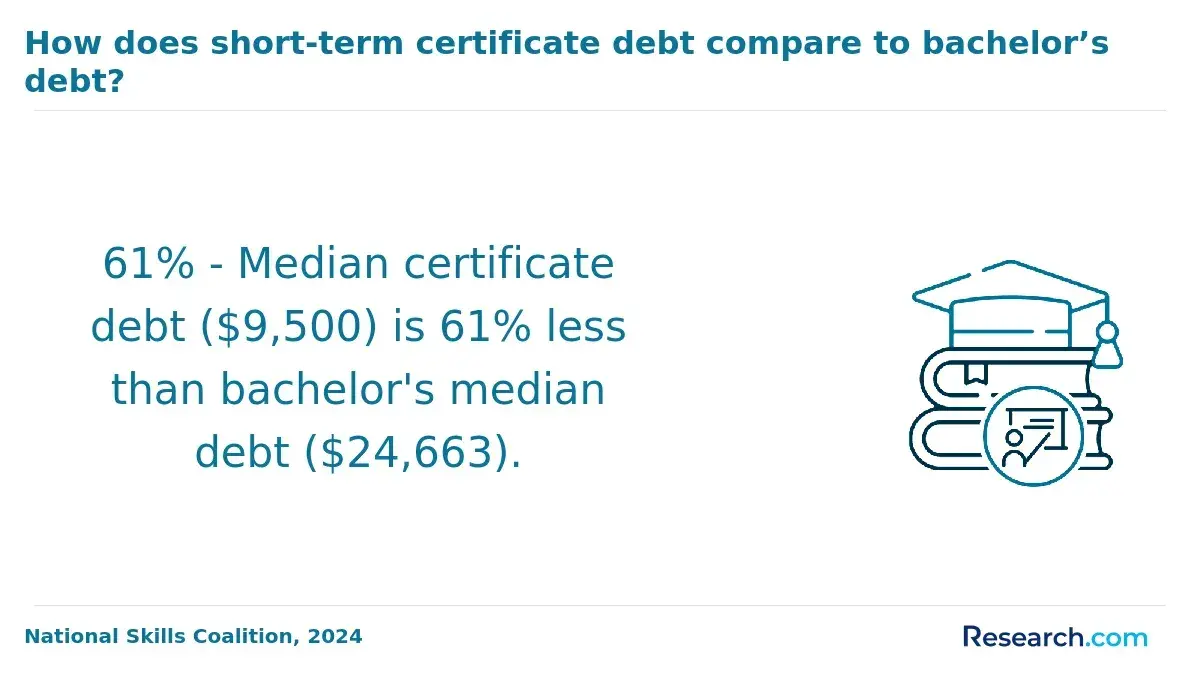
Starting salaries for graduates with a reading & literacy master's degree vary widely depending on factors such as job role, experience, and market demand. According to the U.S. Bureau of Labor Statistics, entry-level instructional coordinators-common among reading & literacy graduate degree holders-earn around $45,000 to $50,000 annually, with the median wage near $66,970 as of 2022. Several considerations influence these entry-level earnings for reading & literacy graduate degree holders.
- Role and Job Title: Compensation differs significantly depending on whether the graduate becomes a classroom teacher, instructional coordinator, or a specialist. Positions requiring specialized skills or leadership responsibilities generally start with higher salaries. Early-career professionals can enhance offers by gaining experience through internships or similar opportunities.
- Experience and Certifications: Candidates bringing previous teaching experience or holding state certifications typically receive stronger starting offers. Maintaining relevant credentials and demonstrating practical instructional skills are crucial for competitiveness.
- Institution Type: Salaries fluctuate based on employment in public, private, or nonprofit educational settings. Public schools might have standardized pay scales, while private or nonprofit roles can sometimes afford varied compensation based on funding.
- Market Demand: Areas with shortages of literacy educators or specialists often offer higher starting pay to attract qualified graduates. Those leveraging literacy assessment techniques and specialized skills can better position themselves for these roles.
Graduates should explore accelerated degree programs online to accelerate their qualifications and maximize early-career earning potential in this fluctuating job market.
Which States Pay the Highest Salaries for Reading & Literacy Master's Degree Holders?
Compensation for reading & literacy master's degree holders differs widely across the United States, influenced by factors like local living costs, demand for specialized expertise, and the density of educational sectors. Recent labor statistics indicate that wage premiums at the state level for professionals with this advanced degree can vary by as much as 25%, underscoring significant regional disparities. The following list highlights five states that consistently offer elevated salaries to professionals with reading & literacy master's qualifications.
- California: The state's robust need for literacy experts combined with one of the nation's highest living costs pushes salaries upward. Large, diverse school districts further stimulate competitive compensation packages.
- New York: extensive urban school systems and substantial education budgets generate strong financial incentives for advanced-degree holders. The high concentration of schools maintains ongoing demand for literacy specialists.
- Massachusetts: Renowned for its many colleges and universities, this state values advanced credentials highly, translating to increased pay. Educators here benefit from statewide initiatives emphasizing professional development.
- Washington: Expanding public education systems and regional economic growth foster wage improvements. The state's focus on literacy initiatives aligns with a rising need for qualified professionals.
- Texas: Growing educational programs and statewide efforts to enhance literacy create upward pressure on salaries. Rapid demographic and economic shifts contribute to escalating demand for skilled practitioners.
In discussing which states offer the most rewarding financial prospects, a graduate of a reading & literacy master's program shared that navigating the job market was initially overwhelming due to these regional differences. "I found the process involved more than just credentialing; understanding local pay scales and cost-of-living adjustments was crucial," he explained. He described feeling "both excited and cautious" when considering relocation options, emphasizing that transparent salary data helped him make informed career decisions aligned with his personal and professional goals.
Which Reading & Literacy Master's Specializations Lead to the Highest Salaries?
Specializations within a reading & literacy master's degree can significantly boost earning potential by equipping professionals with targeted expertise that meets specific educational demands. Research shows that individuals specializing in literacy interventions may earn up to 20% more than those with general credentials. The following are some of the most financially rewarding specializations.
- Literacy Intervention Specialist: These specialists earn top salaries because they design and implement focused programs that close learning gaps, making their expertise essential in schools and clinical settings. Their ability to directly impact student success drives strong demand.
- Reading Disabilities Specialist: With skills in advanced diagnostics and psychological assessment, these experts support students with reading challenges. Their specialized knowledge commands higher pay due to the complexity and critical nature of their work.
- Curriculum and Instruction with a Literacy Focus: Professionals in this area create innovative teaching materials and methodologies aimed at enhancing literacy outcomes. Their contributions improve instructional quality system-wide, leading to increased compensation.
- Educational Leadership in Literacy: Those pursuing leadership roles influence policies and programs affecting literacy education. Administrative responsibilities and strategic impact in this specialization often come with elevated salary levels.
- Bilingual and Multicultural Literacy: Specialists addressing literacy among diverse and multilingual populations meet growing educational equity needs. Their cultural competence and specialized approaches result in salary premiums in many districts.
What Skills Can Increase the Salary of a Reading & Literacy Master's Degree Graduate?
While earning a master's degree in reading & literacy can boost earning potential, it is often specific leadership and technical skills that significantly impact salary levels. Research shows that professionals with advanced skills in these areas may earn up to 20% more than their peers without them. The following five skills are particularly influential in enhancing compensation for reading & literacy graduates.
- Instructional Leadership: Taking charge of curriculum design and directing teaching staff exemplifies strong management abilities. These qualities are highly sought after in higher-paying positions like literacy coaches and program directors who oversee educational initiatives.
- Data Analysis: Proficiency in interpreting assessment results to customize literacy strategies ensures more effective interventions. Employers value this skill because it supports evidence-based practices that improve student outcomes and help secure funding.
- Educational Technology Proficiency: Expertise in using digital tools for reading instruction enhances flexibility and engagement, especially in hybrid or virtual classrooms. This ability increases teaching effectiveness, making candidates more competitive in technology-driven learning environments.
- Grant Writing and Fundraising: Success in obtaining financial support for literacy programs demonstrates resourcefulness and helps sustain projects. Professionals adept in this area are often considered for administrative roles with greater responsibility and higher pay.
- Special Education Knowledge: Skill in adapting literacy methods to meet diverse learner needs addresses a critical area of demand. This expertise is essential in inclusive education settings and raises the profile of specialists sought by employers.
When discussing which skills can elevate salary, a working professional currently enrolled in a reading & literacy master's program shared her experience. She described balancing coursework with her demanding job as challenging but rewarding, noting how gaining proficiency in educational technology opened doors to leadership opportunities. "Learning to integrate new tools allowed me to contribute more strategically to my team," she explained. Reflecting on grant writing, she said, "Securing funding felt daunting at first, but mastering that skill gave me a real sense of impact and helped me advocate effectively for my program's needs." Her journey highlights how developing these competencies transforms not only earning potential but also professional confidence and influence.
Is There a Salary Difference Between Online and On-Campus Reading & Literacy Master's Graduates?
Many prospective master's students wonder if earning a reading & literacy degree online versus on-campus influences their salary prospects after graduation. According to data from the National Center for Education Statistics, individuals with master's degrees generally earn about 20% more than those holding only a bachelor's degree. This raises the question of whether the program's delivery format plays a significant role in compensation outcomes.
Studies comparing online and on-campus reading & literacy graduates find little difference in reported salaries, suggesting that the mode of study alone doesn't determine earnings. Factors such as an institution's reputation often have a stronger impact, as graduates from well-regarded universities tend to command higher wages regardless of format. Additionally, employer perception of online degrees has improved considerably, reducing previous bias in hiring decisions. Access to professional networks and internships, more commonly available through on-campus programs, may also affect earning potential but can be offset by individual work experience and credentials.
Hiring trends increasingly prioritize skills and experience over the degree format, especially as remote education has become more accepted. Online grads who build strong professional connections and demonstrate solid expertise remain competitive in the job market. Ultimately, success depends less on whether a reading & literacy master's is earned online or on-site, and more on how graduates leverage their education alongside practical experience and networking opportunities.
Are Reading & Literacy Master's Graduates More Competitive for Executive Positions?
Many professionals pursue a reading and literacy master's degree to strengthen their qualifications for senior leadership roles within educational organizations. This advanced degree not only deepens instructional expertise but also prepares graduates for executive positions by fostering critical leadership competencies. Several key factors contribute to the enhanced executive competitiveness of reading and literacy master's graduates:
- Advanced Leadership Training: This degree provides rigorous training in leadership principles, enhancing the graduate's ability to manage teams effectively and drive meaningful organizational change.
- Strategic Decision-Making: Coursework at the graduate level develops the capacity for making informed decisions that influence policy and improve educational outcomes on a systemic scale.
- Organizational Impact: Graduates learn to align literacy initiatives with broader institutional goals, increasing program effectiveness and supporting long-term strategic priorities.
- Professional Credibility: Specialized knowledge gained during the program elevates credibility among stakeholders, facilitating stronger collaboration and advocacy efforts critical in executive roles.
- Evidence-Based Practices: Emphasis on data analysis and program evaluation equips graduates with the tools to assess success, implement improvements, and lead innovation within educational settings.
The competitive advantages of reading and literacy master's degree holders in senior positions derive largely from these elements, positioning them as influential decision-makers and strategic leaders. Mid-career professionals seeking to maximize their leadership potential and ROI frequently consider pursuing this degree alongside other options such as a masters in social work online, depending on their career goals and interests. Overall, graduates with this degree are well-prepared to assume executive leadership roles that shape educational strategy and policy.
What Is the ROI of a Reading & Literacy Master's Degree?
Return on investment (ROI) is a key consideration for prospective reading & literacy master's students evaluating tuition costs against long-term career benefits. Recent studies show that individuals with a master's degree in education can earn approximately 25% more over their lifetime compared to those with only a bachelor's degree. Several important factors influence the financial benefits of reading & literacy graduate programs.
- Tuition Costs: The upfront expense of graduate education significantly impacts ROI. Programs with lower tuition or scholarships reduce debt burden, improving overall net financial gain for graduates.
- Salary Growth: Obtaining a master's credential often leads to higher-paying roles and faster salary increases. This growth potential enhances the lifetime earning premium associated with advanced qualifications.
- Opportunity Cost: Time spent in full-time study may temporarily reduce income, so part-time or online options that allow students to continue working can boost long-term ROI. Choosing the right format balances immediate earnings with educational advancement.
- Career Mobility: Advanced degrees open doors to leadership roles, specialized instructional positions, and other job opportunities that typically pay more. Greater career flexibility also strengthens job security in evolving education sectors.
- Networking Value: Graduate programs provide access to professional networks and connections. These relationships can lead to better-paying opportunities and contribute to sustained career success and stability.
Mid-career professionals assessing the return on investment for reading & literacy master's degree programs should consider these factors carefully. For those comparing program costs and options, resources like the cheapest cybersecurity degree listings offer a model for evaluating affordability in graduate studies. By strategically planning education pathways, students can maximize both their financial benefits and professional growth.
What Is the Job Outlook for Reading & Literacy Master's Degree Holders?
Prospective students pursuing a master's degree in reading & literacy should consider the job outlook to gauge long-term career growth and stability. The U.S. Bureau of Labor Statistics projects a 6% employment growth for education specialists-including literacy coaches and reading interventionists-from 2022 to 2032, which aligns with the average growth across all occupations. Several factors shape this continued demand.
- Long-Term Demand Trends: Increasing emphasis on early literacy development and closing learning gaps sustains a steady need for specialists trained in reading education.
- Evolving Skill Needs: Employers prioritize professionals capable of applying evidence-based interventions and utilizing modern assessment tools to improve literacy outcomes.
- Technological Change: Growth in educational technology requires literacy educators to adapt continually by mastering digital platforms that support interactive and remote learning.
- Leadership Pipelines: Individuals with advanced degrees often progress into curriculum development and administrative roles, opening pathways to leadership and higher responsibility.
- Economic Resilience: Literacy education is a core element of schooling, making related roles relatively stable even during economic downturns.
What Graduates Say About the Highest-Paying Jobs with a Reading & Literacy Master's Degree
- Jaime: "Pursuing a master's degree in reading & literacy was one of the best decisions I've made, especially because it opened doors to leadership roles in education with impressive salaries. Although the initial cost of the program was significant, the return on investment through higher earnings and career advancement outweighed my concerns. I'm now in a position where I feel both professionally fulfilled and financially secure."
- Enzo: "When I was choosing my master's program, I focused on reading & literacy because of the high demand for specialists in this field. Reflecting on the tuition costs, the program was a manageable expense that has led to a much greater financial impact in my career with opportunities in curriculum development and educational consulting. The knowledge and skills I gained truly transformed my professional trajectory."
- Rowan: "My experience in the reading & literacy master's degree program was both challenging and rewarding. The cost of earning the degree required careful planning, but the career benefits have been substantial, including access to some of the highest-paying jobs in education. Looking back, the investment not only enhanced my expertise but also significantly boosted my earnings and job satisfaction."
Other Things You Should Know About Reading & Literacy Degrees
Yes, a master's degree in reading & literacy often opens doors to leadership and specialist roles within education and related fields. Graduates can pursue positions such as curriculum coordinators, literacy coaches, or academic intervention specialists, which typically require advanced knowledge and offer higher salaries compared to entry-level teaching positions.
Experience significantly influences salary for reading & literacy master's graduates. Those with several years of expertise often command higher earnings due to their seasoned understanding of literacy programs, capability to mentor new educators, and refined skills in curriculum development and instructional strategies.
In 2027, some of the highest-paying roles for individuals with a master's degree in reading and literacy include literacy program directors, curriculum specialists, and educational consultants. These professionals often work in educational institutions or government agencies, with salaries depending on experience and geographical location.
References
- Job Options for M.Ed. in Literacy Graduates https://online.ewu.edu/degrees/education/med/reading-literacy/jobs-med-literacy-graduates/
- Inside Online Master’s Programs in Reading Literacy https://www.onlinemastersdegrees.org/best-programs/education/reading-literacy/
- Careers in Literacy Education https://www.iona.edu/blog/careers-in-literacy-education
- Top 20 Best Master’s in Reading and Literacy Online https://www.topeducationdegrees.org/rankings/online-masters-reading-literacy/
- Reading Specialist Graduate Programs (Online) | Georgian Court University | Lakewood, New Jersey https://georgian.edu/academics/graduate-programs/education/reading-specialist-graduate-programs-online/
- What Are the Advantages of a Master’s Degree in Literacy Specialist with Teacher Leader Endorsement? https://graduate.georgetowncollege.edu/what-are-the-advantages-of-a-masters-degree-in-literacy-specialist-with-teacher-leader-endorsement/
- Turn your passion for reading into a career https://www.cmich.edu/blog/all-things-higher-ed/turn-your-passion-for-reading-into-a-career
- Why You Should Get a Master’s in Literacy - Graduate Programs for Educators https://www.graduateprogram.org/blog/why-you-should-get-a-masters-in-literacy/
- Reading Specialist Jobs and Salary Outlook | CUNE https://www.cune.edu/news/reading-specialist-jobs-salary
- Online MAED in Reading Literacy https://www.walsh.edu/masters-education-reading-literacy.html