2027 Highest-Paying Jobs You Can Get With a Medical Assisting Degree

Co-Founder and Chief Data Scientist
Choosing a medical assisting degree often raises a critical question: Does it lead to a significant wage premium compared to alternative credentials? Many candidates face uncertainty about how professional licensure and certification influence salary prospects in this field. For instance, certified medical assistants typically earn about 15% more than their noncertified counterparts across various U.S. regions.
Additionally, return on investment varies by industry and location, making it essential to evaluate these factors before committing. This article unpacks key determinants of compensation, including credential levels, licensure, industry sectors, and geography, to guide readers toward informed decisions that align with their financial and career goals.
Key Things to Know About the Highest-Paying Jobs You Can Get With a Medical Assisting Degree
- Graduates with a medical assisting degree earn a wage premium, about 10-15% more, than non-degree holders due to specialized skills and clinical knowledge valued by employers.
- Professional licensure and certification can increase salaries by 12% or more, as credentials validate expertise and expand job eligibility within healthcare settings.
- The return on investment for a medical assisting degree often exceeds that of alternative pathways, balancing moderate tuition costs with strong entry-level salaries averaging $35,000 to $40,000 annually.
What Exactly Does a Medical Assisting Degree Qualify You to Do in Today's Job Market?
A medical assisting degree qualifies graduates to perform essential clinical and administrative duties across healthcare settings in the United States, as recognized by the U.S. Bureau of Labor Statistics (BLS) and professional associations. This credential prepares individuals to support physicians and nurses by handling patient intake, recording vital signs, administering injections, managing medical records, and coordinating office operations.
These skills distinguish degree holders and improve employment outcomes in a competitive job market. Key competencies that separate job candidates holding this degree from those with only on-the-job experience or alternative credentials include:
- Technical Skills: Proficiency in clinical tasks such as phlebotomy, EKG administration, and medication assistance ensures competent patient care under supervision.
- Analytical Abilities: Graduates are trained to accurately document patient information and interpret basic diagnostic data, reducing administrative errors and improving workflow efficiency.
- Interpersonal Communication: Expertise in patient engagement and healthcare team collaboration enhances overall clinical outcomes and patient satisfaction.
It's important to clarify what a medical assisting degree does not confer. Graduates are typically not licensed to perform tasks reserved for registered nurses or other healthcare practitioners, such as independent diagnosis or prescribing medications. Licensure requirements differ by state and role, with many medical assisting positions open to certified or entry-level candidates rather than solely degree holders.
Career paths with a medical assisting degree often open doors to better pay and job security. The highest-paying roles in this field, usually requiring bachelor's, master's, or doctoral degrees, tend to be found in specialized clinical environments, health informatics, or management. These advanced degrees, coupled with professional licensure, significantly enhance earning potential and career growth opportunities.
Prospective students interested in expanding their credentials might also explore related fields such as pharmacy school online, which offer alternative pathways to lucrative healthcare careers.
Which Medical Assisting Jobs Command the Highest Salaries Right Now?
When analyzing the highest-paying medical assisting jobs in the US, recent data from the Bureau of Labor Statistics (BLS), alongside salary benchmarking reports, shed light on varied earning prospects. Salary figures beyond the median, such as the 75th-percentile and top-decile wages, offer a clearer picture of growth potential with experience and specialization.
- Physician Office Medical Assistants: These represent the most prevalent roles, offering median wages near $38,000 annually. 75th-percentile pay rises to about $44,000. Top earners can reach up to $52,000, especially in metropolitan areas with a high cost of living.
- Specialized Clinical Medical Assistants: Focused in fields like cardiology or orthopedics, these positions command higher salaries reflecting specialized expertise. Median salaries start around $40,000. 75th-percentile earnings climb close to $50,000. Top 10% earners often exceed $60,000 annually, boosted by certifications such as phlebotomy or EKG technician credentials.
- Lead or Supervisory Medical Assistants: Those managing teams or administrative operations generally earn more. Additional certification and leadership skills are usually required. Median pay is approximately $45,000. Experienced supervisors can earn upwards of $58,000 per year.
- Medical Assistants in Outpatient Care Centers and Specialty Clinics: Positions outside traditional physician offices show promising pay. Median wages hover near $41,000. 75th-percentile salaries approach $49,000. Top-decile incomes sometimes surpass $60,000 annually.
- Degree and Certification Impact: Holding an associate degree combined with certifications such as Certified Medical Assistant (CMA) credentials significantly raises earning potential. Bachelor's level credentials or related health certifications provide top-decile wage increases of 10-20% beyond standard diplomas.
- Competitive Credential Overlap: Some roles overlap with candidates holding nursing or health technician credentials. Medical assisting degrees offer a salary advantage when paired with certification and experience. However, advanced clinical roles often favor nursing license holders.
- Geographic and Employer Variations: Urban centers such as New York, San Francisco, and Boston typically report higher salaries due to the cost of living and demand. Hospital-based medical assistants usually earn more than those in smaller private practices.
Salary outcomes for medical assisting degree holders depend on degree level, specialization, geographic market, and employer sector, the critical factors that shape career earnings and advancement. This nuanced understanding is essential for those seeking to evaluate the return on investment of a Medical Assisting degree versus alternative pathways to achieve their long-term income goals.
For professionals exploring further advancement options in healthcare leadership, considering online DNP programs may provide valuable opportunities beyond typical medical assisting career ceilings. This context is particularly relevant for military veterans, career changers, and mid-career professionals hoping to leap toward high-paying roles backed by advanced credentials.
How Does Degree Level-Bachelor's vs. Master's vs. Doctoral-Affect Medical Assisting Earning Potential?
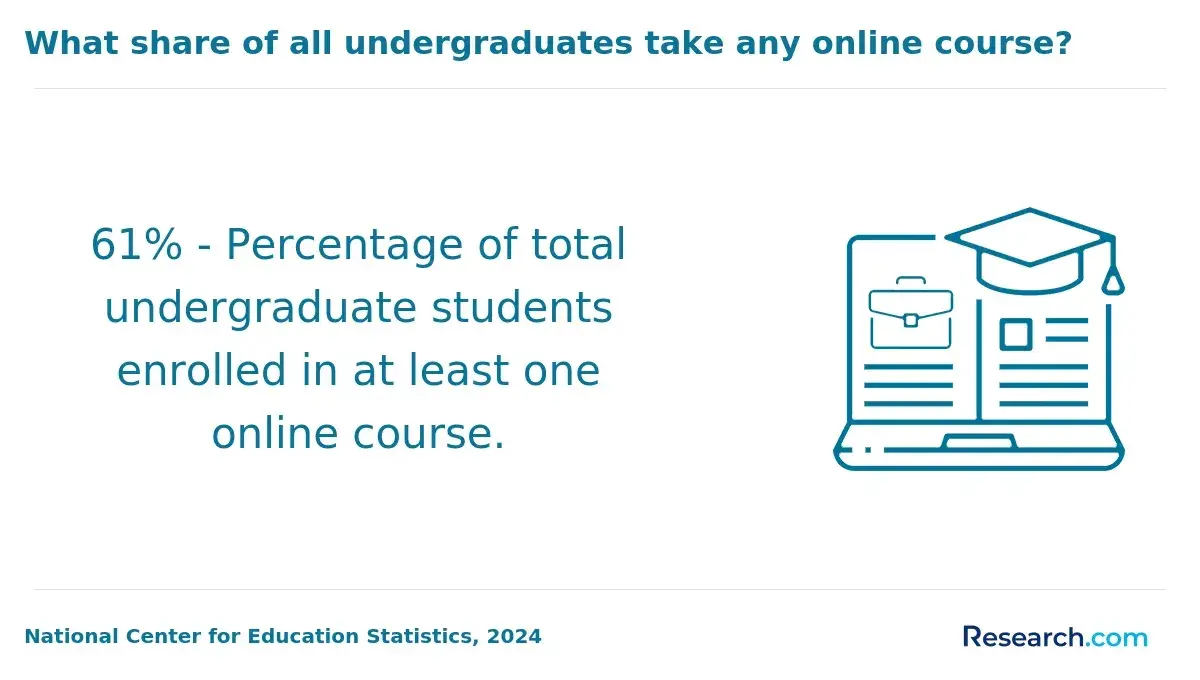
Data from the U.S. Bureau of Labor Statistics and the College Scorecard highlight significant income differences tied to educational levels in medical assisting careers. While most entry-level roles require an associate degree or certification, earning a bachelor's degree in a related health field typically leads to starting salaries between $35,000 and $45,000, with pay fluctuations mostly influenced by specialization and work environment rather than degree alone.
- Bachelor's Degree Salaries: Entry-level to mid-career earnings generally range from $35,000 to $45,000, as most positions in medical assisting do not necessitate higher degrees for compensation growth.
- Master's Degree Premium: Advancing to a master's, often in health administration or clinical specialties, boosts salaries by 15% to 25% beyond bachelor's level. This increment reflects responsibilities such as supervision, clinical education, or healthcare management, which require advanced expertise without necessarily needing doctoral credentials.
- Doctoral Degree Impact: Doctorate holders, such as those with a Doctor of Nursing Practice or a PhD in clinical research, access leadership, research, and advanced practice roles with salaries exceeding $80,000 annually. These positions demand rigorous certification and licensure aligned with doctoral training to ensure professional authority and compliance with regulations.
High-paying roles, including clinical nurse educators, healthcare executives, and research scientists, mandate graduate or doctoral credentials to validate competence and leadership capacity. Employers and licensing boards use these requirements to safeguard patient care quality and organizational accountability.
Prospective students should carefully calculate the return on investing in graduate education by weighing tuition fees and forgone wages against the expected salary increase. For example, the boost from a two-year master's program may offset educational costs within four to six years, depending on individual circumstances.
A professional who successfully completed a medical assisting degree shared that balancing coursework with part-time work was challenging, especially when managing clinical hours alongside family commitments. He noted, "I wasn't just learning theory. I had to apply skills in real-world settings, which sometimes meant late nights and weekend shifts."
Reflecting on his decision to pursue a master's, he acknowledged the financial strain but affirmed that the increased responsibilities and eventual salary gains made the sacrifices worthwhile. "It wasn't easy, but knowing I qualified for leadership roles that wouldn't be open otherwise kept me motivated," he explained, emphasizing how advanced credentials expanded his career options and earning potential.
Which Industries and Employers Pay Medical Assisting Graduates the Most?
Higher salaries for medical assisting graduates often come from employers with substantial financial resources, specialized services, and staffing demands. Private healthcare settings, like specialty clinics and multi-specialty group practices, frequently top the list due to their ability to pay premiums for technical expertise in cardiology, dermatology, and other specialty fields. These environments reward skills that go beyond basic clinical tasks, resulting in wages well above the national median.
Government hospitals and clinics provide competitive compensation with the added benefit of job stability. Salaries in public sector roles reflect structured pay scales influenced by union agreements and emphasize certifications and tenure. Although government pay may not reach private sector highs, the total value of benefits and security contributes to an attractive overall package.
Nonprofit healthcare organizations typically offer more modest pay, constrained by tighter budgets. However, working in underserved areas can provide meaningful career growth and skill diversification. These roles often attract professionals motivated by mission-driven work rather than financial incentives.
Self-employment and contract work present opportunities to earn above-average hourly rates by leveraging niche expertise or flexible practice models. Success in this domain requires entrepreneurial skills and strong networks, but income levels can fluctuate compared to traditional salaried positions.
Industry choice couples with job position and credential level to create a wide range of salary outcomes for medical assisting graduates. For example, a certified medical assistant in a high-demand specialty at a private institution can earn more than $20,000 over the national median, whereas the same credential might yield significantly less in smaller nonprofit settings. Therefore, targeting high-paying industries during job search efforts is crucial.
To maximize earning potential, graduates should focus on acquiring certifications such as Certified Medical Assistant (CMA) or Registered Medical Assistant (RMA), and gain skills in electronic health records or phlebotomy. Building professional networks within targeted sectors during training improves access to roles offering salary premiums. For those considering advanced education pathways, exploring PhD in nursing programs can provide additional career and income growth opportunities aligned with long-term goals.
What Geographic Markets Offer the Best-Paying Medical Assisting Jobs?
Several metropolitan areas and states consistently offer the highest nominal wages for medical assistants, but their elevated living costs often diminish actual earnings power. Cities like Seattle, San Francisco, and Boston lead in median salaries due to strong healthcare demand and higher wage scales, yet expenses for housing and transportation offset much of this advantage.
States such as Alaska, Massachusetts, and California appear at the top for median pay, with Alaska's rural locales providing wage premiums to attract medical assistants despite geographic isolation. Regional clusters of healthcare providers also influence compensation. Dense networks of hospitals and specialty clinics in the Northeast and Pacific Northwest create premium pay opportunities, while the Southeast's rising demand is tempered by relatively lower cost-adjusted wages.
- Metro Areas With High Median Wages: Seattle, San Francisco, and Boston are known for robust healthcare sectors and above-average salaries, though local expenses reduce net pay.
- States Offering Competitive Wages: Alaska, Massachusetts, and California feature some of the nation's top median wages, with Alaska's rural communities offering notable wage premiums.
- Regions With Concentrated Employer Demand: The Northeast and Pacific Northwest have a high density of healthcare facilities requiring certified medical assistants; the Southeast is experiencing growing demand, but adjusted wages are lower.
Remote work and hybrid roles have softened traditional geographic salary differences. Positions focused on telehealth, coding, or administrative tasks allow many professionals to tap urban pay rates while residing in lower-cost areas, effectively boosting take-home income. Yet, functions requiring direct patient interaction remain tied to local licensure and on-site presence, keeping those salaries aligned with physical market conditions.
Deciding between relocating to a higher-paying urban center and pursuing remote roles from a lower cost-of-living area involves balancing gross income against expenses. Evaluating certification requirements, desired work environments, and long-term financial goals helps medical assistants choose the most beneficial geographic and employment strategy.
A professional who established her career after graduating from a medical assisting degree program shared that navigating geographic decisions was challenging but integral to her success. She recalled, "Moving to a larger metro meant higher pay, but I quickly realized the elevated living costs cut deep into my savings." Transitioning into telehealth allowed her to retain access to competitive wages while settling in a more affordable region, which felt like "finding the best of both worlds."
How Do Professional Certifications and Licenses Boost Medical Assisting Salaries?
Certifications and licenses can enhance earning potential by validating specialized skills and professional competence. In many fields, holding recognized credentials is associated with higher salaries and improved career opportunities.
- Certified Medical Assistant (CMA): Awarded by the American Association of Medical Assistants (AAMA), this credential requires completion of an accredited postsecondary medical assisting program. The exam consists of 200 multiple-choice questions covering administrative and clinical tasks. Certification is valid for 60 months and must be renewed via continuing education or re-examination. Fees range from $125 to $250 based on membership. Salary data shows CMAs earn roughly 10-15% more than uncertified peers.
- Registered Medical Assistant (RMA): Offered by American Medical Technologists (AMT), candidates qualify by finishing an accredited program or having relevant work experience. The exam tests fundamental medical assisting skills through multiple-choice questions. RMAs renew certification every three years by earning continuing education credits. Exam costs hover around $150. Median salaries for RMAs tend to increase by approximately 8% compared to non-credentialed assistants.
- Specialized Credentials: Certifications in specific areas like phlebotomy or EKG technician roles further enhance earnings by showcasing expertise in niche clinical skills. Requirements and licensure vary by state, so candidates should confirm local regulations. Credentials accredited by reputable bodies such as ANSI or the National Commission for Certifying Agencies (NCCA) carry higher industry recognition and salary benefits than lesser-known commercial certificates.
- Employer Preferences: Researching which certifications are preferred or required within specific employers or regions is crucial. Aligning credential investments with workplace demand maximizes salary potential and supports career advancement in the healthcare field.
What Is the Salary Trajectory for Medical Assisting Professionals Over a Full Career?
Medical assisting compensation follows a clear trajectory shaped by experience, credentials, and role specialization, offering meaningful earning growth at distinct career milestones.
- Entry-Level: New graduates often start within the lower salary quartile, earning between $30,000 and $35,000 annually, reflecting initial skill development and on-the-job learning, according to Bureau of Labor Statistics (BLS) data.
- Mid-Career Growth: Professionals with five years' experience frequently see salary increases of 15% to 25% above entry-level pay, driven by enhanced proficiency, additional certifications such as CMA (Certified Medical Assistant), and occasional promotions to supervisory roles.
- Advanced Credentials and Specialization: Pursuing specialized areas, like ophthalmology or cardiology assisting, combined with advanced credentials, can boost salaries 20% to 40% beyond median earnings. This specialization is a key driver of compensation differentiation within the field.
- Leadership and Management: By the ten-year mark, many medical assistants transition into leadership positions, such as clinic management or training responsibilities, with salaries that can reach $50,000 to $60,000 annually, reflecting increased responsibilities and strategic impact.
- Long-Term Reputation and Business Development: Top earners distinguish themselves by building strong professional networks and reputations, sometimes expanding into consulting or business development roles, resulting in accelerated income growth beyond standard tenure-based increases.
- Strategic Choices: Those who pursue ongoing education, maintain certifications, and achieve mastery in high-demand specialties consistently outperform peers with similar backgrounds in lifetime earnings, underscoring the value of continued professional investment.
Which Medical Assisting Specializations and Concentrations Lead to the Highest-Paying Roles?
Specializations within medical assisting that lead to the highest-paying roles focus on advanced clinical skills, administrative management, and technical expertise. Graduates concentrating in clinical laboratory procedures or pharmacology consistently find greater demand in specialized outpatient and diagnostic settings. This demand is driven by the technical depth and regulatory oversight these roles require.
Additionally, administrative specializations such as healthcare office management and billing and coding unlock lucrative opportunities in larger clinics and hospital systems, where managing complex patient data and regulatory compliance is vital. These are among the top medical assisting concentrations with salary potential, reinforced by labor market data and alumni outcomes.
Market forces like talent scarcity in niche clinical skills and ever-evolving healthcare regulations create wage premiums for specialists. For example, medical assistants with expertise in electronic health records (EHR) management and coding certification command higher salaries due to their role in improving billing accuracy and operational efficiency. Graduates focusing on specialties related to high-growth fields are often preferred by employers seeking candidates familiar with these complex areas.
Students entering academic programs should not choose specializations based solely on personal interest. Instead, they should assess labor market demand, regional growth projections, and employer preferences to align their plans with earnings potential, especially when seeking the highest-paying medical assisting specializations in the US.
Those already enrolled in general programs can pursue targeted internships, stack certifications (like Certified Medical Assistant), or obtain credentials in coding and EHR to enter well-paid specializations without completing an additional degree.
- Return on Investment: Top online medical assisting programs offer affordable tuition and career services, helping students maximize earnings quickly.
- Certification Impact: Holding licenses and certifications substantially increases salary potential across all medical assisting specializations.
- Industry Versatility: Specializing in in-demand clinical or administrative roles broadens opportunities in hospitals, private practices, and specialty clinics.
For career changers or those seeking advanced credentials, exploring the best DNP programs online can provide further pathways with strong salary prospects and leadership roles in healthcare.
How Does the Medical Assisting Job Market's Growth Outlook Affect Long-Term Earning Stability?
The long-term earning stability for medical assistants in the US is strongly influenced by the occupation's projected growth and evolving labor market dynamics. The U.S. Bureau of Labor Statistics (BLS) anticipates employment in common medical assisting occupations to grow about 19% over the next decade, much faster than the average across all fields, driven by an aging population and expanded healthcare access.
Key market forces include technological transformation, especially the rise of electronic health records, which heightens demand for digital proficiency among medical assistants while moderating automation risk, since many critical tasks require interpersonal and clinical skills that are difficult to automate. Legislative shifts promoting preventive care and outpatient services also sustain employer demand.
- Growth Opportunity: Certified medical assistants hold roles characterized by robust expansion and lower threat of automation, encouraging long-term income stability.
- High-Paying Roles With Stability: Specialized certification or licensure, such as in ophthalmic or podiatric assisting, often commands wage premiums and resists outsourcing or budget cuts.
- Market Headwinds: Some sectors struggle with credential inflation, requiring higher qualifications for the same jobs, and budget constraints in smaller clinics that may cap wage or hiring growth.
- Job Security vs. Wage Volatility: High-paying positions sometimes reflect limited job availability or cyclical demand, implying less stable compensation over time.
- Skill Adaptability: Emphasizing technological fluency, certification, and versatile clinical skills helps maintain competitiveness amid healthcare delivery changes.
For those evaluating the financial merit of a medical assisting degree, pursuing certifications and specializations enhances earning potential and job security. Conversely, limiting oneself to generalized roles risks wage stagnation and instability. Mid-career professionals and others weighing education options may also consider pathways such as MSN programs online to further expand career and salary prospects.
What Leadership and Management Roles Are Available to High-Earning Medical Assisting Graduates?
Positions at the upper end of the medical assisting career ladder often blend clinical expertise with leadership duties. Common titles include medical office manager, clinic supervisor, and administrative director. These roles typically exist within middle to senior management tiers, overseeing front office teams, medical assistant staff, or multiple departments in clinics and outpatient settings.
- Credentials and Experience: Individuals advancing into leadership frequently complement their medical assisting background with certifications such as Registered Medical Assistant (RMA) or Certified Medical Manager (CMM). Many enhance prospects further through a bachelor's degree in healthcare administration or an MBA to develop vital business and organizational skills.
- Salary Premium: Data from the Bureau of Labor Statistics highlights a significant wage gap. While medical assistants earn a median salary of around $37,000 annually, those in medical and health services management positions average roughly $101,000. This increase reflects responsibilities including budgeting oversight, regulatory compliance, staffing, and quality control.
- Career Advancement Pathways: Progression to management usually spans five to ten years, starting with a solid foundation of clinical experience and credential upgrades. Active participation in leadership training, workshops, and professional development distinguishes candidates for promotion.
- Strategic Steps: Aspiring leaders should pursue mentorship relationships with established healthcare managers, invest in graduate education focused on healthcare or business administration, and cultivate skills in communication, finance, and compliance requirements to boost their leadership readiness and earning potential.
Deliberate planning and credential enhancement play key roles in unlocking leadership positions within healthcare management, positions that offer higher compensation and influence over organizational operations.
Which Emerging Medical Assisting Career Paths Are Positioned to Become Tomorrow's Highest-Paying Jobs?
Emerging occupations within the medical assisting field are increasingly shaped by advances in technology, regulatory shifts, and evolving healthcare delivery models. Current degree programs are evolving to include specialized coursework that aligns with these novel roles, while targeted certifications and short-term training offer valuable competitive edges.
- Health Informatics Specialist: Expertise in electronic health records and data analysis is becoming essential as healthcare systems digitize. Supplemental certifications in health IT or data governance can enhance job prospects.
- Telehealth Coordinator: Rapid expansion of remote care services requires professionals skilled at integrating clinical knowledge with telemedicine platforms. Focused boot camps and telehealth training modules can accelerate readiness.
- Clinical Research Assistant: The growth of clinical trials and personalized therapies demands familiarity with study protocols and regulatory standards. Micro-credentials in research methods can differentiate candidates in this area.
- Patient Care Navigator: This emerging role involves guiding patients through complex treatment journeys to improve outcomes and reduce readmissions. Strong communication and coordination skills are emphasized in new degree curricula.
- Medical Device Technician: As smart medical devices become widespread, technicians who combine clinical insight with technical troubleshooting are in demand. Additional coursework in biomedical technology is beneficial.
Selecting an emerging specialism involves balancing uncertain growth timelines against potential earnings. Some roles may develop slower than projections suggest, so blending traditional medical assisting skills with adaptable technical credentials helps mitigate risk. Staying informed through professional bodies, labor market analysis tools, and real-time data from sources like Burning Glass or LinkedIn Economic Graph supports informed career planning as the sector shifts.
What Graduates Say About the Highest-Paying Jobs You Can Get With a Medical Assisting Degree
- Bryson: "Completing my online medical assisting degree truly gave me a wage premium that I hadn't expected. Credentials really do impact your paycheck more than you might think. What stood out for me was how obtaining professional licensure and certification opened doors to higher-paying positions, especially in specialized clinics. Honestly, when I compared the return-on-investment to other healthcare paths, medical assisting offered a quicker route to a solid salary without compromising on job satisfaction."
- Tripp: "Reflecting on my journey, I realize the role of industry type and geographic location made a huge difference in my earning potential after graduating. Working in an urban hospital rather than a rural clinic increased my salary significantly, proving that location really counts. Also, getting certified elevated my marketability, which led to offers in higher-paying specialties that I wouldn't have accessed otherwise."
- Joshua: "From a practical standpoint, the best insight I gained is how the salary impact of certification against just having a degree can be profound. Employers clearly value that extra step. The return-on-investment compared to alternative healthcare career paths was impressive; I was in the workforce faster and with fewer loans. Plus, credentials gave me leverage in choosing roles within various industries, allowing me to move towards higher-paying jobs in wellness and outpatient care settings."
Other Things You Should Know About Medical Assisting Degrees
In 2027, graduates with a medical assisting degree can pursue roles such as specialized medical assistant, surgical assistant, and clinical team leader. These positions often offer competitive salaries due to the specialized expertise and critical support they provide within healthcare settings.
Internships and practicums offer hands-on experience that employers highly value, often leading to higher starting salaries for graduates. These practical training opportunities enable students to develop critical skills and professional networks, which improve employability. Early work experience gained during clinical placements can differentiate candidates in competitive job markets and support salary negotiations.
Employer type significantly influences salary levels for medical assistants. Private healthcare facilities typically offer higher wages compared to public or nonprofit organizations due to differing budget priorities and profit structures. However, public and nonprofit employers may provide additional benefits like job security, comprehensive healthcare, and retirement plans, which should be considered alongside base pay.
Effective negotiation strategies include researching local salary benchmarks and demonstrating how your specific skills and clinical experience add value to the employer. Graduates should prepare to discuss certifications, practicum experiences, and relevant technical skills to justify higher pay. Timing salary discussions after a job offer and being flexible on benefits can also lead to better overall compensation packages.
References
- The 5 Highest-Paying Medical Assistant Jobs in 2025 | NCC https://www.northwestcareercollege.edu/blog/the-5-highest-paying-medical-assistant-jobs-in-2025/
- What Is the Job Outlook for Medical Assistants? https://www.lincolntech.edu/news/health-sciences/medical-assistant/what-job-outlook-medical-assistants
- Medical Assistant Job Outlook | Are Medical Assistants in Demand? https://www.clinicalskillsinstitute.com/post/medical-assistant-job-outlook
- Master’s vs. Bachelor’s Degree Programs: Exploring Education Opportunities in Healthcare https://blog.methodistcollege.edu/masters-vs.-bachelors-degree-programs-exploring-education-opportunities-in-healthcare
- 6 Highest-Paying Medical Assistant Specialties | Stepful https://www.stepful.com/post/highest-paying-medical-assistant-specialties
- (CMA) Comprehensive Guide: Salary, Exam Prep, and Career Paths https://ccitraining.edu/blog/certified-medical-assistant-guide/
- What's Next After Medical Assistant? Best Career Paths - Medical Prep https://medicalprep.org/whats-next-after-medical-assistant/
- Medical Assistant Training to Career: The Complete Path from Enrollment to Advancement https://dallasmedicalassistant.com/blog/medical-assisting/medical-assistant-training-full-career-path/
- What Is a Medical Assisting Career Really Like? - Las Vegas College https://lvcollege.edu/what-is-a-medical-assisting-career-really-like/