2027 Medical Assisting Degree Programs That Meet State Licensure Requirements

Co-Founder and Chief Data Scientist
Choosing a medical assisting degree program that meets state licensure requirements is crucial for those aiming to practice legally and efficiently. Many programs lack proper accreditation or fail to include mandatory supervised practice hours-essential elements dictated by state regulatory boards. Nearly 40% of prospective students unknowingly enroll in programs that do not fulfill these criteria, jeopardizing their eligibility for licensure.
This article clarifies what accreditation standards, curriculum mandates, and multi-state reciprocity mean for prospective students. It provides a detailed guide to evaluating programs rigorously, ensuring readers can make informed decisions about their education and career path in medical assisting.
Key Things to Know About the Medical Assisting Degree Programs That Meet State Licensure Requirements
- Programs must hold proper accreditation from recognized agencies-such as ABHES or CAAHEP-to ensure curriculum alignment with state licensure standards and employer expectations.
- Curricula must include mandated supervised clinical hours-typically 160 to 200-providing hands-on experience essential for licensure eligibility and skill competency.
- Students should verify multi-state reciprocity policies-critical for those seeking online programs or eventual relocation-to confirm the degree will be recognized across state licensing boards.
What does it mean for a medical assisting degree program to meet state licensure requirements, and why does this distinction matter?
Not all medical assisting degree programs are created equal when it comes to satisfying state licensure requirements. A program designed specifically to meet these standards goes beyond simply offering courses in the field-it adheres to precise curriculum frameworks, maintains recognized accreditation, and provides supervised clinical experiences mandated by state boards.
Importantly, licensure is not automatically granted upon graduation. Licensing boards independently assess whether a student's medical assisting education aligns with their requirements, regardless of the institution's claims about licensure eligibility.
The state-level regulatory landscape for medical assisting can be complex and varies significantly by discipline and location. Since licensing rules can change and differ across jurisdictions, choosing a degree program with attention to state licensure requirements for medical assisting education is a legally significant decision.
This is particularly crucial for students evaluating online or remote programs, or those weighing convenience against compliance. For instance, researching a program's compatibility with your state's licensing board is as vital as considering its nursing school acceptance rate or reputation.
Students should carefully consider the following key factors when assessing programs:
- Accreditation: The program must hold accreditation recognized by state boards to ensure educational quality standards are met.
- Curriculum Compliance: Required state topics and competencies related to safe, effective medical assisting practice must be thoroughly addressed.
- Supervised Clinical Experience: Hands-on training with qualified supervisors is typically mandated, with specific hour requirements that vary by state.
- State Board Verification: Candidates need to confirm directly with their licensing board that their program is approved; licensure is never automatic.
- Reciprocity and State Variations: Licensure portability differs widely, so moving between states might require additional credentials or training.
- Consequences of Program Choice: Graduates from non-compliant programs may face extra coursework, repeat clinical hours, or even pursuing different credentials to qualify.
For those exploring options, understanding these factors ensures confidence in selecting a program that truly meets state licensure criteria rather than relying on marketing. To gain further perspective on acceptance trends in related healthcare fields, consider reviewing data such as nursing school acceptance rate statistics, which can also inform realistic educational choices.
How do state licensing boards define curriculum requirements for medical assisting programs, and who sets those standards?
State licensing boards play a foundational role in setting curriculum requirements for medical assisting programs to ensure graduates meet licensure standards. These mandates appear in specific regulatory documents-such as administrative codes, licensing board rules, or official program approval criteria-that precisely define the coursework a program must offer.
Core subjects typically include anatomy, pharmacology, clinical procedures, and supervised practical experience, all essential for licensure eligibility.
- Regulatory Documents: Each state specifies the curriculum requirements through formal documents issued by licensing authorities, outlining the precise courses and hands-on training needed for medical assisting program graduates to qualify for licensure.
- Approval vs. Accreditation: It is critical to distinguish approval granted by a state licensing board from regional or national accreditation. Approval directly affects licensure eligibility-whereas accreditation, though valuable, does not guarantee a program meets state-specific licensing board curriculum requirements.
- Authority Structures: Responsibility for setting these standards varies by state-some use independent professional licensing boards, others delegate this to divisions within the department of health or education, and some rely on legislative committees. These entities evaluate programs to verify compliance with clinical training and curriculum criteria.
- Program Interaction: Medical assisting programs submit detailed curriculum outlines, instructor qualifications, and clinical hour documentation to regulatory bodies. Approval maintenance depends on ongoing communication and timely submission of updates reflecting curriculum changes.
- Dynamic Standards: Curriculum requirements are continually evolving as licensing boards update standards based on industry advancements or educational best practices. Programs must actively monitor these changes to maintain compliance and secure graduates' qualification for licensure.
Prospective students-whether recent undergraduates, mid-career professionals, or place-bound learners evaluating remote options-should prioritize programs approved by their state licensing board. For instance, exploring nursing schools that don't require TEAS or HESI exams can also illuminate the broader landscape of regulatory approval and testing requirements relevant to allied health fields.
Understanding state licensing board curriculum requirements for medical assisting programs-and how these relate to medical assisting program standards set by state regulatory boards-ensures candidates invest in programs that truly qualify them for licensure, avoiding costly missteps or credentialing delays.
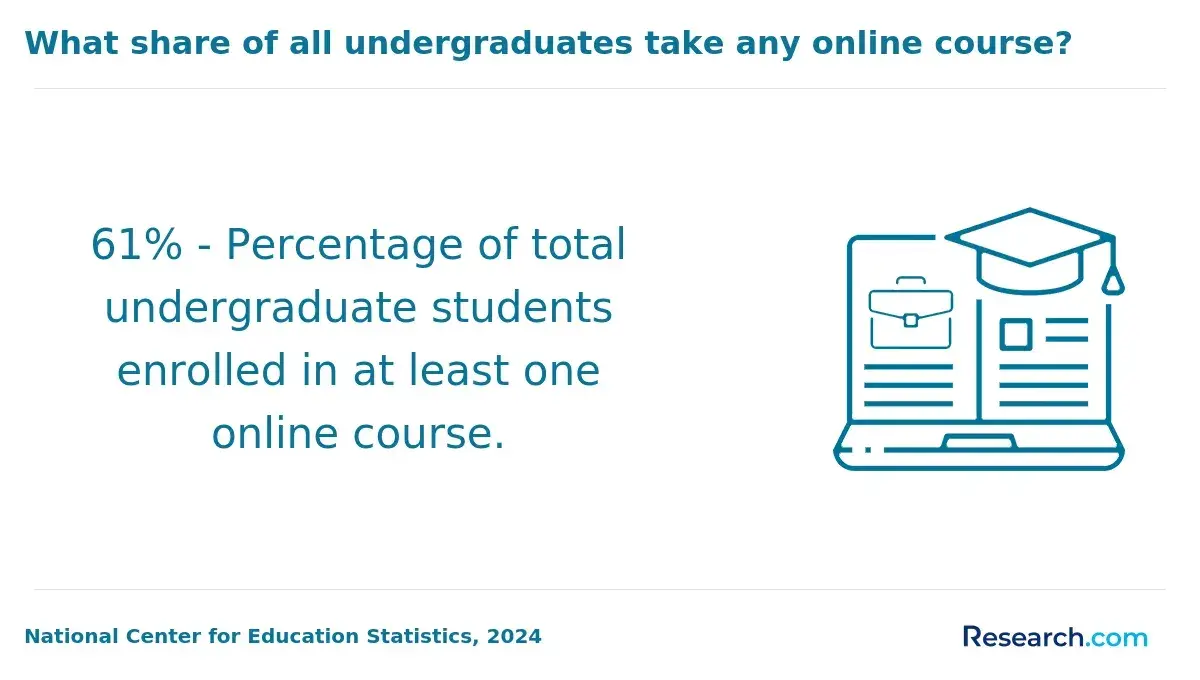
Which accreditation bodies certify that a medical assisting program meets state licensure eligibility standards?
Two key types of accreditation influence whether a medical assisting program meets state licensure eligibility: regional institutional accreditation and programmatic accreditation. Regional accreditors like SACSCOC or HLC confirm the overall academic quality of an institution but don't specifically verify that a medical assisting curriculum or supervised practice satisfies state board criteria. For licensure, programmatic accreditation focused on allied health education carries more significance.
Primary programmatic accrediting bodies for medical assisting include:
- CABHES: This commission assesses allied health programs-including medical assisting-to ensure they uphold rigorous standards regarding curriculum, faculty qualifications, and clinical experience.
- CAAHEP: Widely recognized by state licensing agencies, this commission specializes in accrediting health science programs and serves as a key indicator of licensure eligibility.
Accreditation requires programs to provide detailed documentation proving they meet set standards-covering course content, instructor credentials, and supervised clinical hours. Reviews occur regularly-typically every five to seven years-with agencies issuing recommendations or probation if standards fall short. This system gives programs time to correct issues before risking loss of accreditation.
Since accreditation status can change, applicants should always verify a program's current standing by checking accrediting bodies' official online directories rather than relying solely on school websites. This ensures the program remains compliant with evolving licensure requirements, especially for students attending online or out-of-state programs.
When asked about his experience completing a medical assisting degree, a professional reflected on the challenges of navigating accreditation requirements: "I had to confirm that my program's credentials aligned with my state's strict licensing board to make sure my clinical hours and coursework counted.
The accreditation review process felt rigorous but necessary-it wasn't just a stamp of approval but a sign the program truly prepared me for licensure. Double-checking the accreditor's official listings gave me peace of mind before enrolling, so I wasn't taking a risk with my career path."
How do licensure requirements for medical assisting practitioners vary from state to state, and what are the implications for program choosers?
Licensure requirements for medical assisting programs vary widely by state-posing challenges for students unsure of where they might practice or relocate. These state-by-state medical assisting program implications affect key factors that determine eligibility for licensure.
- Credit Hour Requirements: States set differing minimums, from about 30 semester credits to over 60. Texas, for example, requires at least 45 credits, while California focuses on program content without a specific credit mandate.
- Coursework Specifics: Required subjects differ-Florida mandates courses in pharmacology and anatomy, whereas New York prioritizes medical law and ethics in its curriculum.
- Supervised Experience Thresholds: Clinical hours required range significantly. Georgia mandates 160 hours of supervised practice, while Illinois requires 200 or more to fulfill hands-on training standards.
- Degree Level Acceptance: Some states accept certificates or diplomas, but others, like North Carolina, require an accredited associate degree to qualify for licensure.
These variations mean a program meeting licensure requirements in one state might not suffice elsewhere, creating obstacles for those who relocate before or after certification. Students pursuing online options should be especially cautious-assuming national accreditation guarantees licensure across states can lead to unexpected gaps. Confirming alignment with intended licensing states' rules is essential when evaluating any program, including online PhD nursing programs or related offerings.
Prospective learners are advised to identify target states early and inquire about credit hours, required courses, clinical experience, and accepted degree types. This approach enables informed decision-making and helps avoid costly delays or additional education, making the complex licensure landscape manageable and navigable.
What core courses or competency areas are mandated by licensing boards for medical assisting degree programs?
State licensing authorities typically define specific curriculum requirements for medical assisting programs as prerequisites for licensure-commonly expressed as required credit hours in designated subjects, mandated course titles, or competency benchmarks aligned with professional standards.
Programs translate these mandates into coursework in varying degrees of clarity; some clearly link courses to licensing criteria, while others provide only general outlines, making it difficult for students to confirm compliance.
- Clinical Skills: Practical training in procedures such as phlebotomy, injections, and vital signs that prepare students for hands-on patient care.
- Medical Terminology: Mastery of healthcare language to ensure precise documentation and communication in clinical settings.
- Anatomy and Physiology: Core understanding of body systems essential for contextual clinical knowledge.
- Administrative Procedures: Instruction in scheduling, billing, coding, and managing electronic health records-areas often influenced by state-specific regulations.
- Pharmacology: Basic drug administration principles and safety protocols tailored to state guidelines.
- Legal and Ethical Issues: Education on confidentiality, consent, and scope of practice aligned with current laws.
- Externship or Practicum: Supervised clinical hours designed to ensure real-world skill competency.
Administrative procedures and scope-of-practice topics often show the most variation between states and periodically undergo updates to reflect healthcare policy shifts. According to a 2023 survey from the American Association of Medical Assistants, 67% of programs revised their curricula within two years to maintain compliance with changing state standards-highlighting the necessity of verifying up-to-date alignment.
Because programs may not openly disclose how their courses meet licensure demands, prospective students should specifically request detailed curriculum-to-licensing maps during admissions inquiries to avoid surprises-especially when considering online or out-of-state programs.
A medical assisting professional who launched her career after completing her degree recalled the stress of navigating unclear curriculum details during enrollment. She shared, "I had to repeatedly contact several schools to get clear info on which courses qualified for licensure requirements in my state. It was frustrating but crucial.
Ultimately, having that transparency helped me choose a program that saved me time and ensured I was eligible for licensure right after graduation." This experience highlights the value of proactive research and direct communication when selecting a program to meet licensing board mandates.
How many supervised practice hours are required by state licensing boards for medical assisting graduates, and how do programs fulfill this requirement?
State licensing boards require medical assisting candidates to complete supervised practice hours-ranging from about 160 to 600-either during the educational program or as additional supervised experience post-graduation. These requirements vary widely by state and are essential to ensure candidates develop hands-on clinical abilities under approved oversight.
- Pre-Degree Practice Hours: Accredited programs generally embed supervised clinical hours within their curriculum, often totaling between 160 and 200 hours in outpatient clinics, physician offices, or hospitals with licensed supervisors.
- Post-Degree Supervised Practice: In some states, graduates must fulfill extra supervised hours after completing their coursework to finalize licensure, overseen by approved healthcare professionals.
- Field Experience Structure: Programs maintain low supervisor-to-student ratios-typically no more than 1:5-and require thorough documentation, including logged hours, supervisor evaluations, and reflective assignments, all aligned with specific state board criteria rather than generic accreditation alone.
- Risks of Non-Recognition: Completing hours under non-approved supervisors or settings risks invalidation, possibly forcing costly repeats and delaying licensure.
- Verification Advice: Prospective students must secure explicit written confirmation from both the program and their state licensing board affirming that the supervised practice format satisfies all licensure mandates.
Data from the Commission on Accreditation of Allied Health Education Programs shows an increasing number of states raising supervised hour minimums to strengthen clinical competency requirements.
What is the application and verification process for determining whether a medical assisting degree qualifies for state licensure?
When medical assisting graduates apply for state licensure, their documentation undergoes careful verification to ensure their degree program meets state educational standards. Licensing boards mainly review whether curriculum requirements and accreditation criteria were fulfilled.
Boards typically require several key documents to assess eligibility, including:
- Official Transcripts: Detailed records of coursework and grades demonstrating completion of required subjects.
- Course Descriptions: Syllabi or detailed outlines verifying the curriculum covers essential competencies mandated by the state.
- Practicum or Internship Logs: Documentation of supervised clinical hours proving the applicant's hands-on experience meets minimum quality and duration standards.
- Program Approval Letters: Official statements from the educational institution affirming accreditation status and alignment with licensure requirements.
Programs that proactively maintain licensure alignment documentation and assist graduates with application preparation can significantly reduce delays or denials by clearly demonstrating compliance-minimizing requests for additional information.
If discrepancies arise, graduates may need remediation such as extra coursework, challenge exams, or extended supervised practice under a licensed professional before licensure is granted.
Prospective students should inquire about a program's graduate licensure approval rates and whether dedicated staff support applicants in the licensure process-an essential factor for informed decision-making and avoiding costly setbacks.
- Trend: According to a report from the National Healthcareer Association, over 85% of medical assisting graduates attending accredited programs with licensure-focused support passed their first application attempt.
What are the most common reasons a medical assisting degree program fails to satisfy state licensure requirements?
Several common issues cause medical assisting degree programs-even some accredited ones-to fail state licensure requirements, often linked to lack of clinical practice hours in medical assisting programs and other key compliance factors. One major problem is curriculum gaps: essential content areas such as anatomy, pharmacology, or clinical procedures may be missing, preventing programs from meeting state mandates. Insufficient credit hours, particularly in specialized coursework or hands-on training, also lead to noncompliance with required minimums.
- Lapsed or Inadequate Accreditation: Programs must maintain current accreditation recognized by the state's licensing board. Loss of accreditation or reliance on unapproved accrediting bodies can invalidate eligibility, highlighting medical assisting program accreditation issues by state boards.
- Unqualified Site Supervisors: Clinical or externship supervisors lacking required credentials risk the legitimacy of supervised practice hours, a critical licensure component.
- Outdated Curriculum: Programs failing to revise their coursework in response to evolving state licensure rules often fall behind regulatory expectations.
These issues frequently remain hidden until students apply for licensure-when the consequences are most severe, ranging from delays and extra coursework to outright denial of licensure. Prospective students should take proactive steps before enrolling.
Contact your state licensing board to verify program approval status and review their published list of approved programs. Asking detailed questions about curriculum content, clinical supervision credentials, and accreditation status is essential.
When evaluating options, those considering remote or online credentials may explore 1 year radiology tech programs as a parallel example of accelerated, state-recognized pathways combining rigorous clinical training and accreditation compliance.
Taking these steps helps ensure a medical assisting program meets licensure requirements, avoiding costly surprises and paving a smoother path to career credentials.
How do online medical assisting degree programs ensure compliance with state licensure requirements across multiple jurisdictions?
Online medical assisting programs face complex hurdles to ensure graduates meet state-specific licensure requirements-especially when enrolling students from multiple jurisdictions simultaneously. Each state mandates unique curriculum content, supervised clinical hours, and examination criteria, making uniform compliance a significant challenge for programs aiming at multi-state licensure.
To achieve effective online medical assisting programs state licensure compliance, well-resourced schools adopt several strategies:
- State-Specific Curriculum Tracks: Tailored coursework and practical requirements align with the licensing standards of each student's home state, ensuring credentials satisfy local regulatory boards.
- Enrollment Restrictions: Schools limit admissions to states where licensure alignment is validated, thus avoiding legal risks and guaranteeing students' eligibility within their jurisdiction.
- Regulatory Monitoring Partnerships: Collaborations with legal experts provide real-time updates on changes to state licensure rules, enabling prompt curricular adjustments across all served states.
- Disclosure Obligations: Many states require programs to clearly disclose licensure recognition limitations when operating across state lines-often under agreements like the State Authorization Reciprocity Agreement (SARA). These notices clarify whether a degree will be accepted by a student's home state board.
Students exploring multi-state medical assisting licensure requirements online should always request a state-specific licensure disclosure document before enrollment. Verifying explicit confirmation of licensure alignment in their state-rather than generic assurances-helps avoid credential investments that may not qualify for licensure where they intend to practice.
For those considering healthcare credentials more broadly, resources like a nutritionist bachelor degree online can also provide insights into flexible, state-compliant programs suitable for remote learners.
What happens to medical assisting graduates who discover their degree program did not meet their state's licensure requirements?
Graduates who find out their medical assisting degree does not meet their state's licensing standards encounter significant hurdles that range from administrative complications to financial strain and career delays.
- Administrative Barriers: Licensure applications may be rejected, preventing legal practice until additional requirements are met.
- Financial Impact: Pursuing extra coursework, certification exams, or supervised clinical hours can lead to unexpected expenses such as tuition, exam fees, and lost wages from prolonged training periods.
- Professional Setbacks: Delays entering the workforce often require explaining licensure gaps to employers and create challenges with credential transfers, potentially hindering career growth and job security.
- Remediation Options: Graduates commonly consider:
- Post-Degree Certificate Programs: Designed to close curriculum gaps, these programs can take months and involve significant costs.
- Additional Supervised Practice Hours: Some states mandate extra clinical experience, though limited placement availability can extend timelines.
- Licensing in Alternative States: Applying in states with less strict requirements or reciprocity may be an option, but it can restrict employment opportunities and complicate future moves.
- Legal and Ethical Responsibility: Accredited programs should maintain licensure compliance and notify students of requirement changes-failure to do so risks legal claims, though graduates must prove clear harm to pursue compensation.
- Graduate Recourse: Complaints may be filed with accreditation bodies or consumer protection agencies, but monetary remedies for lost income or tuition are rare without evidence of misconduct.
- Pre-Enrollment Verification: Directly contacting state licensing boards for written confirmation of program acceptance remains the most reliable way to ensure licensure compatibility and avoid costly setbacks.
How do state reciprocity and interstate compact agreements affect medical assisting licensure for graduates who relocate?
Many licensed healthcare professions benefit from interstate compacts-agreements that allow a license issued in one member state to be recognized across others without the need for full reapplication. Examples include the Nurse Licensure Compact and the Counseling Compact. However, medical assisting does not currently have a dedicated multi-state compact, which means graduates often face extra steps when moving between states.
Several factors influence reciprocity eligibility and licensure portability:
- Licensure Portability: In fields with active compacts, practitioners can work in member states using their original license-streamlining relocation and reducing costs.
- Educational Standards: For smooth reciprocity, the graduate's initial program must align with the educational requirements of both the licensing and the new state, including curriculum content and supervised clinical hours.
- Limitations: Not all states join every compact. Additionally, medical assisting is typically excluded from current multi-state agreements, so professionals must often pursue endorsement or full relicensure when crossing state lines.
- Program Selection: Prospective students should prioritize programs that build curricula geared toward multi-state compliance to enhance future licensure portability.
- Regulatory Diversity: Licensing boards and rules differ widely by state, meaning even compact participants must meet each state's specific mandates for full recognition.
According to the National Center for Interstate Compacts, more than 30 healthcare-related compacts have been established recently, reflecting growing interest in expanding multi-state licensure-potentially including medical assisting-as workforce mobility increases.
What Graduates Say About the Medical Assisting Degree Programs That Meet State Licensure Requirements
- Bryson: "Choosing a program that met all state licensure requirements was crucial for me-especially one with proper accreditation and a comprehensive curriculum that covered everything needed for certification. The supervised practice hours really prepared me for real-world scenarios, giving me the confidence to step into my role smoothly. Understanding the complexities of multi-state reciprocity was eye-opening-I realized how important it is for flexibility in my career path. This degree wasn't just about classroom learning; it was about building a foundation recognized wherever I decide to work."
- Tripp: "Reflecting on my journey, I found that the most valuable aspect of the medical assisting degree was how it strictly adhered to curriculum mandates that ensure readiness for licensure exams. The required supervised practice hours felt demanding at times, but looking back, they were essential in bridging the gap between theory and practice. Also, knowing that the program's accreditation supports multi-state reciprocity gave me peace of mind-making me feel that wherever life takes me, my qualifications will be recognized and respected."
- Joshua: "Professionalism in a medical assisting program means more than just passing tests-it starts with an accredited curriculum that aligns perfectly with state regulatory boards. The supervised clinical hours tested my dedication and skills, but they were non-negotiable for obtaining licensure and truly excelling in the field. Additionally, I appreciated the program's attention to multi-state reciprocity, which reflects an understanding of the modern workforce and offers valuable career mobility. Completing this degree felt like a strategic investment in my future."
Other Things You Should Know About Medical Assisting Degrees
Students should ask whether the program is accredited by recognized agencies like CAAHEP or ABHES and if the curriculum aligns with their state's licensure requirements. It is important to inquire about clinical placement assistance-does the program provide support to secure practicum sites? Confirming that graduates are eligible to sit for nationally recognized certification exams that states require for licensure is also critical.
State boards periodically update licensure requirements-such as clinical hour mandates or exam criteria-which could impact students mid-program. Accredited programs often adjust their curricula promptly to comply with new rules, helping current students meet updated standards. Students should maintain communication with their program advisors to stay informed of any changes affecting their licensure trajectory.
Most associate degree programs designed to meet licensure requirements take about 18 to 24 months to complete and cost between $10,000 and $25,000, depending on the institution and location. Certificate programs that qualify students for licensure can be shorter-often 9 to 12 months-and cost less. Financial aid and scholarships may be available for eligible students to offset these expenses.
References
- Managing Multi-State Healthcare Practices | 20 Steps https://www.promedpreferred.com/multi-state-practice-management-checklist/
- Medical Assistant Certification Options | Hunter Business School https://hunterbusinessschool.edu/what-accreditation-is-best-for-medical-assisting/
- Medical Assistant Certification RequirementsâCMA, RMA, CCMA https://www.stepful.com/post/medical-assistant-certification-requirements
- Eligibility https://www.aama-ntl.org/certification/eligibility
- Why Accredited Medical Assistant Programs Matter https://www.athenacareers.edu/what-sets-accredited-medical-assistant-programs-apart/
- Requirements for Registration and Certification as a Registered Medical Assistant https://arma-cert.org/requirements/
- 12 MA Career Shortcomings & Deficiencies and How to Fix Them https://theemedicalassistants.com/ma-defiencies-fix-perfect-job/
- Mistakes to Avoid When Applying for MA Certification https://acmso.org/medical-scribing/top-mistakes-to-avoid-when-applying-for-certified-medical-assistant-certification
- Becoming a Medical Assistant from Home: Here's How to Get Started | Bryan University Online© https://bryanuniversity.edu/faq/becoming-a-medical-assistant-from-home-heres-how-to-get-started/
- FSMB | State Specific Requirements for Initial Medical Licensure https://www.fsmb.org/step-3/state-licensure/