
2027 How Fast Can You Earn an Online Photography Master's Degree? Timelines & Completion Options

Co-Founder and Chief Data Scientist
Many prospective students struggle to gauge how quickly they can earn an online photography master's degree amid diverse program structures. Recent data shows that 45% of online master's candidates complete their degrees within two years, but timelines can vary significantly based on course load and institution policies. Additionally, the competitive nature of admission, with acceptance rates averaging 30%-50%, adds complexity to the process.
This article clarifies typical completion options and timelines for online photography master's degrees. It details admission criteria like GPA requirements, prerequisite courses, standardized tests, and portfolios. Furthermore, it discusses interviews, recommendation letters, accreditation, credit transfers, and financial documentation. Readers will gain a clear roadmap to navigate applications and plan their academic journey effectively.
Key Things to Know About How Fast You Can Earn an Online Photography Master's Degree
- Online photography master's degrees typically require 30-40 credits; accelerated tracks and enrollment intensity can reduce completion to 12-18 months versus the standard two years.
- Competency-based formats allow mastery demonstration at an individualized pace, potentially shortening timelines, while transfer credits depend on institutional policies and can substitute required coursework.
- Flexible start dates, varying admission prerequisites, and financial aid options influence how quickly students can begin and sustain progress toward graduation.
What Is the Typical Time to Complete an Online Photography Master's Degree?
Knowing the average time to complete an online master's degree in photography helps prospective students plan their studies and career transitions effectively. The Photography field is growing, with demand for skilled professionals increasing steadily, making timely graduation essential for taking advantage of emerging opportunities.
Key factors influencing completion timelines include credit requirements, program format, and enrollment intensity. Below is a summary of these variables:
- Credit Hours: Most accredited programs require between 30 and 36 credit hours, consistent with graduate education standards. This range shapes how long it takes to earn an online photography master's degree, depending on course load per term.
- Full-Time vs. Part-Time Enrollment: Full-time students typically finish within 18 to 24 months by taking 9 to 12 credit hours per semester. Part-time students balance other commitments and may take 2 to 4 years to graduate, reflecting the flexibility of pacing.
- Accelerated and Competency-Based Formats: Some programs allow students to advance by demonstrating mastery instead of following a fixed schedule. This can reduce time-to-degree, especially when transfer credits or prior experience apply.
- Additional Factors: Admission requirements, multiple start dates, and financial constraints affect students' ability to enroll in heavier course loads. Approximately 60% of online master's students in creative disciplines complete their degrees within two years.
- Program Selection Considerations: Evaluating these elements alongside personal circumstances can help students choose the right program. Those interested in related fields might explore online degrees in AI to complement their Photography skills.
How Many Credits Are Required for an Online Photography Master's Degree?
When selecting an online photography master's degree, knowing the average credit requirements and course structure is crucial to planning your educational timeline effectively. Employment growth in photography is projected at 6% from 2021 to 2031, making timely completion beneficial for career advancement.
Below are key points to consider regarding credit demands and program pacing.
- Total Credits: Most programs require between 30 and 45 credit hours, combining core courses, electives, and culminating experiences to fulfill degree requirements.
- Core and Elective Structure: Core classes covering advanced photographic techniques and theory typically account for 18 to 25 credits, while electives range from 6 to 12 credits, allowing specialized study within photography.
- Culminating Experience: Capstone projects, theses, or internships typically add 3 to 6 credits, providing practical application and extending study time.
- Completion Time: Full-time enrollment at 9 to 12 credits per semester usually supports a 2-year finish, though accelerated or competency-based formats may shorten this timeline.
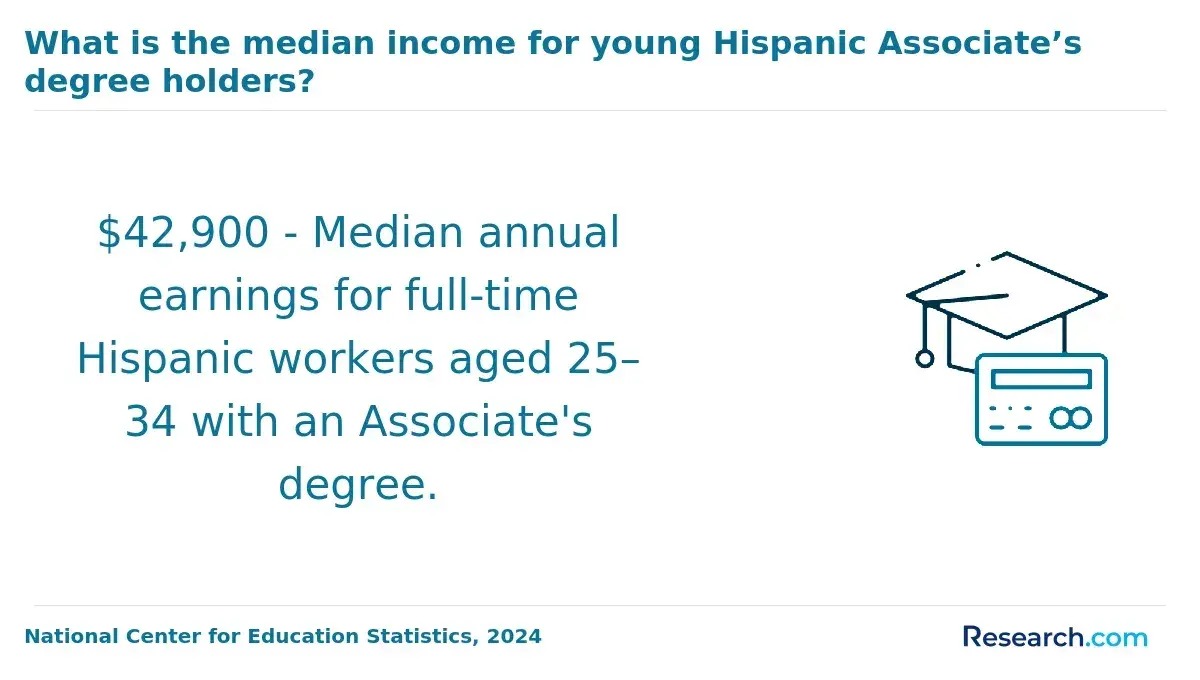
- Field Demand and Salary Trends: With a median annual wage near $43,000 in 2022, understanding credit and scheduling flexibility helps students align graduation with rising industry opportunities.
Prospective students may also explore online EdD programs affordable options as examples of accelerated, affordable degree pathways. Assessing transfer credit policies, admission requirements, and financial factors will further influence how quickly the degree can be completed.
Can You Finish an Online Photography Master's Degree in One Year?
Accelerated completion times for online photography master's degrees rely on several vital factors, including institutional offerings and program structure. Recent trends reveal a 15% increase in holistic admissions, which consider portfolio strength alongside academic records.
Below are key strategies and conditions affecting whether students can finish such programs within a year:
- Institutional Accelerated Tracks: Certain schools like the Savannah College of Art and Design and the Maryland Institute College of Art provide intensive or accelerated formats, often verified by academic calendars to confirm 12-month completion possibilities. These options demand continuous enrollment without breaks.
- Prerequisite and Academic Preparation: Students must typically have prior undergraduate experience in photography or related disciplines. Without these prerequisites, additional foundational courses extend the degree timeline beyond one year.
- Course Load and Scheduling: Fast-track programs condense 30 to 36 credit hours into back-to-back quarters or semesters. This requires managing multiple simultaneous courses and dedicating extensive hours weekly to projects, critiques, and studio assignments.
- Admission Flexibility and Transfer Credits: Transfer credits and competency-based assessments can shorten duration. Flexible start dates can also impact pacing, but the rigorous time demands of a one-year plan require strong discipline and uninterrupted commitment.
A graduate of an online photography master's program shared that maintaining the intense pace was both challenging and rewarding. "Balancing several projects at once and meeting the fast deadlines meant no downtime," they recalled. The experience demanded meticulous time management and resilience, but finishing in under a year allowed a swift transition to professional work. They emphasized that having a solid foundation in photography before enrolling made the rapid progression more manageable and less stressful.
What Is the Fastest Accredited Online Photography Master's Degree Available in 2026?
Prospective students considering accelerated online Photography master's programs in the United States should carefully review regional or national accreditation status verified by the U.S. Department of Education. Accreditation ensures program quality, degree validity, and eligibility for federal financial aid. Understanding key academic policies and flexible options can help students realistically plan their completion timelines.
The following key factors influence the duration and accessibility of these fastest accredited online photography master's degree 2026 pathways:
- Credit Requirements: Most accredited programs require between 30 to 36 graduate credits, setting a baseline for degree completion. These credits include core courses and electives, affecting how quickly students can finish.
- Accelerated and Competency-Based Formats: Some institutions offer competency-based models that allow students to advance by demonstrating skills rather than following a fixed semester schedule. This can notably shorten the time to degree, especially for experienced learners.
- Flexible Enrollment Options: Year-round start dates and multiple enrollment periods per year provide continuous access to courses without long waits. This flexibility supports faster progression in accelerated online photography master's programs United States-wide.
- Transfer Credits: Many programs accept up to 9 to 12 transfer credits from prior graduate coursework or relevant professional experience. Transfer credits may reduce required coursework by up to one-third, expediting graduation.
- Enrollment Intensity: Taking multiple courses simultaneously can reduce total time but requires managing a heavier workload. Students should balance pace with personal and professional commitments to maintain success.
Students are advised to consult institutional academic catalogs and accreditation databases such as the Council for Higher Education Accreditation for verified information. Additionally, financial planning is critical-those researching related fields might explore the cheapest online masters in mental health counseling as an example of cost-conscious graduate options.
Do Online Photography Master's Programs Offer Accelerated or 8-Week Course Formats?
Exploring academic calendars can help candidates identify faster routes to completing an online photography master's degree. Programs often provide flexible scheduling options that influence how quickly students can graduate.
Below are key factors shaping these accelerated pathways:
- Term length and scheduling: Many programs offer both traditional 15- to 16-week semesters and compressed 7- to 8-week terms. Shorter sessions typically allow students to enroll in more courses annually, potentially doubling their yearly credit accumulation compared to standard semesters.
- Institutional structures: Schools may provide multiple start dates throughout the year, such as six or more openings for 8-week terms. This flexibility supports continuous enrollment, enabling students to maintain momentum and reduce overall degree duration.
- Workload intensity: Accelerated courses require a greater weekly time investment to cover material within the shorter timeframe. Students should be prepared for an intensive pace, dedicating more hours weekly compared to conventional semester schedules.
- Competency-based options: Some institutions allow students to advance by demonstrating mastery rather than following fixed terms. This self-paced approach can shorten completion times for motivated learners who already possess relevant skills.
A graduate I spoke with, who transitioned into photography from an unrelated career, described the experience as challenging but manageable. He shared that the compressed courses demanded consistent focus, saying, "Balancing work and studies was tough, but the accelerated sessions kept me engaged. The faster pace pushed me to organize my time better." He appreciated how multiple start dates let him begin quickly after deciding to switch fields, adding that the program's structure made the degree feel accessible despite his nontraditional background.
How Does Full-Time vs. Part-Time Enrollment Affect Photography Master's Degree Completion Time?
Deciding between full-time and part-time enrollment can significantly impact how quickly students complete an online photography master's degree. Official definitions from university registrars help clarify credit hour thresholds.
Below is an overview of factors that influence completion speed, supported by key trends:
- Enrollment Definitions and Credit Loads: Most universities classify full-time graduate students as those taking between 9 and 12 credit hours per term. Part-time students typically enroll in 3 to 8 credits per term, which affects how long it takes to finish the degree.
- Estimated Completion Timelines: A student taking 9 credits each semester may complete a 30- to 36-credit program within about two years. Conversely, enrolling part-time at around 6 credits per term often extends the program duration to three years or more.
- Balancing Commitments: Employment and personal responsibilities often require students to choose part-time status. This flexibility allows them to manage work-life balance but usually slows graduation due to lighter course loads and limited study hours.
- Program Structure and Acceleration: Some programs offer competency-based or accelerated options that might shorten the timeline. However, accredited master's degrees must still meet credit-hour requirements, which limits how fast students can finish.
- Statistical Outcomes: According to the National Center for Education Statistics, full-time graduate students are 1.7 times more likely to complete their degree within three years compared to part-time peers, highlighting the influence of enrollment intensity on graduation rates.
Can Transfer Credits Shorten the Timeline for an Online Photography Master's Degree?
Transfer credits can significantly shorten the timeline for completing an online photography master's degree when accepted by graduate programs, although policies vary widely. Most institutions allow transfer of 6 to 12 semester credit hours, equal to about one to two courses, which often represent 20-30% of the total graduation credits.
Given the growing competition in photography graduate admissions, where portfolios remain a critical evaluation component and nearly 40% of programs report steady application growth, efficiently managing transfer credits can accelerate degree completion. Below are key considerations for transfer credit use in online photography master's degrees:
- Maximum transferable credits: Most graduate programs accept between 6 and 12 semester credit hours of transfer credits from accredited institutions, usually one to two graduate-level courses relevant to photography or visual arts.
- Eligibility criteria: Transferred courses must have been completed with a minimum grade-commonly a B or better-and should not have been previously applied to undergraduate degree requirements.
- Evaluation process: Official transcripts, course syllabi, and learning outcomes are reviewed to ensure the courses align with the institution's curriculum and graduate standards before acceptance by an academic advisor or graduate committee.
- Application timing: Requests for transfer credit evaluation must typically be submitted before or during program admission, with decisions finalized early in the enrollment process.
Prospective students should review their specific program's policies for transfer credit limits and procedures in official graduate handbooks or by contacting admissions. Considering financial and enrollment factors alongside transfer credits can help streamline graduation timelines.
Those looking for accelerated degree options may also explore competency-based formats or intensified enrollment terms. For example, a 1-year online master's in social work highlights how program structure profoundly impacts completion speed, a principle relevant across disciplines, including photography.
Does Prior Work Experience Reduce the Time to Complete a Photography Master's Degree?
Candidates seeking admission to online photography master's degree programs can often take advantage of prior learning assessments (PLA) or portfolio evaluations in addition to their professional experience. These options may offer pathways to shorten degree timelines by awarding academic credit for demonstrated competencies.
Below are key points outlining how institutions handle these alternatives:
- Availability of Prior Learning Assessments: Many universities offer PLA as a way to recognize professional and experiential learning. According to the Council for Adult and Experiential Learning (CAEL), nearly 85% of universities have some form of PLA, though the extent and acceptance vary widely by program and institution.
- Limits of Professional Experience Credit: Traditional master's programs in photography rarely grant credit solely based on work experience. Most degree requirements emphasize formal coursework to maintain accreditation standards, preventing the automatic reduction of program duration through professional background alone.
- Competency-Based Education Models: Some schools use competency-based formats, allowing students to progress by demonstrating mastery of subject matter instead of completing fixed credit hours. This model potentially accelerates completion if students' prior work strongly aligns with academic competencies.
- Role of Portfolio Evaluation: A common pathway is portfolio evaluation, where candidates submit a curated body of creative work for faculty assessment. Successful evaluation might earn credit for particular courses, helping reduce course loads.
- Official Institutional Policies: Formal policy statements usually clarify that while experiential credit can reduce course requirements, it does not necessarily shorten the minimum length of master's programs. Students are advised to consult specific program guidelines and accreditation rules for details.
- Relationship to Admission Requirements and Degree Pace: Enrollment intensity, transfer credits, and start-date flexibility also influence graduation speed. Students interested in accelerated tracks or comparable fields might explore options such as cyber security degrees that often feature flexible formats.
Prior work experience impact on online photography degree duration is, therefore, program-dependent but may contribute to faster completion primarily through PLA or competency-based options. Regardless of background, most applicants should expect to complete some formal coursework on their pathway to a master's degree.
How professional experience accelerates a master's in photography depends largely on institutional policies and the specific structure of the degree program. Prospective students should carefully review academic catalogs and accreditation standards to gauge realistic timelines.
Are There Competency-Based Online Photography Master's Programs?
Competency-based education (CBE) programs offer a flexible alternative for students pursuing an online Photography master's degree by allowing them to demonstrate skill mastery at their own pace. This structure provides opportunities for faster completion compared to traditional academic calendars, but can also adapt to individual scheduling needs.
The following points highlight key aspects of competency-based master's degrees and their distinctions from more conventional formats:
- Accredited providers of competency-based programs: Universities like Northern Arizona University and Capella University offer competency-based master's degrees in creative and visual arts, including photography-related areas. These programs comply with U.S. Department of Education criteria, ensuring institutional quality and eligibility for federal aid.
- Flexible, self-paced advancement: Students progress by passing evaluations when ready rather than following fixed terms. Motivated learners may complete their degrees more rapidly than typical semester schedules allow, while others might require more time due to personal or professional responsibilities, providing tailored pacing control.
- Differences from traditional term-based curricula: Conventional master's programs adhere to set academic semesters or quarters, creating a consistent but less flexible timeline for degree completion. In contrast, competency-based models prioritize demonstrated expertise over time spent, enabling a more individualized approach to learning speed.
- Influence on credit and course completion: Instead of relying solely on accumulated credit hours, competency-based degrees emphasize assessment of actual skills through projects and exams. This method can reduce the total credit requirements and expedite recognition of prior knowledge, often leading to quicker overall graduation compared to credit-hour dependent programs.
What Role Does a Thesis or Capstone Play in Completion Time?
Research components in online photography master's programs often extend the time needed to graduate by one or two semesters. This extension results from the additional workload involved in planning, conducting, and defending original research projects.
- Thesis track demands: Typically involves a formal research project requiring students to produce and defend a written thesis, which adds substantial credits and time beyond standard coursework.
- Non-thesis alternatives: Often replaced by capstone projects or comprehensive exams, focusing on applied skills with typically 3 to 6 credits dedicated to culminating experiences.
- Practicum or internship hours: Many programs include mandatory practical experiences ranging from 100 to 200 hours, which can add weeks or months depending on scheduling and credit requirements.
- Accelerated and competency-based options: Some formats allow students to demonstrate prior knowledge to shorten research components while maintaining required credit standards set by accreditation bodies.
- Credit allocation and accreditation: Federal and institutional policies ensure clear credit divisions for research and practical projects, ensuring sufficient time investment for quality completion.
How Do Summer Terms Impact Photography Master's Degree Completion Speed?
Summer terms can accelerate the completion of an online photography master's degree by allowing students to earn additional credits beyond the regular academic year. Many programs offer summer or intersession courses that enable continuous enrollment and potentially shorten the overall timeline.
- Availability of Summer Courses: Review institutional academic calendars to confirm when summer or short-term sessions are offered. Not all programs provide the same options, so checking course availability is essential for planning consistent enrollment.
- Time Savings: Taking courses during summer sessions can reduce total program length significantly, sometimes by an entire semester. This is especially effective for students aiming to graduate faster without overloading traditional terms.
- Tuition Considerations: Tuition may be charged per credit hour regardless of the term, but some schools apply different rates for summer courses. Understanding these policies helps in budgeting for year-round study.
- Financial Aid Impact: Maintaining at least half-time enrollment during summer often preserves financial aid eligibility. Students should verify aid guidelines with their institution to ensure continuous support.
What Graduates Say About Graduating From an Online Photography Master's Degree
- Mikael: "Completing my online photography master's degree was a rewarding challenge, especially when managing the credit requirements from home. I appreciated how the program's official academic catalog provided clear guidelines, helping me track my progress efficiently. Discovering accelerated pathways allowed me to finish sooner without compromising the depth of my learning."
- Hannah: "Reflecting on my journey, the reliance on accrediting agencies and federal education resources gave me confidence that my online photography degree held real value. Navigating the complex credit requirements felt manageable once I understood the structure through these trusted sources. The availability of fast-track options was a game-changer, enabling me to advance at my own pace."
- Cassie: "Approaching the online photography master's degree with a professional mindset meant diving deep into all academic materials and identifying the best ways to meet credit demands. Using the official academic catalog and guidance from accrediting bodies was indispensable in ensuring my steps were on target. The accelerated pathways not only saved time but also kept me engaged and motivated throughout the program."
Other Things You Should Know About Photography Degrees
In 2027, the cost can influence how quickly you can complete an online photography master's degree. Higher tuition fees often correlate with accelerated programs, while lower costs might require longer timelines due to fewer credits per term or the need for part-time enrollment.
Online photography master's degrees often allow for a more flexible pace, but they are not inherently faster than on-campus programs. Completion speed depends largely on the student's course load and program structure. Some accelerated online programs can shorten timelines, but many traditional campus programs offer similar durations.
For working professionals, completing an online photography master's degree typically takes two to three years. Balancing work and study often limits enrollment to part-time status, resulting in a longer path than full-time students experience. Programs with competency-based options or accelerated courses may help reduce this timeframe.
References
- Film, Television and Still Photography – Master’s degree program - Majors and specialities in Academy of Silesia - The Academy of Science, Art and Medicine https://www.en.wst.com.pl/education_offer/film_television_and_still_photography
- Picture an Online Degree at Your Own Pace https://www.snhu.edu/about-us/newsroom/education/picture-an-online-degree-at-your-own-pace
- What is a capstone project, and why is it important? | Sunstone https://sunstone.in/blog/capstone-project
- Access to online college courses can speed students’ degree completion | Brookings https://www.brookings.edu/articles/access-to-online-college-courses-can-speed-students-degree-completion/
- Photography (Online) MA https://www.tees.ac.uk/postgraduate_courses/art_&_design/ma_photography_(online).cfm
- Do Online Schools Have a Summer Break? | UMGC https://www.umgc.edu/blog/do-online-schools-have-summer-break
- Falmouth University Courses and Modules https://falmouth.akarisoftware.com/index.cfm/page/course/courseId/12836


