2027 How to Compare Biomedical Engineering Degree Programs Effectively

Co-Founder and Chief Data Scientist
Prospective students often struggle to differentiate biomedical engineering degree programs because each offers distinct specializations, lab facilities, and internship opportunities. With the biomedical engineering workforce expected to grow by 10% through 2032, choosing the right program can impact employment prospects significantly. The diversity in curriculum focus, ranging from biomechanics to biomaterials, complicates direct comparisons.
This article will explore criteria such as program accreditation, hands-on experience, research access, and post-graduate outcomes to help readers make informed decisions tailored to their goals and circumstances.
Key Benefits of Comparing Biomedical Engineering Degree Programs Effectively
- Verify program accreditation, such as ABET, to ensure educational quality and industry recognition critical for career advancement in biomedical engineering.
- Compare curricula for specialization options aligning with your career goals, including emerging fields like biomaterials, medical imaging, or bioinformatics.
- Assess total costs against average salaries; biomedical engineers earn a median annual wage of $101,000, emphasizing ROI when considering tuition and financial aid.
What Types of Accreditation Should a Biomedical Engineering Degree Program Have?
Accreditation helps prospective students compare the quality, credibility, and long-term value of biomedical engineering degree programs by ensuring they meet established standards in curriculum, faculty expertise, and student outcomes. About 70% of engineering employers prefer candidates from accredited institutions, which highlights the importance of attending an accredited program. Here are the key types of accreditation to consider:
- ABET Accreditation: This accreditation by the Accreditation Board for Engineering and Technology guarantees that the program meets essential quality standards for technical competence and professional preparation specific to engineering disciplines.
- Regional Accreditation: Covering the entire college or university, this institutional accreditation affects credit transferability, eligibility for financial aid, and overall academic recognition, making it a critical factor in choosing a biomedical engineering degree program with regional accreditation standards.
- Programmatic Accreditation: Specialty accreditations focus on specific biomedical engineering sub-disciplines, indicating industry relevance and a program's emphasis, which is particularly important for students targeting niche careers or research areas.
For career changers and working professionals, degrees from accredited programs support licensure preparation and employer trust and ease credit transfer and financial aid access. Students can also explore related fields through options like DNP programs to complement or expand their expertise in healthcare and engineering intersections.
What Specializations Are Offered in Biomedical Engineering Degree Programs?
Specializations in biomedical engineering degree programs enable prospective students to compare options by aligning academic focus with their career ambitions. The U.S. Bureau of Labor Statistics projects a 10% growth in biomedical engineering jobs between 2022 and 2032, highlighting the value of targeted expertise in this evolving field. The following are some common biomedical engineering focus areas.
- Bioinstrumentation: Focuses on developing medical devices and diagnostic instruments, cultivating skills in electronics and signal processing, leading to careers in device design and clinical engineering.
- Biomaterials: Emphasizes designing materials compatible with biological systems, advancing knowledge in polymers and tissue engineering, preparing graduates for roles in implant development and regenerative medicine.
- Biomechanics: Studies mechanics of the human body, fostering skills in mechanical analysis and system modeling, suitable for careers in prosthetics and rehabilitation technology.
- Medical Imaging: Concentrates on imaging technologies like MRI and CT scans, developing expertise in image processing and software, applicable to diagnostic equipment manufacturing and clinical applications.
Choosing the right specialization is important for aligning with industry demand and graduate outcomes in biomedical engineering degree program specializations. For those exploring further educational pathways in healthcare and engineering, resources about BSN to DNP programs may also be informative for long-term career planning.

How Can You Compare Courses Across Biomedical Engineering Degree Programs?
Comparing courses across biomedical engineering degree programs is essential for prospective students to evaluate program rigor, opportunities for skill development, and how well the curriculum aligns with individual career goals. A recent national survey found that programs with comprehensive curricula have a 15% higher course completion rate, reflecting enhanced student engagement and preparedness.
To effectively compare biomedical engineering program curriculum features, consider the following practical strategies:
- Reviewing Syllabus Content: Understanding the topics covered offers insight into whether the coursework matches your interest areas and desired skill set.
- Assessing Credit Hours and Workload: Evaluating time commitments and course intensity helps balance academic demands with personal schedules and responsibilities.
- Comparing Course Sequences: Examining how foundational knowledge builds toward advanced concepts reveals the structure and depth of each program.
- Examining Lab and Project Components: Hands-on experiences increase skill applicability and prepare students for real-world biomedical engineering roles.
- Checking Alignment With Professional Standards: Ensuring courses cover relevant industry tools, regulations, and technologies aids career readiness and compliance.
These approaches empower students to select programs that foster the skills necessary for success. For those also exploring other fields, looking at nursing schools that are easy to get into can provide additional educational options to consider.
What Scheduling Options Are Available in Biomedical Engineering Degree Programs?
Flexible scheduling is essential for students weighing different biomedical engineering degree programs, especially those managing work, family, or other commitments alongside their studies. The variety of formats available allows students to find programs that fit their individual lifestyles and educational goals. Below are common scheduling options to consider when evaluating programs:
- Full-Time On-Campus: Traditional daytime classes held on campus provide immersive, in-person learning experiences. This format suits students who can dedicate their schedules fully to academics and campus activities.
- Part-Time Enrollment: Designed for students balancing work or personal responsibilities, part-time options offer a slower pace to complete the degree. This flexibility helps maintain steady progress without overwhelming other obligations.
- Evening and Weekend Classes: These courses cater to working professionals by scheduling sessions outside typical business hours. They enable students to advance their education without interrupting their career or daily routines.
- Hybrid Programs: Combining in-person and online coursework, hybrid formats blend direct faculty interaction and hands-on opportunities with the convenience of remote learning. This balance can enhance engagement while accommodating diverse schedules.
- Fully Online Degrees: Entirely online programs allow students to complete biomedical engineering coursework remotely, removing geographical barriers. They are ideal for those needing maximum schedule flexibility or unable to relocate.
What Are the Pros and Cons of Online vs Campus-Based Biomedical Engineering Degrees?
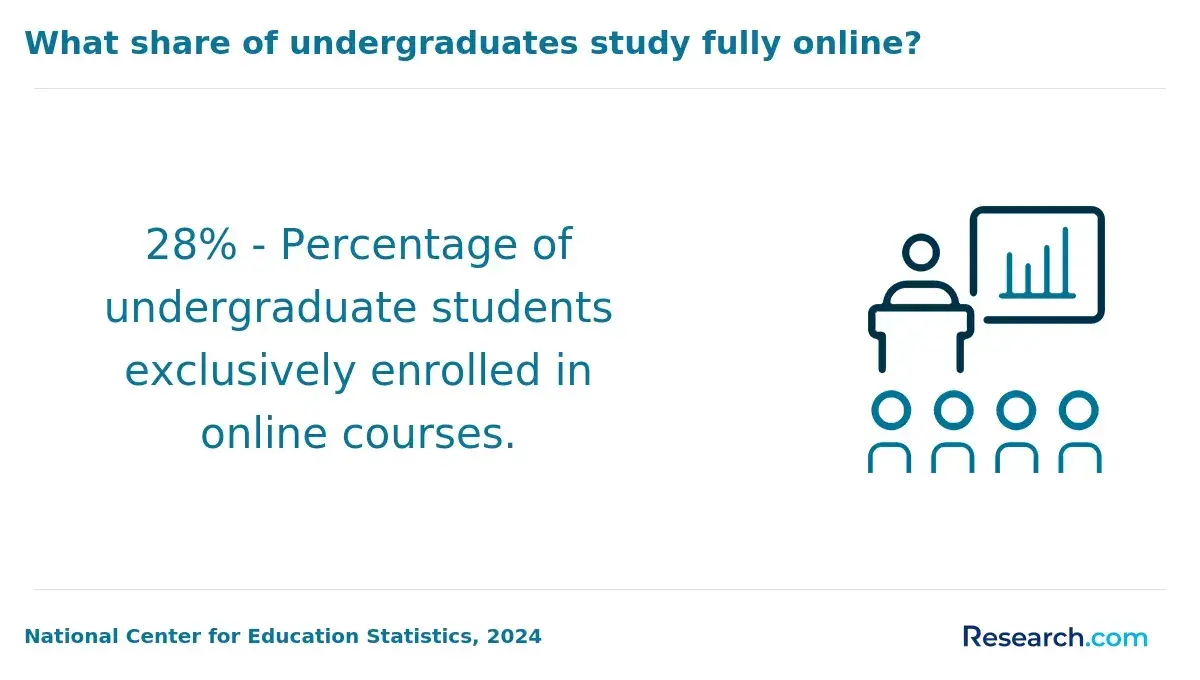
Choosing between online and campus-based biomedical engineering degrees is essential because the format influences educational quality and career prospects. In 2023, nearly 25% of engineering undergraduates took some courses online, indicating a rise in alternative learning methods. The following comparison highlights key differences students should consider.
Online Biomedical Engineering Degrees
- Flexible Scheduling: Students can often tailor coursework around jobs and personal commitments, making it easier to balance responsibilities.
- Cost Savings: Eliminating commuting and housing expenses reduces overall program costs, which can be significant for many learners.
- Diverse Course Access: Online formats provide opportunities to enroll in specialized or rare classes not available locally.
- Limited Hands-On Experience: Lack of direct lab access can hinder acquisition of crucial practical skills, affecting readiness for some technical roles.
- Networking Constraints: Reduced face-to-face interaction may limit building professional relationships and mentorships that support career development.
Campus-Based Biomedical Engineering Degrees
- Direct Lab Access: On-campus programs offer immersive hands-on work with equipment, essential for mastering complex engineering concepts.
- Collaborative Environment: Working closely with peers and faculty enhances problem-solving abilities and fosters strong professional networks.
- Stronger Mentorship: Immediate interactions with professors increase opportunities for guidance, internships, and job recommendations.
- Less Flexibility: Fixed schedules and physical presence requirements can challenge students balancing outside commitments.
- Higher Costs: Living expenses and transportation fees add financial burdens, potentially limiting options for some candidates.
I spoke with a graduate who completed an online biomedical engineering program about how he navigated this choice. He shared, "I carefully weighed how I could manage work alongside studies; flexibility was crucial since my job had unpredictable hours." He also noted the challenge of missing in-person lab sessions but compensated by seeking virtual simulations and scheduling intensive campus visits when possible.
"Building connections took more effort online-I relied on forums and occasional video calls to stay engaged. It wasn't easy, but it helped me stay motivated and grow my network." This personal insight underscores the importance of evaluating both formats against individual priorities and circumstances.
How Do GPA Requirements Vary Among Biomedical Engineering Degree Programs?
GPA expectations are a critical aspect to evaluate when selecting biomedical engineering degree programs, as they can significantly impact admission chances and reflect each program's academic standards. The following points outline key variations and considerations regarding GPA requirements across different programs.
- Minimum Thresholds: Some programs enforce strict GPA cutoffs to maintain competitive enrollment and uphold rigorous academic standards, while others adopt more lenient minimums to broaden access.
- Holistic Review: Many programs complement GPA criteria with a comprehensive assessment including letters of recommendation, personal statements, relevant experience, and extracurriculars, recognizing that GPA alone may not capture a candidate's full potential.
- Flexibility and Support: Certain institutions offer conditional admissions or pathways to improve academic standing after starting the program, allowing students to demonstrate capability beyond initial GPA scores.
- Program Type Impact: GPA standards often vary between undergraduate and graduate biomedical engineering programs, as well as based on whether a curriculum emphasizes research, practical training, or interdisciplinary approaches.
How Can You Compare Tuition Across Biomedical Engineering Degree Programs?
Comparing tuition when selecting a biomedical engineering degree is essential, as costs can vary widely and impact financial stability after graduation. With engineering graduates averaging over $28,000 in student loan debt, weighing expenses carefully helps create a clearer financial path. Here are key factors to consider:
- Total Program Cost: Look beyond tuition to include mandatory fees and additional expenses throughout the entire program duration, ensuring a comprehensive understanding of what you will pay.
- Cost Per Credit: Some programs price courses by the credit hour, making it important to evaluate how many credits are required and how that affects the overall tuition.
- Additional Fees: Administrative, lab, and technology fees vary between institutions and can significantly increase the total cost, so review these carefully.
- Financial Aid and Scholarships: Availability of grants, scholarships, and aid packages can dramatically lower out-of-pocket expenses, so consider these opportunities when comparing costs.
- Employer Tuition Benefits: If employed or planning to work while studying, check if your employer offers tuition reimbursement or assistance, which can ease financial pressure.
- Long-Term Value: Evaluate outcomes such as job placement rates, average salaries, and debt-to-income ratios to assess whether the investment aligns with your career goals and financial wellbeing.
When I spoke with a graduate who completed a biomedical engineering degree, she shared how challenging it was to piece together the full cost picture initially. "I focused mostly on tuition, but later realized fees and extra expenses added up unexpectedly." She carefully researched financial aid and employer assistance programs, which "made a real difference in managing debt."
Reflecting on her journey, she emphasized the importance of considering future earnings and job prospects, saying, "Understanding the bigger financial picture helped me feel confident that my investment was worthwhile despite the high sticker price."
Does a Biomedical Engineering Degree Meet Licensure Requirements?
Licensure alignment is essential for students pursuing biomedical engineering degrees who plan to enter regulated professions or change careers, as it ensures compliance with legal and professional standards. Nearly 25% of jobs in the U.S. require a professional license or certification, making it important to assess how programs support this path. Key factors to consider include:
- Curriculum Alignment: Programs should cover core engineering principles and biomedical topics relevant to licensure exams, ensuring graduates possess necessary subject knowledge.
- Accreditation Status: Enrollment in an ABET-accredited biomedical engineering program often fulfills the educational criteria for taking the Fundamentals of Engineering (FE) exam, a common step toward licensure.
- State Requirements: Licensure prerequisites vary by state, sometimes requiring extra coursework in math, science, or ethics beyond the degree curriculum.
- Supervised Experience: Availability of internships or supervised work placements integrated with the program is crucial for meeting practical experience mandates.
- Exam Eligibility Support: Programs should provide guidance on meeting eligibility for the FE and Principles and Practice of Engineering (PE) exams and assist with preparation resources.
Prospective students should carefully verify each program's alignment with licensure pathways in their target state to facilitate a successful transition from education to professional certification.
Which Biomedical Engineering Programs Have the Best Career Placement Rates?
Career placement rates are a vital measure of how well biomedical engineering degree programs prepare graduates for the workforce. Studies indicate that about 85% of biomedical engineering graduates secure relevant employment or continue advanced study within six months of graduation, underscoring the critical role of program quality in shaping professional futures.
Here are key factors prospective students should consider when evaluating biomedical engineering career placement rates in top U.S. programs:
- Graduate Employment Statistics: Review data on the percentage of graduates employed in biomedical engineering or related fields shortly after completing their degree. This metric reflects how effectively programs help students enter their chosen professions, making it one of the best biomedical engineering graduate employment statistics to compare.
- Employer Partnerships: Programs with strong industry connections tend to offer better internship and co-op opportunities. These partnerships provide students with practical, hands-on experience and increase their chances of employment by facilitating direct employer engagement.
- Internship Pipelines: Assess how well a program integrates real-world experience into its curriculum through internships or cooperative programs. Consistent internship offerings often correlate with higher placement rates and smoother transitions to full-time roles.
- Alumni Outcomes: Investigate alumni career progression and leadership roles in engineering firms or research centers. Strong alumni networks can indicate a sustained program impact and help new graduates build valuable industry contacts.
- Support Services: Look for programs that provide career counseling, resume workshops, and networking events. These support services assist students in navigating the job market effectively and improving their placement prospects.
For students balancing education with financial considerations, exploring options like the cheapest online healthcare administration degree may offer insights into affordable pathways that complement a biomedical engineering background or facilitate interdisciplinary career flexibility.
How Do Salaries Compare Across Biomedical Engineering Degree Program Graduates?
Post-graduation salary outcomes are a crucial metric for prospective students comparing biomedical engineering degree programs as they reflect the economic value and potential return on investment of a degree. On average, biomedical engineering graduates in the U.S. earn starting salaries between $60,000 and $75,000 annually. Several factors contribute to variations in these salaries, including the graduate's role, industry, location, and experience level, as detailed below.
- Role: Design engineers and research scientists typically command higher salaries than entry-level technicians due to the complexity and responsibility of their work.
- Industry: Graduates working in pharmaceuticals and medical device manufacturing often see greater wage growth compared to those in academic research or government positions.
- Location: Metropolitan areas with robust healthcare sectors, such as Boston, San Francisco, and Houston, tend to offer higher salaries reflecting local demand and cost of living.
- Experience Level: Salary increases are common as professionals gain industry experience and advanced skills, especially when taking on leadership roles or specialized technical responsibilities.
Prospective students seeking programs aligned with their financial goals and career expectations should consider these salary differences while also evaluating program quality and affordability.
For example, options like the cheapest RN to BSN program online demonstrate how cost considerations can impact overall investment decisions. Ultimately, understanding how biomedical engineering graduate salaries vary by program and related factors helps students make informed choices about their education and future.
What Graduates Say About Comparing Biomedical Engineering Degree Programs Effectively
- Sabine: "Before choosing the biomedical engineering degree, I weighed the cost against other fields like computer science and found biomedical engineering offered a unique blend of innovation and purpose. The average cost of attendance was reasonable compared to private tech schools, which helped me decide. Graduating from the program has opened doors to impactful roles in medical device design, which truly energizes my career. "
- Aries: "Initially, I was hesitant about pursuing biomedical engineering due to concerns about tuition fees and future job stability. After researching, I realized the investment was comparable to other STEM degrees but with distinct advantages in healthcare technology. Reflecting now, the degree provided me with a strong foundation to transition confidently into a specialized clinical research role."
- Barry: "Choosing biomedical engineering was a calculated decision influenced heavily by the cost-benefit aspect of the program. The tuition was moderate, especially when contrasted with the expenses of medical school, making it a practical path. Professionally, completing the degree allowed me to contribute effectively in biotech organizations where my technical expertise makes a real difference. "
Other Things You Should Know About Biomedical Engineering Degrees
Research opportunities are vital because biomedical engineering is a rapidly evolving field. Programs that offer hands-on research projects, internships, or collaboration with medical institutions allow students to apply theoretical knowledge and gain practical skills. These experiences often enhance learning and improve job prospects after graduation.
In 2027, the role of facilities and technology in evaluating biomedical engineering programs is crucial. Cutting-edge laboratories, access to modern equipment, and state-of-the-art research facilities directly affect students' practical learning and innovation capabilities, impacting their readiness for the workforce.
References
- Areas of Specialization in Bioengineering https://navigate.aimbe.org/why-bioengineering/areas-of-specialization-in-bioengineering/
- The Benefits of Pursuing a Biomedical Engineering Degree https://www.honorsociety.org/articles/benefits-pursuing-biomedical-engineering-degree
- Most Affordable Biomedical Engineering Schools https://careerkarma.com/blog/cheapest-biomedical-engineering-schools/
- 2023 Best Value Biomedical Engineering Schools - Course Advisor https://courseadvisor.com/majors/engineering/biomedical-engineering/rankings/best-value/
- Top 10 Biomedical Engineering Schools by Salary https://www.mddionline.com/business/top-10-biomedical-engineering-schools-by-salary
- 2025 Bioengineering and Biomedical Engineering Tuition https://www.collegetuitioncompare.com/majors/14.0501/bioengineering-and-biomedical-engineering/
- Biomedical Engineering: Salary, Outlook and Description | McKissock Learning https://www.mckissock.com/blog/professional-engineering/biomedical-engineering-salary-outlook-and-description/
- Program: Biomedical Engineering Courses - McMaster University https://academiccalendars.romcmaster.ca/preview_program.php
- Online vs Hybrid vs Campus Learning in Healthcare: Which Is Right for You? https://www.edumed.org/articles/online-vs-hybrid-vs-campus/
- Biomedical Specialization | Bachelor of Science in Engineering https://engineering.mercer.edu/academic-programs/bachelor-of-science-engineering/biomedical-engineering/