2027 Is a Biomedical Engineering Online Degree Worth It?

Co-Founder and Chief Data Scientist
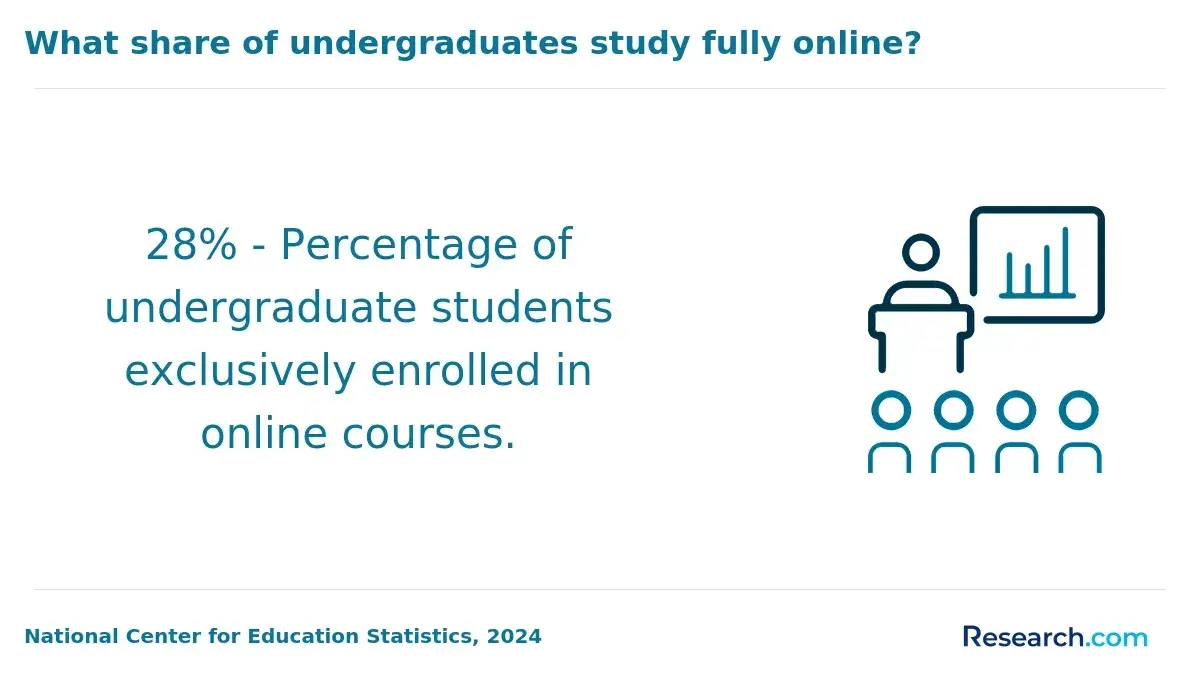
Online education has grown rapidly in recent years, with over 40% of U.S. college students taking at least one online course. Many prospective students see an online biomedical engineering degree as a flexible way to enter a high-demand field that blends engineering with medical sciences. This option appeals especially to working professionals and those in remote areas.
This article explores whether pursuing an online biomedical engineering degree is worth the investment by examining key factors such as cost, program accreditation, flexibility, job market trends, and how employers view online credentials. Understanding these elements can help students make informed decisions about their education and career paths.
Key Benefits of Online Biomedical Engineering Degree
- Online biomedical engineering programs offer flexible schedules and accessible coursework, enabling students to balance education with work or personal commitments efficiently.
- The field's projected 6% job growth through 2031 supports strong career prospects in medical device design, research, and healthcare technology innovation.
- Degree curricula often emphasize practical skills and cross-disciplinary training, enhancing graduates' readiness for diverse roles in both industry and academia.
Who Should Choose an Online Biomedical Engineering Degree Program?
Online learning has become a practical alternative for many students by offering flexibility that adapts to diverse personal and professional circumstances. This adaptable format allows learners to pursue advanced education without interrupting their daily lives or responsibilities.
Below are key groups who find an online biomedical engineering degree particularly beneficial.
- Working professionals: These individuals can continue their careers while studying, using flexible schedules to balance job demands with coursework. The ability to learn asynchronously allows them to progress without compromising their income or workplace commitments.
- Military personnel and their families: Frequent relocations make consistent on-campus attendance difficult for this group. Online programs remove geographical barriers, enabling uninterrupted education regardless of duty station or family movements.
- Working parents: Managing child care and household responsibilities often complicates traditional study. Online biomedical engineering degrees offer the convenience to study from home, making advanced education attainable without sacrificing family time.
- Career changers and aspiring medical school students: Those switching fields or preparing for medical school gain specialized technical knowledge through online courses. This helps them maintain other commitments while enhancing their qualifications for future opportunities.
What Are the Pros and Cons of an Online Biomedical Engineering Degree?
Online biomedical engineering programs have grown popular as students and working professionals seek flexible learning options that fit their busy lives. These programs offer pathways for career advancement in a rapidly evolving healthcare technology sector, accommodating those balancing multiple responsibilities.
Pros of an Online Biomedical Engineering Degree
- Flexible Scheduling: Online biomedical engineering programs allow students to tailor study hours around work or family obligations. Many master's degrees can be completed in 16-20 months, often with asynchronous coursework enabling learners to progress at their own pace.
- Cost Savings: Remote learning eliminates costs tied to campus housing, commuting, and other fees. This makes the degree more accessible and affordable, which is a significant factor for many considering the challenges of earning a biomedical engineering degree online.
- Access to Top Institutions: Geographic barriers are reduced, letting students enroll in prestigious programs nationwide without relocating. This access includes specialized curricula and renowned faculty, supporting quality education regardless of location.
- Career Advancement: Employers respect accredited online degrees, and biomedical engineers earn a median salary of $85,620 according to the Bureau of Labor Statistics. Pursuing an online degree can open doors to higher-paying roles in healthcare technology.
Cons of an Online Biomedical Engineering Degree
- Limited Hands-on Lab Experience: The field heavily depends on laboratory work, which can be difficult to replicate online. Some programs rely on virtual labs or require visits to campus facilities, which may not fully substitute for in-person experience.
- Self-Motivation Required: Success demands strong time management and discipline as students must keep pace with lectures and assignments independently, a common challenge noted in discussions on the pros and cons of online biomedical engineering degree programs.
- Networking Challenges: Online students may miss out on informal networking, campus events, and immediate research opportunities, which can impact professional growth and collaboration chances.
- Perceived Industry Barriers: Despite growing acceptance, some employers still prefer traditional, in-person graduates, especially for hands-on or collaborative roles. This can limit options in certain sectors.
For those interested in accelerated options, consider exploring programs like the bachelor's degree fast track that offer quicker pathways within the biomedical engineering field.
How Do AI-Enhanced Virtual Classrooms Work in Online Biomedical Engineering Programs?
AI technologies are central to modern online education because they personalize and enhance the learning experience, especially in complex fields like biomedical engineering. By leveraging machine learning and intelligent systems, these platforms improve student engagement and adapt content to individual needs.
Below are key features of AI-powered virtual classrooms used in online biomedical engineering programs that illustrate this impact.
- Adaptive Learning Tools: AI algorithms adjust course material in real time based on student performance, allowing personalized remediation or enrichment. This ensures mastery of difficult biomedical engineering concepts without slowing the entire class.
- AI-Driven Feedback: Automated grading platforms evaluate coding assignments, simulations, and quizzes instantly, giving students timely, specific feedback. This rapid input supports continuous improvement and flags common challenges educators should address.
- 24/7 Virtual Assistance: AI chatbots and virtual assistants provide round-the-clock academic and technical support, answering questions about biomedical topics or software tools, which enhances accessibility and encourages independent learning.
- Intelligent Collaboration Support: AI-powered team formation matches students on projects by skills and interests, fostering interactive learning with pedagogical agents in biomedical engineering that promote diverse and effective group work.
For students exploring options, earning an easiest master's degree in a field like biomedical engineering may be a strategic starting point to experience AI-powered virtual classrooms firsthand.
What Technology Do You Need for an Online Biomedical Engineering Degree?
Success in an online biomedical engineering program relies heavily on having the right technology setup. Students must ensure they meet the online biomedical engineering hardware requirements to fully engage with course content and participate in real-time activities.
Below is an overview of essential tools, equipment, and software students should prepare before enrollment.
- Reliable Computer: A powerful computer capable of running specialized engineering software and handling complex simulations is critical. This device should support multimedia content and software for modeling biomedical systems, enabling students to complete assignments effectively without technical interruptions.
- High-Speed Internet: A stable, high-speed internet connection for online engineering programs is non-negotiable. It ensures smooth access to live lectures via video streaming, real-time collaboration, and participation in virtual labs. Consistent connectivity helps prevent missed content and fosters active communication with peers and instructors.
- Video Conferencing and Communication Tools: These platforms facilitate real-time interaction with professors during office hours and enable group project collaboration. Forums and chat applications offer a space to ask questions and share feedback, enhancing the online learning community experience.
- Engineering Simulation and Design Software: Students need access to applications that model physiological data and design medical devices, essential for courses in tissue engineering and biomechanics. Familiarity with these tools prepares students for practical application of theoretical concepts.
- Laboratory Equipment Access: Although most coursework is online, some programs require on-campus summer lab sessions. Students should plan for travel and hands-on instrumentation experiences to complement their virtual learning.
- Mathematical and Statistical Software: Software capable of handling calculus, differential equations, and data analysis supports coursework in quantitative systems physiology and biostatistics, enabling precise and efficient problem-solving.
Investing upfront in these technologies helps maintain uninterrupted access and effective learning throughout an online biomedical engineering degree. For those interested in accelerating their educational path, see the options for a shortest masters degree available.
How Long Does It Take to Finish an Online Biomedical Engineering in 2027?
Program length is a crucial consideration for prospective students pursuing an online biomedical engineering degree, as it impacts scheduling, personal commitments, and career planning. Timelines can differ greatly depending on program format, course load, and individual pace.
Below is an overview of typical completion periods for online biomedical engineering programs.
- Full-Time Online Track: Typically structured to mirror traditional on-campus timelines, most bachelor's degrees require around four years of study, usually involving 120 to 128 credit hours. This path offers a steady pace with clearly defined course progressions.
- Part-Time Enrollment: Designed for working professionals or those balancing other responsibilities, part-time students may take two to four years longer than full-time peers. This option provides flexibility to extend study duration while managing obligations.
- Accelerated Master's Programs: Some master's degrees offer fast-track options enabling completion in as little as 12 to 18 months full-time. These are ideal for students who can handle increased course loads and seek to enter the workforce sooner.
- Asynchronous Coursework: Many online master's programs now allow students to progress independently on their schedules, potentially shortening or lengthening their time based on personal and professional demands. This flexibility helps accommodate diverse lifestyles and commitments.
Can You Work Full-Time While Completing an Online Biomedical Engineering Degree?
Balancing a full-time job with an online biomedical engineering degree is a frequent concern among prospective students due to the program's demanding nature and work responsibilities. Understanding the factors that influence this balance can help students navigate both commitments effectively.
Key considerations for working full-time while pursuing an online biomedical engineering degree include:
- Program pacing: Many programs offer flexible timelines, allowing students to accelerate or extend their studies depending on work demands. This flexibility helps manage workload during busy periods.
- Asynchronous vs. synchronous courses: Asynchronous classes provide access to lectures and assignments anytime, accommodating varying work schedules. Synchronous sessions require fixed attendance, which can be tougher for full-time employees.
- Workload: Limiting courses to two per semester (around six credits) is advisable to prevent burnout while working full-time. Attempting more than nine credits generally proves overwhelming.
- Employer support: Some employers offer flexible hours or tuition aid, easing the pressure of juggling work and studies.
- Time management skills: Creating structured schedules with dedicated study and work periods is essential for maintaining a sustainable routine.
When speaking to a recent graduate who managed a full-time job alongside an online biomedical engineering degree, she described the journey as challenging but manageable. "Balancing late-night study sessions after work was exhausting, but setting a strict weekly plan helped me stay on track," she said.
She emphasized that employer flexibility during exam weeks was crucial, allowing her to focus without added stress. Despite occasional overwhelm, she found that perseverance and routine transformed her experience into a rewarding accomplishment that didn't require sacrificing career progress.
How Do Online Biomedical Engineering Degree Programs Help with Internships?
Internships are essential for gaining practical skills and preparing for a successful career in biomedical engineering. They offer real-world experience that complements academic learning and helps build professional networks. Online programs have developed effective methods to support students in securing and completing these vital practicum experiences.
Below are key ways these programs assist students:
- Virtual Placement Coordination: Online programs connect students with remote internships at leading organizations, facilitating projects in areas like biomedical instrumentation and neurotechnology. This flexibility helps students engage from various locations and time zones.
- Structured Research Training: Curriculum often includes focused modules on literature review, medical device standards such as ISO 13485, and biomedical signal processing, preparing students for hands-on roles during their internships.
- Career Services Support: Dedicated advisors aid in identifying suitable internship opportunities and securing academic credit, guiding students through application processes aligned with university policies.
- Mentorship and Professional Development: Partnerships with institutions like the NIH offer access to mentorship and career workshops that enhance learning and networking during internship placements.
What Is the Average Tuition Cost of an Online Biomedical Engineering Program?
Understanding tuition expenses is vital for students considering an online biomedical engineering degree, as costs can vary widely and directly affect budgeting and financial planning. To help navigate this process, here is a breakdown of typical tuition-related factors prospective students should consider.
- Average Tuition Per Credit: Most online biomedical engineering master's programs charge between $964 and $1,169 per credit hour. These rates vary depending on whether the institution is public or private, influencing the overall program cost.
- Public vs. Private Institutions: Public universities tend to offer more affordable tuition for online engineering degrees, sometimes as low as $4,162 annually. In contrast, private institutions often have higher rates but may provide other benefits such as smaller class sizes or specialized resources.
- Total Program Cost: A full master's degree usually requires around 30 credit hours, typically resulting in a tuition range from about $28,920 up to $35,000 or more, depending on the school chosen.
- Additional Fees: Beyond tuition, students should anticipate student services fees-these fees can range from $149 to $569 per semester and cover various administrative and support services.
- Financial Aid Opportunities: Many students find relief through financial assistance, with studies indicating that over 90% of students at affordable institutions receive some kind of aid, reducing the net cost substantially.
A student asked about the average tuition cost shared, "The numbers seemed intimidating at first, but I quickly realized budgeting was manageable when factoring in scholarships and payment plans."
He described juggling work and study while carefully comparing several schools' offerings. "It was a learning process to balance expenses, but knowing the full scope of fees ahead helped me avoid surprises."
Reflecting on his decision to pursue an online biomedical engineering degree, he appreciated the flexibility it provided, not just in scheduling but also in allowing him to optimize costs without sacrificing program quality.
What Is the Average Salary for Someone with an Online Biomedical Engineering Degree in 2027?
Understanding the average salary for online biomedical engineering degree graduates is essential when evaluating whether this educational investment aligns with your professional goals. Knowing the typical pay range for online biomedical engineers in the US can help you weigh the financial return against the time and cost commitments.
Below are key salary insights to consider.
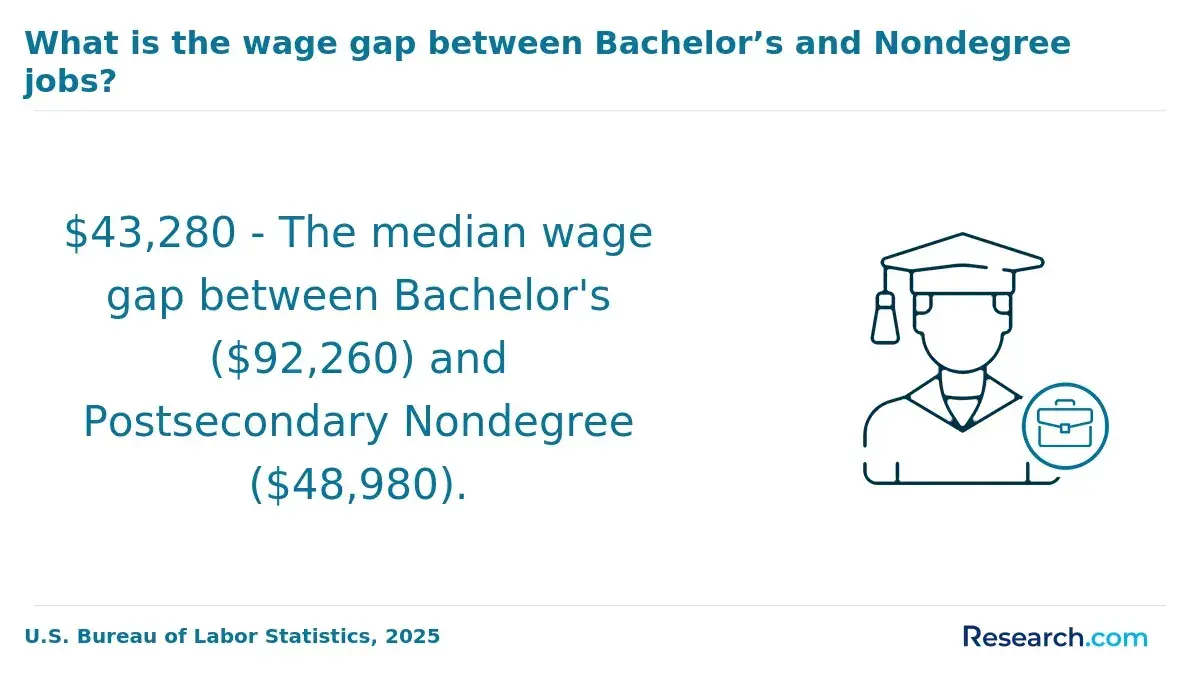
- Average Entry-Level Salary: Graduates with an online biomedical engineering degree usually start with salaries below the median annual wage of $106,950 reported by the U.S. Bureau of Labor Statistics. Entry-level positions often offer salaries closer to $60,000-$75,000, reflecting the initial industry experience gained.
- Mid-Career and Experienced Salaries: With experience and advanced education, biomedical engineers see significant salary growth. Professionals in the top 10 percent earn $134,620 or more, demonstrating strong upward mobility. Specializations such as compliance or regulatory affairs management can push salaries even higher, averaging around $136,550.
- Salary by Industry and Region: Geographic location heavily influences earnings. States like California, Massachusetts, and Minnesota, with thriving biotech and medical device sectors, tend to offer salaries above national averages. Industry sectors including scientific research, medical equipment manufacturing, and pharmaceutical production also pay premiums relative to other areas.
- Value of Online Programs: Online biomedical engineering programs, such as those at Arizona State University, typically require about 120 credit hours spread over 42 classes, allowing students to work while studying. This flexibility often translates into competitive starting salaries compared to traditional full-time students because of concurrent practical experience.
The earnings potential for those who complete an online biomedical engineering degree supports the financial value of pursuing this path. For more information on related educational options, consider exploring the best online colleges that accept FAFSA, which can help you find programs aligned with your career ambitions.
Which Industries Hire Graduates From Online Biomedical Engineering Programs?
An online biomedical engineering degree offers versatility by blending engineering principles with healthcare applications, preparing graduates for a broad spectrum of professional fields. This interdisciplinary foundation allows graduates to adapt to various industries, enhancing their career prospects.
Below is an overview of key industries that hire online biomedical engineering graduates and the opportunities they offer.
- Medical Device Industry: This sector is the primary employer of biomedical engineering graduates, including those from online programs. Companies focus on designing diagnostic equipment, surgical instruments, and therapeutic devices. Roles often involve product development, quality assurance, and systems integration, making biomedical engineering jobs in the medical device industry particularly attractive.
- Pharmaceutical Manufacturing: Graduates bring valuable expertise in process engineering and regulatory compliance, supporting the production of pharmaceuticals. Their technical skills help optimize manufacturing processes while ensuring adherence to strict standards.
- Healthcare Technology and Clinical Research: Biomedical engineers are increasingly employed in healthcare technology companies and clinical research organizations. Their responsibilities typically include data analysis, systems engineering, and serving as technical specialists, contributing to innovative healthcare solutions.
- Consulting Services: Engineering-consulting firms that specialize in healthcare solutions often hire biomedical engineers for advisory and project management roles. Their interdisciplinary knowledge enables them to provide insights across both engineering and medical domains.
Despite the diverse opportunities, the job market is competitive; approximately 14,000 biomedical engineering students graduate each year, yet only about 1,500 entry-level positions exist immediately. The field is projected to grow 5-7% from 2023 to 2033.
Graduates must therefore actively differentiate themselves through internships, specialized certifications, or expertise in emerging technologies. For those weighing career options, reviewing trades jobs that pay well can also provide perspective in relation to biomedical engineering career paths.
What Graduates of Online Biomedical Engineering Programs Say About Their Degree
- Theo: "Pursuing an online biomedical engineering degree allowed me to learn at my own pace, which was crucial while juggling work and family commitments. The flexibility combined with a curriculum that closely mirrors on-campus programs made this experience invaluable. Plus, the overall cost was significantly more affordable than traditional options, making it a smart investment. "
- Aries: "The ability to advance my career without relocating was a game-changer. The online biomedical engineering program provided rigorous coursework and hands-on projects that prepared me well for roles in medical device development. Considering the cost was half of what I expected, the return on investment has been outstanding. "
- Anthony: "Completing my biomedical engineering degree online was a thoughtfully structured journey that challenged me intellectually while accommodating my busy schedule. The learning modules were comprehensive and engaging, fostering skills that directly impacted my work in healthcare technology. Given the reasonable tuition compared to in-person alternatives, pursuing this degree online was a financially wise decision. "
Other Things You Should Know About Biomedical Engineering Degrees
Online biomedical engineering programs typically offer virtual labs, simulations, and collaborative projects to build practical skills. Some programs partner with local facilities to provide in-person lab sessions or internships, ensuring students gain essential hands-on experience despite the online format.
In 2027, employers increasingly value skills and knowledge over the mode of degree completion. An online biomedical engineering degree from an accredited program is typically respected, as long as it provides the necessary expertise and practical experience. Networking and internships can complement the degree to enhance job prospects.
Financial aid options for online biomedical engineering students are often similar to those for traditional students, including federal aid, scholarships, and grants. Many institutions offer specific financial support tailored to online learners. Interested students should contact the financial aid office of their chosen program to explore available assistance.
References
- Accelerated Biomedical Engineering Degree | Online and On-Campus https://und.edu/programs/biomedical-engineering-bs-ms/index.html
- How much money does a biomedical engineer make? https://uiowa.edu/explore/biomedical-engineering-degree/how-much-money-does-a-biomedical-engineer-make
- Biomedical Engineering https://apply.p.lodz.pl/en/kierunek/i-stopien-biomedical-engineering
- Internships – Biomedical Engineering https://cde.nus.edu.sg/bme/undergraduate/degree-programme/beng-bme/internships/
- 5 Benefits to an Online Biomedical Engineering Degree https://online-engineering.case.edu/blog/is-a-master-in-biomedical-engineering-worth-it
- B.S. Biomedical Engineering https://www.scitech.edu/programs/biomedical-engineering-bachelors-degree
- Biomedical Engineering https://www.wits.ac.za/course-finder/undergraduate/ebe/biomedical-engineering/
- Biomedical Engineer Remote & Hybrid Only Jobs https://www.ihirebiotechnology.com/t-biomedical-engineer-remote-jobs.html
- Intersection of AI and Biomedical Engineering https://www.sdsmt.edu/academics/academic-departments/nanoscience-and-biomedical-engineering/intersection-of-ai-and-biomedical-engineering.html
- Top 10 Biomedical Engineering Schools by Salary https://www.mddionline.com/business/top-10-biomedical-engineering-schools-by-salary