
2027 How to Compare Computer Science Degree Programs Effectively

Co-Founder and Chief Data Scientist
Comparing computer science degree programs is not just about finding a well-known school. The better question is whether a program’s accreditation, curriculum, delivery format, cost, admissions standards, career support, and graduate outcomes match the work you want to do after graduation. A student aiming for software engineering may need a different course sequence than someone targeting cybersecurity, artificial intelligence, data science, or graduate research.
The choice has become more important as the field has grown. According to the National Center for Education Statistics, computer science degree enrollment grew by 18% from 2018 to 2022, increasing both competition and the number of program options students must sort through. This guide explains how to compare computer science programs in a practical way so you can identify the strongest fit for your goals, schedule, budget, and career plans.
Key Benefits of Comparing Computer Science Degree Programs Effectively
- Verify program accreditation by recognized bodies to ensure credibility and employer recognition; accredited programs are 25% more likely to lead to higher starting salaries in computer science fields.
- Assess curriculum focus and specializations, such as AI or cybersecurity, aligning with your career goals to maximize relevant skills and job market demand.
- Evaluate total cost versus potential return on investment, considering tuition, scholarships, and employment rates-with tech roles growing 15% faster than average overall jobs.
What Types of Accreditation Should a Computer Science Degree Program Have?
A computer science degree should come from an institution with recognized accreditation. Accreditation affects financial aid eligibility, credit transfer, graduate school admission, and how employers interpret the credential. Approximately 85% of employers prefer candidates who hold degrees from accredited institutions, which makes accreditation one of the first filters students should apply when comparing programs.
There are two main accreditation categories to understand:
- Regional Accreditation: This applies to the college or university as a whole and is recognized by the U.S. Department of Education. It is especially important if you plan to use federal financial aid, transfer credits, apply to graduate school, or pursue employment where a recognized degree is required.
- Programmatic Accreditation: This evaluates a specific academic program or discipline. For computer science, Accreditation Board for Engineering and Technology (ABET) accreditation standards for computer science degrees are the most respected. ABET accreditation can signal that the curriculum, faculty qualifications, student outcomes, and assessment practices meet field-specific standards.
Not every strong computer science program has ABET accreditation, especially at institutions with research-oriented or newer computing programs. However, students should be cautious with schools that lack institutional accreditation or provide vague accreditation claims. If a school is not properly accredited, credits may not transfer, employers may question the degree, and students may be ineligible for some aid programs.
Career changers and working professionals should be especially careful. If you are using a degree to validate technical ability, move into a more competitive role, or qualify for graduate study, the credential needs to be easy for employers and universities to recognize. Accreditation should be verified directly through the institution and the accreditor, not only through marketing materials.
Students comparing programs in other professional fields will see similar quality-control concerns; for example, reputable online speech-language pathology programs also depend heavily on appropriate accreditation standards.
What Specializations Are Offered in Computer Science Degree Programs?
Computer science programs often share a common foundation in programming, algorithms, systems, databases, mathematics, and software design. The major differences usually appear in electives, concentration tracks, capstone projects, labs, and faculty research areas. With growth rates exceeding 15% annually in fields like artificial intelligence and cybersecurity, specialization choice can affect internships, portfolio projects, and early career positioning.
Common computer science specializations include:
- Software Engineering: Focuses on application design, software architecture, testing, version control, development methods, and team-based production. This track is a strong fit for students who want roles such as software developer, software engineer, application developer, or systems developer.
- Data Science: Emphasizes statistics, data management, machine learning, visualization, and analysis of large datasets. Students interested in data analyst, business intelligence, machine learning, or data scientist pathways should compare how much math, coding, and applied project work each program includes.
- Cybersecurity: Covers network defense, secure coding, cryptography, risk management, digital forensics, and threat analysis. This path can support roles such as security analyst, security consultant, or information security analyst, but students should also review whether the program prepares them for relevant industry certifications.
- Artificial Intelligence: Centers on machine learning, natural language processing, robotics, neural networks, search, and intelligent systems. Students should look for advanced coursework, research opportunities, and access to computing resources if they want to work in AI development or research-oriented roles.
When comparing specializations, do not choose only by trend. A strong fit depends on your interests, tolerance for math and theory, preferred work style, and target job market. For example, cybersecurity may appeal to students who enjoy risk analysis and systems thinking, while software engineering may be better for those who want to build and maintain products. AI and data science can be rewarding but often require stronger preparation in mathematics, statistics, and advanced programming.
Students considering interdisciplinary or service-oriented graduate pathways can also compare how different fields structure specializations; resources on accelerated MSW programs show how program focus can shape career direction in a different professional area.
How Can You Compare Courses Across Computer Science Degree Programs?
The course list is where a computer science program’s actual value becomes visible. A strong program should balance theory, programming practice, mathematics, systems knowledge, and applied projects. Studies indicate that programs balancing theory and practical work see course completion rates exceeding 85%, so students should look beyond course titles and examine how learning is structured.
Use the following criteria when comparing curricula:
- Core Requirements: Review whether the program includes programming fundamentals, data structures, algorithms, computer architecture, operating systems, databases, software engineering, discrete mathematics, and theory of computation. Missing or shallow coverage in these areas can weaken preparation for technical interviews and advanced study.
- Syllabus Detail: A course title such as “Machine Learning” or “Software Engineering” can mean very different things across schools. Look for weekly topics, programming languages used, assignments, project expectations, exams, and prerequisites.
- Credit Hours and Workload: Compare the number of credits required for the major and for graduation. A program with fewer credits may be faster, but it may also offer fewer advanced electives. A program with more credits may provide depth but require more time and money.
- Course Sequencing: Strong programs show a clear progression from introductory programming to advanced systems, theory, and specialization courses. Poor sequencing can delay graduation if key prerequisites are offered only once per year.
- Current Technologies: Look for exposure to modern programming languages, cloud platforms, databases, development tools, cybersecurity practices, AI frameworks, or data tools. Current tools should support fundamentals rather than replace them.
- Applied Learning: Capstones, team projects, internships, research assistantships, open-source work, and portfolio-based assignments help students demonstrate ability to employers. These experiences are especially important for online students who may need to create their own networking opportunities.
One common mistake is choosing the program with the longest list of trendy electives. A better approach is to identify whether the curriculum builds durable computing knowledge and then lets you specialize. Students comparing an online psychology degree or any other degree can use the same method: read the curriculum closely, compare requirements, and judge whether the program supports the intended outcome.
What Scheduling Options Are Available in Computer Science Degree Programs?
Scheduling can determine whether a computer science program is realistic. Programming assignments, debugging, labs, group projects, and math-heavy courses often require consistent weekly time. Before enrolling, students should compare not only whether a program is online, hybrid, or on campus, but also how courses are delivered and how much schedule control they provide.
Common scheduling options include:
- Full-Time Day Classes: This traditional format works best for students who can make school their primary responsibility. It often provides the most direct access to faculty, labs, campus recruiting, and peer collaboration.
- Part-Time Enrollment: Part-time study allows students to take fewer courses per term while working or managing family responsibilities. The trade-off is that degree completion usually takes longer, and some courses may not be available every term.
- Online Courses: Online delivery can remove geographic barriers and reduce commuting time. Students should check whether classes are asynchronous, synchronous, or a mix of both. Asynchronous courses offer more flexibility, while live sessions may provide more structure and interaction.
- Hybrid Courses: Hybrid programs combine online coursework with required campus meetings, labs, exams, or residencies. They can be useful for students who want flexibility but still value in-person support.
- Evening and Weekend Sessions: These schedules are designed for working adults and other nontraditional students. Students should confirm whether required upper-level computer science courses are also available during these times, not just general education classes.
- Accelerated Program Tracks: Accelerated formats use shortened terms or heavier course loads. They can reduce time to completion, but they are demanding and may not be ideal for students new to programming or advanced mathematics.
If flexibility is a priority, compare assignment deadlines, exam proctoring rules, internship expectations, and group project requirements. Students looking for an affordable and flexible bachelor’s pathway may also want to compare an online bs computer science option against local campus programs before deciding.
What Are the Pros and Cons of Online vs Campus-Based Computer Science Degrees?
Online and campus-based computer science degrees can both be credible if they are offered by properly accredited institutions and include rigorous technical coursework. The best format depends on learning style, schedule, location, budget, and the kind of career support a student needs. Enrollment in distance education programs rose by over 90% between 2012 and 2018, reflecting growing interest in online learning, but convenience should not be the only factor.
Online Computer Science Degrees
- Pros: Flexible scheduling. Online programs can be easier to manage for students who work, care for family, or live far from campus. Asynchronous courses are especially useful for students who need control over study hours.
- Pros: Broader program choice. Students are not limited to nearby institutions, which can make it easier to find a specific specialization or price point.
- Pros: Potential cost savings. Online students may save on commuting, relocation, housing, and some campus-based expenses. However, they should still compare technology fees, proctoring fees, and tuition rules.
- Cons: More self-management required. Online computer science courses can be demanding because students must troubleshoot technical issues, manage deadlines, and seek help proactively.
- Cons: Networking may require extra effort. Students may have fewer informal interactions with classmates, faculty, recruiters, and alumni unless the program intentionally supports online networking.
Campus-Based Computer Science Degrees
- Pros: Structured learning environment. Regular class meetings, labs, office hours, and peer study groups can help students stay engaged, especially in difficult courses such as algorithms or systems programming.
- Pros: Stronger in-person networking. Campus programs may offer easier access to student organizations, hackathons, employer events, research labs, and local internship pipelines.
- Pros: Hands-on resources. Some students benefit from physical labs, hardware access, team project spaces, and direct faculty support.
- Cons: Less scheduling flexibility. Fixed class times and commuting requirements can be difficult for working adults or students with caregiving responsibilities.
- Cons: Higher total attendance costs. Housing, transportation, meal plans, parking, and relocation expenses can make campus-based study more expensive.
Students should ask whether online and campus students take the same courses, learn from the same faculty, and receive equal access to career services. A well-designed online program can outperform a weak campus program, while a strong campus program may offer networking advantages that are difficult to duplicate remotely.
How Do GPA Requirements Vary Among Computer Science Degree Programs?
GPA requirements vary by institution, degree level, selectivity, and applicant pool. A highly competitive computer science program may use GPA as an initial screening tool, while another program may weigh work experience, prerequisite grades, essays, recommendations, or transfer credits more heavily.
Students should evaluate GPA policies in several ways:
- Minimum GPA vs Competitive GPA: The listed minimum may only indicate eligibility to apply. Admitted students, especially in selective programs, may have stronger academic records than the minimum suggests.
- Overall GPA vs Major GPA: Some programs care most about grades in math, programming, science, or prerequisite computer science courses. A lower overall GPA may be less damaging if recent technical coursework is strong.
- Holistic Admissions: Many programs consider professional experience, recommendations, personal statements, projects, test scores, or prior college performance. This can help applicants who have improved academically or gained relevant experience after earlier setbacks.
- Conditional Admission: Some schools may admit students conditionally or on probation, requiring them to earn certain grades in the first term or complete prerequisite courses before full admission.
- Transfer and Second-Degree Policies: Transfer students and career changers should check how prior credits are evaluated and whether older coursework must be repeated.
Applicants with a lower GPA should not assume they are out of options. A practical strategy is to strengthen the application with recent coursework in programming or mathematics, a clear statement of purpose, evidence of technical projects, and strong recommendations. Students should also ask admissions offices whether prerequisite grades, professional experience, or portfolio work can offset weaker earlier academic performance.
How Can You Compare Tuition Across Computer Science Degree Programs?
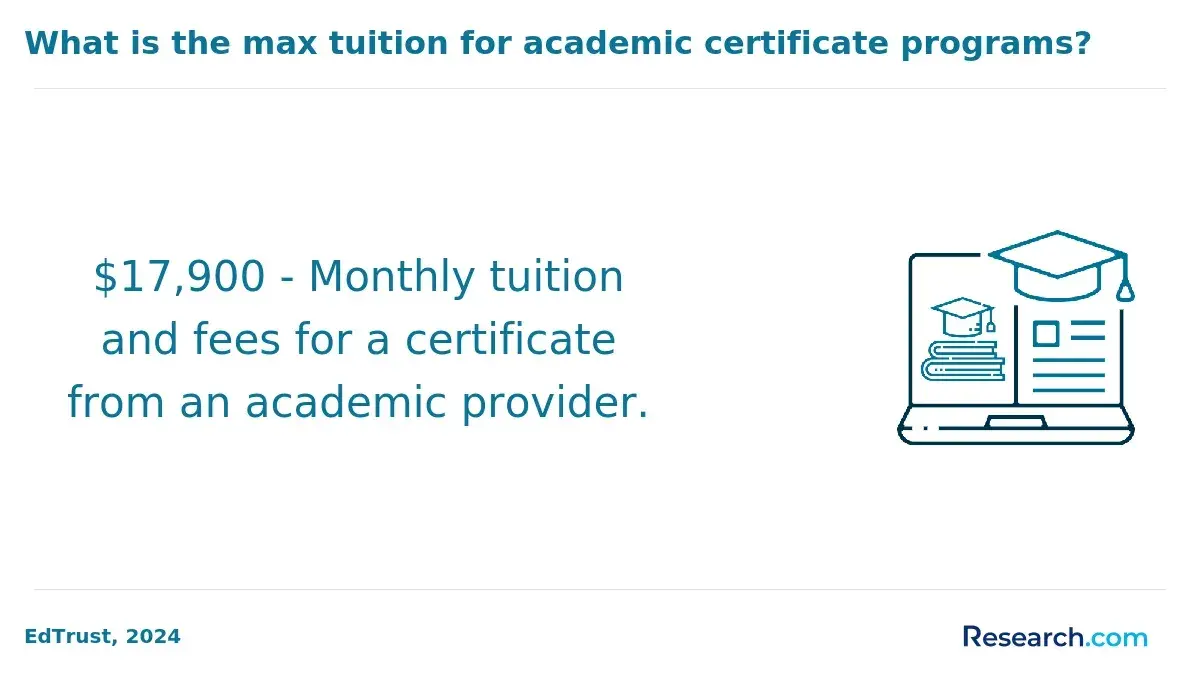
Tuition comparison should focus on total cost, not just the advertised per-credit rate. In 2022, the average annual tuition and fees at public four-year institutions reached $10,740, but computer science students may also face technology fees, lab fees, software costs, hardware needs, books, exam fees, and living expenses.
When comparing affordability, review these cost factors:
- Total Program Cost: Estimate the full cost from enrollment to graduation, including tuition, required fees, books, technology, housing, transportation, and any residency or campus visit requirements.
- Cost Per Credit: A lower per-credit rate may not mean a lower total cost if the program requires more credits. Compare both the credit price and the number of credits required to graduate.
- Additional Fees: Online course fees, technology fees, lab fees, graduation fees, proctoring fees, and student service fees can add up. Ask for a full fee schedule before enrolling.
- Transfer Credit Policy: Generous transfer credit can reduce both time and cost. However, students should confirm whether transferred courses satisfy major requirements or only count as electives.
- Financial Aid: Compare scholarships, grants, federal aid eligibility, institutional aid, and work-study opportunities. A more expensive school may become affordable if its aid package is stronger.
- Employer Tuition Benefits: Working students should check whether their employer offers tuition reimbursement or assistance, and whether the chosen school and program format qualify.
- Time to Completion: A cheaper program that takes longer may increase opportunity costs. A more expensive program with strong transfer policies, year-round courses, or accelerated options may be more efficient for some students.
- Long-Term Value: Cost should be weighed against accreditation, curriculum quality, career services, internship access, alumni outcomes, and employer reputation. The lowest price is not always the best value if support and outcomes are weak.
Before choosing, request a written cost estimate and ask what expenses are not included. Students should also confirm whether tuition is locked, whether rates differ for in-state and out-of-state students, and whether online students pay separate tuition rates.
Does a Computer Science Degree Meet Licensure Requirements?
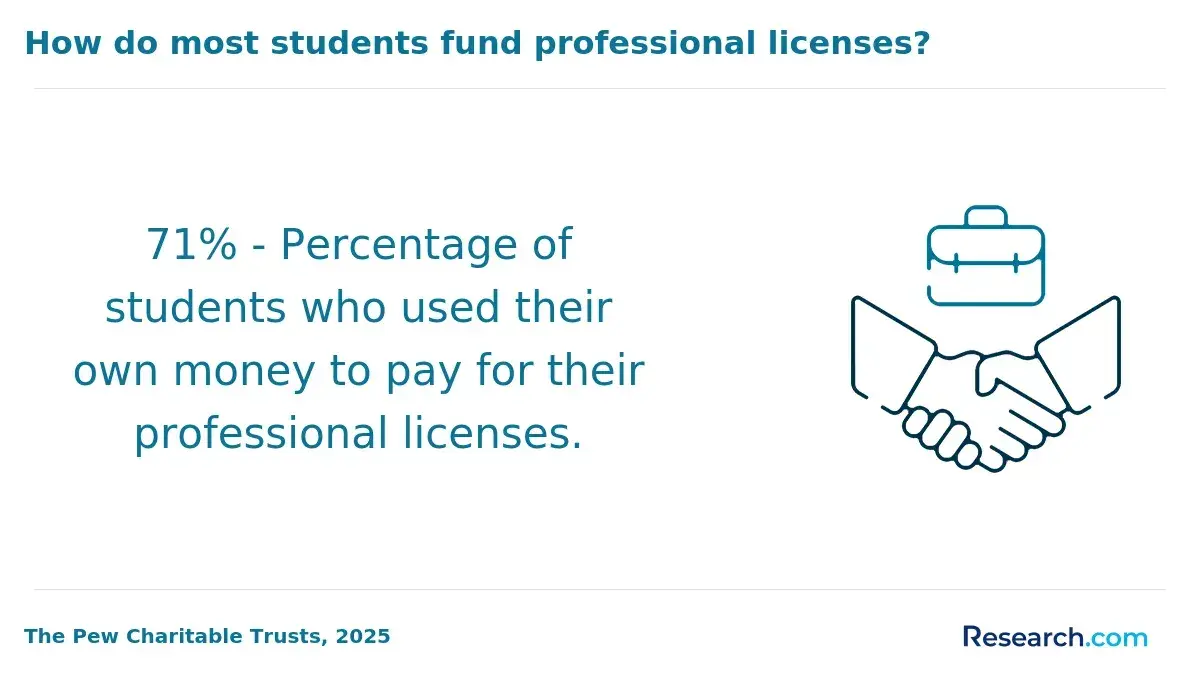
Most computer science jobs in the United States do not require professional licensure in the same way that nursing, teaching, engineering, or clinical professions often do. However, licensure or certification can matter in certain roles, especially those connected to engineering services, cybersecurity, government contracting, regulated industries, or specialized technical responsibilities. Nearly 20% of U.S. jobs demand certification or licensure, so students should verify requirements for their intended career path rather than assuming the degree alone is enough.
Key points to check include:
- State Requirements: Licensure rules vary by state. If your target role involves engineering licensure related to software disciplines, review the rules in the state where you plan to work.
- ABET Accreditation: For some engineering-related pathways, ABET accreditation may affect eligibility or strengthen recognition. Students considering regulated technical work should verify whether ABET accreditation is expected or required.
- Certification Preparation: Many computer science careers rely more on professional certifications than licensure. Cybersecurity roles, for example, may value credentials such as Certified Information Systems Security Professional (CISSP), but students should distinguish industry certification from state licensure.
- Curriculum Alignment: Compare whether the coursework covers the knowledge areas needed for the certification or licensure pathway you are considering, such as security, networking, systems, software development, or risk management.
- Experience Requirements: Some credentials require supervised or documented professional experience in addition to education. A degree program may help with foundational knowledge but may not satisfy all experience requirements.
- Exam Eligibility: Ask whether graduates commonly meet eligibility requirements for relevant exams or credentials. The answer may depend on specialization, work experience, and state rules.
The safest approach is to identify the exact credential required for your target job, then work backward. Review state licensing boards, certification organizations, employer job postings, and the program’s own disclosures before enrolling.
Which Computer Science Programs Have the Best Career Placement Rates?
The best career placement rates usually come from programs that combine a strong technical curriculum with active employer relationships, internship access, career coaching, and transparent outcome reporting. For example, the National Association of Colleges and Employers (NACE) reports an average job offer rate of around 70% for computer science graduates within six months after completing their degrees.
When comparing placement outcomes, look for evidence rather than broad claims:
- Transparent Reporting: Strong programs publish placement rates, response rates, job titles, employer lists, graduate school outcomes, and time frames. Be cautious if a school advertises a high rate without explaining how it was calculated.
- Employer Partnerships: Programs with relationships across technology companies, finance, healthcare, government, consulting, and local employers may provide more varied opportunities. Employer pipelines can be especially valuable for internships and entry-level roles.
- Internship and Co-op Programs: Structured work experiences help students build resumes before graduation. Some internships and co-ops lead directly to full-time job offers.
- Career Services for Computer Science: General career centers are useful, but computer science students often need technical interview preparation, portfolio review, GitHub guidance, resume support for technical roles, and access to industry-specific recruiting events.
- Alumni Outcomes: Review where graduates work, what job titles they hold, and whether alumni are active in mentoring or recruiting current students. A strong alumni network can improve access to referrals and practical advice.
- Student Portfolio Support: Programs that require capstones, research projects, open-source work, or team software projects can help graduates show proof of ability during hiring.
Prospective students researching the best computer science programs career placement rates should compare outcomes by program format, specialization, location, and student profile. A school with strong regional employer ties may be excellent for students who want to work locally, while a nationally known program may offer broader recruiting reach.
For students interested in leadership roles in technology, management, or academia, related pathways such as online doctoral programs in organizational leadership can complement a technical background. Choosing top US computer science degree career outcomes requires balancing placement data with personal goals, affordability, and the type of support you are likely to use.
How Do Salaries Compare Across Computer Science Degree Program Graduates?
Salary outcomes can help students estimate return on investment, but they should be interpreted carefully. The average wage range for computer science graduates typically falls between $65,000 and $90,000 in the U.S., with variation by role, location, industry, experience, specialization, and individual skill level.
Important salary factors include:
- Role Differences: Software engineers and developers generally earn 20-30% more than IT support or quality assurance staff. Programs with stronger preparation in algorithms, systems, software engineering, and applied projects may better support higher-paying technical roles.
- Industry Influence: Graduates working in tech and finance industries typically see salaries 15-25% higher than those in education or government sectors. Students should compare where alumni actually work, not only the program’s overall average salary.
- Location Impact: Coastal tech hubs like San Francisco, New York, and Seattle offer premium salaries due to demand and living costs. However, cost of living can reduce the real value of a higher salary, so compare purchasing power as well as gross pay.
- Experience Effect: Mid-level professionals often double their entry-level salaries within five to ten years. Specialized skills in areas such as artificial intelligence, cybersecurity, and data science accelerate this growth.
- Internships and Projects: Students with relevant work experience, strong portfolios, and interview preparation may earn better offers than graduates who only complete coursework.
- Degree Level and Specialization: Bachelor’s, master’s, and doctoral programs may lead to different roles. However, a higher degree is not automatically more valuable unless it aligns with the target job.
Students asking how computer science graduates' salaries compare across programs should review salary data alongside placement rates, debt, completion time, and job titles. A program with a slightly lower average salary may still be a better choice if it costs less, has strong support, and places graduates in roles you actually want.
Additional credentials may also affect employability in specific areas. Students researching online certifications that can pay well should compare certification value by role, employer demand, and required experience rather than assuming every credential increases salary.
The average earnings of computer science degree holders by program underscore the importance of evaluating not just the degree, but also the career pathways, industries, locations, and skills connected to each program.
What Graduates Say About Comparing Computer Science Degree Programs Effectively
- Birch: "Before enrolling in a computer science degree program, I weighed options like bootcamps and self-study, but the structured curriculum and recognized accreditation made the degree more appealing, especially given the average attendance cost of around $25,000 per year which was competitive compared to other programs. The investment paid off quickly as my salary increased notably after graduation, and I feel well-prepared for the tech challenges at work. The decision has been a game changer for my professional growth."
- Quade: "Choosing to pursue a computer science degree was a thoughtful process where affordability played a crucial role, as I considered programs with total costs that wouldn't leave me with overwhelming debt. The program's reputation, combined with a cost-effective tuition, provided an excellent foundation that advanced my career in software development. Reflecting on it now, that degree opened doors I hadn't imagined."
- Fable: "My experience with a computer science degree was marked by a need for a practical and financially viable path; I compared several degrees and tuition fees, often exceeding $30,000 annually, but this program struck the balance between cost and quality. Completing the degree elevated my profile in the industry and led to better job opportunities in a competitive market. It's been a crucial step in cementing my role as a professional developer."
Other Things You Should Know About Computer Science Degrees
When evaluating Computer Science programs, it is important to review the faculty's educational background, research interests, and industry experience. Programs with professors actively engaged in current research can offer students exposure to cutting-edge topics and networking opportunities. Additionally, faculty with industry experience may provide practical insights and connections that benefit students during internships and job searches.
Practical experience is critical in computer science education. Students should seek programs that emphasize internships, co-op programs, lab work, and project-based courses. Opportunities to participate in coding competitions, hackathons, and research projects can also enhance skills and resume appeal. Hands-on learning bridges theory and real-world application, preparing graduates for technical roles.
Partnerships with tech companies can enhance a Computer Science program's value by offering internships, mentorships, and collaborative projects. Such relationships often facilitate recruitment efforts, giving students direct access to potential employers. Programs connected to industry leaders can also tailor their curriculum to evolving market demands, keeping education current and relevant.
References
- Computer Science Associates Degree | Georgia Military College https://www.gmc.edu/degree-programs/computer-science/
- Course Comparison Table | University College Cork https://www.ucc.ie/en/compsci/intro-school-of-computer-science/coursecomparison/
- How We Rank Our Computer Science Programs | Computerscience.org https://www.computerscience.org/methodology/
- Computer Science B.S. https://www.gcsu.edu/business/iscs/bs-computer-science
- Preparing graduates for the tech industry https://www.bcs.org/deliver-and-teach-qualifications/academic-accreditation/
- Criteria for Accrediting Computing Programs, 2025 - 2026 - ABET https://www.abet.org/accreditation/accreditation-criteria/criteria-for-accrediting-computing-programs-2025-2026/
- 2025 Most Affordable Online Bachelor's Degrees in Computer Science https://www.onlineu.com/most-affordable-colleges/computer-science-degrees
- Computer Science Programs: How to Differentiate https://talk.collegeconfidential.com/t/computer-science-programs-how-to-differentiate/3641245
- Online Degree vs. Traditional | University of Arkansas Grantham https://www.uagrantham.edu/blog/pros-cons-online-degree-vs-traditional-university/
- Online Computer Science Degrees: A Good Idea? https://www.softwareengineerinsider.com/degrees/online-computer-science-degrees.html


