
2027 How to Compare Corrections Degree Programs Effectively

Co-Founder and Chief Data Scientist
Many students struggle to choose the right corrections degree program due to varied curriculum focus, delivery methods, and career outcomes. For instance, programs emphasizing rehabilitation may suit social work-oriented students, while security-focused tracks appeal to those targeting institutional roles. According to the U. S. Bureau of Labor Statistics, employment in correctional occupations is projected to grow by 5% from 2022 to 2032, highlighting steady demand for qualified professionals. This article will analyze key factors such as program accreditation, specialization options, cost, and scheduling flexibility to help prospective students compare corrections degree programs effectively and align their choice with personal and professional goals.
Key Benefits of Comparing Corrections Degree Programs Effectively
- Verifying a program's accreditation is critical, as only accredited institutions are eligible to participate in federal student aid programs, which disbursed over $111 billion to students in a single academic year.
- By assessing a program's curriculum for specializations in areas like rehabilitation or juvenile justice, you can directly prepare for a career as a probation officer or correctional treatment specialist, a field that employs over 87,000 professionals in the U.S.
- Comparing program costs against career outcomes is essential, as the median annual salary for probation officers and correctional treatment specialists is over $64,000, according to the U.S. Bureau of Labor Statistics.
What Types of Accreditation Should a Corrections Degree Program Have?
Accreditation helps prospective students compare the quality, credibility, and long-term value of different corrections degree programs by ensuring they meet established educational standards. Graduates from regionally accredited institutions have significantly higher employment rates, reflecting stronger employer recognition and better credit transferability. To evaluate programs effectively, consider these key types of accreditation:
- Regional Accreditation: This applies to the entire college or university and is widely accepted by employers and other schools. It ensures comprehensive academic quality, enabling smoother credit transfers and eligibility for federal financial aid, which is critical for many students.
- Programmatic Accreditation: Although less common for corrections education, this focuses on specific departments or fields. It assesses specialized curriculum, training quality, and alignment with industry standards, offering targeted skills for career changers and working professionals.
Prospective students should verify the regional accreditation agencies for corrections education when selecting a program to ensure licensure readiness and employer trust. Additionally, students seeking faster advancement options might explore related areas such as an EdD degree that often integrate rigorous accreditation standards within their frameworks.
What Specializations Are Offered in Corrections Degree Programs?
Specializations in corrections degree programs enable prospective students to compare options based on how well academic content and career alignment meet their goals. Employment for correctional officers and probation officers is projected to grow 4% from 2021 to 2031, underscoring the rising need for specialized skills in the field. Below are common specializations that help students tailor their education for better career outcomes.
- Probation and Parole: Focuses on supervising offenders outside of incarceration, emphasizing case management, risk assessment, and rehabilitation strategies to support reentry into society.
- Correctional Administration: Centers on managing correctional facilities, developing leadership skills, and understanding institutional policies and ethics essential for administrative roles.
- Juvenile Justice: Addresses unique issues faced by young offenders, including intervention programs, family dynamics, and restorative justice practices aimed at reducing recidivism.
- Substance Abuse Treatment: Equips students with counseling techniques and knowledge about addiction to enhance rehabilitation efforts within corrections settings.
Students seeking flexible study options often pursue an accelerated psychology bachelors degree online, which can complement corrections concentrations by deepening understanding of behavioral health and intervention strategies. When evaluating online corrections program concentration options, considering these specializations can help align educational pathways with evolving career demands.
How Can You Compare Courses Across Corrections Degree Programs?
Comparing courses across corrections degree programs is crucial for prospective students to gauge program rigor, relevant skill development, and fit with career goals. Research shows that programs with more comprehensive curriculum depth have up to 15% higher course completion rates, underscoring the value of curriculum quality in student success. Below are practical strategies to help evaluate and compare course offerings effectively.
- Review Course Descriptions: Examining detailed course descriptions allows you to determine the coverage of key topics like criminal justice law, offender rehabilitation, and institutional management, ensuring the curriculum meets your learning needs.
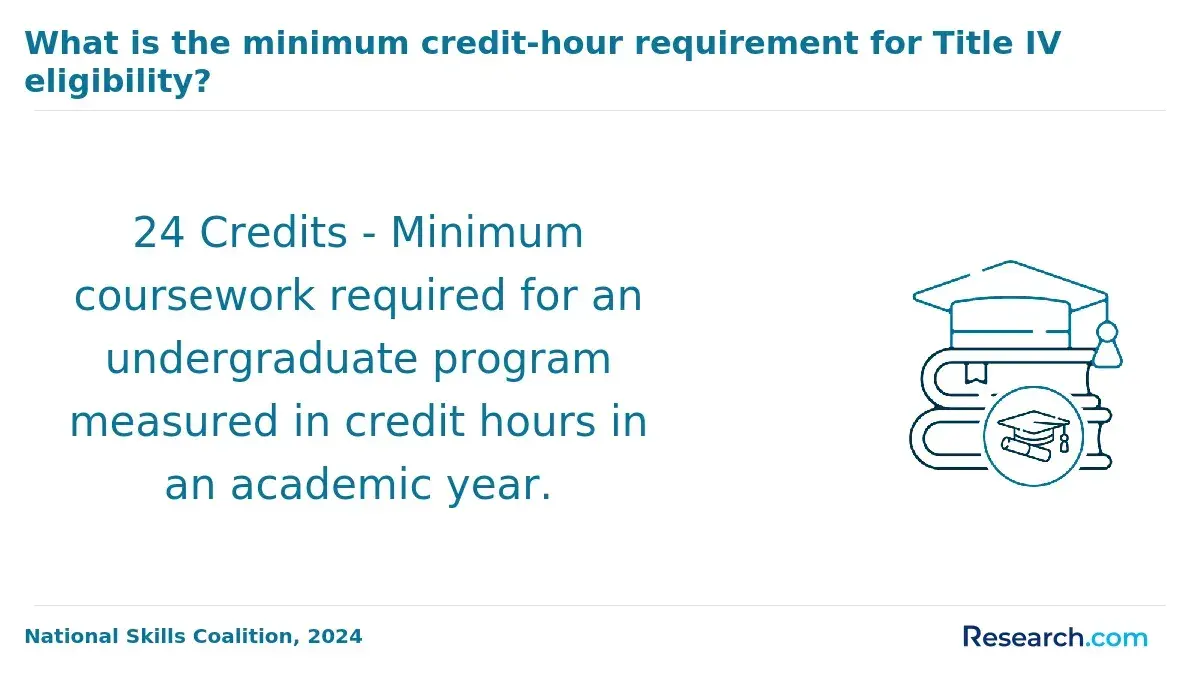
- Evaluate Credit Hours and Workload: Comparing credit hour requirements provides insight into the academic intensity and time commitment expected, helping you assess whether the program matches your capacity and schedule.
- Assess Practical Skill Development: Look for courses that offer hands-on training or internships, as these experiences are vital for applying theoretical knowledge and increasing real-world readiness in corrections careers.
- Check Alignment with Career Objectives: Determine if the program offers specialized topics relevant to your goals, such as juvenile justice or mental health in corrections, to ensure targeted professional preparation.
- Consider Delivery Formats: Understanding if courses are online, in-person, or hybrid supports matching your preferred learning style and balancing other commitments, especially important when also evaluating financial aid options in corrections degree programs.
When exploring degree pathways, you might also find it helpful to research related options like executive MBA programs online that offer flexible learning opportunities to complement your corrections studies.
What Scheduling Options Are Available in Corrections Degree Programs?
Flexible scheduling is essential for students comparing corrections degree programs because it helps balance education with work and personal commitments. Various scheduling options accommodate diverse lifestyles and ensure steady academic progress. Key scheduling features include:
- Online and Hybrid Formats: These options allow students to complete coursework remotely, offering greater convenience for those with busy or unpredictable schedules. Asynchronous classes enable learners to access materials anytime, while synchronous sessions may occur during evenings or weekends.
- Part-Time and Full-Time Enrollment: Programs often provide both formats. Part-time enrollment extends program length but grants flexibility for working students or parents, whereas full-time allows faster completion for those able to dedicate more time.
- Class Times and Frequency: Scheduling varies to fit different needs, with some programs offering evening or weekend classes. This flexibility helps students manage their coursework alongside other responsibilities without conflict.
- Accelerated and Extended Tracks: Accelerated pathways let motivated students finish quicker by taking extra courses each term. Conversely, extended timelines support those needing to pause study or go at a slower pace without penalty.
- Support for Working Professionals: Many programs tailor schedules to accommodate employed students, ensuring educational progress without sacrificing job stability. This consideration is vital for maintaining balance and achieving long-term career goals.
What Are the Pros and Cons of Online vs Campus-Based Corrections Degrees?
Choosing between online and campus-based corrections degree programs significantly affects a student's academic experience and career preparation. In 2023, nearly 40% of U.S. postsecondary students took at least one online course, reflecting the rising demand for flexible learning. Below is a detailed look into the strengths and drawbacks of each delivery method.
Online Programs
- Flexibility: Online formats allow learners to study around personal and professional commitments, making them ideal for self-directed students.
- Limited Networking: Reduced face-to-face interaction can hinder students' ability to build professional connections crucial in corrections careers.
- Practical Experience Constraints: Online learners often miss hands-on training opportunities like simulations or internships that enhance real-world skills.
Campus-Based Programs
- In-Person Engagement: Direct access to faculty, classmates, and resources fosters collaboration and deeper learning experiences.
- Enhanced Practical Training: On-site internships and simulations offer valuable exposure to correctional environments, boosting job readiness.
- Scheduling Challenges: Fixed class times and commuting can limit flexibility, posing difficulties for those balancing other responsibilities.
Discussing this topic with a recent graduate who earned an online corrections degree revealed some additional insights. He shared how the extensive research process involved weighing convenience against personal interaction. "I wanted flexibility because I was working full-time, but I worried about missing out on mentorship," he explained. Ultimately, he appreciated being able to study at his own pace but admitted feeling isolated at times. "It took effort to join virtual study groups and network, but it was worth it for my career goals." His experience highlights how carefully considering personal circumstances can guide the best program choice.
How Do GPA Requirements Vary Among Corrections Degree Programs?
GPA requirements are a key factor when evaluating corrections degree programs, as they often indicate the academic expectations and selectivity of each program. Considering these requirements helps applicants understand how different institutions assess academic readiness. Below are important aspects to keep in mind when comparing GPA criteria across programs:
- Range of Minimum GPA: Programs vary widely in the minimum GPA required for admission, with some setting thresholds near 2.5 while others expect closer to 3.0 on a 4.0 scale. This range reflects differing priorities regarding academic performance.
- Admission Flexibility: Some programs offer alternatives to strict GPA cutoffs by considering work experience, certifications, or other qualifications, allowing applicants with lower GPAs to qualify under certain conditions.
- Holistic Review: Beyond numbers, many programs implement a comprehensive evaluation of candidates, incorporating factors such as recommendation letters, personal statements, and relevant background to assess overall potential.
- Conditional Acceptance: Certain institutions may accept students with GPAs below the standard requirement but impose remedial coursework or trial periods to ensure academic success and professional readiness.
Recognizing these differences enables prospective students to align their academic profiles and career objectives with corrections programs that best accommodate their strengths and circumstances.
How Can You Compare Tuition Across Corrections Degree Programs?
Assessing tuition is a crucial step for students exploring corrections degree programs to ensure they choose an option that fits their financial situation. With average tuition and fees at public four-year institutions increasing by 12% over the last five years, careful cost comparison becomes essential. Here are key factors to consider when evaluating tuition:
- Total Program Cost: Beyond base tuition, students should account for additional expenses such as technology, lab, and administrative fees. These can significantly affect the overall amount paid by graduation.
- Cost per Credit: Comparing the price per credit hour provides a clearer picture, especially when programs require different credit totals to complete the degree.
- Additional Fees: Some programs charge specific fees for materials, background checks, or certification exams. Factoring these in prevents unexpected financial surprises.
- Financial Aid Options: Scholarships, grants, and federal aid can substantially reduce out-of-pocket costs, so students should explore what assistance is available for corrections majors.
- Employer Tuition Benefits: Many employers offer tuition reimbursement or sponsorships that can offset expenses; understanding eligibility and application processes is vital.
- Long-Term Value: Evaluating how the investment translates into job placement and salary prospects after graduation helps determine if a program's cost aligns with career goals.
When I spoke with a graduate who completed a corrections degree, she described the process as both daunting and rewarding. "Navigating the cost differences between schools felt overwhelming at first," she shared, "because I had to look beyond tuition numbers to all the hidden fees and financial aid deadlines." She emphasized how crucial it was to ask detailed questions and gather clear information early on. Reflecting on her experience, she noted that "the most valuable lesson was understanding how to balance immediate expenses with future career benefits," which ultimately helped her choose a program that fit her budget and professional aims perfectly.
Does a Corrections Degree Meet Licensure Requirements?
Ensuring a corrections degree aligns with licensure requirements is essential for students targeting regulated careers or job transitions in the field. Nearly 20% of public safety roles, including corrections positions, mandate licensure or certification, making program alignment a vital factor. Consider the following aspects when evaluating corrections degree programs:
- Accreditation Status: Verify whether the program holds regional or national accreditation, as recognized accreditation is often a prerequisite for licensure eligibility and employer recognition.
- Curriculum Alignment: Assess if the coursework matches the educational standards set by your state's licensing board, ensuring relevant knowledge and skills are covered.
- State-Specific Criteria: Different states impose unique licensure conditions, so confirm that the program meets or exceeds these localized regulatory requirements.
- Supervised Experience: Programs offering internships or practicum placements provide hands-on training under supervision, which is commonly required for certification and professional readiness.
- Exam Eligibility: Determine whether completing the program allows you to qualify for state or national certification exams critical for official licensure in corrections roles.
Which Corrections Programs Have the Best Career Placement Rates?
Career placement rates serve as a crucial indicator when evaluating corrections degree programs because they reflect how effectively these programs prepare students for employment. For instance, some programs with strong career support report graduate employment rates exceeding 85% within six months after completion. To better understand these rates, prospective students should consider several important factors.
- Employer Partnerships: Investigate how programs collaborate with corrections agencies, as strong partnerships often facilitate direct job placements and reveal a program's industry connections.
- Internship Pipelines: Opportunities for internships or practicum experiences are vital for gaining hands-on skills and can often lead to job offers upon graduation.
- Alumni Outcomes: Reviewing published reports or testimonials about alumni career paths provides insight into the real-world success and mobility of past graduates.
- Program Support Services: Services such as resume workshops, interview coaching, and job fairs demonstrate a program's commitment to helping students transition from education to employment.
With the top career outcomes for corrections graduates in the US varying across programs, it is essential for students to research extensively to find matches that align with their career goals and schedules. Exploring a range of options, including those offering an accelerated bachelor's degree, can provide pathways that fit diverse needs and timelines.
How Do Salaries Compare Across Corrections Degree Program Graduates?
Post-graduation salary outcomes are a crucial metric for prospective students comparing corrections degree programs because they reflect the potential financial return on educational investment. Graduates can expect average earnings ranging broadly between $38,000 and $80,000 annually depending on various factors. Below are key points highlighting how salaries compare across corrections program alumni in the US.
- Job Role: Entry-level positions such as correctional officers typically earn from $38,000 to $48,000 annually. Advanced roles like probation officers or corrections program managers command higher salaries, often between $50,000 and $80,000 based on responsibilities and credentials.
- Industry: Employment in federal correctional facilities usually offers better compensation compared to state or local agencies. Specialized fields including juvenile justice and rehabilitation programs may also have unique pay scales.
- Geographic Location: Salaries vary significantly by state and metropolitan areas due to cost of living differences. For example, corrections professionals in California or New York generally earn more than those in rural regions, illustrating how corrections degree graduate salaries vary by state.
- Experience: Mid-career professionals tend to earn 20-40% more than entry-level peers. Salary growth is common with accumulated experience, additional certifications, and advanced degrees.
Evaluating these factors is essential for understanding average earnings for corrections program alumni in the US and for making informed decisions. Prospective students seeking cost-effective educational paths should also consider options such as cheap online colleges that align with their career goals and budget.
What Graduates Say About Comparing Corrections Degree Programs Effectively
- Westy: "Before enrolling in a corrections degree program, I was weighing options based on affordability and career outcomes. The average cost of attendance was manageable compared to other law enforcement degrees, which made my decision easier. Completing the program gave me the credentials and confidence to advance quickly in my role, and I'm genuinely enthusiastic about how it shaped my career path."
- Pattie: "Choosing to pursue a corrections degree required serious reflection on both the cost and the practical benefits. With tuition typically lower than many criminal justice alternatives, it aligned well with my budget constraints. Now, working in the field, I appreciate how the program's focused curriculum has equipped me with relevant skills that directly impact my daily responsibilities."
- Mat: "I approached the decision to study corrections with a professional mindset, carefully comparing it against other disciplines that offer similar opportunities. The relatively modest expenses involved were a significant factor, especially considering the return on investment after graduation. This degree has enhanced my expertise and opened doors for advanced positions, making the financial commitment worthwhile in the long run."
Other Things You Should Know About Corrections Degrees
Most corrections degree programs require applicants to have a high school diploma or GED. Additionally, some programs may ask for letters of recommendation, a personal statement, or relevant work experience in criminal justice or related fields. Background checks are also common due to the nature of corrections work.
Yes, many corrections programs mandate completion of fieldwork or internships as part of the curriculum to provide hands-on experience. These placements usually take place in prisons, probation offices, or rehabilitation centers and must follow strict safety and confidentiality protocols. Students should verify whether programs assist with finding these placements.
Policies on transfer credits vary significantly among institutions. Some programs accept credits from other accredited schools, especially for general education courses, while others have stricter limits, particularly for specialized corrections courses. It is important to ask each school how they handle transfer credits to avoid losing progress.
Withdrawal and refund policies for corrections degree programs in 2027 can significantly affect a student's financial situation, as schools differ in their reimbursement terms. Understanding these policies is crucial for minimizing financial losses, especially if a student needs to change their course load or withdraw unexpectedly.
References
- The Labor Market for People with Conviction Histories https://www.vera.org/publications/the-labor-market-for-people-with-conviction-histories
- This Is How To Become a Correctional Officer | Career & Duties https://www.allcriminaljusticeschools.com/corrections/corrections-officer-career/
- Criminal Justice Technology-Academy Tracks, Corrections Specialization, A.A.S. (A105) https://catalog.tsc.fl.edu/preview_program.php
- How to Get Credentialed to Work in a State Facility or Prison https://www.nyscg.org/blog/how-to-get-credentialed-to-work-in-a-state-facility-or-prison
- Degree in Corrections - Río Hondo College https://www.riohondo.edu/academics/divisions/administration-justice-fire-technology/departments-degrees-certificates/corrections-degree/
- Corrections | Kellogg Community College https://kellogg.edu/academics/areas-of-study/social-sciences-human-services-criminal-justice/corrections/
- A better path forward for criminal justice: Training and employment for correctional populations | Brookings https://www.brookings.edu/articles/a-better-path-forward-for-criminal-justice-training-and-employment-for-correctional-populations/
- MA in CJ - Corrections https://www.saintleo.edu/programs/criminal-justice-degrees/masters-degree-criminal-justice-corrections
- CTX | Comparing Schools with Criminal Justice Majors https://www.concordia.edu/blog/comparing-schools-with-criminal-justice-majors.html
- Correctional Education https://www.ashland.edu/correctional-education


