
2027 Do Employers Pay for Corrections Degrees: Tuition Reimbursement and Sponsorship Options

Co-Founder and Chief Data Scientist
Many prospective corrections professionals face significant financial barriers when pursuing a degree to advance their careers. On average, bachelor's degrees in corrections cost between $20, 000 and $40, 000, contributing to rising student debt levels that often exceed $30, 000 nationwide. This financial strain can discourage employees from seeking further education or accepting promotions that require advanced qualifications.
Understanding whether employers offer tuition reimbursement or sponsorship is crucial to alleviate these costs. This article examines common employer-supported financial aid options, eligibility criteria, and how these benefits can make earning a corrections degree more accessible for working professionals.
Key Benefits of Employers Paying for Corrections Degrees
- Employers offering tuition reimbursement can cover up to 100% of corrections degree costs, significantly reducing student debt for staff pursuing advanced qualifications.
- Sponsorship programs often include paid study leave, allowing employees to maintain income while earning their degree without financial strain.
- Completion of employer-funded corrections degrees frequently leads to career advancement and salary increases, benefiting both personnel and institutional retention.
Do Employers Pay for Corrections Degrees?
Employer-sponsored education support is relatively common, with nearly 47% of U.S. employers offering tuition reimbursement or educational assistance programs. Companies and agencies related to corrections, law enforcement, rehabilitation services, and criminal justice administration often view supporting employees pursuing corrections degrees as a way to develop essential workforce skills, enhance job performance, and address staffing needs. This growing recognition of employee development has led many organizations to invest in higher education opportunities as part of their overall talent strategy, which can be a valuable factor for students exploring employer tuition reimbursement for corrections degrees.
Payment trends for corrections degree sponsorship and payment options vary by industry and are influenced by the relevance of the degree to an employee's current or future role. Government and public safety employers may have more formal tuition reimbursement plans often tied to employee retention, whereas private companies could be more selective, focusing on the direct impact of the degree on job duties. Students should assess how these factors align with their career goals, considering any service commitments or conditions involved. Additionally, prospective students might explore alternative paths such as pursuing a slp online masters program as another way to enhance their credentials and improve earning potential.
What Types of Tuition Assistance Do Employers Offer for Corrections Degrees?
Employer-provided tuition assistance can significantly ease the financial burden for professionals pursuing a corrections degree, making higher education more accessible without excessive out-of-pocket costs. These benefits help mitigate financial risk while encouraging ongoing career development within corrections and related fields. Exploring employer tuition reimbursement for corrections degrees is a practical step for students aiming to reduce educational expenses.
The most common types of employer tuition assistance include:
- Tuition Reimbursement: Employees initially pay for their courses and receive reimbursement later, often up to an annual limit typically between $5,000 and $10,000. This option usually covers courses essential to corrections degree programs, including certifications relevant to correctional facilities and rehabilitation.
- Direct Tuition Payment: Employers pay the educational institution directly, relieving the employee from upfront expenses. This method streamlines the payment process and ensures financial support is focused on approved coursework within corrections degree sponsorship programs by employers.
- Scholarship or Grant Programs: Some employers offer dedicated scholarships or grants for employees pursuing studies related to corrections. These funds reduce or eliminate tuition costs for specific corrections-related degrees or training initiatives.
- Loan Repayment Assistance: Employers may contribute toward repaying existing education loans in exchange for a work commitment, helping reduce long-term debt for those advancing in corrections careers.
When considering education options to complement employer assistance, students may also explore affordable programs for additional fields, such as an engineering degree online, to diversify their skills and career prospects.
Who Is Eligible for Employer Tuition Reimbursement for Corrections Degrees?
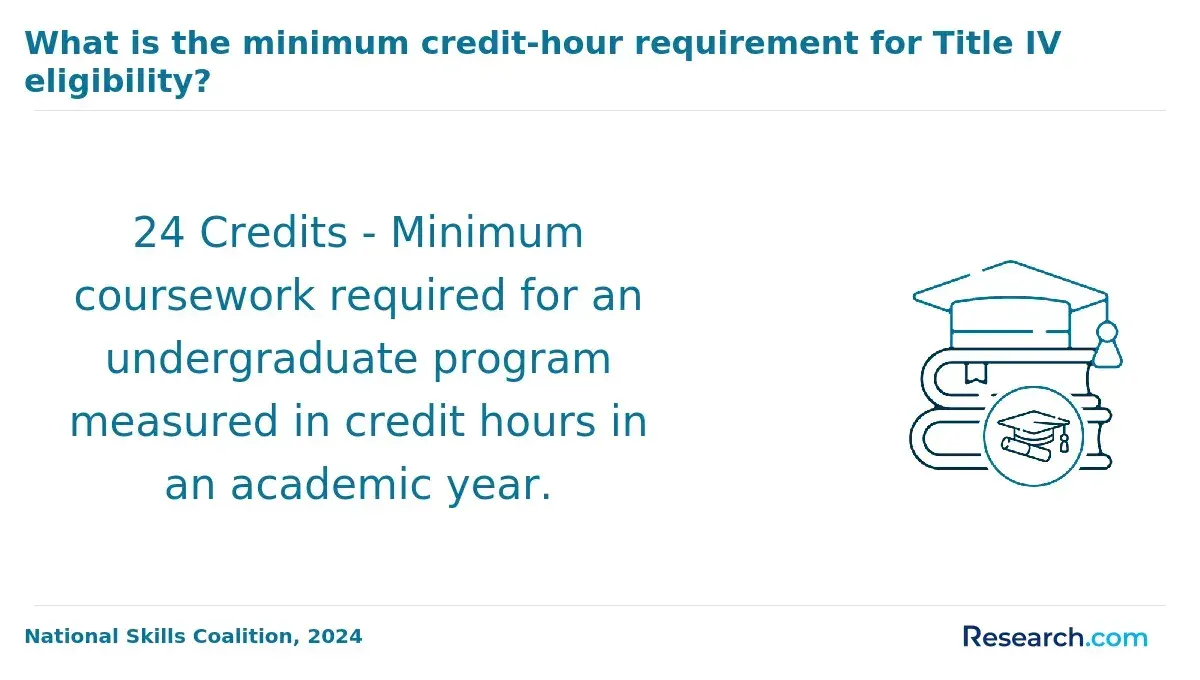
Eligibility requirements for employer tuition reimbursement significantly influence how working professionals plan to finance a corrections degree. These requirements affect not only which programs qualify for support but also the timing of enrollment and the overall return on investment (ROI) for students. Navigating employer sponsorship requirements for corrections programs effectively ensures employees maximize financial benefits while avoiding unexpected costs.
- Employment status: Generally, tuition reimbursement programs are available to full-time or regularly scheduled part-time employees. Contractors, temporary workers, or interns are often excluded from eligibility.
- Tenure requirements: Many employers require employees to complete a minimum period of service, typically between six months and one year, before becoming eligible for education benefits.
- Program relevance: The corrections degree must usually be directly related to an employee's current position or career trajectory within the organization to qualify for reimbursement.
- Academic performance: Students often need to maintain a minimum GPA or achieve passing grades to continue receiving financial support for their studies.
- Approval process: Prior approval from management or human resources is commonly required before course registration to ensure courses are eligible for reimbursement.
- Ongoing employment: Employees are typically expected to remain employed with the company throughout the duration of the program and for a specified time afterward to prevent having to repay benefits.
Carefully reviewing these eligibility factors allows prospective students to make informed decisions and plan ahead for tuition reimbursement opportunities. For those exploring additional financing options, it may be useful to compare employer-sponsored benefits with other routes like affordable online executive MBA programs. Integrating knowledge of corrections degree tuition reimbursement eligibility with broader career education planning can enhance long-term professional and financial outcomes.
How Do Employer Tuition Reimbursement Programs Work for Corrections Degrees?
For students working while pursuing a corrections degree, knowing how employer tuition reimbursement programs operate can help stretch educational budgets and optimize career investments. These programs often come with specific conditions that impact both eligibility and financial benefits. Below is an overview of the key components that define how such assistance typically works.
- Approval Process: Employees must usually get prior approval for their courses to confirm alignment with their current job or professional growth goals before enrollment.
- Payment and Reimbursement: Tuition is commonly paid out-of-pocket initially, with reimbursement occurring after course completion and approval.
- Documentation Requirements: Submitting official receipts and proof of passing grades is essential to initiate reimbursement claims within set deadlines.
- Reimbursement Limits: Programs often cap the reimbursable amount annually or per individual course, and coverage may vary between tuition only or include fees and materials.
- Academic Performance Expectations: Successful completion, typically defined by a minimum grade such as a B, is required to qualify for funds.
Are Online Corrections Degrees Eligible for Company Sponsorship?
Employer sponsorship for online corrections degrees varies but has become more common as online education gains broader acceptance. While some companies were initially skeptical about the legitimacy and quality of online programs, many now view them as credible alternatives to traditional degrees. A survey by the Society for Human Resource Management indicates that about 56% of U.S. employers provide some form of tuition reimbursement to support employee education, although this doesn't guarantee funding specifically for online corrections degrees. This shift reflects growing confidence in the accreditation and academic standards of online learning, as well as its increasing relevance to workforce development.
When deciding whether to support an online corrections degree, employers generally assess several factors. These include whether the program holds recognized accreditation, how closely the curriculum aligns with the employee's current or anticipated job responsibilities, and the overall rigor of the coursework. Employers also consider how the degree supports organizational priorities such as enhancing public safety and improving operational effectiveness. A professional who completed an employee-sponsored corrections degree online shared that navigating the reimbursement process involved detailed discussions with HR and submitting extensive documentation to prove the program's legitimacy. He described the experience as "challenging but rewarding" and emphasized the importance of persistence and clear communication with the employer. He noted, "It wasn't as simple as just signing up; demonstrating the value to my role made all the difference." This insight highlights how individual effort combined with employer openness can make sponsorship a viable option for many pursuing online corrections education.
How Much Tuition Reimbursement Can You Get for Corrections Degrees?
Tuition reimbursement limits significantly affect the affordability and return on investment of a corrections degree by determining how much financial support an employee can receive from their employer. According to the U.S. Department of Labor, nearly 60% of employers provide some form of tuition assistance, though the amounts vary widely. These caps shape out-of-pocket costs and should be carefully considered when planning education funding for a corrections career.
Typically, annual reimbursement caps range between $3,000 and $5,250, with lifetime maximums sometimes exceeding $20,000. Employers in the public sector or correctional facilities often offer higher reimbursement amounts, especially when the degree is closely related to the employee's job role, while private sector reimbursements tend to fluctuate. Federal tax regulations permit up to $5,250 in tax-free tuition assistance annually, which influences many organizations to set limits around this figure without providing specific legal guidance.
Are There Penalties for Leaving an Employer-Sponsored Corrections Program Early?
Knowing the potential costs of leaving an employer-sponsored corrections degree program early is crucial for employees considering this path. Nearly 60% of organizations with tuition assistance require service agreements with repayment terms, which means unexpected financial burdens could arise if you don't stay the agreed period. Here are some typical penalties you might encounter:
- Repayment Obligations: If you depart before fulfilling the required time after completing your degree, you may have to repay all or a portion of the tuition benefits already paid on your behalf.
- Prorated Repayment Schedules: Some programs lessen the repayment amount depending on how long you remain employed post-completion, reducing financial impact over time.
- Early Termination Clauses: Certain agreements enforce strict policies that demand full reimbursement irrespective of how long you stayed, making early exit costly.
- Impact on Future Benefits: Breaching the contract could result in losing eligibility for other company education benefits or incentives, limiting future support opportunities.
One professional who completed a corrections degree through her employer's tuition assistance shared her experience after I asked about the implications of leaving early. She recalled facing a tough decision when a better job offer came along shortly after graduation. Because she had signed a service agreement, the possibility of repaying thousands in tuition fees weighed heavily on her mind. Instead of risking financial penalties, she chose to stay, which allowed her to focus on building her career within the same organization. She described feeling a sense of stability and loyalty growing from this decision, appreciating how the employer's investment in her education translated into a longer-term commitment. Reflecting on that period, she advises anyone considering such programs to thoroughly understand the commitments involved and to weigh the pros and cons carefully before enrolling.
Can Employer-Paid Corrections Degrees Improve Long-Term Earning Potential?
Evaluating the impact of employer-sponsored education on career earnings is crucial for working professionals considering a corrections degree. Research shows that employees with advanced degrees often experience stronger financial outcomes over their careers. In fact, corrections officers holding a bachelor's degree tend to earn significantly more long-term than those with only a high school diploma, making employer support a valuable factor in career planning. Here are key benefits linked to employer tuition reimbursement for corrections degrees:
- Increased promotion opportunities: Employer-paid degrees often qualify employees for supervisory and administrative roles that require higher education credentials, enhancing chances for career advancement.
- Faster career progression: With financial barriers reduced, professionals can complete their degrees sooner, leading to quicker access to elevated positions and responsibilities.
- Access to higher-paying roles: Advanced qualifications open doors to specialized corrections positions that typically offer greater compensation, improving overall earning potential.
- Enhanced skills and qualifications: Employer sponsorship enables learners to gain important knowledge and expertise without the burden of upfront tuition costs, supporting professional development.
- Return on investment: Employer-paid education lowers the financial risk of pursuing a degree and increases the potential for higher long-term earnings, making it a strategic career investment.
Beyond these direct advantages, obtaining a corrections degree through programs supported by employers aligns with the growing availability of cheap online degrees designed to fit working professionals' needs. For individuals looking to maximize their return on investment, tapping into employer tuition reimbursement for corrections degrees is an effective path toward long-term earning potential with an employer-paid corrections degree.
How Do You Ask Your Employer to Pay for a Corrections Degree?
Proactively communicating and preparing when requesting employer support for education can significantly increase your chances of approval. Research indicates that employees supported in continuing education demonstrate higher retention rates, benefiting both staff and organizations. Transitioning into actionable steps can help you make a compelling case for funding your corrections degree through your employer.
- Research tuition reimbursement policies: Start by reviewing your company's employee handbook or benefits portal to understand eligibility and the scope of tuition assistance. Knowing the rules helps you frame your request effectively and avoid surprises.
- Build a strong business case: Clearly explain how the corrections degree will enhance your current job performance or prepare you for advancement. Highlight skills and knowledge gained that align with your organization's goals, showing a return on investment.
- Schedule a formal meeting: Arrange time with your supervisor or human resources to discuss your request professionally. Present your proposal in a focused way that underscores mutual benefits.
- Demonstrate program relevance: Emphasize how the degree content directly supports your work responsibilities and career growth, reinforcing why employer funding is a strategic choice.
- Follow up with documentation: Provide detailed written materials summarizing the program, costs, timelines, and your commitments. This creates a clear record and reflects your professionalism and persistence.
If cost is a significant concern, researching the most affordable online colleges can help you present more budget-friendly options when discussing employer tuition funding. Understanding the steps to get employer funding for a corrections degree allows you to approach this investment in your future with informed confidence.
What To Do If Your Employer Doesn't Pay for a Corrections Degree?
Pursuing a corrections degree without employer financial support often means facing higher education expenses that can strain budgets and delay career advancement. Nearly 60% of college students rely on some form of financial aid to manage tuition costs, making it crucial to identify alternative funding avenues. Below are practical approaches to help ease the financial burden.
- Federal and State Aid: Completing the FAFSA (Free Application for Federal Student Aid) is essential to determine eligibility for grants, work-study programs, or subsidized loans that reduce out-of-pocket expenses.
- Scholarships and Grants: Numerous organizations offer targeted scholarships and grants for students in criminal justice or corrections fields, which don't require repayment and can significantly offset tuition fees.
- Personal Savings and Loans: Utilizing personal funds or obtaining education loans can help cover remaining costs, but it's important to assess loan terms carefully to avoid excessive long-term debt.
- Income-Share Agreements (ISAs): Some programs provide ISAs that allow repayment as a percentage of future income rather than fixed amounts, providing flexibility based on earning potential after graduation.
- Part-Time and Online Programs: Opting for part-time or online study options often reduces overall expenses and supports working students by offering flexible schedules and potentially lower tuition rates.
Exploring these strategies empowers corrections students to finance their education effectively when employer sponsorship isn't available, helping maintain progress toward their professional goals.
What Graduates Say About Employers Paying for Their Corrections Degrees
- Westin: "The cost of the corrections degree program initially seemed daunting, especially with an average attendance fee that can add up quickly. Thankfully, my employer's tuition assistance covered a significant portion, making it financially manageable. This sponsorship didn't just lighten the financial load-it propelled my career forward by enabling me to gain the skills and knowledge needed for advancement. "
- Peter: "Reflecting on my journey, the corrections degree program was an investment that might have been out of reach without my employer's sponsorship. The average program cost was steep, but with their support, I could focus fully on my studies. This opportunity has opened doors and allowed me to excel in roles I wouldn't have otherwise qualified for. "
- Andrew: "From a professional standpoint, the corrections degree program's cost was significant, but employer tuition assistance played a crucial role in making it achievable. Their sponsorship made it possible to pursue education without financial stress, leading to a tangible impact on my career growth and confidence in the field. I'm grateful for how this support bridged the gap between ambition and reality. "
Other Things You Should Know About Corrections Degrees
In 2027, employers can struggle with ensuring educated employees stay long-term due to the competitive job market. Monitoring academic progress and managing costs amidst financial constraints are additional challenges when deciding to sponsor Corrections degrees.
Employers who sponsor Corrections degrees often require employees to commit to a minimum length of service after completing the degree, typically ranging from one to three years. This obligation helps employers recoup their investment and ensures the employee applies the new skills in the workplace. Failing to meet the service term may result in repayment of tuition funds.
Yes, some employers offer additional resources such as paid study leave, flexible work schedules, mentorship programs, and access to professional development workshops for employees pursuing Corrections degrees. These supports help balance work and study demands and improve educational outcomes. However, the availability of these benefits varies significantly by employer.
References
- How to Get Your Employer to Pay for College With Tuition Assistance Programs https://www.umassglobal.edu/blog-news/get-your-employer-pay-college-tuition-assistance-programs
- Education and work in prison | Prison Reform Trust https://prisonreformtrust.org.uk/adviceguide/education-and-work-in-prison/
- Labor Department updates the Voluntary Fiduciary Correction Program https://www.milliman.com/en/insight/labor-department-voluntary-fiduciary-correction-program
- Many companies are offering generous tuition assistance so workers can go back to college https://www.cnbc.com/2021/09/02/companies-offer-tuition-assistance-so-workers-can-go-back-to-college.html
- Guide to Employers Who Subsidize Online Education https://www.onlineeducation.com/features/employers-who-subsidize-higher-ed
- Tuition Reimbursement https://humanresources.vermont.gov/benefits-wellness/education/tuition-reimbursement
- Online Corrections Degrees: Become a Correctional Officer https://www.criminaljusticeprogramsonline.com/corrections/
- Enforcement Manual - Civil Penalties | U.S. Department of Labor https://www.dol.gov/agencies/ebsa/about-ebsa/our-activities/enforcement/oe-manual/civil-penalties
- DOL Increases 2023 Penalty For Health And Welfare Benefit Plan Violations - New City Insurance https://newcityinsurance.com/dol-increases-2023-penalty-for-health-and-welfare-benefit-plan-violations/
- From Academy to Top Scale: Understanding Correctional Officer Earnings - JED PLatform https://www.jedplatform.com/2024/10/17/how-much-does-a-correctional-officer-make/


