
2027 Most Popular Concentrations in Corrections Degrees

Co-Founder and Chief Data Scientist
Choosing the right concentration within corrections degrees is crucial as the field faces increasing complexity, including rising inmate populations and evolving rehabilitation methods. Recent data shows that employment for correctional treatment specialists is projected to grow faster than average, underscoring the need for specialized skills. This growing demand makes targeted education even more important for career success.
This article explores the most popular corrections concentrations, highlighting how each path aligns with diverse professional goals. By examining options such as correctional counseling, security management, and rehabilitation programming, prospective students can make informed decisions about their education and future career in corrections.
Key Benefits of Popular Concentrations in Corrections Degrees
- Specialized concentrations increase employment prospects, with corrections officers' job growth projected at 4% through 2031, reflecting steady industry demand.
- Focused training enhances conflict resolution and crisis management skills critical for effective inmate supervision and rehabilitation.
- Advanced knowledge in corrections law and ethics prepares graduates for leadership roles, promoting career advancement within the criminal justice system.
What Are the Most Popular Corrections Concentrations in 2027?
Interest in specialized study paths within corrections is rising as workforce demands evolve and agencies seek professionals with targeted skills. Students increasingly select concentrations that prepare them for specific roles reflecting emerging challenges and operational needs within corrections systems.
The following list identifies the top five concentrations in corrections based on enrollment trends and their alignment with job market requirements.
- Corrections Administration and Management concentration: This is the most popular focus, preparing students for leadership and supervisory roles in federal, state, and local correctional facilities. The concentration emphasizes organizational leadership, facility operations, and staff supervision, addressing a critical need for qualified administrators like prison wardens and facility managers.
- Community Corrections and Rehabilitation programs: Ranking second in popularity, these programs focus on probation and parole supervision. They equip graduates with skills to support offender reintegration and rehabilitation outside institutional settings, preparing them for positions such as probation and parole officers.
- Correctional Assessment and Intervention: This pathway trains individuals to evaluate offender risks and design treatment plans. It attracts students aiming for careers in counseling and case management within correctional environments.
- Juvenile Corrections: Reflecting a growing emphasis on age-appropriate correctional methods, this emerging concentration addresses the unique needs of juvenile offenders with specialized intervention strategies.
- Law Enforcement Investigation and Interviewing: This area combines corrections with investigative techniques valued by employers seeking professionals skilled in both correctional practices and law enforcement interviewing methods.
As specialization increases, prospective students may explore options such as the best accelerated online associates business degree to complement corrections expertise with broader business and administrative skills.
What Skills Are Required for the Top Corrections Concentrations?
Success in specialized corrections study paths requires the development of a multifaceted skill set tailored to evolving industry expectations. As workforce demands shift, students must build competencies that blend problem-solving prowess with effective communication to excel academically and professionally.
Problem Solving and Attention to Detail: These skills are critical for analyzing complex situations and ensuring accuracy in reports and protocols. Strong problem-solving and attention to detail in criminal justice help corrections professionals anticipate challenges and make sound decisions under pressure, directly impacting institutional safety and effectiveness.
Written Communication Skills for Corrections Professionals: Clear and concise writing supports accurate documentation and case management. Proficiency in written communication fosters transparency and professional credibility in all corrections roles, from front-line officers to counselors.
Teamwork and Interpersonal Skills: Cooperation with colleagues and the ability to navigate diverse populations enhance operational coordination. Employers highly value these skills, as effective collaboration maintains order and promotes a safe working environment.
Resilience and Stress Tolerance: Managing high-pressure scenarios without losing composure is essential. Resilience aids corrections professionals in coping with setbacks and sustaining performance during emergencies.
Flexibility and Adaptability: The corrections environment requires quick adjustments to changing situations and policies. Being adaptable ensures professionals remain effective as institutional needs evolve.
Prospective students can explore pathways like the easiest doctoral program to deepen expertise while honing these critical skills.
Do Different Corrections Concentrations Have Different Admission Requirements?
Admission requirements for different corrections concentrations do vary, often reflecting the specialization's complexity and the foundational skills needed for success. Some programs establish more rigorous criteria for advanced tracks, ensuring applicants meet higher academic or professional standards aligned with their career trajectory. These distinctions are part of how institutions position their programs within the broader criminal justice field. Differences in program standards account for the necessity of equipping students with relevant competencies to thrive in specialized corrections roles.
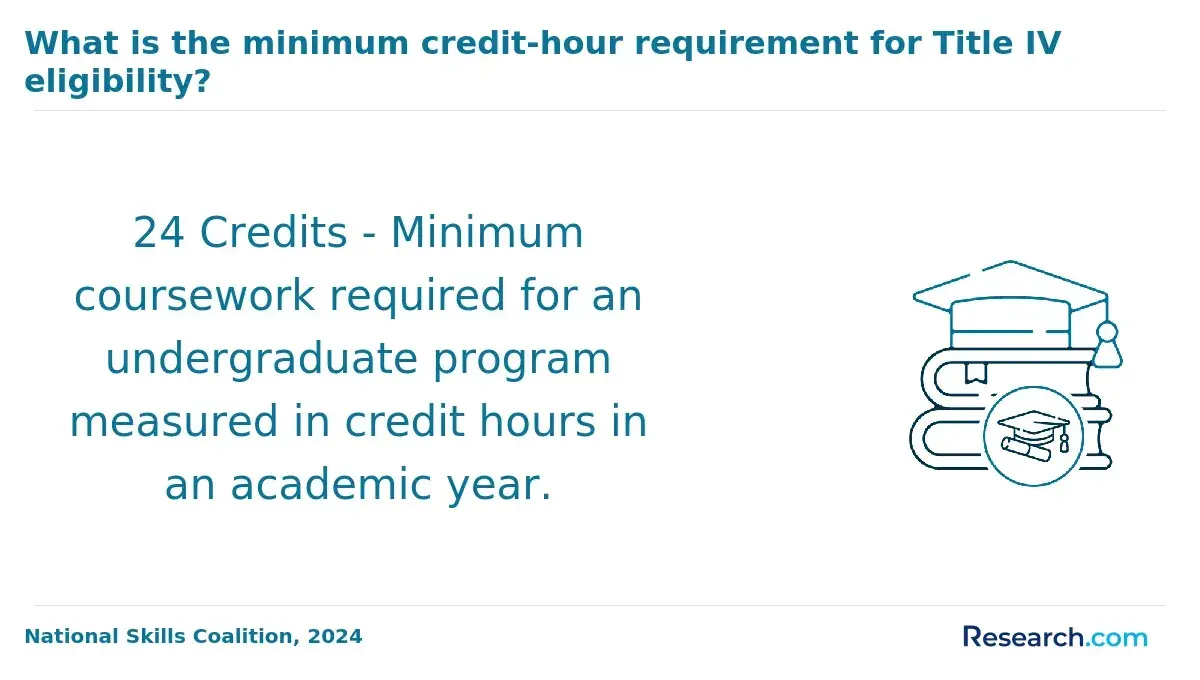
Common variations in criminal justice corrections degree GPA requirements and other admission criteria include expectations for prerequisite coursework, professional experience, or portfolio submissions. For example, programs emphasizing human behavior or forensic psychology may require psychology or social science courses and maintain a higher GPA threshold compared to general corrections tracks. Some concentrations also prefer candidates with prior correctional work experience, especially for supervisory or administrative paths. A notable case is Ball State University's Corrections and Human Behavior concentration, which mandates 12 credit hours in psychology alongside 27 credit hours of criminal justice coursework. Such differentiated criteria help ensure students build a strong foundation relevant to their chosen track. Early awareness of these requirements prepares applicants to complete necessary prerequisites competitively. Prospective students interested in the what bachelor degree makes the most money may also find that specialized corrections concentrations can influence career outcomes and earning potential.
Do Specific Corrections Concentrations Require Accredited Programs?
Accreditation plays an important role in specialized corrections programs, influencing access to federal financial aid and credibility with employers or certifying bodies. While not always mandatory, attending an accredited program can impact career opportunities and meet certain professional standards.
- Federal Aid Eligibility: Only regionally accredited schools qualify students for federal financial aid, making this type of institutional accreditation essential for funding.
- Specialized Program Endorsement: Though criminal justice accreditors aren't recognized by the Department of Education, organizations like the Academy of Criminal Justice Sciences (ACJS) offer endorsements based on strict criteria, enhancing program reputation.
- Faculty Credentials: ACJS-endorsed corrections programs require master's degrees for associate-level faculty and at least two-thirds of full-time bachelor's and master's faculty to hold PhDs or JDs with relevant experience.
- Employer Preferences: While specific corrections tracks may not always require accredited degrees for employment, employers often favor graduates from accredited programs that demonstrate adherence to industry standards.
Is the Quality of Online Corrections Concentration Tracks the Same as On-Campus Programs?
With more students weighing online versus on-campus options for corrections concentrations, quality has become a primary factor in choosing a program. Understanding how these formats compare helps candidates make informed decisions about their education and career readiness.
- Curriculum consistency: Both formats follow rigorous academic standards, ensuring equivalent course content and learning objectives.
- Accreditation: Regionally-accredited schools maintain trust and facilitate credit transfer, regardless of delivery method.
- Faculty expertise: Experienced instructors with practical knowledge engage students through direct feedback, whether in-person or online.
- Learning outcomes: Core competencies and expected skills remain aligned, providing comparable professional preparation.
- Technology and simulations: Online programs increasingly use virtual tools to replicate real-world scenarios, balancing the lack of physical labs or demonstrations.
- Student support services: Comprehensive tutoring, advising, and career mentorship are available virtually, enhancing student success.
- Hands-on training opportunities: While on-campus offers more in-person exercises, online formats supplement with interactive, scenario-based learning.
When speaking with a graduate from a popular corrections concentration who completed a hybrid program, she reflected on the experience: "Balancing the online coursework with occasional campus visits was challenging but rewarding. The online simulations helped me visualize procedures before practicing them in person, which made those hands-on sessions more meaningful." She appreciated how accessible faculty were during virtual office hours and felt the combined approach strengthened her confidence. "It wasn't a lesser education-just different modes working together. That flexibility kept me going, especially juggling work and studies." Her story illustrates that quality in corrections programs hinges less on format and more on thoughtful design and support.
Which Corrections Concentration Is the Hardest to Complete?
Variations in course difficulty among corrections concentrations stem from differences in academic rigor, required skills, workload, and how programs are structured. Certain specialized tracks demand more extensive technical knowledge and interdisciplinary study, making them notably more challenging to complete.
- Technical Skill Requirements: Concentrations like forensic science and cybersecurity require advanced abilities in data analysis, computer systems, and scientific laboratory methods beyond typical criminal justice studies.
- Advanced Mathematics and Statistics: These areas involve complex quantitative coursework, including statistical reasoning and computational tasks, which can be challenging for students without strong math backgrounds.
- Interdisciplinary Knowledge Demands: Success depends on integrating diverse subjects such as biology, chemistry, information technology, and criminology rather than focusing solely on corrections theory.
- Limited Course Availability: Few institutions offer well-developed forensic science or cybersecurity tracks in corrections, resulting in less uniform curricula and fewer peer support networks.
What Careers Can You Get with Each Corrections Specialization?
Corrections concentrations prepare graduates for targeted career paths by equipping them with specialized skills suited to various roles within the criminal justice system. Recognizing these connections enables students to make informed choices aligned with their interests and career aspirations.
- Corrections and Rehabilitation: Graduates commonly find work as correctional officers who maintain security and supervise inmates, or as probation officers overseeing individuals reentering society. These roles exist across local, state, and federal institutions, demanding strong supervisory and interpersonal abilities.
- Counseling and Mental Health Services: This area directs graduates toward positions such as substance abuse counselors or youth correctional counselors, focusing on addressing inmates' behavioral and mental health needs. Professionals in this field often work within government-run rehabilitation centers dedicated to recovery and youth development.
- Case Management and Reentry Services: Careers here include case managers who coordinate support connecting released individuals to housing, employment, and social programs. Their work centers on smoothing the transition from incarceration back to community life, aiming to reduce repeat offenses.
A professional with a background in counseling shared that choosing a concentration initially felt overwhelming due to the diverse opportunities available. He explained, "I was drawn to working directly with people but wasn't sure how my degree would translate into a meaningful role." Through internships and mentorship, he realized the importance of adaptability-balancing emotional resilience with practical strategies when assisting clients facing addiction or trauma. Reflecting on his journey, he noted, "Navigating different agencies and understanding the unique challenges each case presented was tough but deeply rewarding." This hands-on exposure ultimately helped him clarify his career direction and demonstrated how specialization profoundly shapes one's professional path.
What Market Trends Are Shaping the Top Corrections Concentrations in 2027?
Awareness of current industry trends is vital for students selecting a corrections concentration, as the field evolves alongside criminal justice reforms and shifting workforce needs. These trends help identify which specializations have strong job prospects and highlight the skills employers value most.
- Community Corrections and Rehabilitation Focus: There is a clear move toward community-based alternatives like probation and parole, emphasizing offender rehabilitation. This trend reflects increased funding for diversion and reentry programs, with positions such as probation officers and treatment specialists seeing competitive salaries.
- Corrections Administration and Management Demand: Modernizing operations and staffing challenges drive high demand for leadership roles. Graduates with skills in organizational management are sought after for positions including prison wardens and senior correctional administrators.
- Specialization in Vulnerable Populations: Programs are increasingly tailored to juvenile offenders, substance users, and other specialized groups. This shift aligns with broader justice priorities that focus on treatment and require expertise in clinical and counseling approaches.
What Are the Average Salaries for Popular Corrections Concentrations?
Salary prospects for corrections degree concentrations differ widely depending on specialization, geographic location, and experience level, making it vital for students to consider earning potential when selecting their career path. Awareness of these factors supports better alignment of educational choices with long-term financial goals.
- Correctional Officer: Entry-level correctional officers earn a national average of $39,810 annually, with median salaries rising to $57,970 as experience grows. The Bureau of Labor Statistics anticipates over 33,000 job openings in corrections over the next decade, ensuring steady demand and competitive pay in this foundational role. Salary variations by location create notable differences in a corrections officer salary by state, ranging from lower wages in Texas to much higher earnings in Pennsylvania.
- Correctional Counselor: These professionals earn around $52,203 per year on average, reflecting the specialized mental health and behavioral expertise required. Growing emphasis on inmate rehabilitation and mental health services drives increased demand and stable compensation for counselors.
- Substance Abuse Counselor: With an average salary of $53,650, this role ranks among the higher-paying entry-level corrections careers. The compensation mirrors the importance of addiction treatment and the specialized training involved.
- Correctional Nurse: Offering the highest average salary at $71,358 per year, correctional nurses benefit from advanced medical qualifications and specialized healthcare knowledge. This premium pay reflects the critical role of medical professionals in managing inmate health.
Prospective students seeking affordable educational options can explore inexpensive online colleges that accept fafsa to help finance their studies. Understanding the criminal justice degree earning potential across these concentrations helps candidates make informed decisions that align with their career aspirations and regional job markets.
How Do You Choose the Best Concentration in a Corrections Program?
Selecting the right concentration in a corrections degree program is critical for aligning your education with your career goals and personal strengths. This choice directly influences your coursework, skill development, and readiness for specific roles within the criminal justice system.
- Career aspirations and job market alignment: Identify the specific corrections career you envision, such as probation and parole, correctional administration, community supervision, or facility-based roles. Research which concentrations prepare you best for these positions and explore current job demand by region, as job markets vary significantly.
- Skill development and coursework focus: Consider the practical competencies each concentration offers. Programs emphasizing criminology and community corrections teach risk assessment, case management, and evidence-based supervision, whereas correctional administration focuses more on policy and organizational management. Clarify if you prefer direct offender interaction or administrative duties.
- Program requirements and flexibility: Review credit and course load differences among concentrations. Some demand only a few courses, while others involve extensive study. Also, decide if online flexibility is essential, especially if balancing work and life commitments, or if traditional classroom formats suit you better. This helps when choosing online bachelor's degree cheap options.
- Personal interests and values: Reflect on whether rehabilitation, community corrections, or institutional settings align with your values and sustained engagement. Personal commitment to these areas can significantly impact your success and satisfaction.
Understanding how to select a corrections concentration for your career goals demands attention to both academic content and practical outcomes. Moreover, evaluating the best corrections degree concentrations by region and admission requirements ensures your choice aligns with local job opportunities and program accessibility.
What Graduates Say About Their Popular Concentrations in Corrections Degrees
- Andrew: "Studying corrections was a professional game-changer for me. With tuition costs often between $20,000 and $28,000, the program provided excellent value given its emphasis on evidence-based practices and policy analysis. The degree has been instrumental in advancing my career within the corrections administration sector, equipping me with both confidence and competence to lead effectively."
- Peter: "Reflecting on my time studying corrections, I appreciate how affordable the degree was compared to other criminal justice fields, typically costing below $30,000. This program not only deepened my understanding of inmate management but also enhanced my interpersonal skills, directly influencing my role as a probation officer. It's a solid choice for anyone looking to make a tangible difference in correctional reform."
- Westin: "Pursuing the corrections concentration opened my eyes to the complexities of the criminal justice system, providing a hands-on learning experience that textbooks alone couldn't offer. Although the average cost hovered around $25,000, I found the investment worthwhile considering the career opportunities it unlocked in rehabilitation services. The balance between theory and practical application truly prepared me for real-world challenges."
Other Things You Should Know About Corrections Degrees
In 2027, criminology remains a popular concentration within corrections degrees as it provides a comprehensive understanding of criminal behaviors, justice systems, and rehabilitation strategies. This knowledge equips graduates with the ability to analyze, assess, and implement effective correctional policies and practices, making them valuable assets in various roles within the justice sector.
While requirements vary by program, internships or practical experiences are commonly recommended or required for corrections degrees. These opportunities provide hands-on experience in correctional facilities or related settings, allowing students to apply theoretical knowledge and build professional networks. Practical exposure helps prepare students for real-world challenges in corrections careers.
References
- A better path forward for criminal justice: Training and employment for correctional populations | Brookings https://www.brookings.edu/articles/a-better-path-forward-for-criminal-justice-training-and-employment-for-correctional-populations/
- What we look for in our Corrections Officers, and why | Ara Poutama Aotearoa https://careers.corrections.govt.nz/news-and-events/what-we-look-for-in-our-corrections-officers-and-why
- What does a Corrections Specialist do? Career Overview, Roles, Jobs | KAPLAN https://jobs.community.kaplan.com/career/corrections-specialist
- Large-scale evaluation of a computer-based learning program to increase prison staff knowledge on geriatric and end-of-life care https://pmc.ncbi.nlm.nih.gov/articles/PMC9707343/
- What we know about El Salvador’s ‘mega prison’ where Trump is sending alleged Venezuelan gang members | CNN https://www.cnn.com/2025/03/17/americas/el-salvador-prison-trump-deportations-gangs-intl-latam
- Correctional Career Overview: Education, Job Duties & Salary https://www.allcriminaljusticeschools.com/corrections/
- Information archivée dans le Web | Information Archived on the Web https://publications.gc.ca/collections/collection_2023/scc-csc/PS83-3-468-eng.pdf
- 15 Best Bachelor's Degrees in Corrections - College Educated https://collegeeducated.com/online-degrees/criminal-justice-degree/bachelors-in-corrections/
- ACA Accreditation https://www.dac.nc.gov/about-us/aca-accreditation
- Core Competencies https://novascotia.ca/just/corrections/recruitment/competencies.asp


