
2027 How to Compare Fine Arts Degree Programs Effectively

Co-Founder and Chief Data Scientist
Choosing the right fine arts degree program can feel overwhelming when schools vary widely in curriculum focus, faculty expertise, and career support. For example, a studio arts student aiming for gallery representation faces different priorities than one interested in digital media or art education.
According to the National Endowment for the Arts, only 25% of fine arts graduates secure work directly related to their field within two years of graduating. This article explores key factors such as program specialization, industry connections, and financial considerations to help prospective students align their choices with personal goals and market realities.
Key Benefits of Comparing Fine Arts Degree Programs Effectively
- Accreditation ensures program quality and industry recognition; students should verify regional accreditation and affiliations with professional Fine Arts organizations.
- Curriculum alignment with career goals is crucial, especially programs offering specializations in digital media or traditional fine arts techniques.
- Consider cost alongside potential career outcomes; Fine Arts graduates report varied income levels, so evaluating return on investment is essential.
What Types of Accreditation Should a Fine Arts Degree Program Have?
Accreditation is essential for comparing the quality, credibility, and long-term value of fine arts degree programs. Studies show that students attending accredited institutions have significantly higher graduation rates and improved employment outcomes.
To evaluate programs effectively, it's important to understand the key types of accreditation that impact transferability, financial aid, and employer recognition. Consider the following accreditation types when assessing fine arts degree program accreditation standards in the United States:
- Regional Accreditation: This applies to the entire institution and confirms overall academic quality and institutional stability. It affects credit transferability between schools, eligibility for federal financial aid, and broad employer recognition.
- Specialized Accreditation: Focused on fine arts programs, organizations like the National Association of Schools of Art and Design (NASAD) evaluate curricula, faculty expertise, and resources to ensure industry-relevant skills and knowledge.
Checking for both regional and specialized accreditation helps students identify reputable programs aligned with their career goals and budget. When researching options, prospective students may also explore accredited online MBA programs as a comparative example of how accreditation influences program quality and acceptance across different educational fields.
What Specializations Are Offered in Fine Arts Degree Programs?
Specializations offered within fine arts degree programs play a crucial role for students comparing options by aligning their academic focus with long-term career goals. The demand for careers in digital media arts, for example, is growing 20% faster than traditional arts roles, reflecting a significant shift toward technology-integrated creative fields.
These trends highlight the importance of selecting the right concentration. Below are common specializations that often appear among top fine arts degree program concentrations.
- Studio Art: Focuses on painting, sculpture, and drawing; develops technical skills in traditional media and creative expression, preparing students for careers as practicing artists or educators.
- Graphic Design: Emphasizes digital design, typography, and branding; trains students for roles in marketing, advertising, and digital content creation.
- Photography: Covers technical aspects of image capture and editing; builds skills applicable to commercial photography, journalism, and fine art exhibitions.
- Art History: Concentrates on cultural and historical contexts of art; prepares students for museum work, curation, and academia.
For students also evaluating program flexibility and costs, exploring offerings among online engineering programs may provide useful insights on balancing practical training and affordability in specialized fields.
How Can You Compare Courses Across Fine Arts Degree Programs?
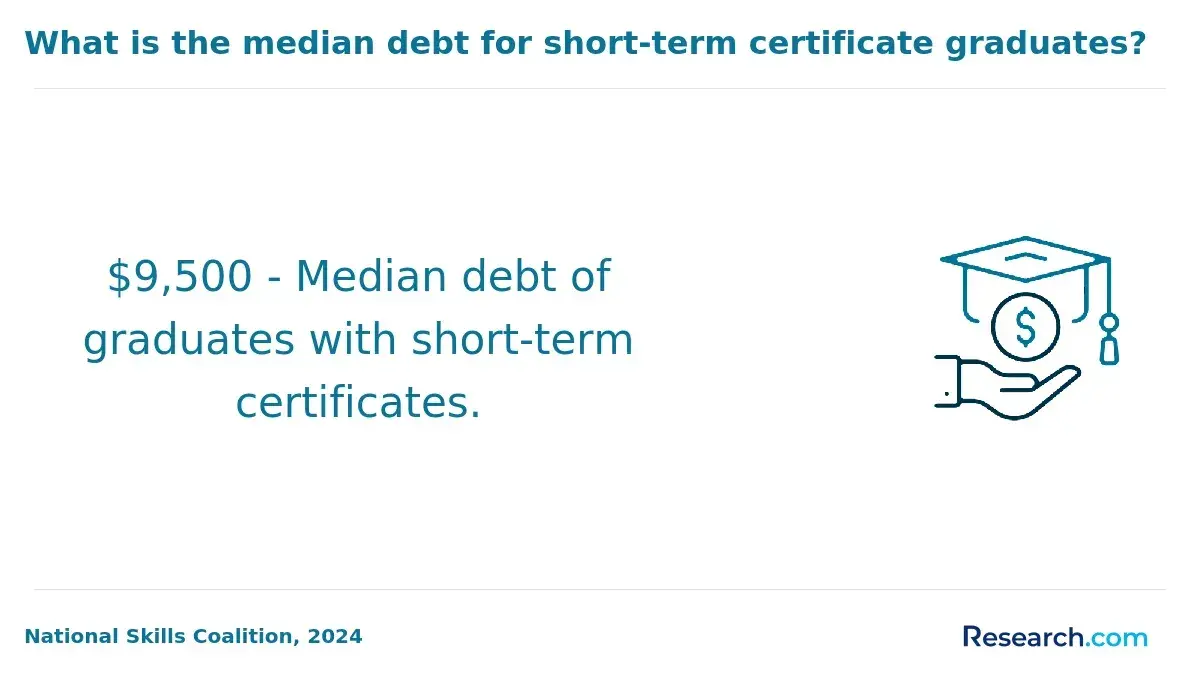
Comparing courses across fine arts degree programs is essential for prospective students seeking to evaluate program rigor, skill development, and how well the curriculum aligns with career goals. A study showed that programs with comprehensive, skill-based coursework have a 15% higher course completion rate, indicating stronger student engagement and success.
Below are practical strategies for effective comparison.
- Reviewing Course Syllabi: This reveals specific skills taught, workload expectations, and teaching methods, offering clear insight into academic rigor and learning pace.
- Assessing Course Variety: A diverse curriculum provides broad exposure to techniques and mediums, while highly specialized courses focus on advanced skill development relevant to professional goals.
- Checking Prerequisites and Sequence: Understanding course order helps gauge how foundational concepts are reinforced and built upon, ensuring steady skill progression.
- Analyzing Faculty Credentials: Experienced instructors and guest lecturers enrich course quality and bring industry perspectives vital for career readiness and networking opportunities.
- Opportunities for Exhibition or Performance: Courses offering practical showcases enable students to build portfolios and gain real-world experience aligned with professional growth.
Courses across different fine arts programs vary widely, so applying the best criteria for evaluating fine arts degree programs helps students find options well suited to their ambitions. Students balancing cost and quality may also explore cheap psychology masters programs as an example of how affordability and program features are compared in other fields.
What Scheduling Options Are Available in Fine Arts Degree Programs?
Flexible scheduling plays a crucial role in choosing fine arts degree programs, as it helps students balance academic demands with personal and professional responsibilities. The following options highlight how various formats accommodate different lifestyles and goals.
- Full-Time Traditional: These daytime classes provide immersive studio experiences vital for developing hands-on skills and fostering collaboration. They suit students who can commit to a consistent campus schedule and prioritize a focused learning environment.
- Part-Time Enrollment: Designed for those balancing work or family, part-time options offer reduced course loads that extend the program duration. This flexibility supports steady progress without overwhelming personal obligations.
- Evening and Weekend Classes: These sessions cater to individuals unavailable during standard hours, allowing attendance outside typical workdays. This format increases accessibility without sacrificing course quality or interaction.
- Online and Hybrid Formats: Combining virtual lectures and critiques with occasional in-person studio work, these formats assist students living remotely or needing adaptable routines. They maintain academic rigor while reducing commuting time.
- Accelerated and Intensive Sessions: Offering condensed semesters or summer courses, these schedules enable focused skill-building or faster degree completion. Ideal for motivated learners aiming to advance quickly or deepen specific expertise.
Programs that provide diverse scheduling options demonstrate responsiveness to student needs, making fine arts education attainable and accommodating varied life circumstances. Evaluating these formats is essential to ensuring the program fits each student's unique situation and ambitions.
What Are the Pros and Cons of Online vs Campus-Based Fine Arts Degrees?
Choosing between online and campus-based fine arts degree programs shapes the overall educational experience, affecting career preparation and networking. In fall 2021, 13.3% of U.S. undergraduates were enrolled exclusively in distance education courses, showing a rise in online learning popularity.
The following outlines key advantages and challenges of each format.
Online Fine Arts Degrees
- Flexibility: Offers the ability to study on a personalized schedule, ideal for balancing work or family commitments.
- Accessibility: Enables access to programs regardless of geographic location, reducing commuting and relocation expenses.
- Limited Hands-On Experience: Practical, studio-based art forms such as sculpture or painting may be harder to master without in-person instruction.
- Networking Constraints: Fewer opportunities for spontaneous interactions with peers and mentors can limit relationship building.
Campus-Based Fine Arts Degrees
- Immersive Environment: Direct access to studios, equipment, and face-to-face critiques enhances practical skill development.
- Professional Connections: Easier to build relationships with faculty, visiting artists, and classmates that can support career growth.
- Scheduling Rigidities: Fixed class times and on-campus attendance reduce flexibility for students juggling other responsibilities.
- Higher Costs: Expenses related to commuting, housing, and relocation often increase the overall financial burden.
When I asked a graduate who completed an online fine arts degree how he evaluated these options, he described balancing a full-time job and family as a "make-or-break" factor. He explained, "I researched programs extensively and prioritized flexibility but worried about missing real studio access."
He also shared how joining virtual critique groups helped partly bridge networking gaps but admitted feeling isolated at times. Ultimately, he said, "Choosing online meant sacrifices, but it allowed me to finish my degree without uprooting my life."
How Do GPA Requirements Vary Among Fine Arts Degree Programs?
GPA requirements are a critical aspect to evaluate when comparing fine arts degree programs, as they can influence your eligibility and the competitiveness of your application. Below are several key considerations that clarify how these policies differ across programs:
- Range of Expectations: GPA standards in fine arts vary broadly; some programs enforce a firm minimum to gauge academic readiness, while others adopt a looser stance, placing greater weight on creative achievements.
- Holistic Admissions: Many schools assess candidates on a combination of artistic portfolios, auditions, and academic records, allowing strong creative work to compensate for lower GPAs in some cases.
- Flexibility for Nontraditional Applicants: Certain programs offer adaptability for those with unconventional academic histories, valuing exceptional talent or experience over strict numerical thresholds.
- Complementary Evaluation Factors: Letters of recommendation, interviews, and portfolio reviews may play a significant role in the admissions process, potentially offsetting GPA shortcomings.
- Undergraduate vs. Graduate Standards: Graduate fine arts programs often require higher GPAs or more rigorous academic credentials, reflecting advanced study expectations compared to undergraduate offerings.
Recognizing these distinctions will help prospective students choose fine arts programs that best fit their academic background and artistic strengths.
How Can You Compare Tuition Across Fine Arts Degree Programs?
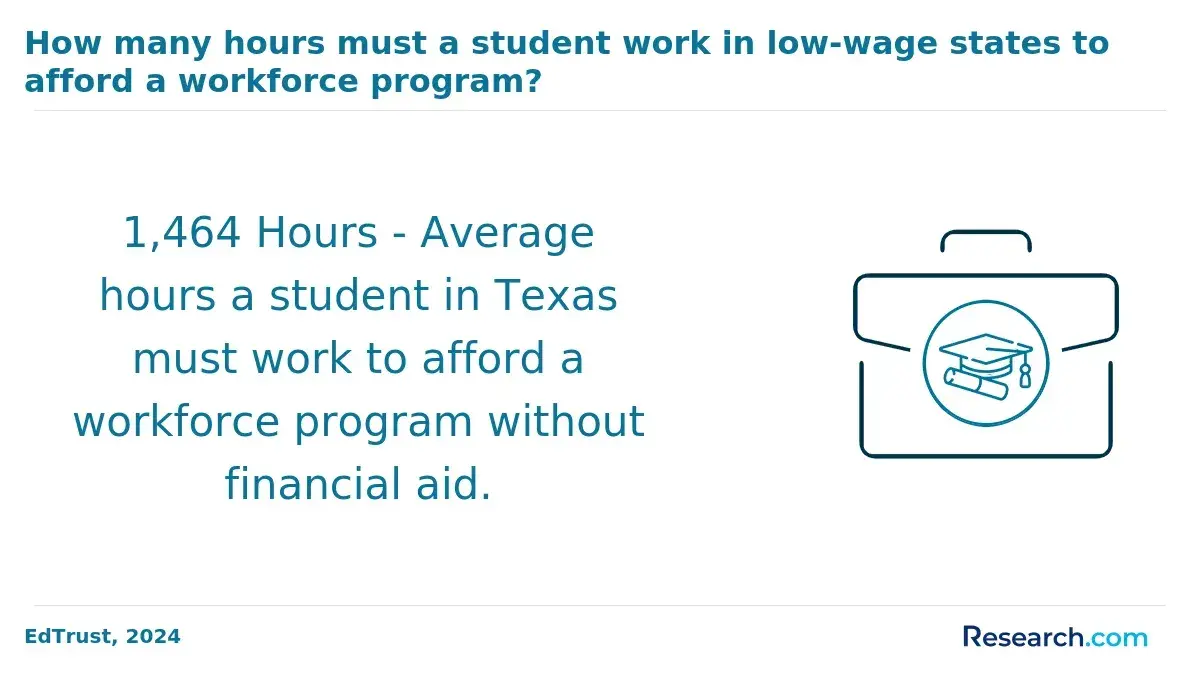
Comparing tuition is a vital step for prospective students to ensure they find a fine arts degree that fits their financial situation. With the average undergraduate student debt in the U.S. reaching $30,000 in 2023, understanding all tuition-related expenses helps avoid unexpected costs.
Consider the following factors when evaluating program affordability:
- Total Program Cost: Look beyond base tuition to include studio, material, and technology fees, which can significantly increase the final amount spent.
- Cost Per Credit: Analyzing the price of each credit hour is crucial, especially for part-time students or those transferring credits, to gauge direct financial commitments.
- Additional Fees: Many programs charge fees for supplies or access to specialized equipment; factoring these in prevents surprise expenses.
- Financial Aid Availability: Scholarships, grants, and work-study options can substantially lower out-of-pocket costs and shape overall affordability.
- Employer Tuition Benefits: For working students, employer-sponsored tuition assistance may provide flexible payment options that reduce financial strain.
- Long-Term Value: Weighing program cost alongside career prospects helps students invest wisely and avoid excessive borrowing.
When asked how she compared tuition across fine arts degree programs, a recent graduate shared that "navigating costs felt overwhelming at first." She recalled spending hours compiling fee details from different schools and "breaking down each expense to see the real price beyond just tuition."
She also emphasized that factoring in financial aid options changed her perspective, stating, "Some programs looked expensive upfront but offered awards that made them affordable." The graduate reflected that understanding total expenses versus listed tuition helped her choose a program that matched her budget without sacrificing quality, noting, "It was about balancing cost with the opportunities each school offered."
This process gave her confidence in managing educational expenses and planning for the future.
Does a Fine Arts Degree Meet Licensure Requirements?
Aligning a fine arts degree with licensure requirements is crucial for students targeting careers that demand official certification or legal authorization to practice, such as art therapy or public school art teaching. Nearly 20% of U.S. jobs require professional licensure or certification, emphasizing the need to assess program compatibility.
Consider these essential factors when comparing fine arts programs:
- Curriculum Alignment: Verify that the coursework meets the mandates set forth by state licensing boards or professional organizations to ensure eligibility for licensure pathways.
- Accreditation Standards: Check if the program holds accreditation from recognized agencies relevant to the intended occupation, as this influences both licensure approval and employer recognition.
- State-Specific Requirements: Since licensure criteria vary regionally, confirm the program's emphasis on the regulations applicable in your target employment state.
- Supervised Experience: Determine whether the program offers or supports placements like internships or practica under licensed supervisors, which are often prerequisites for certification.
- Exam Eligibility: Assess if graduating from the program grants access to required licensing examinations or professional assessments necessary for legal practice.
Many fine arts degrees provide artistic foundations but may lack direct licensure preparation, requiring further certification or graduate study for regulated careers. Careful program evaluation is essential for aligning education with professional goals.
Which Fine Arts Programs Have the Best Career Placement Rates?
Career placement rates provide essential insight into how well fine arts degree programs prepare students for employment in their chosen fields. According to a survey by the National Association of Colleges and Employers, about 78% of fine arts graduates secure jobs related to their studies within six months of graduation.
Below are key factors students should consider when evaluating career outcomes for fine arts graduates in top programs:
- Transparent Reporting: Review data published by institutions or independent sources that detail the percentage of alumni employed in relevant sectors and the average time it takes for graduates to find jobs. Clear, accessible reporting reflects a program's commitment to accountability and student success.
- Employer Partnerships: Strong connections with employers often lead to internship and job opportunities. Programs that actively collaborate with industry professionals provide pipelines for students to gain real-world experience and networking advantages.
- Internship Pipelines: Hands-on internships are critical for building skills and portfolios that appeal to future employers. Programs with established internship pathways typically see higher career placement rates as students graduate with practical experience.
- Alumni Outcomes: Success stories and active alumni networks offer mentorship, job referrals, and career guidance. Programs fostering alumni engagement create valuable support systems that can boost early career trajectories.
- Program Support Services: Career counseling, résumé workshops, and portfolio development enhance students' readiness for the job market. Access to these resources significantly improves employability and transition into professional roles.
Students looking for flexibility while pursuing fine arts degree programs with highest career placement rates may also explore accelerated online degrees, which combine efficient scheduling with strong career support tailored to various creative fields.
How Do Salaries Compare Across Fine Arts Degree Program Graduates?
Post-graduation salary outcomes are a crucial comparison metric for prospective students evaluating fine arts degree programs because they provide insight into potential financial stability and career prospects. The U.S. Bureau of Labor Statistics reports that the median annual wage for fine artists is around $50,000.
Below is a breakdown of how salaries vary across different factors.
- Role Differences: Salaries differ significantly by job type; entry-level artists often earn modest wages, while roles in graphic design or multimedia art tend to have higher earning potential.
- Industry Impact: Graduates working in commercial design, advertising, or entertainment typically command higher salaries compared to those focusing strictly on traditional art forms like painting or sculpture.
- Geographic Location: Metropolitan areas such as New York and Los Angeles offer better salary prospects due to vibrant creative sectors, although these come with higher living costs.
- Experience Level: Salary growth is closely tied to experience; seasoned professionals with strong portfolios or specialized skills can see substantial income increases, while freelancers often face fluctuating earnings based on market demand.
Considering these factors helps prospective students align their education choices and career expectations realistically. For those interested in flexible scheduling or alternative learning formats, exploring online college programs can also be a valuable option when comparing fine arts degree offerings and average income outcomes for fine arts alumni by program type.
What Graduates Say About Comparing Fine Arts Degree Programs Effectively
- Danny: "Before enrolling in the fine arts program, I hesitated because the average tuition seemed steep compared to more technical degrees, but the creative freedom and comprehensive curriculum justified the investment. The cost was manageable thanks to scholarships and payment plans, which made pursuing my passion feasible. Graduating has opened doors to various professional artistic opportunities I hadn't imagined, and I feel confident in my career path now. "
- Asher: "I spent a lot of time reflecting on whether to choose a fine arts degree, considering both the cost and the uncertain job market. Given the average cost of attendance, I initially worried about financial strain, but ultimately, it was an invaluable decision that helped me develop critical skills and a portfolio that have been crucial for my steady growth as a professional artist. The investment felt worth it as it grounded me in both theory and practice. "
- Winnie: "From a practical standpoint, I weighed fine arts against more traditionally lucrative fields, mindful of the average expenses involved. Cost was a significant factor, but the program's reputation and the depth of training convinced me it was a smart investment. Completing the degree enhanced my professional profile substantially, providing credibility and networking that truly accelerated my career in creative industries. "
Other Things You Should Know About Fine Arts Degrees
Students should evaluate faculty expertise and professional experience when comparing fine arts degree programs. Programs with instructors who have active careers in arts or recognized academic achievements often provide richer mentorship and networking opportunities. Additionally, faculty who are engaged in current industry practices can offer relevant insights and guidance tailored to evolving artistic fields.
Studio facilities and resources play a crucial role in fine arts education as they directly impact hands-on learning. Access to well-equipped studios, digital labs, and specialized equipment allows students to develop practical skills effectively. Prospective students should verify the availability and condition of these resources to ensure they match their artistic focus and technical needs.
In 2027, internship and exhibition opportunities are crucial for fine arts students to gain real-world experience and showcase their work. When comparing programs, students should evaluate the availability and quality of these opportunities, as they can significantly impact career prospects and professional development.
References
- Department of Studio Arts https://catalog.upp.pitt.edu/preview_entity.php
- Arts and Fine Arts Courses: A Comprehensive Comparison https://www.jaincollege.ac.in/blogs/arts-and-fine-arts-courses-a-comprehensive-comparison
- School of Art and Design https://mycatalog.txstate.edu/undergraduate/fine-arts-communication/art-design/
- Bachelor of Fine Arts in Art Education and Art Licensure: K-12 - MSU Denver Department of Art https://www.msudenver.edu/art/programs/bfa-in-art-education/
- Should You Go To Art School? Here Are The Pros And Cons https://etchrlab.com/blogs/news/art-school-pros-cons
- Best Art Schools in the US: Value, Aid, and Choices https://www.road2college.com/top-art-colleges/
- BA vs BFA Degree: What's the Difference? (How to Choose) https://www.allartschools.com/bachelor-art-fine-arts-compared/
- Best Fine Arts Colleges https://www.collegetuitioncompare.com/best-schools/fine-arts/
- Bachelor of Fine Arts Admission Requirements | Faculty of Arts https://www.uottawa.ca/faculty-arts/visual-arts/undergraduate-programs/visual-arts/admission-requirements


