
2027 How to Compare Health Education Degree Programs Effectively

Co-Founder and Chief Data Scientist
Choosing the right health education degree program can be overwhelming due to the wide range of curricula, accreditation status, and delivery formats offered. For example, a student seeking a community health focus might struggle to find programs that align with their interest and offer relevant practicum opportunities.
According to the U.S. Bureau of Labor Statistics, employment for health educators is projected to grow 17% through 2032, highlighting increased demand for well-prepared professionals. This article will review essential criteria for evaluating health education programs, helping prospective students align choices with career goals, financial resources, and scheduling needs.
Key Benefits of Comparing Health Education Degree Programs Effectively
- Verify program accreditation to ensure credibility and eligibility for certification; the majority of employers prefer graduates from accredited health education programs.
- Assess curriculum alignment with career goals, focusing on specializations like community health or epidemiology to enhance job market competitiveness.
- Consider tuition costs against potential salary outcomes; health education careers show a median wage growth of 11% over the next decade.
What Types of Accreditation Should a Health Education Degree Program Have?
Accreditation plays a vital role in helping prospective students compare the quality, credibility, and long-term value of different health education degree programs. About 96% of employers prefer hiring graduates from accredited institutions, underscoring the importance of recognized credentials when entering the workforce. To understand which accreditations matter most, consider the following key types of accreditation.
- Regional Accreditation: This evaluates an institution's overall quality and is granted by agencies like the Higher Learning Commission. It influences credit transferability between colleges and eligibility for federal financial aid, which is essential for many students, especially those changing careers or seeking flexible scheduling.
- Programmatic Accreditation: This specialized accreditation focuses specifically on the health education program. The Council on Education for Public Health (CEPH) is a leading body that ensures the curriculum is relevant, faculty are qualified, and graduates are prepared for professional certification. Graduating from a CEPH-accredited program often affects licensure and professional board recognition.
- National Standards: Some programs meet national accreditation standards for health education degrees recognized across the United States, providing assurance of consistency and quality on a broader scale. This supports career advancement by aligning education with employer and regulatory expectations.
For students exploring options, such as various RN to BSN programs, ensuring these accreditations are present can significantly affect academic outcomes and professional opportunities.
What Specializations Are Offered in Health Education Degree Programs?
Specializations within health education degree programs enable prospective students to compare types of health education programs offered based on their career goals and academic interests. The Bureau of Labor Statistics projects a 13% growth in health education specialist roles through 2032, reflecting increasing workforce demand.
Below are common specializations that help shape both coursework and employment outcomes.
- Community Health: Focuses on public health initiatives and prevention programs, developing skills in outreach, education, and advocacy to address local health concerns effectively.
- School Health Education: Prepares students to design and implement health curricula for K-12 settings, emphasizing communication, instructional strategies, and promoting student wellness.
- Health Promotion and Wellness: Concentrates on behavior change, wellness coaching, and chronic disease prevention, providing expertise applicable in corporate wellness programs and clinical settings.
- Global Health Education: Addresses health challenges across diverse international populations, teaching cultural competence, policy analysis, and global health strategies.
Choosing a specialization can align students with employers such as schools, government agencies, nonprofits, or healthcare organizations. For those interested in expanding their skill set in related health areas, programs like medical coding school offer complementary career paths in healthcare administration alongside health education studies.
How Can You Compare Courses Across Health Education Degree Programs?
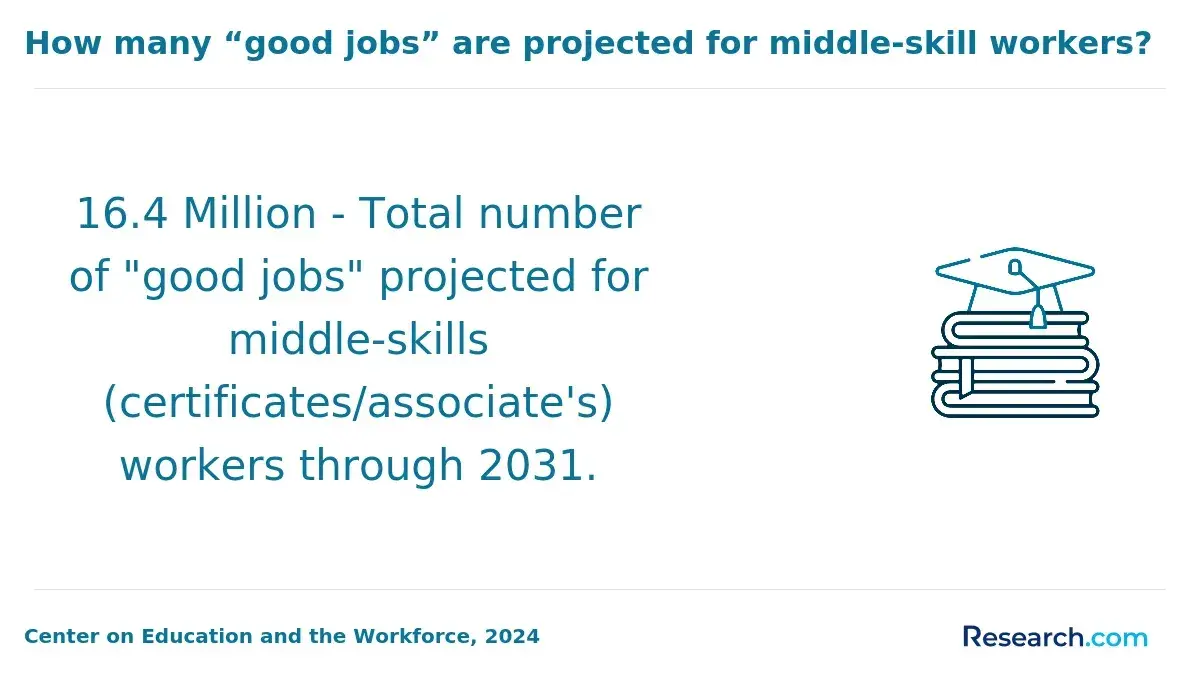
Comparing courses across health education degree programs is essential for prospective students to evaluate program rigor, skill development, and alignment with career goals. Research shows that programs with comprehensive curriculum depth can achieve course completion rates as high as 85%, reflecting strong student engagement and program effectiveness.
To help you navigate this process, consider the following strategies for comparing courses effectively.
- Review Course Syllabi: Analyze syllabi to assess the breadth and depth of curriculum content across health education courses. This reveals whether programs cover current health issues and effective methodologies relevant to the field.
- Evaluate Credit Hours and Workload: Understanding credit requirements and expected time commitments offers insight into program intensity and pacing, which can impact your ability to balance study with other responsibilities.
- Identify Skill-Based Components: Look for practical training such as internships, labs, or hands-on projects that transform theory into applicable skills essential for real-world health education roles.
- Check Prerequisites and Progression: Courses with well-defined prerequisites indicate a thoughtfully designed curriculum that builds knowledge gradually and supports academic success.
- Align Outcomes with Career Goals: Compare course objectives to professional certifications and roles you aim to pursue, ensuring the program supports your long-term development.
Additionally, when assessing program flexibility and course options in health education degrees, consider how schedules and elective choices support your lifestyle and goals. For students interested in administration aspects, exploring a healthcare management degree online may offer complementary opportunities.
What Scheduling Options Are Available in Health Education Degree Programs?
Flexible scheduling plays a crucial role for students choosing health education degree programs, as it allows them to balance academic goals with personal and professional responsibilities. Options vary widely, each designed to support different lifestyles and learning preferences. Common formats include:
- Traditional Daytime: These programs follow standard weekday schedules, ideal for students who can commit to regular campus hours. They offer consistent routines but may be less adaptable for those working full-time or managing family duties.
- Evening and Weekend: Designed for working professionals, these classes provide opportunities to study outside typical business hours. This format helps maintain steady employment while progressing academically without sacrificing income.
- Online and Hybrid: Fully online and blended models combine digital coursework with occasional in-person sessions, allowing learners to access material anytime. This flexibility benefits those needing to study at their own pace or with unpredictable schedules.
- Accelerated and Part-Time Tracks: Accelerated options enable faster degree completion for motivated students, whereas part-time tracks extend the timeline to accommodate slower progress. Both paths support those with varying availability due to work or family obligations.
What Are the Pros and Cons of Online vs Campus-Based Health Education Degrees?
Choosing the right delivery format for health education degrees is vital, as it shapes a student's learning experience and career preparation. Nearly 39% of college students have taken at least one distance course recently, showing a strong trend toward online education. Below is a comparison of online and campus-based options.
Online Programs
- Flexibility: Online degrees offer adaptable schedules, allowing students to study at their own pace around work or family commitments.
- Geographic Access: Students can enroll regardless of location, removing barriers related to commuting or relocation.
- Networking Challenges: Reduced face-to-face interaction limits spontaneous conversations and immediate feedback from peers and instructors.
- Career Preparation: While online formats develop theoretical knowledge effectively, they may offer fewer opportunities for hands-on practice essential for some health roles.
Campus-Based Programs
- Structured Schedule: Fixed class times create routines, which some students find helpful but less adaptable to personal obligations.
- Relationship Building: In-person settings promote deeper connections with classmates, faculty, and local health organizations, aiding professional networking.
- Practical Experience: Access to labs, group projects, and face-to-face discussions enhances skill development and immediate feedback.
- Costs and Commute: Traveling to campus and limited scheduling flexibility can add expenses and time commitments.
A graduate who completed an online health education degree shared his decision process. He described feeling overwhelmed by the many program choices and worried about balancing coursework with a full-time job. "I focused on programs that offered clear schedules and support services," he said. He also valued flexibility but recognized "how important hands-on experience would be for certain career paths," so he sought internships outside the classroom to gain practical skills.
When asked about challenges, he mentioned moments of isolation and missing out on spontaneous conversations that happen on campus. Still, he emphasized, "The ability to study from home was crucial for me, given my family commitments." His story highlights that weighing pros and cons often depends on personal circumstances and career goals.
How Do GPA Requirements Vary Among Health Education Degree Programs?
GPA requirements serve as a crucial benchmark for prospective students assessing health education degree programs, helping to gauge academic expectations. Below are key factors illustrating how these standards differ across programs.
- Variability in Standards: Some programs require a firm minimum GPA, often near 3.0 on a 4.0 scale, to confirm applicants possess a solid academic foundation. Others adopt a more lenient stance, accommodating a broader range of academic records.
- Holistic Admissions: Many programs evaluate a blend of factors beyond GPA, including professional experience, personal statements, recommendations, and extracurricular activities. This approach allows candidates with lower GPAs to demonstrate potential through other strengths.
- Program Selectivity: Highly competitive programs tend to impose strict GPA cutoffs to manage applicant volume, while less selective or smaller programs may offer greater flexibility in admissions criteria.
- Graduate vs. Undergraduate: GPA expectations commonly differ between educational levels, with graduate health education programs typically demanding higher GPAs due to the rigor of advanced coursework.
- Conditional Acceptance: Some programs provide options for applicants who do not meet minimum GPA requirements, such as conditional admission or opportunities to improve academic standing through prerequisite courses.
- Institutional Factors: Variations also stem from program size, institutional missions, and whether the emphasis leans toward standardized academic metrics or practical experience.
How Can You Compare Tuition Across Health Education Degree Programs?
Comparing tuition is a vital step for students planning to enroll in health education degree programs, as costs can vary greatly and impact long-term financial stability. In recent years, the average annual tuition and fees at in-state public colleges were approximately $10,300, highlighting the need for careful budget considerations. Here are key factors to evaluate when comparing tuition across programs:
- Total Program Cost: Examine the overall expense, including tuition, mandatory fees, and supplies, to understand the full financial commitment beyond just per-credit rates.
- Cost Per Credit: This metric is especially important for part-time or online students who may take fewer courses each term, helping to estimate expenses based on individual course loads.
- Additional Fees: Identify extra charges such as technology, lab, or activity fees that may not be included in tuition but affect the total cost.
- Financial Aid: Availability of scholarships, grants, and federal aid specifically for health education can significantly reduce out-of-pocket costs and should be factored into comparisons.
- Employer Tuition Benefits: Some working students benefit from tuition reimbursement or assistance programs, which can offset expenses and influence the affordability of certain programs.
- Long-Term Value: Consider how tuition relates to program reputation, career opportunities, and earning potential after graduation to assess if higher costs might yield better returns.
When I spoke with a graduate who completed a health education degree, she shared how challenging it was to weigh these factors. "I remember feeling overwhelmed by the numbers and unsure where to focus," she said. She carefully gathered detailed cost breakdowns and inquired about financial aid options before committing.
"Understanding both the immediate costs and what my degree could lead to professionally made all the difference," she reflected. Her thoughtful approach helped minimize unexpected expenses and ensured her investment aligned with her career goals.
Does a Health Education Degree Meet Licensure Requirements?
Ensuring a health education degree aligns with licensure requirements is essential for students targeting regulated careers or those seeking professional transitions. Nearly 20% of health-related jobs mandate licensure or certification, highlighting the need for programs that facilitate credentialing. The following factors are vital when comparing degree options:
- Curriculum Alignment: Evaluate how well the program's coursework matches the competencies specified by licensing boards or professional organizations, as this compatibility is crucial for licensure eligibility.
- Accreditation Status: Confirm that the program holds accreditation from recognized agencies, such as those endorsed by the Council for Higher Education Accreditation or the U.S. Department of Education, ensuring quality and licensure acceptance.
- State-Specific Requirements: Review regional licensure mandates, which may include specific classes or required practicum hours, as standards differ significantly across states.
- Supervised Experience: Check for opportunities to complete internships or hands-on training within the program, since many licensing bodies require supervised practical experience for candidates.
- Exam Eligibility: Determine if graduates are qualified to take licensure or certification exams, a necessary step for many health education careers to achieve official professional status.
A thorough comparison of these elements helps prospective students select programs that support licensure and their professional development goals.
Which Health Education Programs Have the Best Career Placement Rates?
Career placement rates are a crucial factor in evaluating health education degree programs, as they reveal how effectively graduates secure relevant employment after completing their studies. Studies show that programs with placement rates above 85% provide a significant advantage in preparing students for professional roles.
Below are key aspects to consider when assessing career outcomes for health education graduates:
- Employer Partnerships: Strong collaborations with employers offer direct pathways to jobs through structured internship and placement opportunities, which can boost graduate hiring rates.
- Internship Pipelines: Programs that facilitate hands-on experience through internships help students develop practical skills and create industry networks essential for job placement.
- Alumni Outcomes: Reviewing employment statistics and career progression of alumni provides insight into a program's long-term effectiveness in supporting graduates' career advancement.
- Support Services: Dedicated career services, including resume workshops and interview coaching, often correlate with higher placement rates by fully preparing students for the job market.
Prospective students searching for the health education degree programs with highest job placement rates should request detailed placement data from admissions or consult reports published by accrediting organizations. Transparency and consistency in reporting are strong indicators of program quality.
For those balancing cost and career potential, exploring the cheapest online healthcare administration degree options can also provide valuable pathways into the health education field without compromising on career outcomes.
How Do Salaries Compare Across Health Education Degree Program Graduates?
Post-graduation salary outcomes are a critical factor when comparing health education degree programs since they reflect the financial value of the education relative to career prospects. According to the U.S. Bureau of Labor Statistics, the median annual wage for health educators is approximately $60,000, highlighting an average starting salary range influenced by degree level and profession.
The following points summarize key salary comparisons across roles, industries, locations, and experience levels.
- Role Variation: Entry-level positions, such as health educators or community health workers, generally earn from $40,000 to $50,000 annually. Senior specialists or management roles can command salaries exceeding $75,000, reflecting increased responsibility and expertise.
- Industry Influence: Graduates employed in government agencies or hospitals typically enjoy more stable and often higher wages compared to those working in nonprofit organizations or educational settings, where compensation may be lower but often balanced with additional benefits.
- Geographic Differences: Salaries are notably higher in metropolitan and urban areas, driven by the cost of living and demand for health education professionals. Conversely, rural locations generally offer lower salaries but may have less competition for roles.
- Experience and Certifications: Advanced credentials and years of experience significantly enhance earning potential, with many employers rewarding continued education and specialization through salary increases.
Those considering degree options should also explore cheap RN to BSN online programs as part of a long-term strategy to improve credentials and earnings in healthcare fields. Awareness of average starting salaries for health education graduates by degree level can help students target programs that align with their financial and career goals.
What Graduates Say About Comparing Health Education Degree Programs Effectively
- Melanie: "Before enrolling in the health education degree program, I was overwhelmed by the steep costs and uncertain job prospects in other fields. The affordability of this program, with an average cost well below many alternatives, made it a clear choice. Completing my degree has opened doors to community health roles I once thought were out of reach."
- Amelia: "Choosing a health education degree felt like a practical decision; I carefully weighed the tuition against potential career outcomes. Given that the average attendance cost was reasonable, it seemed like a smart investment. Now, as a public health coordinator, I appreciate how this education laid the groundwork for my lasting professional impact. "
- Gabriel: "I was initially hesitant due to financial constraints but found that the cost of the health education program was manageable compared to other disciplines. The degree has been transformative, enhancing both my confidence and capability in health promotion. It truly gave me a solid platform for continuous career growth."
Other Things You Should Know About Health Education Degrees
Admission criteria for health education degree programs typically include a high school diploma or equivalent, standardized test scores, and sometimes prerequisite coursework in biology or social sciences. Some programs may require letters of recommendation or a personal statement demonstrating interest in community health or education.
Health education degree programs often emphasize skills in communication, program planning, and community assessment. Critical thinking and cultural competency are also key areas of focus, preparing students to develop effective health promotion strategies.
Faculty expertise influences student success by providing quality instruction, mentorship, and networking opportunities. Experienced faculty bring practical insights and up-to-date knowledge critical for effective learning, which helps students gain a comprehensive understanding and a competitive edge in the health education field.
References
- Programs Leading to Licensure : Online and Extended Programs : Texas State University https://www.distancelearning.txst.edu/about-oxp/state-authorization/professional-licensure-disclosures.html
- Accreditation — ASAHP https://www.asahp.org/accreditation
- Home https://healthsci.queensu.ca/healthed-programs/home
- Health Education: Campus & Online Degrees and Career Paths https://www.publichealthonline.org/degree-programs/health-education/
- Online vs Hybrid vs Campus Learning in Healthcare: Which Is Right for You? https://www.edumed.org/articles/online-vs-hybrid-vs-campus/
- CAAHEP | Accreditation https://www.caahep.org/accreditation/accreditation
- Health Education Accreditation https://accreditation.ca/assessment-programs/health-education-accreditation/
- Master of Public Health: Community Health Education (MPH) https://tsengcollege.csun.edu/programs/MPH/course-schedules
- Health education https://www.amh.edu.pl/postgraduate-studies/health-education/


