
2027 How to Compare Instructional Design Degree Programs Effectively

Co-Founder and Chief Data Scientist
Prospective students often struggle to choose the right instructional design degree program due to varying curriculum focus, delivery formats, and career support options. This confusion can lead to enrolling in programs misaligned with career goals or losing time and money on less effective paths. According to recent industry data, employment in instructional design is projected to grow 9% from 2022 to 2032, emphasizing the importance of selecting programs that offer relevant skills and industry connections. This article explores key factors for comparing instructional design programs to help readers make well-informed decisions based on individual needs and aspirations.
Key Benefits of Comparing Instructional Design Degree Programs Effectively
- Verify accreditation status to ensure program credibility and eligibility for financial aid; accredited programs often align better with industry standards and employer expectations.
- Examine curriculum focus, emphasizing courses matching your career goals, such as e-learning development or corporate training specialization.
- Consider total cost versus career outcomes, noting that instructional design jobs are projected to grow 9% by 2031, making return on investment crucial.
What Types of Accreditation Should a Instructional Design Degree Program Have?
Accreditation plays a vital role in helping prospective students compare the quality, credibility, and long-term value of instructional design degree programs. Research indicates that over 70% of employers prefer candidates from accredited institutions, highlighting how accreditation can influence career prospects.
Below are the key types of accreditation to consider when evaluating instructional design programs.
- Regional Accreditation: This is the most recognized form of accreditation in the U.S., applying to the entire institution. It ensures that the school meets high academic standards, which is essential for credit transfer, financial aid eligibility, and pursuing advanced degrees.
- Programmatic Accreditation: This targets specific programs, such as instructional design, through organizations like the Association for Educational Communications and Technology (AECT) or Council for the Accreditation of Educator Preparation (CAEP). Such accreditation signals specialized quality and can enhance employer trust as well as better prepare students for licensure or certification.
Choosing a program with proper accreditation assures working professionals and career changers that their credentials are valid and aligned with industry standards.
For those considering flexible options that align with career goals and budgets, it is useful to explore resources like the most affordable online MBA to compare accredited degree programs and financial aid opportunities related to instructional design degree program accreditation standards.
What Specializations Are Offered in Instructional Design Degree Programs?
Specializations in instructional design degree program specializations enable prospective students to compare schools by aligning their academic concentration options with career goals and industry demand. Certifications and expertise in e-learning design, for example, have increased by over 20% in workforce demand in recent years, underscoring the value of focused academic training.
Below are common specializations offered within instructional design degree programs.
- E-learning Design: Focuses on developing online training modules, multimedia content, and interactive learning environments. Students gain skills in multimedia authoring and learning management system (LMS) administration, preparing them for roles in corporate training and digital education.
- Educational Technology: Emphasizes integrating technology with pedagogy by training students to evaluate and apply emerging tools to improve learning outcomes. This specialization suits careers in K-12 and higher education settings.
- Curriculum Development: Concentrates on creating structured educational programs and assessments, fostering strong instructional planning skills valuable in academic institutions and training organizations.
For students seeking to balance educational opportunities with flexible scheduling and career advancement, exploring comprehensive degree options such as accelerated MSW programs can offer additional pathways in related professional fields alongside instructional design academic concentration options.
How Can You Compare Courses Across Instructional Design Degree Programs?
Comparing courses across instructional design degree programs helps prospective students evaluate program rigor, skill development, and how well a program aligns with their career goals. Research shows that programs with comprehensive curricula have an 85% course completion rate, reflecting stronger student engagement and success.
The following practical strategies help assess course quality and relevance:
- Reviewing Course Descriptions: This reveals whether the curriculum covers essential instructional design theories, technologies, and methodologies that meet current industry demands, ensuring alignment with desired competencies.
- Analyzing Credit Hours and Workload: Understanding credit requirements highlights program intensity and helps students determine if their schedule and commitment level are compatible with program demands, supporting the best instructional design degree program flexibility and scheduling choices.
- Examining Skill Development Focus: Identifying courses emphasizing practical skills such as e-learning development, assessment design, and project management ensures graduates gain applicable expertise for career advancement.
- Considering Capstone Projects or Internships: Hands-on experience through real-world projects or internships enhances job readiness and deepens learning outcomes that prepare students for professional roles.
- Checking Alignment With Career Objectives: Comparing course content against targeted job roles confirms that the program supports specific professional growth paths. For related counseling career paths, students may explore MFT programs as well.
What Scheduling Options Are Available in Instructional Design Degree Programs?
Flexible scheduling plays a vital role for students balancing work, family, and other responsibilities while pursuing an instructional design degree. Understanding the variety of scheduling options can help you select a program that fits your lifestyle and supports your success.
Key scheduling formats to consider include:
- Full-Time and Part-Time Enrollment: Programs often offer both full-time and part-time options, allowing students to decide their pace of study. Part-time enrollment is ideal for those who need to balance school with work or personal commitments.
- Asynchronous Online Courses: These courses allow access to lectures and assignments at any time, enabling self-paced learning. This format provides flexibility for students with unpredictable schedules or those who prefer studying outside set class times.
- Hybrid Learning: Some programs blend online and in-person sessions, combining the benefits of both formats. This option allows for face-to-face interaction while maintaining the convenience of remote learning.
- Evening and Weekend Classes: Scheduling classes outside traditional daytime hours accommodates working professionals and others who cannot attend during weekdays. These options support better time management for students with daytime obligations.
Choosing a program with diverse scheduling options is essential to accommodate different learning preferences and responsibilities. These flexible formats increase accessibility and help ensure students can complete their degrees without sacrificing other important areas of their lives.
What Are the Pros and Cons of Online vs Campus-Based Instructional Design Degrees?
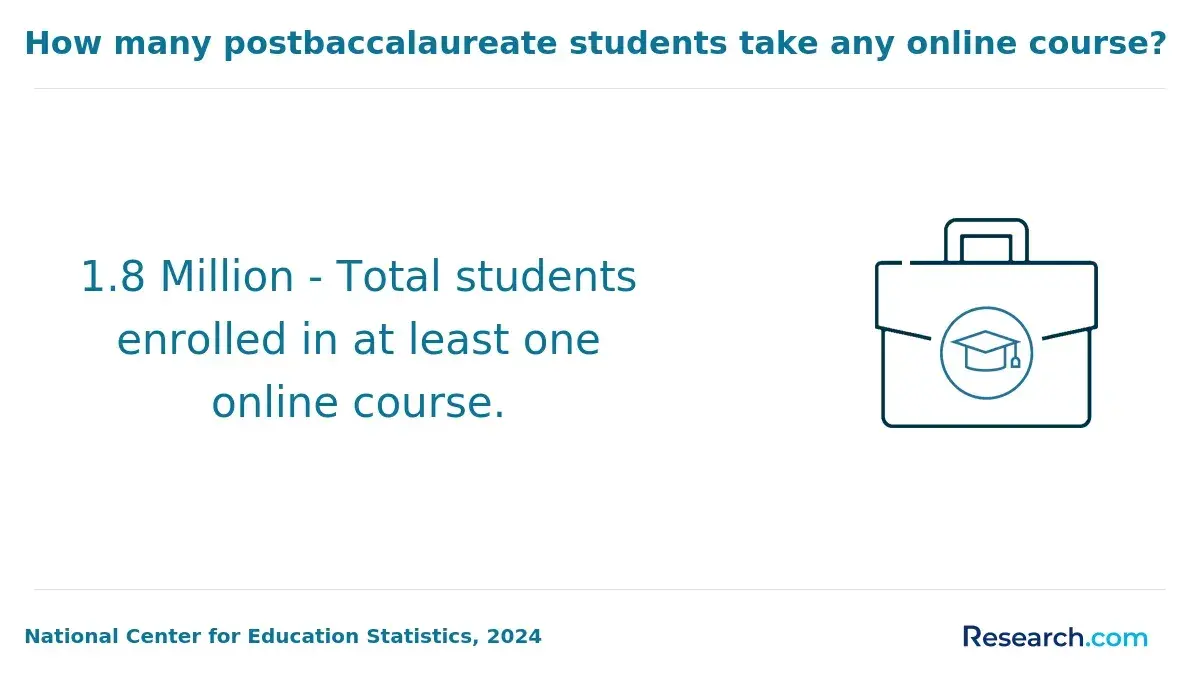
Choosing the right delivery format for instructional design degree programs is essential to match your learning preferences and career goals. In 2023, about 40% of U.S. college students participated in online courses, highlighting the growing shift toward digital education.
Here's a breakdown of the benefits and drawbacks of online versus campus-based options.
Online Programs
- Flexibility: Students can study at their own pace and schedule, making it easier to juggle work and personal responsibilities.
- Accessibility: Geographic location is less of a barrier, allowing enrollment in programs nationwide without relocation.
- Cost Savings: Reduced commuting and housing expenses often make online options more affordable.
- Networking Limitations: Reduced face-to-face interaction can hinder building strong professional connections and soft skills.
Campus-Based Programs
- In-Person Engagement: Direct contact with faculty and classmates fosters mentorship and immediate feedback.
- Hands-On Learning: Opportunities for lab work and group projects may enhance practical skills and collaboration.
- Scheduling Challenges: Fixed class times can conflict with work or family commitments.
- Higher Expenses: Costs for housing, transportation, and campus fees can increase the financial burden.
How Do GPA Requirements Vary Among Instructional Design Degree Programs?
GPA requirements often serve as a key benchmark for applicants assessing instructional design degree programs, reflecting varying academic expectations and admissions standards. These differences highlight important considerations students should keep in mind when reviewing programs, such as the following factors:
- Minimum GPA Thresholds: Some programs require a fixed minimum GPA, typically around 3.0 on a 4.0 scale, as a standard academic eligibility criterion. Others may have different requirements depending on whether the applicant is pursuing undergraduate or graduate admission.
- Admissions Flexibility: Many programs accommodate applicants with lower GPAs by emphasizing professional experience, strong recommendations, or persuasive personal statements. This flexible approach allows candidates to demonstrate potential beyond grades alone.
- Holistic Review Practices: Admissions committees often evaluate candidates through a comprehensive lens that includes leadership, motivation, and relevant background. Such reviews mean that a less competitive GPA can be balanced by other strengths in the application.
- Academic Improvement Options: Some institutions consider evidence of recent academic progress or offer opportunities for conditional admission or probationary enrollment. Applicants might also be encouraged to retake courses as a way to enhance their academic record.
By recognizing these patterns, prospective students can better gauge where their academic achievements align with program expectations and identify opportunities to strengthen their applications accordingly.
How Can You Compare Tuition Across Instructional Design Degree Programs?
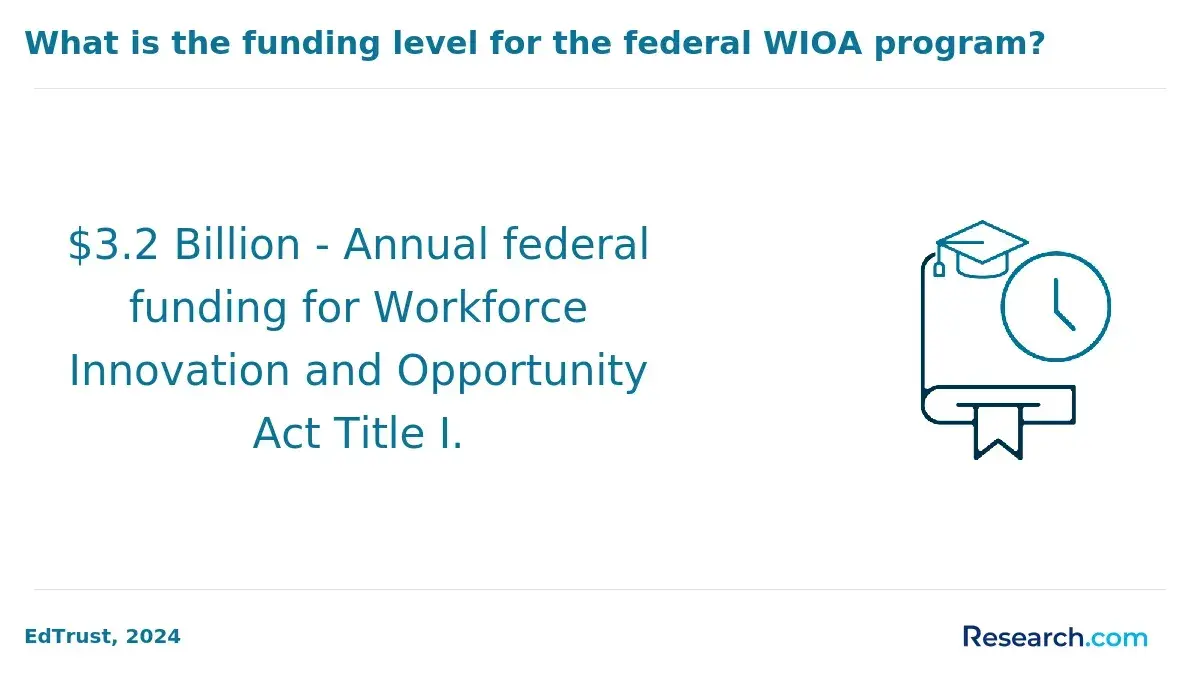
Comparing tuition is a key concern for students choosing instructional design degree programs, as costs vary greatly and impact long-term financial health. Nearly 60% of graduate students borrow money, with average debt reaching nearly $57,000 in 2023.
Here are important aspects to consider when evaluating program expenses:
- Total Program Cost: Look beyond per-credit rates to include all fees, technology charges, and practicum costs. The full amount reveals the actual financial commitment needed to complete the degree.
- Cost Per Credit: While helpful for quick comparison, this figure alone can be misleading if hidden fees or additional expenses apply.
- Additional Fees: Many programs add charges for materials, tech access, or administrative services. Including these in your evaluation prevents unexpected expenditures.
- Financial Aid Options: Scholarships, grants, and subsidies vary widely; understanding availability can reduce out-of-pocket costs significantly.
- Employer Tuition Benefits: Some students receive tuition reimbursement or assistance through their jobs, which changes the effective cost and may influence program choice.
- Long-Term Value: Consider how degree outcomes affect career advancement and salary prospects. A higher upfront cost can be worthwhile if it leads to better opportunities.
Does a Instructional Design Degree Meet Licensure Requirements?
Aligning an instructional design degree with licensure requirements is essential for students targeting professions that require formal certification or state authorization, particularly when shifting careers or entering regulated fields. Nearly 30% of U.S. jobs insist on some form of licensure or certification according to recent labor statistics.
Below are key factors to evaluate when assessing instructional design programs for licensure compatibility.
- Accreditation Status: Confirm whether the program is accredited by a recognized educational agency, as this impacts acceptance by licensing boards and employers.
- Curriculum Alignment: Analyze if coursework matches the specific knowledge and skills mandated for certification or licensure in your intended career path.
- State Requirements: Research how the program accommodates state-specific licensure rules, especially for roles tied to education or training credentials.
- Supervised Experience: Determine if the program incorporates practical mentorship or practicum hours necessary for meeting licensure or certification prerequisites.
- Exam Eligibility: Verify whether completing the program qualifies you to sit for relevant certification or licensure examinations, as not all degrees provide this advantage.
Which Instructional Design Programs Have the Best Career Placement Rates?
Career placement rates offer valuable insight into how well instructional design programs prepare graduates for the job market. Studies indicate that some programs achieve graduate employment rates exceeding 85% within six months of graduation, signaling strong alignment with industry demands.
Below are key factors prospective students should consider when evaluating instructional design programs with highest career placement rates.
- Employer Partnerships: Robust collaborations with employers in relevant fields are crucial. These partnerships often create pathways for internships and project work, which can enhance job readiness and expand professional networks.
- Internship Pipelines: Access to structured internship opportunities provides hands-on experience and frequently leads to direct job offers. Students should assess whether programs have formal arrangements to place interns with reputable organizations.
- Alumni Outcomes: Success stories and comprehensive outcome reports highlight long-term career growth. Understanding alumni trajectories can give prospective students a practical view of job placement effectiveness and networking potential.
- Support Services: Services such as career counseling, resume workshops, and interview preparation significantly impact graduates' ability to secure jobs. Reviewing these offerings on program websites or during admissions consultations is essential.
Prospective students searching for the top instructional design degree programs for job placement can also benefit from exploring resources like the online bachelor's degree options, which may offer flexible accelerated paths with strong career support.
Thorough evaluation of these elements helps students choose programs that align with their career goals and improve their chances of professional success.
How Do Salaries Compare Across Instructional Design Degree Program Graduates?
Post-graduation salary outcomes are an important metric for prospective students comparing instructional design graduate salary comparisons in the United States, offering insight into the return on investment for different degree programs. The average wage range for instructional design degree holders is approximately $55,000 to $90,000 depending on experience and role.
Here are key factors influencing these earnings:
- Role and Experience: Entry-level instructional designers typically earn between $50,000 and $65,000 annually, while experienced professionals with several years in the field may see salaries rising to $85,000 or more. Specialized roles such as eLearning developers and learning technology managers often command higher salaries.
- Industry Impact: Salaries vary significantly by sector. Those working in technology, healthcare, or corporate environments generally earn more than their counterparts in non-profit or government roles, reflecting differing budget capacities and demand for instructional design skills.
- Geographic Location: Location influences pay notably, with urban and tech hubs like San Francisco, New York, and Washington D.C. offering higher salaries due to cost of living and market demand.
- Education and Certifications: Advanced degrees or certifications beyond the instructional design degree can enhance earning potential, opening doors to senior or specialized positions.
- Salary Trends: Salaries generally increase with years of experience and the acquisition of advanced skills, underscoring the value of continual professional development.
Prospective students also benefit from exploring flexible educational paths, such as one year masters programs, which can accelerate entry into the workforce while balancing costs and time commitments.
What Graduates Say About Comparing Instructional Design Degree Programs Effectively
- Remy: "Before enrolling in the instructional design degree program, I was torn between expensive traditional programs and online options that seemed too generic. The affordability of this program, with an average cost much lower than most, was a major selling point for me. Completing the degree opened doors to new roles in e-learning development and really boosted my confidence-I couldn't have asked for a better career shift."
- Tiro: "I spent a long time weighing the cost against potential career growth before choosing to pursue an instructional design degree. At first, the financial commitment seemed daunting, but this program's reasonable tuition compared to others made it manageable. Reflecting now, the skills I gained have not only enhanced my work but also increased my salary prospects significantly."
- Kaysen: "Choosing an instructional design degree was a strategic step after comparing costs across multiple options; this program's value stood out clearly. The balance between cost and quality education was exactly what I needed to justify the investment. Since finishing, my professional credibility has improved, and I'm now involved in high-impact training projects that I hadn't imagined before."
Other Things You Should Know About Instructional Design Degrees
When comparing instructional design programs, review faculty bios on the department's website. Look for relevant industry experience, academic credentials, and publications. Consider their engagement in professional organizations. This will help gauge their ability to provide current, real-world insights.
In 2027, learning standard software tools like Adobe Captivate, Articulate Storyline, and Camtasia is crucial for students in instructional design programs. These tools are essential in crafting interactive learning experiences and improving digital literacy, key components in the field.
References
- Career Certifications - Online Learning Consortium http://onlinelearningconsortium.org/professional-learning/career-certifications/
- Educational Technologist, Instructional Designer - Online Degree https://www.msudenver.edu/online/instructional-design-technology-ba/
- Top Instructional Design Degrees https://www.instructionaldesigncentral.com/instructionaldesigndegree
- Is Instructional Design the Right Career? - Experiencing Elearning https://christytuckerlearning.com/is-instructional-design-the-right-career/
- 18 Best Instructional Design Certificate Programs Online https://www.ispringsolutions.com/blog/instructional-design-certificate-programs
- Education with specialization in Instructional Design and Technological Integration with E-Learning https://agmu.edu/en/programs/education-specialization-instructional-design-and-technological-integration-e-learning
- Specialties In Instructional Design and What They Do https://www.teamedforlearning.com/specialties-in-instructional-design-and-what-they-do/
- How to Become an Instructional Designer https://gsep.pepperdine.edu/blog/posts/how-to-become-an-instructional-designer.htm
- Certified Instructional Designer Certification | GSDC https://www.gsdcouncil.org/certified-instructional-designer
- The Pros and Cons of Online Learning — Dr. Luke Hobson https://drlukehobson.com/blog1/the-pros-and-cons-of-online-learning


