
2027 Online vs On-Campus Instructional Design Degree Programs: Pros & Cons

Co-Founder and Chief Data Scientist
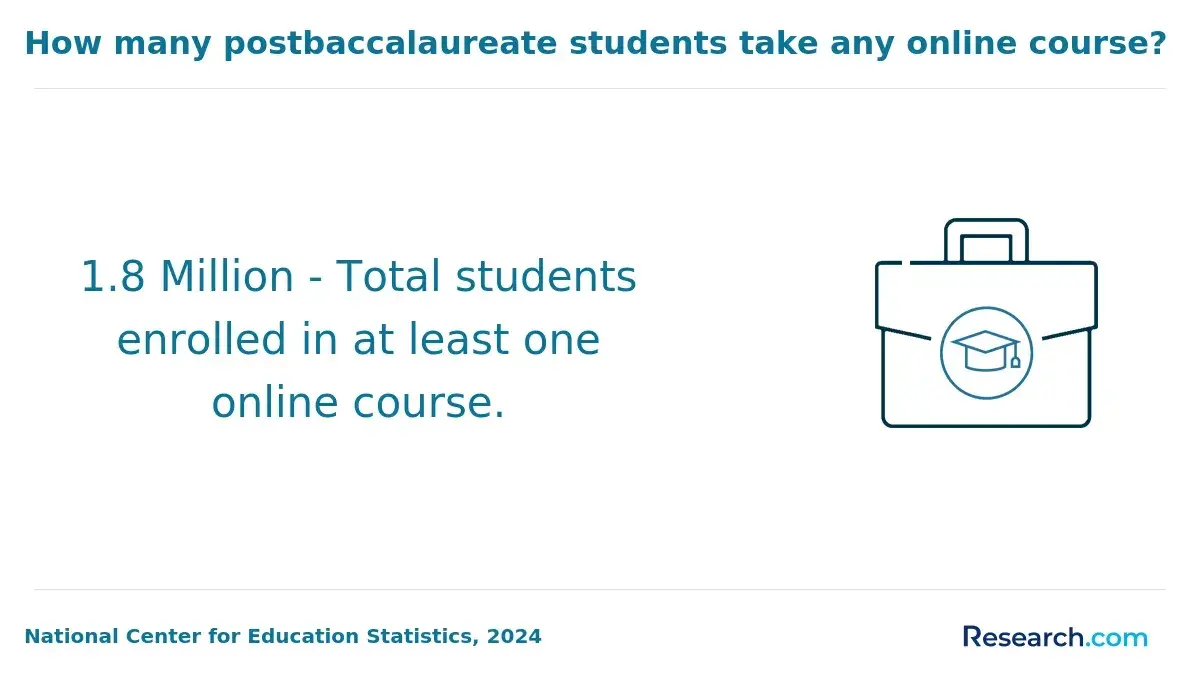
The popularity of online instructional design degree programs has surged, with recent data showing that over 40% of higher education students now enroll in at least one online course. This shift reflects growing interest in flexible learning options that accommodate diverse schedules and locations. Prospective students must weigh key factors such as flexibility, cost, learning experience, and career outcomes when choosing between online and on-campus programs.
This article offers a clear comparison of the advantages and drawbacks of each format, providing informed guidance to those considering a career in instructional design within the evolving landscape of higher education.
Key Benefits of Online vs On-Campus Instructional Design Degrees
- Online instructional design degree programs offer flexible scheduling that allows students to balance work and family commitments, with 85% of online students reporting improved time management skills.
- The accessibility of online programs enables students from remote or underserved areas to earn instructional design degrees without relocating, reducing costs by up to 40% compared to on-campus options.
- On-campus instructional design programs provide direct face-to-face interaction with faculty and peers, fostering collaboration and networking opportunities that 70% of graduates cite as critical to their career success.
Are Online vs. On-Campus Instructional Design Programs Structured the Same Way?
Online and on-campus instructional design degree programs differ notably in their overall structure, affecting how students engage with course material and manage their schedules. These differences often influence the learning experience and outcomes for students depending on their personal and professional circumstances.
Below is a comparison of key structural elements between online and on-campus instructional design programs that highlights how each format shapes the student journey.
- Course Delivery: Online courses utilize advanced technologies and multimedia collaboratively developed by faculty and instructional designers to create interactive content, often standardized across sections. In contrast, on-campus courses rely on traditional in-person lectures and classroom activities, giving instructors more autonomy over delivery and less dependence on digital tools.
- Class Schedules: Online programs offer greater flexibility with asynchronous access to lectures and assignments, benefiting working professionals or those with other commitments. On-campus programs maintain fixed class times and physical attendance requirements, which limits flexibility but supports a more structured routine.
- Interaction and Collaboration: Online students engage through discussion boards and web conferencing tools, facilitating group work but with less spontaneous social interaction. On-campus programs promote face-to-face discussions and campus activities that enhance networking and community building among students and faculty.
- Course Design Standards: Online courses adhere to standardized quality and accreditation models to ensure consistency across sections, including specific participation and assessment protocols. On-campus courses often vary more in content and assessment methods, reflecting individual instructor approaches and more varied learning experiences.
Are Admission Requirements the Same for Online vs On-Campus Instructional Design Degree Programs?
Colleges and universities generally maintain consistent academic standards for online and on-campus instructional design programs to ensure degree quality and integrity. However, they may differ in how they evaluate an applicant's readiness for online learning, sometimes requiring additional demonstration of technical skills and self-motivation for online candidates.
Below is a comparison of key similarities and differences in admission requirements between the two formats, highlighting what prospective students should expect when assessing either option.
- Academic Qualifications: Both online and on-campus instructional design programs usually require a bachelor's degree from a regionally accredited institution and often set a minimum GPA around 3.0. This criterion is consistent across both formats, though some online certificate options may admit non-degree students who meet specific prerequisites.
- Work Experience: Prior instructional design experience is generally not required in either format, though relevant professional roles in education or technology can enhance an application. Online programs may emphasize flexibility, attracting working adults by accepting credits for professional or military experience.
- Application Materials: Common application components include transcripts, statements of purpose, and letters of recommendation for both formats. Online programs may additionally seek evidence of technology proficiency or self-directed learning skills to ensure applicants can thrive in digital environments.
- Standardized Testing: GRE requirements are increasingly waived or made optional for both online and on-campus programs, with many online programs explicitly dropping this to attract working adults.
- Technical Readiness: Online instructional design degree admission requirements often include assessments of digital tool comfort and familiarity with learning management systems, sometimes using readiness surveys, a practice less common for on-campus program application criteria.
- Transfer Credits & Flexibility: Online programs usually offer more flexibility for transferring credits, including those from professional development or military training. On-campus programs often have stricter residency or credit hour requirements.
- Cost, Schedule, and Support: Online programs tend to provide lower tuition rates and greater scheduling flexibility, which is appealing to working professionals. Both formats provide academic support, but online students may benefit from enhanced virtual advising and technical assistance. Employer acceptance of online degrees from accredited institutions is growing, with competitive salary outcomes around $74,000 median salary reported by the U.S. Bureau of Labor Statistics (2024).
Prospective students seeking the quickest degree college options for working adults can explore accredited online programs that balance standard admission criteria with flexible learning environments to best suit their career and educational goals.
Do Online Instructional Design Students Receive the Same Academic Support as On-Campus Students?
Universities have significantly expanded their academic support systems to ensure that online instructional design students receive comparable resources and assistance as their on-campus peers. This development reflects the growing enrollment in online programs and a commitment to equitable student experiences across learning formats. Below is a comparison of the main academic support services available to both online and on-campus instructional design students.
- Tutoring Services: Both online and on-campus students typically have access to tutoring, with in-person options for campus learners and virtual platforms like video calls or chat for online students. Online tutoring often offers 24/7 availability, benefiting those balancing work or family responsibilities, while on-campus tutoring provides immediate face-to-face help.
- Career Counseling: Career services such as resume reviews, mock interviews, and job placement support are made accessible to both groups. Online students engage via video conferencing and online workshops, whereas on-campus students can take advantage of face-to-face career fairs and networking events.
- Library Access: Digital library resources including e-books, journals, and research databases are fully available to all students. On-campus students may additionally use physical library spaces, but universities invest heavily in online platforms to make remote library access comprehensive and convenient.
- Faculty Interaction: Online students communicate with faculty through email, discussion boards, and scheduled video meetings, allowing for flexible and often more reflective engagement. On-campus students benefit from real-time, face-to-face discussions, though research shows well-designed online courses can foster active and inclusive participation.
- Advising and Academic Coaching: Academic advising is provided in both formats, with online students using email, chat, or video appointments and on-campus students meeting advisors in person. Virtual advising processes are often streamlined to deliver timely, personalized guidance to online learners.
How Long Does It Take to Complete an Online vs an On-Campus Instructional Design Degree?
The time it takes to complete an instructional design degree varies significantly depending on the delivery format, a student's pace, and how flexible the program schedule is. These factors can greatly influence whether a student finishes sooner or takes longer to graduate. Below is a comparison of the average completion times for online and on-campus instructional design degrees, illustrating key differences in duration and flexibility.
- Online Instructional Design Degree Most online master's programs can be completed within 12 to 24 months, with some accelerated options enabling graduation in as little as 1.5 years. These programs typically offer asynchronous coursework, allowing students to work at their own speed and balance other responsibilities, which can lead to faster completion if year-round courses are available.
- On-Campus Instructional Design Degree On-campus master's programs generally require 18 to 24 months when attending full-time. These programs often follow a traditional academic calendar with fixed semesters and limited course availability outside those terms, which may slow progress, especially for students juggling work or family obligations.
A professional who recently completed an online instructional design degree shared that his journey took just under two years, despite working full-time and managing family commitments. He reflected on how the program's flexibility allowed him to adapt his study schedule around work deadlines and personal life, but he also noted moments of intense workload during accelerated course sessions.
"Balancing everything was challenging," he said, "but being able to access lectures and assignments anytime made it manageable." His experience highlighted that while the time frame can be shorter, success required strong self-discipline and clear goal-setting to stay on track amidst other responsibilities.
Are Online Instructional Design Programs Cheaper Than On-Campus Ones?
Tuition, mandatory fees, and related expenses for online instructional design programs are often comparable to those for on-campus offerings. While some costs like housing and commuting may be lower for online learners, tuition and other fees can sometimes offset these savings.
Several factors influence the overall cost difference between formats; understanding these can clarify the cost of online instructional design degree vs on-campus options. The following bullet points break down key cost elements impacting total expenses for each delivery mode.
- Tuition and fees: Most institutions charge similar tuition rates for instructional design online program tuition comparison shows only about 24% of schools offer lower tuition for online programs. In some cases, online courses include additional technology fees that elevate costs beyond campus alternatives.
- Living expenses: Online students generally save on campus housing, meal plans, and commuting costs, which can add up significantly each year. However, the actual savings depend on individual living situations and might be less pronounced for those who already live independently.
- Technology costs: Online learners typically bear expenses for reliable computers, high-speed internet, and sometimes specialized software. Some schools also charge dedicated technology fees to support digital platforms, adding to total costs.
- Financial aid availability: Accredited online and on-campus instructional design students usually qualify for federal aid and scholarships. Differences may exist in employer tuition reimbursements or field-specific scholarships depending on program delivery mode, so checking eligibility is essential.
- Academic support and flexibility: Online programs often offer greater scheduling flexibility, which can enable students to maintain employment and potentially finish degrees quicker. This flexibility may reduce opportunity costs compared to on-campus attendance.
When assessing affordability and program options, considering the nuanced comparison of online versus on-campus instructional design costs is important. For those seeking easy doctorates that balance cost and flexibility, resources like easy doctorates guide prospective students in making informed decisions.
What Are the Financial Aid Options for Online vs On-Campus Instructional Design Programs?
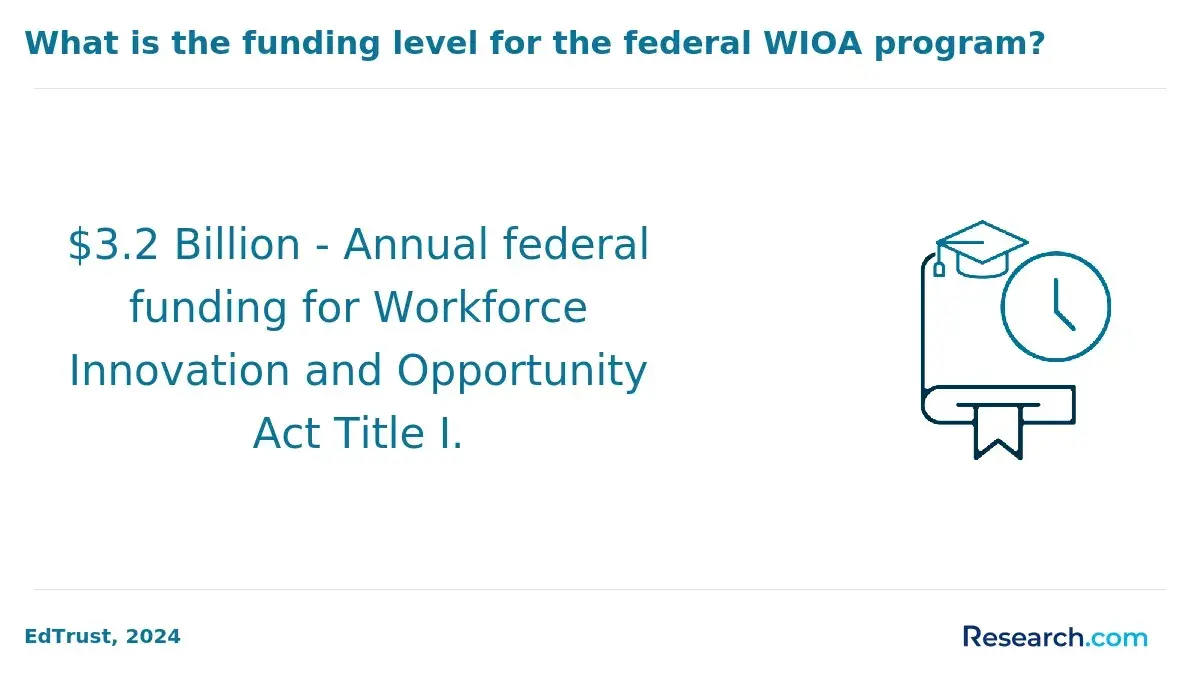
Both online and on-campus students pursuing instructional design degrees may qualify for various financial aid options, but eligibility and ease of access can vary depending on program format and institution type. Understanding these differences is essential for budgeting and planning educational expenses effectively. Below is an overview comparing the main financial aid options available for online vs on-campus instructional design students.
- Federal Financial Aid: Both online and on-campus students at accredited instructional design programs are typically eligible for federal aid such as Direct Stafford Loans and Graduate PLUS Loans after completing the FAFSA application. However, work-study positions tend to be more accessible for on-campus students due to physical presence requirements, though some schools may provide remote work-study options for online learners.
- State Financial Aid: State grants and scholarships often favor residents attending in-state institutions, with some states limiting aid to traditional on-campus programs. Online enrollees may qualify if they attend a public institution and maintain residency, but policies vary widely by state and institution.
- Scholarships and Grants: Merit-based and need-based scholarships are available to both student formats. Many universities provide institutional scholarships specifically for online instructional design students, including cohort discounts. Scholarships and grants for campus instructional design degrees sometimes include additional campus-specific awards and assistantships, often more plentiful for on-campus learners.
- Employer Tuition Reimbursement: Online programs may offer greater accessibility to employer tuition assistance, as their flexible scheduling allows professionals to maintain employment. On-campus students also benefit from reimbursement programs but might face challenges related to scheduling or commuting.
- Private Student Loans: Private loans are an option for both online and on-campus students, with terms depending on the lender. Online students are usually treated comparably to on-campus students at accredited institutions, but some lenders impose restrictions related to the program format or accreditation.
Online instructional design programs can reduce overall costs due to lower tuition and the absence of commuting and housing fees, and there are opportunities to explore how much does it cost to get an associate's degree online as a cost-saving benchmark. Being aware of the financial aid for online instructional design programs will help students make informed decisions about their educational investments.
Are Online Instructional Design Programs as Credible as On-Campus Ones?
The credibility of online instructional design programs hinges primarily on accreditation, faculty qualifications, and curriculum standards that align closely with those of on-campus programs. When these programs are offered by regionally accredited institutions, their academic value is equivalent to traditional degrees, as they often share the same faculty and rigorous curriculum.
For instance, universities like Arizona State University and the University of West Alabama provide fully online MEd programs with identical instructional quality and faculty expertise as their in-person counterparts. Additionally, online learners typically benefit from comprehensive support services, including access to libraries, technical assistance, and career resources, which help maintain an educational experience comparable to campus offerings.
Employer and institutional perceptions of online instructional design degrees have evolved significantly, with recent surveys showing growing acceptance. A 2024 survey by UIC Online revealed that most U.S. employers now regard accredited online degrees as equally credible to traditional ones when academic standards are met.
Graduates from online programs secure jobs and starting salaries similar to those of on-campus graduates, reflecting this shift. Innovations in virtual learning technology, such as immersive project-based activities and real-time collaboration tools, alongside strong industry partnerships, continue to enhance the relevance and recognition of online programs. As remote and hybrid work models expand, the practical skills gained through online instructional design education are increasingly valued, contributing to its rising credibility within the workforce.
Do Employers Prefer Online vs On-Campus Instructional Design Degrees?
Employers' attitudes toward online versus on-campus instructional design degrees have notably shifted, with a growing number of hiring managers recognizing the value of both learning formats. According to recent surveys, 54% of employers view graduates from online and in-person programs as equally competent, though some still prefer on-campus degrees for candidates in leadership or communication-heavy roles.
The most critical factors influencing employer hiring decisions remain university reputation, program accreditation, and demonstrated practical skills. In instructional design specifically, employers prioritize a candidate's ability to solve real-world problems and build effective learning solutions over the degree format. This perspective aligns with the increasing emphasis on verified skills and portfolios showcasing relevant work experience.
The widespread adoption of remote and hybrid work models has further enhanced the legitimacy of online Instructional Design degrees. Digital fluency and self-directed learning, common strengths of online graduates, are highly valued in today's workplaces. Data indicates that more than 70% of organizations have hired applicants with online degrees recently, reflecting growing trust in virtual education.
Still, some employers associate on-campus programs with stronger interpersonal and teamwork skills, which can influence hiring for collaborative roles. Overall, the distinction between online and on-campus degrees is diminishing as accreditation and tangible competencies become the decisive elements for employer preference.
When I spoke with a professional who earned her instructional design degree online, she shared that despite initial concerns about employer bias, her portfolio and real work experience quickly overshadowed any skepticism. She noted, "The flexibility of the online program allowed me to balance completing projects while working part-time, which directly translated into skills that impressed hiring managers."
She also emphasized how being a proactive communicator during interviews helped dispel doubts about the online format. Reflecting on her job search, she reported, "Employers cared most about my ability to design engaging content and manage projects, not where I earned my degree." This personal insight underscores how measurable capabilities and a strong application of knowledge can effectively bridge the format gap in the eyes of employers.
Do Online vs On-Campus Instructional Design Program Graduates Earn the Same Salaries?
Salary comparisons between online and on-campus instructional design graduates are increasingly shaped by factors beyond the learning format itself. Employer perceptions, individual experience, and the reputation of the institution now play a larger role in determining earning potential. To better understand these dynamics, the following points outline the current trends and key factors influencing salary outcomes for instructional design graduates.
Here are the primary factors that affect salary differences, or lack thereof, between online and on-campus instructional design graduates:
- Employer Perception and Accreditation: Many employers regard instructional design degrees from accredited online programs as equal in value to those earned on campus. When the degree is from a reputable institution with rigorous standards, salary differences based on format are minimal.
- Program Reputation and Networking: University prestige and alumni connections significantly impact job opportunities and starting pay. While on-campus students may benefit from face-to-face networking, many online programs now offer extensive virtual career services, balancing this advantage.
- Experience and Specialization: Graduates with relevant work experience or specialized skills tend to secure higher salaries regardless of learning format. Online programs often offer flexibility that helps students gain internships or complete capstone projects that boost earnings.
- Geographic Location and Job Market: Salary levels vary by region more than by degree format. For example, instructional designers in major urban centers may earn considerably more; online graduates can leverage program flexibility to pursue roles in these markets.
- Cost and Schedule Flexibility: Online programs often reduce financial burden and allow students to work while studying, aiding early workforce entry. Although this affects overall financial health, it does not directly raise starting salary.
- Academic Support and Career Services: Access to advising and job placement is critical. Many well-established online programs now match the support found in on-campus settings, preparing graduates equally for the job market.
For those concerned about do online instructional design graduates earn less, data indicates no systematic salary gap when comparing similarly accredited programs. Prospective students also may consider exploring affordable online college programs offering quality credentials without compromising career prospects.
How Do You Decide Whether an Online vs On-Campus Instructional Design Program Is Right for You?
Choosing between online and on-campus instructional design programs depends on your personal learning preferences, lifestyle, and professional goals. This decision will significantly influence your academic experiences and career trajectory. To help you determine which route fits you best, consider the following key factors:
- Learning style: If you prefer direct interaction, immediate feedback, and a structured environment, on-campus programs are often more suitable. Conversely, online formats favor students comfortable with written communication and self-paced study, which aligns well with many of the best online instructional design programs for working professionals.
- Flexibility needs: Online degrees provide unparalleled flexibility, allowing you to balance coursework with job and family responsibilities. Asynchronous courses enable learning at your own pace, while synchronous options offer real-time engagement without the need to commute. On-campus programs, however, require fixed schedules and physical presence, which can limit flexibility.
- Budget considerations: Tuition costs, housing, commuting, and fees vary between formats. Online programs often eliminate out-of-state tuition and reduce commuting expenses, though campus programs might offer more scholarships or assistantships. For cost-conscious students, exploring options such as a cheap accelerated bachelor's degree online can be advantageous.
- Networking opportunities: On-campus experiences foster face-to-face relationships with faculty and peers, enhancing professional networking and access to campus groups. While online students can engage in virtual collaboration, these interactions may lack the personal depth of in-person connections.
- Access to campus resources: Physical attendance grants use of labs, libraries, and extracurricular activities that enrich learning. Online students rely on digital support and resources, which continue to improve but might not replicate the full campus environment.
When you compare online vs on-campus instructional design degrees, assessing these factors against your priorities will guide you toward the program format that best complements your aspirations and circumstances.
Here's What Graduates of Online vs On-Campus Instructional Design Programs Have to Say About Their Degree
- Lea: "Completing a hybrid instructional design degree beautifully blended the best of both worlds: the convenience of online learning and the immediacy of in-person interaction. This approach allowed me to apply theoretical knowledge during face-to-face sessions while continuing my professional development remotely between classes. The hybrid format kept me engaged and adaptable, qualities that employers highly value in today's fast-evolving learning landscape. My diverse learning experiences enriched my ability to create flexible and inclusive educational programs that meet varied learner needs. This degree was a career catalyst that helped me advance to leadership roles with a strong sense of community impact."
- Jade: "Attending the on-campus instructional design program was truly transformative, especially the hands-on collaboration with peers and faculty in person. The face-to-face environment fostered deep relationships and intensive workshops that sharpened my practical skills in designing learner-centered experiences. It was inspiring to be part of a vibrant academic community that challenged me to think critically and creatively every day. Launching my career with this degree gave me a solid professional network and confidence to lead dynamic training projects in education technology. Reflecting back, the energy of the campus setting truly accelerated my personal and professional growth."
- Lou: "Pursuing my instructional design degree entirely online gave me the flexibility to balance work, family, and studies without missing a beat. The program's structure encouraged independent learning while still offering plenty of opportunities for interactive discussions and real-world projects. This format not only prepared me to manage virtual teams effectively but also opened doors to a variety of remote job opportunities in e-learning development. Graduating online felt empowering because I mastered self-discipline and time management at the highest level. Today, I'm passionate about creating accessible educational content that reaches diverse audiences worldwide."
Other Things You Should Know About Online & On-Campus Instructional Design Degree Programs
In 2027, the respectability of online versus on-campus instructional design degrees largely depends on factors such as accreditation, faculty expertise, and program reputation. Employers increasingly value online degrees from accredited institutions, recognizing that quality education can be delivered in both formats.
In 2027, students in online instructional design programs face challenges such as managing their time effectively, maintaining self-discipline, and engaging in meaningful interactions with peers and professors, which can impact their learning experience compared to traditional in-person settings.
References
- Tuition and Financial Aid | Online MS in Instructional Design and Technology https://grad.qu.edu/programs/online-masters-degree/instructional-design-and-technology/tuition-and-financial-aid/
- Instructional Design Master's or Graduate Certificate Programs | Articulate - Community https://community.articulate.com/discussions/discuss/instructional-design-masters-or-graduate-certificate-programs/804120
- Instructional Design Certificate Online or On Campus https://und.edu/programs/instructional-design-technology-certificate/index.html
- Instructional Design and Technology M.A.Ed. (On-Campus Program) Admissions Information https://liberalarts.vt.edu/departments-and-schools/school-of-education/academic-programs/instructional-design-and-technology-program/about-maed/maed-admissions-information.html
- How Can Institutions Best Support Their Online Learners? https://www.higheredtoday.org/2025/04/21/how-can-institutions-best-support-their-online-learners/
- Online vs Traditional Degrees: Similarities and Differences https://www.aiu.edu/blog/online-vs-traditional-degrees/
- Instructional Design, Innovation & Leadership Admission Requirements | www.asbury.edu https://www.asbury.edu/graduate/academics/program/ma-instructional-design/admission-requirements-tuition/
- Navigating Education: Unraveling the Pros and Cons of Online Courses vs. Campus Learning https://lset.uk/blog/navigating-education-unraveling-the-pros-and-cons-of-online-courses-vs-campus-learning/


