
2027 Questions to Ask About Online Instructional Design Degree Programs Before You Enroll

Co-Founder and Chief Data Scientist
Many prospective students struggle to select an online instructional design degree program that balances quality, affordability, and career relevance. Enrollment in instructional design programs has risen by 15% annually over the past five years, reflecting growing demand in education technology and corporate training sectors. However, not all programs offer the same outcomes for graduates seeking licensure or competitive job placements. Understanding program accreditation, faculty expertise, and alignment with industry needs is crucial. This article discusses key questions to ask before enrollment, helping students evaluate programs effectively and make informed decisions that support successful, long-term careers in instructional design.
Key Benefits of Enrolling in Online Instructional Design Degree Programs
- Online instructional design programs offer flexibility, allowing students to access coursework anytime, accommodating diverse schedules and geographical locations efficiently.
- Cost savings are significant, as online programs often reduce expenses related to commuting, housing, and campus fees compared to traditional degrees.
- Balancing work and life improves through asynchronous learning, enabling students to maintain employment while advancing their education without sacrificing personal responsibilities.
Is the Online Instructional Design Degree Program Accredited?
Accreditation plays a vital role in assessing the quality and credibility of online instructional design programs. It ensures that the program adheres to established educational standards, which affects degree recognition by employers and the transferability of credits. Accreditation also influences licensure eligibility and can impact a graduate's access to federal financial aid.
About 85% of U.S. students attend accredited institutions, underscoring the value of this marker in enhancing career outcomes. For instructional design, accreditation may come from regional bodies like the Higher Learning Commission or the Southern Association of Colleges and Schools Commission on Colleges (SACSCOC), with some programs also receiving endorsements from specialized groups such as the International Society for Technology in Education (ISTE) or the Council for the Accreditation of Educator Preparation (CAEP). This is especially important when comparing accredited online instructional design programs.
To verify instructional design degree accreditation, prospective students should consult trusted resources such as the U.S. Department of Education's Database of Accredited Postsecondary Institutions and Programs or the Council for Higher Education Accreditation's website.
Confirming regional accreditation at a minimum protects both education quality and future employment opportunities. Considering EDD programs can also offer insight into related fields and their accreditation standards. Ultimately, understanding how to verify instructional design degree accreditation is key before enrolling, as it ensures that the program meets professional standards and supports long-term career success.
What Are the Admission Requirements for Online Instructional Design Programs?
Admission requirements are vital for prospective students evaluating online instructional design programs as they clarify eligibility and help applicants prepare effectively. Meeting these criteria aligns student capabilities with program expectations to promote academic success.
Key admission criteria for enrolling in instructional design degrees typically include the following:
- Educational background: Most programs require a bachelor's degree from an accredited online business degree or institution, ensuring foundational academic skills needed for graduate coursework.
- Professional experience: Some programs seek relevant work experience in teaching, training, or related roles to confirm an applicant's familiarity with instructional settings and practical application.
- Letters of recommendation: These documents provide external insights into the applicant's abilities and potential, typically from academic advisors or professional supervisors familiar with their work ethic.
- Statement of purpose: A personal essay detailing career objectives and reasons for pursuing the program. This helps admissions assess motivation and alignment with program goals.
- Technology proficiency: Since the curriculum is delivered online, applicants must demonstrate competency with digital learning platforms and basic technical skills to navigate virtual environments effectively.
Careful review of these online instructional design program admission requirements can guide students aiming to enhance their qualifications and succeed in their field. The criteria for enrolling in instructional design degrees serve as a framework for readiness in both academic and professional dimensions.
What Classes Do You Take in an Online Instructional Design Program?
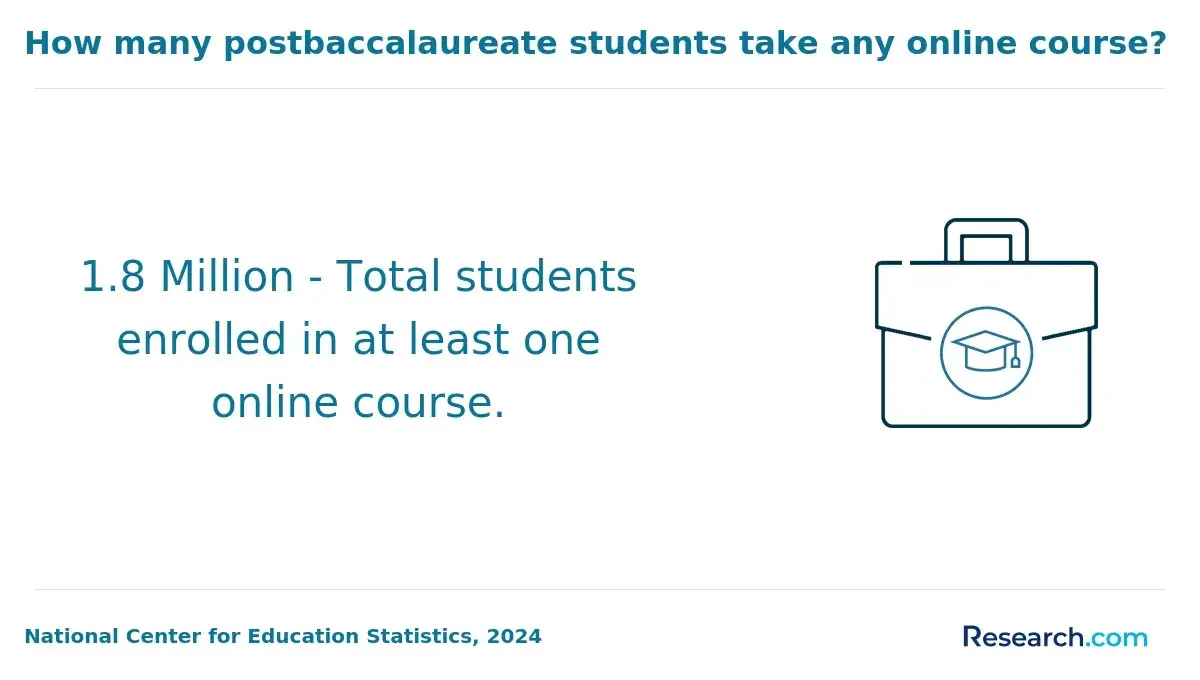
Carefully reviewing the curriculum is essential for anyone comparing online instructional design programs to ensure alignment with career ambitions and job market demands. Notably, enrollment in these programs has surged by more than 20% over the last five years, underscoring growing interest and need for skilled professionals. Below are the typical categories of classes you can expect to encounter.
- Core Courses: These foundational classes focus on learning theories, instructional design frameworks, and how to integrate technology effectively. Students build the ability to create educational experiences that accommodate various learner preferences and objectives.
- Electives: Elective options offer chances to deepen knowledge in specialized fields like e-learning development, multimedia design, or evaluation methods. These courses enable students to tailor their expertise to specific industries or roles.
- Applied Practice: Though not including internships or capstones here, many classes emphasize hands-on assignments that simulate real instructional design challenges. This approach strengthens problem-solving skills relevant to professional settings.
When I spoke with a student currently enrolled in an online instructional design degree program, he described how demanding some courses were, especially when learning to use new design software and adapting content for diverse audiences. He mentioned, "Balancing the technical tools with theory was tricky at first, and the deadlines pushed me to develop better time management." His experience highlighted the dynamic nature of the curriculum and the practical skills gained beyond textbook knowledge.
How Long Does It Take to Complete an Online Instructional Design Degree?
Knowing how long an online instructional design degree takes helps prospective students plan their education and career paths efficiently. Timeframes vary due to enrollment choices, program setup, and experiential learning requirements. Below is an overview of typical program durations and influencing factors.
- Full-time programs: Usually completed within 1 to 2 years, these paths suit students who can dedicate substantial weekly hours. They enable a quicker transition into instructional design roles but demand consistent commitment.
- Part-time options: Often ranging from 2 to 3 years, these programs offer flexibility for working professionals or those balancing family obligations. While convenient, they extend the overall time to degree completion.
- Accelerated tracks: Designed for motivated learners, these condensed programs allow finishing the coursework in less than a year by increasing weekly study intensity or using intensive modules. This option supports rapid entry into the job market.
- Programs with practical components: Incorporating internships, practicum coaching, or clinical hours can add several months to completion. Although lengthier, these experiences provide essential hands-on skills valued by employers.
Additional factors such as transfer credits, elective course choices, and institutional curriculum design also influence program length. Students should evaluate these elements carefully to align their educational timeline with professional goals and personal circumstances.
Does an Online Instructional Design Program Require Internships or Practicums?
Many online instructional design programs include internships or practicums, though requirements vary between institutions. These practical components are often flexible, allowing students to complete placements remotely or with local organizations. Experiential learning helps students develop essential skills like course development, technology integration, and project management, which are critical for licensure and workforce readiness.
For those researching programs, knowing the nature of these hands-on experiences is vital to gauge time commitments, support networks, and career preparation benefits. Recent data shows that about 68% of online instructional design programs incorporate some form of experiential learning, highlighting its increasing role in education.
When asked about her experience, a graduate of an online instructional design degree shared how crucial the practicum was in her journey. She recalled feeling initially uncertain about coordinating a virtual internship but found that the program's partnerships and guidance eased the process.
Balancing her practicum duties with work and family required organization and resilience, but the hands-on projects ultimately boosted her confidence and strengthened her portfolio. Reflecting on the experience, she emphasized that beyond just meeting a requirement, the practicum offered real-world challenges that prepared her to navigate employer expectations and adapt instructional strategies effectively.
Can You Get Licensed with an Online Instructional Design Degree?
Graduates of online instructional design degree programs generally cannot obtain a specific professional license since instructional design is not a licensed profession in most U.S. states. Instead, students aiming to meet common industry standards pursue certifications or credentials from organizations like the Association for Talent Development (ATD) or the International Society for Technology in Education (ISTE). Online programs typically include coursework and practical experiences designed to prepare students for these certification requirements, such as the Certified Professional in Learning and Performance (CPLP) exam.
Those researching online instructional design degree licensure requirements will find many programs build portfolios and offer exam preparation that align with industry expectations rather than state-issued licensure.
Licensure readiness remains a key factor for those evaluating how to get licensed in instructional design online, even though formal licensure is rare. Industry certifications often improve employability and can lead to better salaries; for example, nearly 70% of organizations prefer hiring certified instructional designers according to the ATD State of the Industry report.
Prospective students should look closely at how well a program prepares graduates for recognized certifications, practical applied skills, and job placement success. For those balancing career advancement with educational investment, comparing program costs alongside other options such as online executive MBA programs can help make an informed decision.
How Much Do Online Instructional Design Programs Cost?
Careful financial planning plays a key role for students evaluating online instructional design programs, as costs can significantly influence long-term investment decisions. Tuition and fees tend to vary widely, with some studies noting an average annual tuition increase of about 3%, highlighting the benefit of early enrollment and seeking scholarships.
Here is an overview of typical expenses involved in online instructional design degrees:
- Tuition per credit: Tuition commonly ranges from $300 to $1,200 per credit hour, depending on the institution type and program rigor. Total tuition for a degree usually falls between $10,000 and $40,000, reflecting variations in credit requirements and program length.
- Mandatory fees: Many programs charge additional mandatory fees such as technology fees, application or enrollment fees, and student service fees. These can add several hundred dollars to the total cost and vary by school policy.
- Course materials and software: Costs for textbooks, online resources, and specialized software licenses are often not included in tuition. These supplementary expenses can accumulate, especially in programs emphasizing multimedia or interactive design tools.
- Part-time study considerations: Some students opt for part-time enrollment to spread out expenses over a longer period. While this may ease immediate financial pressure, it can extend the time to degree completion and overall cumulative costs.
- Financial aid and scholarships: Opportunities for financial aid can offset tuition fees for instructional design programs online, making it important to compare aid availability across schools. Early research into scholarships can provide substantial savings.
Prospective students should carefully weigh these cost components alongside career goals, noting that instructional design programs often prepare graduates for growing fields that may offer competitive salaries. For insight into potential returns on educational investment, reviewing highest paying bachelor degrees can provide valuable context for program selection.
What Financial Aid Is Available for Online Instructional Design Students?
Understanding financial aid options is vital for prospective students considering online instructional design degree programs, as it greatly affects both affordability and access. Studies indicate that nearly 85% of U.S. college students use some form of financial aid, underscoring its importance for those pursuing higher education in this field.
Online instructional design students seeking affordable programs can explore a range of financial aid options. Here are key types commonly available:
- Federal Grants: These are need-based funds, such as the Pell Grant, that do not require repayment. Typically aimed at undergraduate students demonstrating financial need, federal grants can significantly lower tuition expenses.
- Federal Student Loans: Most students qualify for federal loans, which must be repaid with interest but generally feature lower rates and flexible repayment plans compared to private loans. They provide essential funding when grants and scholarships are insufficient.
- Scholarships: Offered by institutions or organizations, scholarships often reward academic merit or target specific groups. They do not require repayment and can reduce costs for instructional design degrees substantially.
- Employer Tuition Assistance: Some employers support employees pursuing relevant degrees through tuition reimbursement programs. These benefits may come with conditions like maintaining employment for a certain period.
- State-based Aid: Many states provide grants or scholarships to residents enrolled in approved programs, including online options. This aid can specifically benefit those attending regional schools.
Eligibility criteria for these financial aid types usually consider factors such as financial need, academic performance, enrollment status, and residency. Prospective students focusing on financial aid options for online instructional design students should evaluate these criteria carefully. Combining multiple aid sources often makes it possible to significantly reduce out-of-pocket expenses, helping students balance education with work and life demands.
For a helpful resource on affordable options, explore online colleges that accept FAFSA, which can guide students toward cost-effective instructional design programs.
Additionally, investigating available scholarships and grants for instructional design degrees remains a critical step in managing educational expenses effectively.
What Jobs Can You Get With an Online Instructional Design Degree?
Knowing the career paths available with an online instructional design degree helps prospective students align their goals with job market demands. The Bureau of Labor Statistics projects employment for instructional coordinators to grow 7% between 2022 and 2032, signaling strong opportunities in this sector.
Several roles are well-suited for graduates of online instructional design programs.
- Instructional Designer: Develops tailored curricula and training materials for educational institutions or businesses, combining learning theory with practical application. This role can lead to senior design or management positions.
- E-learning Specialist: Focuses on creating engaging digital courses and multimedia tools that improve accessibility and user experience. The degree equips students with skills in technology integration and content development.
- Training Coordinator: Manages employee training programs by organizing sessions and analyzing their effectiveness to optimize workforce development. Graduates often advance to training management or corporate learning roles.
- Educational Consultant: Provides expert advice on instructional strategies, technology use, and program evaluation to improve institutional outcomes. Experience gained can allow progression into higher-level consultancy or leadership positions.
What Is the Average Salary for Online Instructional Design Graduates?
Salary expectations play a critical role for prospective students when assessing the value of online instructional design programs. Knowing typical income ranges helps set realistic goals and gauges the financial benefits of completing such a program. Recent data indicates that instructional designers in the U.S. earn between $60,000 and $85,000 annually on average, with wage growth steadily rising due to expanding digital learning demands.
Several key elements impact the earning potential of online instructional design graduates:
- Level of education: Graduates holding advanced degrees, like a master's or doctorate, often command higher salaries. This is because they bring deeper expertise, advanced research skills, and greater specialization to their roles.
- Specialization: Focusing on particular areas such as e-learning software, corporate training programs, or instructional curriculum design can enhance salary prospects by aligning with niche employer needs.
- Experience: Accumulating years of experience tends to increase pay, as seasoned professionals demonstrate stronger problem-solving abilities and project management competence essential for complex instructional design tasks.
- Geographic location: Compensation varies significantly across regions; urban centers and high-cost living areas usually offer higher wages to offset expenses and attract talent.
- Work setting: Different sectors, including healthcare, government, or technology companies, may provide competitive pay rates compared to educational institutions or nonprofit organizations, reflecting budget priorities and demand.
Recognizing these influences helps students choose programs and career paths that align with their financial objectives and professional aspirations.
What Graduates Say About Enrolling in an Online Instructional Design Degree
- Beau: "The decision to pursue an online instructional design degree came down to value for money, since the program's cost was well within my budget without sacrificing quality. I appreciated the interactive modules and supportive online community, which made the learning experience rewarding and insightful. This degree has been a game-changer for my career, elevating my expertise and giving me the confidence to lead complex instructional projects at work."
- Jalen: "Reflecting on my experience, the average cost of the program was surprisingly reasonable compared to traditional degrees, which was a major factor in my decision to enroll. The course structure was rigorous yet engaging, encouraging critical thinking and creativity. Since graduating, I've seen a tangible impact on my professional trajectory, with enhanced skills leading to meaningful promotions and responsibilities in e-learning development."
- Ivy: "I was initially hesitant about the cost, but the affordable tuition of the online instructional design degree program made it accessible for me. The flexibility of learning remotely allowed me to balance work and study effectively, and the hands-on projects truly deepened my understanding. Now, I'm confidently applying instructional design principles in my role, which has opened up new opportunities I hadn't imagined before."
Other Things You Should Know About Instructional Design Degrees
In 2027, many online instructional design degree programs offer virtual networking events, webinars, and collaboration platforms to connect students with industry professionals. These opportunities help students build relationships and potentially secure internships or jobs, enriching their educational experience.
Yes, reputable online instructional design programs frequently revise their curricula to incorporate the latest instructional technologies and methodologies. They may integrate emerging topics such as mobile learning, microlearning, and data analytics in education. Staying current helps students remain competitive in a rapidly evolving field.
Yes, many online instructional design degree programs in 2027 are regularly updated to incorporate the latest educational technologies and methodologies. Schools often consult industry professionals to ensure the curriculum remains relevant, helping students gain skills that are in demand.
References
- Tuition and Financial Aid: Online Instructional Designer Certificate https://www.utrgv.edu/accelerated/programs/online-instructional-designer-certificate-program/tuition/index.htm
- Online Master’s Degrees in Instructional Design: Review Top Programs https://www.onlinemastersdegrees.org/best-programs/education/instructional-design/
- Instructional Design Certificate | ATD https://www.td.org/education-courses/instructional-design-certificate
- Is Instructional Design a Good Career? What Are the Benefits? https://www.webber.edu/is-instructional-design-a-good-career-what-are-the-benefits/
- Artwork of a gum leaf symbolising ‘welcome’ and acknowledging diverse countries, environments, communities, cultures, beliefs, and history. https://www.seek.com.au/instructional-designer-home-online-jobs
- The Benefits of Online Learning | Earn a Graduate Degree Online https://www.tuw.edu/school-news/benefits-of-online-learning-graduate-degree/
- The 28 Best Instructional Design Certificate Programs in 2025 | Devlin Peck https://www.devlinpeck.com/content/instructional-design-certifications
- 18 Best Instructional Design Certificate Programs Online https://www.ispringsolutions.com/blog/instructional-design-certificate-programs
- Instructional Design https://online.une.edu/continuing-education/professional-certificates/instructional-design/
- Master of Education in Instructional Design and Technology (online) https://www.bgsu.edu/engineering-and-innovation/graduate-programs/instructional-design-and-technology.html


