2027 Online Finance Degree Programs Costs: Tuition & Fees

Co-Founder and Chief Data Scientist
The cost of pursuing an online Finance degree is a crucial consideration for many students seeking to advance their education while managing personal finances. Tuition rates and additional fees vary widely, impacting overall affordability and long-term financial planning.
Students must account for expenses beyond tuition, including technology fees, textbooks, and potential exam costs. Understanding these factors is essential to budgeting effectively and evaluating the return on investment of a Finance degree.
This article will explore typical tuition ranges, cost breakdowns, affordability comparisons, and the range of financial aid options available to prospective online Finance students.
Key Points About Online Finance Degree Costs
- Average tuition for online finance degrees ranges from $10,000 to $40,000, varying by institution type, program length, and residency status.
- Costs are influenced by accreditation, faculty expertise, course materials, and technology fees tied to online delivery.
- Higher costs often reflect specialized finance courses and valuable networking opportunities that can boost career advancement.
What Is the Average Cost of an Online Finance Degree?
The typical tuition for an online Finance degree in 2025 ranges from around $9,800 annually at public universities to about $40,700 at private institutions. Tuition is often calculated either per credit hour, usually between $219 and $347 at public schools, or as a total program cost based on required credits, with bachelor's degrees commonly needing about 120 credits for completion.
Costs differ notably depending on the degree level and school type. Bachelor's programs at public universities generally cost between $6,250 and $11,000 per year, while private universities can charge $20,000 to $40,000 annually. Associate degrees take less time and cost less overall but are less frequently available fully online. Master's degrees are usually costlier per credit and may include extra fees, with prices varying widely by institution and program length.
When compared to other online business degrees, Finance programs tend to fall within a similar price range. However, they can be slightly more expensive if the curriculum features added certification prep or specialized courses. Most students receive financial aid, which often lowers the actual amount paid below the stated tuition rates.
What Is Typically Included in the Tuition for an Online Finance Degree?
Tuition for an online Finance degree generally covers the essential academic courses and resources needed to complete the program. This typically includes access to lectures, faculty guidance, and digital platforms that support learning.
Along with coursework, tuition often encompasses various support services and tools that enable student success and facilitate engagement with the material.
- Academic support services: Includes online tutoring, advising, and career resources to help students excel and prepare for careers in finance-related fields such as investment management or banking.
- Technology infrastructure: Covers access to virtual classrooms, learning management systems, and secure portals for submitting assignments and tracking grades.
- Instructional materials: Often includes digital textbooks, finance simulation tools, and access to specialized databases relevant to the industry, though availability varies by institution.
Nonetheless, some costs are commonly excluded from tuition fees. These may include required physical textbooks or supplementary materials not available digitally, online exam proctoring fees, administrative charges like graduation fees, and personal expenses such as high-speed internet or hardware necessary for coursework. Students should carefully review each program's fee details to avoid unexpected expenses.
What Factors Influence the Cost of Pursuing an Online Finance Degree?
Understanding the factors that affect online finance degree tuition can help you plan your education budget more effectively. Various elements influence the ultimate cost, from the type of institution to additional fees and financial aid opportunities.
- Institution Type and Reputation: Public colleges average $9,800 yearly in tuition and fees, while private colleges average $40,700. Affordable public schools like Western Carolina University charge as low as $6,250 annually, reflecting differences in resources and program prestige.
- Residency Status: For programs with different in-state and out-of-state rates, like the University of West Florida, in-state students pay significantly less per credit hour. Some online programs eliminate this gap by charging a uniform rate regardless of location.
- Program Structure and Length: Most online finance degrees require 120 credits over four years, but accelerated options exist. Schools such as Western Carolina University and Tempo Learning offer faster tracks that may reduce costs by shortening the time to degree completion. For those interested in quick degrees, these options are worth exploring.
- Technology and Resource Fees: Beyond tuition, mandatory fees for digital resources, e-books, and technology platforms can add several hundred to over a thousand dollars to your total cost, as seen in programs like WGU's online finance degree.
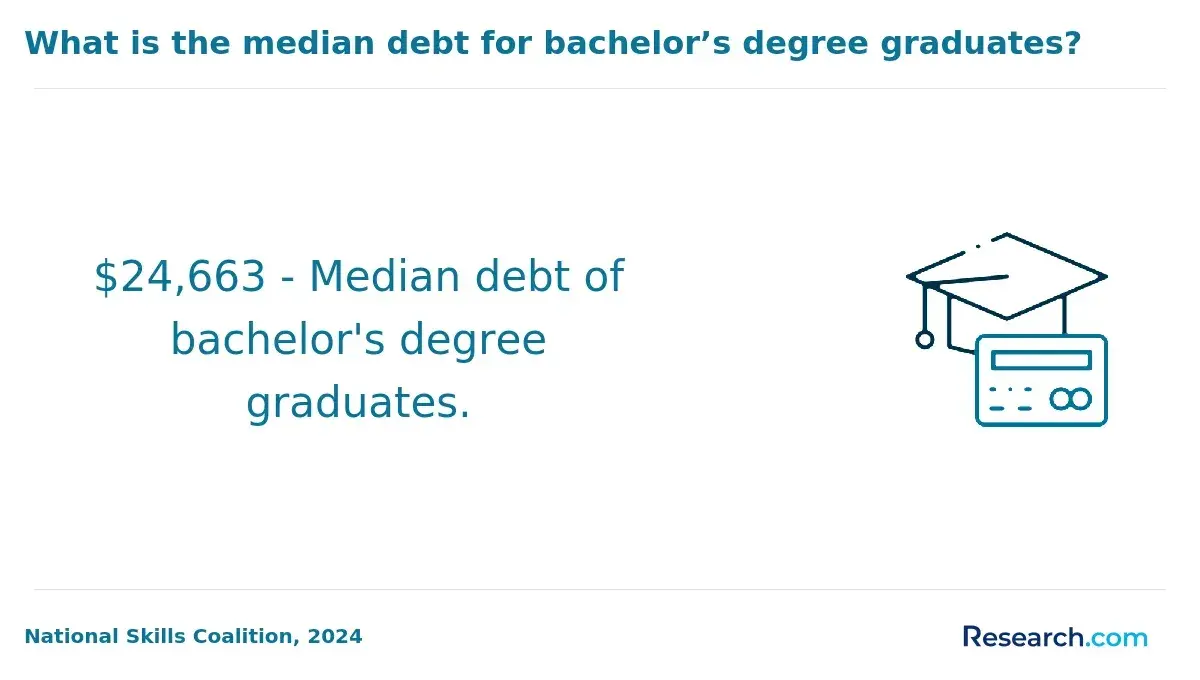
- Financial Aid Impact: On average, students benefit from financial aid that reduces costs by over 40%. About 84% of undergraduates receive aid, underscoring the importance of exploring all financial assistance options when considering how transfer credits lower online finance degree cost.
Are Online Finance Programs Cheaper Than Traditional Programs?
Online Finance degree programs generally offer a more affordable alternative to traditional on-campus options in the United States. Understanding the online finance degree cost comparison between these formats is essential for prospective students evaluating their educational investment.
For instance, the average tuition and fees for an online bachelor's in Finance stand at approximately $10,476 annually, whereas on-campus programs cost around $16,921. After financial aid, the average out-of-pocket expenses decrease to about $5,928 for online students and $9,231 for those attending in person. These figures highlight how much cheaper online finance degree tuition is in many cases.
Cost differences emerge from several factors, including campus facilities fees that in-person students pay, which online students avoid. Online programs may also offer accelerated schedules and reduce living expenses linked to commuting or relocation. While there may be technology fees for remote resources, these charges typically do not offset the savings. For those considering the financial impact of pursuing finance education, reviewing easy associate degrees online can also provide alternative affordable pathways.
Are There In-state and Out-of-state Tuition for Online Finance Programs?
Tuition fees for online Finance degree programs vary significantly based on residency status, especially at public universities. Understanding how in-state and out-of-state tuition rates differ can help prospective students budget effectively for their education.
Typically, in-state students benefit from reduced tuition compared to out-of-state students, even when pursuing fully online degrees. For instance, the University of Maryland Global Campus charges $330 per credit for residents, whereas non-residents pay $499 per credit.
On average, public universities tend to set lower rates for in-state students, around $337 per credit, while private schools usually maintain higher per-credit costs, averaging $516. However, many private and nonprofit institutions apply a uniform tuition rate to all online students, regardless of residency.
Some public universities have adopted flat-rate tuition models for their online programs, ensuring all students pay the same amount no matter where they live. Additionally, regional tuition agreements, such as the Southern Regional Education Board's Academic Common Market, offer opportunities for out-of-state students to access in-state rates if they qualify. Prospective enrollees should always check specific program policies, as pricing structures may vary across schools and Finance programs.
Which Schools Offer the Most Affordable Finance Degree Programs?
Finding the most affordable online Finance degree programs can help students manage costs while earning a respected credential. Various accredited institutions offer competitive tuition rates that make pursuing a bachelor's in finance accessible. These programs often have flat-rate pricing and generous transfer credit policies to reduce overall expenses.
Below are some of the best options among the cheapest online finance bachelor's programs in the US, balancing quality and affordability.
- Western Carolina University (WCU): WCU offers one of the most budget-friendly online Finance programs with an annual tuition of about $6,250. It is known for high student satisfaction and a strong financial aid program, making it an attractive choice for cost-conscious students.
- Florida State College at Jacksonville (FSCJ): FSCJ provides an online finance program costing approximately $6,556 per year. Its large online student body and robust financial aid options increase its appeal among affordable online finance degrees in California and beyond.
- University of North Carolina at Greensboro (UNCG): Charging in-state online students about $235 per credit, UNCG's program averages around $11,000 annually after aid. It has a strong reputation for high value and retention rates, making it a top choice among finance students nationally.
Additional programs such as Southern New Hampshire University (SNHU) and the University of Wisconsin-Whitewater offer competitive pricing and transfer-friendly policies that further enhance affordability. For students seeking more options on cost-effective finance degrees, detailed information can be found in this cheap online master resource.
Which Schools Offer the Most Expensive Finance Degree Programs?
The most expensive online finance degree programs tend to be offered by well-established institutions with strong reputations, specialized curricula, and extensive student support. Students considering the highest tuition finance degrees in the US should carefully assess the value these programs offer relative to their costs.
Below are some of the top-tier options known for their elevated online Finance degree tuition rates.
- LeTourneau University in Texas offers a Bachelor of Business Administration in Finance, charging between $380 and $410 per credit. This private university's tuition can reach approximately $32,690 annually. The program's cost reflects its focus on Christian ethics and hands-on learning experiences delivered by specialized faculty.
- University of Minnesota-Twin Cities provides an online BS in Finance at $448 per credit, with total tuition around $34,410. This public institution is renowned for its rigorous, multidisciplinary curriculum and access to advanced electives.
- Excelsior University in New York charges $510 per credit hour for its online business degree featuring a finance concentration, while Penn State World Campus ranges from $638 to $685 per credit. These programs justify their premium costs through national recognition and comprehensive career support.
Prospective students can compare these programs to other options, such as low tuition online colleges that accept fafsa, to find the best fit for their budget and academic goals.
How Long Does It Take to See a Return on an Online Finance Degree?
Graduates of online Finance degree programs often consider the return on investment (ROI) as a key factor in their educational decision. Understanding the time it takes to recover the cost of the degree helps students plan their career and financial future more effectively.
Typically, the payback period for an online Finance degree ranges from four to five years after entering the workforce. This timeframe reflects when increased earnings begin to surpass the initial educational expenses. For example, finance graduates in 2025 report starting salaries between $72,230 and over $85,000, which generally exceeds the average tuition cost of about $42,000. Higher earnings combined with strong career demand in sectors like investment banking and corporate finance contribute to faster recovery of the degree's cost.
Individual factors such as student debt levels, financial aid, and whether the graduate pursues advanced certifications or degrees may extend or reduce the payback period. Additionally, income variations based on location and gender can influence how quickly a graduate recoups their investment. Considering these elements can help prospective students estimate a personalized timeline for achieving financial breakeven after completing an online Finance degree.
Are Online Finance Students Eligible for Financial Aid?
Online Finance students at accredited institutions are generally eligible for the same financial aid options as on-campus students. This includes federal student aid, grants, scholarships, and employer tuition assistance. To qualify, students must meet specific criteria such as enrollment in an accredited online Finance degree program and demonstrate financial need.
Understanding federal financial aid for online finance degree programs is crucial for managing education costs. One key step is completing the Free Application for Federal Student Aid (FAFSA), which determines the types and amounts of aid available. FAFSA eligibility for online finance students requires U.S. citizenship or eligible non-citizen status and adherence to program accreditation standards.
- Federal Pell Grant: Provides up to $6,895 per year for eligible undergraduate students based on financial need, helping to cover tuition and other education expenses.
- Federal Student Loans: Includes Direct Subsidized, Unsubsidized, and PLUS Loans with annual limits that vary by year in school and dependency status; these loans must be repaid with interest.
- Employer Tuition Assistance: Many employers reimburse tuition or directly assist with costs for employees pursuing finance-related degrees, sometimes covering thousands of dollars annually.
Besides federal programs, states and universities may offer scholarships and grants exclusive to Finance majors or online students. Additionally, private scholarships targeted at Finance or business students can supplement aid. Prospective students should check program accreditation and meet all application deadlines to maximize available funding opportunities. For those exploring future paths, online Finance degrees can lead to great careers for introverts.
Are Online Finance Program Costs Expected to Increase in the Coming Years?
Online Finance degree programs offer flexible options for many students, but understanding the costs involved is essential. Tuition rates vary widely based on the institution, program length, and whether the school is public or private.
Currently, most online Finance degrees at public universities charge between $300 and $600 per credit hour for in-state students, while out-of-state learners might pay more. Private institutions tend to have higher rates, often ranging from $800 to over $1,200 per credit. These prices reflect the convenience and technology costs that accompany online learning platforms. Additionally, some universities offer flat-rate tuition plans or bundled tuition fees for entire semesters, which can provide cost savings.
Looking ahead, tuition for online Finance degrees is expected to rise moderately over the next few years, reflecting inflation and increased demand for remote education. However, the growth rate may remain slower compared to traditional on-campus programs as more schools compete in the online market. Financial aid, scholarships, and employer tuition assistance continue to play a significant role in offsetting these expenses for many students.
What Students Say About The Cost of Pursuing Online Finance Programs
- Shane: "Pursuing my online Finance degree was an investment I hesitated to make at first due to the cost. However, with an average tuition significantly lower than traditional programs, the return on investment has been undeniable, as I've already secured a finance analyst position that pays well above what I expected. This degree truly changed the trajectory of my career and finances."
- Emiliano: "Reflecting on the cost of my online Finance degree, I realize it was one of the most affordable options compared to on-campus programs. The flexibility allowed me to continue working part-time, which minimized my debt. It's been rewarding to see that the knowledge I gained has increased my earning potential and opened doors within corporate finance."
- Samuel: "The financial investment for my online Finance degree was quite manageable, especially when compared to other professional development courses. Finishing the program provided me with critical skills that led to multiple promotions and salary increases in less than two years. I consider this degree a strategic move that gave me a strong competitive edge professionally."
Other Things You Should Know About Finance Degree Program Costs
The average credit hour fees for 2027 online Finance degree programs range from $300 to $600. Fees vary by institution and may include technology and course material costs. Always check specific program details for accurate financial planning.
Yes, online finance degree programs in 2027 may have additional costs for in-person components. These can include travel expenses, accommodation, and materials for required on-campus residencies or workshops, depending on the program requirements.
References
- Finance Bachelor's Degree Online - Penn State World Campus https://www.worldcampus.psu.edu/degrees-and-certificates/penn-state-online-finance-bachelor-of-science-degree
- Online Bachelor's Degree: Finance https://www.umgc.edu/online-degrees/bachelors/finance
- Can Online Learning Bend the Higher Education Cost Curve? https://www.aeaweb.org/articles
- What is Medical Billing and Coding? - AAPC https://www.aapc.com/resources/medical-billing-and-coding-training
- Online College Tuition Comparison: Online vs. In-Person https://www.uagrantham.edu/blog/online-college-tuition-comparison-online-vs-in-person/
- The 132 Most Affordable Online MBA Finance Programs https://www.geteducated.com/online-college-ratings-and-rankings/online-mba-finance/
- Most Affordable Online Bachelor's in Finance Programs of 2025 - Intelligent https://www.intelligent.com/most-affordable-online-bachelors-in-finance-programs/
- Online Finance Degree https://www.snhu.edu/online-degrees/bachelors/bs-in-finance
- Best Online Finance Degrees Of 2025 https://www.forbes.com/advisor/education/business-and-marketing/best-online-finance-degree/
- 2025 Most Affordable Online Finance Degrees https://www.onlineu.com/most-affordable-colleges/finance-degrees