2027 How to Pay for a Cybercrime Master's Degree with Financial Aid

Co-Founder and Chief Data Scientist
Many prospective students face the challenge of financing a master's degree in cybercrime amid rising tuition costs and living expenses. The average graduate tuition for cybercrime programs has increased by nearly 25% over the past five years, placing significant financial strain on candidates. Without a clear funding strategy, students risk accumulating high levels of debt or abandoning their educational goals.
This article outlines comprehensive financial aid options, including federal assistance, scholarships, and employer support. It aims to equip applicants with practical strategies to secure funding and minimize debt while pursuing a cybercrime master's degree.
Key Benefits of Knowing How to Pay for a Cybercrime Master's Degree with Financial Aid
- Understanding financial aid options allows students to invest wisely in their professional future by tapping into federal, institutional, and employer-based funding.
- Leveraging multiple aid sources significantly lessens financial burdens, reducing reliance on loans and minimizing long-term debt.
- Developing a strategic funding plan makes earning a cybercrime master's degree financially achievable and sustainable over time.
What Is a Cybercrime Master's Degree, and Why Does Funding It Matter?
For prospective students pursuing a Cybercrime master's degree, knowing what the program involves and how to finance it is critical for successful planning. This section covers the essentials of a cybercrime master's degree and why addressing the cost early can ease the financial stress.
Below are important points to consider before exploring aid options:
- Definition and Scope: A cybercrime master's degree covers cyber threats, digital forensics, cybersecurity law, and network security. The interdisciplinary curriculum blends computer science, criminology, and legal studies over one to two years, providing specialized knowledge required for this evolving field.
- Academic Requirements: Admission typically requires a bachelor's degree in a related discipline. Some programs ask for GRE scores and emphasize both coursework and hands-on projects, such as capstones or research in cyber investigation techniques.
- Financial Burden of Graduate Education: Tuition costs for cybercrime graduate programs can range from $20,000 to $50,000 annually depending on the school and residency status. This cost often adds pressure alongside living expenses and potential lost income during study.
- Importance of Funding Awareness: Various financial aid options exist, including federal loans, fellowships, graduate assistantships, and employer sponsorships. Since funding for cybercrime programs may be less straightforward, understanding these sources is key to preventing excessive debt.
- Current Cost Trends: Average graduate tuition has risen approximately 35% over the past decade, according to the National Center for Education Statistics, signaling the growing importance of strategic financial planning.
As you explore funding your cybercrime master's degree, actively combining multiple aid sources is crucial. Graduate students can begin by completing the FAFSA, pursuing institutional support, and investigating scholarships through professional associations.
For additional insights on affordable graduate education, consider reviewing resources like online MBA programs, which highlight similar funding strategies. Taking these steps will empower you to manage the cost of your cybercrime master's degree with confidence.
What Types of Financial Aid Are Available for Cybercrime Master's Students?
Securing financial aid is a critical step for prospective Cybercrime master's students in the U.S. seeking to manage the cost of their graduate education. Knowing the various types of graduate financial aid options for Cybercrime master's programs enables students to plan effectively and combine multiple sources for optimal support.
Below is an overview of the main categories of aid available:
- Grants: Usually need-based, grants do not require repayment and can come from federal or state programs. Although less common at the master's level, some grants specifically support cybersecurity and cybercrime education initiatives.
- Scholarships: Awarded based on merit, skill, or affiliation, scholarships are also non-repayable. Many universities and professional cybersecurity associations offer scholarships tailored to students specializing in cybercrime, providing valuable funding opportunities.
- Fellowships: These awards recognize academic or professional excellence, often including stipends and tuition support. Specific Cybercrime master's programs may partner with government agencies or research projects to offer fellowships that allow full-time study without financial distraction.
- Assistantships: Graduate assistantships, such as research or teaching roles, provide stipends or tuition remission in exchange for part-time work. These positions offer practical experience relevant to cybercrime and are a common form of aid in technical graduate degrees.
- Loans: Federal and private loans are repayable with interest. Graduate students should complete the FAFSA to access federal loan programs, which often feature income-driven repayment options and loan forgiveness programs that help manage long-term debt.
- Work-Study Programs: Though less common for graduate students, work-study provides part-time jobs that often align with one's field of study and help cover living expenses. Eligibility is usually based on financial need as determined by FAFSA results.
By exploring these graduate financial aid options for Cybercrime master's programs and applying for multiple sources, students can significantly reduce their educational expenses. Additionally, investigating employer-sponsored assistance and professional association scholarships can further enhance funding opportunities. For those considering alternative pathways, exploring programs like a 6-month associate degree online may offer quicker entry points into cybersecurity fields.
How Does the FAFSA Process Work for Cybercrime Graduate Students?
Prospective students aiming for a cybercrime master's degree must navigate the FAFSA process to access federal financial aid. This system primarily benefits graduate applicants by establishing eligibility for loans and work-study programs.
Key aspects of the application process are outlined below to clarify its role in funding advanced cybercrime studies:
- Graduate Students Are Independent Applicants: Graduate status means you report only your own income and assets on the FAFSA, not parental information. This simplifies application details but bases aid on your individual financial situation.
- Timing Influences Aid Opportunities: The FAFSA opens October 1 annually for the upcoming school year. Early filings enhance chances for state-supported aid and institutional awards, many of which allocate funds on a first-come, first-served basis.
- Primary Aid Includes Federal Loans and Work-Study: Graduate students typically qualify for unsubsidized federal loans and graduate PLUS loans. Federal grants are seldom available, but work-study programs may offer part-time jobs to help with expenses.
- Deadlines Vary by Location and Institution: Each state and school imposes its own FAFSA deadlines, sometimes earlier than federal cutoffs. Missing these can reduce aid eligibility, so verify with your school and state education offices.
- Significant Loan Usage Among Graduate Students: In 2022, over 75% of graduate FAFSA filers received federal loan assistance, underscoring FAFSA's importance in managing graduate education costs.
A professional who pursued a master's in cybercrime reflected on his financial aid journey, describing it as "intimidating at first" due to unfamiliar terms and tight deadlines. He shared, "Learning I was considered an independent student shifted how I approached the application, focusing solely on my finances."
He recalled submitting the FAFSA as early as possible, which "helped unlock additional aid options I hadn't expected." His experience highlights how understanding FAFSA intricacies can ease the financial burden and support career advancement in cybercrime fields.
What Federal Loans Are Available for Financing a Cybercrime Master's Degree?
Graduate students pursuing a Cybercrime master's degree can access federal student loan programs that help fund tuition and living costs. To navigate these options effectively, it's essential to understand borrowing limits, interest rates, and repayment terms.
Here are some critical considerations for federal loans in graduate Cybercrime education:
- Direct Unsubsidized Loans: Eligible students can borrow up to $20,500 annually with fixed interest rates set by the government. Interest accrues immediately, and repayment begins six months after graduation or dropping below half-time enrollment.
- Graduate PLUS Loans: Covering additional costs beyond other aid, Graduate PLUS loans have no fixed borrowing cap apart from the cost of attendance minus other aid. These loans carry higher interest rates and require a credit check, making them suitable for students with significant expenses.
- Loan Disbursement Timeline: Federal loans are typically released in two installments per academic year, which helps distribute funds across terms but requires careful budgeting.
- Borrowing Strategy: It is crucial to calculate realistic borrowing needs by factoring in tuition, fees, and living expenses. Exhausting grants, scholarships, and assistantships first minimizes debt and avoids over-borrowing.
- Comparing Graduate and Undergraduate Loans: Graduate federal loans generally have higher interest rates than undergraduate ones, and origination fees reduce the actual loan amount received.
Prospective students should carefully plan their finances and consider all aid options, including federal student loan programs for graduate Cybercrime education. For those interested in exploring related fields, checking the best online business degree programs may offer additional pathways.
What Scholarships and Fellowships Exist Specifically for Cybercrime Master's Students?
Funding your cybercrime master's degree can be made more manageable by tapping into various scholarships and fellowships offered by organizations dedicated to this field. These awards often come with different eligibility criteria and application processes, so careful planning is crucial to optimize your chances.
Below are some essential points to consider when exploring these opportunities:
- Scholarships Versus Fellowships: Scholarships usually reward academic merit or financial need without requiring repayment. Fellowships, on the other hand, often support students engaged in specific research or academic projects, sometimes requiring a commitment to contribute to those efforts.
- Application Deadlines: These awards often have early deadlines that may precede university financial aid dates. Proactively researching and applying ahead of time helps avoid missing critical funding opportunities.
- Professional Associations and Foundations: Entities like the International Association of Computer Investigative Specialists (IACIS) and the (ISC)² Foundation frequently offer financial awards targeting students who demonstrate promise in cybercrime and cybersecurity disciplines.
- Government Sponsored Fellowships: Programs from agencies such as the National Science Foundation (NSF) and the Department of Homeland Security (DHS) provide competitive fellowships to encourage development in cybercrime research, often with post-graduation commitments.
- Utilizing Databases and Campus Resources: Searching specialized scholarship databases and consulting university departments can uncover assistantships or fellowships tied to ongoing cybercrime research, combining financial aid with practical experience.
A professional who has built a career after earning a master's degree in cybercrime emphasized the importance of early planning when seeking scholarships and fellowships. She recalled feeling overwhelmed at first by the variety and complexity of funding options.
However, found that beginning her search nearly a year before enrollment allowed her to meet deadlines and tailor applications effectively. Her experience highlighted how engaging with faculty and leveraging campus resources provided not only financial assistance but also mentorship that proved invaluable throughout her studies and beyond.
How Can Graduate Assistantships Help Pay for a Cybercrime Master's Degree?
Graduate assistantships provide critical financial support for those pursuing a Cybercrime master's degree by offsetting tuition and living expenses. These roles offer practical experience while reducing education costs.
Below are essential aspects of graduate assistantships prospective students should consider:
- Types of Assistantships: Three primary forms exist: teaching assistantships (TA), research assistantships (RA), and administrative assistantships. TAs assist faculty with instruction, RAs contribute to scholarly or applied projects, and administrative assistants handle departmental tasks.
- Financial Advantages: Most assistantships offer a stipend in addition to partial or full tuition waivers, making them among the most comprehensive funding options available to graduate students.
- Application Process: These positions are awarded through academic departments rather than financial aid offices. Contacting Cybercrime program directors or faculty directly is the most effective way to explore opportunities and application requirements.
- Workload and Timing Considerations: Assistantships generally demand 10 to 20 hours per week, which can lengthen the time needed to finish the degree depending on how students balance their responsibilities.
- Prevalence of Assistantships: Data from the National Association of Graduate-Professional Students shows about 30% of graduate students receive assistantships annually, underscoring their significance in funding graduate education.
Are There Employer Tuition Reimbursement Options for Cybercrime Master's Programs?
For working professionals pursuing a Cybercrime master's degree, employer tuition assistance or reimbursement programs can significantly reduce the financial burden of advanced education. Leveraging these benefits effectively requires understanding key program details and how to align them with your career goals.
Consider the following important factors when exploring employer support for your degree:
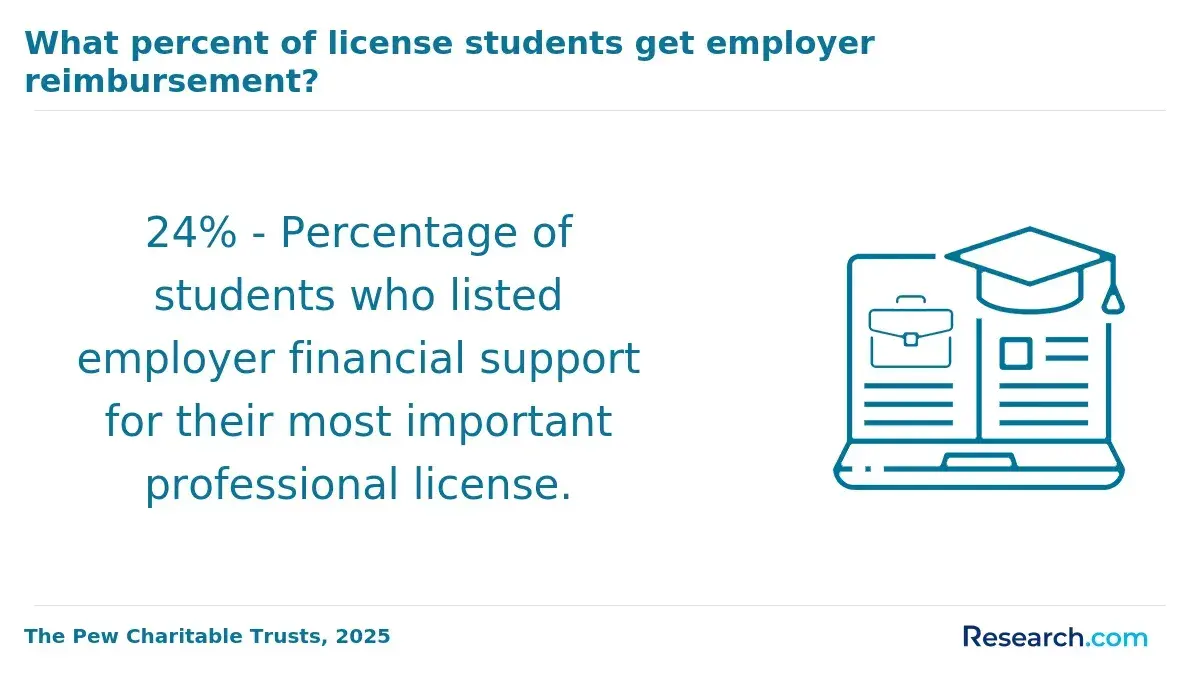
- IRS Section 127 Tax-Free Tuition Assistance: Under IRS Section 127, employers can provide up to $5,250 annually in tax-free tuition benefits. This allowance not only helps offset education costs but also reduces your taxable income, making it a highly efficient funding source.
- Thoroughly Review Employee Benefits: Not all employers offer tuition reimbursement, so reviewing your benefits package or consulting human resources is crucial. Pay attention to eligibility criteria, approved courses, and deadlines for submitting reimbursement claims.
- Employment Commitment Requirements: Many programs require you to remain with the company for a fixed period after completing your degree to retain benefits. This ensures the employer gains from your enhanced knowledge while safeguarding their investment in your education.
- Prepare a Detailed Proposal for HR: Submit a formal request highlighting how your Cybercrime degree aligns with your job responsibilities and contributes to organizational objectives. A well-crafted proposal can improve your chances of obtaining tuition assistance.
- Growing Employer Investment in Tech Education: According to a corporate learning study, 72% of employers expanded tuition assistance offerings to support increased demand for cybersecurity expertise, reflecting a favorable trend for Cybercrime students.
What State-Based Financial Aid Opportunities Exist for Cybercrime Graduate Students?
State governments offer targeted financial aid programs that can significantly benefit cybercrime master's degree students working to finance their graduate education. These opportunities include grants, scholarships, loan forgiveness, and tuition equity initiatives designed to support students in this high-demand field.
Below are important factors to consider when exploring state-based aid options:
- Residency Requirements: Applicants typically must be legal residents of the state and enrolled in an accredited in-state institution, ensuring that funds prioritize local students attending approved schools.
- Grants and Scholarships Specific to Cybersecurity Fields: Many states have created scholarships specifically for students pursuing cybercrime, cybersecurity, or information technology degrees. These awards often require recipients to commit to working within the state's workforce to help address critical talent shortages.
- Loan Forgiveness and Repayment Assistance: Certain states offer loan forgiveness programs tied to employment in high-need sectors like cybercrime. Graduates who work in underserved or priority regions can benefit from reduced educational debt through these initiatives.
- Tuition Equity Programs: Some states extend tuition equity or in-state tuition rates to students who may not meet standard residency criteria but have strong ties to the state, lowering barriers for non-traditional or international applicants.
- Limited Funding and Early Application: State-based aid funds are often limited and competitive. Prospective students should contact their state's higher education agency early and submit applications ahead of deadlines to improve their chances.
Graduate students should keep in mind that exploring state-based financial aid programs for cybercrime graduate students is essential to supplement federal and institutional funding sources fully. According to a report by the National Center for Education Statistics, over 60% of graduate students applied for some form of state or local financial aid, underscoring the importance of these programs.
For those considering a Cybercrime master's degree, also explore 'how much does a doctorate in education cost,' which provides insight into graduate education financing strategies across disciplines. Additionally, researching graduate scholarships and grants available by state for cybercrime degrees can help you identify opportunities tailored to your career goals and residency status.
How Do Institutional Grants and University Fellowships Factor Into Cybercrime Funding?
For prospective students pursuing institutional grants for cybercrime master's programs, understanding the types of university funding available is vital to reducing educational costs. Many graduate schools offer merit- or need-based awards to attract top candidates.
Below are key considerations when exploring institutional funding options for a cybercrime master's degree:
- Institutional Grants Are Merit- or Need-Based: Universities provide grants based on academic performance or financial need. These can range from partial tuition coverage to full tuition remission, substantially lowering the cost burden for cybercrime master's students.
- Distinction Between Financial Aid Offices and Academic Departments: While the university's financial aid office manages general student aid, specialized awards like departmental fellowships are administered by the cybercrime program or graduate school. Identifying the correct office is essential for accessing all available funding.
- Departmental Fellowships Provide Targeted Support: These competitive fellowships often offer tuition remission, stipends, or research funds aligned with specific cybercrime research interests or teaching roles. They reward academic excellence and dedication to the field.
- Communicate with Admissions and Program Coordinators: Reaching out directly to admissions staff or faculty in the cybercrime department can uncover unique institutional awards, application deadlines, and eligibility criteria specific to each program.
- Apply Broadly and Compare Aid Packages: Submitting applications to multiple universities allows prospective students to evaluate and compare institutional aid offers, optimizing financial outcomes and minimizing out-of-pocket costs.
Prospective students can also explore a cybersecurity degree that presents additional affordable options and funding opportunities tailored for graduate education in related fields.
What Role Do Professional Associations Play in Funding a Cybercrime Master's Degree?
For those pursuing a cybercrime master's degree, professional associations can be a valuable source of financial support beyond typical scholarships. Exploring opportunities from these organizations can help reduce educational expenses.
Below are several key types of aid commonly offered to graduate students in this field:
- Graduate Student Scholarships: Many societies dedicated to cybercrime provide scholarships specifically for graduate candidates. These may be awarded based on academic excellence or financial need, offering crucial funding for tuition and related costs.
- Travel Grants and Conference Support: Funding to attend conferences and workshops is often available, allowing students to present research, connect with professionals, and stay current with industry trends while covering travel expenses.
- Research Funding and Fellowships: Some associations offer awards that support graduate research projects, encouraging innovation and advancing practical knowledge within cybercrime studies.
- Mentorship Stipends: Programs that pair students with seasoned professionals may include stipends, providing financial aid alongside valuable career guidance.
- Membership and Application Strategies: Often, applicants must be members to qualify for funding, making early membership advantageous. Crafting a focused, discipline-specific personal statement significantly boosts the likelihood of receiving aid.
How Can Income-Driven Repayment and Loan Forgiveness Programs Apply to Cybercrime Graduates?
For students pursuing a master's degree in cybercrime, understanding federal loan repayment options is vital to managing debt after graduation. These programs provide flexibility and potential forgiveness for those entering cybercrime careers.
The following points highlight important aspects to consider:
- Income-Driven Repayment (IDR) Plans: Programs such as SAVE, IBR, PAYE, and ICR tailor monthly federal loan payments to your income and household size, helping recent graduates affordably manage loan obligations while launching their careers.
- Public Service Loan Forgiveness (PSLF): After making 120 qualifying payments over roughly 10 years, borrowers working full-time in government agencies, nonprofit organizations, or academic institutions related to cybercrime may receive forgiveness of remaining federal loan balances.
- Qualifying Cybercrime Careers: Roles within federal law enforcement, state cybersecurity departments, nonprofit cybercrime research groups, and university-based academic programs often meet PSLF's employment requirements, making the choice of employer critical for loan forgiveness eligibility.
- Exclusion of Private Loans: Private student loans are ineligible for IDR plans and loan forgiveness, emphasizing the importance of maximizing federal loans and limiting private borrowing to access these key federal benefits.
- Financial Planning Resources: Consulting the Federal Student Aid website alongside professional financial counselors enables borrowers to create repayment strategies aligned with expected cybercrime salaries and career trajectories, ensuring informed and realistic loan management.
What Graduates Say About Paying for a Cybercrime Master's Degree with Financial Aid
- Ryan: "Choosing a cybercrime master's degree was a strategic decision for me, primarily driven by the industry's rapid growth and high demand for skilled professionals. While the program was a significant investment, the cost felt justified given the depth of knowledge and practical experience I gained. After graduating, I quickly advanced to a senior analyst role, which significantly boosted my confidence and career trajectory."
- Kayla: "When I enrolled in the cybercrime master's program, I was mostly curious about the technical and legal aspects of digital security. The tuition was on the higher side, but I found numerous scholarships that made it manageable. Reflecting back, the networking opportunities and hands-on projects were invaluable, shaping my approach to problem-solving in the cybersecurity field."
- Sydney: "I pursued a cybercrime master's degree to pivot from a general IT background into a more specialized career, and it was well worth the cost and effort. The curriculum's comprehensive scope and expert instructors made a strong impact on my professional skill set. Since completing the degree, I've been able to take on leadership roles in incident response teams, greatly expanding my job prospects."
Other Things You Should Know About Cybercrime Degrees
Yes, scholarships, including merit-based and field-specific options, can significantly reduce the cost of a Cybercrime master's degree in 2027. Many universities and independent organizations offer scholarships based on academic excellence or financial need, which can cover tuition and other expenses.
Effective financial planning includes budgeting for tuition, fees, living expenses, and study materials well before enrollment. Prospective students should prioritize applying for federal aid by completing the FAFSA early and researching institutional scholarships specific to cybercrime disciplines. Combining sources such as graduate assistantships, employer tuition assistance, and professional association scholarships reduces reliance on loans. Additionally, understanding loan repayment options like income-driven plans prevents future debt burdens.
Part-time and online students enrolled in accredited cybercrime master's programs remain eligible for most federal financial aid, including loans and some grants. However, some institutional scholarships and assistantships may require full-time enrollment, limiting funding options. It is important to verify each funding source's criteria and maintain satisfactory academic progress to continue receiving aid. Online programs also often have lower tuition rates, which can stretch financial aid dollars further.
References
- Cybersecurity Scholarships | NICCS https://niccs.cisa.gov/resources/cybersecurity-scholarships
- Newsletter https://www.unicri.org/master-laws-llm-cybercrime-cybersecurity--international-law-2025-2026
- Online Master's Degree: Digital Forensics & Cyber Investigation https://www.umgc.edu/online-degrees/masters/digital-forensics-cyber-investigation
- Prestigious Universities and Research Institutions Commit Grant Fraud Too https://bergermontague.com/universities-and-research-institutions-commit-grant-fraud/
- Cyber Threat Intelligence and Financial Crimes Investigations, M.S. - University of New Haven https://www.newhaven.edu/lee-college/graduate-programs/cyber-threat-intelligence-financial-crimes-investigations/index.php
- Student loans - SWPS University https://english.swps.pl/programs/apply-for-scholarships/student-loans
- Scholarship Programme | MSc Cybercrime and Security https://informaconnect.com/msc-cybercrime-and-security/scholarship-programme/
- Financial support - Cyberus https://master-cyberus.eu/admission/financial-support
- Graduate Student Loan Options for Master’s Degrees & Beyond | Edvisors https://www.edvisors.com/student-loans/graduate-student-loans/graduate-loan-options/
- Education loan for master’s in the U.S. https://www.mpowerfinancing.com/financial-empowerment/education-loan-for-master-in-usa