2027 How to Pay for a History Master's Degree with Financial Aid

Co-Founder and Chief Data Scientist
Many prospective students aiming to pursue a master's degree in history face the daunting challenge of covering rising tuition costs while balancing living expenses. Nearly 65% of graduate students in the humanities rely on some form of financial aid to fund their education. Specifically, history programs often offer fewer direct scholarships compared to STEM fields, increasing reliance on loans or work-study.
This financial pressure can delay or derail academic goals. This article will explore various financial aid options available to history master's candidates, from federal aid and institutional fellowships to employer assistance and repayment strategies, enabling students to create a solid funding plan.
Key Benefits of Knowing How to Pay for a History Master's Degree with Financial Aid
- Understanding financial aid options enables students to invest fully in their professional future by utilizing federal, institutional, and employer-sponsored funding opportunities.
- Accessing diverse aid sources significantly lessens the financial burden, reducing reliance on loans and minimizing long-term debt.
- Developing a strategic combination of scholarships, assistantships, and repayment plans makes a History master's degree financially achievable and sustainable.
What Is a History Master's Degree, and Why Does Funding It Matter?
Prospective students considering a history master's degree program should understand the academic demands and financial commitments involved. This section highlights key elements relevant to history master's degree programs, and explains the importance of funding a history graduate degree.
Below are essential points to consider as you plan your educational finances:
- Scope and Academic Requirements: A history master's degree emphasizes advanced research, critical thinking, and specialization in distinct historical periods or themes. Requirements often include coursework, comprehensive exams, and a thesis or major research project.
- Financial Burden and Tuition Costs: Graduate tuition for history master's programs typically ranges from $15,000 to $30,000 annually in the U.S., excluding additional expenses such as books, research travel, and living costs, which can increase the overall financial burden considerably.
- Availability of Funding Options: Funding can be sourced from federal financial aid, institutional scholarships, graduate assistantships, and private grants. Combining these can significantly reduce out-of-pocket expenses.
- Rising Enrollment and Financial Need: According to the National Center for Education Statistics, graduate enrollment in humanities remains stable at about 250,000 students nationwide, with many relying on financial aid to pursue their studies.
Financing a history master's degree requires active engagement in exploring diverse financial aid opportunities, including navigating the FAFSA for graduate students and leveraging assistantships or professional scholarships. Prospective students may also benefit from employer-sponsored aid or education tax benefits, and should strategize to minimize debt through income-driven repayment plans or loan forgiveness.
For those comparing options, understanding the cost structure and funding routes is as vital as considering other paths, like a cheap online MBA program, which may offer distinct financial advantages.
What Types of Financial Aid Are Available for History Master's Students?
Prospective history master's degree students face a complex landscape of financial aid options essential for managing the true cost of graduate education. Identifying and combining various funding sources can make a substantial difference.
Below is a breakdown of the main aid categories relevant to history graduate financial aid options:
- Grants: These provide funds that do not require repayment and are often awarded based on financial need. While grants are more common for undergraduates, some graduate students studying history may qualify for institutional or government grants that help offset expenses.
- Scholarships: Scholarships are merit- or criteria-based awards that do not need to be repaid. Many universities, historical associations, and professional groups offer scholarships tailored specifically for history master's students to support research or academic success.
- Fellowships: Fellowships are competitive awards offering stipends and tuition assistance. They enable history students to focus fully on their studies or specialized research without holding outside employment.
- Assistantships: Teaching and research assistantships compensate students for work connected to their academic programs. In history departments, this often involves leading discussions, grading assignments, or helping faculty research, providing practical experience along with financial aid.
- Loans: Loans must be repaid with interest, but federal student loans provide graduate students with benefits like income-driven repayment plans and options for loan forgiveness, easing long-term financial burdens when managed properly.
- Work-Study Programs: These offer part-time employment opportunities, often on campus, that help students earn money to cover school-related costs. Though less prevalent at the graduate level, history master's students might still qualify based on institutional offerings and financial need.
To maximize financial assistance for history master's students, pursuing multiple types of aid concurrently is often advantageous. Additionally, navigating the FAFSA accurately and understanding options like income-driven repayment and education-related tax benefits can further reduce net costs.
Students interested in supplementing their history degree funding might also consider enhancing their skill set with online certifications that pay well to improve career and salary prospects post-graduation.
How Does the FAFSA Process Work for History Graduate Students?
For prospective history master's students, navigating the FAFSA process is key to unlocking federal financial aid options designed for graduate education. This section outlines essential aspects of FAFSA for history graduates, followed by crucial pointers to help you maximize your financial aid:
- Graduate Student Independence: As a graduate student, you are classified as independent, so you only need to provide your personal income and asset details on the FAFSA. This removes the need for parental financial data, simplifying your application but requiring careful reporting of your own financial status.
- Timely Application Submission: FAFSA applications open annually on October 1. Filing early improves your chances of receiving limited state and institutional aid, which often allocate funds on a first-come, first-served basis.
- Available Financial Aid Types: Graduate students mainly gain access to federal unsubsidized loans and graduate PLUS loans through FAFSA. Federal grants are seldom offered at this level, though work-study opportunities may be available to support part-time employment.
- Required Documentation: You'll need your Social Security number, prior federal tax returns (generally from two years prior), and any records of untaxed income or assets. Using the IRS Data Retrieval Tool embedded within FAFSA can streamline these steps and improve accuracy.
- Financial Impact and Usage: According to the National Center for Education Statistics, more than 55% of graduate students rely on federal loans. Understanding how FAFSA integrates with other funding sources such as assistantships or scholarships is crucial to reducing overall educational costs.
A professional who pursued a master's in history shared that the FAFSA process initially felt overwhelming, especially balancing deadlines with gathering tax documentation. "I underestimated how important early submission was," he noted, describing how rushing late applications limited some aid choices. However, accessing the IRS Data Retrieval Tool was a relief, cutting down errors and processing time.
He emphasized that while FAFSA primarily provided loan options, combining federal loans with a graduate assistantship made his degree financially manageable. "Knowing exactly what to report and when helped me avoid surprises and confidently plan my finances," he reflected, underscoring how the FAFSA experience was a critical step in aligning his career goals with responsible funding strategies.
What Federal Loans Are Available for Financing a History Master's Degree?
Prospective students pursuing a history master's degree often need to explore federal graduate student loans for history master's programs as a vital part of their financing strategy. Below are essential points highlighting the main federal loan options and considerations to help navigate this process:
- Direct Unsubsidized Loans: These loans serve as the primary federal aid for graduate students, allowing borrowing up to $20,500 annually. Interest starts accruing immediately at fixed rates around 7% to 7.5%, and repayment begins six months after graduation or dropping below half-time enrollment.
- Graduate PLUS Loans: Designed to supplement Direct Unsubsidized Loans, these cover up to the full cost of attendance minus other aid. They carry higher fixed interest rates of about 8.5%, require a credit check, and offer deferment options for qualifying situations.
- Differences from Undergraduate Loans: Graduate loans lack subsidized options, meaning interest accrues during school and grace periods. While loan limits are higher, students should carefully assess debt load since federal aid often covers only part of tuition and living expenses.
- Loan Disbursement and Budgeting: Funds typically release at the start of each term. Candidates should realistically calculate borrowing needs by comparing total program costs, including living expenses, against scholarships and grants. Consider reviewing online business degree programs accredited to understand broader financial aid environments.
- Minimizing Debt: Federal loans should be a last option after maximizing scholarships, grants, and assistantships. Over-borrowing can create long-term financial challenges; income-driven repayment plans can help manage loan payments effectively after graduation.
What Scholarships and Fellowships Exist Specifically for History Master's Students?
Prospective master's degree students in history can find a variety of scholarships and fellowships that help reduce graduate study expenses. These funding options differ in purpose and application, so understanding their distinctions is vital. Below are essential points to guide your search and strengthen your applications:
- Scholarships vs. Fellowships: Scholarships generally reward academic achievement or financial need without requiring a specific project. Fellowships usually support focused research or creative endeavors and often include stipends for living costs as well as tuition coverage.
- Application Deadlines: These financial awards often have earlier submission dates than university financial aid, making it crucial to begin exploring opportunities well in advance to prepare competitive applications.
- Professional Associations: Groups such as the American Historical Association and the Organization of American Historians frequently offer specialized awards for targeted subfields or underrepresented groups within history, so review their platforms regularly.
- Specialized Databases: Searching humanities-focused scholarship portals can uncover unique grants and fellowships that broad searches may overlook, increasing your chances of funding.
- Foundations and Government Programs: Entities like the National Endowment for the Humanities and Department of Education fund fellowships emphasizing public impact or educational outreach projects in history.
A professional who earned her master's in history shared how navigating this landscape was initially overwhelming. "I found that deadlines sneaked up quickly, so starting early wasn't just advice-it was survival."
She emphasized the value of joining professional organizations early to discover less visible awards. "The fellowship I received not only eased my financial worries but also connected me with mentors." Her experience underscores the importance of proactive research and engaging with the history community to secure meaningful funding.
How Can Graduate Assistantships Help Pay for a History Master's Degree?
Graduate assistantships play a vital role for those pursuing a master's degree in history by reducing financial burdens and offering hands-on professional experience. These positions typically provide both a stipend and tuition benefits, making them highly valuable. Below are the main types of assistantships and key details prospective students should know:
- Teaching Assistantships (TA): In this role, students support professors by leading discussions, grading, and holding office hours. Besides the financial aid component, TAs gain practical teaching experience that can benefit academic career paths.
- Research Assistantships (RA): RAs collaborate with faculty on scholarly projects related to history. These positions often include tuition waivers and stipends, providing both financial support and opportunities to develop research skills in analysis and archival work.
- Administrative Assistantships: These involve helping with department tasks such as event planning and communications. Although less directly tied to research or teaching, they still offer important financial assistance through stipends and tuition reductions.
- Awarding Process: Departments of history typically manage assistantship awards rather than general financial aid offices. Applicants should reach out directly to program coordinators or directors to learn about openings and deadlines, as spots are limited and competitive.
- Commitment and Trade-Offs: While assistantships alleviate financial pressure, they require a significant weekly time investment, often 10 to 20 hours, which can extend the time needed to complete the degree. Careful balancing of responsibilities is crucial.
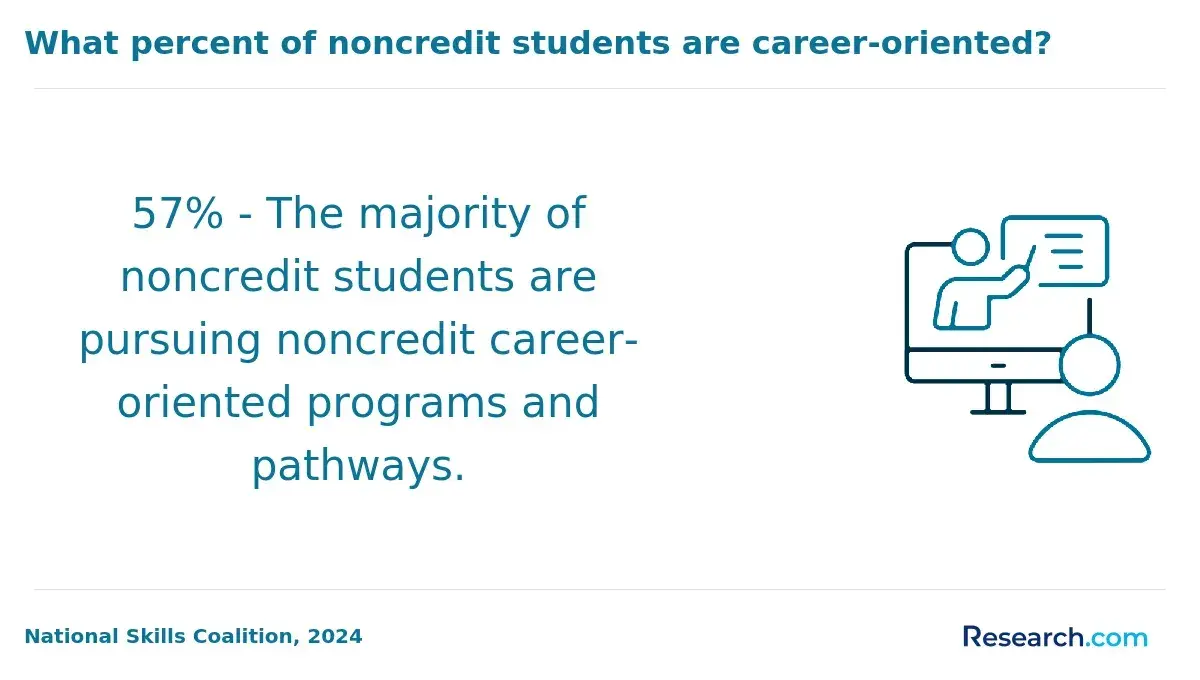
Recent figures from the Council of Graduate Schools reveal that more than 55% of humanities master's students benefit from assistantships, underscoring their importance in graduate funding strategies.
Are There Employer Tuition Reimbursement Options for History Master's Programs?
For working professionals pursuing a master's degree in History, employer tuition reimbursement programs can be a vital resource to ease the financial burden of graduate education. Leveraging these benefits requires careful planning and clear communication with your employer.
Consider the following points to strategically access employer-sponsored tuition assistance:
- IRS Section 127 Tax Benefits: Employers may offer up to $5,250 annually in tax-free tuition reimbursement under IRS Section 127. This provision allows students to receive financial support without it being counted as taxable income, which improves affordability.
- Review Employee Benefits Package: Examine your company's benefits closely to identify whether tuition reimbursement is available, including eligibility criteria and application requirements. Coverage and terms can vary widely between organizations.
- Employment Commitment Requirements: Many employers require employees to stay with the company for a specified period after completing their degree to retain skilled talent and justify their investment.
- Formal Proposal to HR: Submit a written proposal to your human resources department that clearly explains how earning a History master's degree aligns with your current role and enhances value to the company's objectives.
- Rising Employer Support Trends: Approximately 56% of employers now offer tuition reimbursement programs, signaling a growing emphasis on continuing education in workforce development.
What State-Based Financial Aid Opportunities Exist for History Graduate Students?
State governments play a crucial role in funding graduate education, including programs for prospective history master's degree students. Exploring state financial aid programs for history graduate students can reveal valuable resources to offset costs. Below are key considerations for those seeking regional scholarships for history master's degree programs and other state-sponsored benefits:
- State Grants and Scholarships: Typically designed for residents attending accredited in-state institutions, these awards help graduate students in history programs. Eligibility often requires proof of residency and enrollment, with funding amounts varying significantly by state.
- Loan Forgiveness and Repayment Programs: Certain states offer forgiveness incentives tied to employment in public service or high-need fields. While not always directly geared toward history graduates, education and public service roles that history master's degree holders pursue may qualify.
- Tuition Equity and Residency Benefits: Some states provide in-state tuition rates to undocumented or out-of-state students under specific policies, expanding access to affordable history graduate education.
- Workforce Development Incentives: Financial aid linked to workforce demands may reward students pursuing careers in museums, archives, or community education, all relevant to history graduates. These programs reflect a growing priority to support cultural preservation and public history work.
- Early Application Importance: Due to limited funding pools, applying early is vital. Prospective students should monitor their state higher education agency's updates to maximize funding opportunities.
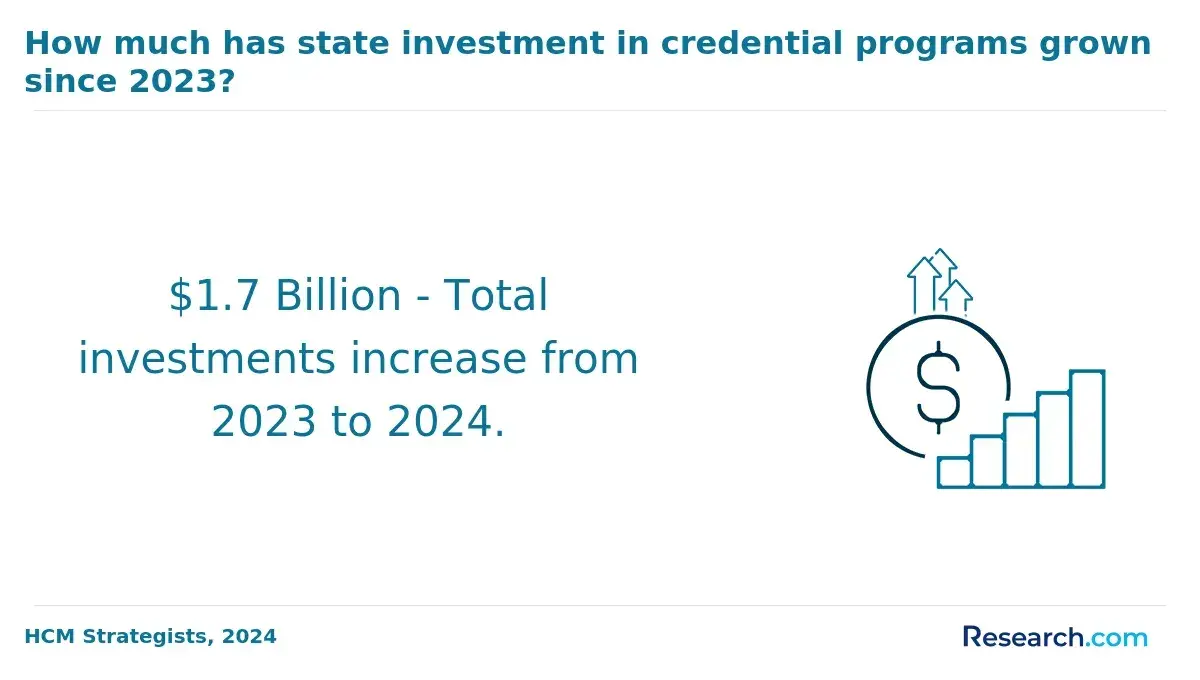
Recent data shows that about 45% of graduate students utilized some form of state financial aid in 2023. For those considering how to finance their education, combining these state sources with other options like federal loans and institutional aid is essential. Prospective students can also explore the most affordable EdD programs as part of a broader financial planning strategy.
How Do Institutional Grants and University Fellowships Factor Into History Funding?
Securing funding is a critical step for prospective history master's students aiming to manage the overall cost of their education. Institutional grants and university fellowships play a vital role in providing financial aid beyond what federal programs offer.
The following points highlight key aspects of these funding opportunities:
- Merit-Based and Need-Based Awards: Many universities provide grants and fellowships to attract high-quality history master's students by rewarding academic excellence or financial need. These awards often include full or partial tuition remission to reduce expenses effectively.
- Departmental Fellowships: Fellowships administered directly by academic departments or graduate schools are common. These opportunities often combine stipends with tuition benefits, usually requiring teaching or research duties as part of the fellowship.
- Distinguishing Funding Sources: It is essential to differentiate between financial aid managed by a university's financial aid office and awards overseen by the history department or graduate program. Understanding these distinctions clarifies application procedures and eligibility.
- Communication With Admissions: Prospective students should reach out to admissions contacts at each institution to inquire specifically about available institutional funding, which enhances awareness of program-specific aid options.
- Comparing Multiple Offers: Applying to several history programs and evaluating their institutional grant and fellowship packages is a powerful strategy to minimize out-of-pocket costs and select the best academic and financial fit.
Graduate students interested in the financial side of their studies should also look into employer-sponsored assistance and professional association scholarships, thus layering multiple funding sources. Navigating federal forms like the FAFSA as a graduate student, leveraging graduate assistantships, and considering long-term loan repayment options can all significantly reduce debt.
For example, understanding income-driven repayment and loan forgiveness programs enhances the net affordability of a history master's degree. For further perspective on managing costs in higher education, exploring resources such as the online construction management degree cost can offer insights into how other disciplines approach affordability.
What Role Do Professional Associations Play in Funding a History Master's Degree?
Graduate students pursuing a history master's degree can access valuable financial resources through professional associations that enhance funding options beyond conventional aid. These organizations offer targeted support tailored to the needs of history scholars.
Below are some of the main types of aid commonly provided:
- Scholarships and Fellowships: Many major history associations award scholarships or fellowships to graduate students, often based on academic achievement, research interests, or demographic factors. These awards help cover tuition and living costs.
- Travel Grants for Conferences: Associations frequently offer travel grants that assist with expenses related to attending academic conferences. Such funding supports networking and professional advancement within the field.
- Research and Dissertation Funding: Some organizations provide grants to support specific research projects or thesis work, enabling students to access archives, materials, or dedicate time for academic inquiry without financial concerns.
- Mentorship Stipends: Beyond financial aid, certain associations offer mentorship programs accompanied by stipends, fostering guidance and collaborative research opportunities that enhance scholarly development.
- Membership and Application Strategies: Being a member of relevant professional associations is often required or highly beneficial when applying for awards. Early application submission and a well-tailored personal statement focused on the discipline significantly increase the likelihood of receiving funding.
How Can Income-Driven Repayment and Loan Forgiveness Programs Apply to History Graduates?
Federal income-driven repayment (IDR) plans can provide essential relief to graduates pursuing history-related careers by adjusting loan payments based on their income and family size. These options help keep monthly costs affordable while balancing longer repayment timelines.
Below are important details about repayment and forgiveness programs relevant to history master's degree borrowers:
- Income-Driven Repayment Plans: Programs like SAVE, IBR, PAYE, and ICR tailor monthly payments to a percentage of discretionary income, easing the financial burden on history graduates, especially those in entry-level or public service roles.
- Public Service Loan Forgiveness (PSLF): Graduates working full-time in government agencies, nonprofits, museums, research institutions, or academic positions may qualify for loan forgiveness after 120 qualifying payments, typically over 10 years, significantly reducing remaining debt.
- Private Loans Are Ineligible: Unlike federal loans, private education loans do not qualify for federal IDR plans or forgiveness programs, emphasizing the importance of maximizing federal borrowing first to access these benefits.
- History Career Paths That Qualify: Jobs in public history, educational institutions, government research, museum administration, and nonprofit advocacy frequently meet PSLF eligibility requirements, offering financial incentives for loan repayment.
- Consult Official Tools and Advisors: Borrowers should use the Federal Student Aid website and seek advice from financial counselors to create personalized repayment models that reflect anticipated income and loan balances within history fields.
What Graduates Say About Paying for a History Master's Degree with Financial Aid
- Chelsea: "Choosing a master's degree in history was a deliberate step for me to deepen my understanding of global cultures and historical contexts, which are crucial in my line of work. The cost was an investment I carefully weighed, but it was worth every dollar for the access to specialized resources and faculty expertise. Since completing the program, I've noticed a significant advancement in my critical thinking and research skills, which have opened doors to unique career opportunities."
- Claire: "Pursuing a history master's wasn't just about passion; it was a strategic move to position myself as an expert in heritage preservation. The financial commitment was substantial, but scholarships helped ease the load. Today, the degree directly supports my professional role, giving me credibility and a solid foundation to engage in complex cultural projects all around the world."
- Tori: "The history master's program challenged me to look beyond conventional narratives, which has transformed how I approach my career in education. While the tuition was not inexpensive, the practical experience and mentorship I gained were invaluable and have propelled me to leadership roles faster than I expected. Reflecting back, this degree was a pivotal asset in shaping my professional identity and network."
Other Things You Should Know About History Degrees
Effective financial planning for a History master's degree includes setting a realistic budget that accounts for tuition, fees, books, and living expenses. Students should explore combining federal aid, institutional fellowships, and employer tuition assistance to minimize out-of-pocket costs. Prioritizing part-time enrollment or online courses might stretch funding longer but also reduces immediate expenses. Long-term strategies include understanding loan repayment terms and exploring income-driven repayment plans after graduation to manage debt responsibly.
Part-time and online History master's students remain eligible for many forms of financial aid, including federal loans and some scholarships, though eligibility requirements can vary by institution. Federal aid generally requires students to maintain at least half-time enrollment, so taking too few credits might reduce available aid. Some assistantships and fellowships are limited to full-time students. Online programs might offer unique institutional aid packages but often have fewer on-campus funding opportunities.
References
- Guide to FAFSA for Graduate Students | SoFi https://www.sofi.com/learn/content/fafsa-for-grad-school/
- What are income-driven repayment (IDR) plans, and how do I qualify? | Consumer Financial Protection Bureau https://www.consumerfinance.gov/ask-cfpb/what-are-income-driven-repayment-idr-plans-and-how-do-i-qualify-en-1555/
- Graduate Student Loan Options for Master’s Degrees & Beyond | Edvisors https://www.edvisors.com/student-loans/graduate-student-loans/graduate-loan-options/
- How to Qualify for Loan Forgiveness after Income-Driven Repayment https://www.savingforcollege.com/article/how-to-qualify-for-loan-forgiveness-after-income-driven-repayment
- How to Use FAFSA for Grad School in 2026? https://bold.org/blog/fafsa-for-graduate-school/
- Graduate Student Financial Aid Guide: Grants, Loans & Tips https://wmsfranklinfoundation.org/financial-aid-for-graduate-students-a-comprehensive-overview/
- Income-Driven Repayment Plan Loan Forgiveness - Student Loan Borrowers Assistance https://studentloanborrowerassistance.org/for-borrowers/dealing-with-student-loan-debt/loan-cancellation-forgiveness-bankruptcy/cancellation-forgiveness-options/idr-cancellation/