2027 How to Pay for a Public Health Master's Degree with Financial Aid

Co-Founder and Chief Data Scientist
Many prospective students face the challenge of funding a master's degree in public health without accumulating overwhelming debt. According to the National Center for Education Statistics, the average graduate tuition and fees for a public health master's program exceed $20,000 annually. This cost barrier can deter qualified candidates from entering critical health sectors.
Navigating federal aid, institutional scholarships, and employer programs requires careful planning and knowledge. This article will outline comprehensive strategies to access diverse financial aid options, optimize funding opportunities, and minimize debt, enabling readers to make informed decisions about financing their public health master's education.
Key Benefits of Knowing How to Pay for a Public Health Master's Degree with Financial Aid
- Maximizing financial aid options like federal loans, assistantships, and scholarships enables students to invest in their professional future without excessive personal expense.
- Utilizing diverse funding sources lessens the immediate financial burden, helping students avoid high-interest debt during the program.
- Strategically combining aid avenues creates an actionable plan that makes earning a public health master's degree financially feasible and sustainable over time.
What Is a Public Health Master's Degree, and Why Does Funding It Matter?
For prospective students pursuing a public health master's degree, understanding the program's scope and the financial challenges involved is vital. This overview highlights key aspects and introduces important funding factors to consider. The following points summarize what to keep in mind when exploring how to finance a public health graduate program.
- Definition and Scope: A public health master's degree covers population health, epidemiology, health policy, environmental health, and health promotion. It typically involves coursework, research projects, and a practicum or internship to apply concepts in real-world contexts.
- Academic Requirements: These programs generally require one to two years of full-time study, often with prerequisites in biology, statistics, or related fields. Students develop skills in both quantitative and qualitative research methods relevant to public health challenges.
- Funding Importance: Tuition can range from $20,000 to over $60,000 depending on the institution and residency. Managing these costs is a major consideration, often requiring reliance on financial aid to avoid excessive debt.
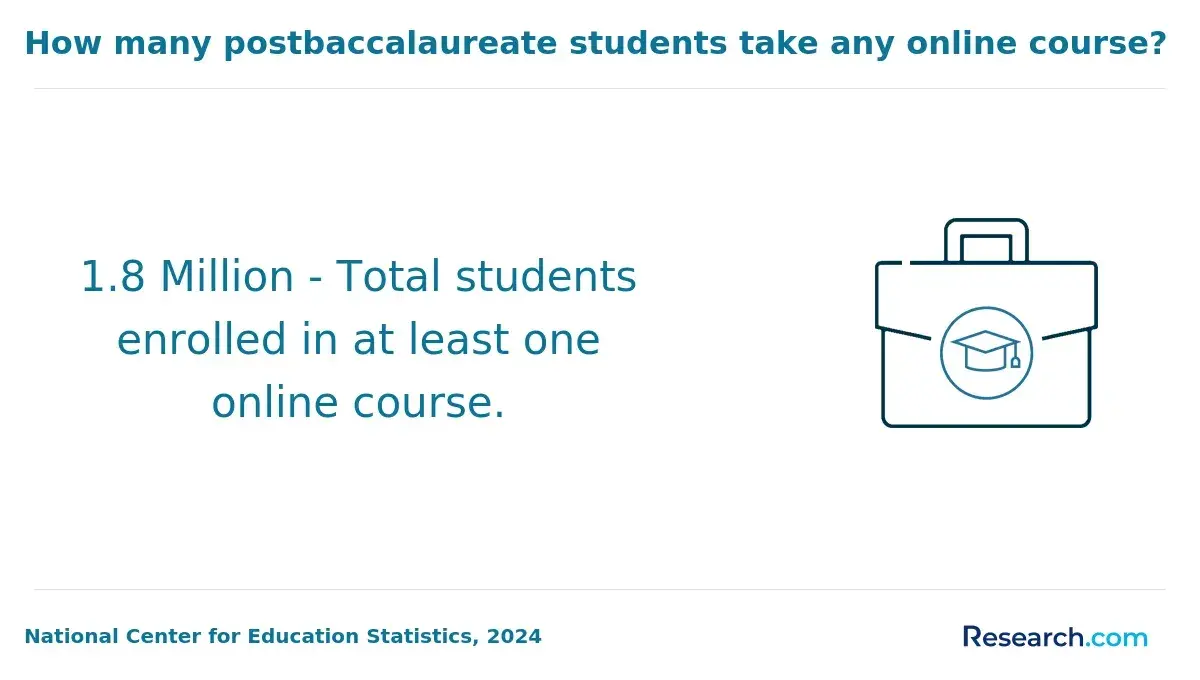
- Financial Burden on Graduate Students: According to the National Center for Education Statistics, around 56% of graduate students recently took out loans to finance their education, highlighting the widespread need for financial support.
- Variety of Funding Options: A range of financial aid is available, including federal loans accessed through the FAFSA, scholarships from professional associations, graduate assistantships, and employer-sponsored tuition assistance. Strategic planning is key to optimize these resources.
Approaching your public health master's degree funding options proactively will be crucial to successfully managing costs and minimizing debt. For those interested in comparing graduate pathways, a useful resource on the shortest msn to dnp program offers insights into related accelerated healthcare degrees.
What Types of Financial Aid Are Available for Public Health Master's Students?
Financial aid options play a vital role in helping prospective students manage the cost of a public health master's degree. With multiple sources available, understanding each type of aid is essential for effective financial planning. Below is an outline of the major categories of financial aid relevant to graduate financial aid options for public health degrees.
- Grants: Grants are based on financial need or merit and do not require repayment. Many universities and government programs offer grants specifically for graduate public health students, helping alleviate tuition and fee expenses.
- Scholarships: Scholarships reward academic achievement or leadership and are awarded by schools, professional associations, or private groups. Since scholarships do not need to be repaid, they are highly valuable for reducing out-of-pocket costs.
- Fellowships: Fellowships provide competitive funding for graduate study and often include a stipend for living expenses. These awards can be tied to specific research projects or public health practice areas, giving students relevant experience alongside financial support.
- Assistantships: Graduate assistantships involve teaching or research roles within the university. They typically offer tuition remission and a stipend, making them a practical choice for students who want to gain skills while securing financial aid.
- Loans: Loans, both federal and private, must be repaid with interest. Federal loans often include benefits such as income-driven repayment plans and loan forgiveness programs designed to ease long-term financial burdens. Borrowers should carefully evaluate loan terms before committing.
- Work-Study Programs: Funded mainly through federal aid, these programs allow students to work part-time-often on campus-to help cover expenses. Work-study provides flexible income without increasing debt, supplementing other forms of aid.
Many public health programs offer specialized financial aid that differs from general graduate assistance, reflecting the unique needs of their students. Applicants are encouraged to apply for multiple aid types simultaneously to maximize funding and reduce reliance on loans. For those exploring alternative pathways, an online health management degree can also provide affordable, flexible options aligned with public health career goals.
How Does the FAFSA Process Work for Public Health Graduate Students?
For those aiming to pursue a master's degree in public health, navigating the FAFSA process is crucial to access federal financial aid opportunities. Understanding the specific FAFSA requirements for graduate students can help maximize financial support. Here are essential points to keep in mind:
- Graduate Students Are Independent: When completing the FAFSA, graduate and professional students must report only their own financial details, not their parents'. This streamlines the process but means accuracy about personal income and assets is vital.
- FAFSA Opens October 1 Each Year: The application for the following academic year is available starting October 1. Early submission greatly improves access to certain state and institutional aid, which often operates on a first-come, first-served basis.
- Federal Aid Mainly Includes Loans and Work-Study: Unlike undergraduates, graduate students typically do not qualify for federal grants via FAFSA. The main federal funding sources are Direct Unsubsidized Loans and work-study programs to help cover education costs while enrolled.
- Deadlines Differ by State and School: Beyond the federal deadline, each state and institution may have unique FAFSA submission dates. Missing these deadlines can limit eligibility for some types of aid, so always verify with your financial aid office.
- Rising Graduate Enrollment Increases Competition: In 2023, about 65% of master's students in health-related programs submitted FAFSA forms, indicating growing demand and more competitive awarding of limited aid resources.
A professional who completed a master's degree in public health shared that the FAFSA process initially felt overwhelming, especially balancing work and study commitments. He noted, "I didn't realize that as a graduate student, I was considered independent, which simplified some parts but also meant I needed to keep careful track of my finances." Early application proved critical; he remembered rushing to submit his FAFSA by the state deadline to secure additional aid. "The clarity I gained after speaking with the financial aid office really helped me feel more confident in managing loan options and planning ahead," he said, highlighting that understanding these steps early on made a meaningful difference in financing his education effectively.
What Federal Loans Are Available for Financing a Public Health Master's Degree?
Prospective students pursuing a public health master's degree must carefully consider federal loan options to fund their education. This overview highlights essential aspects of us federal loan options for public health master's degree candidates. Key details include:
- Direct Unsubsidized Loans: Available regardless of financial need, graduate students can borrow up to $20,500 per academic year at a fixed interest rate generally lower than private loans. Interest starts accumulating immediately upon disbursement, increasing the eventual repayment amount.
- Graduate PLUS Loans: These loans cover costs beyond the Direct Unsubsidized Loan limits, up to the total cost of attendance minus other aid. They feature higher fixed interest rates and require a credit check, with repayment starting soon after disbursement unless deferred.
- Interest Rates and Repayment Terms: Compared to undergraduate loans, graduate federal loans have higher interest rates and lack subsidized options. Income-driven repayment plans offer flexibility but may extend the repayment timeline and total interest paid.
- Loan Disbursement Schedule: Federal loans are usually distributed in two installments per academic year, generally at semester start. Confirming dates with the school's financial aid office helps with budgeting.
- Borrowing Strategy: Carefully estimate total expenses, including tuition and living costs, before borrowing. After exhausting grants and scholarships, federal loans can fill funding gaps but should be approached cautiously to avoid unnecessary debt.
For additional guidance on affordable education financing, consider exploring the cheapest online bsn programs as a resource to compare cost-effective degree pathways.
What Scholarships and Fellowships Exist Specifically for Public Health Master's Students?
Securing financial support through scholarships and fellowships is crucial for students pursuing a master's degree in public health. These funding options vary widely, so understanding their differences and where to find them can enhance your chances. Consider these essential points when exploring awards:
- Scholarships vs. Fellowships: Scholarships usually provide financial aid based on merit or need without work obligations, while fellowships often include stipends tied to research or project participation, linking funding to professional development.
- Opportunities from Professional Associations: Groups like the American Public Health Association and the Society for Public Health Education offer targeted scholarships and fellowships that honor leadership and specialized academic interests in the field.
- Government and Foundation Funding: Federal agencies and foundations prioritize awards supporting underserved communities and health disparity research, often requiring applications focused on community impact.
- Start Early and Meet Deadlines: Award deadlines frequently come before university aid timelines, so beginning your search and preparing materials early increases your ability to apply for multiple sources.
- Use Specialized Resources: Accessing databases dedicated to public health and engaging with faculty or professional groups can reveal lesser-known scholarships and fellowships aligned with your specific career goals.
Reflecting on her journey, a professional who launched her career after earning a public health master's recalled the initial overwhelm of locating relevant scholarships, noting, "I found that persistence in tapping into community networks and faculty advice really opened doors I hadn't known existed." She emphasized how early application efforts and tailored outreach helped her secure a fellowship tied to community health projects, offering both financial relief and hands-on experience that shaped her career path. Her story highlights the importance of proactive, informed research in accessing these valuable opportunities.
How Can Graduate Assistantships Help Pay for a Public Health Master's Degree?
Graduate assistantships are a significant source of financial support and professional development for students pursuing a public health master's degree. These roles can substantially lower tuition expenses and help with living costs. Below are essential details about how these assistantships function and their benefits:
- Types of Assistantships: The main categories include teaching assistantships (TA), research assistantships (RA), and administrative assistantships. TAs assist professors with instructional duties, RAs contribute to research projects, and administrative assistants handle organizational tasks within departments, each offering distinct opportunities to deepen field experience.
- Awarding Authority: Assistantships are generally granted by academic departments rather than through financial aid offices. Prospective students should reach out directly to their public health program directors or department coordinators to inquire about available positions and express interest.
- Financial Incentives: Most assistantships come with a stipend and may offer full or partial tuition waivers, making them one of the most valuable funding options by easing both living and educational expenses.
- Workload and Considerations: These roles usually require a commitment of 10 to 20 hours per week. Balancing assistantship duties with academic requirements can extend the time needed to complete the degree but provides essential financial relief.
- Trends: A 2023 study by the Council on Education for Public Health revealed that nearly 40% of master's students in this field benefit from some form of graduate assistantship, underscoring their widespread use as a funding strategy.
Are There Employer Tuition Reimbursement Options for Public Health Master's Programs?
For many working professionals pursuing a master's degree in public health, employer tuition reimbursement programs offer a practical way to help manage education costs while advancing their careers. Utilizing these benefits effectively can make graduate study significantly more affordable. Below are essential points to consider when exploring employer-sponsored tuition assistance:
- IRS Section 127 Tax Benefits: Employers can provide up to $5,250 annually in tax-free tuition assistance under Section 127 of the Internal Revenue Code. This allows employees to receive tuition support without increasing taxable income, making these programs financially advantageous.
- Review Your Employee Benefits Package: Not every employer offers tuition reimbursement, so carefully examine your benefits or consult with HR. Some companies have formal tuition programs, while others may consider support on a case-by-case basis.
- Employment Commitment Requirements: Many programs require employees to stay with the company for a specified time after degree completion. It's important to fully understand any retention agreements before committing.
- Prepare a Formal Proposal: Approach HR with a clear proposal linking your public health master's degree to your current job responsibilities and how it adds value to the organization. A well-crafted proposal can increase your chances of approval.
- Growing Employer Support Trend: According to the National Center for Education Statistics, about 40% of graduate students receive some form of employer assistance, reflecting increased corporate investment in employee education.
What State-Based Financial Aid Opportunities Exist for Public Health Graduate Students?
State financial aid programs for public health graduate students represent a vital resource for financing advanced education. These programs are often tailored to support those pursuing a public health master's degree through a variety of grants, scholarships, and incentives designed to meet state-specific workforce demands. Below are several key components that prospective students should consider.
- State Grants and Scholarships: Many states provide need-based and merit-based awards to graduate students enrolled in accredited in-state institutions. Maintaining residency and satisfactory academic progress is usually required, making these funds essential for reducing out-of-pocket costs without incurring debt.
- Loan Forgiveness and Repayment Programs: Targeted loan forgiveness programs help graduates working in underserved or essential public health sectors within the state. These initiatives promote retention in high-need areas by alleviating student loan burdens over time.
- Tuition Equity and Residency Policies: Certain states extend financial aid and in-state tuition rates to eligible non-resident or undocumented students, broadening access to public health master's degree programs for a diverse student body.
- Workforce Development Incentives: States may align aid with workforce priorities, offering financial incentives to students committing to public health careers or practicing in regions experiencing healthcare professional shortages.
- Early Application and Eligibility Requirements: With limited funds available, applying early is crucial. Eligibility criteria vary by state but typically include residency, enrollment status, and commitments to work in designated public health fields.
Over 30 states now have dedicated funding streams for graduate students, reflecting increasing support for public health education as demand rises. Prospective students can find more tailored opportunities by consulting their state higher education agency websites and exploring regional scholarships for public health master's degree programs. Additionally, those exploring expedited healthcare training pathways might consider fast-track lpn programs online as a complementary option within the field.
How Do Institutional Grants and University Fellowships Factor Into Public Health Funding?
For prospective students seeking a master's degree in public health, institutional grants and university fellowships represent vital resources that can significantly ease the financial burden. These funding options go beyond federal aid and external scholarships, providing tailored support often based on merit or financial need. Below are key considerations to understand the landscape of institutional funding when pursuing a public health master's program.
- Merit-Based and Need-Based Awards: Many universities and graduate schools offer grants and fellowships that reward academic excellence or financial need. These may include full or partial tuition remission and cash stipends to help cover living expenses, making them essential forms of institutional grants for public health master's programs.
- Departmental and Graduate School Fellowships: Some awards are managed directly by the academic department or graduate school rather than the central financial aid office. These fellowships often come with research obligations or teaching duties, so understanding their specific requirements is crucial.
- Separate Application Processes: Institutional funding frequently requires separate applications or nominations distinct from general financial aid forms. Early communication with admissions or program contacts about deadlines and eligibility can enhance funding opportunities.
- Comparing Institutional Aid Packages: Applying to multiple programs and comparing their university fellowships funding public health graduate students is a strategic approach to minimize out-of-pocket costs. Variability in awards can greatly affect the total cost of education.
- Direct Admissions Communication: Prospective students should proactively ask admissions representatives about the availability and types of institutional funding. Clear, direct information aids in making informed enrollment decisions.
To increase the chances of receiving aid, it's also beneficial to research options at online colleges with free applications, which can reduce initial application expenses while broadening your funding prospects.
What Role Do Professional Associations Play in Funding a Public Health Master's Degree?
Prospective public health master's degree students can benefit greatly from the financial aid opportunities available through professional associations and societies. Exploring these options is essential, as they often provide targeted support tailored to public health graduate students. Consider the following avenues of assistance:
- Scholarships and Grants: Many associations offer scholarships aimed specifically at graduate students pursuing public health, often requiring active membership and proof of academic or community involvement.
- Travel and Conference Funding: Travel grants or stipends help cover costs associated with attending key professional conferences, which are valuable for networking and career advancement.
- Research Awards: Some organizations provide grants or fellowships to support research projects, recognizing both financial need and contributions to public health research.
- Mentorship Stipends: Stipends may be available for graduate students participating in mentorship programs, encouraging professional development through guidance and support.
- Membership and Application Tips: Many awards require active association membership. Applying early with a strong, discipline-focused personal statement can significantly increase your chances of success.
How Can Income-Driven Repayment and Loan Forgiveness Programs Apply to Public Health Graduates?
For prospective Public Health master's degree students, navigating loan repayment is an important step in managing education debt effectively. Federal income-driven repayment (IDR) plans and loan forgiveness programs provide practical options for easing repayment burdens and supporting careers in this field. Key aspects to consider include:
- Income-Driven Repayment Plans: Options like SAVE, IBR, PAYE, and ICR tailor monthly federal student loan payments to your income and family size, making repayment more affordable for graduates entering public health roles, especially those with entry-level salaries.
- Public Service Loan Forgiveness (PSLF): After making 10 years of qualifying payments while employed full time in eligible public health positions-such as government agencies, nonprofits, or academia-borrowers may have remaining federal loan balances forgiven, providing substantial financial relief.
- Eligible Career Paths: Public health professionals working in local, state, or federal government, nonprofit organizations, and academic institutions typically qualify for these federal forgiveness programs, reinforcing career choices in public service.
- Private Loan Limitations: Only federal student loans qualify for IDR plans and PSLF. Private loans do not, so it's wise to prioritize federal borrowing to maximize forgiveness and repayment options and minimize private loan debt.
- Financial Planning Resources: Prospective students should use the Federal Student Aid website and consult financial advisors to simulate repayment scenarios based on anticipated public health incomes, ensuring informed decisions throughout their career and loan repayment journey.
What Graduates Say About Paying for a Public Health Master's Degree with Financial Aid
- Tessa: "Choosing to pursue a master's degree in public health was driven by my passion to make a tangible difference in community wellness. Although the program was a significant financial investment, I viewed it as a necessary step to elevate my expertise. Since graduating, I've transitioned into a leadership role where I influence policy and improve healthcare outcomes on a larger scale."
- Robbie: "Reflecting on my journey, the public health master's program provided the perfect balance of theory and hands-on experience. The cost was manageable with scholarships and carefully planned budgeting. Professionally, the degree opened doors to new research opportunities and helped me build a network with like-minded experts committed to global health."
- Warren: "My decision to enroll in a public health master's was strategic, aiming to pivot my career towards epidemiology. While the price was steep, the knowledge and credentials I gained justified every dollar spent. Today, I'm proud to say the degree has significantly boosted my credibility and enhanced my career prospects in governmental health agencies."
Other Things You Should Know About Public Health Degrees
Yes, numerous scholarships are available in 2027 for Public Health master's degree programs. These scholarships are offered by universities, government agencies, private organizations, and professional associations, helping to reduce tuition costs for eligible students.
Strategic financial planning for a 2027 Public Health master's degree includes budgeting, seeking employer tuition assistance, exploring federal and private loans, and applying for scholarships and grants. Additionally, assess in-state and online program options for cost savings, and utilize payment plans offered by universities to manage tuition expenses effectively.
Effective financial planning for a Public Health master's includes budgeting for tuition, fees, and living expenses while exploring multiple aid sources like scholarships, assistantships, and employer assistance. Students should also consider long-term repayment options and create an emergency fund to handle unexpected costs. Planning early and regularly reviewing finances can prevent excessive debt accumulation.
Part-time enrollment and online Public Health programs may impact the types and amounts of financial aid available. For example, some federal aid and scholarships require full-time status, potentially limiting eligibility. However, many schools offer financial support tailored to part-time and online students, and those students should check specific program requirements and FAFSA options thoroughly.
References
- Financial Aid Guide https://www.publichealth.org/resources/financial-aid/
- Guide to FAFSA for Graduate Students | SoFi https://www.sofi.com/learn/content/fafsa-for-grad-school/
- Why get a public health degree? | edX https://www.edx.org/resources/is-a-masters-in-public-health-worth-it
- Loan Repayment Programs for Health Careers https://bhw.hrsa.gov/funding/apply-loan-repayment
- How to Use FAFSA for Graduate School | National University https://www.nu.edu/blog/tips-for-using-fafsa-for-graduate-school/
- Graduate Scholarships and Resources for Master of Public Health Students https://www.onlinemastersdegrees.org/student-resources/public-health/
- Public Health Scholarship Program https://www.hrsa.gov/grants/find-funding/HRSA-22-122
- SPH Masters Scholarships https://www.imperial.ac.uk/medicine/departments/school-public-health/study/postgraduate/funding-and-scholarships/
- Tuition Reimbursement Programs [A Guide for HR and Employers] https://compt.io/blog/employee-tuition-reimbursement/
- Public Health Is a Professional Degree: New Resources and Advocacy Tools Now Available https://aspph.org/public-health-is-a-professional-degree-new-resources-and-advocacy-tools-now-available/