
2027 Return on Investment (ROI) of a Public Health Degree Program

Co-Founder and Chief Data Scientist
Many prospective students question whether investing in a public health degree justifies the time and expense amid rising tuition costs. For example, graduates with a master's in public health face an average starting salary of approximately $58,000, which varies widely depending on role and geography.
At the same time, the U. S. Bureau of Labor Statistics projects a 17% growth in public health-related jobs through 2030, significantly faster than average. This article explores the return on investment of a public health degree, analyzing educational expenses, employment opportunities, salary trajectories, and how these factors affect long-term career value.
Key Things to Know About Public Health Degree ROI
- Graduates with a public health degree often see a median salary increase of 15% compared to those without, reflecting higher earning potential over their careers.
- Public health professionals enjoy diverse career paths, including epidemiology and health policy, enabling sustained job stability and advancement in both public and private sectors.
- Long-term salary growth in public health frequently outpaces inflation, supported by expanding demand in healthcare, government, and nonprofit organizations emphasizing preventive care.
How Is ROI Calculated for a Public Health Degree Program?
Return on investment (ROI) in higher education measures the financial benefits gained from earning a degree compared to the costs and time invested. For prospective students, this metric helps compare a public health degree's value against tuition expenses and time commitments.
Calculating ROI involves several key factors that capture both upfront costs and future earnings potential.
Key elements in calculating return on investment for public health degree programs include the following:
- Tuition and fees: This factor includes all direct costs such as tuition, books, and other academic fees. It represents the initial financial outlay required to obtain the degree and impacts the overall cost of education.
- Opportunity cost: Students often forgo income while studying, especially if they study full-time and reduce employment hours. This lost earnings potential during the program contributes significantly to the total economic sacrifice.
- Time to completion: The duration needed to complete the degree affects both the opportunity cost and additional expenses. Longer programs can delay workforce entry, lowering ROI over time.
- Post-graduation salary outcomes: The earnings level after graduation is central to recouping educational investments. Higher salaries increase financial returns and shorten payback periods, enhancing the program ROI.
- Career advancement and long-term earnings: A public health degree may unlock opportunities for higher-level roles and sustained income growth. Factoring in projected salary increases and job stability helps fully assess the public health degree program ROI factors.
Prospective students may also consider related options like accelerated DNP programs if they seek faster pathways to advanced healthcare roles.
How Much Does a Public Health Degree Program Cost?
Accurately assessing the total cost of a public health degree program is vital for evaluating its return on investment, especially as graduate tuition and fees have risen about 3% annually, intensifying concerns over student debt. Beyond tuition, several other expenses shape the overall financial commitment.
Consider these key cost factors:
- Tuition and fees: This constitutes the largest portion of expenses, varying widely from roughly $10,000 to over $40,000 per year depending on the institution and residency status.
- Books and materials: Required coursework often involves purchasing textbooks, software, and supplies, which can total hundreds or even thousands of dollars annually.
- Living and relocation expenses: Housing, food, transportation, and possible moves to attend the program can substantially increase the total cost.
- Opportunity cost: Time dedicated to studying frequently means forgoing full-time employment income, an important but sometimes overlooked financial sacrifice.
- Hidden or indirect costs: Additional fees such as applications, technology needs, or professional certification exams contribute to the overall expense.
When asked about his experience, a graduate of a public health degree revealed the complexity of budgeting for these combined costs. He described feeling overwhelmed balancing work and studies, noting, "It wasn't just the tuition; I hadn't anticipated how much living expenses and the loss of income would impact me."
He highlighted how unexpected expenses forced him to adjust his plans midway, emphasizing that understanding total costs early on would have better prepared him for the financial realities. This perspective underscores how crucial a thorough cost evaluation is before committing to a public health program.
What Financial Aid Is Available for Public Health Degree Programs?
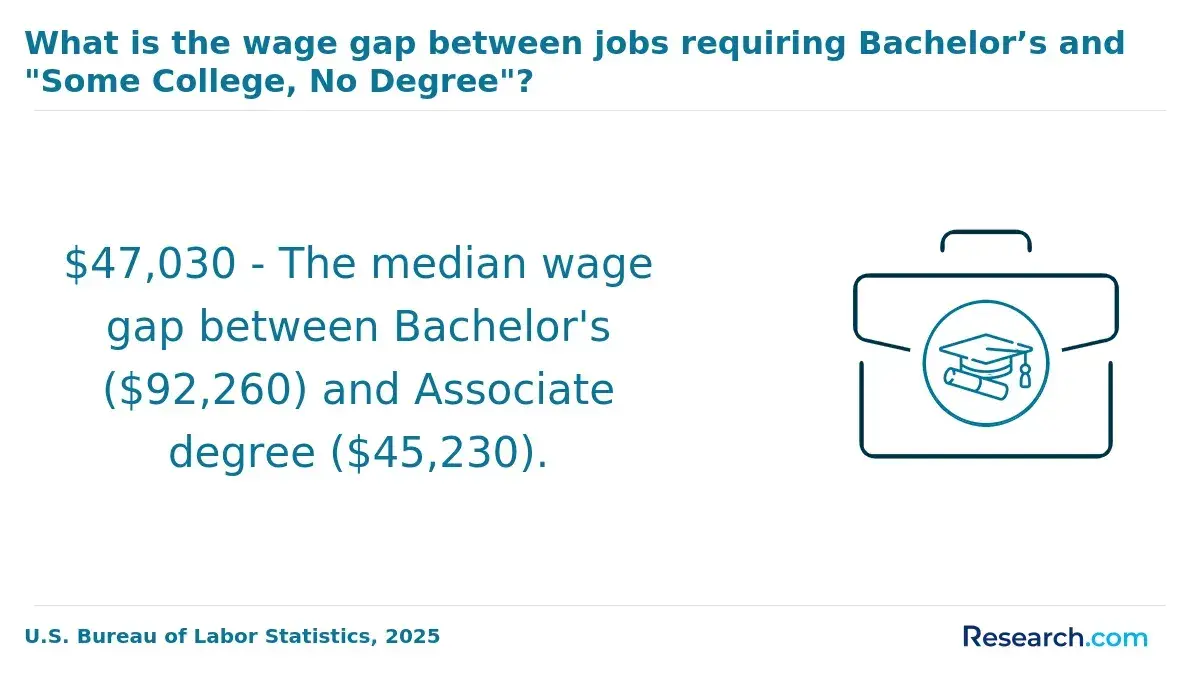
Financial aid reduces initial expenses for public health degree students, helping to lower debt and enhance return on investment over time. Nearly 90% of graduate students utilize some form of financial assistance, highlighting its critical role in managing educational costs and long-term financial stability.
Common forms of financial aid that improve affordability and ROI include:
- Scholarships: Awarded based on merit or financial need, scholarships reduce the overall cost of education without requiring repayment, effectively decreasing student debt.
- Grants: Need-based grants provide funds that do not have to be repaid, cutting upfront expenditures and diminishing the necessity for loans.
- Fellowships: Often aimed at research or specialized study, fellowships offer stipends that can cover tuition and living expenses, thereby alleviating financial pressure.
- Employer tuition assistance: Some employers offer reimbursement programs that offset educational costs, reducing out-of-pocket spending and accelerating the timeline to recoup investment after graduation.
- Federal student loans: While loans increase debt, federal options usually feature lower interest rates and more flexible repayment plans than private loans, facilitating manageable long-term costs.
How Long Does It Take to Complete a Public Health Degree?
The time taken to finish a public health degree directly influences its return on investment by affecting opportunity costs, delaying workforce entry, and accumulating educational expenses. Shorter completion times mean earlier earnings and reduced costs, improving overall financial benefits.
Several factors shape how long it takes to earn a public health degree and thus impact its value:
- Enrollment status: Full-time students generally finish sooner but may sacrifice income during study, while part-time students extend their timeline but maintain work earnings simultaneously.
- Program format: Accelerated and online options can significantly cut down study duration, allowing quicker transition to paid employment.
- Transfer credits: Previously completed relevant coursework can reduce the number of required classes, trimming both time and tuition expenses.
- Internship/thesis: Hands-on projects or research often add time but improve career readiness and can enhance salary prospects over time.
- Scheduling flexibility: Programs offering adaptable class times enable students to balance jobs and studies, potentially affecting how swiftly they complete their degree.
When I asked a recent public health graduate about her experience completing the degree, she shared how balancing coursework with a part-time job shaped her timeline. "I wanted to keep working for financial stability, which stretched my studies out," she explained.
She also noted that selecting evening classes and an online thesis option helped her progress steadily despite a busy schedule. While it took longer than the traditional full-time path, she felt this approach gave her valuable time management skills and reduced stress.
Reflecting on her journey, she said, "It wasn't just about getting the degree quickly; managing everything taught me resilience that's helped me professionally." This experience highlights how individual circumstances and choices influence how long finishing the degree takes and what the investment ultimately returns.
Is ROI Higher for Online or On-Campus Public Health Programs?
The ROI of online public health degree programs compared to on-campus options depends on differences in cost, flexibility, and career outcomes. Online enrollment in graduate public health programs has increased by over 30% in the last decade, reflecting wider acceptance of online degrees and their evolving value.
Deciding between formats requires weighing several practical factors.
Key considerations include:
- Tuition and fees: Online programs generally have lower tuition and fees, reducing upfront financial burden and making education more accessible for working adults.
- Opportunity cost: The flexibility of online study allows students to maintain employment or other responsibilities, minimizing lost income compared to on-campus programs that may demand relocation or reduced work hours.
- Time to completion: Both online and on-campus programs often require a similar duration to graduate, making time investment comparable.
- Networking and career support: On-campus programs typically provide stronger networking opportunities and career services, which can enhance job placement and higher salary potential post-graduation.
- Employer perception: While some employers still value on-campus credentials more, the perception of online degrees is improving, increasing long-term earning potential for online graduates.
Prospective students should carefully evaluate these factors when considering the on-campus versus online public health program value. For those searching for less traditional or more flexible paths in related healthcare fields, exploring the easiest DNP program online may also provide additional ROI insights.
What Is the Average Salary After Earning a Public Health Degree?
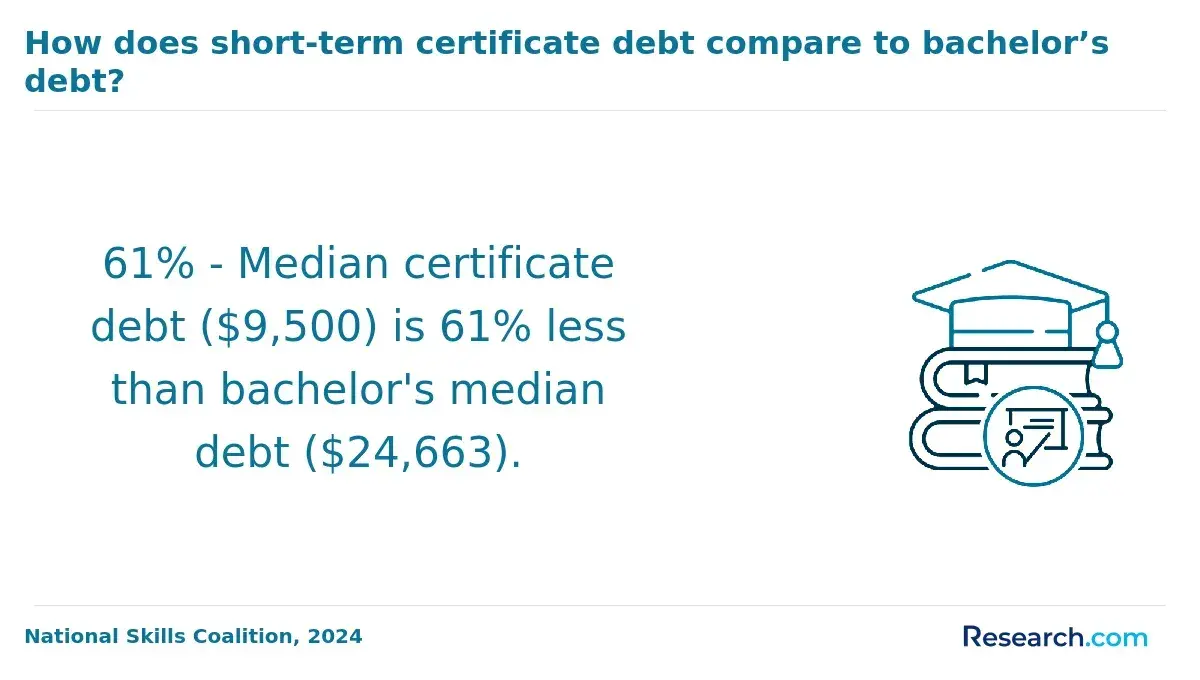
Post-graduation salary is a critical factor in assessing the return on investment (ROI) of a public health degree, as it determines how quickly graduates can repay educational costs and achieve financial independence. Average public health degree salary ranges widely, typically between $50,000 and $90,000 annually, based on job role and experience level.
Several key factors influence these outcomes and impact the overall ROI of earning a public health degree:
- Industry: Salary levels vary across government, healthcare, non-profits, and private sectors, with certain industries offering higher wages and faster career advancement.
- Geographic location: Regional differences in cost of living and demand for public health professionals affect salary potential and purchasing power significantly.
- Prior experience: Candidates with relevant internships or job experience tend to secure better starting salaries, boosting early ROI.
- Specialization: Areas such as epidemiology and health informatics often command different salary scales tied to expertise and market needs.
- Career level: Entry-level positions generally pay less, while managerial or research roles yield higher earnings, improving ROI over time.
Exploring public health graduate salary statistics can help prospective students evaluate if the costs and time commitment align with their financial goals. For those comparing educational investments, programs like the cheapest medical billing and coding program may also be worth considering for quicker cost recovery or alternative career paths.
Does a Public Health Degree Lead to Promotions?
Promotions significantly improve the return on investment (ROI) of earning a public health degree by increasing salary, expanding job responsibilities, and enhancing career mobility. A notable trend in workforce advancement is the growing emphasis on credential-based promotion, where higher education qualifications play a critical role in securing leadership and specialized positions.
Key ways a public health degree may influence promotion opportunities and ROI include:
- Credential requirements: Many organizations mandate a graduate degree for managerial or director-level roles. Holding a public health degree meets these essential criteria, opening doors for career advancement.
- Leadership preparation: The program curriculum often integrates administrative and leadership training, equipping graduates to handle supervisory responsibilities more effectively and confidently.
- Tuition support: Employer assistance with tuition expenses helps reduce educational costs, thereby improving the net ROI once promoted to higher positions.
- Promotion policies: Internal promotion frameworks frequently value advanced credentials alongside experience, rewarding those who invest time and effort into further education.
- Competitive advantage: Combining practical public health experience with academic credentials creates a compelling professional profile that enhances upward mobility in a competitive job market.
For those considering cost-effective educational options tied to career growth, exploring programs such as the cheapest online health science degree can be a strategic step. Integrating a public health degree in one's career plan can be a decisive factor in promotions with public health degree credentials, ultimately improving long-term financial and professional outcomes.
Which Industries Offer the Best ROI for Public Health Graduates?
The return on investment (ROI) for public health graduates varies widely across industries due to differences in salary levels, career progression opportunities, and demand for specialized skills. Industries with faster compensation growth and strong promotion potential tend to offer higher returns, especially when they rely heavily on specific public health expertise.
Some sectors stand out as the top industries for public health degree ROI, including the following:
- Healthcare Management: This industry consistently demands professionals who can manage health services, leading to steady salary increases and clear advancement pathways. The combination of leadership skills and health knowledge makes this a lucrative field for public health graduates.
- Pharmaceutical and Biotechnology: Roles in these sectors often require expertise in epidemiology and health policy, rewarding specialists with highly competitive compensation and opportunities to participate in innovative research and development.
- Government and Public Policy: Positions in government agencies provide both job stability and competitive pay, particularly for those focused on community or environmental health initiatives. These roles offer long-term career benefits and steady demand.
- Health Informatics: The growing use of data analytics in healthcare demands professionals who combine technical skills with public health knowledge, often leading to rapid career advancement and attractive salaries.
- Nonprofit and International Health Organizations: Although salaries may be moderate, these organizations provide impactful career opportunities with continuous demand for public health expertise, supporting long-term professional growth.
For those weighing career options and costs, exploring opportunities such as the cheapest DNP program online can also influence the best careers with public health degree return. Evaluating the ROI across industries helps prospective students make informed decisions about their educational investments and career paths.
Does Accreditation Affect ROI for a Public Health Degree?
In the context of public health degree programs, accreditation signifies formal approval from a recognized authority confirming that a program meets rigorous standards in areas like curriculum quality and faculty expertise. This endorsement serves as a reliable signal to employers and licensing agencies that graduates have the necessary skills and knowledge for the profession.
A notable trend is that many employers prioritize candidates from accredited programs, while licensure requirements increasingly mandate graduation from such programs to qualify for specialized roles. These factors directly affect the degree's return on investment by enhancing graduates' career prospects and earning potential.
Accreditation can significantly boost long-term ROI by fostering employer confidence, which often translates to better job opportunities and salary offers. It also opens doors to federal financial aid, easing the cost barrier for many students.
Furthermore, accredited credits are more easily transferable, supporting continued education and career advancement. Meeting licensure criteria through an accredited program is essential for many public health positions, and holding recognized credentials enhances professional mobility across sectors and geographic locations.
Is a Public Health Degree Worth It?
The return on investment for a public health degree hinges on several financial and professional factors. Tuition costs and the length of study, typically two to four years for graduate programs, play significant roles in determining value. Median salaries for graduates often range from $50,000 to $70,000 annually, with higher earnings common in leadership or specialized positions.
Career growth opportunities abound in areas such as epidemiology, health policy, and healthcare management, which are seeing steady demand and competitive salaries.
The degree's worth is influenced by factors like industry demand, which supports job stability and wage increases. Flexible program formats, including online or part-time options, can lower overall costs by allowing students to work concurrently.
Financial aid, such as scholarships or employer-sponsored tuition, further enhances affordability. Ultimately, a public health degree offers better ROI when aligned with clear career objectives and effective cost control, while uncertain career goals or lack of funding may reduce the financial benefits of this educational investment.
What Graduates Say About The ROI of Their Public Health Degree
- Colleen: "Choosing to pursue a public health degree in a traditional setting was a game-changer for me. Despite the average cost of attendance being around $40,000, the long-term return on investment has been undeniable, opening doors in healthcare policy that I never imagined. I'm confident this degree was worth every penny and effort. "
- Addison: "As an online student, I carefully weighed the costs, which typically fall near $30,000, against the career opportunities. The flexibility allowed me to work while studying, and completing the program expanded my skills in epidemiology and health promotion, directly boosting my professional growth. Reflecting on it, the degree paid off in invaluable career momentum. "
- Evelyn: "Pursuing a part-time public health degree was a strategic decision given the program's total cost around $35,000, which I questioned initially. However, balancing work and study gave me real-world experience alongside academics, making this investment practical and rewarding. Today, the credentials have strengthened my role in community health management considerably. "
Other Things You Should Know About Public Health Degrees
Certifications can enhance the ROI of a public health degree in 2027 by bolstering skills and expanding job opportunities. They can lead to higher salaries and specialized roles, ultimately increasing the value of the degree over time.
Yes, prior experience can significantly enhance the return on investment of a public health degree. Candidates with relevant work or volunteer experience often secure higher-paying jobs more quickly, which improves their long-term earnings relative to the degree's cost. Experience may also lead to advanced standing in certain programs, reducing time to completion and associated expenses.
Public health degrees generally offer a moderate ROI compared to clinical degrees like medicine or nursing, which often lead to higher salaries but require longer, more costly training. Public health graduates benefit from relatively shorter programs and lower educational costs while entering a growing job market. The ROI depends on the specific career path chosen, with some roles providing competitive compensation and others oriented toward public service and lower pay.
References
- Healthcare Administrator ROI Guide https://www.healthadministrationdegrees.com/articles/healthcare-administrator-roi-guide/
- What Is the Return on Investment of a Tuition‑Free UoPeople Degree? | University of the People | https://www.uopeople.edu/blog/roi-of-a-tuitionfree-uopeople-degree/
- Successful Careers with a Public Health Degree https://isthisdegreeuseless.com/blogs/what-successful-people-did-with-their-public-health-degree
- Public Health - SUM Admission https://admission.sum.edu.pl/public-health/
- 15 Top Cost-No-Object and 15 Top Affordable Master's in Public Health (MPH) Degree Programs - Healthcare Administration Degree Programs https://www.healthcare-administration-degree.net/best/top-affordable-cost-no-object-mph-degree-programs/
- Public Health Career Salaries: What to Expect Across Roles https://www.scuhs.edu/bshs-article/public-health-career-salaries-what-to-expect-across-roles/
- Financial Aid Guide https://www.publichealth.org/resources/financial-aid/
- Cheapest MPH Programs: Top 15 Affordable Public Health Degrees https://masterspublichealth.com/cheapest-mph-programs/


