
2027 Part-Time vs. Full-Time Public Health Degree Programs

Co-Founder and Chief Data Scientist
Many students face a tough choice between part-time and full-time public health degree programs, especially when juggling work commitments, finances, and academic goals. Approximately 40% of public health students now opt for flexible learning formats, highlighting a demand for schedules that accommodate varied lifestyles and increased workload management.
This article will clarify the key differences between part-time and full-time public health programs, helping readers assess which option best aligns with their professional ambitions and personal circumstances.
Key Benefits of Part-Time vs. Full-Time Public Health Degree Programs
- Part-time programs allow students to maintain employment, facilitating the application of real-time public health experiences to academic learning and enhancing career progression.
- They offer greater financial flexibility by spreading tuition costs over a longer period, reducing reliance on loans compared to full-time enrollment.
- Part-time study supports a balanced lifestyle, helping students manage family or personal responsibilities without sacrificing educational goals.
How Are Part-Time Public Health Programs Structured Compared to Full-Time Programs?
Choosing between part-time and full-time public health programs requires an understanding of their structural differences, as these impact the learning pace and overall academic experience. Scheduling flexibility often dictates how well students can balance studies with work or personal commitments.
Part-Time Program
- Course Load: Typically involves one or two courses per semester, reducing weekly workload.
- Time Commitment: Students usually dedicate 10 to 15 hours weekly to their studies.
- Scheduling Flexibility: Offers evening, weekend, and online classes to fit diverse schedules.
- Learning Modality: Increasingly relies on asynchronous online or hybrid formats for convenience.
Full-Time Program
- Course Load: Usually requires enrollment in three to four courses per semester for a more intensive experience.
- Time Commitment: Students spend approximately 25 to 40 hours weekly on coursework and activities.
- Scheduling: Primarily features daytime weekday classes with structured in-person sessions.
- Learning Focus: Emphasizes immersive, on-campus engagement for deeper academic involvement.
These differences highlight the key factors influencing public health degree formats, helping prospective students identify which pathway better suits their lifestyle and goals. For those seeking an accelerated approach with flexible learning options, an accelerated online bachelor's program could be a viable alternative to consider.
How Long Does It Take to Earn a Part-Time vs Full-Time Public Health Degree?
Knowing how long it takes to complete a public health degree program is essential for students planning their academic and career timelines. The duration varies significantly between part-time vs full-time public health degree duration, influencing how quickly one can enter or advance in the workforce. Full-time enrollment typically involves a heavier course load and faster progression.
Typically, a full-time public health master's program, such as an MPH (Master of Public Health), takes about two years, assuming a standard 9 to 12 credit hours per semester. Some programs offer accelerated options, reducing completion to 12-18 months. In contrast, part-time options extend to three or four years, allowing students to balance studies with work and personal commitments.
- Full-time MPH: Typically 2 years, with accelerated tracks shortening this to 12-18 months, making it ideal for those who can dedicate their time fully to studies.
- Part-time MPH: Usually 3-4 years depending on course load, designed for working professionals seeking flexibility without halting their careers.
- Program Factors: Structure, availability of evening/weekend classes, transfer credits, and online coursework opportunities can significantly influence program length.
For students considering how long to complete a public health degree program, these timelines illustrate typical paths. Those looking for less rigorous pacing might explore programs highlighted for an easiest bachelor degree to obtain, which sometimes share flexible scheduling features beneficial for part-time study.
Are Admission Requirements Different for Part-Time vs Full-Time Public Health Programs?
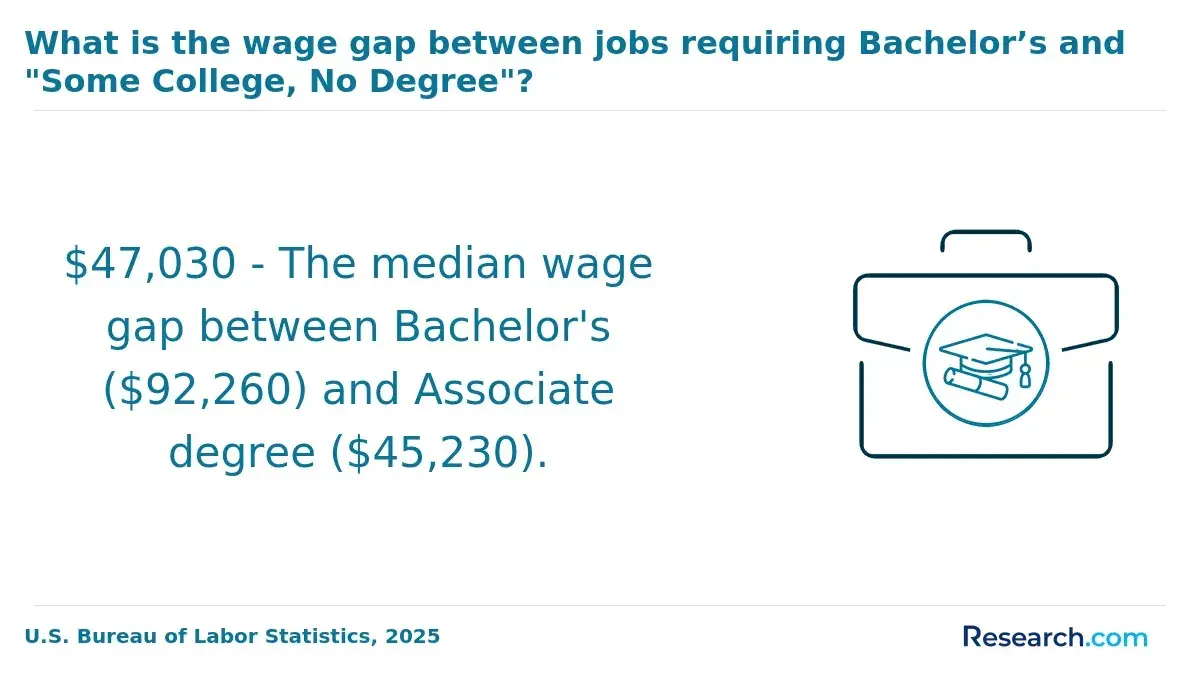
Understanding admission requirements for part-time public health programs and full-time public health program eligibility criteria ensures applicants align their preparation with program expectations and personal circumstances. While many criteria overlap, notable distinctions reflect the varied structures and student profiles of these formats.
- GPA Expectations: Both part-time and full-time public health program eligibility criteria generally require a minimum GPA near 3.0 on a 4.0 scale. Full-time programs may prefer higher academic achievement due to rigorous coursework, whereas part-time programs sometimes accept slightly lower GPAs, appreciating relevant professional experience.
- Prerequisite Coursework: Foundational courses in biology, statistics, or health sciences are standard prerequisites across both formats. Full-time programs usually expect these prerequisites completed prior to enrollment, while part-time programs may allow concurrent completion because of more flexible timelines.
- Professional Experience: Part-time public health programs put more emphasis on applicants' work experience, valuing how professionals balance careers with studies. In contrast, full-time formats often admit recent graduates with limited experience but recognize internships or volunteer roles.
- Standardized Tests: GRE requirements are becoming optional in most cases; however, some full-time programs maintain the GRE for competitive applicants. Part-time programs generally waive GRE scores to improve accessibility for working students.
- Supporting Documents: Both formats request letters of recommendation, statements of purpose, and resumes. Part-time applicants tend to highlight professional accomplishments more prominently to demonstrate their readiness and commitment.
Prospective students assessing whether to pursue part-time or full-time study should carefully examine these admission factors. Exploring the fastest associate degree options may also provide valuable insight into accelerated pathways that complement public health studies.
How Do Tuition Fees Differ for Part-Time vs Full-Time Public Health Programs?
Tuition costs for part-time and full-time public health programs vary significantly, affecting how students budget for their education. Full-time enrollment often involves a flat rate per semester or credit load, which can lower the cost per credit and condense expenses into a shorter period. In contrast, part-time students typically pay by the credit, providing greater scheduling flexibility but sometimes increasing the total tuition over time.
- Per-credit tuition rates: Full-time students frequently benefit from discounted rates or waived fees, reducing the price per credit compared to part-time students who pay standard per-credit charges.
- Overall program expense: While full-time programs concentrate costs upfront, part-time study may lead to higher cumulative expenses spread across more semesters.
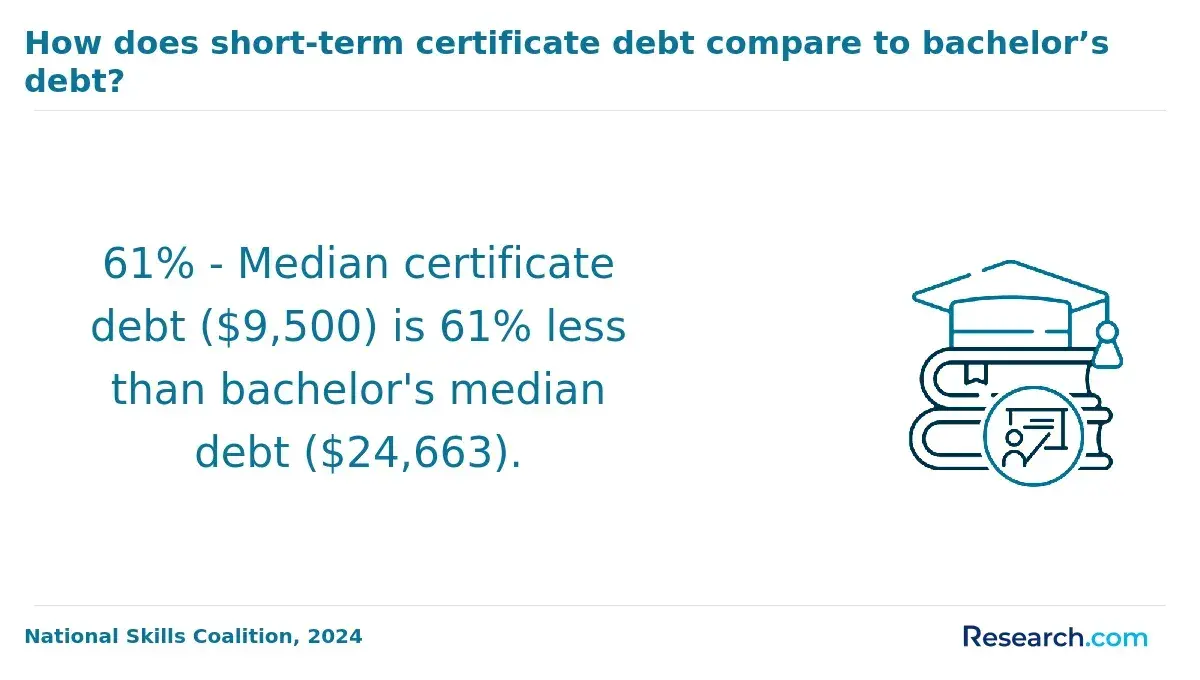
- Financial aid availability: Scholarship opportunities and loan packages tend to favor full-time students, whereas part-time learners often encounter more limited aid options.
- Additional fees: Part-time students might incur higher relative costs from technology, health, and activity fees that don't scale down proportionally with reduced enrollment.
Which Public Health Degree Program Format Offers More Online or Hybrid Course Options?
Part-time public health degree programs offer significantly more online or hybrid course options than full-time programs. This difference stems from program design, student needs, and institutional policies.
Below is a summary of how each format generally approaches course delivery:
- Part-time flexibility: Designed to accommodate working professionals, part-time programs prioritize online and hybrid formats to enable students to balance education with careers and family responsibilities.
- Full-time immersion: Full-time programs emphasize on-campus learning with fewer online options, targeting students who can dedicate themselves fully to in-person labs, group projects, and campus engagement.
- Student demographics: Part-time students are often employed adults seeking flexible schedules, while full-time students tend to be recent graduates or those able to study intensively without outside work commitments.
- Institutional policies: Universities often deploy digital platforms in part-time programs to support distance learning, while full-time programs maintain traditional classroom settings to foster community and hands-on experiences.
Can Public Health Students Switch Between Part-Time and Full-Time Enrollment?
Most public health programs in the U.S. permit students to change their enrollment status between part-time and full-time, typically requiring formal approval and adherence to institutional policies. Students usually need to submit a request or complete paperwork before a new term begins. Key considerations include how the switch affects financial aid, course scheduling, and whether the change aligns with academic goals. Approval from academic advisors is commonly necessary to ensure the transition supports degree progress. Switching enrollment status can influence the length of time it takes to graduate.
Academic standing is often a prerequisite for making enrollment adjustments. Financial aid may vary since eligibility and loan limits differ by status. Some courses might only be available to full-time students or during specific semesters, potentially impacting planning. Advisor approval helps manage these factors and maintain a coherent course sequence. Extending part-time study can delay graduation, so students should weigh these implications carefully.
How Do Online, Hybrid, and Campus Public Health Program Delivery Formats Affect Part-time vs. full-time learning?
Delivery format plays a crucial role in shaping students' learning experiences, especially when comparing part-time and full-time study. The level of flexibility varies widely, influencing how students manage their schedules, workload, and access to resources.
- Scheduling Flexibility: Online public health programs often provide the most flexibility for part-time students, enabling them to balance work and study without commuting. Full-time students also benefit but generally follow more structured class times. Hybrid formats, blending scheduled in-person sessions with online work, can complicate scheduling for part-time learners who need tight control over their time.
- Workload Management: Full-time students face heavier workloads and faster pacing, which campus-based programs support through face-to-face guidance. Part-time students in online programs can spread coursework over longer periods, reducing intensity but potentially extending completion times. Hybrid models require self-discipline in both settings, which may overwhelm some part-time students.
- Accessibility and Resources: Online delivery expands access for part-time learners limited by geography or job commitments, making it a popular choice among those seeking online FAFSA schools. Campus settings offer rich support services such as libraries and tutoring, which mostly benefit full-time students who spend significant time onsite. Hybrid programs offer some in-person resources combined with remote convenience.
- Learning Pace and Retention: Research on hybrid vs campus public health programs shows that full-time students in campus settings often retain information better due to immersive environments and peer interactions. Part-time online students must self-motivate, using tools like asynchronous lectures to maintain momentum. Hybrid learners leverage both methods but may face inconsistent pacing challenges.
- Student Support Systems: Full-time on-campus students generally have easier access to advising, career services, and networking opportunities. Part-time online students might feel isolated but gain from virtual advising and flexible office hours. Hybrid formats attempt to balance these supports, though availability varies by institution.
Do Employers Prefer Full-Time Public Health Degrees Over Part-Time Degrees?
Employers do not universally prefer full-time public health degrees over part-time degrees; rather, their preference depends on several factors including perceived rigor, time management, and professional experience. Full-time programs are often seen as more rigorous because they require concentrated study and immersion in coursework and research, which can lead to deeper academic preparation.
However, part-time public health degrees are valued for demonstrating strong time management skills since students balance their studies with ongoing professional responsibilities. This balance can signal practical knowledge and adaptability, qualities many employers appreciate. Overall, employer preference for full-time public health degrees often hinges on the context in which the degree was earned and the candidate's ability to apply their knowledge effectively.
Industry-specific trends show variability in employer preferences. Clinical and hospital settings may favor full-time graduates, valuing the intensive training involved, while policy-focused or community health roles often emphasize relevant professional experience, making part-time degrees highly valuable. According to a 2022 ASPPH survey, many employers in governmental and nonprofit sectors appreciate candidates with part-time degrees for their real-world insights.
Professionals considering flexible study options might also explore the cheapest online universities for working adults, which offer pathways to advance careers without compromising employer perceptions. Balancing education with work experience remains a key factor in how employers evaluate candidates with part-time versus full-time public health degrees.
Is a Part-Time or Full-Time Public Health Degree More Worth It for ROI?
Evaluating return on investment (ROI) is essential when choosing between part-time and full-time public health degree programs because it weighs tuition expenses, duration of study, and potential lost earnings against future career growth. Full-time programs usually have higher annual tuition but take only 1.5 to 2 years to complete, which can reduce overall living costs and opportunity costs. Meanwhile, part-time options often extend over 3 to 4 years, enabling students to work while studying, which helps maintain income but may increase total tuition and lengthen time to degree.
Assessing ROI involves balancing immediate financial impact with long-term benefits. Full-time students face upfront costs with shorter program length, potentially accelerating career progression and income increases. Part-time students minimize lost wages by continuing employment but may experience delayed advancement and extended financial commitments.
- Total program cost: Full-time programs can cost less overall due to shorter duration, though initial payments are higher. Part-time requires spreading tuition over more years, increasing cumulative costs.
- Opportunity cost: Part-time students keep earning during the program, lowering short-term financial pressure. Full-time students sacrifice income during study but finish sooner.
- Salary prospects: Graduates of full-time programs often enter the workforce faster, accessing higher-paying roles earlier. Part-time graduates catch up over time.
- Career advancement: Full-time study may enable quicker promotions due to faster degree completion. Part-time students typically advance more gradually.
- Long-term value: Both paths offer similar lifetime earnings, but completing full-time study sooner benefits from the time value of money.
How Do You Decide Between a Part-Time and Full-Time Public Health Degree Program?
Choosing between a part-time and full-time public health program is essential to align your studies with career ambitions and personal responsibilities. The right format helps balance coursework intensity, work schedules, and lifestyle needs effectively.
- Time availability: Full-time study demands a larger weekly commitment, typically completing the degree in about two years. Part-time allows extended completion, often up to four years, offering flexibility to accommodate work or family.
- Financial resources: Full-time programs usually require upfront tuition and living expenses but allow quicker graduation. Part-time students can spread costs over time while earning income simultaneously, easing immediate financial pressure.
- Career goals: If entering the workforce swiftly is a priority, full-time suits better. For professionals seeking gradual advancement or career changes, part-time provides practical pacing.
- Learning style: Full-time studies deliver immersive, intensive learning experiences. Part-time formats enable learners to absorb material steadily while applying concepts in real time.
- Program duration and flexibility: Full-time programs last 1.5 to 2 years, demanding consistent focus. Part-time extends up to 4 years, supporting a stronger work-life balance.
What Graduates Say About Their Part-Time vs. Full-Time Public Health Degree
- Wells: "Pursuing a full-time public health degree was an intense yet rewarding journey. The immersive learning environment accelerated my skills, preparing me for immediate challenges in healthcare. Despite the higher tuition costs, estimated around $40,000 annually, the investment has already paid dividends in my career advancement."
- Fallon: "Choosing a part-time public health program allowed me to balance work and study without overwhelming my schedule. The flexibility was invaluable, and while the total cost was moderate, approximately $25,000, the real value came from applying coursework directly to my job in real time. It's been a reflective and practical experience that reshaped my professional outlook."
- Peyton: "The decision to enroll full-time in public health was a professional milestone, offering deep insight into critical health issues. The cost, though considerable-averaging $35,000 per year-felt justified given the quality of education and network access I've gained. This degree has significantly amplified my ability to effect change in community health initiatives."
Other Things You Should Know About Public Health Degrees
Many part-time public health programs provide access to career services such as job placement assistance, resume workshops, and networking events similar to full-time programs. However, the availability and extent of these services can vary by institution. Part-time students should confirm career support options with their program to ensure they receive adequate resources.
In 2027, employer recognition for public health degrees is generally centered on the program's accreditation and graduates' skills, rather than the study's pace. Both part-time and full-time programs in accredited universities hold similar value, though full-time students may complete their studies more quickly and enter the workforce sooner.
References
- Is an MPH Worth It? - MPH Online https://www.mphonline.org/public-health-degree-jobs/
- Does a Part-Time Degree Cost the Same as Full Time? - Healthcare Management Degree Guide https://www.healthcare-management-degree.net/faq/does-a-part-time-degree-cost-the-same-as-full-time/
- Online vs Hybrid vs Campus Learning in Healthcare: Which Is Right for You? https://www.edumed.org/articles/online-vs-hybrid-vs-campus/
- Should I Get an MPH, MPA, or MHA? https://www.publichealthhired.com/blog/mastersdegreeoptions
- Full-Time vs. Part-Time MPH Programs Online | Goodwin University https://www.goodwin.edu/enews/full-time-vs-part-time-mph-programs/
- How Do Public Health Careers Work | LSBF Blog https://www.lsbf.org.uk/blog/online-learning/how-do-public-health-careers-work
- Should we teach in hybrid mode or fully online? A theory and empirical investigation on the service–profit chain in MBAs https://www.rennes-sb.com/faculty-research-news/teach-hybrid-mode-fully-online-theory-empirical-investigation-service-profit-chain-mbas/
- Verifying that you are not a robot... https://jliedu.ch/online-masters-public-health-specializations/
- The Complete Guide to Hybrid MPH Programs https://masterspublichealth.com/hybrid-mph-programs/
- Comparing the impact of online and in-person active learning in preclinical medical education https://pmc.ncbi.nlm.nih.gov/articles/PMC11877840/


