2027 How to Pay for a Screenwriting Master's Degree with Financial Aid

Co-Founder and Chief Data Scientist
Many prospective students face significant financial barriers when considering a master's degree in screenwriting, given its specialized nature and often limited institutional funding. Nearly 70% of graduate students in creative fields rely on some form of financial aid to offset tuition and living expenses. This reliance grows as screenwriting programs typically attract diverse applicants, including career changers and international students, who must navigate complex aid options without guaranteed support.
By exploring federal aid, graduate assistantships, scholarships, and employer contributions, this article offers a comprehensive roadmap to help students strategically fund their screenwriting degree and reduce long-term debt.
Key Benefits of Knowing How to Pay for a Screenwriting Master's Degree with Financial Aid
- Utilizing every major financial aid option allows students to invest strategically in their professional future, enhancing long-term career prospects in the competitive screenwriting industry.
- Accessing federal aid, institutional fellowships, and employer assistance reduces the immediate financial burden, making graduate study more affordable and lessening debt accumulation.
- Building a comprehensive funding strategy-combining grants, assistantships, and tax benefits-creates a financially achievable path to earning a screenwriting master's degree.
What Is a Screenwriting Master's Degree, and Why Does Funding It Matter?
For prospective screenwriting master's degree students, knowing what this graduate program involves and why securing funding is crucial can shape their academic journey. Below are key points to clarify the core aspects and financial considerations of pursuing a screenwriting master's degree.
- Program Scope and Structure: This graduate degree focuses on mastering narrative techniques, character development, and script formatting for film, television, and digital media. Students engage in workshops, collaborative projects, and complete a thesis or portfolio over one to three years.
- Academic Requirements: Admission typically requires a bachelor's degree and submission of a writing portfolio or sample scripts. Coursework emphasizes advanced storytelling, script analysis, and industry standards guided by faculty who are often active professionals.
- Funding Challenges: Tuition for screenwriting graduate programs in the U.S. ranges widely, often from $15,000 to over $40,000 annually. The National Center for Education Statistics reports a nearly 20% rise in graduate tuition costs over the past decade, highlighting the importance of financial aid to minimize student debt.
- Diverse Financial Aid Options: Students can tap into federal aid programs, institutional scholarships, graduate assistantships, employer-sponsored tuition help, and professional association awards. Navigating these options requires early and consistent effort.
- Importance of Early Planning: Active use of resources like FAFSA, merit-based, and need-based aid applications greatly enhances funding opportunities. Strategic planning reduces reliance on loans and opens access to a broader range of aid.
Understanding these essentials equips students to explore funding options for screenwriting graduate programs effectively. For those balancing time and finances, one year masters programs online may offer viable alternatives.
What Types of Financial Aid Are Available for Screenwriting Master's Students?
Prospective students pursuing a screenwriting master's degree need to explore a variety of financial aid options to manage educational expenses effectively. This overview highlights the key categories of graduate financial assistance programs for screenwriting students, offering a clear path to combining aid sources. Consider the following major types of financial support available:
- Grants: These funds do not require repayment and are typically awarded based on financial need. Grants can come from federal or state governments or private organizations dedicated to supporting arts education.
- Scholarships: Awarded for merit, talent, or specific eligibility criteria such as demographic or artistic focus, scholarships are often provided by universities, film industry groups, or nonprofit foundations to help offset costs.
- Fellowships: Combining financial assistance with professional development, fellowships provide stipends in exchange for creative work, research, or teaching duties. These are frequently tied to specific screenwriting programs and help students gain valuable experience.
- Assistantships: Graduate assistantships offer tuition waivers or stipends in return for assisting faculty with teaching or research, providing practical work experience while reducing educational expenses. They are common in screenwriting MA programs and can substantially lower costs.
- Loans: Loans require repayment with interest, making it important to understand federal graduate loan options like Direct Unsubsidized Loans and Grad PLUS Loans. Exploring repayment plans such as income-driven repayment and loan forgiveness can help manage debt after graduation.
- Work-Study Programs: These programs allow eligible students to earn money through part-time campus or community jobs aligned with academic schedules, providing flexible financial support alongside other aid.
Screenwriting-specific awards and fellowships often address unique artistic needs beyond general graduate aid. Pursuing multiple types of aid simultaneously creates a stronger financial foundation and reduces reliance on loans.
Graduate students should also leverage tools like the FAFSA to access available federal assistance and consider income-driven repayment plans to manage long-term costs. For an insight into most affordable online PhD programs, applicants can find strategies that parallel the pursuit of affordable screenwriting education.
How Does the FAFSA Process Work for Screenwriting Graduate Students?
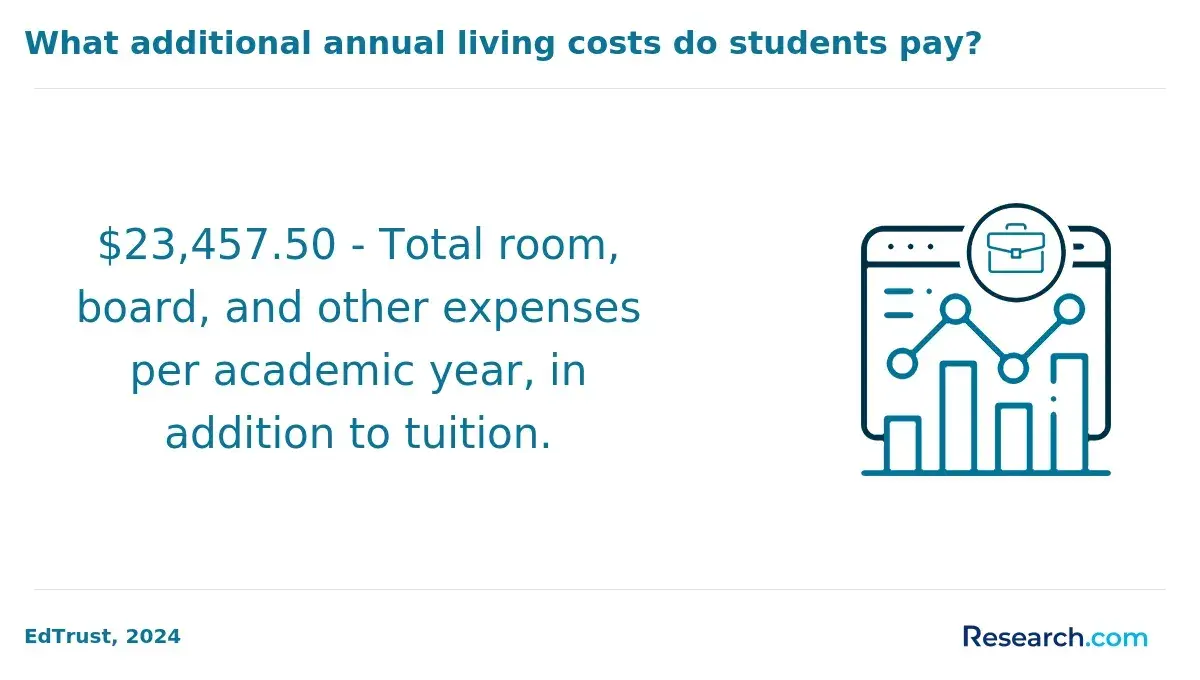
Prospective students aiming for a screenwriting master's degree should be aware that FAFSA plays an essential role in accessing federal financial aid. The process differs for graduate students versus undergraduates, impacting what financial data they must report and the aid they qualify for. Below are crucial details to help guide your FAFSA application as a graduate screenwriting candidate:
- Independent Status for Graduate Students: Graduate applicants are automatically classified as independent, requiring only their own financial details on FAFSA. This simplifies the application but may influence the types and amounts of aid you receive.
- Importance of Early Filing: FAFSA becomes available every October 1, and submitting your application promptly increases your chances for certain state and institutional aid that operates on a first-come, first-served basis.
- Available Federal Aid: At the graduate level, FAFSA primarily opens access to federal loans and Federal Work-Study, as eligibility for grants like the Pell Grant is generally unavailable to graduate students.
- Documentation Accuracy: You'll need your Social Security number, the most recent tax returns, and asset information. Utilizing tools like FAFSA's IRS Data Retrieval Tool can help avoid errors that might cause delays.
- Graduate Aid Statistics: According to a 2023 National Center for Education Statistics update, 56% of graduate students receive federal financial assistance, underscoring FAFSA's critical role in funding graduate education.
A professional who recently completed a master's in screenwriting shared that navigating FAFSA was initially intimidating, given the specifics around independent status and documentation. "I underestimated how early I needed to apply," they recalled. They found that gathering accurate tax information and using the IRS Data Retrieval Tool significantly eased the process.
Though the financial aid mainly came through loans and a work-study position, these resources were vital to sustaining their studies and reducing reliance on private funding. Their experience highlights the value of diligence and early action when managing FAFSA as a screenwriting graduate student.
What Federal Loans Are Available for Financing a Screenwriting Master's Degree?
Prospective students seeking federal student loans for graduate screenwriting degrees should carefully evaluate borrowing options to finance their education effectively. Below are key aspects of federal loan programs designed to help manage graduate studies costs.
- Direct Unsubsidized Loans: These loans are available to graduate students regardless of financial need and feature fixed interest rates set higher than undergraduate loans but generally lower than private alternatives. Borrowing limits exceed those of undergraduates but have annual and aggregate caps. Interest accumulates during enrollment, increasing total repayment.
- Graduate PLUS Loans: Designed to cover educational expenses beyond other aid, these loans require a credit check and bear higher interest rates than Direct Loans. They offer higher loan limits up to the total cost of attendance, useful for full funding but with greater potential debt.
- Interest Rates and Repayment: Federal graduate loans come with fixed interest rates reset annually, typically surpassing undergraduate rates. Repayment usually begins six months after graduation or upon leaving half-time enrollment, with income-driven plans available to ease repayment burdens.
- Loan Disbursement Schedule: Loans are generally distributed in at least two installments per academic year, aligned to your school's billing cycle. Planning disbursements ensures funds cover tuition and living costs on time.
- Borrowing Strategy: Calculate total costs thoroughly and consider federal loans only after maximizing grants, scholarships, and employment assistance. Over-borrowing risks long-term debt hardship; carefully balance loans to reduce financial strain.
When applying for federal financial aid for screenwriting master's studies, it's helpful to explore resources from online universities that may offer complementary funding opportunities.
What Scholarships and Fellowships Exist Specifically for Screenwriting Master's Students?
Students pursuing a master's degree in screenwriting often rely on scholarships and fellowships to lessen the financial burden associated with graduate studies. Knowing the distinctions between these awards and where to find them is critical for a successful funding strategy. Below are important considerations to guide your search:
- Scholarships Overview: These awards are usually based on merit or financial need and provide funds that do not need to be repaid. Applications typically require proof of academic performance or financial status.
- Fellowships Explained: Fellowships often include funding for specific creative projects or research tied to screenwriting, sometimes coupled with responsibilities like teaching. They commonly offer stipends and tuition coverage.
- Early Deadlines: Deadlines for scholarships and fellowships often come before institutional financial aid deadlines, making it essential to begin researching well in advance.
- Targeted Resources: Utilize databases focused on film and writing professions along with organizations such as the Writers Guild Foundation to uncover awards tailored specifically for screenwriting students.
- Government and Institutional Aid: Some federal programs and university fellowships support graduate studies in screenwriting but often require submitting the FAFSA and additional applications, highlighting the need for thorough preparation.
A professional who built a career following her screenwriting master's degree shared that finding the right scholarships and fellowships felt overwhelming at first. "I wasn't sure which awards really aligned with my focus, and juggling application timelines was stressful," she recalled.
However, by organizing her search around deadlines and applying broadly to both fellowships and scholarships, she minimized her reliance on student loans. This approach gave her the freedom to concentrate fully on her craft and research during the program, which she describes as "invaluable to my development."
How Can Graduate Assistantships Help Pay for a Screenwriting Master's Degree?
Graduate assistantships provide valuable financial support for students pursuing a Screenwriting master's degree by helping to cover tuition and living expenses. These roles can be crucial in easing the cost burden, and below are important aspects to consider about their structure and availability.
Key points include:
- Types of Assistantships: Teaching assistantships involve supporting classroom instruction and grading. Research assistantships focus on aiding faculty research projects related to screenwriting or film studies. Administrative assistantships assist with department operations or events, offering diverse opportunities for students.
- Awarding Authority: Unlike general financial aid, graduate assistantships are usually offered by academic departments. Interested students should reach out directly to Screenwriting program directors or department chairs to learn about openings and application procedures.
- Financial Advantages: Most assistantships come with a stipend and may include partial or full tuition waivers, making them among the most generous funding sources available to graduate students. This support can substantially reduce both educational debt and living costs.
- Commitment and Impact: Serving as a graduate assistant demands a significant weekly time investment, potentially affecting study time and project work. Students need to balance these duties with their academic progress to avoid delays in degree completion.
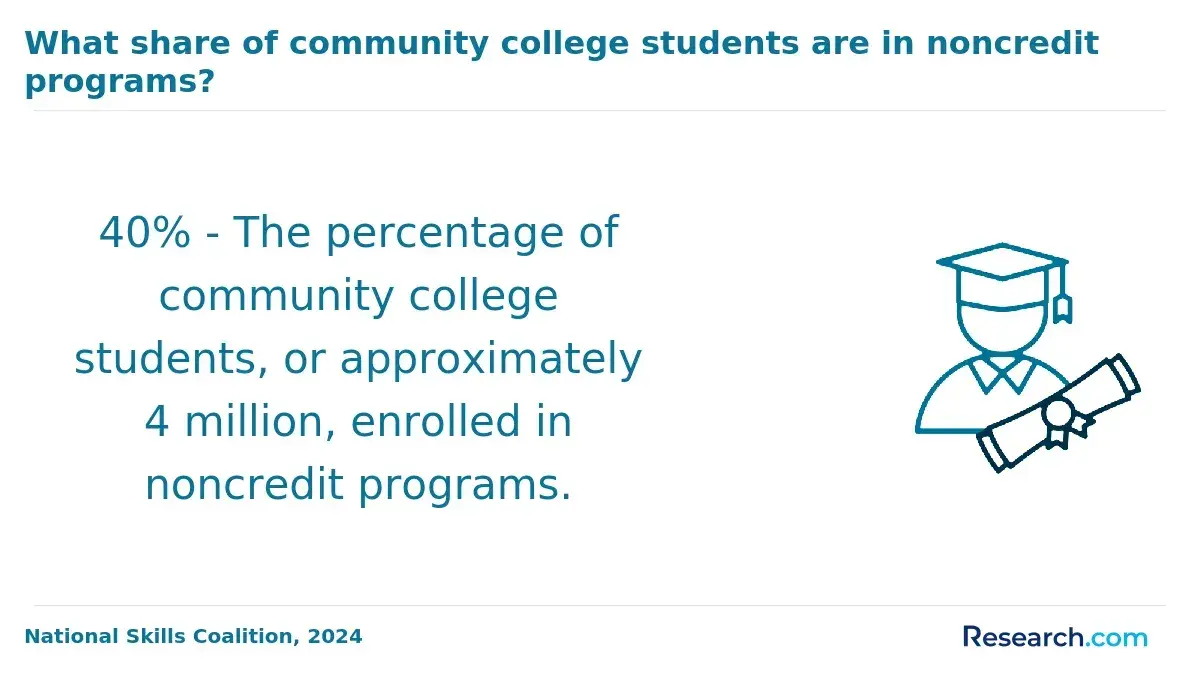
- Current Trends: Over half of humanities master's students now receive assistantships or fellowships, underscoring the growing reliance on these roles for graduate funding according to the Council of Graduate Schools.
Are There Employer Tuition Reimbursement Options for Screenwriting Master's Programs?
Employer tuition assistance programs are an important financial resource for working professionals pursuing a Screenwriting master's degree. These programs can significantly offset education costs if you know how to navigate your company's benefits. Below are key points to consider when leveraging employer reimbursement options for your graduate studies.
- IRS Section 127 Tax Benefits: Under IRS Section 127, employers can provide up to $5,250 per year in tax-free tuition assistance. This benefit means that tuition aid from your employer may not be counted as taxable income, offering a financially advantageous way to fund your Screenwriting degree.
- Review Your Employee Benefits Package: Not all employers offer tuition reimbursement, so it's essential to review your benefits or consult your HR department to confirm eligibility for your Screenwriting program.
- Employment Commitment Requirements: Many tuition assistance programs require recipients to remain with the company for a specified period after graduation. Clarify these conditions upfront to avoid any unexpected obligations or repayment demands.
- Prepare a Formal Proposal: When requesting assistance, submit a professional proposal that clearly connects your Screenwriting degree with your current role and company objectives. Demonstrating tangible benefits often improves approval chances.
- Growing Employer Support Trends: Recent surveys show nearly 60% of employers have increased tuition assistance programs in response to rising demand for professional development, highlighting expanding opportunities for graduate students.
What State-Based Financial Aid Opportunities Exist for Screenwriting Graduate Students?
State governments play a crucial role in supporting graduate education funding, including for prospective screenwriting master's degree students. Access to state-based financial aid can significantly lower the overall cost of graduate studies. Below are important considerations to help you understand how these programs work and what you may need to qualify.
Key aspects of state financial aid programs for screenwriting graduate students include:
- Residency and Enrollment Requirements: Most state programs require applicants to be legal residents of the state and enrolled in an accredited in-state institution. These criteria prioritize funding for those who contribute directly to the local academic community.
- Grant and Scholarship Opportunities: Many states offer need-based and merit-based scholarships specifically for graduate students. These awards are often limited and competitive, so researching deadlines and eligibility early is essential.
- Loan Forgiveness Programs: Some states provide loan repayment assistance tied to employment in high-demand or underserved areas related to the student's field. While screenwriting may not be a primary target, some states include creative industries in their workforce development incentives.
- Tuition Equity and Waiver Policies: Undocumented or DACA-recipient students pursuing graduate screenwriting degrees may benefit from tuition equity laws in certain states, allowing them to access in-state tuition rates and related aid.
- State Higher Education Agencies: Because programs and funding levels vary widely and change frequently, consulting your state's higher education agency or its website is essential to ensure you have the most current information.
Over 30 states have expanded graduate scholarships and financial aid in recent years, showing a growing commitment to supporting graduate education beyond the undergraduate level.
For those searching for additional financial aid options, combining state programs with federal assistance, institutional fellowships, and employer-sponsored aid can help create a sustainable funding plan. It is also worthwhile to explore specialized financial resources such as cheapest online EdD programs no GRE that may offer relevant strategies to manage education costs effectively.
How Do Institutional Grants and University Fellowships Factor Into Screenwriting Funding?
Prospective students seeking a screenwriting master's degree should understand that many universities and graduate schools offer merit-based or need-based funding to attract top candidates. These institutional grants and university fellowships may include tuition remission, partial grants, and opportunities for departmental support. The following key points clarify how to navigate these funding options effectively.
- Merit-Based and Need-Based Funding: Numerous universities provide financial awards based on academic achievement or financial need to screenwriting master's candidates. These awards can cover full or partial tuition, helping to significantly reduce overall costs.
- Departmental Fellowships: Many graduate schools administer fellowships directly through academic departments, offering stipends alongside tuition discounts. These awards often come with responsibilities such as teaching or research assistance.
- Separate From General Financial Aid: Institutional grants and university fellowships are distinct from the general financial aid managed by a university's financial aid office. Application processes and eligibility criteria can vary, so clear differentiation is important.
- Communication With Admissions: Applicants should directly consult admissions representatives about institutional funding specific to screenwriting programs. This approach helps clarify deadlines, requirements, and available support tailored to each school.
- Comparing Aid Packages: Applying to multiple screenwriting master's programs and comparing their institutional aid offers helps maximize funding opportunities and minimize out-of-pocket expenses.
Graduate students should also explore comprehensive strategies for financing their advanced degrees. Leveraging federal aid through the FAFSA, combining funding sources such as employer-sponsored assistance and professional association scholarships, and considering long-term financial factors, including income-driven repayment plans and loan forgiveness programs, are vital. These tactics reduce the net cost of education and help students graduate with manageable debt.
For those interested in additional affordable educational pathways, resources like cheap online masters programs provide insights into cost-efficient graduate study options.
What Role Do Professional Associations Play in Funding a Screenwriting Master's Degree?
For prospective screenwriting master's students, tapping into financial aid offered by professional associations can make graduate study more affordable and accessible. Exploring these opportunities early can provide significant support throughout your education. Consider the following key resources:
- Scholarships and Grants: Numerous screenwriting organizations award scholarships to graduate students who show promise in the craft, often favoring members. These funds help reduce tuition fees and related costs.
- Travel and Research Support: Grants are sometimes available to facilitate attendance at industry events, conferences, or research initiatives, promoting both academic growth and vital networking.
- Mentorship Stipends: Some associations provide stipends tied to mentorship programs, enabling students to learn directly from experienced professionals while receiving financial assistance.
- Membership Benefits and Eligibility: Being an active member of relevant associations may be required to apply for specific awards and often grants access to exclusive funding announcements.
- Application Strategy: Early submission combined with a tailored, well-written personal statement focused on screenwriting greatly improves chances of securing funding.
How Can Income-Driven Repayment and Loan Forgiveness Programs Apply to Screenwriting Graduates?
For prospective screenwriting master's degree students, managing student loan repayment effectively is crucial to long-term financial stability, especially when starting careers that may offer modest initial incomes. The following points outline essential federal repayment and forgiveness options to consider.
- Income-Driven Repayment Plans: Programs like SAVE, IBR, PAYE, and ICR adjust monthly payments based on income and family size, helping graduates in screenwriting-related fields handle loan payments without overwhelming financial strain.
- Public Service Loan Forgiveness (PSLF): Those employed in qualifying government roles, nonprofits, or academic institutions within screenwriting or media sectors may receive loan forgiveness after making 120 qualifying payments over ten years, significantly reducing debt burdens.
- Exclusion of Private Loans: Private student loans do not qualify for income-driven repayment or federal forgiveness programs, underscoring the importance of prioritizing federal loans during financing to maximize benefits.
- Career Eligibility Considerations: Forgiveness opportunities are generally limited to screenwriting professionals in public service roles; freelancers or private-sector employees often do not meet these qualifications.
- Planning and Resources: Utilizing tools provided by the Federal Student Aid website and consulting financial advisors can help students tailor repayment plans based on expected screenwriting incomes and loan balances.
What Graduates Say About Paying for a Screenwriting Master's Degree with Financial Aid
- Casey: "Choosing a screenwriting master's degree was a deliberate move to deepen my craft and connect with industry professionals who truly understand the nuances of storytelling. The cost was a significant investment, but the scholarships and assistantships available made it manageable. Since graduating, my career has accelerated thanks to the network and credibility that came with the program."
- Gabrielle: "I decided to pursue a screenwriting master's degree after realizing how much I lacked formal training, especially for narrative structure and character development. The program was reasonably priced compared to others, which was a big factor for me as a working professional. Reflecting back, the advanced skills and mentorship I gained have been key drivers in getting my scripts noticed by producers."
- Erin: "Enrolling in a screenwriting master's program was a strategic step to transition from independent projects to a professional career. Financing it was challenging, but considering the return on investment, it was worthwhile. The program's focus on real-world application gave me the confidence and portfolio needed to land my current writing gigs in television."
Other Things You Should Know About Screenwriting Degrees
In 2027, part-time enrollment and online screenwriting programs can impact financial aid eligibility. Part-time students may receive less aid than full-time students. However, online programs often offer the same federal aid options as their on-campus counterparts, depending on accreditation and enrollment status.
Crowdfunding and peer-to-peer lending offer alternative ways to finance a screenwriting master's degree outside traditional loans and scholarships. Students can create campaigns to share their story and raise funds from supporters, while peer-to-peer platforms connect borrowers with private lenders at potentially lower interest rates. Both methods require careful planning and clear communication about repayment terms or fundraising goals.
In 2027, students can explore federal financial aid, scholarships specific to arts programs, graduate assistantships, and private student loans. Many universities also offer institutional scholarships and financial aid resources tailored to film and screenwriting students.
References
- Top 10 Reasons Why Film School Is More Valuable Than You Think https://www.thestorysolution.com/film-school-screenwriters-book/
- Income-Driven Repayment Plan Loan Forgiveness - Student Loan Borrowers Assistance https://studentloanborrowerassistance.org/for-borrowers/dealing-with-student-loan-debt/loan-cancellation-forgiveness-bankruptcy/cancellation-forgiveness-options/idr-cancellation/
- Playwriting and Screenwriting https://www.fastweb.com/directory/scholarships-for-playwriting-and-screenwriting-majors
- MFA in Screenwriting: Is it worth it? | No Film School https://nofilmschool.com/are-screenwriting-degree-worth-it
- The Ultimate List of Screenwriting Writing Scholarships in 2026 • Apply Today https://reedsy.com/resources/writing-scholarships/screenwriting/
- IBR Forgiveness Is Back — What Borrowers Need to Do | Edvisors https://www.edvisors.com/blog/income-based-repayment-forgiveness/
- The Leverhulme Trust Arts Scholarships at London Film School https://lfs.org.uk/full-time-study/funding/leverhulme-arts-scholarship
- 5 Things You Can Do with a Screenwriting MFA - Hollins University https://www.hollins.edu/5-things-you-can-do-with-a-screenwriting-mfa/
- Types of Financial Aid | AFI CONSERVATORY https://conservatory.afi.com/types-of-financial-aid/
- 27 Top Scholarships for Film Students in 2026 https://filmlocal.com/filmmaking/best-scholarships-for-film-students/