
2027 How to Pay for a Secondary Education Master's Degree with Financial Aid

Co-Founder and Chief Data Scientist
Many prospective students seeking a master's degree in secondary education face the challenge of covering rising tuition costs while balancing work and personal responsibilities. According to the National Center for Education Statistics, about 56% of graduate students in education rely on some form of financial aid to manage expenses.
This financial pressure often deters talented individuals from advancing their credentials and impacting secondary classrooms. This article explores various financial aid options specific to secondary education master's programs, guiding readers through federal aid, scholarships, assistantships, and loan repayment strategies to build a sustainable funding plan and reduce debt effectively.
Key Benefits of Knowing How to Pay for a Secondary Education Master's Degree with Financial Aid
- Understanding all major financial aid avenues enables students to invest wisely in their professional future, maximizing support from federal aid, scholarships, and employer programs.
- Accessing diverse funding options helps lessen the financial burden, reducing reliance on loans and minimizing long-term debt.
- Creating a strategic, combined funding plan makes earning a secondary education master's degree financially achievable and sustainable for career changers and recent graduates alike.
What Is a Secondary Education Master's Degree, and Why Does Funding It Matter?
Prospective students exploring a secondary education master's degree should consider the academic scope and funding challenges of this advanced program. This section highlights the essential elements of the degree and introduces key financial considerations.
Below are important points to guide students in planning for secondary education master's degree funding options:
- Definition and Academic Scope: A secondary education master's degree focuses on pedagogy and subject-matter expertise required to teach middle and high school students. Coursework often includes curriculum development, educational theory, and practical teaching experience.
- Program Requirements: Students typically complete 30 to 36 credit hours within one to three years. Graduation may require a thesis, capstone project, or comprehensive exams tailored to the field of secondary education.
- Financial Burden: Tuition can range between $10,000 and $30,000 annually, excluding living costs and fees. The cost underscores the importance of planning for financial aid to minimize the debt incurred during graduate studies.
- Funding Landscape: A wide array of support is available, including federal loans, scholarships, assistantships, and institutional grants. Many students successfully combine multiple funding sources to reduce costs and ensure affordability.
- Recent Trends: Over 60% of graduate students rely on financial aid, showing a growing dependency on diverse funding streams when pursuing a secondary education master's degree.
These factors demonstrate why the importance of financing a secondary education master's program extends beyond mere tuition. To maximize funding opportunities, students must actively seek aid by navigating the FAFSA as graduate students, leveraging assistantships, and utilizing employer or scholarship support.
Some may even explore options such as income-driven repayment plans and loan forgiveness programs to manage loans over the long term. Additionally, education-related tax benefits can decrease net costs, complementing aid packages. For those also interested in specialized credentials, exploring BCBA online programs can provide further funding and career pathway insights related to education and behavioral analysis fields.
What Types of Financial Aid Are Available for Secondary Education Master's Students?
For those planning to pursue a secondary education master's degree, exploring the various financial aid options available can greatly ease the path to funding graduate studies. Knowing the differences among grants, scholarships, loans, and other aid types helps students tailor their approach. The following key categories highlight the most common forms of support:
- Grants: Grants provide funding that does not require repayment and often target financial need. Although more common at the undergraduate level, some federal and state grants are specifically allocated for graduate students focusing on secondary education.
- Scholarships: These merit-based or need-based awards do not need to be repaid. Many institutions, education-focused organizations, and professional associations offer scholarships aimed at supporting students specializing in secondary education, sometimes focusing on particular subjects or underrepresented groups.
- Fellowships: Fellowships offer competitive funding often including stipends and tuition support in exchange for research or academic contributions. These are tailored for students seeking advanced knowledge and leadership roles within secondary education.
- Assistantships: Graduate assistantships provide an excellent opportunity to work part-time in teaching or research roles at the university, typically offering tuition remission and a stipend. These are directly aligned with graduate programs in secondary education and important sources of institutional funding.
- Loans: Loans must be repaid with interest but can be essential for covering remaining costs. Graduate students in secondary education can access federal student loans through the FAFSA process. Understanding income-driven repayment plans and loan forgiveness options for teachers can help manage future debt.
- Work-Study Programs: Funded by the federal government, work-study jobs offer part-time employment based on financial need. These roles may be on campus or linked to community service, combining income with relevant experience in education fields.
Prospective students should consider combining scholarships, assistantships, and loans strategically, taking advantage of federal and institutional funding for secondary education master's degrees whenever possible. Planning ahead helps limit debt while maximizing financial support. Additionally, exploring flexible options such as an accelerated online associate's degree may provide a foundation for further graduate studies or teaching credentials.
How Does the FAFSA Process Work for Secondary Education Graduate Students?
For those pursuing a secondary education master's degree, navigating the FAFSA process is essential to accessing federal aid tailored for graduate students. Since graduate applicants are treated differently than undergraduates, it's important to understand the specifics that affect aid eligibility.
Key aspects to keep in mind include:
- Graduate Student Independence: Graduate students are automatically considered independent, meaning only their personal income and assets are reported, which can streamline the application but also impacts the amount and types of aid available.
- Application Timing and Deadlines: FAFSA opens annually on October 1. Submitting early is advantageous because many states and institutions distribute financial aid on a first-come, first-served basis, particularly for state-funded grants and school-sponsored awards.
- Available Aid Types: At the graduate level, FAFSA primarily provides access to federal student loans and work-study programs. Unlike undergraduates, most federal grant opportunities are limited for graduate students, so understanding this helps set realistic expectations.
- Required Documentation: Applicants should have their Social Security number, federal tax information, and school codes ready. Utilizing the IRS Data Retrieval Tool can simplify the process and reduce errors.
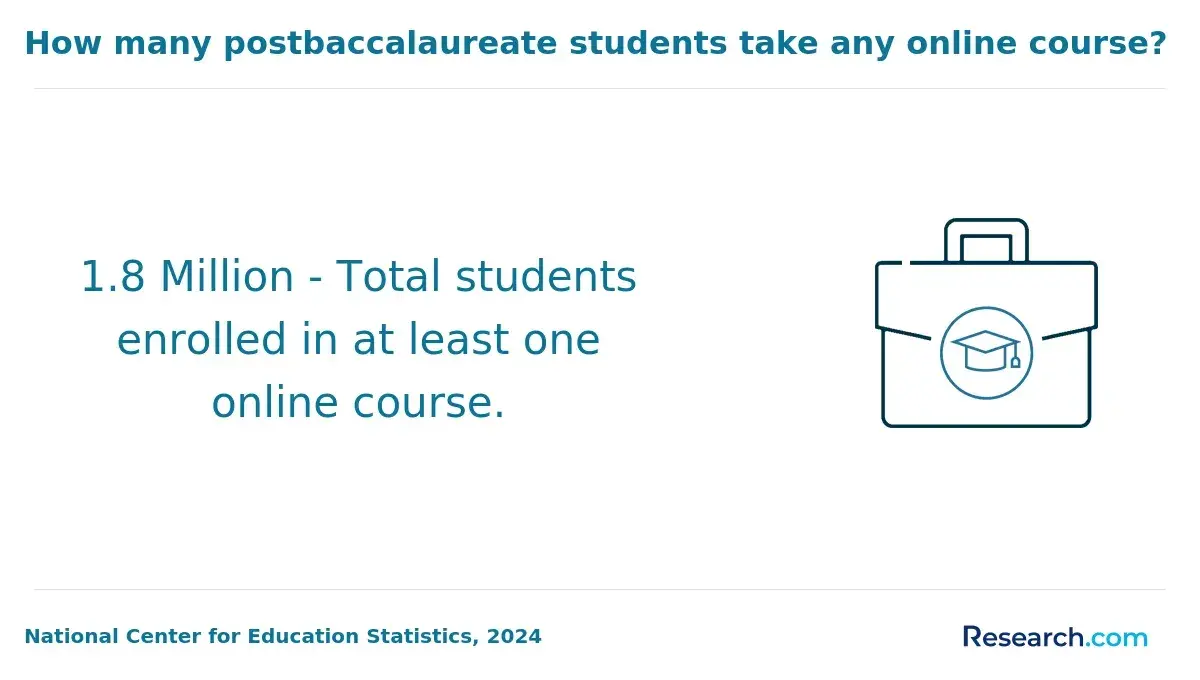
- Graduate Aid Trends: Recent data from the National Center for Education Statistics indicates that more than 60% of graduate students rely on federal aid, underscoring FAFSA's critical role for secondary education master's candidates.
A professional who earned a secondary education master's remarked that while the FAFSA forms initially seemed overwhelming, recognizing his status as an independent student clarified what financial details to include. He emphasized the importance of applying early, as his state grant funding was partly based on submission timing.
"I was relieved that I didn't need to collect my parents' financial data, which saved time and stress," he noted. The IRS Data Retrieval Tool proved especially helpful, easing paperwork complications. This experience reinforced how critical FAFSA is for managing education expenses and planning repayment options through work-study and loans.
What Federal Loans Are Available for Financing a Secondary Education Master's Degree?
Graduate students pursuing a secondary education master's degree should assess federal student loans for secondary education master's programs carefully to manage their financing effectively. Below are important highlights of the primary federal graduate loan options available to such students:
- Direct Unsubsidized Loans: These loans allow graduate students to borrow up to $20,500 annually with fixed interest rates that are usually lower than private loans. Interest accrues from the moment funds are disbursed, differing from subsidized undergraduate loans where interest is paid by the government while enrolled.
- Graduate PLUS Loans: Designed to supplement Direct Unsubsidized Loans, Graduate PLUS Loans cover up to the full cost of attendance minus other aid. These loans feature higher interest rates, require a credit check, and repayment generally begins 60 days after borrowing unless deferred during school enrollment.
- Interest Rates and Repayment: Both loan types have fixed federal interest rates adjusted yearly, with Direct Unsubsidized Loans typically offering lower rates. Repayment usually starts six months after finishing school; income-driven repayment plans help tailor monthly payments to borrowers' earnings.
- Disbursement and Timing: Loans are usually paid in two installments per academic year. Planning loan acceptance to align with tuition deadlines is critical to avoid cash flow problems during the program.
- Responsible Borrowing: Students should calculate all expenses, including tuition and living costs, subtract grants and scholarships, and borrow only what's necessary. Federal loans must be treated as a last resort after exploring fellowships, graduate assistantships, and other aid sources.
Additionally, students interested in accelerated pathways might explore 2-year accelerated bachelor's degrees as part of their broader education planning.
What Scholarships and Fellowships Exist Specifically for Secondary Education Master's Students?
Financing a master's degree in secondary education involves exploring various scholarships and fellowships designed to ease the financial burden. These awards differ in structure and purpose, so understanding their nuances can enhance application success.
Below are important aspects to consider when searching for funding opportunities:
- Scholarships vs. Fellowships: Scholarships are merit- or need-based financial awards that do not require repayment and often have flexible requirements. Fellowships typically involve research, teaching, or project work tied to the student's field, providing stipends or tuition coverage in return for specific commitments.
- Funding Sources: Professional associations like the National Education Association, subject-area foundations, and government education departments are main providers of scholarships and fellowships tailored to prospective secondary education educators.
- Application Timing: Deadlines for these programs usually fall well before institutional aid deadlines, making it essential to start the search early to prepare compelling applications and meet all requirements.
- Discipline-Specific Opportunities: Researching specialized databases, professional organizations, and membership benefits reveals niche awards often unknown to general audiences but critically valuable for secondary education candidates.
- Combining Aid: Many students strategically layer scholarships, fellowships, assistantships, and federal loans, carefully managing requirements and reporting to maximize total aid and reduce reliance on debt.
A professional who began their career after completing a secondary education and a master's degree recalls the challenge of navigating numerous deadlines and intricate eligibility criteria. She mentioned, "It was overwhelming at first, but focusing on early research helped me submit several strong fellowship applications."
The experience taught her the value of persistence and networking through educational associations, which opened doors to lesser-known scholarships. Looking back, she appreciates how each award made the financial aspect more manageable, allowing her to focus on her teaching goals without undue stress.
How Can Graduate Assistantships Help Pay for a Secondary Education Master's Degree?
Graduate assistantships present a powerful opportunity for those pursuing a secondary education master's degree to ease the financial burden of tuition and living expenses. These positions typically combine financial support with valuable professional experience.
Below are essential points to keep in mind when considering graduate assistantships as part of your funding strategy:
- Types of Assistantships: Teaching assistantships (TAs) generally involve responsibilities like leading discussion groups or grading assignments. Research assistantships (RAs) focus on aiding faculty with academic studies and projects. Administrative assistantships help manage departmental or program operations. Each type provides a stipend alongside partial or full tuition remission.
- Application Process: Assistantships are most often awarded by academic departments, not through standard financial aid offices. Secondary education candidates should proactively reach out to program directors or department offices to learn about current opportunities and application requirements.
- Financial Impact: Combining a stipend with tuition waivers, assistantships can represent one of the most significant financial support options for graduate students, substantially reducing overall education costs.
- Time Commitment: Expect to dedicate approximately 10 to 20 hours weekly to assistantship duties. Balancing these with coursework may affect how quickly you complete your degree, so careful time management and planning are crucial.
- Emerging Trends: Recent data from the National Center for Education Statistics indicates that about 35% of students earning master's degrees in education nationwide benefit from some form of graduate assistantship funding, underscoring their increasing importance.
Are There Employer Tuition Reimbursement Options for Secondary Education Master's Programs?
Working professionals pursuing a secondary education master's degree can significantly reduce their educational expenses by leveraging employer tuition assistance programs. These programs provide valuable financial support but often come with specific requirements.
The following points outline essential considerations for maximizing employer-sponsored tuition reimbursement:
- IRS Section 127 Tax Benefits: Employers can offer up to $5,250 annually in tuition assistance that is exempt from taxable income under IRS Section 127. This tax-free benefit helps students reduce out-of-pocket costs and eases the financial burden of graduate studies.
- Employment Commitment Requirements: Many employers require recipients of tuition reimbursement to remain with the company for a predetermined period after graduation. Understanding these obligations prevents unexpected repayments or penalties.
- Aligning Degree With Job Role: A well-prepared formal proposal demonstrating how the secondary education master's degree enhances your current role and benefits the organization often increases approval chances for tuition assistance.
- Reviewing Employee Benefit Packages: Thoroughly examine your employer's tuition assistance policies, including eligibility, application procedures, deadlines, and covered expenses, by consulting your human resources department or benefits materials, as programs vary widely.
- Growing Trends: According to the Society for Human Resource Management, 56% of U.S. employers provided some form of tuition assistance in recent years, reflecting a widespread investment in workforce education.
What State-Based Financial Aid Opportunities Exist for Secondary Education Graduate Students?
State grants for secondary education graduate students play a vital role in reducing the overall cost of pursuing a master's degree in this field. Many prospective students benefit from state-level financial aid programs designed to support educators, especially those preparing for teaching careers in high-demand areas.
Here are some key points about these opportunities:
- Grants and Scholarships: Numerous states provide need- or merit-based grants and scholarships for students enrolled in accredited in-state secondary education programs. These awards often require residency and enrollment in approved institutions, reflecting the state's commitment to developing qualified teachers.
- Loan Forgiveness Programs: Targeted loan forgiveness initiatives exist in several states, aimed at graduates who commit to teaching in underserved schools or high-need regions. These programs reduce student loan debt by rewarding service in critical secondary education fields.
- Tuition Equity and Reduced Rates: Certain states offer tuition equity that allows eligible students, including some nonresidents, to pay in-state rates. Others provide reduced tuition fees for graduate students working toward licensure or certification in secondary education to help lower financial barriers.
- Employment-Linked Incentives: Some states tie financial aid to commitments by recipients to work in specific high-need districts or subject areas. This helps align aid with workforce development goals and strengthens local education systems.
- Limited Funding and Early Application: Since state financial aid funding is limited and highly competitive, early application is crucial. It is advisable for students to contact their state's higher education agency promptly to understand available aid and deadlines.
State financial aid programs for master's in secondary education have contributed to a 15% rise in teacher retention rates in high-need fields over recent years, demonstrating the effectiveness of these incentives. Graduate students should also explore federal aid options and institutional grants alongside state resources to build a comprehensive funding plan.
For those planning further advancement, exploring an online PhD leadership program can be a strategic step. Combining multiple funding sources, including state grants and loan forgiveness, can significantly reduce debt and support a sustainable career in education.
How Do Institutional Grants and University Fellowships Factor Into Secondary Education Funding?
For prospective secondary education master's degree students, securing institutional grants and university fellowships plays a vital role in reducing educational costs. These funding sources offer important opportunities to help manage expenses while pursuing advanced education.
Below are key considerations to keep in mind regarding institutional funding for secondary education master's programs:
- Merit-Based and Need-Based Awards: Many universities provide institutional grants to attract high-quality secondary education candidates by recognizing academic excellence or financial need. These often take the form of tuition remission or partial grants that ease the overall financial burden.
- Difference Between Financial Aid Offices and Academic Departments: Financial aid offices typically manage broad student support, while departmental or graduate school fellowships are administered within academic units. Clearly understanding these distinctions enables students to uncover all relevant funding sources.
- Departmental Fellowships and Graduate Assistantships: Fellowships might include stipends, tuition waivers, or teaching assistantships offering both financial relief and valuable professional experience tied to the secondary education curriculum.
- Direct Inquiries to Admissions Contacts: Prospective students should proactively ask admissions or department representatives about specific institutional grants and fellowships available, since eligibility and deadlines can vary widely across institutions.
- Comparing Multiple Offers: Applying to several programs and directly comparing their institutional aid packages is an effective strategy to minimize out-of-pocket costs and select the most beneficial combination of grants and fellowships.
In addition to institutional grants, it is wise to explore the full spectrum of financial aid options, including federal assistance and employer-sponsored programs, to strategically finance your degree. Those interested in related fields may benefit from resources addressing cost considerations, such as construction management degree online cost, to inform financial planning more broadly.
What Role Do Professional Associations Play in Funding a Secondary Education Master's Degree?
For those pursuing a master's degree in secondary education, professional associations can be essential sources of financial support beyond typical scholarships and loans. Exploring these options early can lead to meaningful funding opportunities. Key types of assistance available include:
- Scholarships and Grants: Numerous associations offer scholarships aimed specifically at graduate students focused on secondary education. These awards often emphasize academic achievement and dedication to the profession and may require proof of enrollment or membership.
- Travel and Research Funding: Travel grants help cover costs for attending conferences where students can share research and network. Some organizations also provide funds for specific projects related to secondary education.
- Mentorship Stipends: Certain associations provide stipends to support participation in mentorship programs, assisting financially while students gain hands-on experience under experienced educators.
- Membership Requirements: Access to many awards is linked to professional association membership, making joining these groups early a strategic step to increase eligibility.
- Application Tips: Applying ahead of deadlines and submitting a targeted, well-written personal statement tailored to secondary education greatly improves the chances of receiving funding.
How Can Income-Driven Repayment and Loan Forgiveness Programs Apply to Secondary Education Graduates?
Managing student loan repayment can be a critical concern for those pursuing a secondary education master's degree, especially as many graduates enter lower-paying roles in government, nonprofit, or academic settings. Federal income-driven repayment (IDR) plans and loan forgiveness programs are designed to ease this burden.
The following points outline essential federal options that can make loan repayment more feasible for future educators and related professionals:
- Income-Driven Repayment Plans: Options like SAVE, IBR, PAYE, and ICR tailor monthly payments based on income and family size. This flexibility ensures that payment amounts remain affordable even with modest salaries common in secondary education careers.
- Public Service Loan Forgiveness (PSLF): After 10 years of qualifying payments while working full-time in eligible public service roles, remaining federal loan balances may be forgiven. Careers in government schools, nonprofit education organizations, and certain academic positions typically qualify for this benefit.
- Loan Eligibility Requirements: Only federal student loans are eligible for IDR plans and PSLF forgiveness. Private loans do not qualify, which underscores the importance of prioritizing federal borrowing to access these financial protections.
- Qualifying Employment: Secondary education professionals employed by government agencies, nonprofits, and some academic institutions should verify their job's eligibility status and keep meticulous records of employment and payments to qualify for forgiveness programs.
- Utilize Available Resources: Prospective and current borrowers should consult the Federal Student Aid website and seek advice from financial counselors. Creating personalized repayment plans using these resources can better align loan management strategies with expected incomes in secondary education fields.
What Graduates Say About Paying for a Secondary Education Master's Degree with Financial Aid
- Zach: "Choosing a secondary education master's degree was a game-changer for me because it directly aligned with my passion for teaching adolescents and creating engaging learning environments. The program's cost was reasonable, especially considering the value it added to my skills and credentials. Since completing the degree, I've seen a significant boost in my confidence and opportunities for leadership roles within my school district."
- Duncan: "Reflecting on my decision to pursue a secondary education master's degree, I realize that the financial investment was a crucial factor that initially held me back. However, the career benefits far outweighed the costs. The program helped me refine my instructional techniques and equipped me to handle diverse classroom challenges, which has made my teaching more effective and personally fulfilling."
- Andrew: "From a professional standpoint, enrolling in a secondary education master's degree was a strategic move to advance my career as an educator. The curriculum was rigorous but manageable, with tuition fees that fit my budget without overwhelming it. The credential opened doors to advanced teaching positions and curriculum development projects, elevating my career to new heights."
Other Things You Should Know About Secondary Education Degrees
In 2027, part-time enrollment might reduce your eligibility for certain federal student aid types, which often require at least half-time enrollment. Online programs usually retain the same aid eligibility as on-campus options, but specific institutional or private scholarships could have different criteria.
For 2027, students can explore federal aid like the TEACH Grant, state-specific grants, and scholarships for educators. Additionally, consider work-study programs and low-interest federal student loans. Private scholarships and employer tuition assistance are also viable options to fund a Secondary Education Master's Degree.
References
- How to Pay for Grad School in 2026 - NerdWallet https://www.nerdwallet.com/student-loans/learn/ask-brianna-paying-graduate-school
- 1.0 Utah Scholarship and Aid Landing Page - Utah System of Higher Education https://ushe.edu/state-scholarships-aid/
- 5 Reasons Educators Should Join a Professional Organization | NSHSS | National Society of High School Scholars https://www.nshss.org/resources/blog/blog-posts/5-reasons-why-it-s-important-for-educators-to-join-professional-organizations/
- Loans for Graduate School: Best Options and How to Secure https://www.princetonreview.com/grad-school-advice/grad-school-loans-finance-your-degree
- What grad school students need to know about filing the FAFSA https://www.citizensbank.com/student/articles/important-things-to-know-when-filing-fafsa-for-grad-school.aspx
- Income-Driven Repayment Plan Loan Forgiveness - Student Loan Borrowers Assistance https://studentloanborrowerassistance.org/for-borrowers/dealing-with-student-loan-debt/loan-cancellation-forgiveness-bankruptcy/cancellation-forgiveness-options/idr-cancellation/
- Best Graduate Student Loans: 2026 Changes Explained https://finaid.org/loans/best-graduate-student-loans/


